
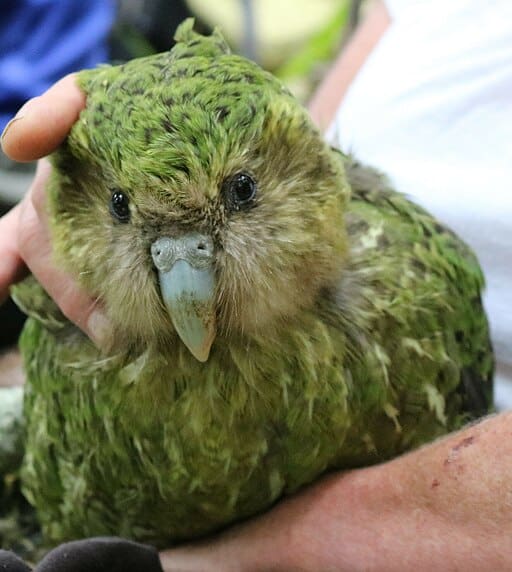
The kakapo, also known as the night parrot or owl parrot, is one of New Zealand’s most iconic and intriguing native birds. A true marvel of evolution, it stands out not only because it is the world’s only flightless parrot, but also due to its nocturnal habits and distinctive appearance. Once widespread across New Zealand, the kakapo (Strigops habroptilus) is now critically endangered, largely due to introduced predators and habitat loss. Conservation efforts are underway to protect this unique creature and ensure its survival for future generations.
Physical Characteristics
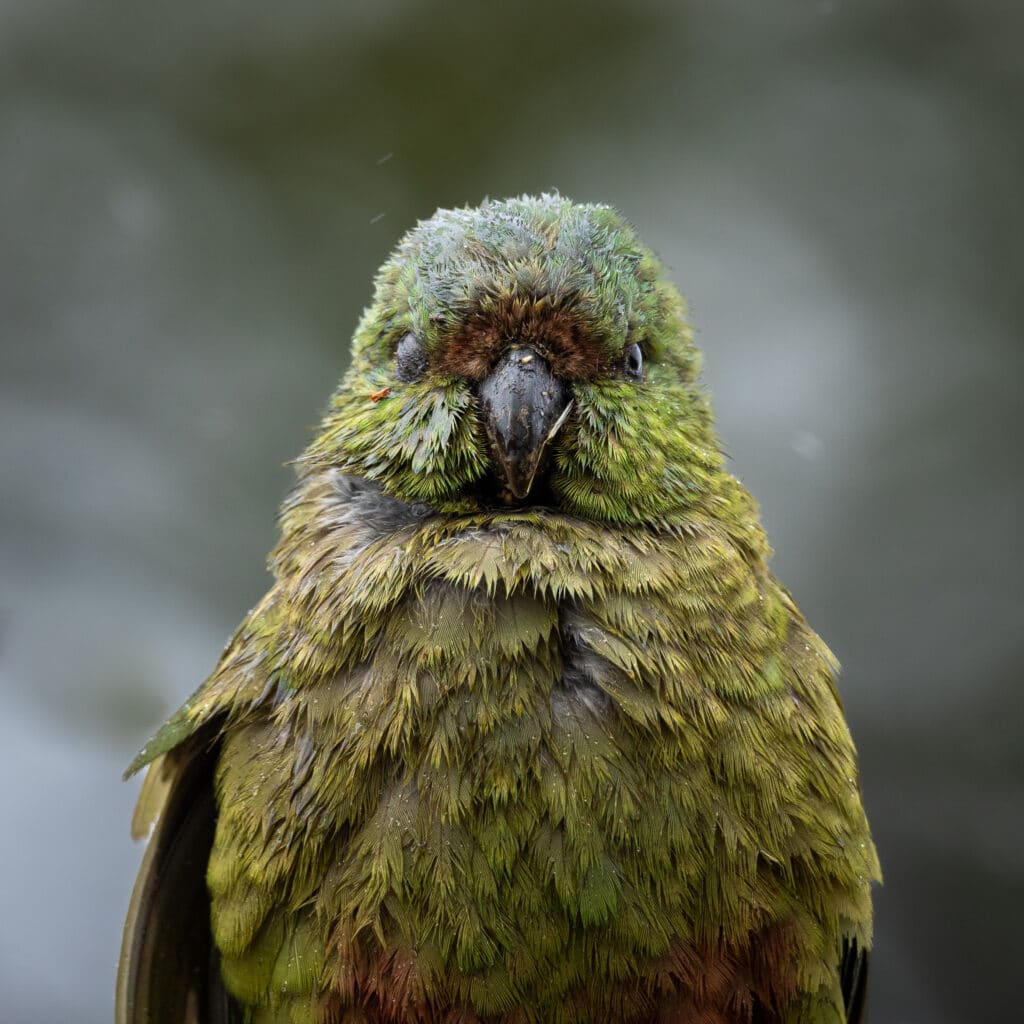
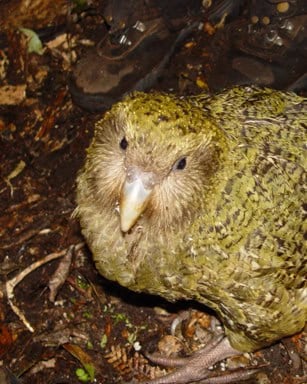
The kakapo is a large parrot, with males weighing up to 4 kilograms (8.8 pounds) and females slightly smaller. This hefty weight renders them flightless, making them the heaviest parrot species in the world. Its plumage is mossy green with flecks of brown and yellow, providing excellent camouflage amongst the New Zealand forest floor. The kakapo’s face is particularly distinctive, resembling that of an owl due to its disc-shaped arrangement of feathers around the eyes, which helps focus sound and enhance its nocturnal capabilities.
Behavior and Diet

The kakapo is primarily nocturnal, resting in well-hidden sites during the day and emerging at night to feed. Its diet consists largely of native plants, seeds, fruits, and bark, with a particular fondness for the rimu fruit, which plays a crucial role during breeding. As a ground-dwelling bird, the kakapo has strong legs adapted for walking long distances and climbing trees, despite its inability to fly. Known for its low-energy lifestyle, the kakapo has a slow metabolism to match its laid-back demeanor.
Reproduction and Breeding Habits
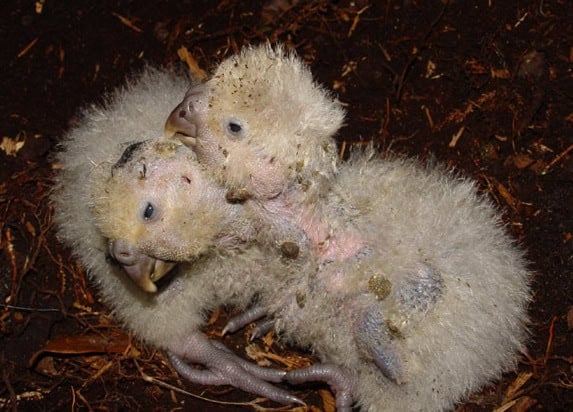
The kakapo has a unique breeding system known as lek breeding. Males establish territories and compete for female attention by calling from specially made bowls called leks. These bowls help amplify their low-frequency booming calls, which can travel up to 5 kilometers (about 3 miles). Unfortunately, this elaborate process occurs only once every two to four years, in tandem with the availability of rimu fruit, making the species’ reproduction rate exceedingly low.
Conservation Efforts

With only about 200 kakapos remaining, according to recent estimates, intensive conservation efforts have become essential. The kakapo was once widespread throughout New Zealand but saw dramatic population declines due to the introduction of predators like cats, rats, and stoats, as well as habitat destruction. Conservationists have since relocated remaining individuals to predator-free islands and are actively managing breeding programs. Advances in technology, such as genetic studies and nest monitoring, further aid these efforts to augment the population.
The Future of the Kakapo
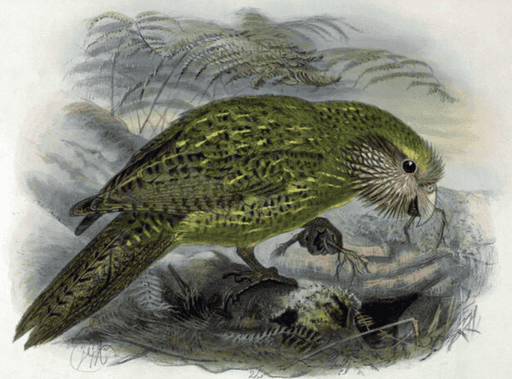
While the kakapo faces significant challenges in its fight against extinction, dedicated conservation efforts provide a ray of hope. Organizations like the Kakapo Recovery Programme are tirelessly working to cultivate a future where the kakapo can once again thrive. Public awareness and support play a vital role in enhancing conservation success, emphasizing the need for global cooperation to protect this remarkable species. With time, the iconic kakapo may rebound, embodying a beacon of hope for endangered species worldwide.
Conclusion
The kakapo is a testament to the fascinating diversity of life on Earth. Its story of survival against the odds offers valuable lessons about the impact of human activities on biodiversity and the importance of proactive conservation measures. By safeguarding the kakapo’s habitat, combating invasive species, and supporting innovative conservation strategies, we can contribute to the preservation of this extraordinary parrot and its natural home in New Zealand. As stewards of the planet, it is our responsibility to ensure that future generations will also experience the magic of the kakapo.

Leave a comment
You must be logged in to post a comment.