

Encountering an alligator in its natural habitat is enough to make anyone’s heart race. These powerful reptiles have been an integral part of the ecosystem in the southern United States for millions of years. Among the millions that populate the waterways of the South, one alligator stands out for its sheer size, earning it the title of the largest alligator ever found in the US. In this article, we explore the wonder of this extraordinary creature, delving into its discovery, characteristics, and what makes alligators such incredible inhabitants of our planet.
Discovery of the Record-Breaking Alligator

In 2014, a team of hunters in Alabama made headlines by capturing an alligator of epic proportions. The giant measured an astounding 15 feet and 9 inches and weighed over 1,000 pounds. This remarkable find occurred during a state-sanctioned hunting season, providing the opportunity to safely harvest and document the creature while ensuring conservation practices were maintained.
Understanding the American Alligator
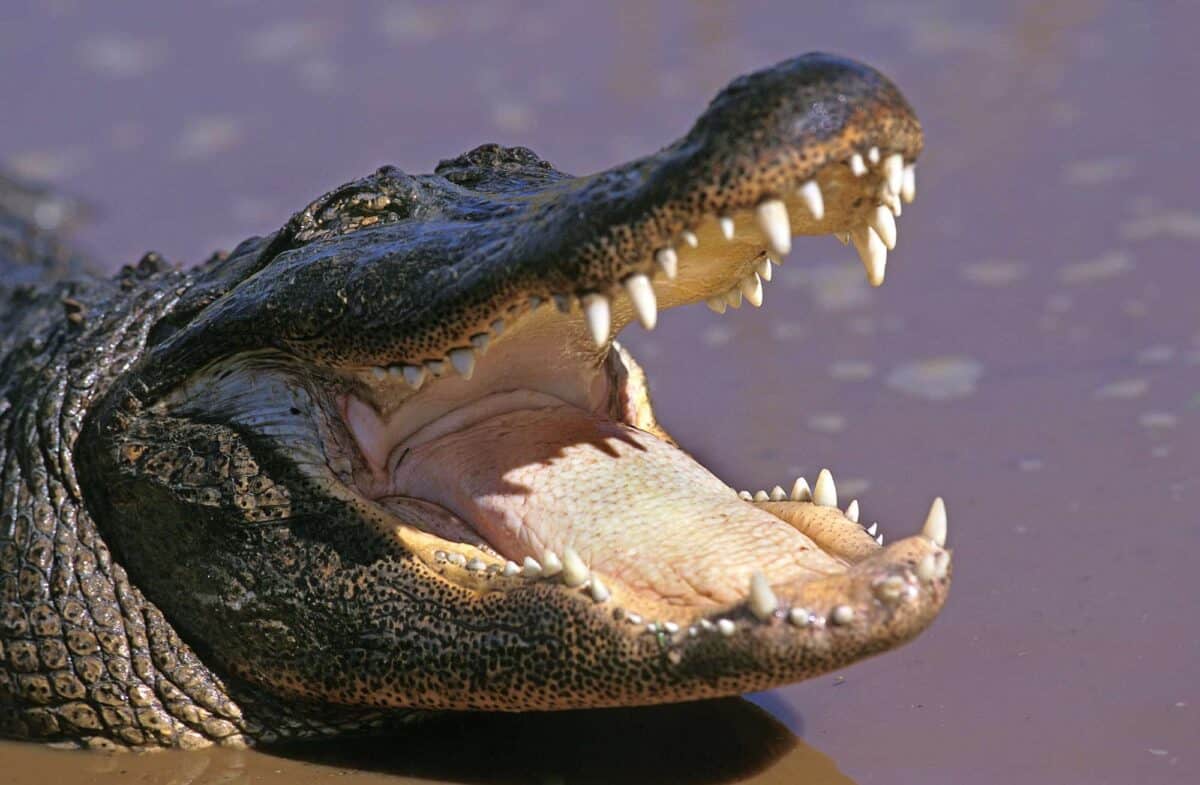
The American alligator (Alligator mississippiensis) is native to the southeastern United States. Known for their size and strength, they inhabit marshes, swamps, rivers, and lakes. These reptiles play a crucial role in their environments, helping to maintain the balance of aquatic ecosystems by controlling fish and invertebrate populations.
Physical Characteristics of Alligators

Typically, alligators have robust bodies, powerful jaws, and thick, scaly skin. They are olive-brown or black with small scales over most of their bodies, but possessing larger and stronger scales on their back. Males, on average, are larger than females, though individuals can vary significantly in size.
Behavioral Traits of Alligators
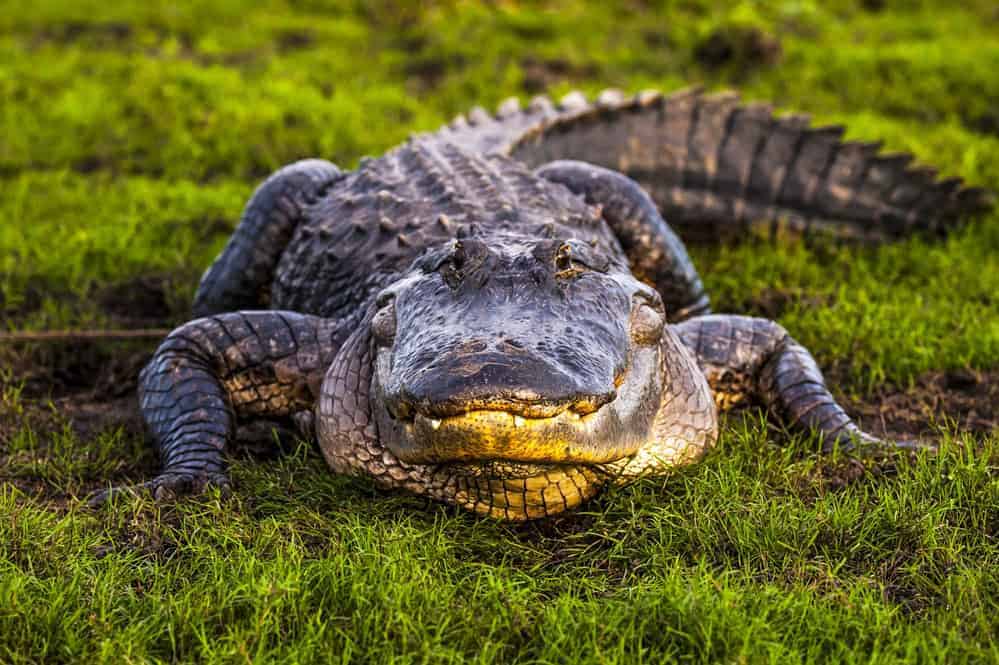
Alligators are primarily nocturnal hunters and are known for their patience. These ambush predators rely on stealth and surprise to catch their prey. They are excellent swimmers, utilizing their powerful tails to propel through the water, and often lurk just below the surface with only their eyes and nostrils visible.
Alligator Diet and Feeding Habits
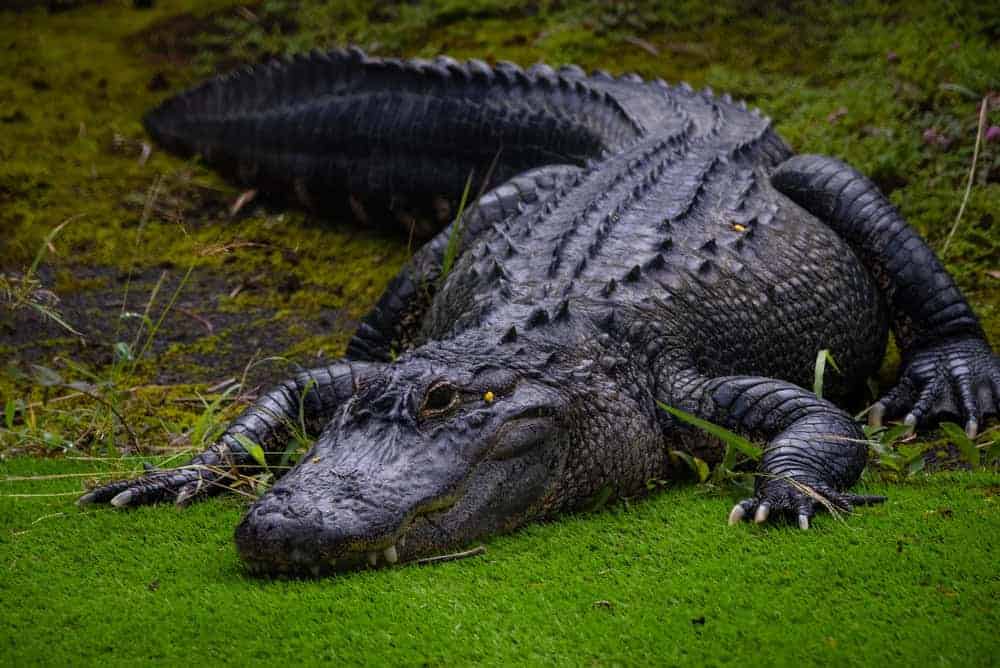
These carnivorous reptiles have a varied diet that changes as they grow. Juvenile alligators primarily consume insects, crustaceans, small fish, and other invertebrates. As they mature, their diet shifts to larger prey, including fish, birds, turtles, and mammals. Opportunistic feeders, they will take advantage of carrion if the opportunity arises.
Conservation Status of Alligators

The American alligator was once on the brink of extinction due to overhunting and habitat loss. However, through focused conservation efforts and strict regulations, their populations have rebounded. They are now listed as a species of least concern, though habitat destruction remains a persistent threat.
Impact of Habitat on Alligator Growth

The environment plays a crucial role in the growth and development of alligators. Regions with abundant food supply and optimal water conditions allow these reptiles to grow to substantial sizes. Alligator populations tend to thrive in the wetlands of the southeastern US, which provide ideal living conditions.
Reproduction and Lifecycle of Alligators

Reproduction in alligators usually occurs in the spring. Female alligators build nests by mounding vegetation in marshy areas, where they lay and guard their eggs. The temperature of the nest determines the sex of the hatchlings, a phenomenon known as temperature-dependent sex determination.
Challenges Facing Alligator Populations

Despite the rebound of their populations, alligators face ongoing challenges, including habitat destruction due to urban development and climate change. Wetland conservation and careful management of hunting practices are vital to ensuring their continued survival in the wild.
The Role of Alligators in Ecosystems

Alligators are apex predators, playing a pivotal role in their ecosystem by maintaining the health of their aquatic environments. Their predation on fish and other aquatic animals helps regulate populations, preventing overcrowding and maintaining the balance of species. They also create “alligator holes” which sustain aquatic life during dry periods.
The Public Fascination with Giant Alligators

It’s no surprise that record-breaking alligators captivate public attention. These colossal creatures evoke awe and curiosity, reminding us of the mysteries that persist in nature. Documenting and studying these magnificent reptiles provide insights into their biology and the complexities of their habitats.
Future Prospects for Alligators in the US

The future of alligators largely depends on continued conservation efforts and public education regarding their ecological significance. As long as their habitats are protected and sustainable management practices are enforced, alligators will continue to thrive in the southeastern United States.
In conclusion, the largest alligator ever found in the US is not just a marvel of size and strength but a testament to the resilience of a species that has thrived for millions of years. By understanding and appreciating these formidable reptiles, we can ensure that they continue to be a part of our natural world for generations to come.

- How Sea Otters Are Helping Restore Kelp Forests Along the Pacific Coast - July 18, 2026
- This River Delta Is a Magnet for Endangered Birds - July 17, 2026
- New Fossils in Baja California Reveal a Never-Before-Seen Grouper - July 17, 2026