

The ocean is home to some of the most massive creatures on Earth. While many assume that whales hold the title for the largest marine animals, the sheer size of some ocean dwellers continues to surprise researchers. In US waters, one creature stands out as the largest ever found, and it’s still roaming the depths today.
The Discovery of a Giant
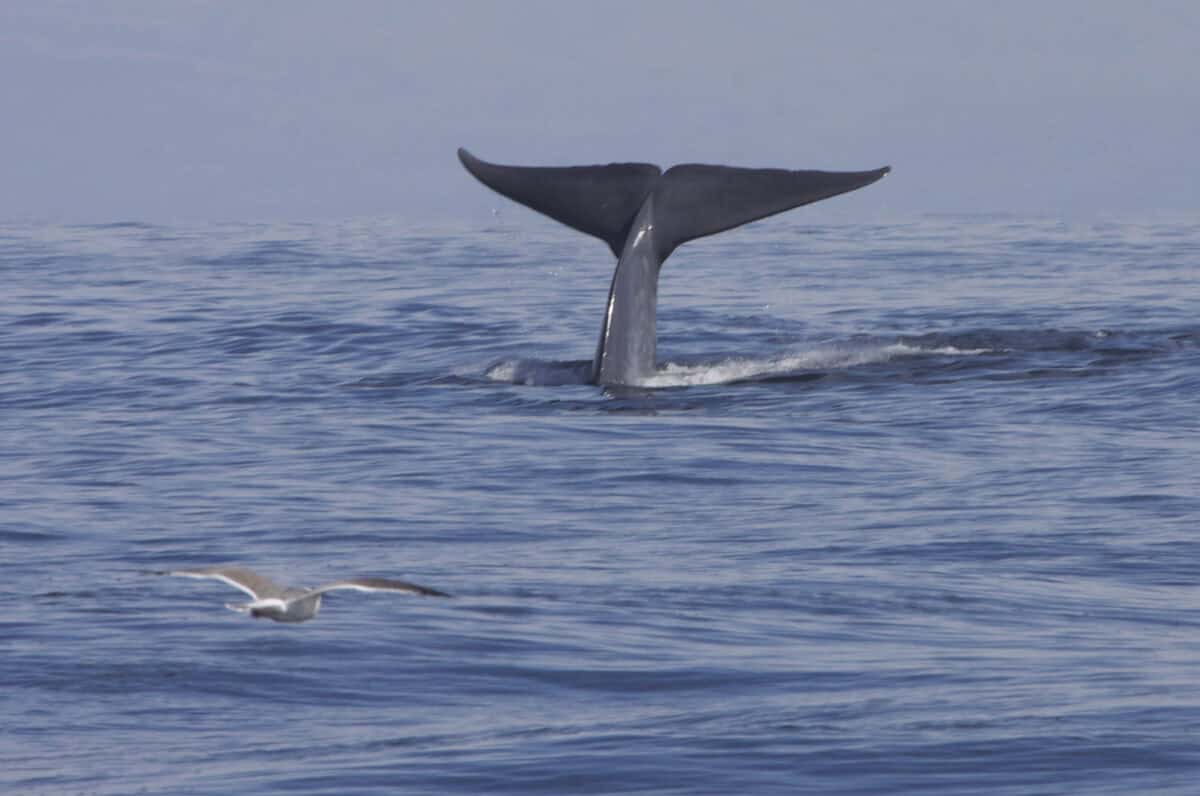
Scientists first documented the blue whale in US waters decades ago. With its enormous size and elusive nature, it quickly became the subject of fascination among marine biologists. Early sightings sparked debates about its true dimensions and species classification.
What Makes It the Largest?

The blue whale surpasses others in length and weight. Unlike other marine giants, its body structure allows it to grow to unprecedented proportions. Experts estimate that it measures longer than most commercial airplanes and weighs several tons.
Where It Has Been Spotted

Although elusive, the blue whale has been sighted in multiple locations along the US coastline. Reports suggest that it prefers deep waters, making it difficult to track. Some sightings have occurred off the coasts of California, Alaska, and the Gulf of Mexico.
Its Role in the Marine Ecosystem
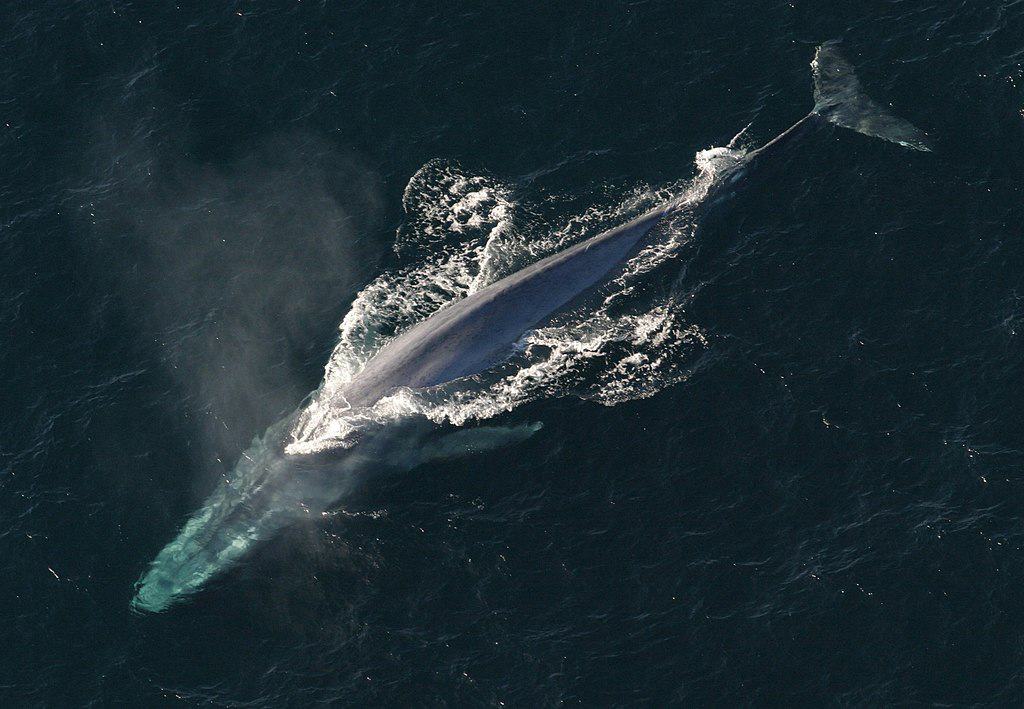
As a filter feeder, the blue whale plays a crucial role in maintaining the balance of its habitat. Its feeding habits regulate the populations of smaller marine life, ensuring that the ecosystem remains stable.
Unique Features That Set It Apart
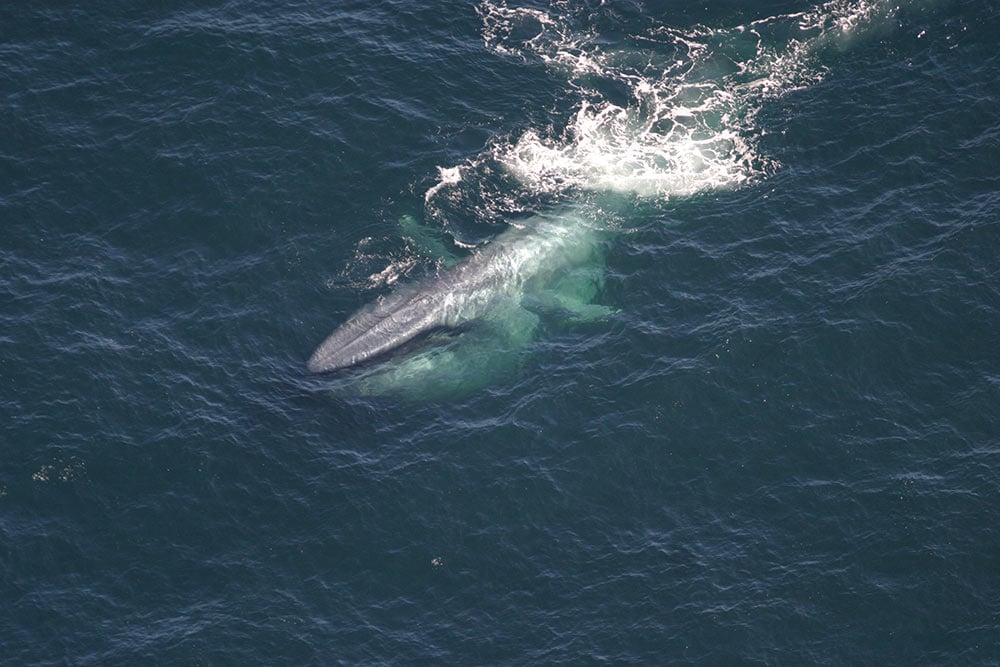
This animal has physical traits that distinguish it from other marine species. Its size, combined with its streamlined shape, allows it to navigate deep waters with ease. Some researchers believe it possesses unique biological adaptations that contribute to its longevity and massive growth.
How Scientists Study It
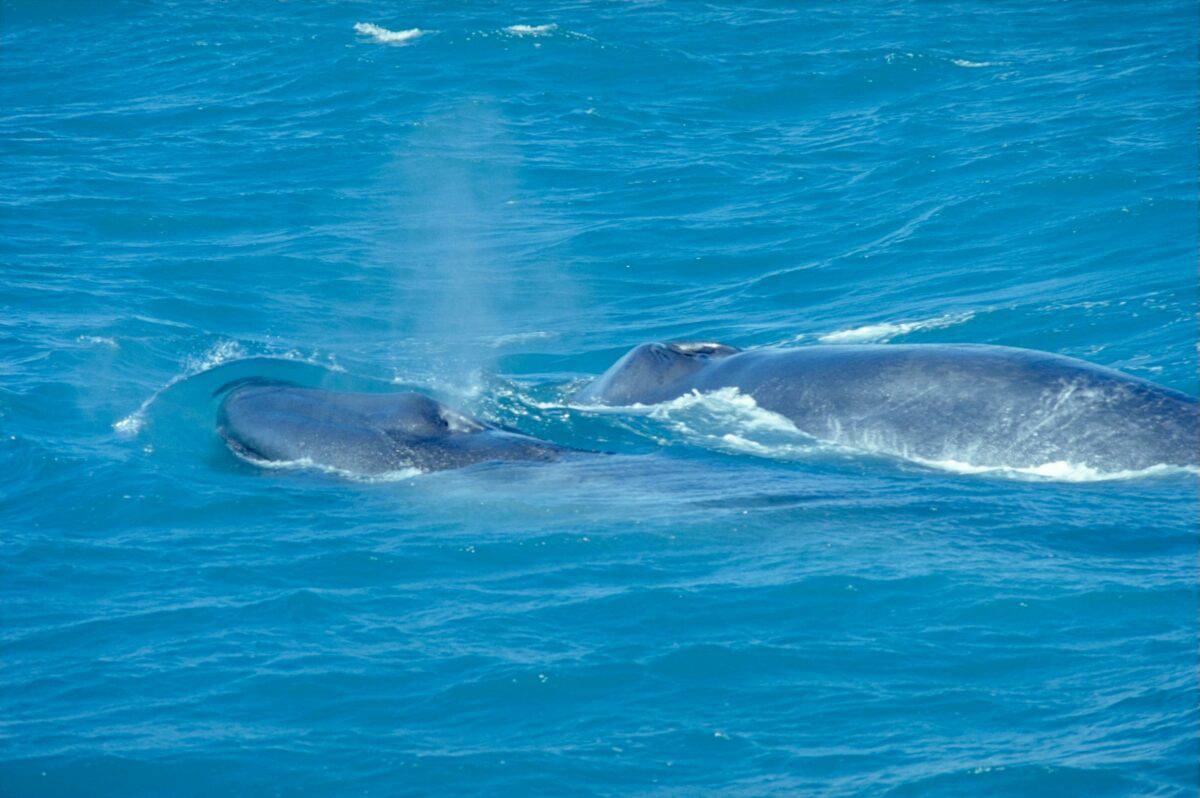
Due to its deep-sea habitat, studying the blue whale requires advanced technology. Researchers use underwater drones, sonar mapping, and satellite tracking to gather data. Despite these efforts, much about its behavior remains unknown.
Myths and Misconceptions
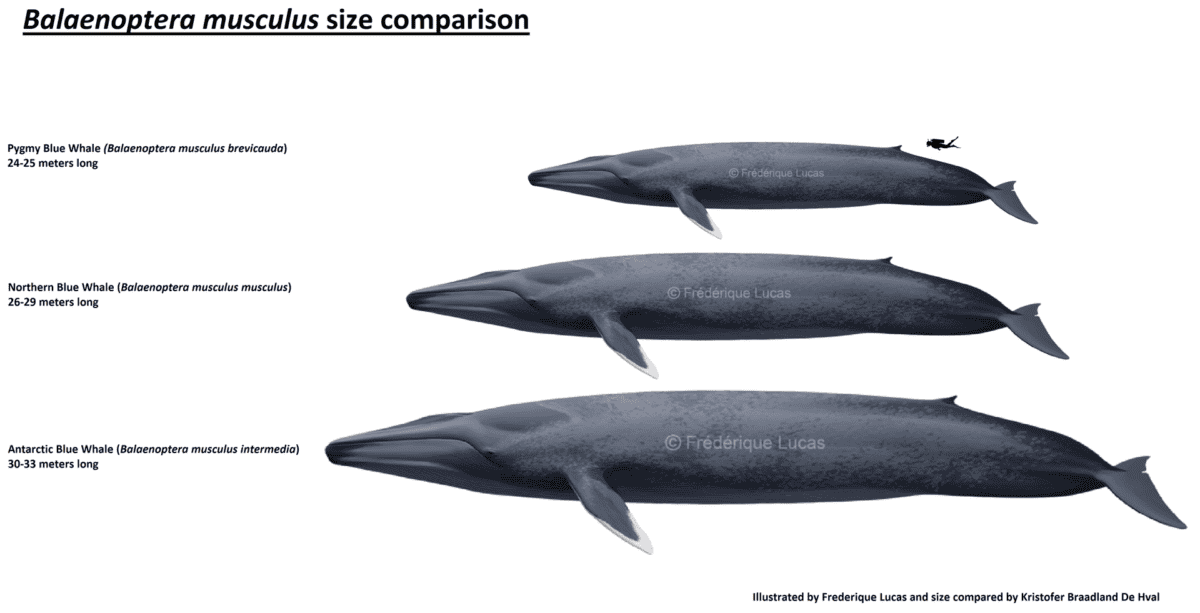
Over the years, numerous myths have surrounded the blue whale. Some claim that it is a remnant of prehistoric times, while others believe it could be an undiscovered species. While scientists have debunked many of these theories, the mystery surrounding it continues.
Conservation Concerns

Like many large marine species, the blue whale faces threats from human activity. Climate change, pollution, and ship collisions pose significant dangers. Conservationists emphasize the need for protective measures to ensure its survival for future generations.
Could It Get Even Bigger?

One of the most intriguing questions scientists ask is whether the blue whale has reached its full size. Some evidence suggests that it could continue growing throughout its life, potentially setting new records for marine giants.
The Future of This Ocean Giant
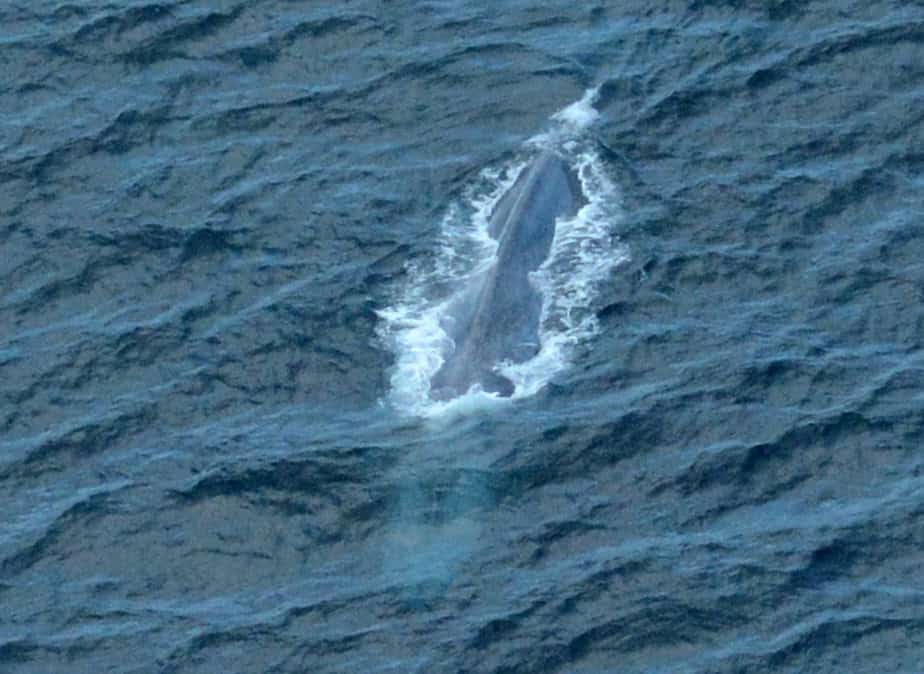
With ongoing research and technological advancements, scientists hope to uncover more about this fascinating creature. Future studies may reveal insights into its migration patterns, feeding habits, and potential interactions with other species.
Conclusion

The largest animal ever found in US waters remains one of the ocean’s greatest mysteries. While much has been discovered, there is still more to learn about its size, habits, and role of blue whales in the marine ecosystem. As scientists continue their research, this enormous creature continues to roam the deep, reminding us of the vastness and wonder of the ocean.

- The Island Where Endangered Birds Are Making a Comeback - June 22, 2026
- A New Supervolcano Is Brewing Beneath the Pacific - June 22, 2026
- Could the Ogallala Aquifer Run Dry in Our Lifetime? - June 20, 2026