

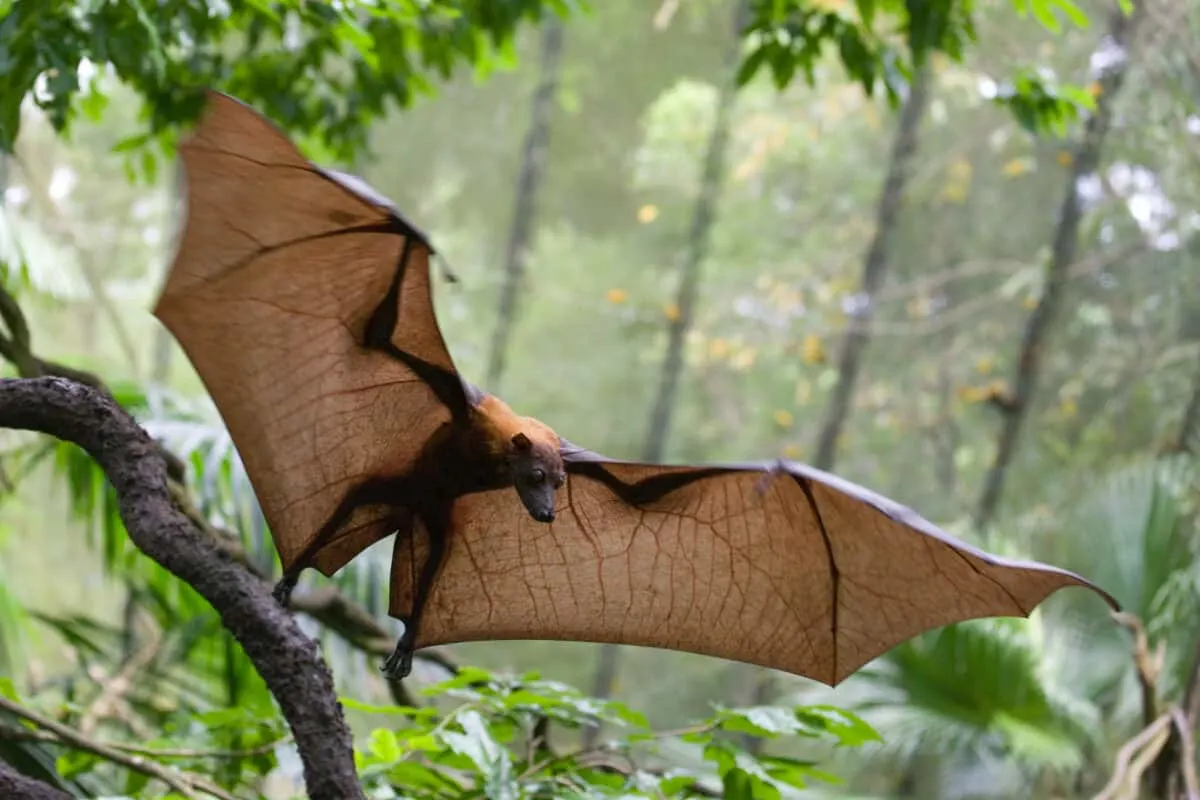
The world of bats is as fascinating as it is diverse, with over 1,400 species flitting across the planet. However, among these flying mammals, one stands out for its sheer size: the impressive giant golden-crowned flying fox. Let’s embark on an enlightening journey to discover more about this awe-inspiring creature whose wingspan can extend over five feet, captivating the imagination of wildlife enthusiasts and scientists alike.
Introduction to the Giant Golden-Crowned Flying Fox
🔥 Would you like to save this?
We'll email this post to you, so you can come back to it later!
The giant golden-crowned flying fox, also known by its scientific name *Acerodon jubatus*, is a species of megabat endemic to the Philippines. These remarkable mammals are renowned for their immense size and are considered one of the largest bat species globally. Their unique characteristics not only make them an intriguing subject of study but also an important part of the ecosystem.
Anatomy and Physical Characteristics
🔥 Would you like to save this?
We'll email this post to you, so you can come back to it later!
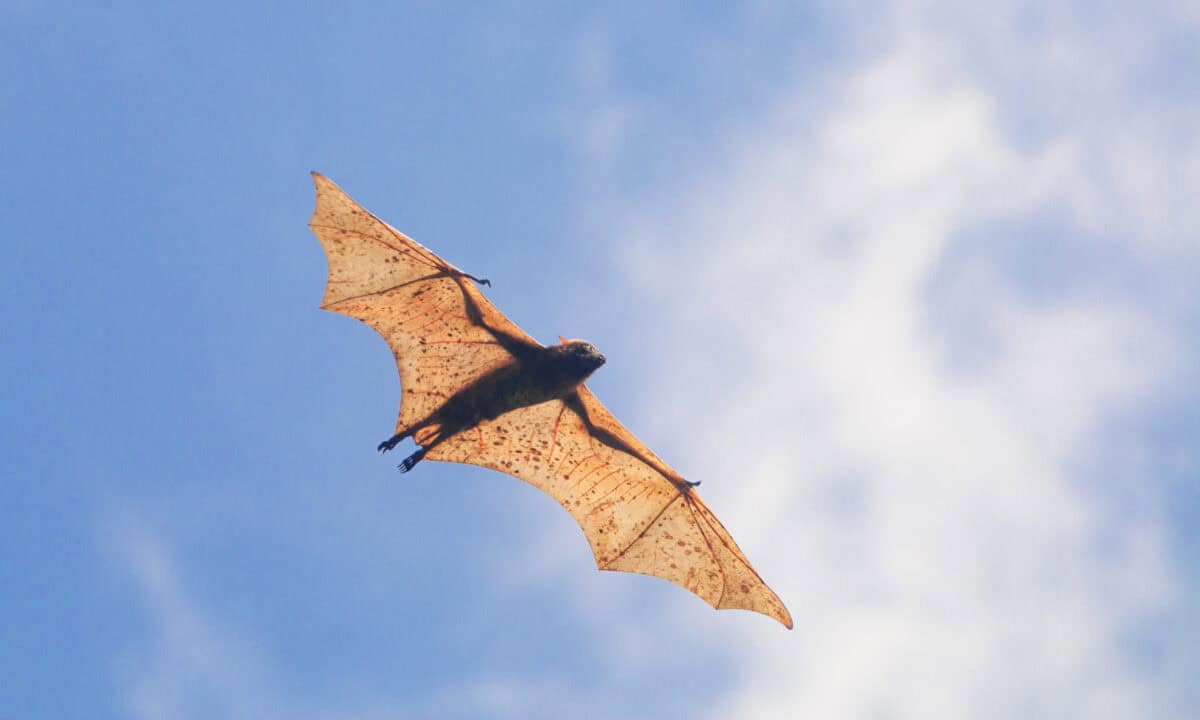
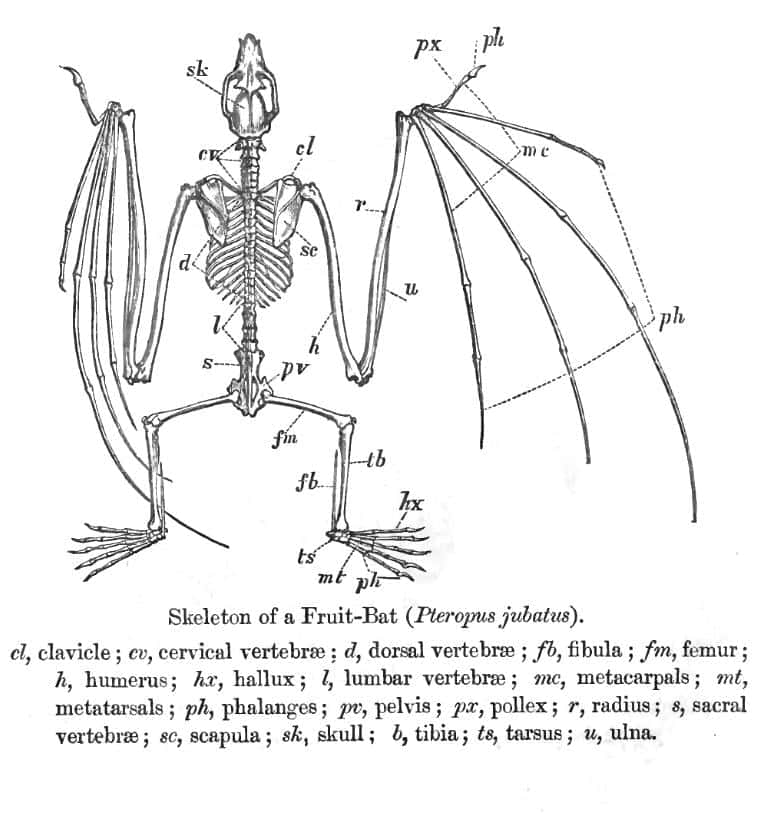
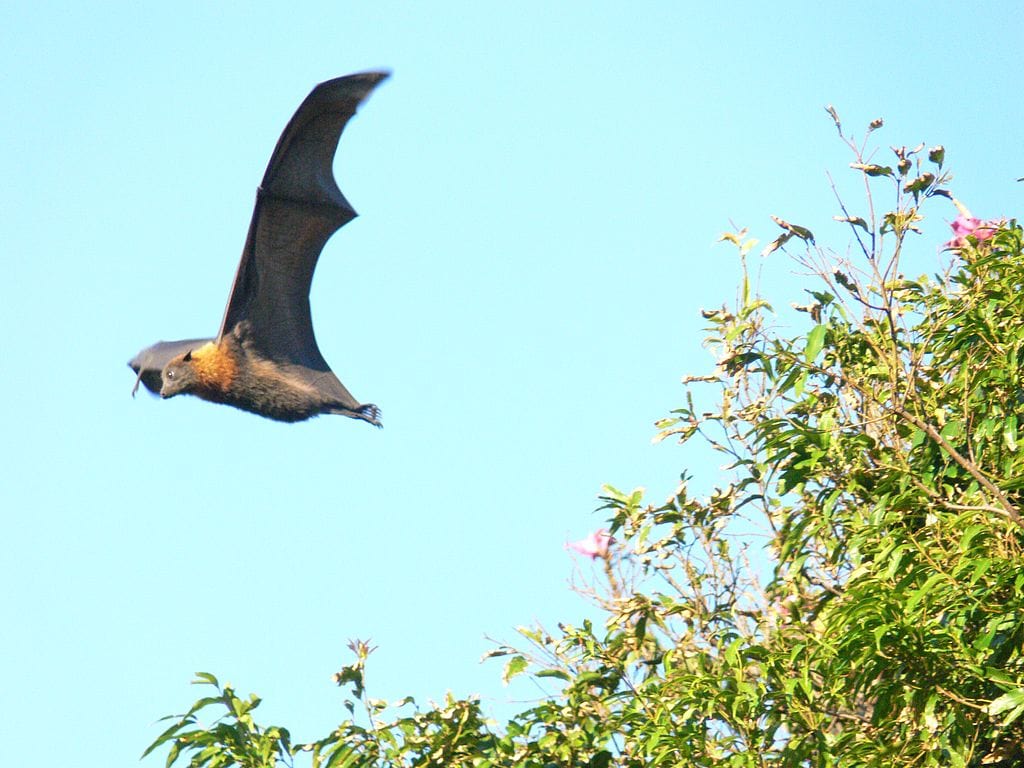
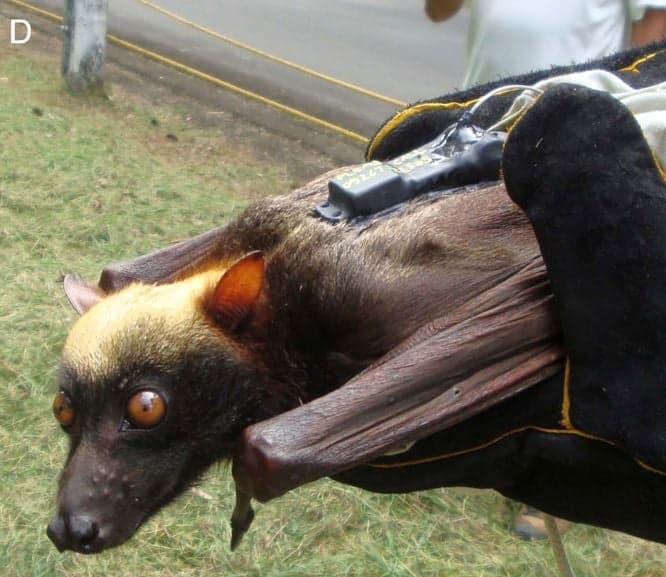
The most striking feature of the giant golden-crowned flying fox is its wingspan, which can exceed five feet. Unlike common misconceptions that all bats are small, this megabat challenges such perspectives with its expansive and majestic wings. Characterized by golden or orange tufts of fur on their heads, they possess an attractive appearance that matches their impressive wingspan.
Habitat and Distribution

🔥 Would you like to save this?
We'll email this post to you, so you can come back to it later!
This species is found exclusively in the forests of the Philippines. Preferring lowland and coastal forest habitats, these bats roost in large colonies, often in areas with thick canopy cover. The forests of Mindanao, Nueva Vizcaya, and other islands provide the perfect sanctuary for these gentle giants.
Dietary Habits
🔥 Would you like to save this?
We'll email this post to you, so you can come back to it later!
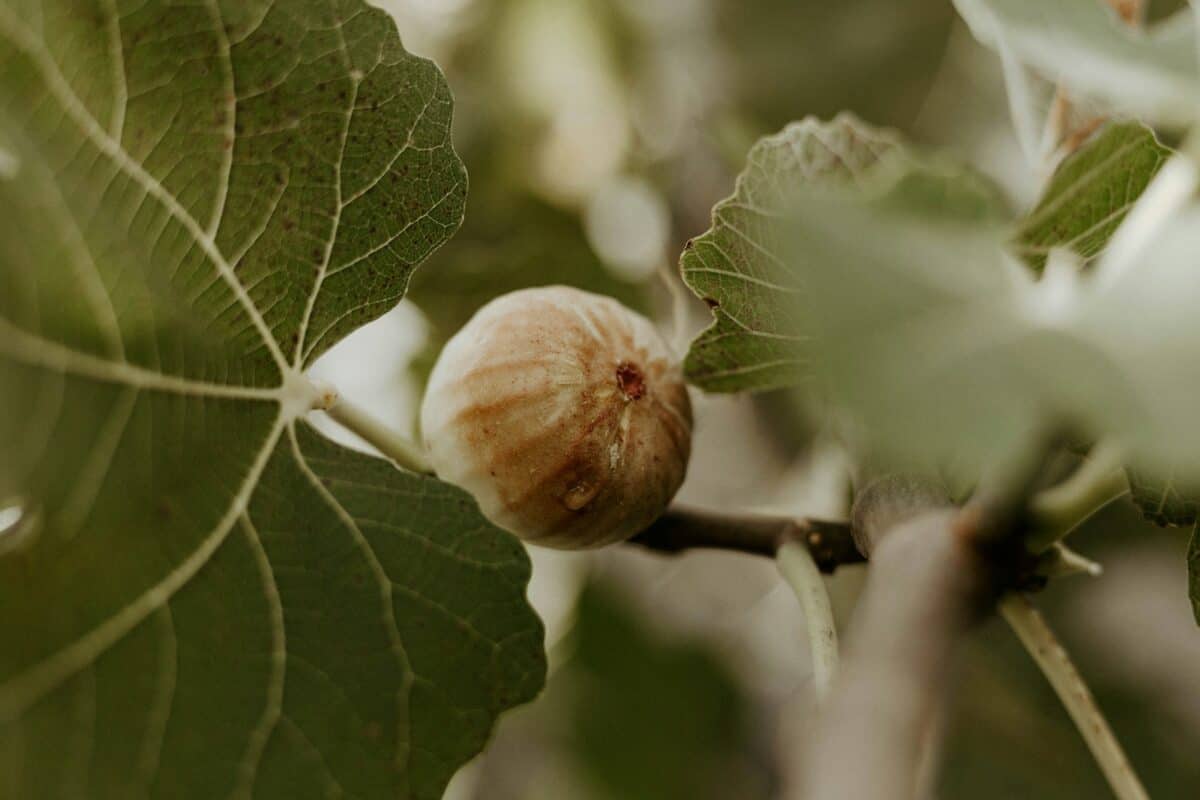
The giant golden-crowned flying fox is a frugivore, primarily feeding on ripe fruits such as figs, contributing significantly to forest regeneration. Their diet and feeding habits make them essential seed dispersers, which helps maintain healthy ecosystems.
Nurturing and Reproduction

🔥 Would you like to save this?
We'll email this post to you, so you can come back to it later!
Reproduction in giant golden-crowned flying foxes is relatively slow, with females typically giving birth to a single pup each year. This low birth rate means the species can be particularly vulnerable to population decline, requiring significant conservation efforts to ensure their survival.
Behavior and Social Structure

🔥 Would you like to save this?
We'll email this post to you, so you can come back to it later!
These bats are highly social animals, forming colonies that can number in the thousands. Their communal lifestyle extends to their roosting habits, where they hang together on branches in the organization that helps foster bonding and communication between individuals.
Communication and Echolocation
🔥 Would you like to save this?
We'll email this post to you, so you can come back to it later!
Unlike many other bat species, the giant golden-crowned flying fox does not use echolocation. Instead, it relies on keen eyesight and a strong sense of smell to navigate and locate food. This difference highlights the diversity found within the order Chiroptera.
Role in the Ecosystem

🔥 Would you like to save this?
We'll email this post to you, so you can come back to it later!
As vital seed dispersers, these bats play a crucial role in maintaining the biodiversity of their forest habitats. By aiding in the propagation of numerous plant species, they help sustain ecosystems that support various forms of life, emphasizing their importance beyond just their size and appearance.
Threats and Conservation Status
🔥 Would you like to save this?
We'll email this post to you, so you can come back to it later!
The giant golden-crowned flying fox faces numerous threats, including habitat loss, hunting, and deforestation. Classified as endangered by the International Union for Conservation of Nature (IUCN), ongoing conservation efforts are vital to protect these majestic creatures and their habitats.
Conservation Efforts and Initiatives

🔥 Would you like to save this?
We'll email this post to you, so you can come back to it later!
Efforts to conserve the giant golden-crowned flying fox involve habitat restoration, legal protections, and education programs aimed at reducing hunting pressures. Conservationists and local communities work together to create a sustainable environment for these bats and the forests they inhabit.
Interesting Facts About the Species

🔥 Would you like to save this?
We'll email this post to you, so you can come back to it later!
Despite their intimidating size, these bats are gentle and pose no threat to humans. They are a testament to the incredible diversity of life and an example of the unique adaptations that have evolved within the animal kingdom.
The Future of the Giant Golden-Crowned Flying Fox

🔥 Would you like to save this?
We'll email this post to you, so you can come back to it later!
Hope remains for the giant golden-crowned flying fox, as ongoing conservation efforts and increased awareness about its ecological importance continue to gain traction. Protecting these creatures ensures the survival of the vibrant ecosystems they support.
In summary, the giant golden-crowned flying fox is a marvel of nature, showcasing the impressive diversity found within the animal kingdom. Their immense size, ecological role, and gentle nature highlight the intricate web of relationships that sustain life on Earth. Through conservation and awareness, we can help ensure that future generations can witness the magnificence of these bats and the ecosystems they help support.

- How Koalas Survive on a Diet of Toxic (To Humans) Eucalyptus Leaves - November 5, 2026
- The Largest Python Ever Captured in Florida’s Everglades - November 5, 2026
- The Largest Sea Turtle Ever Rescued Off North Carolina - November 5, 2026