
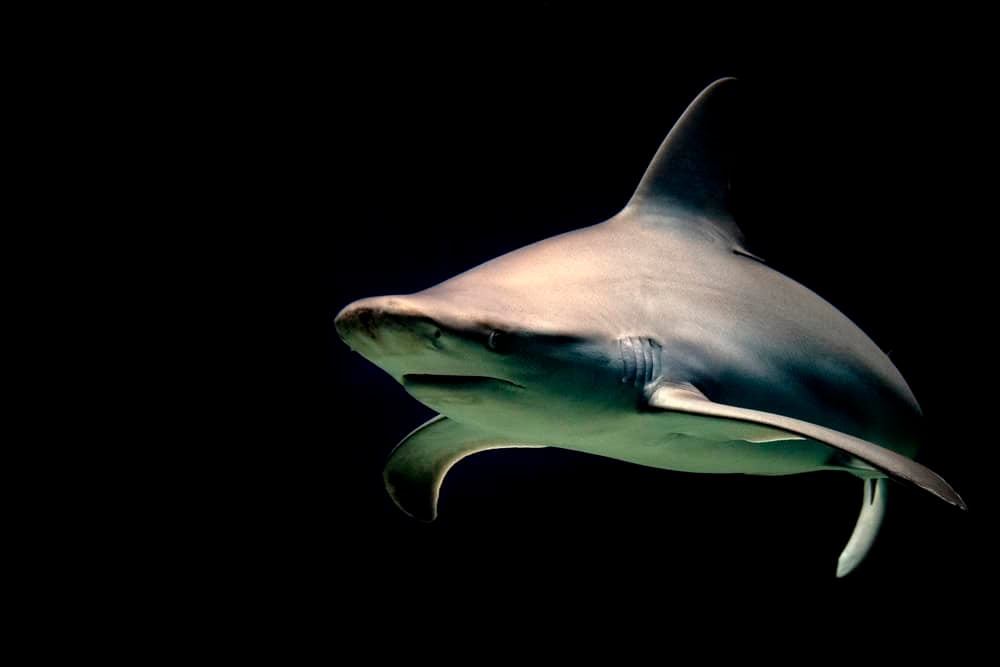
The waters of Florida are renowned for their biodiversity and fascinating marine life, but one encounter has piqued the interest of marine enthusiasts and scientists alike. The sighting of the largest bull shark ever reported in this region has stunned locals and raised intriguing discussions about the habits and habitats of these formidable predators. This article delves into the details surrounding this extraordinary encounter, offering insights and fostering a greater understanding of bull sharks.
Introduction to Bull Sharks
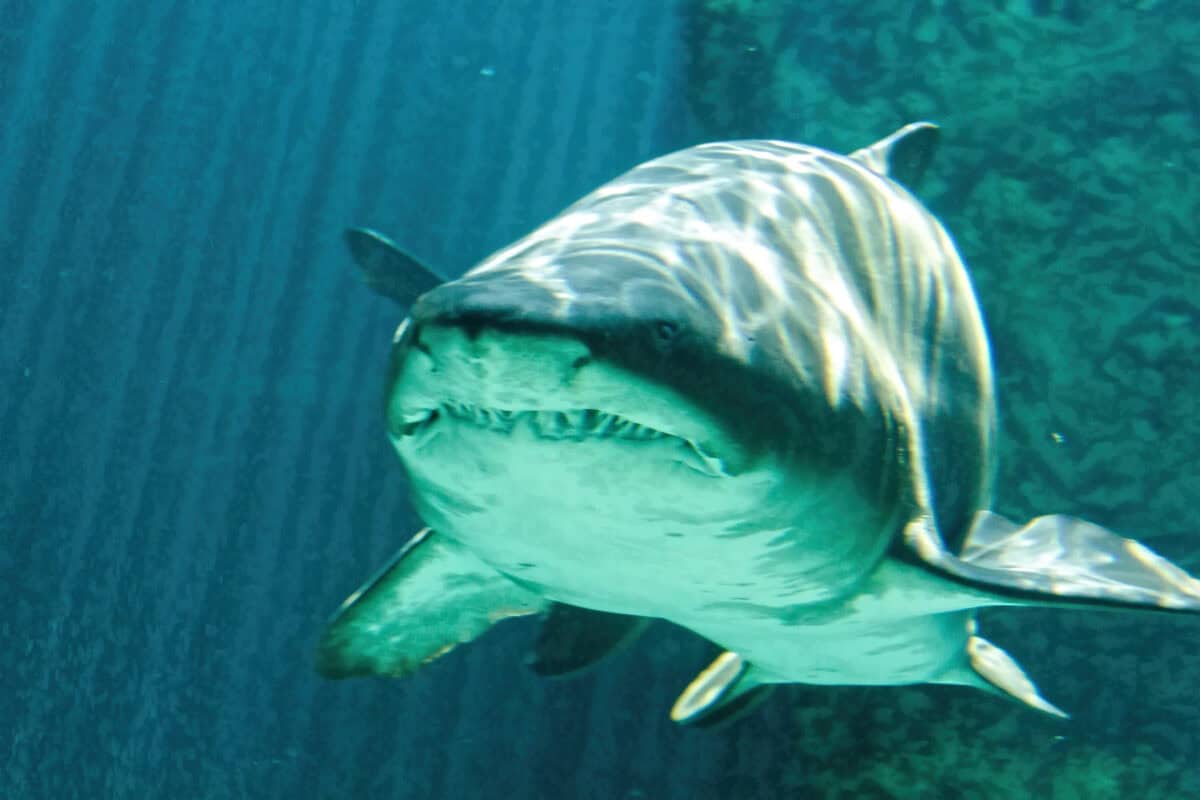
Bull sharks (Carcharhinus leucas) are among the most intriguing and adaptable marine species. Known for their robust build and remarkable presence in both salt and freshwater environments, they have carved a niche as one of the most fearless and versatile predators in the ocean.
Documentation of the Record-Breaking Encounter

The largest bull shark sighting in Florida waters was reported off the coast near Key West in the summer of 2023. This colossal shark was estimated to be about 10 feet long and weighing over 500 pounds. Its enormous size captivated the attention of marine biologists and shark enthusiasts across the globe.
Characteristics of the Bull Shark

Bull sharks are easily recognizable by their stocky appearance, broad, flat snout, and unpredictable movements. Unlike some shark species that prefer deeper waters, bull sharks thrive in shallow coastal areas, making them more likely spotted by humans.
Understanding Bull Shark Behavior

Bull sharks are known for their aggressive nature, a trait that has earned them a fearsome reputation. However, these behaviors are largely driven by their role as apex predators, responsible for maintaining the balance of marine ecosystems by preying on the weak and sick.
Distribution and Habitat

One of the most remarkable characteristics of bull sharks is their ability to inhabit freshwater and saltwater environments. They can travel up rivers and have been known to venture hundreds of miles inland, showcasing their adaptability and resilience.
The Diet of Bull Sharks

Bull sharks are opportunistic feeders that consume a variety of prey, including fish, dolphins, birds, and other smaller sharks. This varied diet plays a crucial role in their survival and underscores their position as apex predators in their ecosystems.
Unique Adaptations of Bull Sharks

One of the most fascinating aspects of bull sharks is their ability to regulate their internal salt levels, allowing them to thrive in varying salinity environments. This adaptation is crucial for their survival, particularly when navigating between freshwater and marine habitats.
Human Interactions and Misconceptions

Bull sharks are often misunderstood creatures. While they are responsible for a number of unprovoked attacks on humans, these incidents are often a result of mistaken identity or territorial defense rather than aggression.
Conservation Status of Bull Sharks

Currently listed as Near Threatened by the International Union for Conservation of Nature (IUCN), bull sharks face challenges from overfishing and habitat loss. Conservation efforts are vital to ensuring that these majestic predators continue to thrive.
Research and Tracking of Bull Sharks

Advancements in tracking technology have allowed scientists to study bull shark movements and behaviors more closely. Tagging initiatives help researchers gather data crucial for better conservation and management strategies.
The Cultural Impact of Bull Sharks
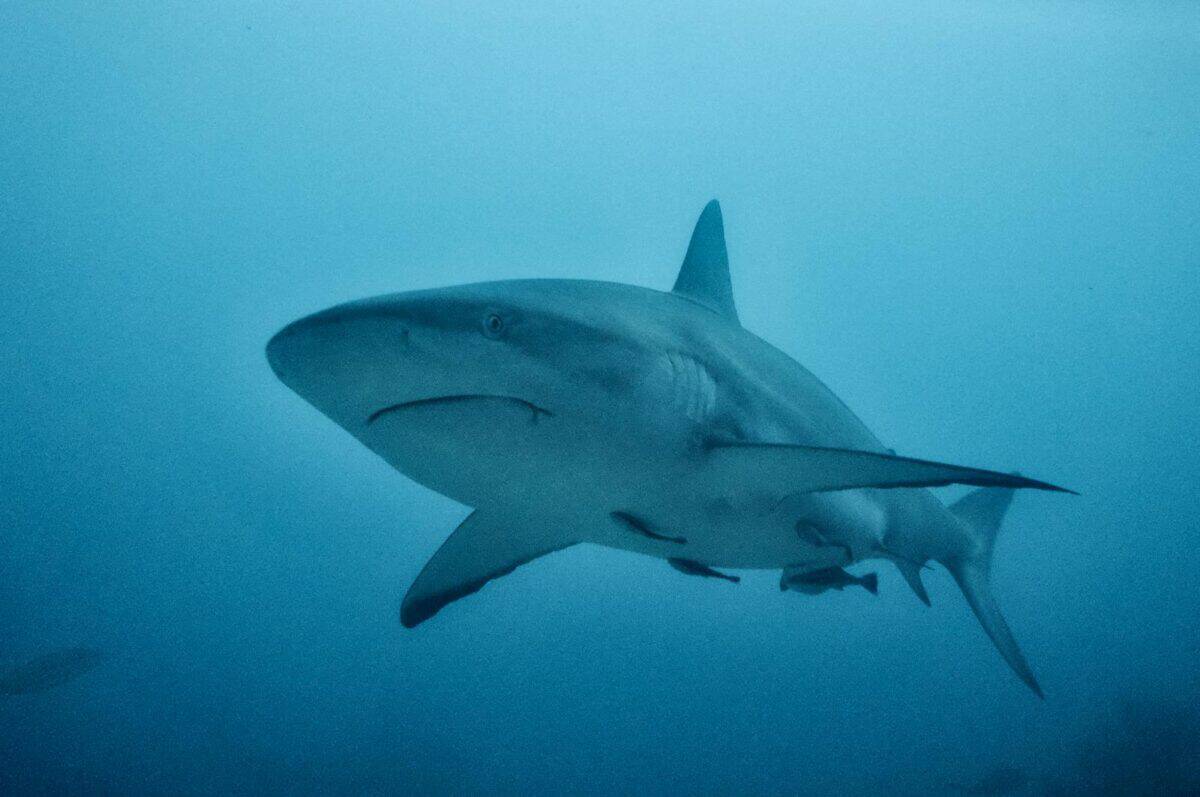
Bull sharks play a prominent role in popular culture and local lore. From films and documentaries to beachgoer anecdotes, these creatures capture the imagination and often represent the power and mystery of ocean life.
Encounters with Bull Sharks
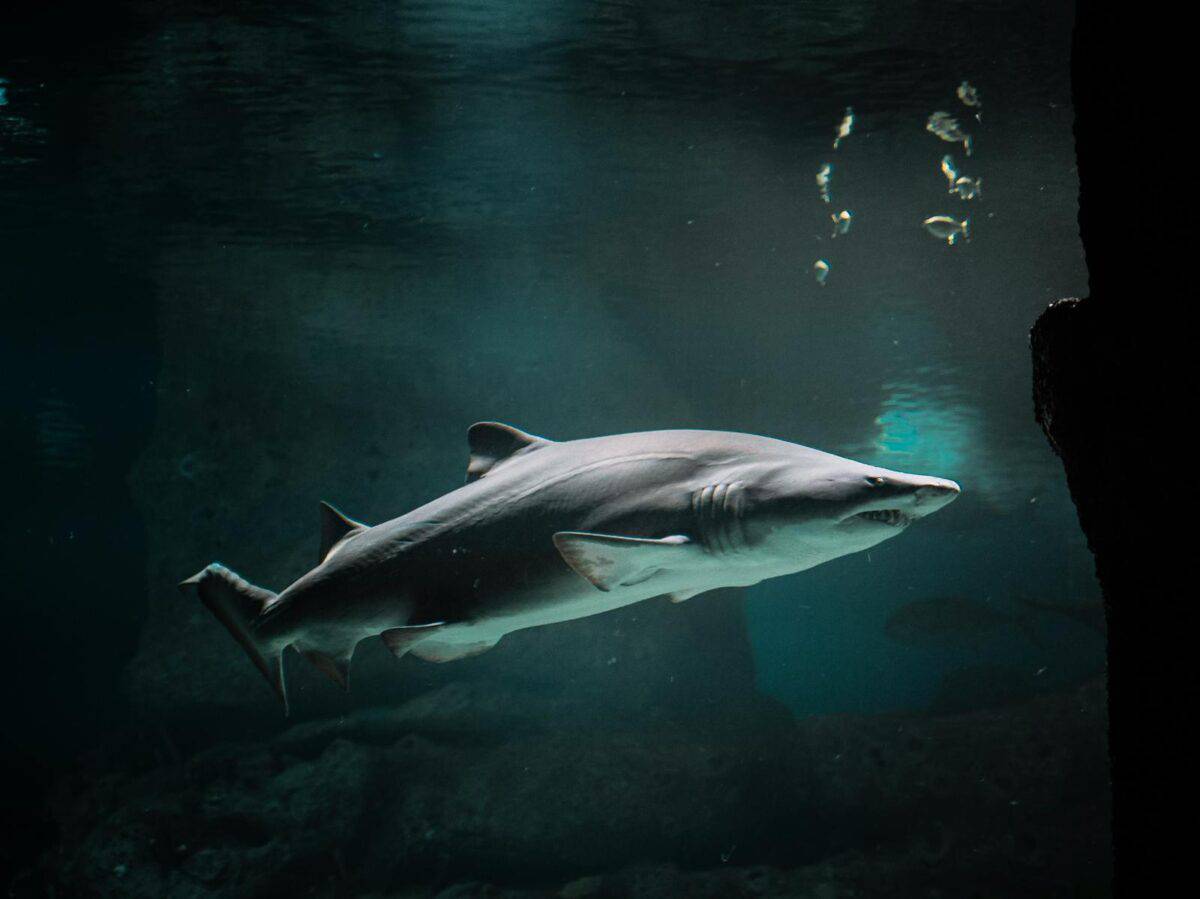
For those lucky enough to witness a bull shark in its natural habitat, it can be an awe-inspiring experience. As visitors to Florida beaches are aware, respecting these creatures and maintaining a safe distance is crucial for ensuring both human and shark safety.
Conclusion: The Majesty of Bull Sharks

The sighting of the largest bull shark in Florida waters is a powerful reminder of the incredible biodiversity that the ocean holds. As we continue to study and understand these fascinating creatures, it is our responsibility to protect and conserve them, ensuring that future generations can marvel at their grandeur.

- The Story of the Arctic Fox’s Incredible Seasonal Transformation - July 18, 2026
- 10 Most Venomous Snakes in US National Parks - July 18, 2026
- The Moth That Drinks Blood - July 18, 2026