

The breathtaking phenomenon of a salmon run is an annual event that captures the fascination of nature enthusiasts and scientists alike. This year, U.S. rivers have witnessed the largest salmon run ever recorded, a spectacle that has brought excitement and curiosity. In this article, we will explore this remarkable event, diving into its causes, the journey of the salmon, and its significance for ecology and local communities.
Understanding the Salmon Run

A salmon run refers to the mass migration of salmon from the ocean back to the rivers where they were born. This journey is crucial for their reproduction cycle, as salmon return to freshwater to spawn. While the event is routine for these fish, its scale can vary dramatically each year. This year, however, has been unprecedented in terms of numbers.
The Species Involved

Several species of salmon participate in these runs, but in the U.S., Chinook, Coho, Sockeye, and Pink salmon are most common. Each species has its unique characteristics, migration patterns, and spawning habits. This year’s record-breaking run includes notably high numbers across multiple species.
Record-Breaking Numbers
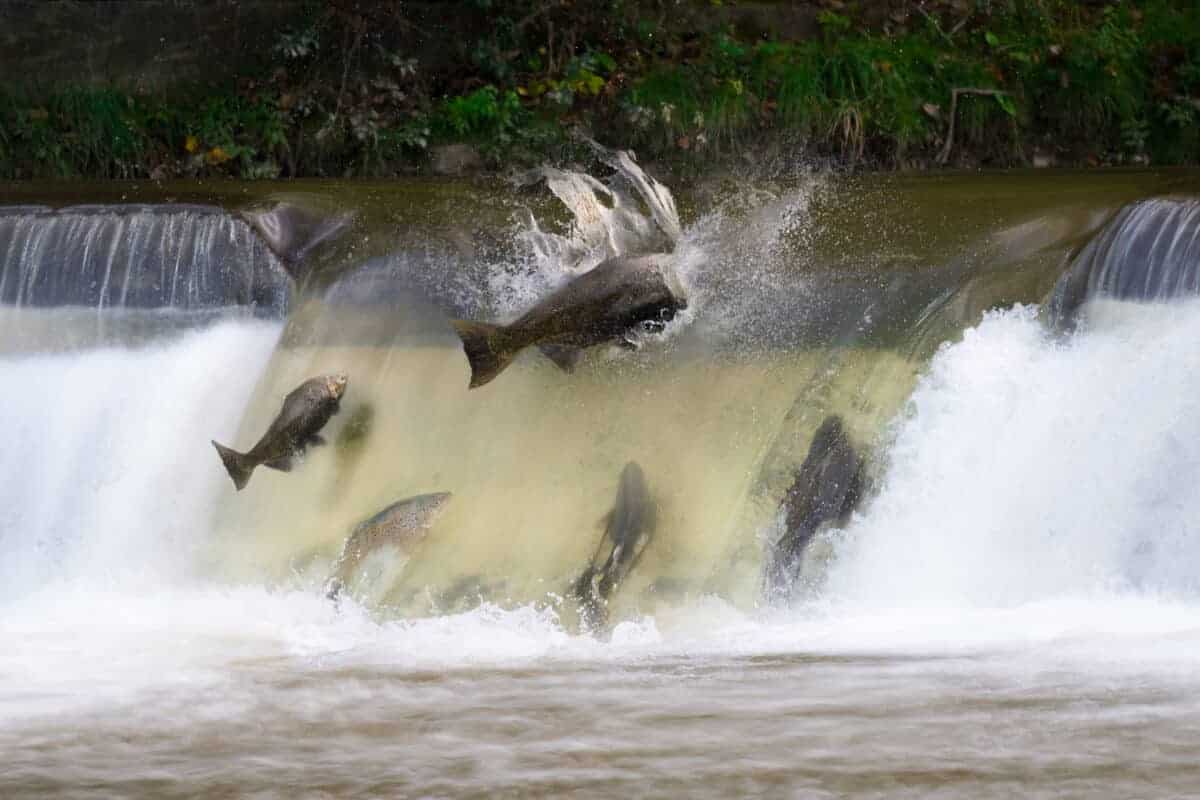
According to recent data, the salmon run has seen numbers surpassing previous records by a substantial margin. Researchers have been astonished by the sheer volume of salmon returning to rivers such as the Columbia, Klamath, and Yukon. This surge poses several intriguing questions regarding ecosystem dynamics and fishery management.
Contributing Factors
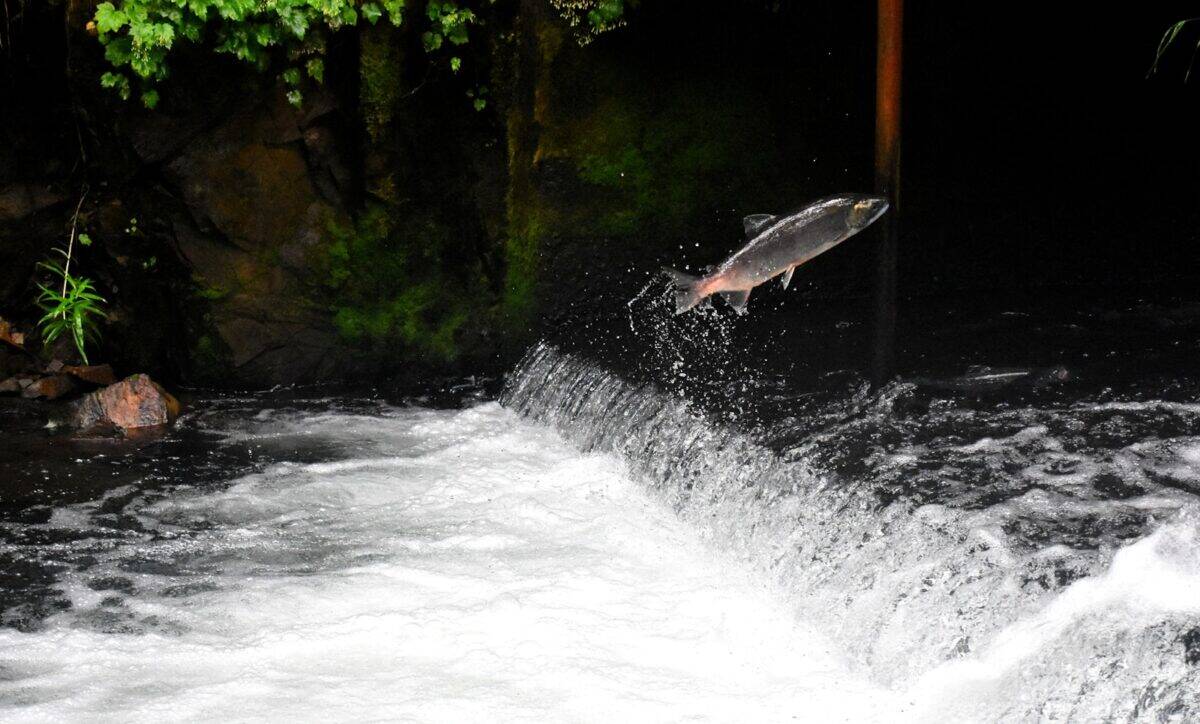
Multiple factors have contributed to this year’s exceptional salmon run. Improved ocean conditions, successful conservation efforts, and effective fishery management practices have all played crucial roles. Additionally, climate variations may have had an unexpected positive influence, although the long-term impact remains a topic of study.
The Salmon’s Journey

The journey of the salmon is a test of endurance against formidable obstacles. From oceanic foraging grounds to their natal rivers, these fish navigate through predators, treacherous currents, and human-induced challenges like dams and pollution. This arduous trek ends with spawning, ensuring the continuation of their species.
Ecological Significance

The significance of the salmon run goes beyond just the reproduction of the species. Salmon are a keystone species, meaning their presence supports wide-ranging ecological processes. Their bodies, rich in nutrients, provide food for a plethora of wildlife, and their decomposition fertilizes river ecosystems.
Impact on Local Communities

This extraordinary event has a profound impact on local communities, particularly those dependent on fishing for lifestyle and economy. The increased salmon population not only boosts commercial and recreational fishing but also revitalizes the cultural practices of Indigenous peoples.
Challenges to Salmon Populations

Despite this year’s promising figures, salmon populations are not without challenges. Environmental changes, habitat degradation, and overfishing continually threaten their numbers. Sustainable practices and conservation are vital to maintaining their longevity.
Conservation Efforts
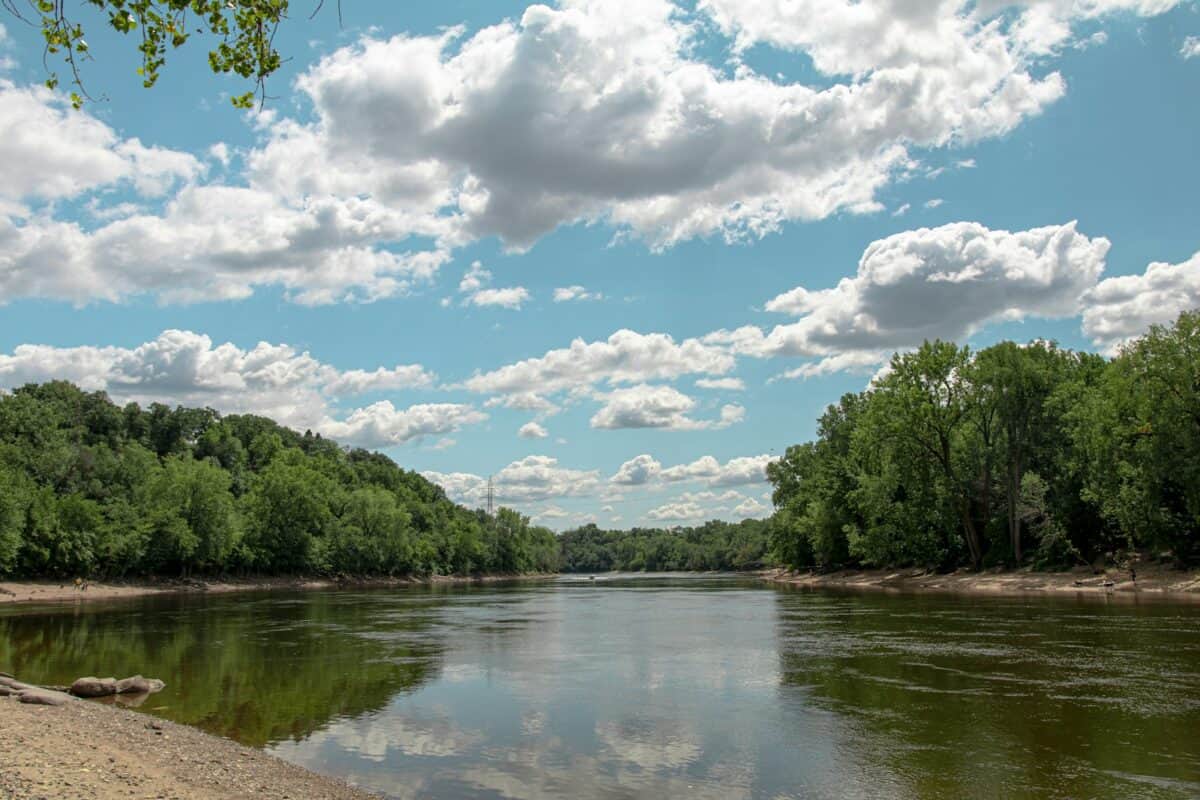
Conservation initiatives have been instrumental in sustaining salmon populations. Strategies like habitat restoration, dam removal, and the establishment of marine reserves have shown positive results, as evidenced by this year’s salmon run.
Scientific Research and Monitoring

Ongoing research and monitoring have been crucial in understanding the dynamics of salmon populations. Scientists employ tagging, genetic studies, and ecological modeling to track migrations and forecast future runs, enabling better management decisions.
Future Implications

The unprecedented salmon run not only provides immediate economic and ecological benefits but also serves as a case study for predicting and enhancing future runs. Lessons learned from this event can guide more effective conservation strategies and policies.
The Awe of Nature’s Spectacle
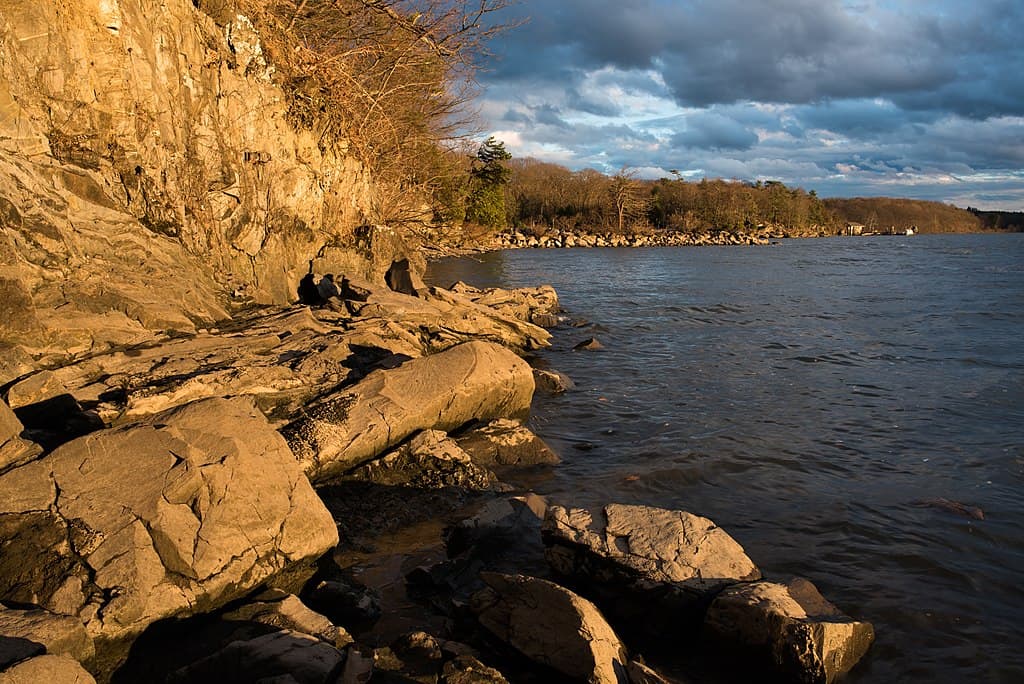
This year’s largest salmon run ever seen in U.S. rivers is a testament to the resilience of nature and the positive impacts of human-led conservation efforts. As millions of salmon complete their journey, they remind us of the delicate balance within ecosystems and the role humanity plays within it.
In conclusion, the monumental salmon run witnessed this year underscores the importance of healthy ecosystems and well-managed environmental practices. As we continue to study and learn from this journey, it is imperative to support sustainable methods that ensure these natural spectacles remain a part of our world for generations to come.

- The Most Powerful Earthquake Ever Felt in the U.S. - July 19, 2026
- How Rhinoceros Males Compete for Mating Rights in the Wild - July 18, 2026
- 13 Spider Species Thriving in Changing Environments - July 18, 2026