

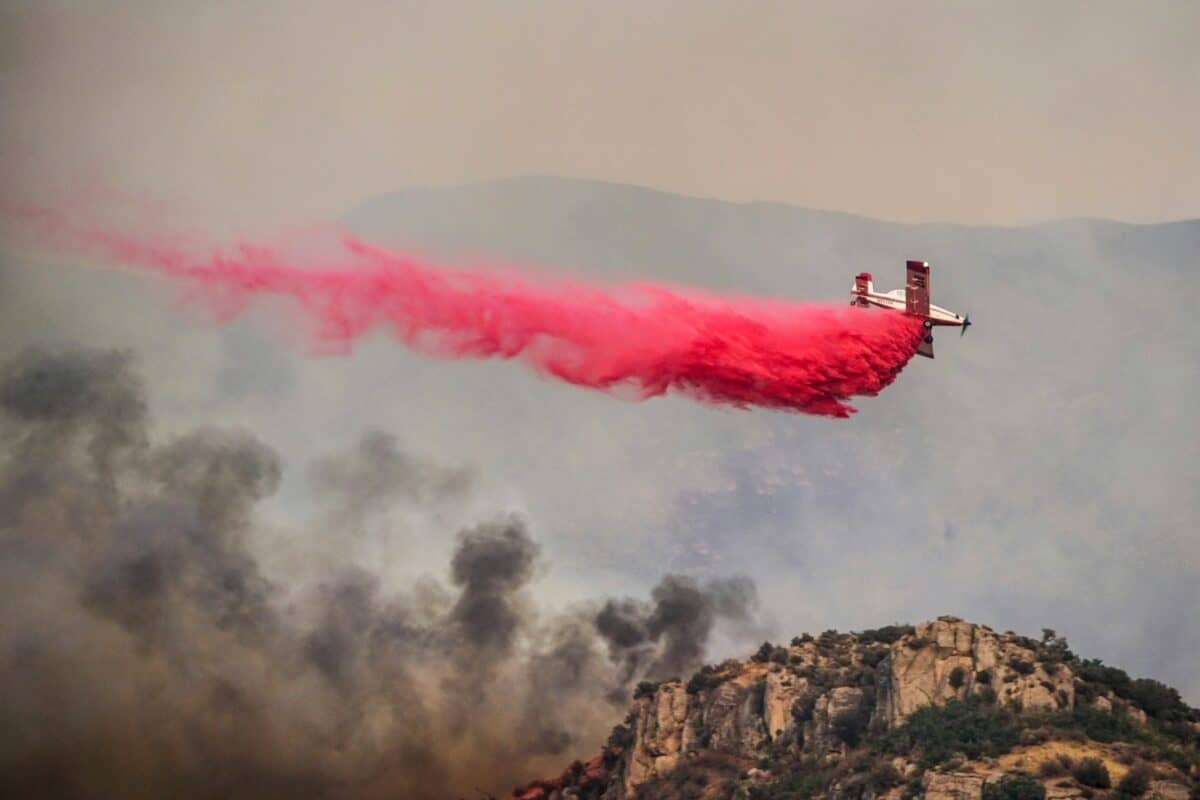
Wildfires are a force of nature that can be both terrifying and majestic. When they grow out of control, they illuminate the fragility of life and the vulnerability of the landscapes we often take for granted. Among the many significant wildfires in U.S. history, one stands out for its sheer scale and the existential threat it posed to an entire state. This article delves into the largest wildfire that nearly wiped out a U.S. state, exploring its causes, impact, and the lessons learned from this cataclysmic event.
Understanding Wildfires: Nature’s Fierce Phenomenon

Wildfires are essentially uncontrolled fires that spread rapidly across vegetation and land. They are a natural part of many ecosystems, playing a crucial role in maintaining ecological balance by clearing underbrush, releasing nutrients into the soil, and helping certain plant species to germinate. However, when fueled by dry conditions, high winds, and human activities, these fires can become cataclysmic, threatening human lives, wildlife, and property.
The Historic Context: United States and Wildfires
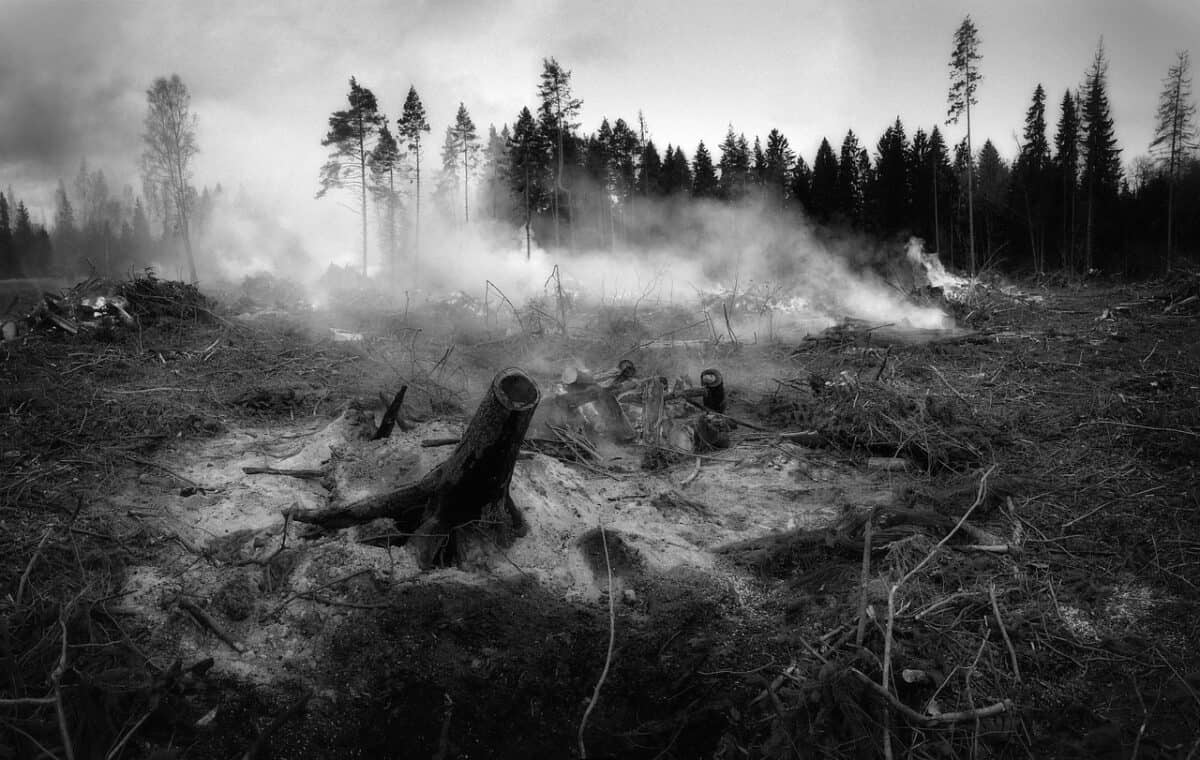
Historically, the United States has faced numerous large wildfires, particularly in the western states, where dry summers and sprawling forests create a tinderbox environment. While many states have experienced severe fires, California, in particular, has been synonymous with large-scale wildfires due in part to its climate and diverse ecosystems.
The Largest Wildfire: The 2020 California Wildfire
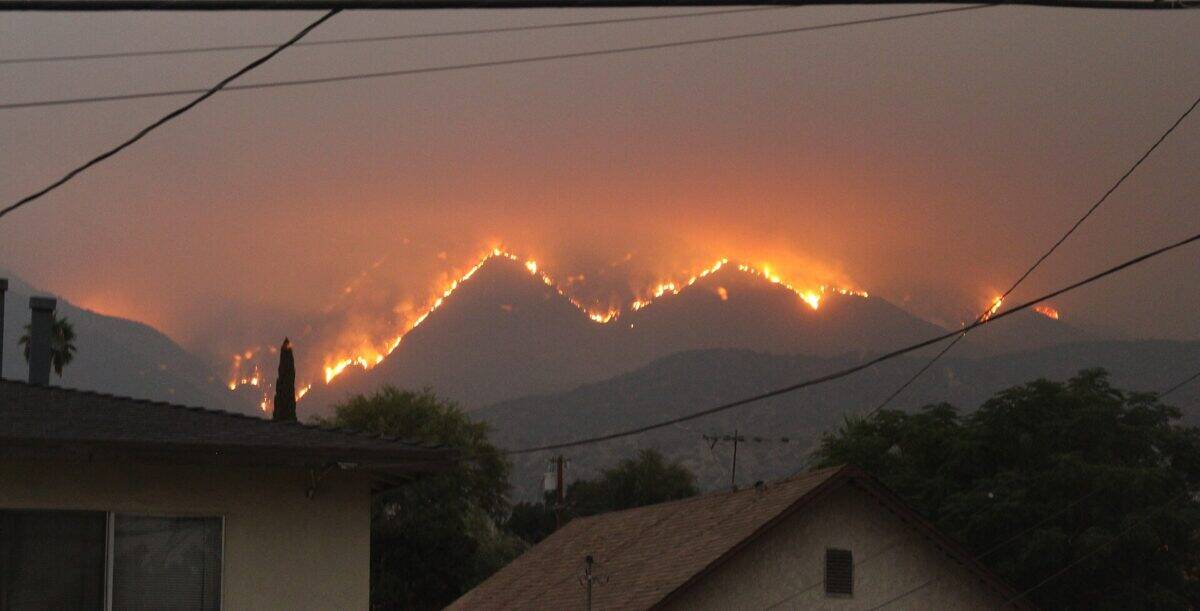
In terms of scale, the 2020 California wildfires stand as one of the most extensive wildfire crises in U.S. history. These fires were unprecedented, not only in size but also in the scope of their destructive power, affecting vast areas of the state and sending the message that climate change-induced extremes are a formidable challenge.
How the Fires Started
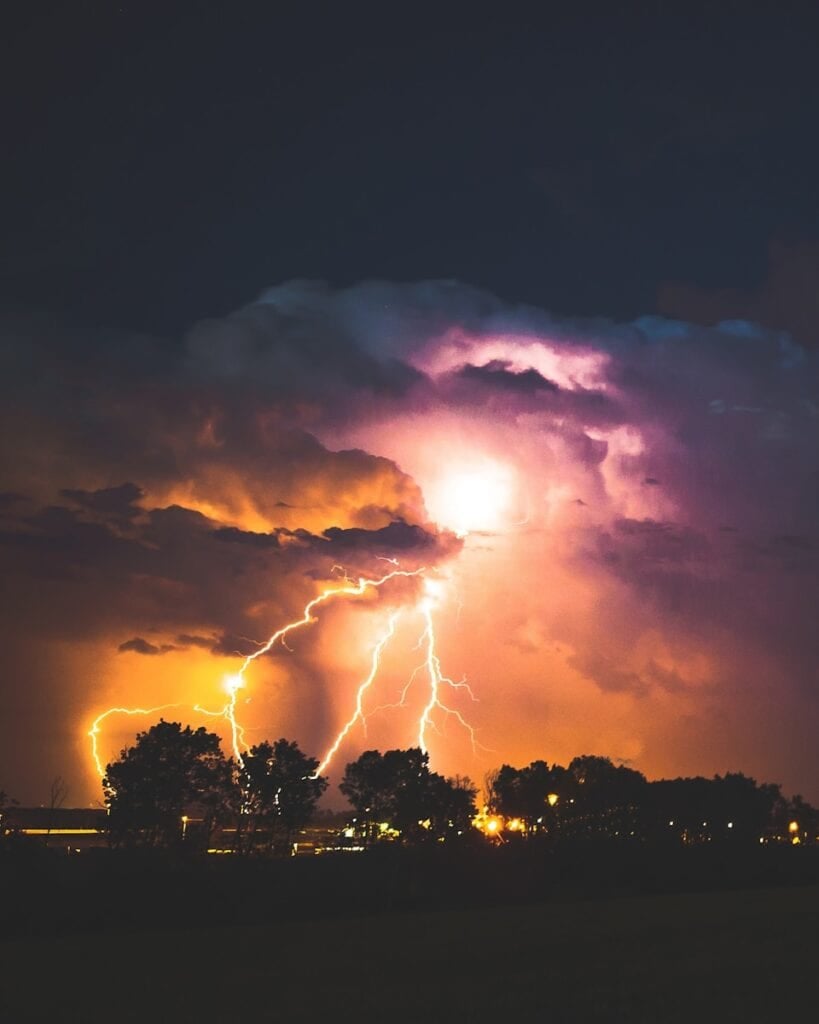
The California wildfires of 2020 were ignited by a combination of factors. A record-breaking heatwave, coupled with dry weather and intense lightning storms, created the perfect conditions for fires to spark. Human activities also played a role, with accidental fire ignitions adding fuel to the already volatile situation.
The Role of Climate Change
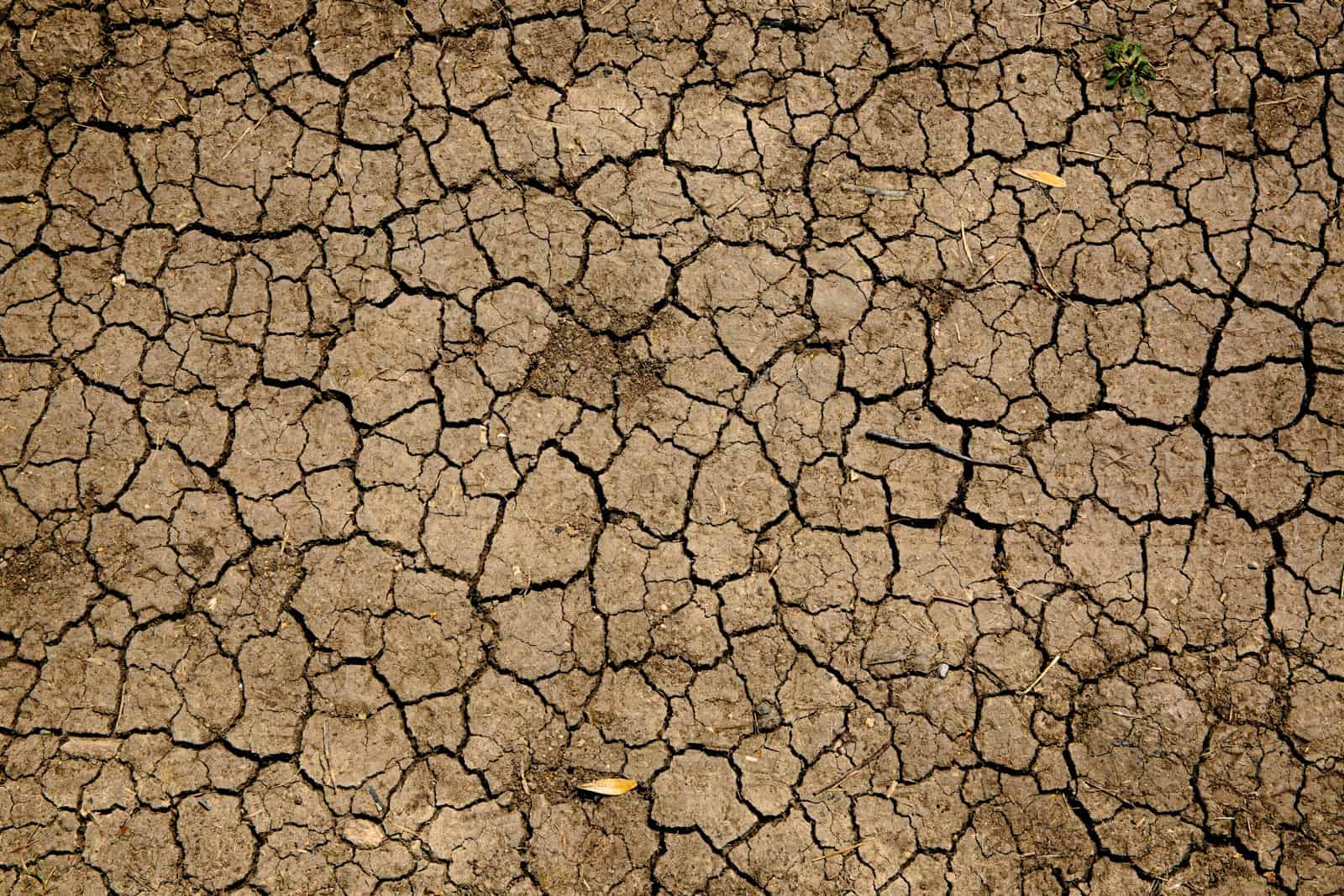
Climate change is exasperating the frequency and intensity of wildfires globally, and the 2020 California wildfires were a stark illustration. Higher average temperatures and prolonged droughts have dried out vegetation, creating vast amounts of flammable material. This, in turn, provides the perfect environment for smaller fires to grow into uncontrollable megafires.
The Devastation Unleashed
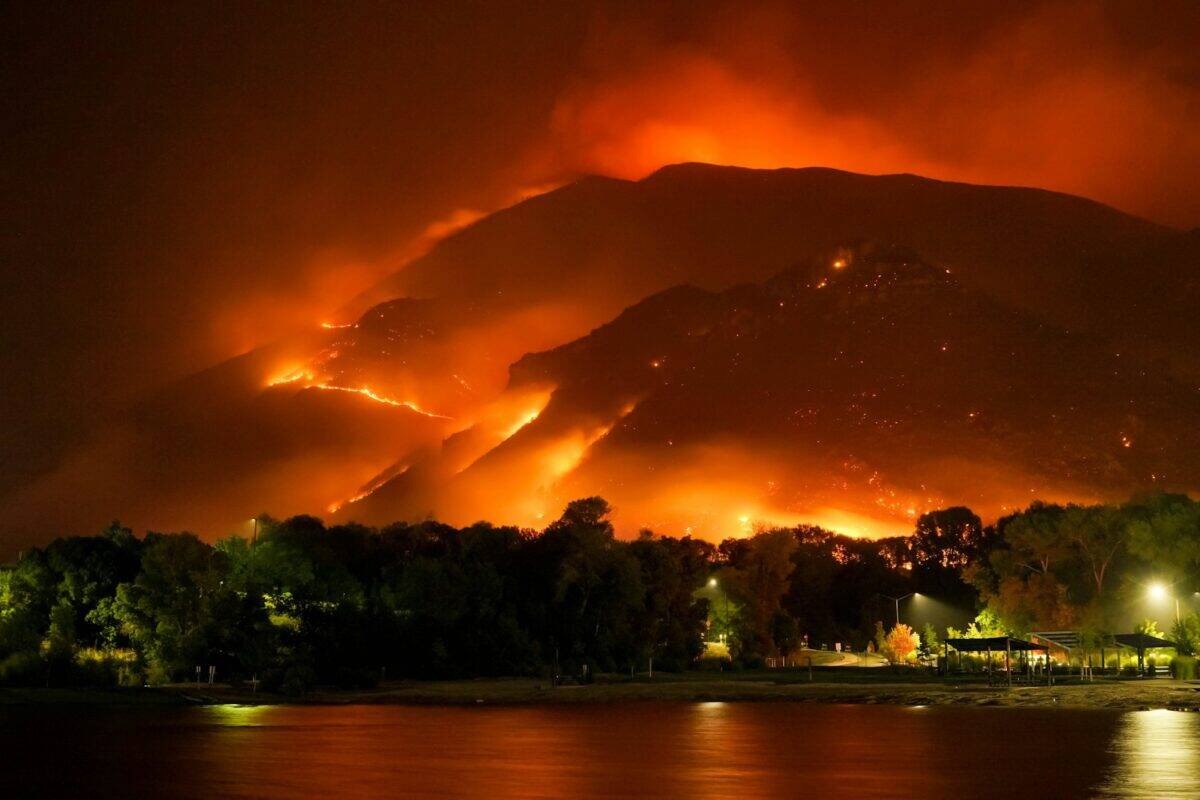
The devastation was unprecedented: the fires consumed over four million acres of California’s land, destroying homes, wildlife habitats, and livelihoods. The air quality plummeted as smoke shrouded the sky, affecting communities far beyond the immediate vicinity of the fires. The economic toll was immense, with billions spent on firefighting efforts and recovery.
The Impact on Biodiversity

The fires had a profound impact on California’s biodiversity. Many iconic species, including the California condor and the mountain lion, found their habitats imperiled by the flames. The fires disrupted ecosystems and altered the natural landscape, potentially affecting biodiversity for years to come.
Human Resilience and Response

In the face of such adversity, human resilience shone through. Thousands of firefighters battled the blazes, often in grueling conditions, while communities rallied to support displaced families. Innovative firefighting techniques, including the use of drones and satellite imagery, were employed to monitor and manage the fires.
The Lessons Learned
The 2020 California wildfires underscored the urgent need for comprehensive wildfire management strategies and climate change mitigation efforts. It became clear that proactive measures, such as controlled burns and community preparedness plans, are essential in reducing the risk and impact of future wildfires.
Policy Changes and Future Preparedness

In the aftermath of the fires, California initiated several policy changes aimed at improving both prevention and response capabilities. Investments in fire research, public education on fire safety, and infrastructure improvements are key components of the state’s strategy to better prepare for future wildfire seasons.
The Road to Recovery
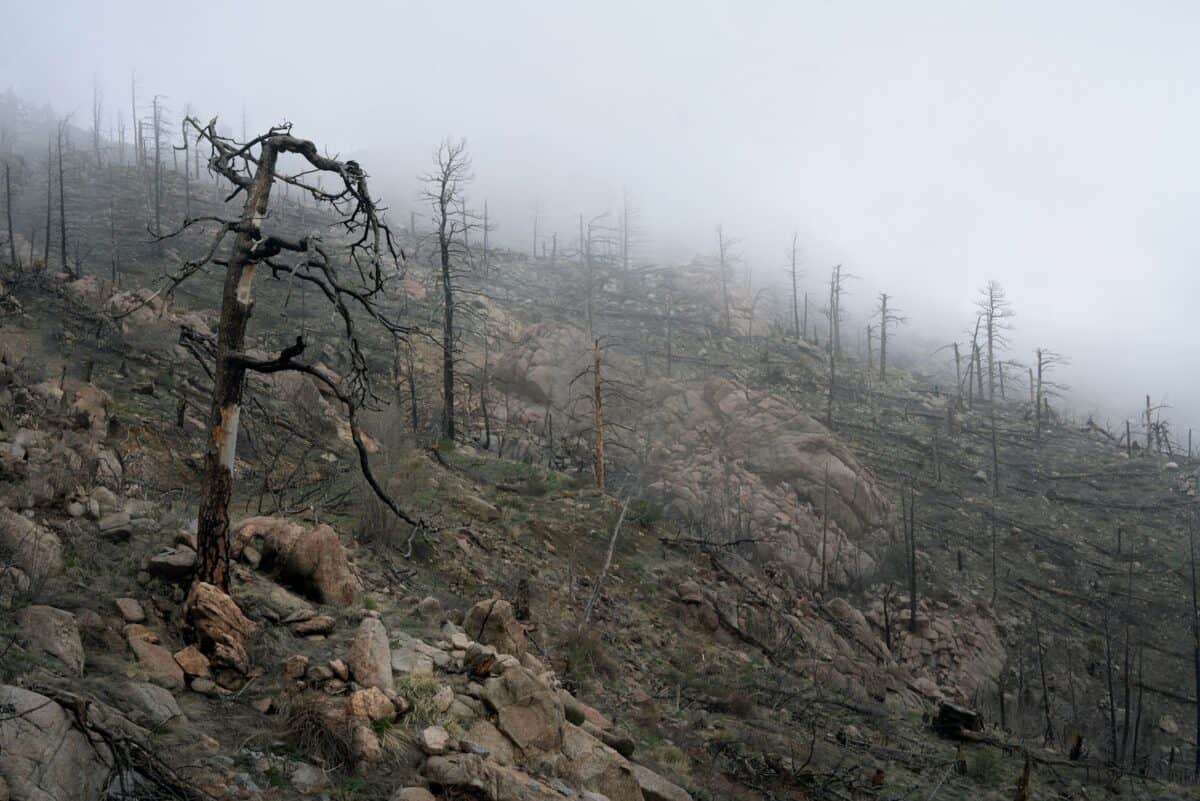
Recovery from such extensive wildfires is a long and challenging process. Reforestation efforts, rebuilding communities, and restoring habitats require time and perseverance. However, the resilience shown by Californians highlights the state’s determination to recover and adapt in the face of climate adversity.
The Global Perspective
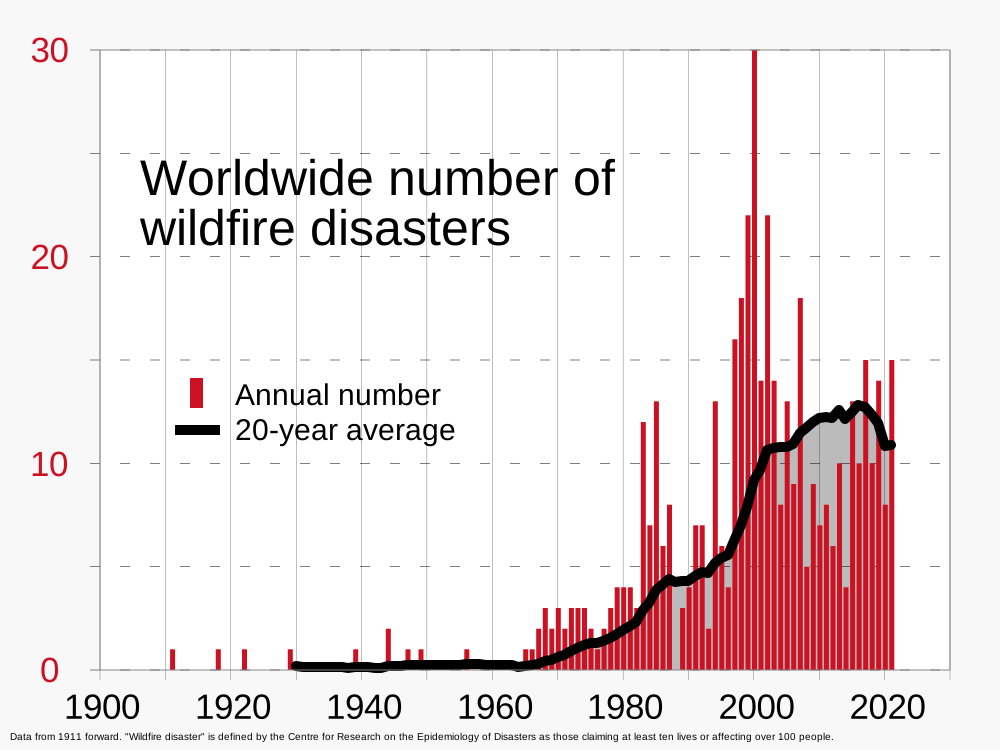
The California wildfires serve as a wake-up call on a global scale, demonstrating the urgent need for international cooperation in combatting climate change and enhancing wildfire preparedness. As wildfires become more frequent worldwide, sharing knowledge and resources is crucial to mitigate their impact.
The largest wildfire that nearly wiped out a U.S. state is a sobering reminder of nature’s power and the challenges posed by climate change. While it highlighted vulnerabilities, it also emphasized human resilience and the importance of learning from these events to better prepare for the future. As the climate continues to change, the lessons from the 2020 California wildfires will prove invaluable in safeguarding our ecosystems, communities, and future generations.

- The Largest Wildfire That Nearly Wiped Out a U.S. State - August 3, 2026
- Where to Spot Bald Eagles Nesting in the Wild - August 2, 2026
- 11 Species That Travel Thousands of Miles to Survive - August 2, 2026
Leave a comment
You must be logged in to post a comment.