
Washington State is blessed with some of the most diverse ecosystems in the United States, from the temperate rainforests of Olympic National Park to the alpine meadows of Mount Rainier and the rugged wilderness of North Cascades. These protected landscapes serve as sanctuaries for an incredible array of wildlife that has adapted to the region’s varied terrains and climates. From majestic mammals like black bears and mountain goats to elusive predators such as wolves and lynx, Washington’s national parks teem with fascinating creatures that captivate visitors year-round. This article explores the remarkable biodiversity found within these natural treasures, highlighting the unique adaptations and behaviors of the animals that call these parks home, while also addressing conservation efforts that ensure these species will thrive for generations to come.
Olympic National Park: A Biodiversity Hotspot
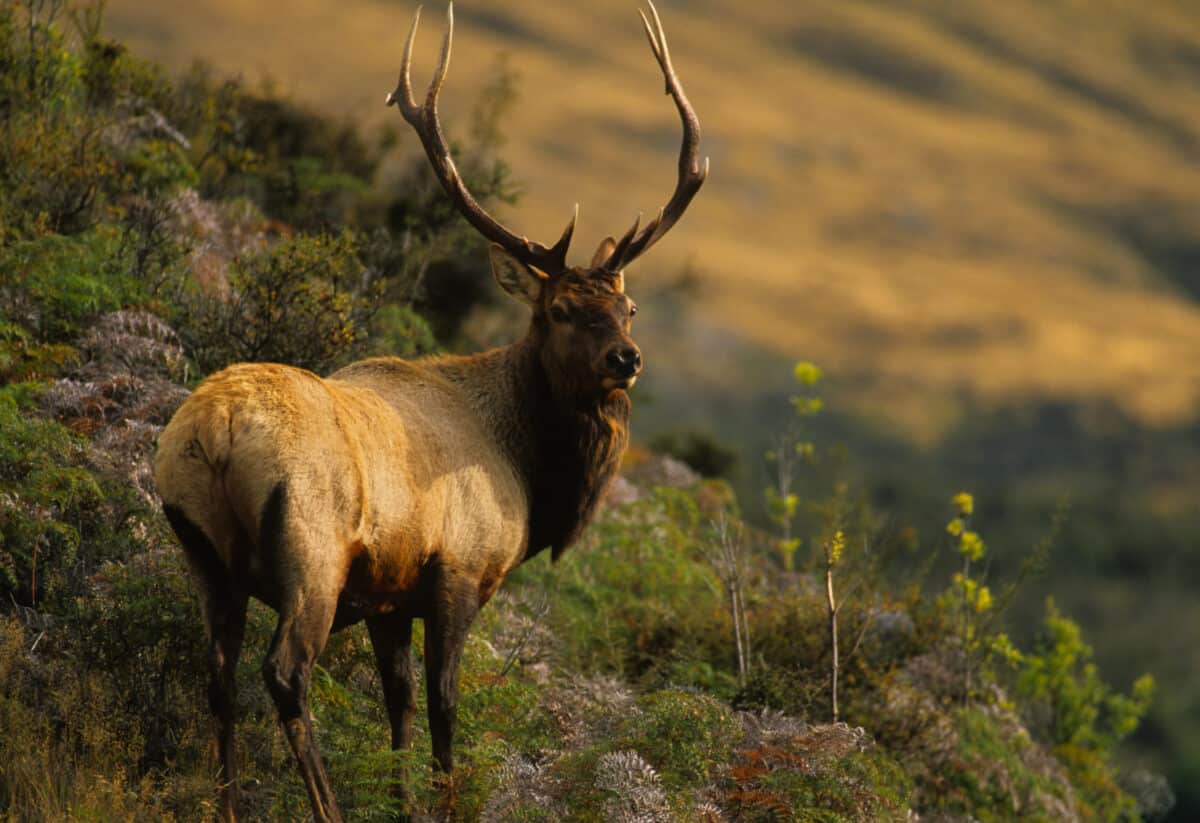
Olympic National Park stands as one of Washington’s crown jewels, encompassing nearly one million acres of protected wilderness. This UNESCO World Heritage Site contains three distinct ecosystems: the temperate rainforest, wild Pacific coastline, and alpine highlands. The park’s isolation, created when glaciers carved out the Olympic Peninsula during the last ice age, has resulted in several endemic species found nowhere else on Earth. The Olympic marmot, with its distinctive whistle, represents one such unique mammal that evolved specifically in this environment. Other notable mammals include Roosevelt elk (the largest subspecies of elk in North America), black bears, mountain lions, and the recently reintroduced fisher. The park’s rivers host all five species of Pacific salmon, while its old-growth forests shelter northern spotted owls, marbled murrelets, and countless invertebrates that form the foundation of this rich ecosystem.
Mount Rainier’s Alpine Inhabitants
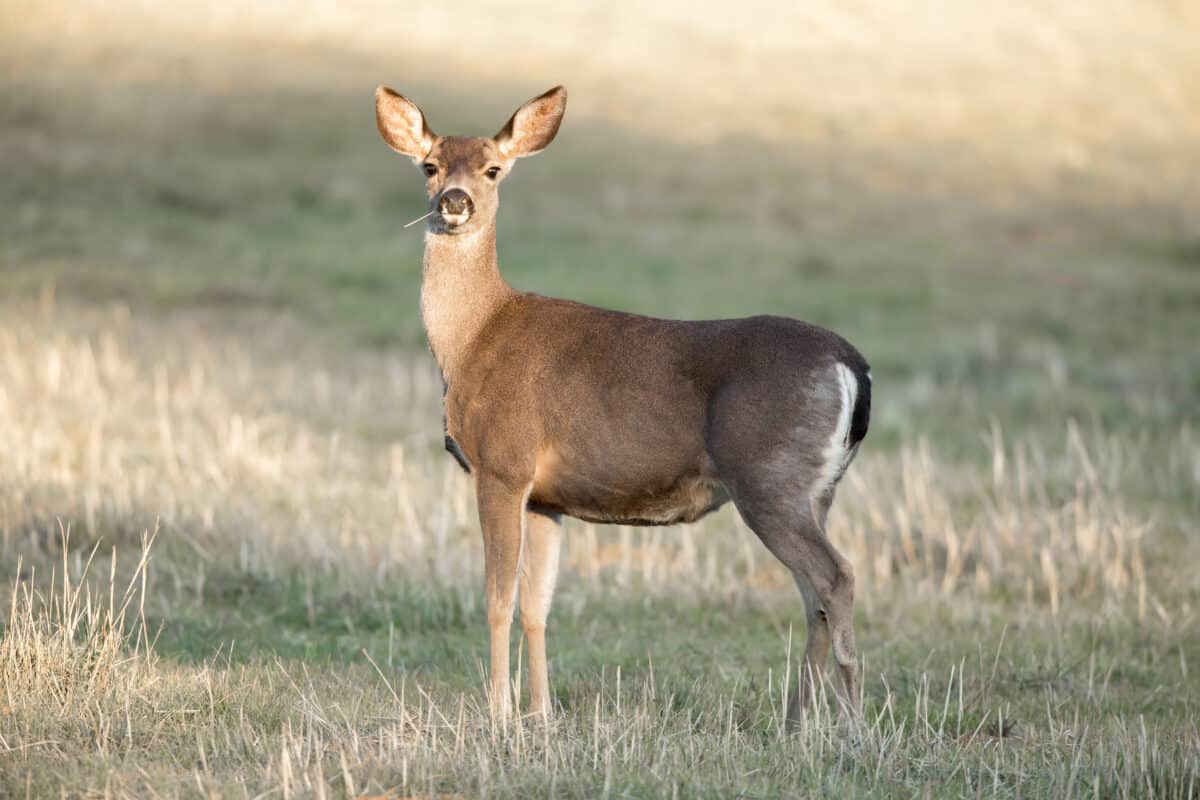
Towering at 14,410 feet, Mount Rainier creates a stunning backdrop for wildlife viewing in Washington. The mountain’s varied elevation zones support different communities of animals adapted to survive in conditions ranging from temperate forests to permanent snowfields. Mountain goats navigate the precarious slopes with remarkable agility, their specialized hooves allowing them to cling to near-vertical surfaces. Hoary marmots emerge from their burrows during the brief summer months to feed voraciously before returning to hibernation. The park’s subalpine meadows burst with wildflowers each summer, attracting black-tailed deer, elk, and numerous pollinators. Visitors might glimpse Douglas squirrels and Stellar’s jays in the forest zones, while golden eagles and peregrine falcons patrol the skies above. The short active season at higher elevations means that wildlife must make efficient use of available resources during the snow-free months.
North Cascades: Wilderness Sanctuary

Often called the “American Alps,” North Cascades National Park features some of the most rugged terrain in the continental United States, with over 300 glaciers sculpting its dramatic landscape. This remote wilderness provides crucial habitat for some of Washington’s most elusive predators. The park falls within the recovery zone for gray wolves, which have naturally recolonized portions of the state in recent decades. Canada lynx patrol the snowbound forests in winter, their enormous paws acting as natural snowshoes. Wolverines, perhaps the rarest of the park’s mammals, require vast territories and deep snowpack to raise their young. The waterways of the North Cascades support healthy populations of river otters, beavers, and native fish species including bull trout. Bird enthusiasts might spot northern goshawks, varied thrushes, and the striking Harlequin duck along fast-moving streams. The park’s remoteness has helped preserve intact ecological relationships between predators and prey.
Marine Mammals of Washington’s Coastal Parks

Washington’s national parks extend protection to coastal and marine environments, particularly along Olympic National Park’s 73-mile wilderness coastline. These waters host an impressive diversity of marine mammals. Harbor seals haul out on rocky shores and sandspits, while northern sea lions gather at select rookeries. Several species of whales frequent these waters, including gray whales during their annual migration between Alaska and Mexico. Resident and transient orcas (killer whales) hunt in coastal waters, though their populations face significant challenges from depleted salmon stocks and environmental contaminants. Sea otters, once extirpated from Washington due to the fur trade, have been successfully reintroduced and now play a crucial role in maintaining the health of nearshore kelp forest ecosystems. Their remarkable ability to use tools to crack open shellfish demonstrates their intelligence and adaptability. The intertidal zones along these protected coastlines also support diverse communities of invertebrates, providing food for many marine and terrestrial species.
Bird Diversity Across Ecosystems

Washington’s national parks serve as critical habitat for hundreds of bird species, from year-round residents to seasonal migrants. Olympic National Park’s varied environments support more than 300 bird species, including the threatened marbled murrelet, which nests in old-growth forest canopies despite being a seabird. Mount Rainier’s subalpine meadows attract white-tailed ptarmigan, whose plumage changes from mottled brown in summer to pure white in winter. North Cascades hosts mountain species like Clark’s nutcrackers, which play an essential role in whitebark pine regeneration by caching seeds. Along coastal areas, tufted puffins, common murres, and various gulls nest on offshore rocks and islands. The Pacific Flyway, a major north-south migration route, brings seasonal visitors like Swainson’s thrushes, Western tanagers, and various warblers to these protected landscapes. Raptors including bald eagles, ospreys, and peregrine falcons hunt throughout these ecosystems, while owls such as the northern spotted owl and barred owl occupy the dense forests.
Remarkable Adaptations to Harsh Environments

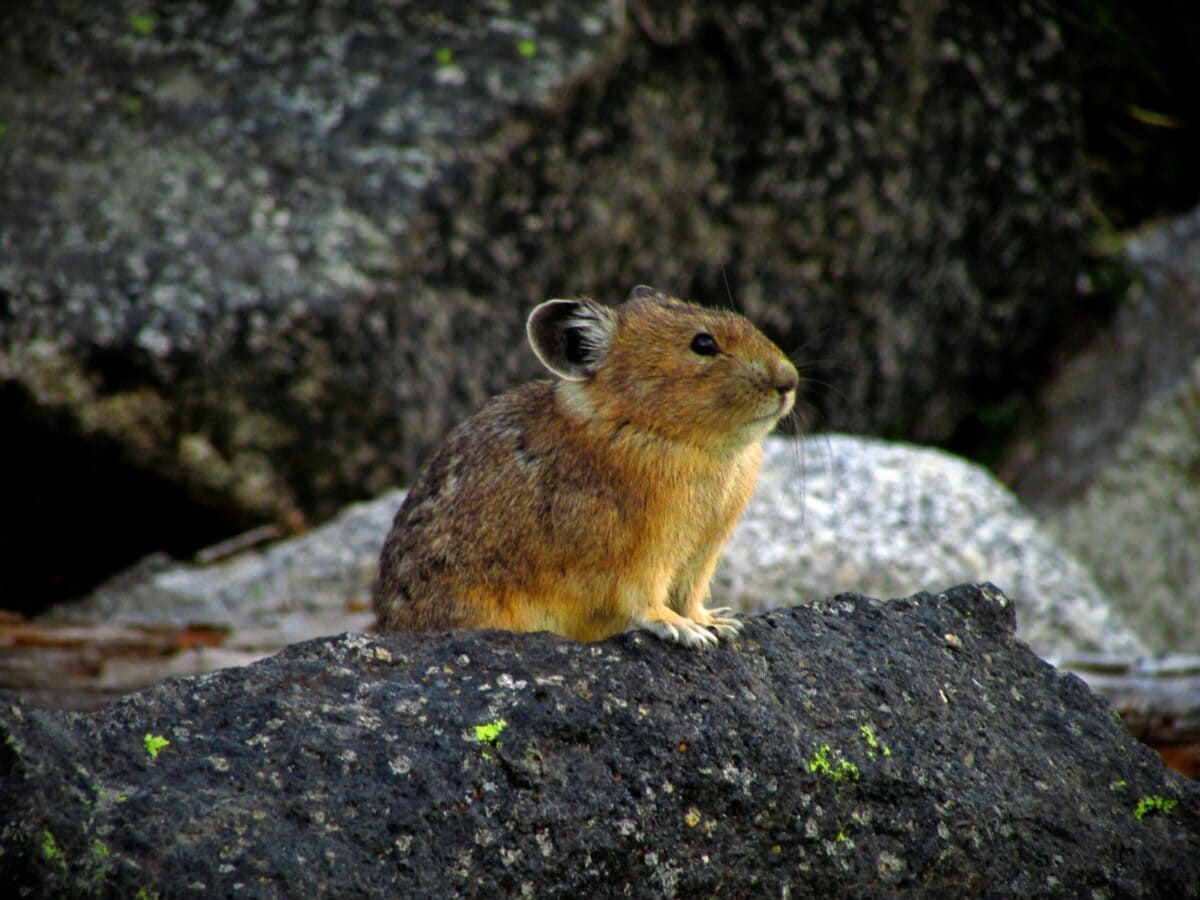
Wildlife in Washington’s national parks has evolved remarkable adaptations to survive in challenging conditions. Perhaps none is more impressive than the mountain goat, whose thick double coat insulates against bitter alpine winds while specialized hooves with soft inner pads provide extraordinary grip on slick surfaces. Olympic marmots have developed physiological adaptations allowing them to hibernate for up to eight months during the long mountain winters. Their body temperature drops dramatically, and heart rate slows to just a few beats per minute. The American pika, a small rabbit relative found in talus slopes at high elevations, doesn’t hibernate but instead collects and dries vegetation throughout summer to create “haystacks” for winter consumption. Even insects display remarkable specialization, such as the ice worms that live exclusively in glacial ice, emerging at night to feed on algae and pollen. These creatures thrive at temperatures just above freezing but will quickly die if warmed even to 40°F. Such extreme adaptations highlight the specialized nature of these mountain ecosystems and their vulnerability to climate change.
Predator-Prey Relationships

The national parks of Washington maintain some of the most intact predator-prey systems remaining in the contiguous United States. These ecological relationships have profound effects on ecosystem structure and function. The presence of apex predators like wolves and mountain lions helps regulate ungulate populations, preventing overgrazing and promoting healthier vegetation communities. When wolves returned to parts of the Cascade Range, they created a “landscape of fear” that changed elk behavior, reducing browsing in certain areas and allowing riparian vegetation to recover. This, in turn, benefited beaver populations, whose dams create wetland habitat for numerous other species. Mesopredators like bobcats, coyotes, and martens fill intermediate niches in the food web, controlling rodent populations while themselves being regulated by larger carnivores. Even decomposers like turkey vultures and beetles play vital roles in recycling nutrients. The relatively complete predator assemblage in these protected areas allows scientists to study natural ecological processes that have been disrupted in more developed landscapes.
Seasonal Wildlife Behavior and Viewing Opportunities
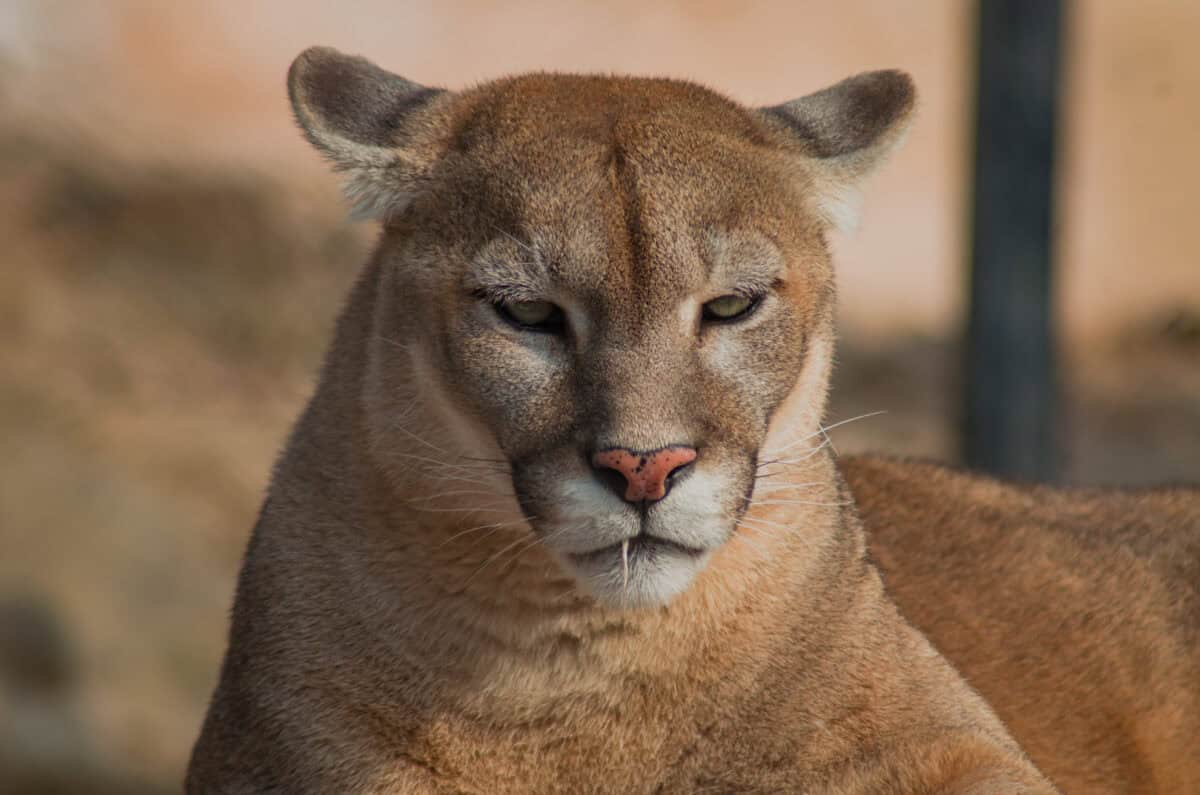
Each season brings different wildlife viewing opportunities in Washington’s national parks. Spring heralds the emergence of bears from hibernation, the return of migratory birds, and the birth of new generations. Elk calves, deer fawns, and mountain goat kids appear in May and June, while wildflower meadows attract pollinators and nectar-feeding birds. Summer offers the best accessibility to alpine areas, where visitors might spot yellow-bellied marmots sunning on rocks or mountain goats with their young. Fall brings the dramatic elk rut, when bulls bugle and compete for females, particularly in Olympic National Park’s Hoh Rain Forest and Quinault Valley. This season also witnesses the return of salmon to natal streams, attracting bears, eagles, and other predators. Winter transforms the landscape, with many mammals either migrating to lower elevations or adapting to snow conditions. This is prime time to look for bobcat, cougar, and coyote tracks in fresh snow, or to spot river otters playing on frozen lake edges. Each park offers different wildlife viewing opportunities based on habitat and accessibility.
Aquatic Life in Rivers and Lakes

The freshwater ecosystems within Washington’s national parks support diverse communities of fish and other aquatic organisms. Olympic National Park protects some of the last intact salmon habitat in the continental United States, with all five Pacific salmon species using its rivers for spawning. The removal of two dams on the Elwha River, completed in 2014, represents one of the largest ecosystem restoration projects in National Park Service history, allowing salmon to reclaim historical spawning grounds. The glacier-fed lakes of Mount Rainier host native species like coastal cutthroat trout, while North Cascades’ numerous alpine lakes contain populations of brook trout and rainbow trout. Aquatic invertebrates such as stoneflies, mayflies, and caddisflies serve as indicators of water quality while providing food for fish, birds, and mammals. Amphibians including the Pacific giant salamander, Cascades frog, and western toad reproduce in these clean waters before spending much of their adult lives in moist forest environments. Freshwater mussels filter water and provide habitat for other organisms, though many native mussel populations have declined due to habitat degradation and invasive species outside protected areas.
Conservation Challenges and Successes
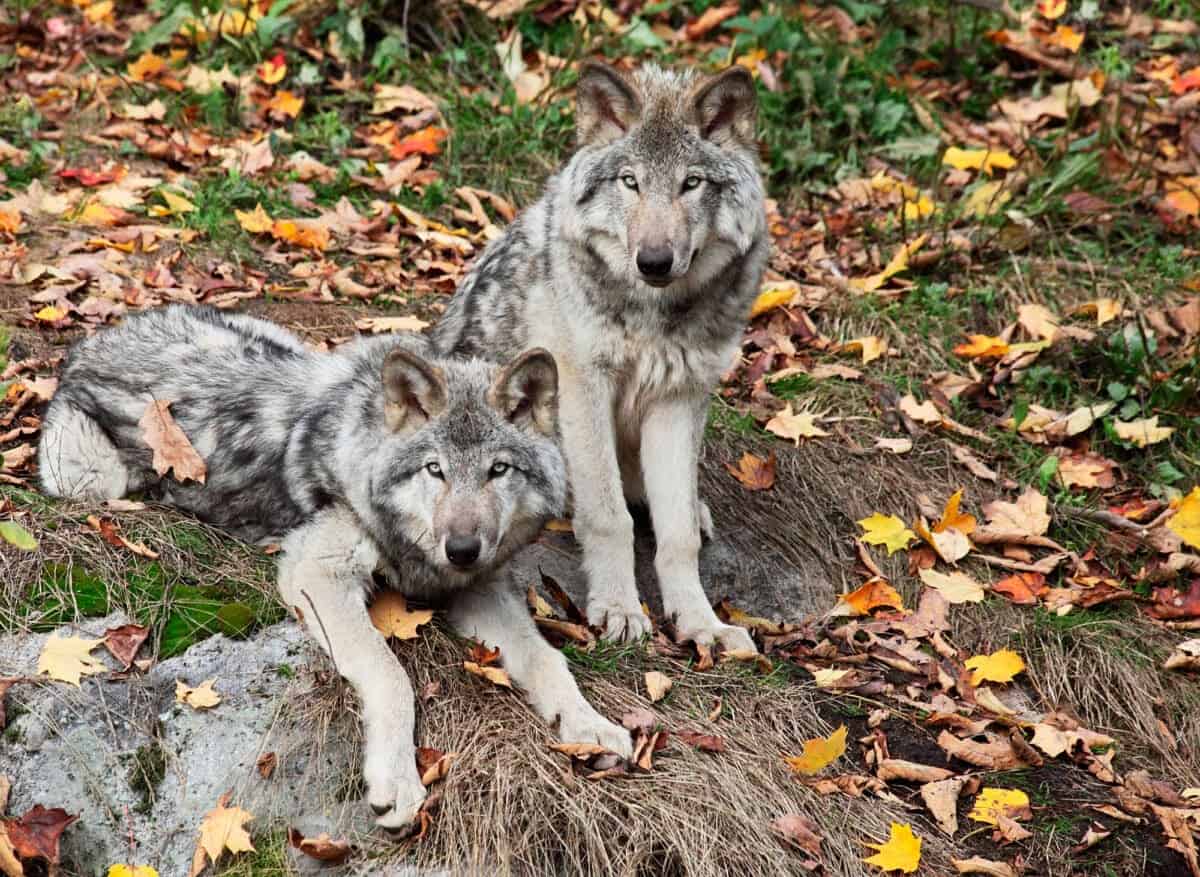
While national park designation provides important protection, wildlife in Washington’s parks still faces numerous conservation challenges. Climate change threatens cold-adapted species as snowpack diminishes and glaciers recede. The Olympic marmot has experienced concerning population declines potentially linked to changing climate patterns and predation dynamics. Invasive species pose another significant threat; mountain goats, non-native to Olympic National Park, damaged fragile alpine vegetation until a recent translocation effort moved hundreds to their native habitat in the North Cascades. The recovery of gray wolves represents a conservation success as they naturally dispersed back into Washington from Idaho and British Columbia, though their presence remains controversial among some stakeholders outside park boundaries. Similarly, the fisher, a forest-dwelling member of the weasel family, was successfully reintroduced to Olympic National Park after being extirpated by trapping. The federal listing of northern spotted owls under the Endangered Species Act helped protect remaining old-growth forest habitat, though competition from barred owls presents an ongoing challenge. Park managers employ science-based approaches to address these complex issues while balancing wildlife conservation with visitor access.
Wildlife Viewing Ethics and Safety

Responsible wildlife viewing enhances the visitor experience while protecting both animals and people. National Park Service guidelines recommend maintaining a minimum distance of 100 yards from predators like bears and wolves, and 25 yards from other wildlife. Using binoculars or spotting scopes allows for close observation without disturbance. Visitors should never feed wildlife, as this habituates animals to human food and often leads to negative outcomes for the animals. When photographing wildlife, ethical photographers follow the principle that no image is worth harming or disturbing the subject. In bear country, making noise while hiking reduces surprise encounters, while proper food storage prevents attracting bears to campsites. Wildlife viewing is often most productive during early morning and evening hours when many animals are most active. Park visitor centers provide current information about wildlife sightings and seasonal animal behavior. By practicing responsible wildlife viewing, visitors help ensure that future generations will enjoy similar experiences with Washington’s remarkable fauna.
The Role of National Parks in Wildlife Research

Washington’s national parks serve as living laboratories where scientists conduct vital research on wildlife populations, behavior, and ecology. These protected areas provide baseline data on how ecosystems function with minimal human disturbance, offering crucial comparison points for more developed landscapes. Long-term monitoring programs track population trends of indicator species like spotted owls, pikas, and salmon. The Olympic marmot monitoring program engages citizen scientists to help track this endemic species across the park’s vast wilderness. Wildlife biologists use non-invasive techniques like remote cameras, environmental DNA sampling, and scat analysis to study elusive species without disturbance. Radio and GPS collars provide insights into movement patterns and habitat use for species like elk and wolves. Climate change research examines how shifting temperature and precipitation patterns affect wildlife distribution and phenology—the timing of biological events like migration, flowering, and reproduction. Findings from these research efforts inform management decisions both within and beyond park boundaries, contributing to broader conservation science. The National Park Service partners with universities, state agencies, and tribal governments to expand research capacity and incorporate diverse perspectives.
Conclusion: Preserving Washington’s Wildlife Legacy

The national parks of Washington State represent crucial sanctuaries for wildlife in an increasingly developed world. From the temperate rainforests of Olympic to the glaciated peaks of Mount Rainier and the rugged wilderness of North Cascades, these protected landscapes support ecological processes and biodiversity that have disappeared from many other regions. The remarkable adaptations displayed by the animals inhabiting these diverse ecosystems—from marine mammals along the coast to alpine specialists on remote peaks—demonstrate the evolutionary responses to Washington’s varied environments over millennia. As climate change and other anthropogenic pressures intensify, these parks take on even greater importance as refugia where wildlife can adapt and migrate in response to shifting conditions. By continuing to prioritize science-based management, habitat connectivity, and public education, Washington’s national parks will ensure that future generations can experience the thrill of encountering a Roosevelt elk in an ancient forest, watching mountain goats navigate seemingly impossible terrain, or witnessing the miracle of salmon returning to their natal streams—living connections to the wild heart of the Pacific Northwest.

- This Tiny Insect Can Survive in Outer Space—Here’s How - July 21, 2026
- Could the Tasmanian Tiger Be Brought Back to Life? - July 21, 2026
- Why You Should Never Approach a Sleeping Hippo - July 21, 2026