
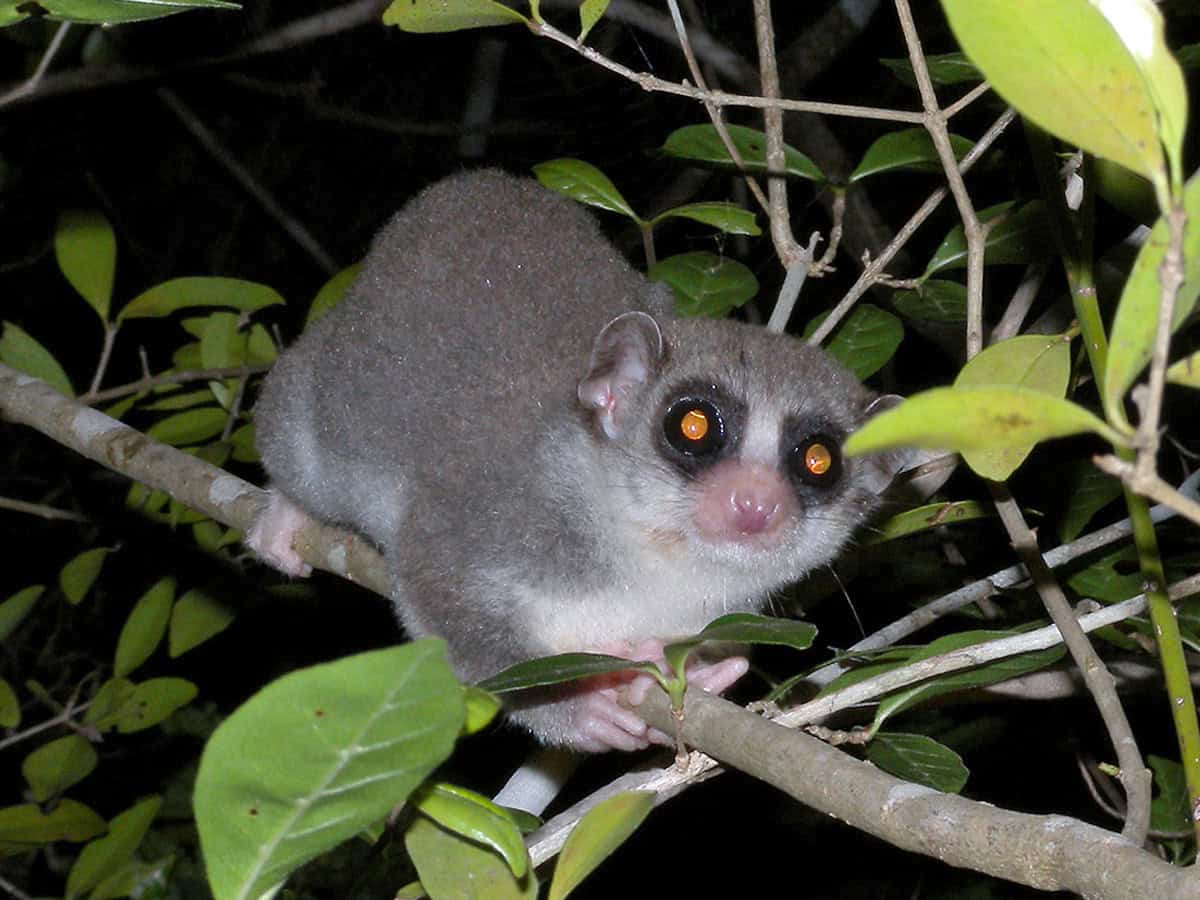
When we think of hibernation, we typically envision bears or groundhogs slumbering through the cold winter months. However, nature often surprises us with fascinating adaptations that defy our expectations. The Madagascar dwarf lemur, specifically the fat-tailed dwarf lemur (Cheirogaleus medius), presents one such marvel—a mammal that hibernates during summer months. This remarkable phenomenon, known as aestivation or summer torpor, represents an extraordinary evolutionary adaptation to harsh environmental conditions. In this article, we’ll explore this unique mammal, its unusual hibernation pattern, and the scientific significance of this exceptional survival strategy.
Understanding the Fat-Tailed Dwarf Lemur
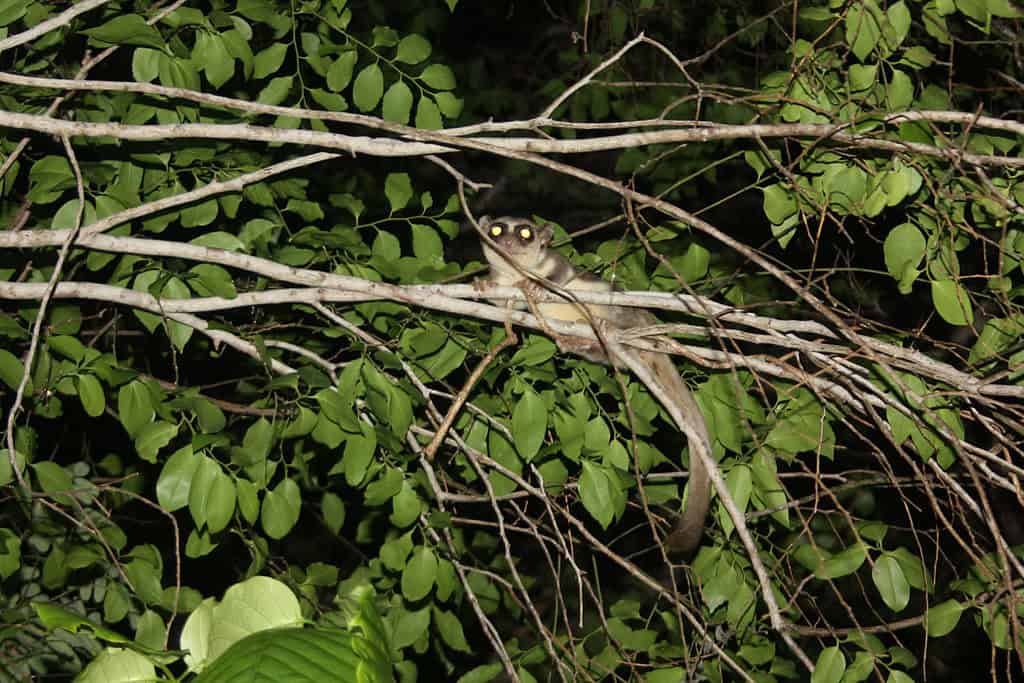
The fat-tailed dwarf lemur is a small prosimian primate native to Madagascar, weighing about 170-270 grams (6-9.5 ounces) and measuring around 20-23 cm (7.9-9 inches) in body length, with an additional 19-23 cm tail. As their name suggests, these animals store fat in their tails during abundant food periods, creating a noticeably plump appendage that can nearly double in diameter. These nocturnal creatures inhabit the western and southern deciduous forests of Madagascar, living primarily in tree hollows and constructing nests from leaves. With their large eyes, soft gray-brown fur, and distinctive facial markings, they are adapted for their nighttime lifestyle, feeding primarily on fruits, flowers, nectar, and occasionally insects.
The Unusual Phenomenon of Summer Hibernation
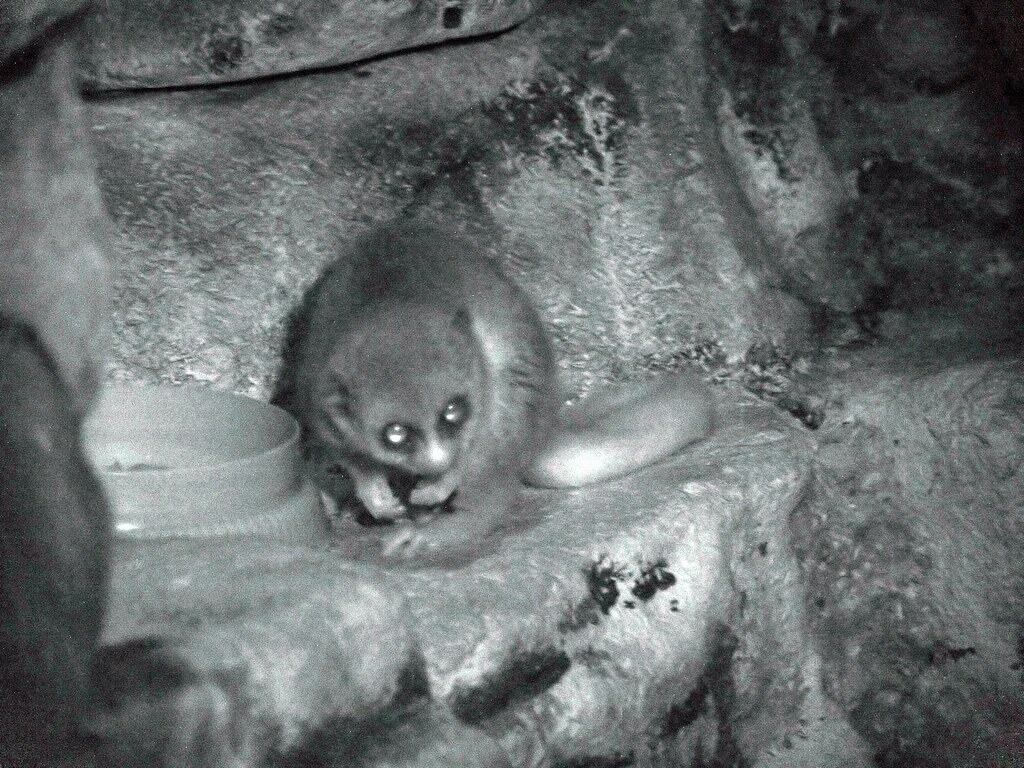
What makes the fat-tailed dwarf lemur truly exceptional is its hibernation pattern. Unlike most hibernating mammals that enter torpor during cold winter months, these lemurs hibernate during the hot, dry summer season in Madagascar. This period typically lasts from April to November, coinciding with the driest time of year when resources become scarce. During this time, the lemurs retreat to tree hollows where they can remain for up to seven months in a state of metabolic dormancy. This makes them the only known primate to undergo true hibernation, and remarkably, they do so in a tropical climate where temperatures remain relatively warm—a stark contrast to the cold-weather hibernation we typically associate with mammals.
The Science Behind Aestivation
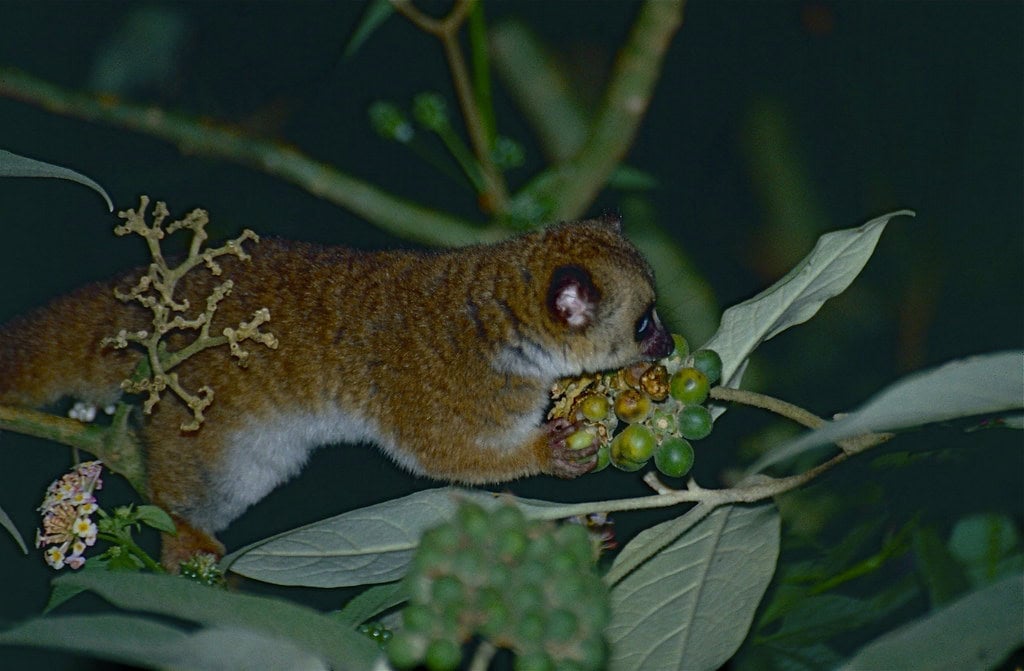
Aestivation, or summer torpor, is the biological term for this warm-weather dormancy. During this state, the fat-tailed dwarf lemur’s metabolic rate drops dramatically—by up to 90%—allowing it to conserve energy during resource-scarce months. Body temperature, which normally hovers around 37°C (98.6°F), can fall to match the ambient temperature, sometimes dropping as low as 15°C (59°F) during cooler nights. Heart rate slows from about 200 beats per minute to fewer than 10, and breathing becomes shallow and irregular. This physiological shutdown allows the lemur to survive on the fat reserves stored in its tail and other body tissues. Remarkably, unlike many hibernating animals that wake periodically, these lemurs can remain in deep torpor for extended periods, making their hibernation pattern one of the most extreme in the mammalian world.
Evolutionary Advantages of Summer Hibernation
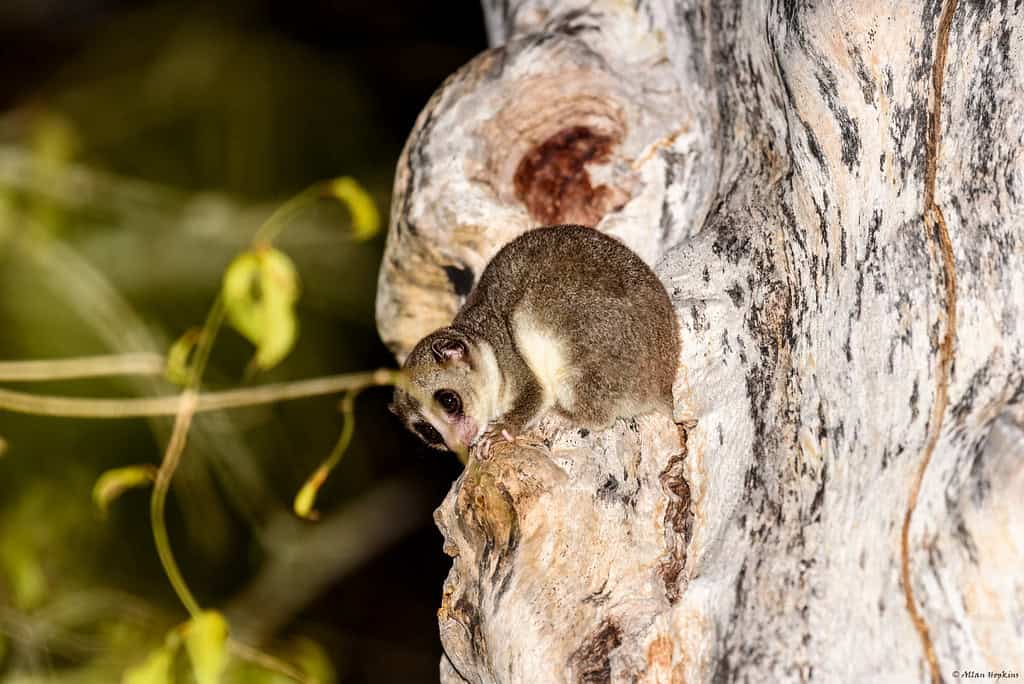
The evolution of summer hibernation represents a brilliant adaptation to Madagascar’s challenging seasonal environment. The western regions of Madagascar experience a pronounced dry season when fruit, the lemur’s primary food source, becomes extremely scarce. Rather than competing for limited resources or risking starvation, the fat-tailed dwarf lemur essentially “checks out” during this difficult period. This strategy provides significant evolutionary advantages, including energy conservation, reduced predation risk (as they remain hidden in tree hollows), and effective resource management. By hibernating when food is scarce and becoming active during the wet season when fruits are abundant, these lemurs have evolved a temporal niche that minimizes competition with other species and maximizes survival in their specific ecological context.
Fat Storage and Preparation for Hibernation
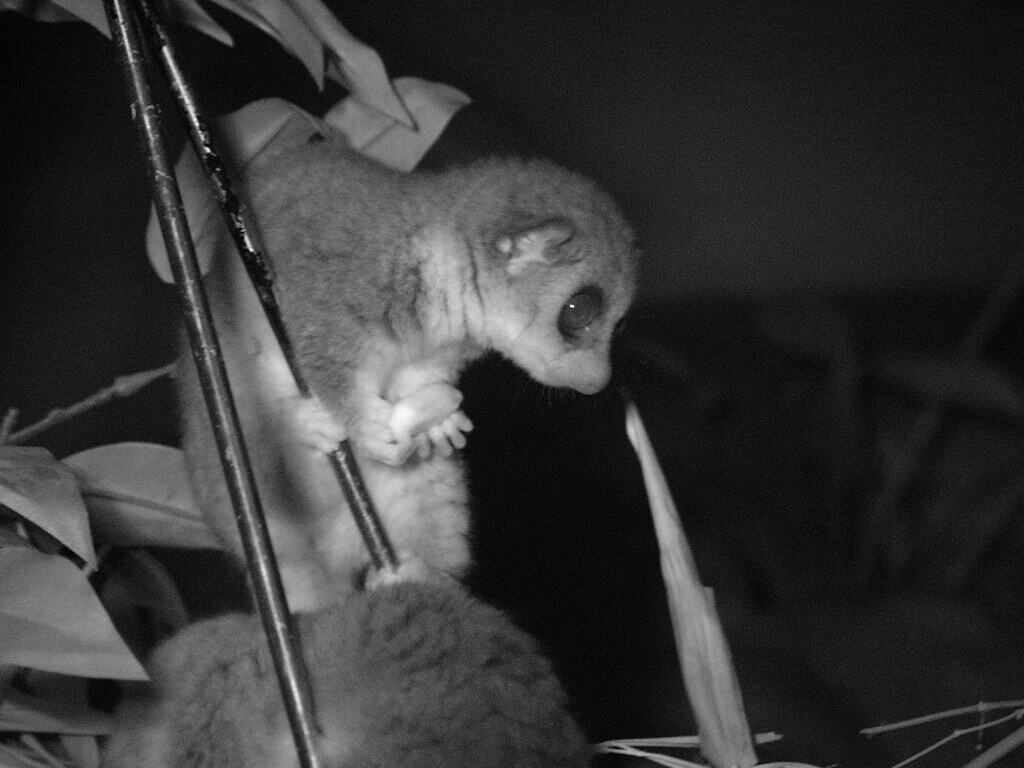
Preparation for summer hibernation begins during the wet season (November to March), when fruit is plentiful. During this time, fat-tailed dwarf lemurs engage in hyperphagia—excessive eating behavior—to build up crucial fat reserves. They can increase their body weight by up to 40% during this period, with much of this fat stored in their signature tail. This specialized fat storage organ serves as a visual indicator of an individual’s fitness and readiness for hibernation. The tail can expand from about 1 cm in diameter to nearly 2 cm when fully stocked with fat. This concentrated energy reserve is gradually metabolized during the months of dormancy, providing just enough sustenance to survive until the next wet season. The efficiency of this fat storage system is remarkable—lemurs emerge from hibernation thin but healthy, having precisely calibrated their pre-hibernation weight gain to match their metabolic needs during dormancy.
Environmental Triggers and Timing
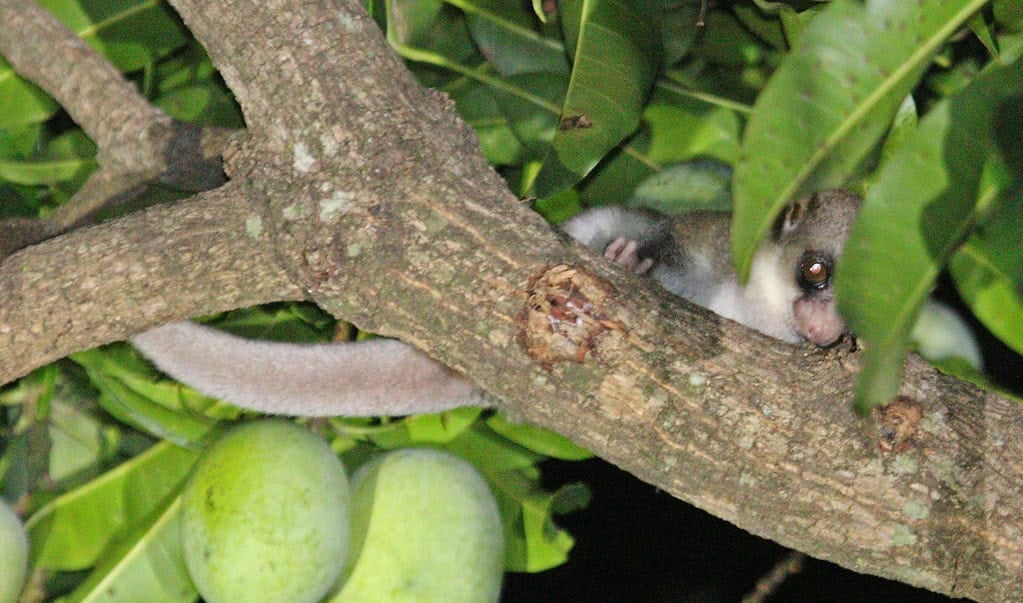
The precise timing of fat-tailed dwarf lemur hibernation is regulated by environmental cues rather than an internal biological clock. Research has shown that these lemurs track changes in day length, temperature, and most significantly, food availability to determine when to enter and exit hibernation. As the dry season approaches and fruit becomes scarce, chemical and hormonal changes begin preparing the lemur’s body for torpor. Conversely, the first significant rains of the wet season, which trigger new plant growth and fruit production, serve as the signal to arouse from hibernation. This environmental sensitivity ensures that lemurs don’t waste precious energy reserves by becoming active before food is available, nor do they remain in hibernation when resources could be exploited. This finely tuned response to environmental conditions demonstrates the sophisticated adaptation of these primates to their specialized ecological niche.
Unique Physiological Adaptations
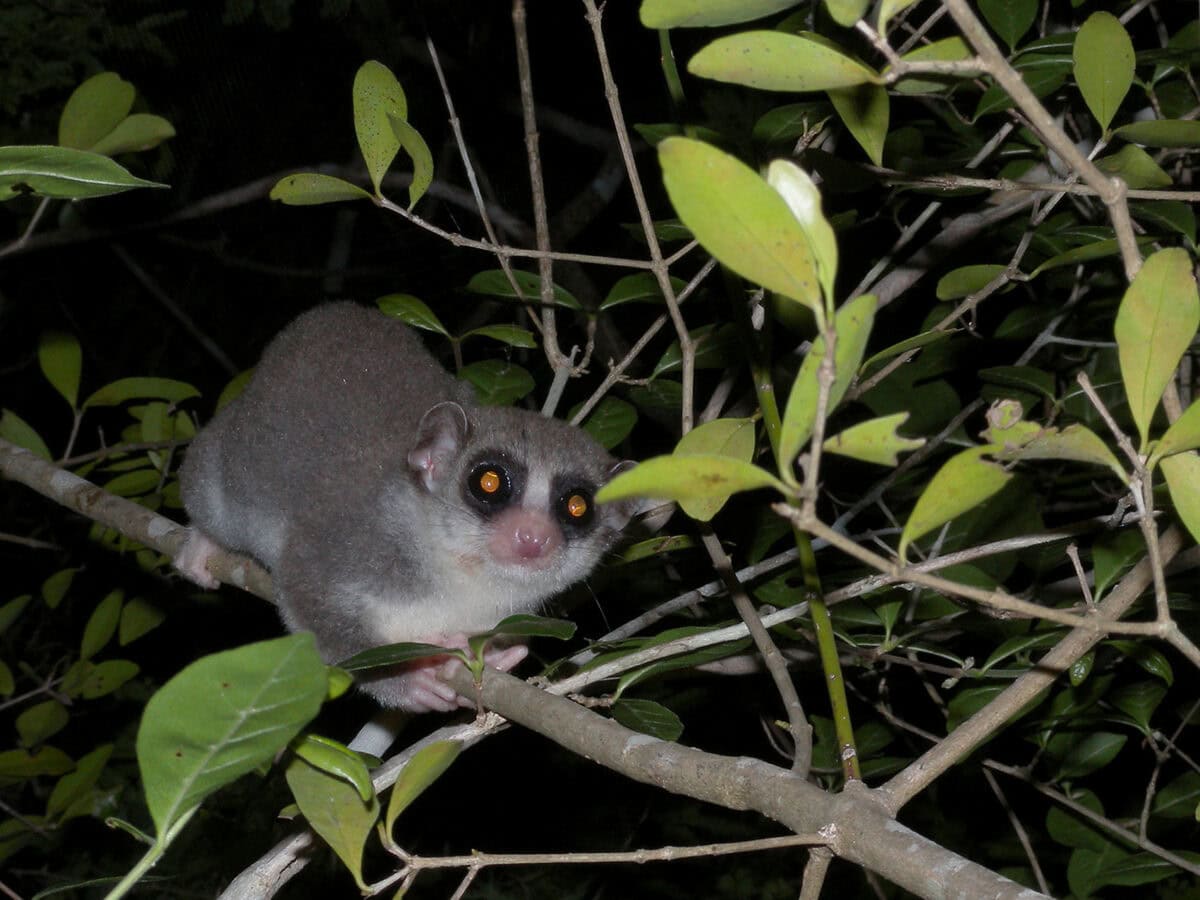
The fat-tailed dwarf lemur possesses remarkable physiological adaptations that enable its unusual hibernation pattern. Unlike most mammals, which must maintain strict temperature regulation, these lemurs are heterothermic—capable of allowing their body temperature to fluctuate with the environment. This adaptation is particularly unusual among primates, which are typically obligate homeotherms (maintaining constant body temperature). Another key adaptation is their specialized metabolism, which can efficiently switch between normal function and an extremely reduced state. Their organs, particularly the heart, kidneys, and brain, have evolved protective mechanisms to withstand prolonged periods of reduced blood flow and oxygen without damage. Perhaps most impressively, their neurological system can endure months of inactivity without the muscle atrophy or brain damage that would affect most mammals under similar conditions. These physiological traits represent evolutionary innovations that make their unique hibernation strategy possible.
Research Significance and Human Applications
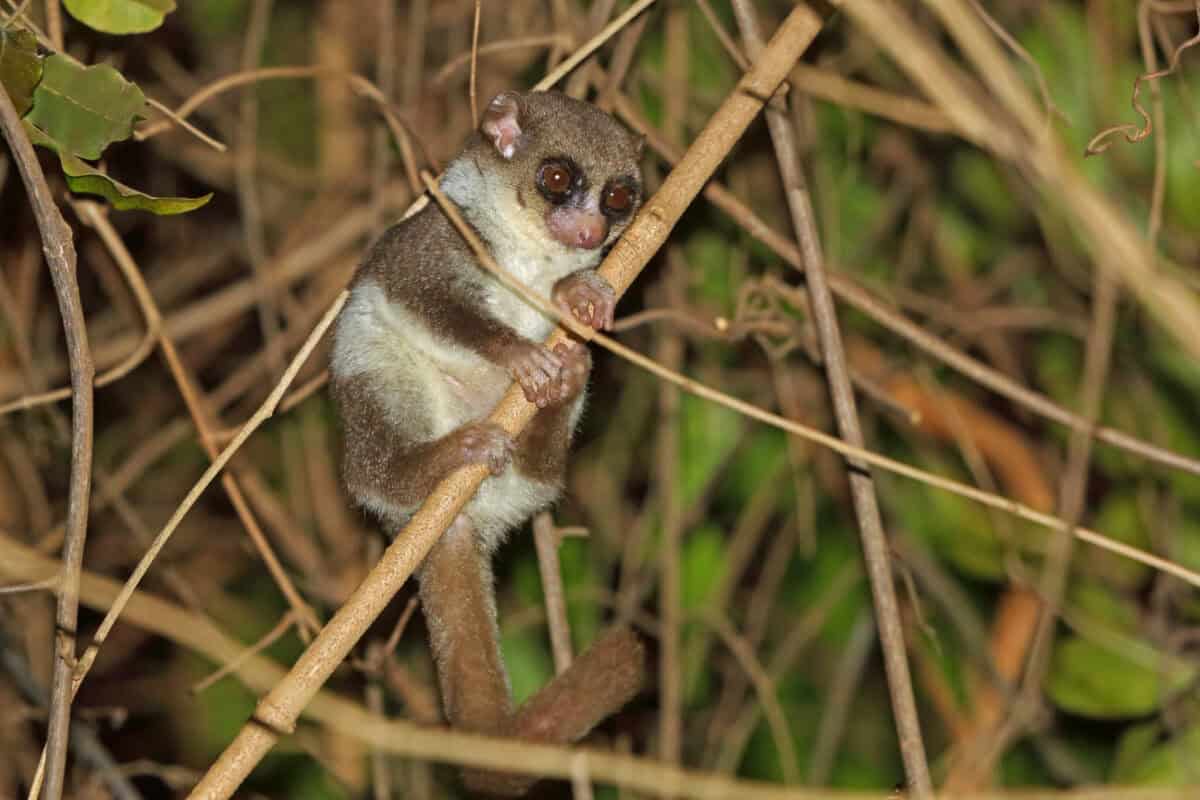
The fat-tailed dwarf lemur’s extraordinary hibernation abilities have attracted significant scientific interest, particularly in medical research. Understanding how these primates can safely lower their metabolic rate and body temperature without organ damage could potentially inform human medical applications, such as improved organ preservation techniques for transplantation, treatments for stroke or cardiac arrest, and even long-duration space travel. Researchers are particularly interested in the neuroprotective mechanisms that prevent brain damage during prolonged torpor. Additionally, studies of the lemur’s metabolic regulation may offer insights into human metabolic disorders and obesity. The fact that these animals are primates—our relatively close evolutionary relatives—makes them especially valuable models for understanding the biological potential that may lie dormant in our own physiology. This research represents an exciting frontier where natural adaptation may inform revolutionary medical advances.
Conservation Status and Threats
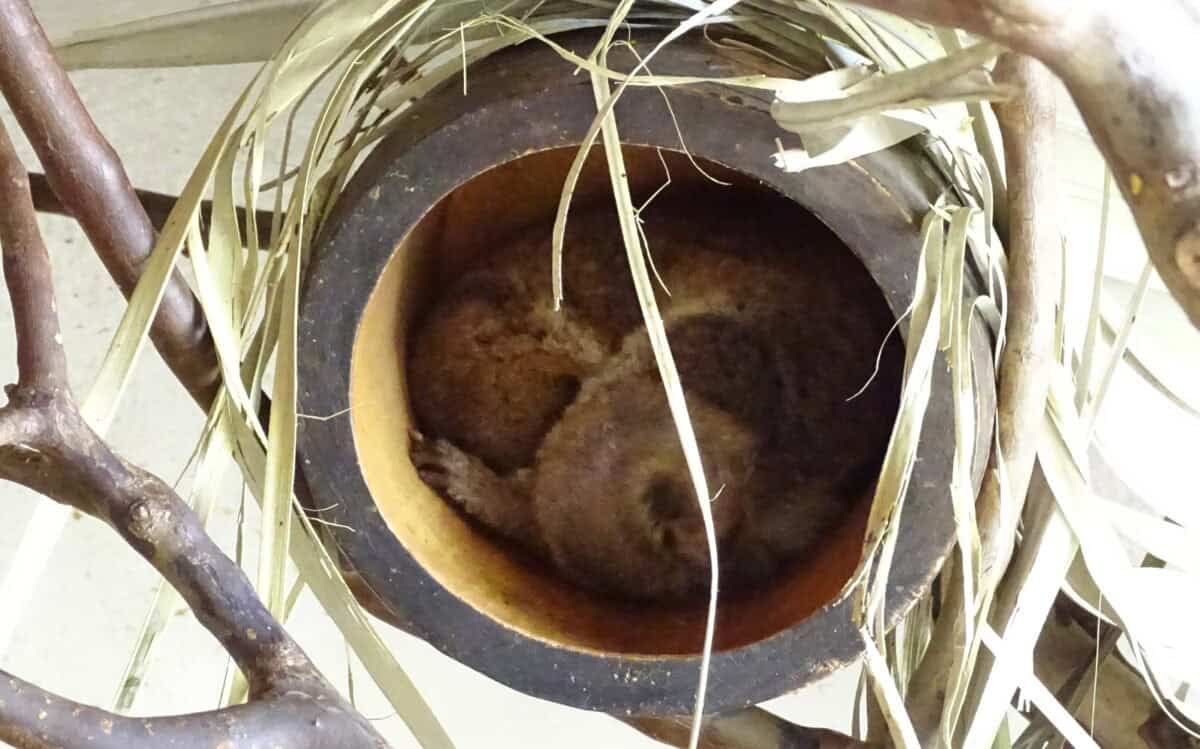
The fat-tailed dwarf lemur is currently classified as “Least Concern” on the IUCN Red List, though its population is declining. This relative stability compared to other lemur species (over 90% of which are threatened) is partly due to its adaptability to secondary and disturbed forests. However, the species still faces significant threats, primarily from habitat loss due to slash-and-burn agriculture, logging, and charcoal production. Climate change poses an additional challenge, as increasingly unpredictable rainfall patterns in Madagascar may disrupt the seasonal cycles to which their hibernation is synchronized. A particular concern is that changes in rainfall timing could force lemurs to emerge from hibernation before adequate food sources are available, leading to starvation. Conservation efforts focus on habitat protection within Madagascar’s protected area network and research to better understand how these unique primates might adapt to changing environmental conditions.
Other Mammals with Similar Adaptations
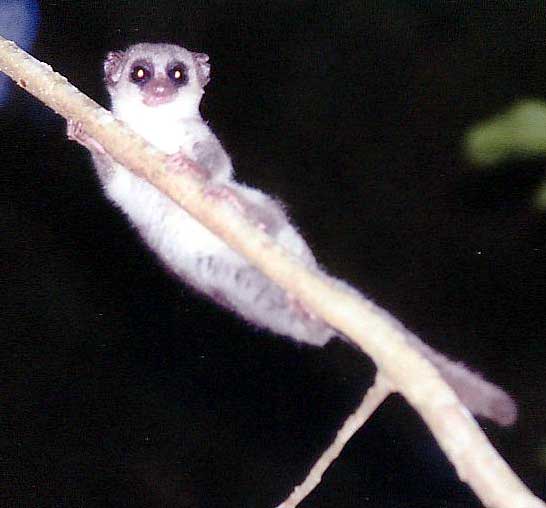
While the fat-tailed dwarf lemur stands out as the only primate known to hibernate, several other mammals employ similar summer dormancy strategies. The most notable examples include certain desert-dwelling ground squirrels, such as the Mohave ground squirrel (Xerospermophilus mohavensis), which aestivates during hot, dry periods to avoid extreme temperatures and drought conditions. Some desert-adapted hedgehogs and tenrecs also enter torpor during harsh summer conditions. Among marsupials, the pygmy possum of Australia shows similar patterns of summer torpor when resources become scarce. What distinguishes the fat-tailed dwarf lemur is the extreme duration and depth of its hibernation state, which exceeds the typically shorter and lighter torpor exhibited by these other species. Additionally, as a primate, the lemur represents a much more complex nervous system capable of hibernation than previously thought possible in higher mammals, making its adaptation particularly significant from an evolutionary perspective.
Variations Among Dwarf Lemur Species
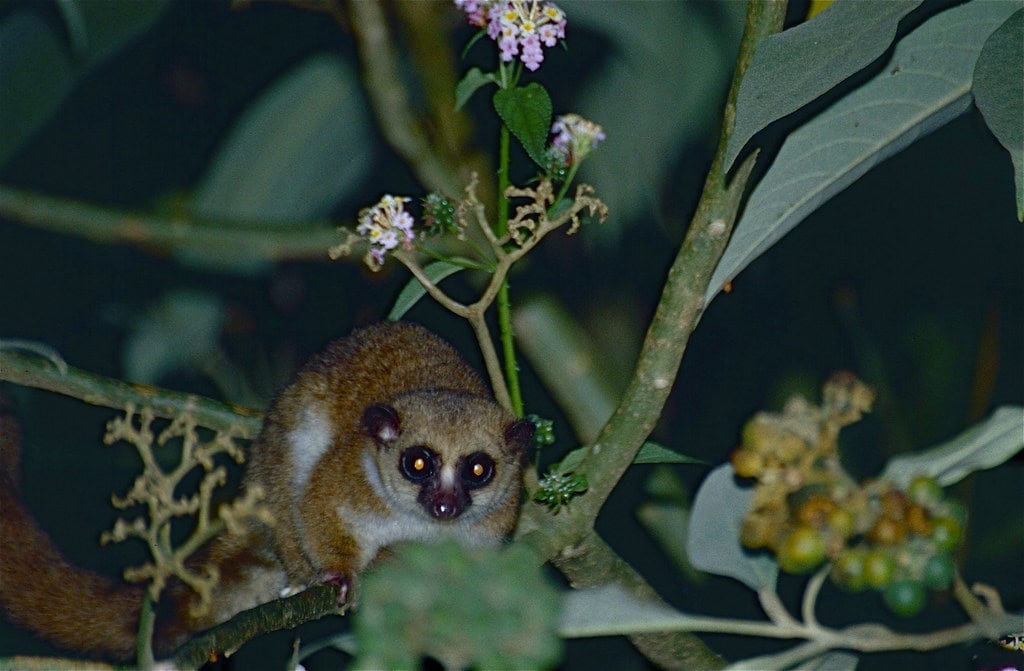
The genus Cheirogaleus comprises multiple dwarf lemur species, and interestingly, not all exhibit identical hibernation patterns. While the fat-tailed dwarf lemur (C. medius) demonstrates the most pronounced and studied summer hibernation, other species show variations. For example, the greater dwarf lemur (C. major) undergoes shorter and less deep torpor periods, while Crossley’s dwarf lemur (C. crossleyi) from eastern Madagascar shows variable hibernation patterns depending on local conditions. Research has revealed that hibernation behaviors correlate strongly with local habitat seasonality—populations in areas with more pronounced dry seasons exhibit longer and deeper hibernation states. These variations within closely related species provide evolutionary biologists with a natural experiment in adaptation, offering insights into how hibernation behaviors evolve in response to specific environmental pressures. This diversity also suggests that the capacity for hibernation may be more widespread in the primate lineage than previously recognized, potentially existing as a latent ability in other species that simply hasn’t been expressed due to different evolutionary pressures.
Social Aspects and Reproduction Timing
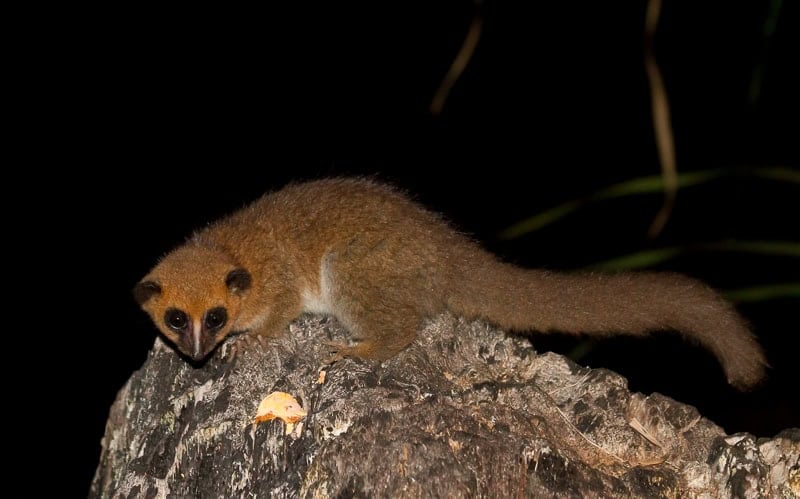
The hibernation cycle of fat-tailed dwarf lemurs profoundly influences their social structure and reproductive timing. These typically solitary animals become more social during the brief active period, with mating occurring shortly after emergence from hibernation at the beginning of the wet season. Females give birth to litters of 2-4 offspring after a gestation period of approximately 61 days, timing reproduction so that infants develop during peak food availability. Young lemurs must grow rapidly and accumulate sufficient fat reserves before their first hibernation, creating intense pressure to mature quickly. Interestingly, dwarf lemurs sometimes hibernate in small groups within the same tree hollow, particularly mating pairs or mothers with older offspring, which may provide thermal benefits during cooler periods of torpor. This synchronization of social behavior, reproduction, and hibernation represents a holistic adaptation to their environment, where every aspect of their biology and behavior is coordinated around the central challenge of surviving Madagascar’s harsh dry season.
Conclusion: Nature’s Remarkable Adaptation
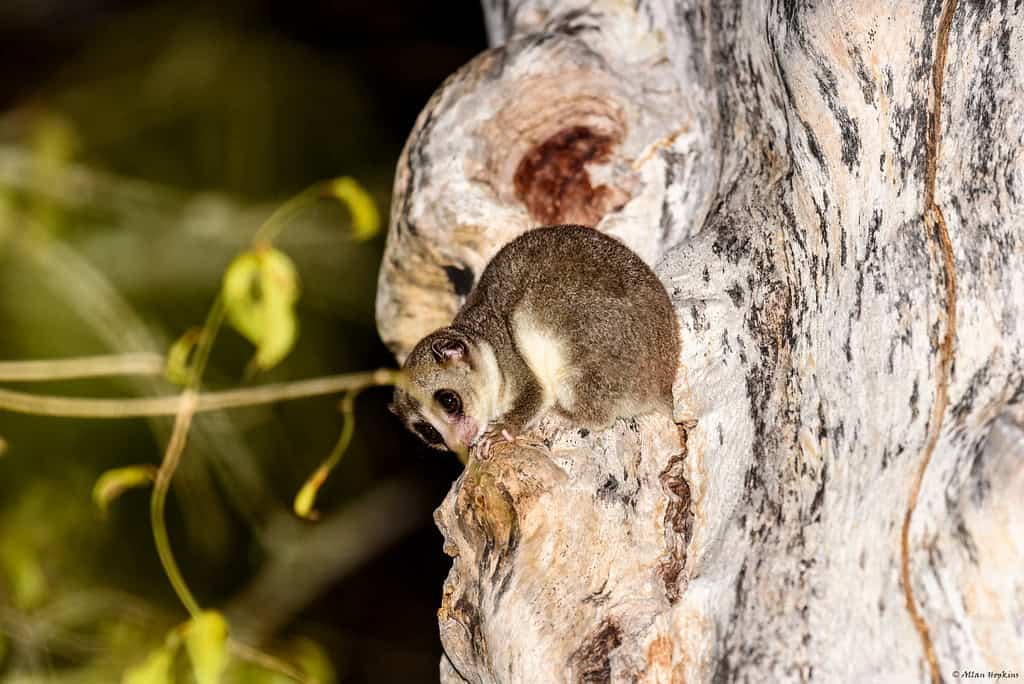
The fat-tailed dwarf lemur stands as a testament to the extraordinary adaptability of life on Earth, challenging our conventional understanding of hibernation and primate physiology. By evolving the unique ability to enter prolonged torpor during warm summer months, these remarkable mammals have carved out a successful survival strategy in Madagascar’s seasonally challenging environment. Their adaptation represents not just a biological curiosity, but a window into the potential flexibility of mammalian physiology and the innovative pathways evolution can take when confronted with environmental challenges. As climate change continues to alter traditional seasonal patterns worldwide, the study of these exceptional primates may provide crucial insights into how species might adapt to changing conditions. In the fat-tailed dwarf lemur, we find both an evolutionary marvel and potentially a reservoir of knowledge that could benefit human medicine and our understanding of our own biological limitations and possibilities.

- The Forgotten Lake Where Flamingos Nest in the U.S. - July 10, 2026
- This U.S. Forest Is Home to the Largest Herd of Wild Elk - July 10, 2026
- The Most Dangerous Lake in the World—And Why It Can Kill Instantly - July 10, 2026