
Alaska’s coastal waters are teeming with an astonishing array of marine life, and among these, some of the most otherworldly creatures lurk. In recent years, a fascinating discovery has emerged from the depths: fish species that appear so alien-like in their features and behaviors that they capture the imagination of scientists and ocean enthusiasts alike. Let’s dive into the extraordinary world of these marine wonders that look like they’ve been plucked from a science fiction novel.
Discovering the Abyss: Where Are These Fish Found?

The waters off Alaska’s coast are part of a complex deep-sea ecosystem that remains largely unexplored. These depths, characterized by frigid temperatures and crushing pressures, are where some of the planet’s most elusive marine species reside, including our alien-like fish. Exploring these regions requires advanced submersible technology and persistent curiosity, leading to the discovery of creatures that defy conventional aesthetics.
The Remarkable Appearance of Alien-Like Fish

Alien-like fish species are named not just for their peculiar appearance but also for their unusual adaptations to deep-sea life. Many boast bioluminescent features, eyes adapted for minimal light, and skin textures resembling gelatinous or semi-transparent forms. These adaptations give them an otherworldly appearance, sparking comparisons to extraterrestrial beings commonly depicted in science fiction.
Notable Species: The Pacific Spookfish

One of the standout discoveries in these waters is the Pacific Spookfish, known for its spectral appearance. With a semi-translucent body and elongated snout resembling a spectral figure from folklore, this fish utilizes its enhanced electro-sensory organs to navigate and hunt in pitch-black environments. This exceptional adaptation highlights the ingenuity of marine life evolving under extreme conditions.
The Role of Bioluminescence in Survival

Bioluminescence is a crucial survival trait for many alien-like species. While this eerie glow adds to their extraterrestrial aesthetic, it serves important functions such as attracting prey, communicating within species, or camouflaging among faint oceanic glimmers. The mechanics behind bioluminescence involve complex chemical reactions within their bodies, fascinating scientists and researchers alike.
Adapting to Deep-Sea Pressures and Temperatures
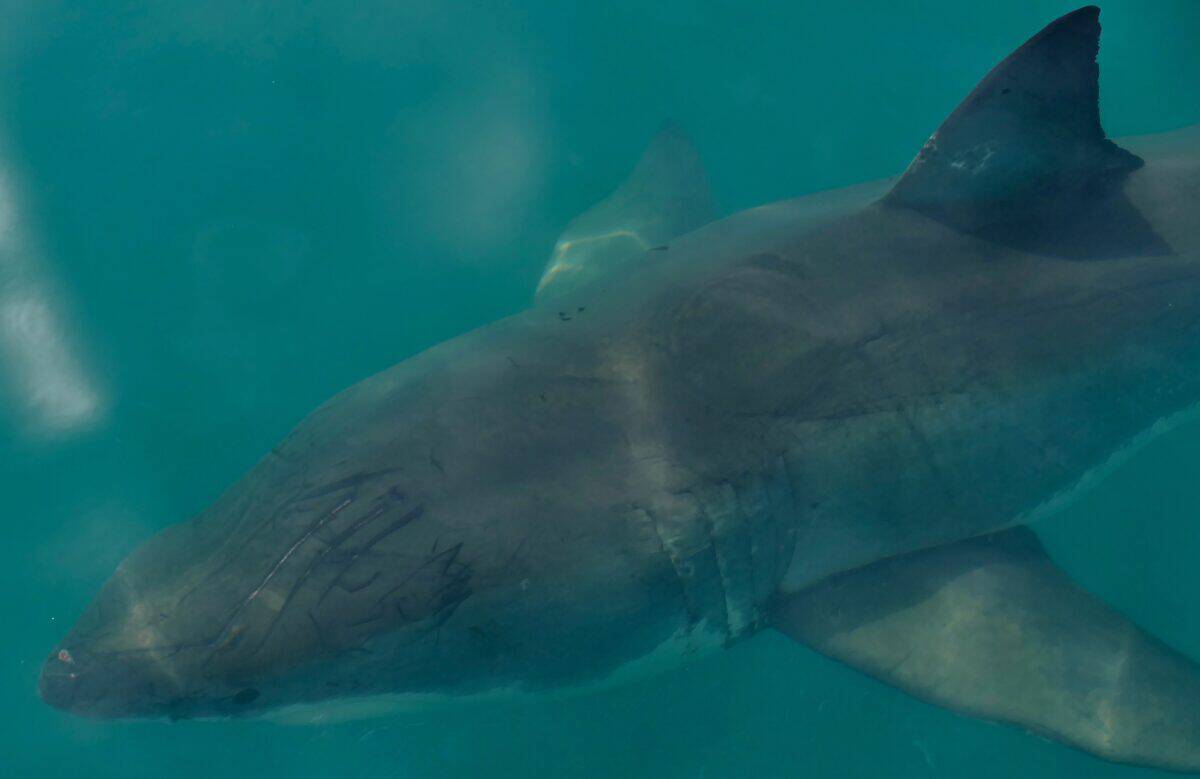
Surviving at such depths requires extraordinary adaptations beyond appearance. These fish have developed physiological traits that allow them to withstand pressure far beyond what surface dwellers could tolerate. Additionally, they often feature antifreeze proteins in their bloodstreams to prevent ice crystal formation, enabling survival in the subzero waters of their habitat.
Feeding Habits and Predatory Tactics

Predation in the deep sea requires creative strategies. Alien-like fish often employ ambush techniques due to the limited visibility and prey scarcity in their environment. Some species have evolved highly sensitive electroreceptors to detect the slightest movements, while others rely on bioluminescence to lure unsuspecting prey close enough to capture.
Reproductive Behaviors in the Abyss
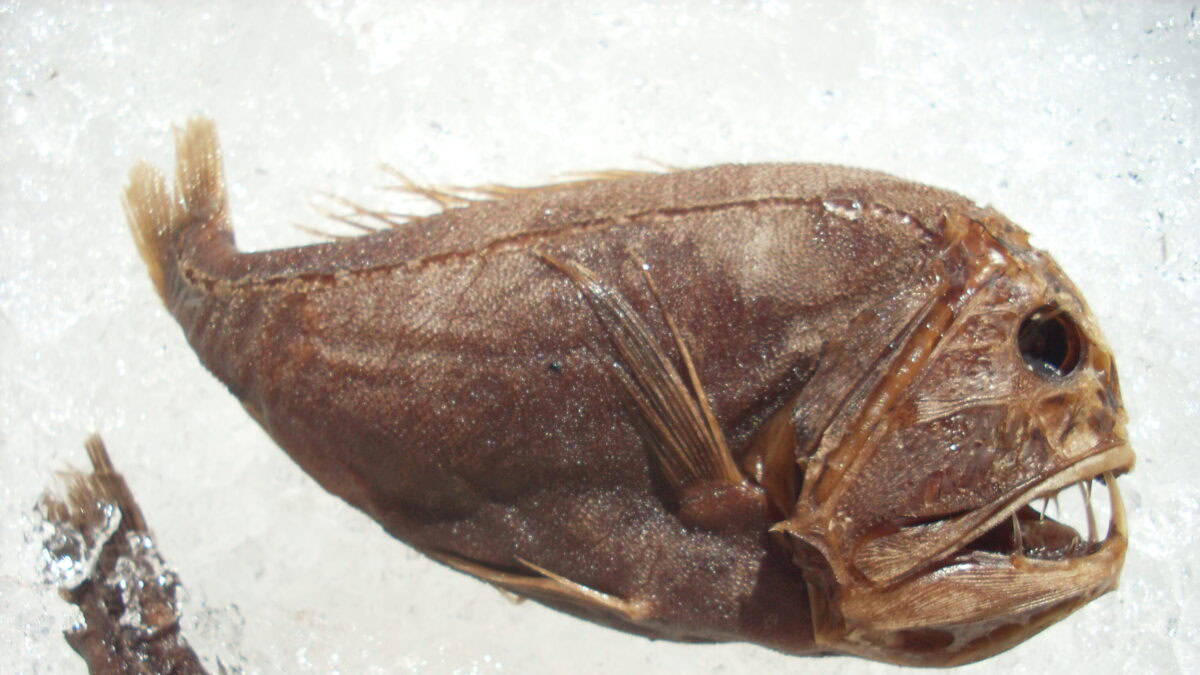
Reproductive strategies are equally intriguing, with many species resorting to unique practices to ensure survival. The low population density and vastness of the deep ocean lead to adaptations such as hermaphroditism or external fertilization, increasing the chances that their genes continue in such a challenging environment.
The Ecological Significance of Alien-Like Fish
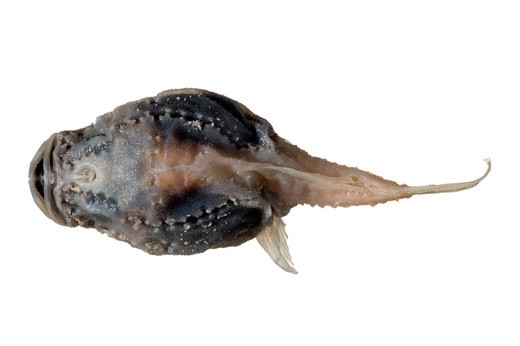
Though they may be rare and elusive, these alien-like fish play essential roles in their ecosystems. They contribute to nutrient cycling by breaking down biological material and serve as both predator and prey within the food chain, influencing the delicate balance necessary for maintaining their deep-sea environments.
The Challenges of Studying Deep-Sea Creatures

Researching these enigmatic species is no easy task. The profound depths at which they reside pose significant logistical challenges, from the cost and difficulty of maintaining submersibles to the technological constraints of gathering samples. However, each expedition into these dark waters broadens our understanding of life under extreme conditions.
Conservation Concerns and Future Research

The deep sea is vulnerable to threats caused by climate change, pollution, and deep-sea mining. Conservation efforts are crucial to preserve these species and their habitats, ensuring that future generations can continue to study and marvel at their existence. Ongoing research and sustainable practices are vital steps in protecting these hidden gems of the ocean.
Conclusion: Celebrating Nature’s Bizarre Beauties
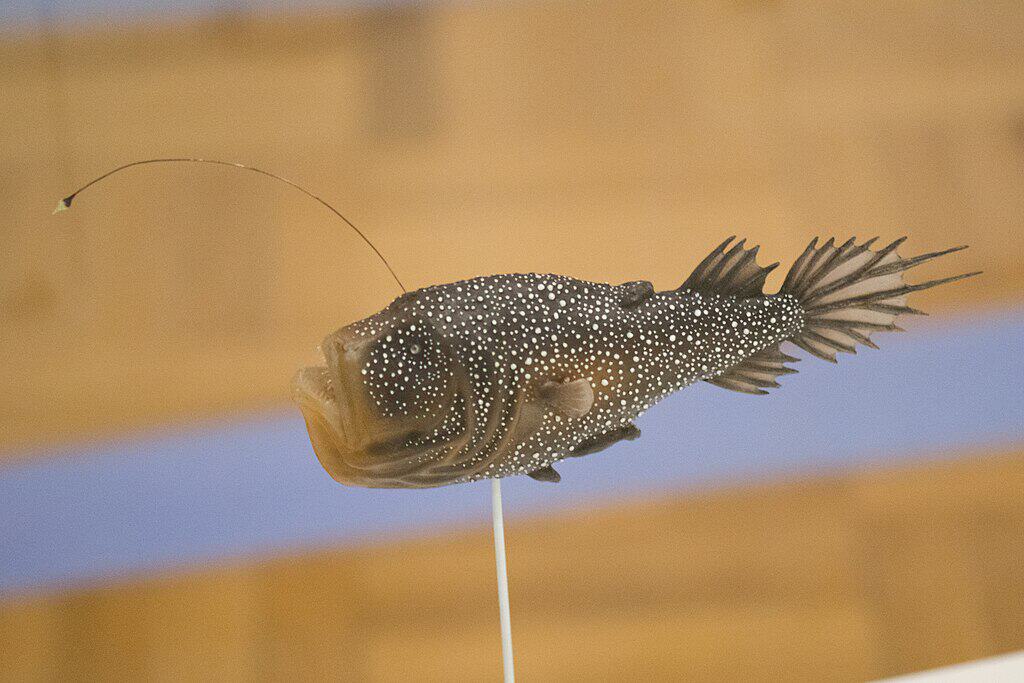
The alien-like fish found off Alaska’s coast remind us of the incredible diversity and adaptability found in nature. Their seemingly bizarre features and behaviors illustrate evolutionary ingenuity in response to extreme environments. As we continue to explore the depths of our oceans, who knows what otherworldly wonders we might uncover?

- This River Delta Is a Magnet for Endangered Birds - July 17, 2026
- New Fossils in Baja California Reveal a Never-Before-Seen Grouper - July 17, 2026
- The Most Venomous Animal on Land—And How It Kills - July 17, 2026