
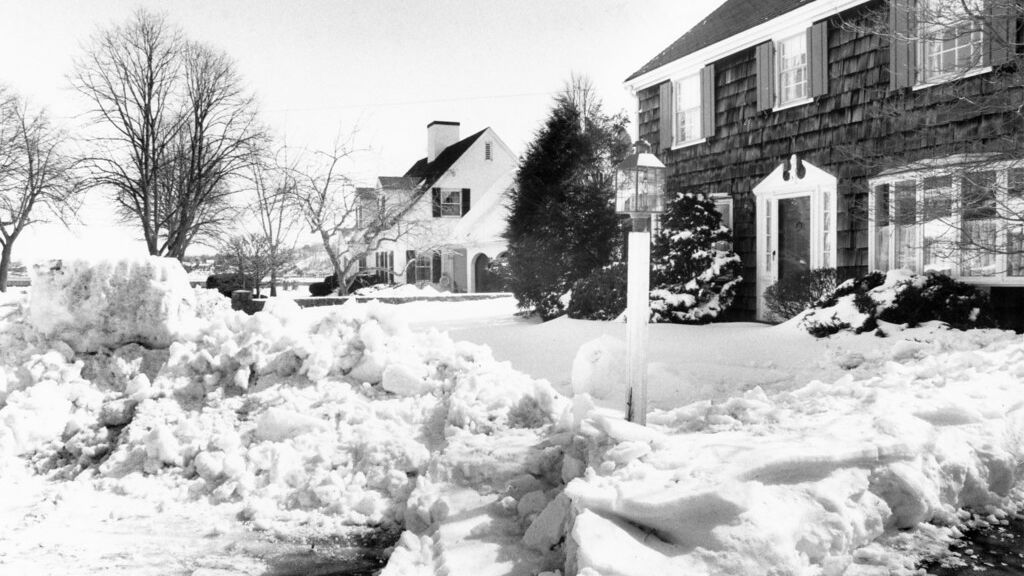
When we think about winter’s wrath, we often picture cozy scenes of snowflakes dancing outside warm windows. Yet history has shown us a far darker side of winter storms, where nature unleashes its most brutal force across the continent. North America has witnessed some of the most devastating blizzards in recorded history, storms so extreme they forever changed weather forecasting, transportation systems, and the lives of millions.
These legendary blizzards didn’t just drop snow. They brought whiteout conditions, bone-chilling temperatures, and hurricane-force winds that created towering drifts capable of burying entire buildings. Some claimed hundreds of lives in a matter of hours, while others paralyzed entire regions for days. Their impact extended far beyond the immediate devastation, inspiring infrastructure changes that we still benefit from today.
The Great Blizzard of 1888: The Storm That Built America’s Subways
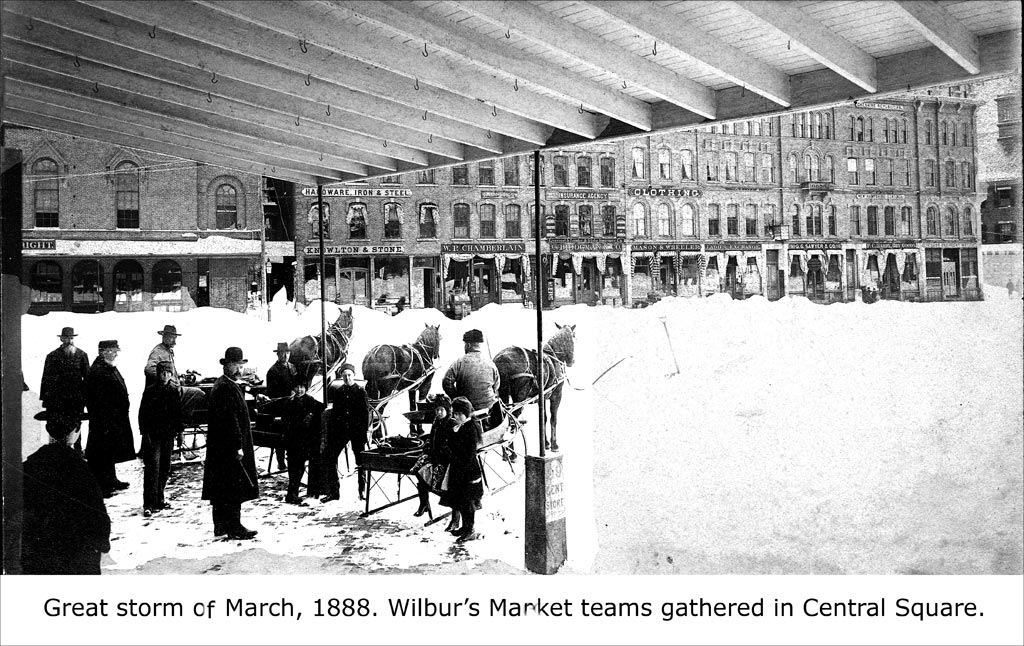
In March of 1888, the Northeast was faced with one of the worst blizzards in American history, killing over 400 people. Also known as the Great White Hurricane, the Great Blizzard of ’88 left as much as 55 inches of snowfall in some areas and dumped 40 to 50 inches of snow across the Northeast. After a stretch of rainy but unseasonably mild weather, temperatures plunged and vicious winds kicked up, blanketing the East Coast in snow and creating drifts up to 50 feet high.
The entire area from Washington, D.C., to Maine suffered from brutal winds, massive snowdrifts and catastrophic damage, blocking roads and wiping out telephone, telegraph and rail service for several days. Blizzard conditions quickly developed as the wind rose to a sustained 50 mph, and by 8 a.m. Monday, the city was completely immobilized by the blinding, drifting snow and howling winds. Major cities like New York City and Boston ground to a halt as their railway and telegraph lines were buried or destroyed, and the disastrous effects actually inspired Boston to create the first underground subway system in the country.
The Children’s Blizzard of 1888: A Prairie Nightmare
The Schoolhouse Blizzard, also known as the Children’s Blizzard, hit the U.S. Great Plains on January 12, 1888, with an estimated 235 deaths, making it the world’s 10th deadliest winter storm on record. The blizzard came unexpectedly on a relatively warm day, and many people were caught unaware, including children in one-room schoolhouses. The morning of January 12 was a balmy 40 degrees with clear skies.
The temperature fell to between 30 and 40 degrees below zero with a howling northwest wind that swept the plains, and the storm raged for 12 to 18 hours. This was not a storm of drifting snowflakes but of flash-frozen droplets firing sideways, an onslaught of speeding ice needles moving at more than sixty miles per hour, and even without the whiteout conditions, many people could not see because the microscopic bits of ice froze their eyes shut. Thousands of people – including many schoolchildren – got caught in the blizzard, with the death toll at 235, though some estimate 1,000.
The Great Appalachian Storm of 1950: Winter’s Hurricane
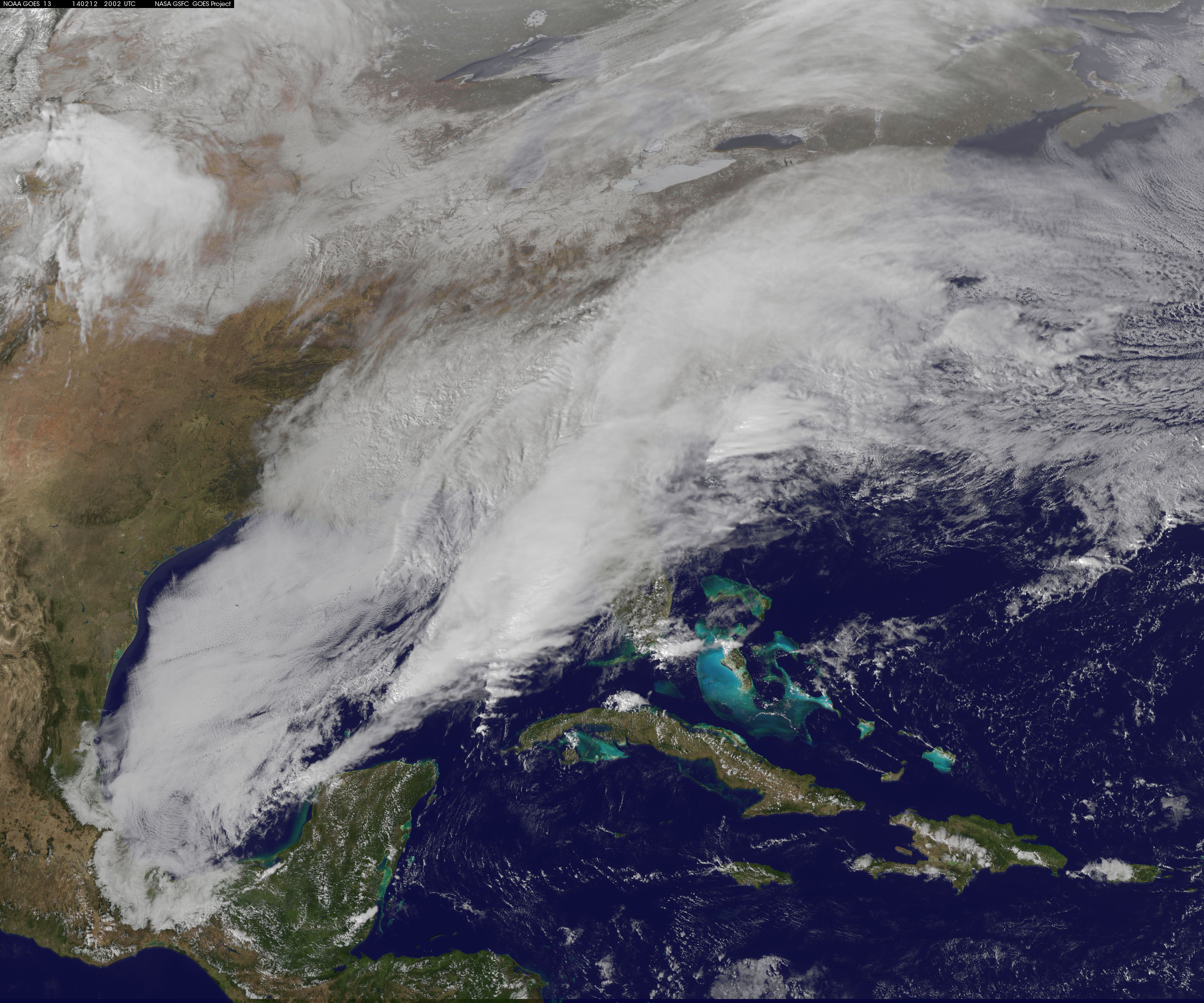
On Thanksgiving weekend of 1950, as much as 62 inches of snow blasted the central Appalachians, and the area was also beset by frigid cold and intense wind storms. This storm is one of the most meteorologically unique storms as it was both part-blizzard and part-hurricane, becoming one of the deadliest winter storms of all time, killing 353 people and injuring over 150 others. The Great Appalachian Storm formed over North Carolina before looping around Ohio, devastating much of the Southeast along the way, and the Nov. 24, 1950, storm became a case study for tracking and predicting winter weather.
La Nina conditions helped the storm reach hurricane-force wind speeds of 110mph and chilling temperatures. Right after the storm passed, temperatures became unseasonably warm, which led to extensive flooding from the snowmelt, and overall, the Great Appalachian Storm of 1950 caused at least 160 deaths. This storm demonstrated how winter weather could be just as destructive as tropical hurricanes, combining the worst elements of both systems into one devastating event.
The Knickerbocker Storm of 1922: When Snow Became Deadly Weight
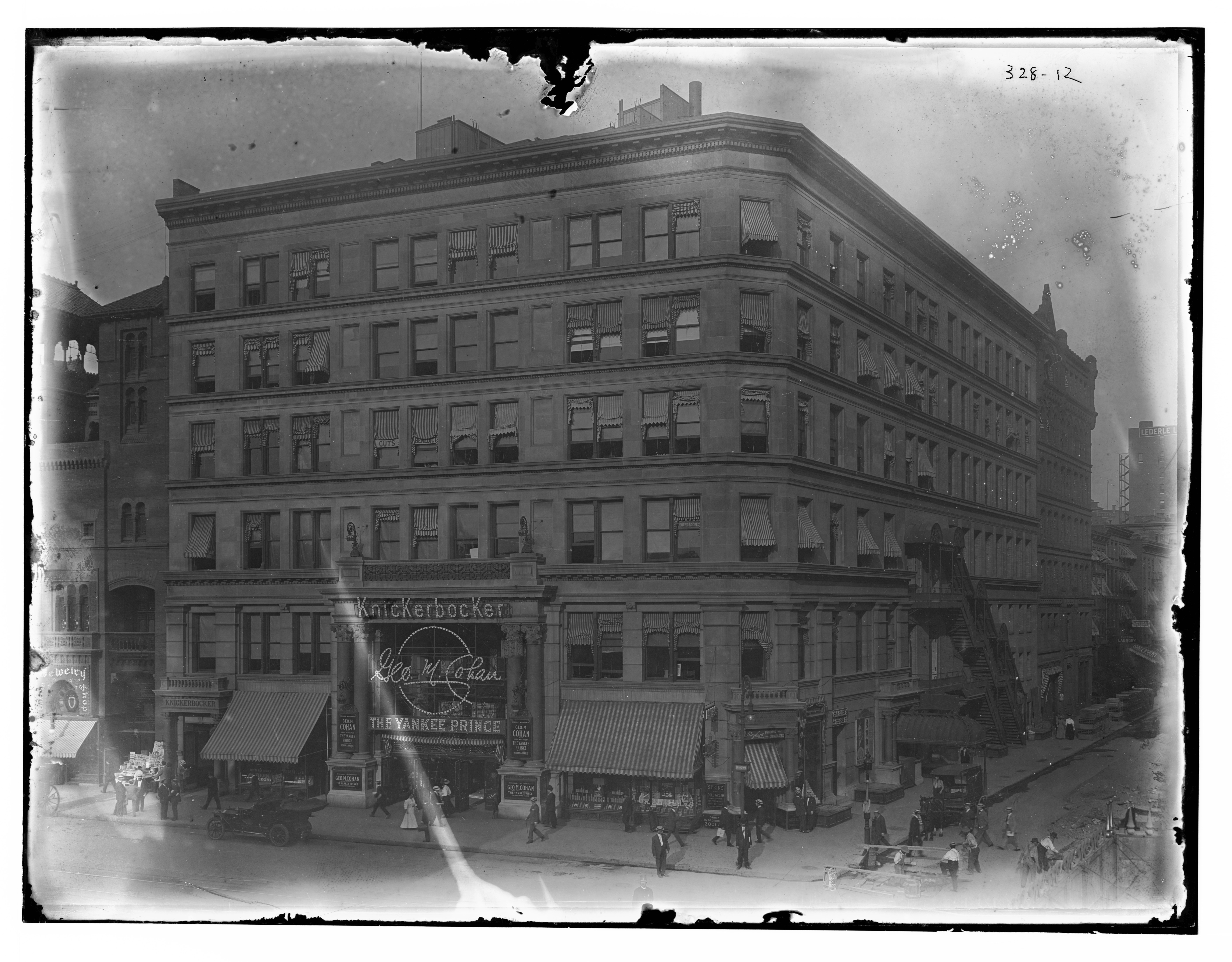
On Jan. 28, 1922, more than 2 feet of snow fell on Washington, D.C., and the weight of the snow collapsed the roof of the Knickerbocker Theatre, killing 98 people. This blizzard gained notoriety for its heavy, wet snows, which collapsed the roof at one of the most popular venues in Washington, D.C., and the storm takes its name from the cave-in at the Knickerbocker Theater, which killed 98 people and injured 133. As much as 3 feet of snow fell in the Maryland, Virginia and Pennsylvania during the blizzard.
This led to stricter building codes to prevent such a tragedy from ever happening again, and to this day, the Knickerbocker Storm holds the record for the most snowfall in D.C., and the Knickerbocker Theater’s collapse remains its deadliest disaster. The tragedy highlighted how snow’s weight could be as dangerous as its cold, fundamentally changing how buildings were constructed in snow-prone regions across the country.
The Blizzard of 1978: New England’s Paralyzing Storm
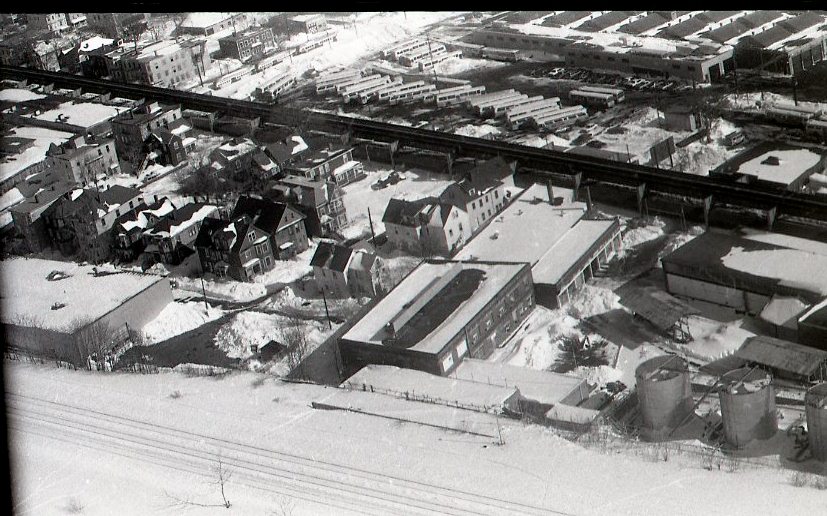
That 1978 storm is considered one of the worst blizzards in U.S. history, as it brought then-record snowfall to places from Atlantic City to Boston and caused nearly $2 billion in damage (in current dollars). A week after Ohio experienced its worst winter storm in history, the Northeast got its own taste of nature’s wrath, and on February 5, when snowflakes failed to materialize in the pre-dawn hours as meteorologists had predicted, many people chalked it up to faulty forecasting and went about their lives. Later that day, hurricane-force winds and whiteout conditions took them by surprise, and the storm pummeled gridlocked highways, forcing drivers and passengers to abandon their cars or be buried along with them.
The blizzard began on February 5, leaving about 27 inches of snow in its wake and winds of up to 86 miles per hour. Massive snowdrifts trapped families in their homes and workers in their offices, and in Massachusetts and Rhode Island, record snowfalls left residents without heat, water or electricity for more than a week; roughly 10,000 took refuge in shelters. The storm created iconic images of cars buried on highways, turning major roadways into frozen graveyards of abandoned vehicles.
The Blizzard of 1993: The Storm of the Century
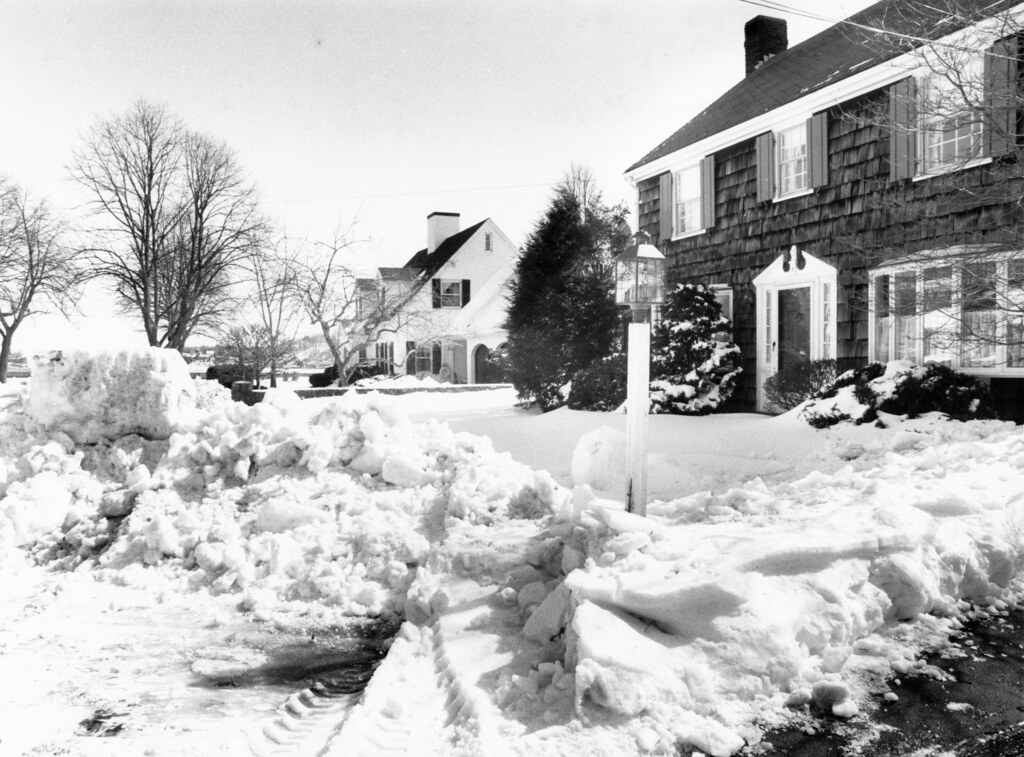
Replacing the Blizzard of ’78 as ‘The Storm of the Century,’ the Blizzard of 1993 was one of the most intense mid-latitude cyclones ever observed over the Eastern US. This storm covered more area of the United States than any previous snowstorm, with parts of 26 states being hit, with massive snowfall spanning all the way from Canada to Alabama. High winds knocked out power to over 10 million customers.
Locations in Tennessee and North Carolina measured 60 and 50 inches of snow, respectively, and since the storm moved throughout a densely populated portion of the US, many people died as a result: approximately 270. The storm’s scope was unprecedented, affecting everything from Florida’s panhandle to Canada’s Maritime provinces. Its intensity was so remarkable that meteorologists still study it as the benchmark for measuring other major winter storms, proving that even in the modern era of advanced forecasting, Mother Nature can still surprise us with her devastating power.
Conclusion: Lessons Written in Snow and Ice
These five extreme blizzards shaped in ways that extend far beyond their immediate destruction. The Great Blizzard of 1888 gave birth to subway systems that millions rely on today. The Children’s Blizzard revolutionized weather forecasting and communication systems. Each storm taught us hard lessons about preparation, infrastructure, and the awesome power of nature.
What strikes me most about these storms is how they reveal both human vulnerability and resilience. Stories of teachers like Minnie Freeman saving children by tying them together with rope, or communities banding together to rescue strangers, show that even in nature’s darkest moments, humanity finds ways to shine. These blizzards remind us that while we’ve made tremendous advances in forecasting and preparation, winter storms remain one of nature’s most formidable forces.
What would you have done if caught in one of these legendary storms? Share your thoughts in the comments below.

- Animal Science Says Crows Gather Around Dead Crows to Learn About Possible Threats - August 9, 2026
- The One Food Vets Beg Dog Owners to Stop Feeding Their Pets - August 9, 2026
- How to Keep Your Pets Active and Engaged Indoors - August 9, 2026