

In the heart of the Southern United States, where swamps, marshlands, and cypress trees abound, lies the realm of one of the most formidable reptiles known to man—the American alligator. This ancient creature, often shrouded in mystery and folklore, stepped into the limelight like never before with the sighting of a truly gigantic specimen. Let us dive into the details of this fascinating encounter, exploring the habitats, characteristics, and lives of these remarkable creatures.
Introduction to the American Alligator

The American alligator (Alligator mississippiensis) is a well-known resident of the Southeastern United States, with habitats ranging from Texas to North Carolina. These reptiles have thrived in the Southern wetlands for millions of years, adapting to various environments and playing a crucial role in their ecosystems.
The Legend of the Gigantic Alligator
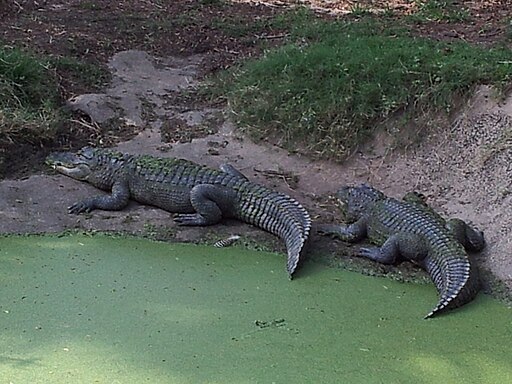
In 2023, the folklore of the swamps gained a real-life basis when a massive alligator was spotted in the swamps of Louisiana. Measuring an astonishing 15 feet in length and weighing over 1,000 pounds, this behemoth was a sight to behold, reminiscent of the dinosaur era when massive reptiles roamed the Earth.
Habitat and Range

Alligators typically inhabit freshwater environments, such as rivers, lakes, swamps, and marshes. The diverse network of waterways in the South provides an ideal habitat for alligators, supporting their need for aquatic vegetation, prey, and basking spots.
Physical Characteristics
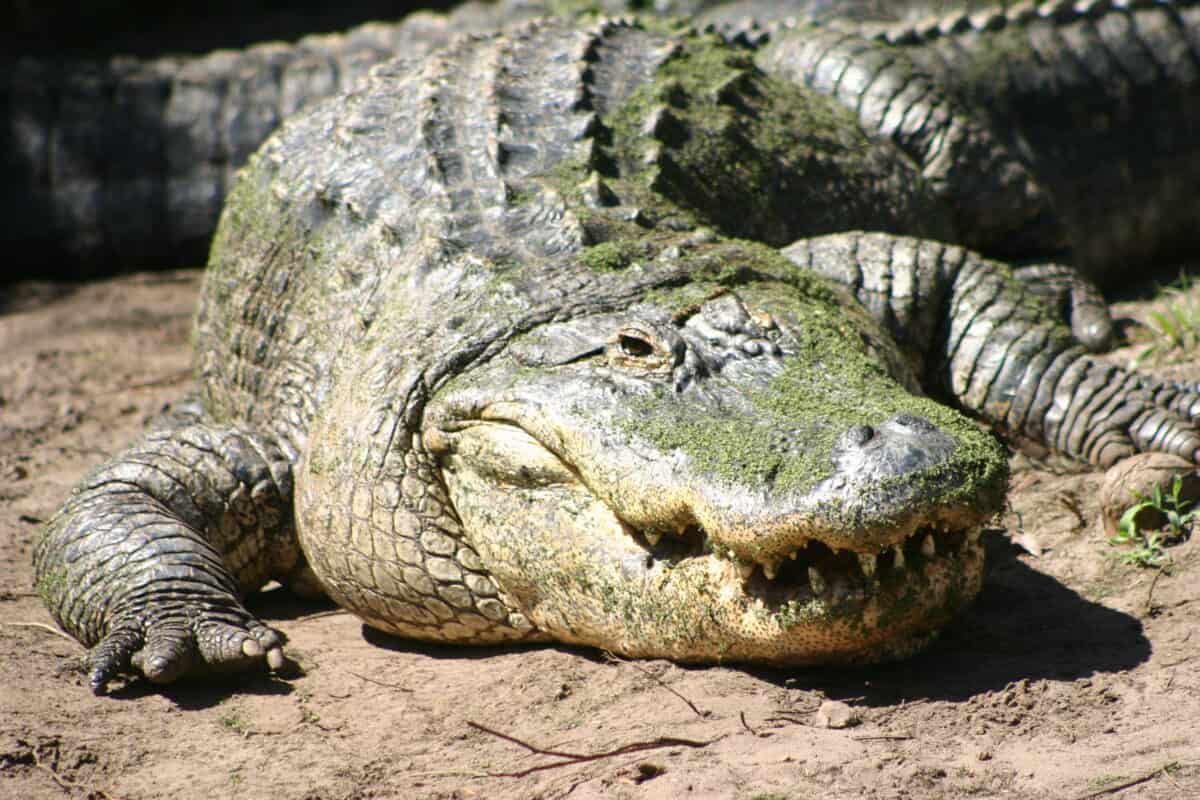
Among the defining features of the American alligator are its rugged armor-like skin, powerful tail, and elongated snout. Adult males usually range between 11 and 15 feet, but as this larger specimen shows, they can grow even more substantial under optimal conditions.
Behavior and Diet
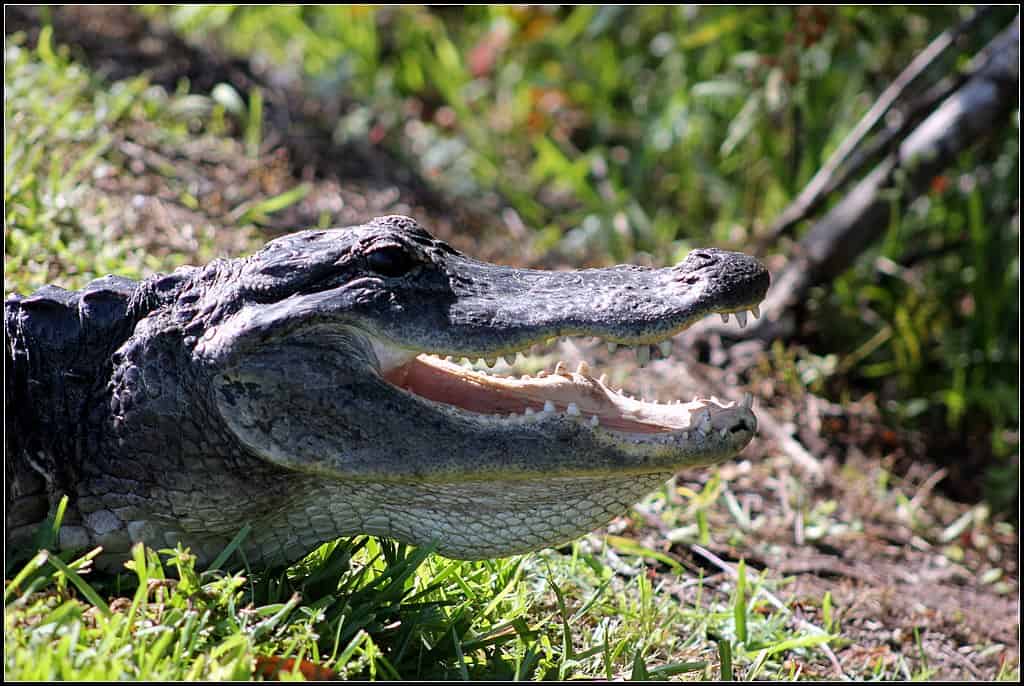
Alligators are apex predators, feeding on a diverse array of prey, including fish, birds, mammals, and occasionally, carrion. Their hunting prowess and conservative energy use make them successful survivors in their native habitats.
Seasons of the Swamp
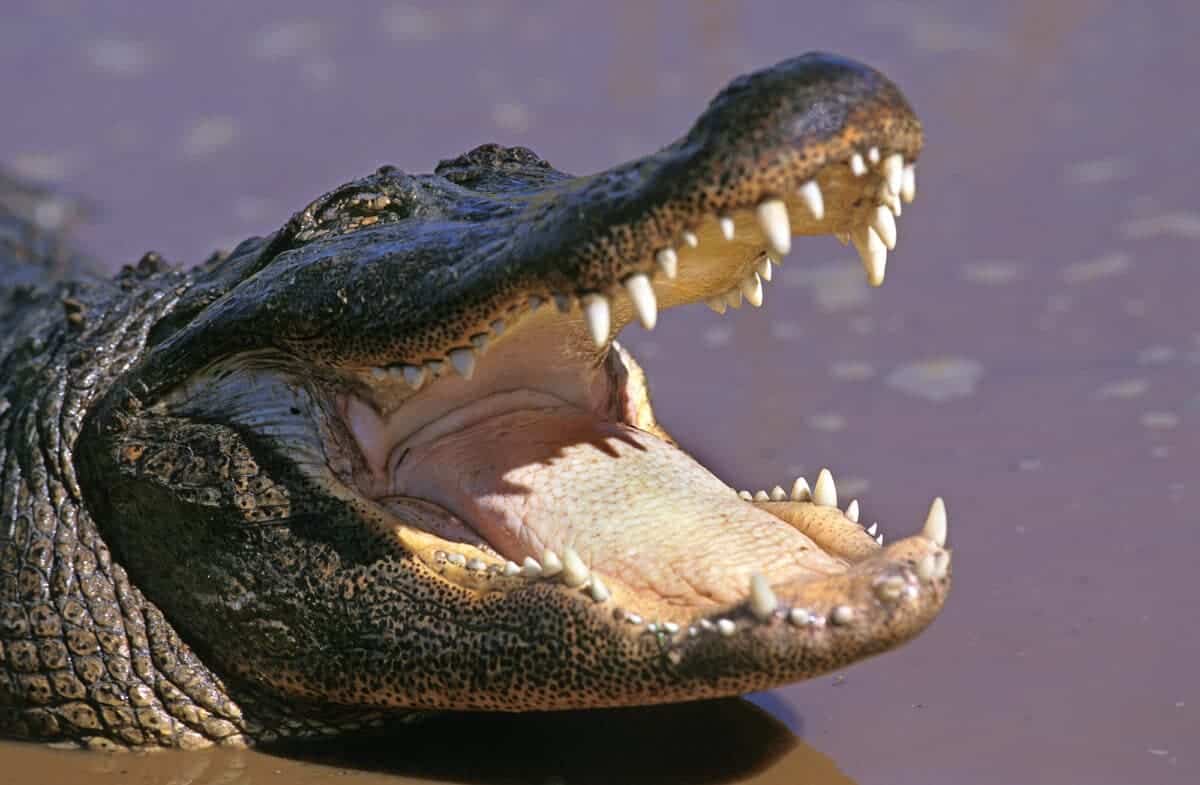
Life in the swamp follows a seasonal rhythm heavily influenced by temperature and water levels. In the cooler months, alligators often enter a state of dormancy, known as brumation, while the warmer months bring active feeding and breeding.
Reproduction and Lifespan
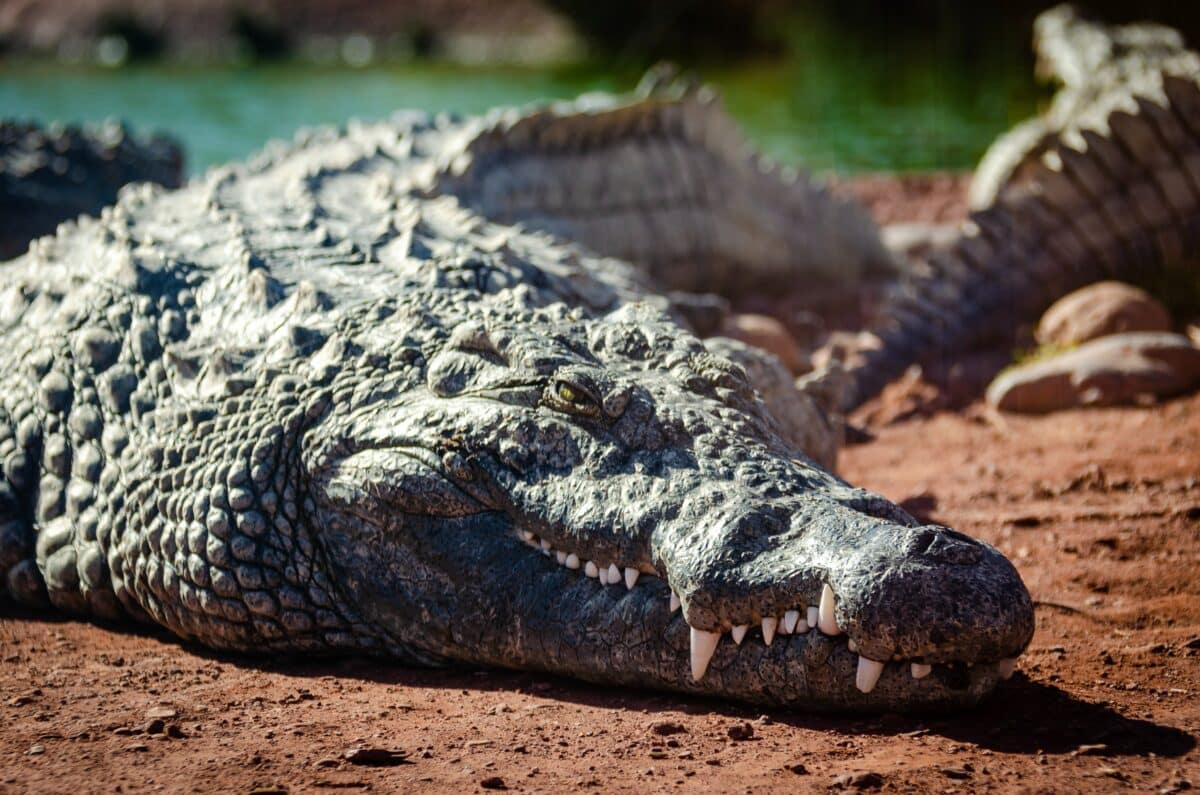
Alligator mating season occurs in spring, with females building nests to lay their eggs. Young alligators face numerous threats early in life but can live upwards of 50 years in the wild if they reach maturity.
The Ecological Role of Alligators
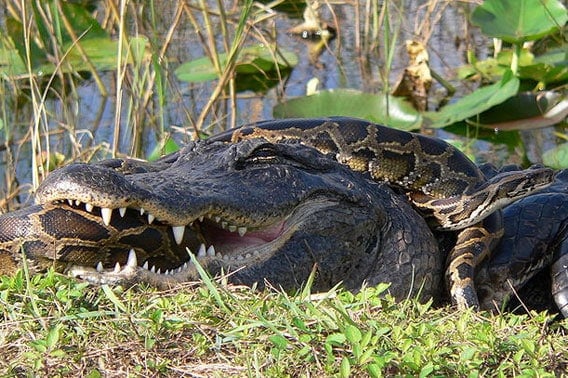
As keystone species, alligators help shape their environmental landscape. They manage fish and mammal populations and create habitats for other wildlife by digging “gator holes” which retain water during the dry season.
Conservation Success Stories
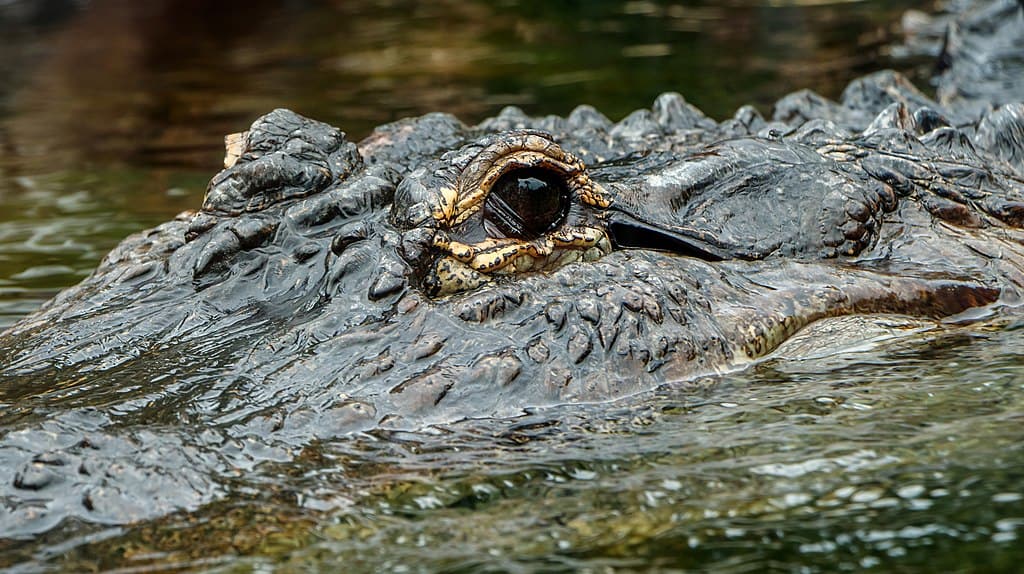
Once at the brink of extinction due to habitat loss and hunting, the American alligator has made a remarkable recovery thanks to strong conservation efforts, protected wetlands, and sustainable management practices.
Human and Alligator Interactions

Encounters between humans and alligators are not uncommon in the South. While these interactions are usually harmless, it is vital to maintain a respectful distance to prevent conflicts and ensure safety for both species.
Myth, Folklore, and Popular Culture
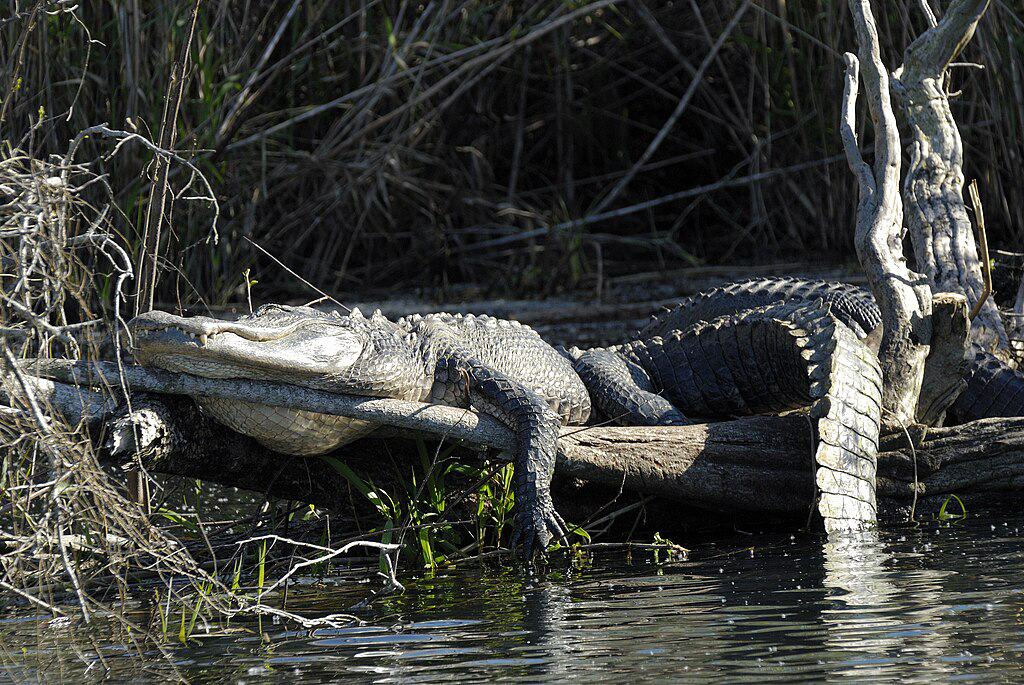
The massive size and ancient lineage of alligators have secured their place in local lore and stories. From tales of monstrous gators lurking in bayous to roles in films and music, they captivate the imagination and continue to intrigue people worldwide.
Understanding and Respecting These Ancient Reptiles
Appreciating the might and mystery of the American alligator requires understanding its role in the ecosystem, respecting its habitats, and advocating for continued conservation efforts. These reptiles, true relics of a prehistoric era, continue to thrive and inspire.
Conclusion
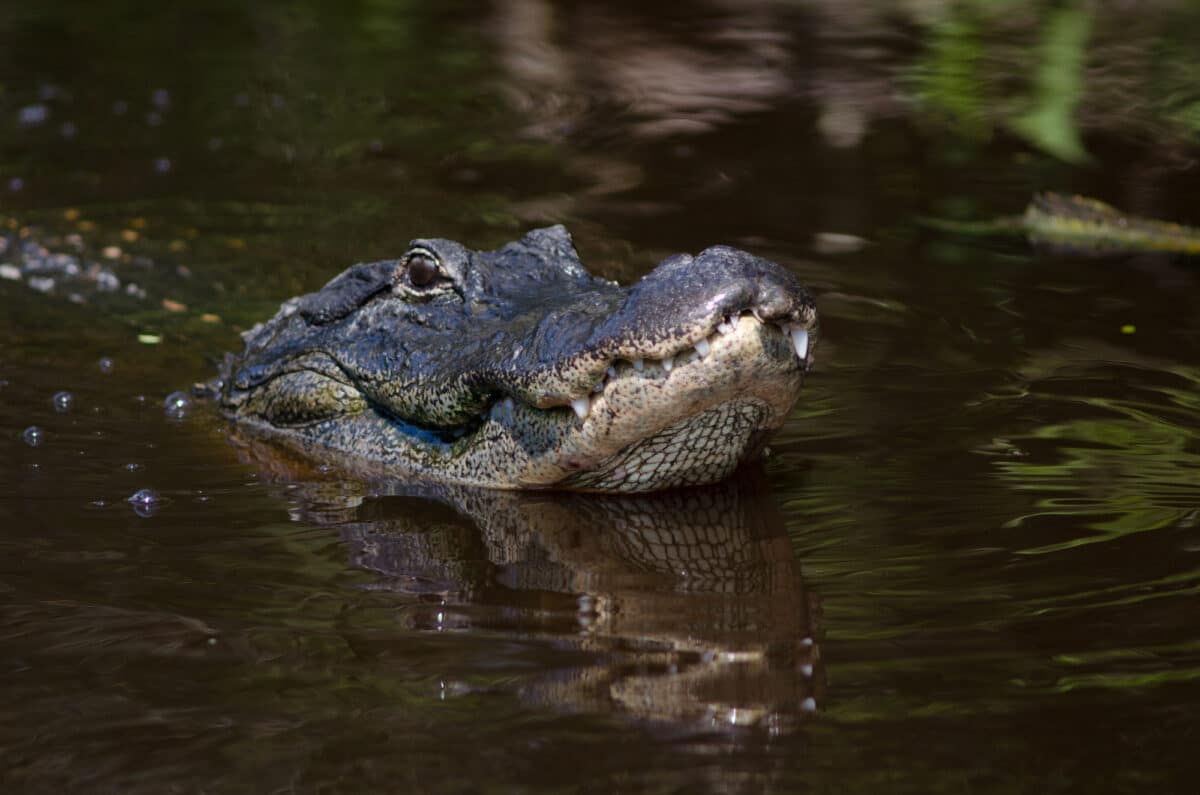
The incredible sighting of the gigantic alligator reminds us of the rich tapestry of life that thrives in the Southern wetlands. While this legendary creature has sparked awe and wonder, it also highlights the importance of preserving the natural habitats that support such biodiversity. By fostering coexistence and respect, we honor these historic creatures and help ensure their continued place in the natural world.

- 10 Animals That Cheat Death in the Most Unexpected Ways - July 19, 2026
- The Shrimp That Punches Like a Bullet - July 19, 2026
- This Tiny Mammal Can Slow Its Heartbeat to One Beat Per Minute - July 19, 2026