

The vast ocean is a realm of mystery and wonder, home to an incredible diversity of life forms. While dolphins and whales often steal the spotlight for their intelligence, many other marine creatures equally deserve recognition for their cognitive abilities. In this article, we dive deep into the lives of some of these lesser-known intelligent marine beings, exploring their unique traits and behaviors that showcase their smartness.
Octopuses: Masters of Disguise and Problem Solving

Octopuses are renowned for their intelligence and camouflage skills. With the ability to alter their skin color and texture, they blend seamlessly into their environment, evading predators. Their cognitive abilities are evident in how they solve complex puzzles quickly, escape enclosures, and even use tools, such as coconut shells for shelter. These behaviors illustrate their problem-solving skills and adaptability in the wild.
Mantis Shrimp: Exceptional Vision and Communication

Mantis shrimp are not just known for their powerful claws but also for their extraordinary eyesight. They have sophisticated compound eyes, allowing them to see polarized light and discern colors beyond human capability. These creatures use their vision to communicate and hunt in the marine environment, highlighting a level of sensory intelligence rare among marine animals.
Cleaner Wrasses: Social Intelligence in Fish

Cleaner wrasses play a crucial role in marine ecosystems by providing cleaning services to larger fish. Their ability to recognize individual fish and adjust their behaviors to accommodate different personalities demonstrates a level of social intelligence. These fish exhibit mutualistic relationships, signifying their understanding of maintaining social bonds for mutual benefit.
Cuttlefish: Chameleons of the Sea

Cuttlefish possess remarkable intelligence, primarily displayed through their advanced camouflage techniques. Much like octopuses, they can change color and pattern at will. Their ability to use these skills for communication, courtship, and evading predators reflects a sophisticated understanding of their surroundings and social interactions.
Dolphinfish: Team Hunters of the Ocean
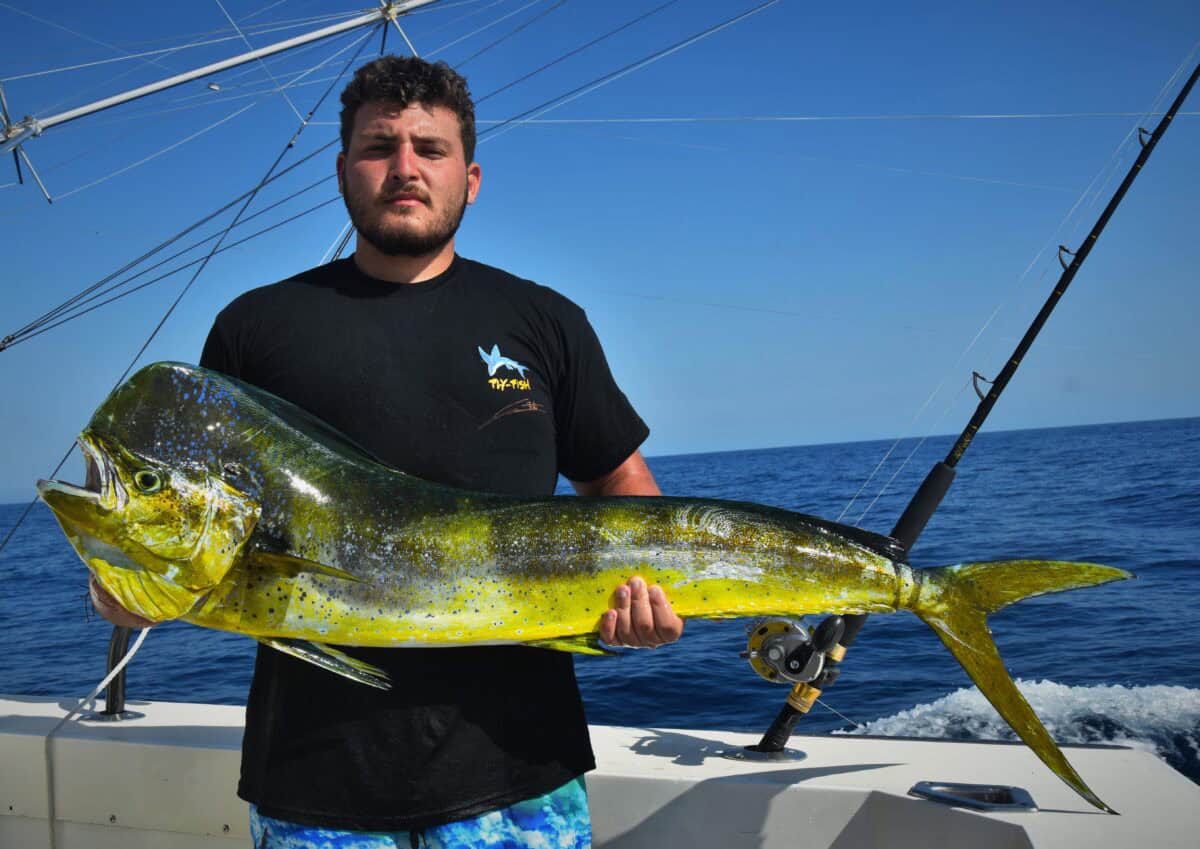
Also known as mahi-mahi, dolphinfish are agile hunters with a knack for cooperative hunting. They demonstrate intelligence by working in teams to herd schools of smaller fish, maximizing their hunting success. Their cooperative strategies portray an understanding of teamwork and the benefits of collaborative efforts.
Sea Otters: The Tool Users

Sea otters are one of the few marine mammals recorded using tools. They use rocks to crack open shellfish, demonstrating foresight and planning abilities. Beyond their adorable appearance, sea otters exhibit problem-solving skills and behavior indicative of higher cognition, akin to primates.
Electric Eels: Communicators of the Night

Electric eels, residing in the murky waters of the Amazon and Orinoco basins, display sharp intelligence through their unique method of communication. They emit electric discharges to communicate and navigate the dark waters. Their ability to interpret electric signals points to a complex form of interaction, crucial for survival and social behaviors.
Orcas: The Apex Predators with Culture
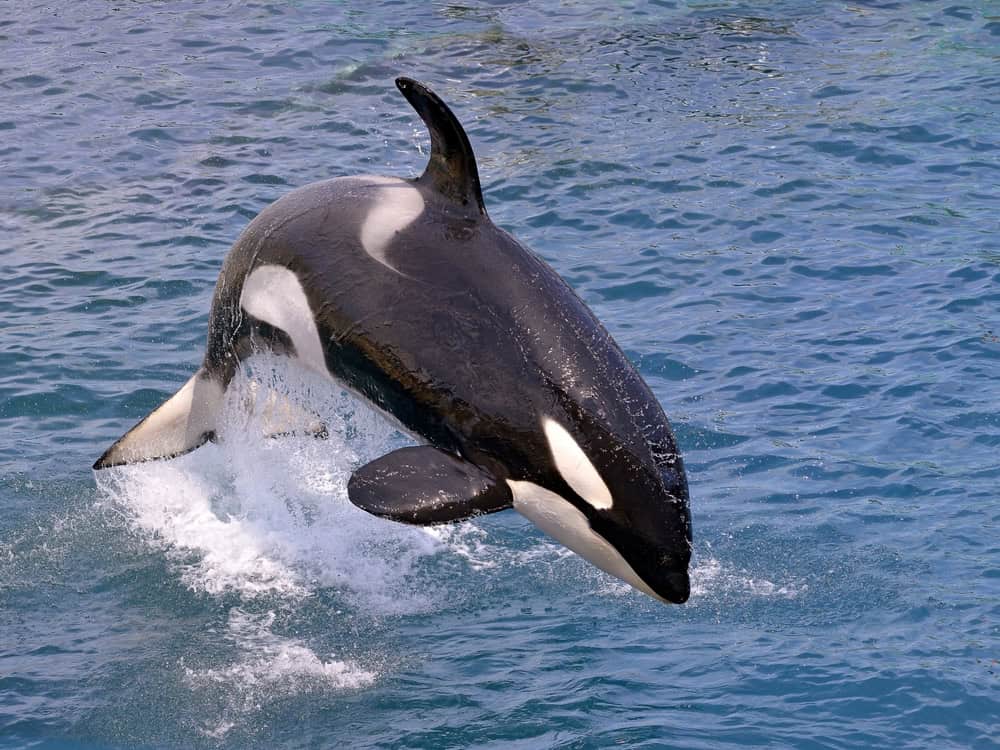
Orcas, or killer whales, are at the top of the marine food chain and demonstrate remarkable cultural intelligence. They exhibit diverse hunting techniques and social structures that vary across pods, showcasing an understanding of culture that is passed down through generations. Their ability to teach and learn is truly exceptional among marine creatures.
Squids: Communicators through Light

While often overshadowed by their cephalopod cousins, squids possess an intriguing method of communication through bioluminescence. They create elaborate light displays to communicate with peers and attract mates, showcasing a unique form of intelligence centered around visual signaling.
Tusk Fish: Innovators of the Reef
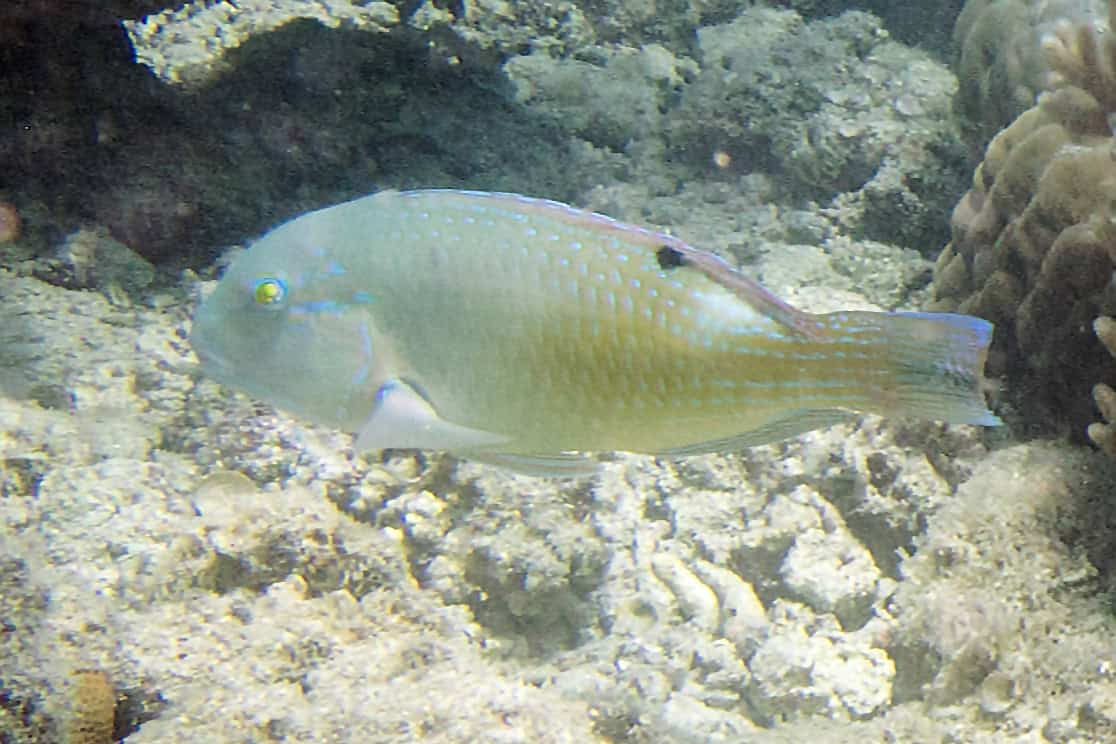
Tusk fish have been observed exhibiting innovative behavior by using coral and rocks as anvils to crack open prey, such as shellfish. This tool-use exemplifies problem-solving intelligence, showing adaptability and learning. Their inventive nature allows them to access otherwise unattainable food sources.
Porpoises: Acoustic Geniuses
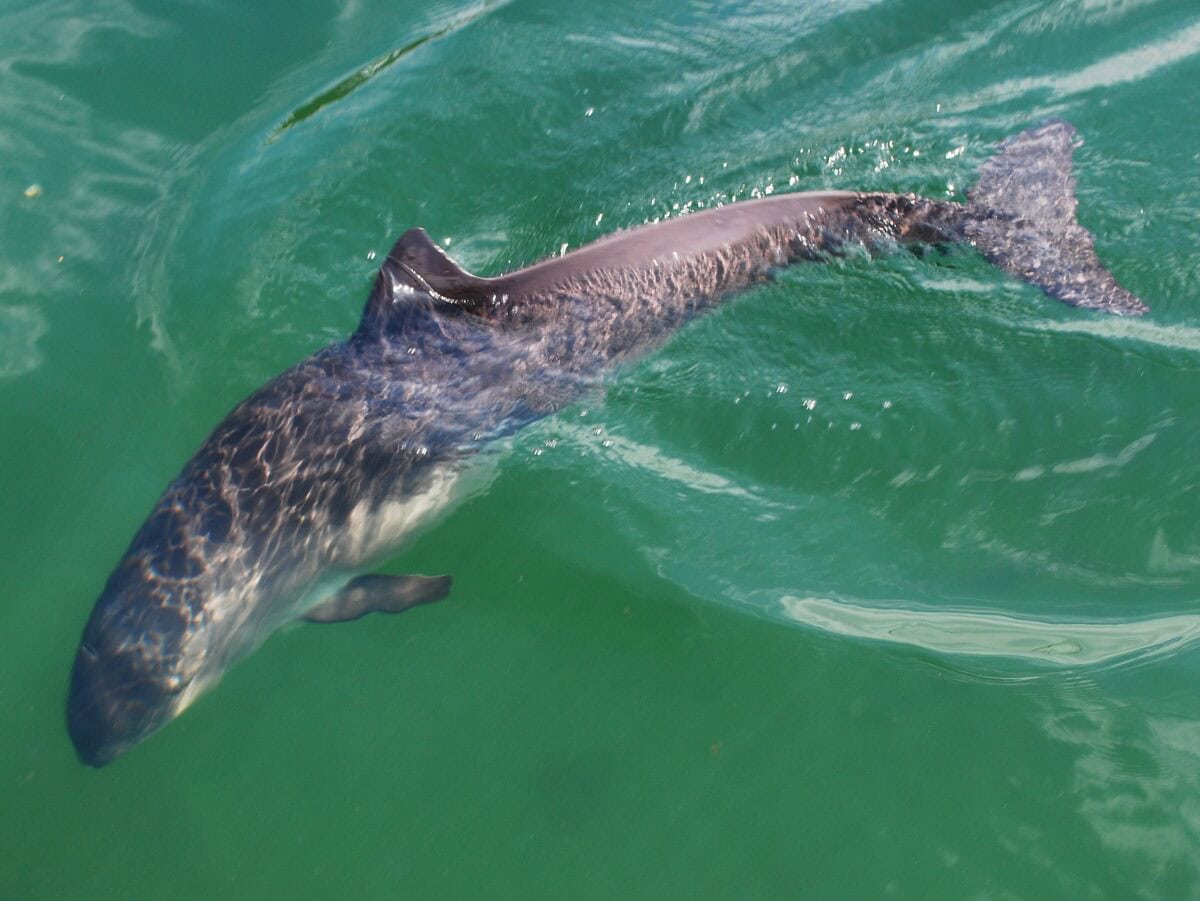
Similar to their dolphin relatives, porpoises are adept at using echolocation to navigate and hunt in murky waters. Their use of sound to interpret the environment and coordinate with group members illustrates a sophisticated form of intelligence vital for survival and social interaction.
Parrotfish: Bioengineers with a Purpose

Parrotfish demonstrate an important ecological role through their behavior of eating algae and dead coral, which prevents reef suffocation. Their ability to modify their environment underscores a level of ecological intelligence and insight that supports the health of coral reef ecosystems.
In conclusion, the ocean is teeming with intelligent life forms, each equipped with unique skills and behaviors that demonstrate complex cognitive abilities. From the adaptive problem-solving of octopuses to the cultural practices of orcas, these creatures inspire awe and appreciation for the wonders of the marine world. Recognizing the intelligence of these lesser-known marine species reminds us of the intricate web of life and the endless mysteries beneath the waves.

- What Happens If Coral Bleaching Reaches 100%? - August 14, 2026
- Where Not to Hike — The US States with the Deadliest Wildlife - August 14, 2026
- 12 Spiders That Change Color Like Chameleons - August 14, 2026