

Pet lizards have long held a fascination for many animal lovers, and among the scaly companions that have captured American hearts, one stands out as the favorite. Whether you are an enthusiastic reptile owner or considering a new addition to your home, understanding what makes this lizard so beloved can help you create a rewarding pet experience. In this article, we’ll delve into the captivating world of America’s favorite pet lizard, providing everything you need to know to appreciate and care for these extraordinary creatures.
The Bearded Dragon: America’s Favorite Lizard

When it comes to popularity, the bearded dragon reigns supreme among pet lizards in America. Known for their mild temperament and fascinating behaviors, these reptiles have charmed their way into countless homes. Their social nature and ease of care make them a perfect choice for both novice and experienced reptile owners.
Origin and Natural Habitat
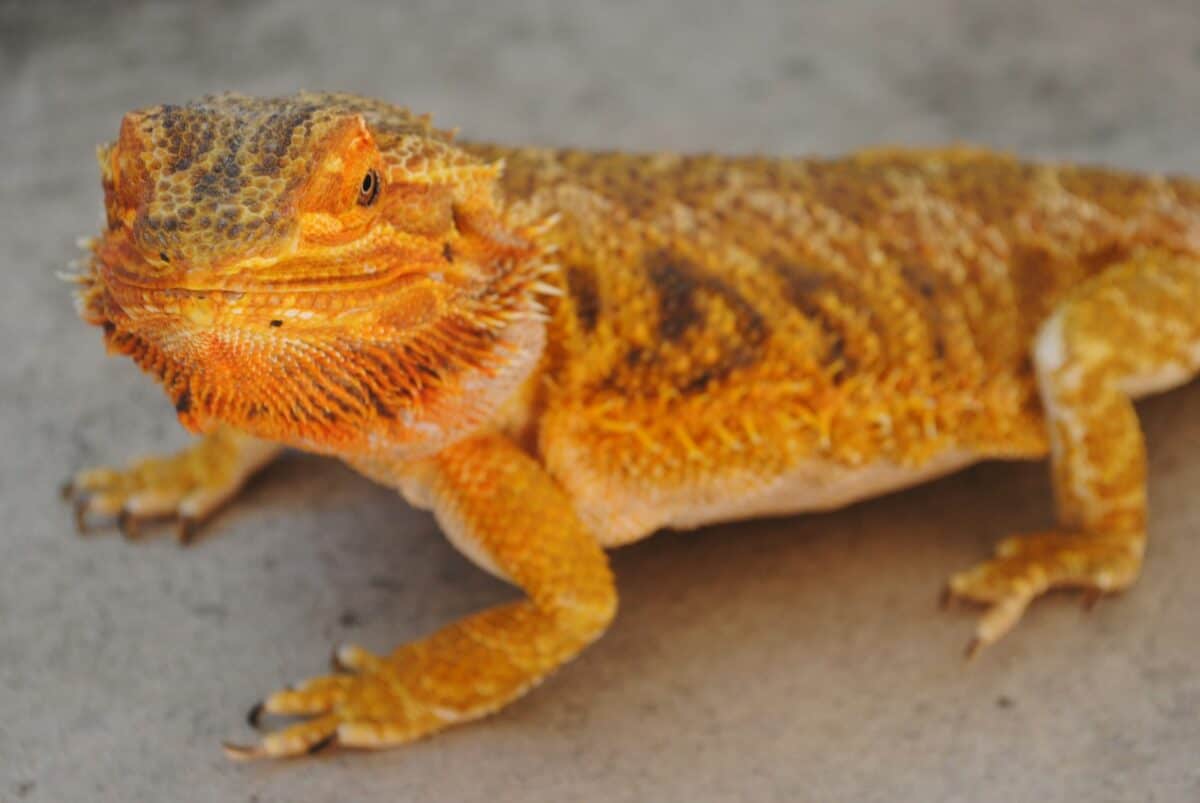
Bearded dragons are native to Australia, where they inhabit a variety of environments, including deserts, shrublands, and woodlands. Understanding their natural habitat helps pet owners provide a more enriching environment that meets their physical and psychological needs.
Physical Characteristics
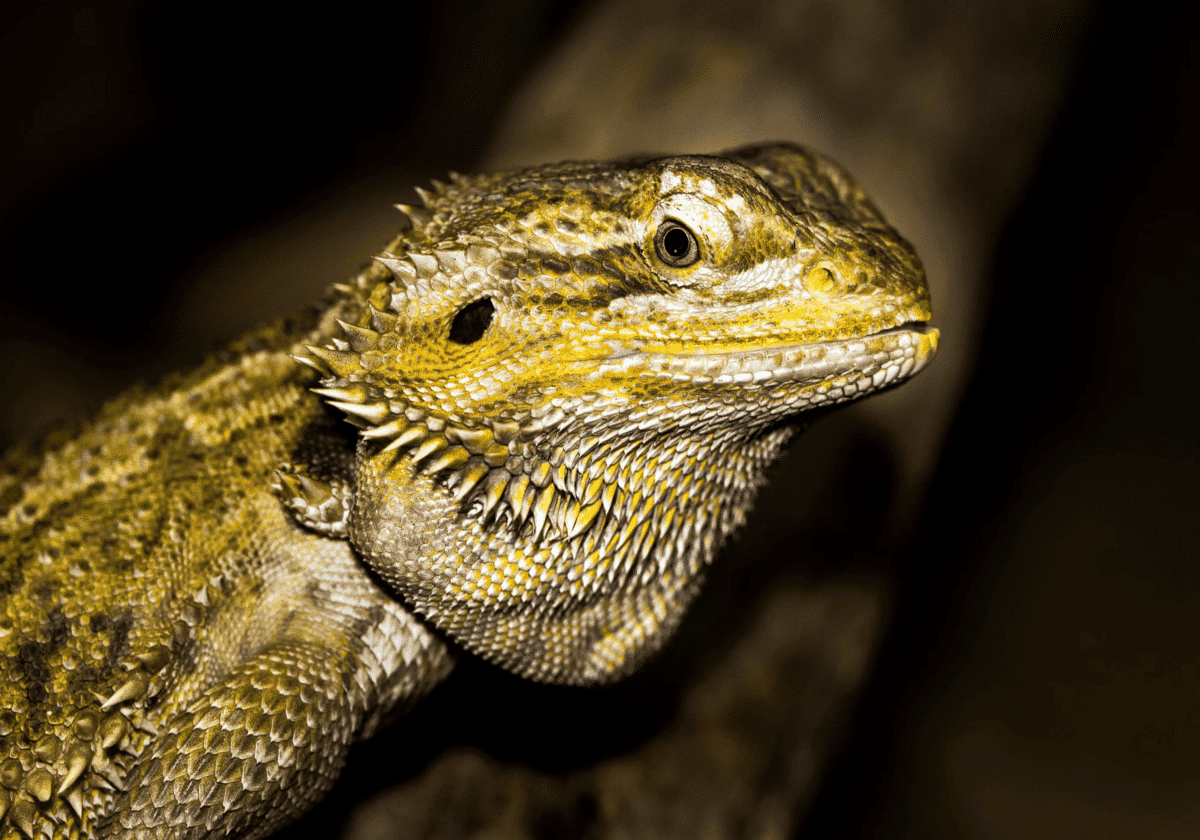
These reptiles are named for the “beard” of spiny skin under their chin, which can puff up for display. Adult bearded dragons measure between 16 to 24 inches in length, including their tail, and they come in a range of colors and patterns, from sandy browns to vibrant oranges.
Dietary Needs and Nutrition
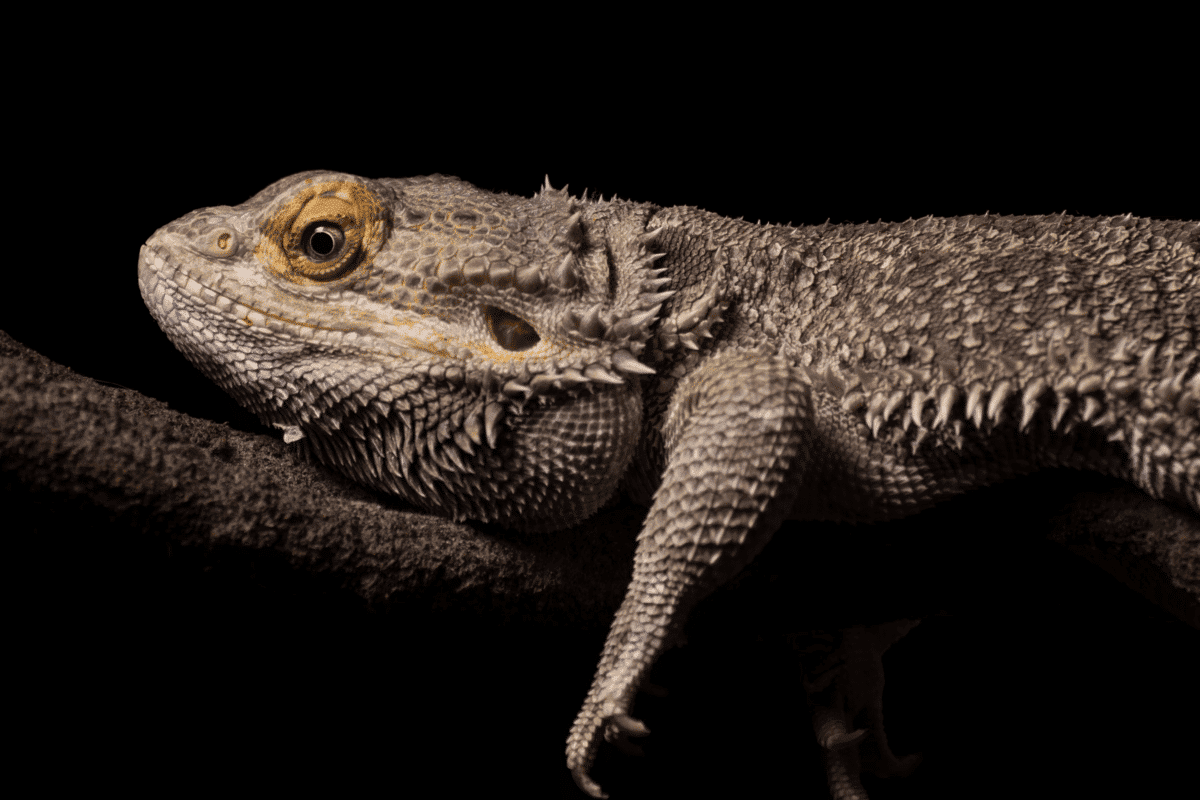
Bearded dragons are omnivores, consuming a diverse diet of insects, vegetables, and fruits. A balanced diet is crucial to their health, requiring a mix of protein from insects like crickets and mealworms, and essential vitamins and minerals from various greens and fruits.
Temperament and Behavior
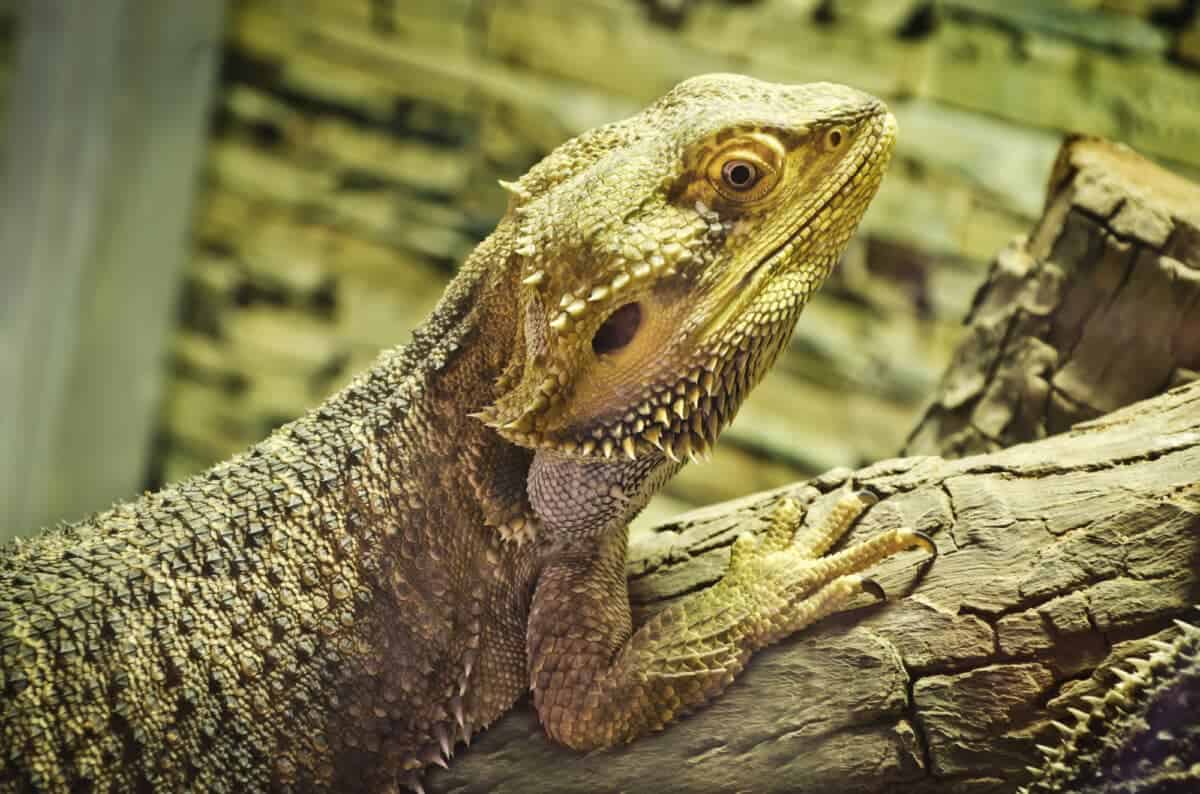
Known for their docile and friendly nature, bearded dragons make excellent pets. They are known to recognize and interact with their owners, often enjoying time out of their enclosures and showing curiosity about their surroundings.
Creating the Perfect Habitat
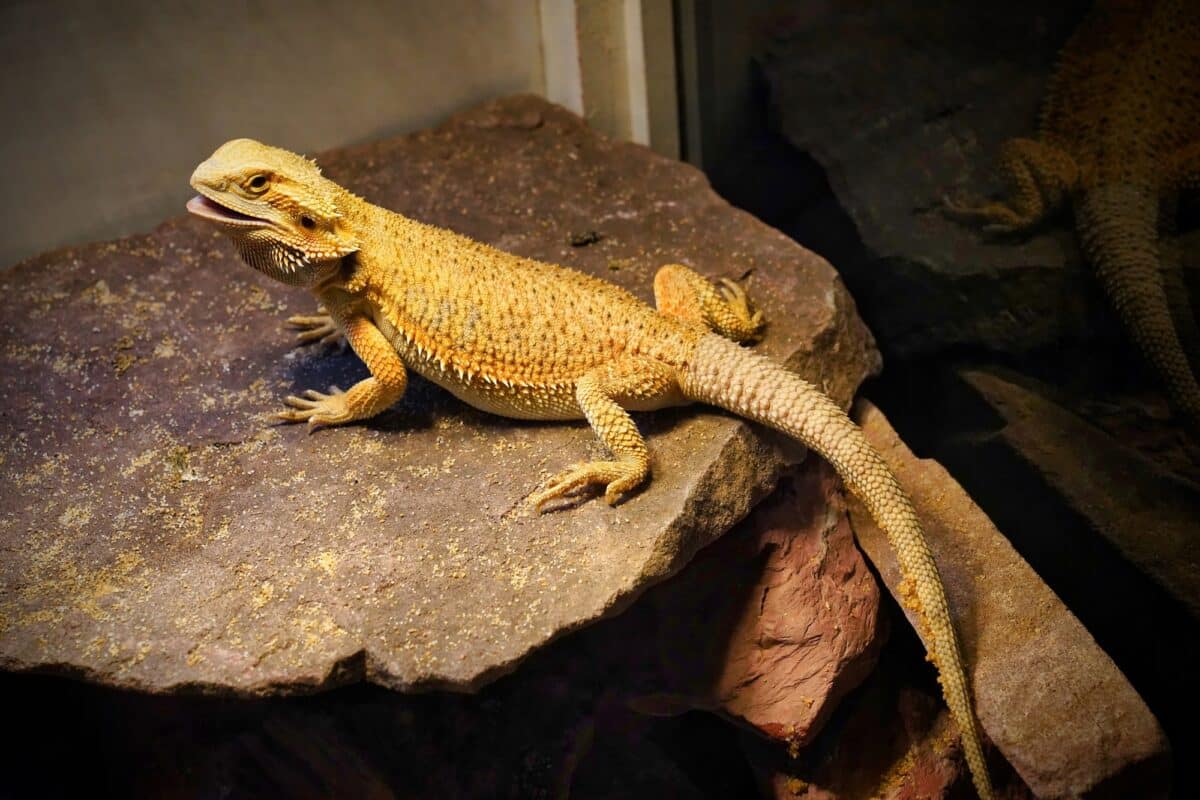
To thrive, bearded dragons require a habitat that mimics the warm Australian environment. This includes the right lighting for UV exposure, a suitable substrate, and a temperature gradient within their tank. A well-structured terrarium is key to their well-being.
Understanding Health and Lifespan
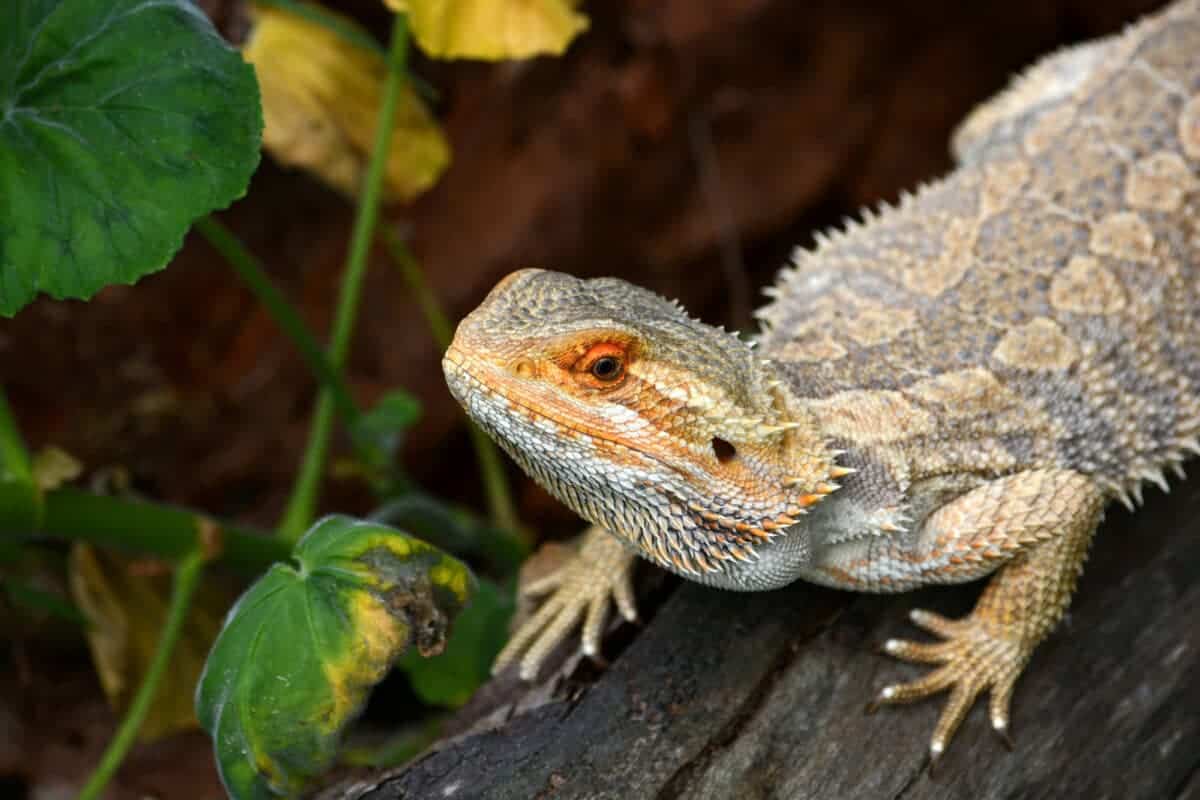
With proper care, bearded dragons can live from 10 to 15 years. Regular health checks, an appropriate diet, and a clean environment contribute to their longevity. Awareness of signs of illness, like changes in appetite or behavior, allows for timely veterinary intervention.
Common Health Issues
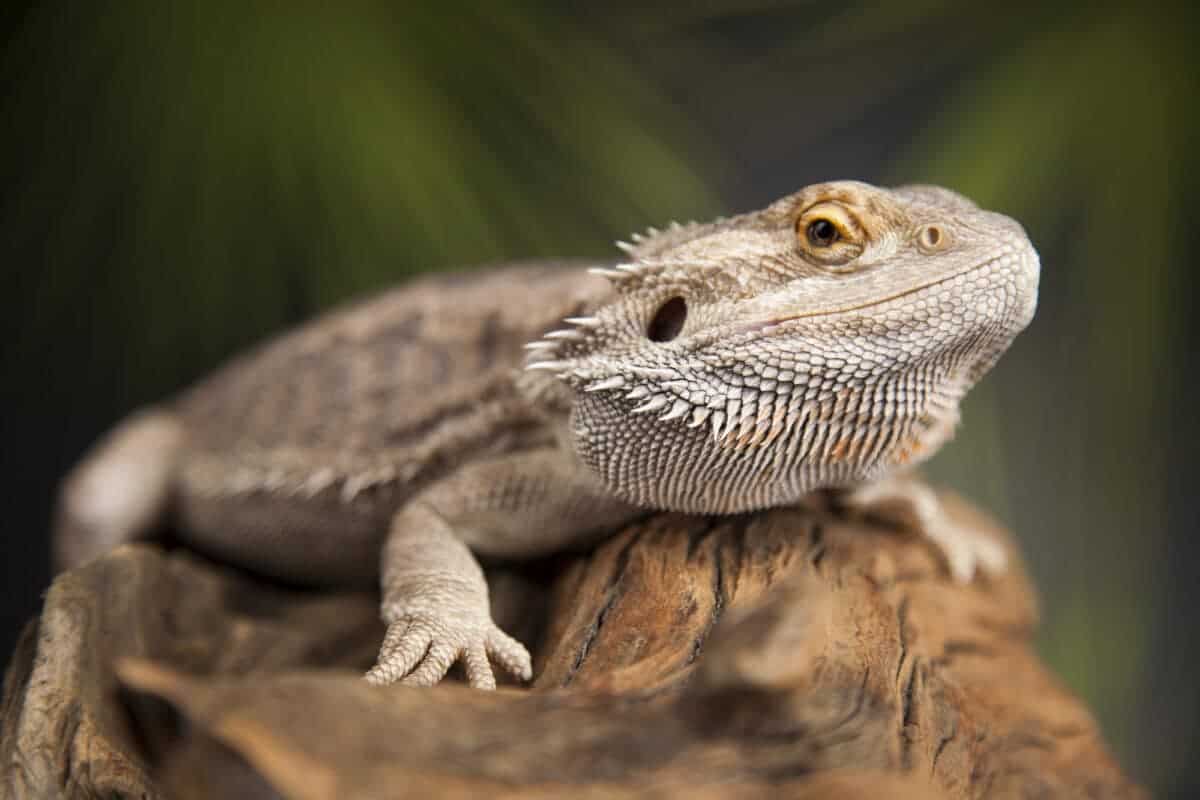
While generally hardy, bearded dragons can suffer from health issues such as metabolic bone disease, respiratory infections, and parasites. Preventative care through proper diet and environment is essential in mitigating these risks.
Handling and Socialization Tips
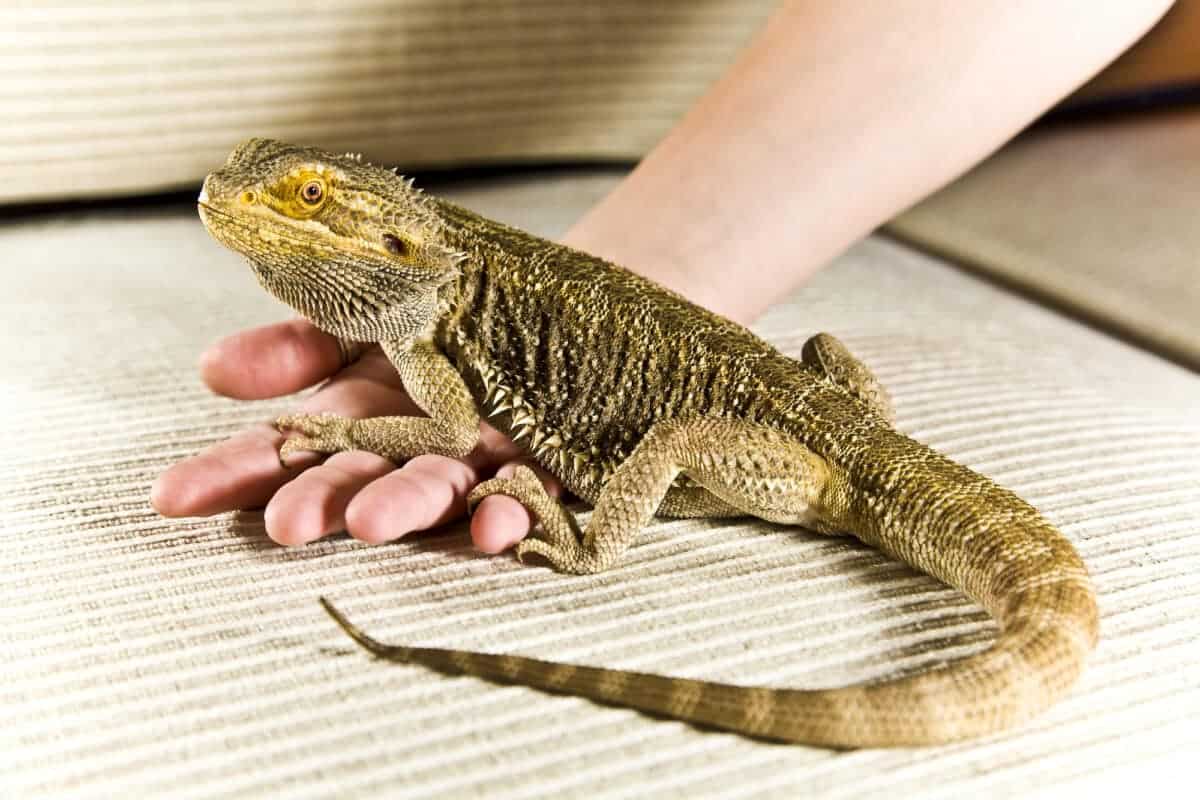
Gentle handling from a young age helps to build trust and socialization. Owners should always support their bearded dragon when handling to prevent stress or injury. Interaction time outside the enclosure is beneficial for both exercise and bonding.
Breeding and Reproduction

For those interested in breeding, understanding the reproductive cycle is important. Bearded dragons typically breed in captivity with some effort from owners in terms of environmental setup and pairing compatibility. Awareness of egg-laying and incubation is essential for successful breeding.
Why Bearded Dragons Stand Out

The appeal of bearded dragons lies in their manageable size, sociable demeanor, and engaging behaviors. They offer joys similar to those found in more traditional pets but with the unique aspect of reptilian charm. This combination makes them a beloved choice among pet enthusiasts.
The Joys of Owning a Bearded Dragon

Beyond their care requirements, owning a bearded dragon brings a sense of connection to the natural world and introduces family members to new, fascinating aspects of animal behavior. The bond formed with these intelligent creatures creates memorable experiences for owners of all ages.
Conclusion

The allure of bearded dragons as pets is undeniable. With their engaging personalities, relatively simple care requirements, and captivating presence, it’s no wonder they have become America’s most popular pet lizard. By ensuring proper care and attention to their needs, these remarkable reptiles can continue to be cherished companions for years to come.

- The Story of the Arctic Fox’s Incredible Seasonal Transformation - July 18, 2026
- 10 Most Venomous Snakes in US National Parks - July 18, 2026
- The Moth That Drinks Blood - July 18, 2026