
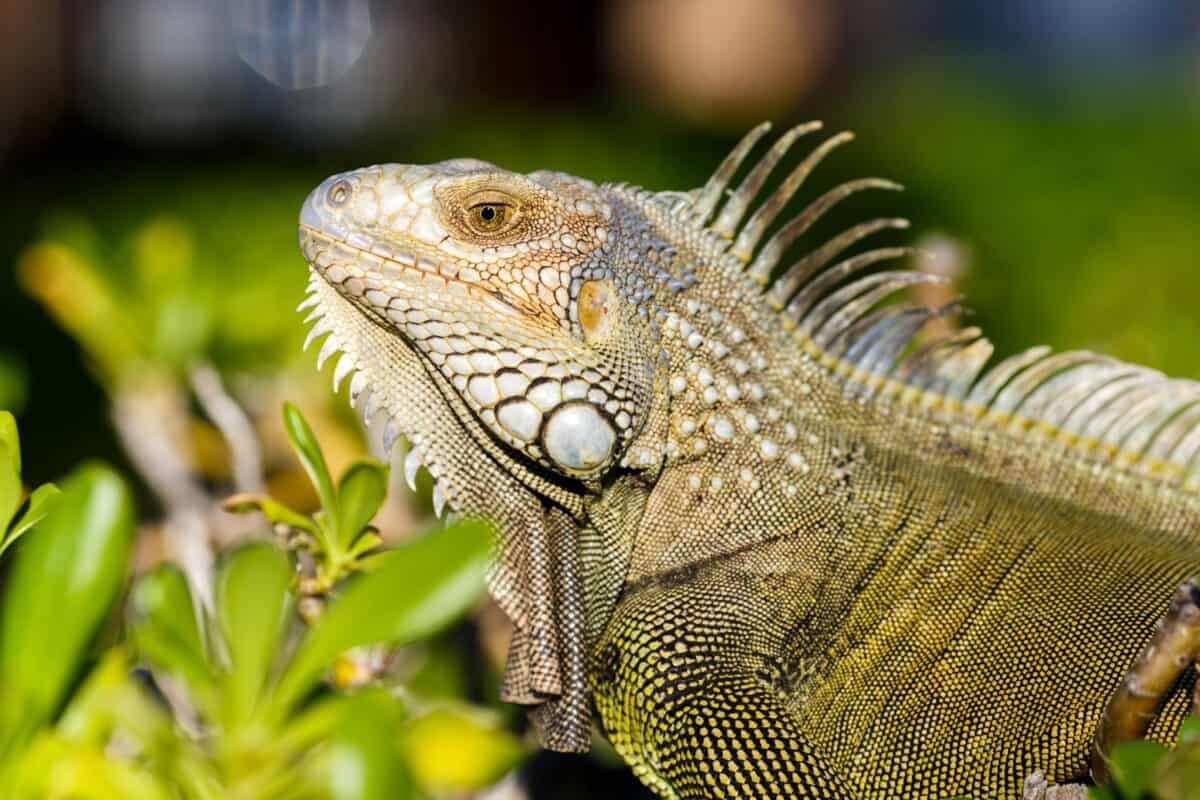
As global temperatures rise, it is the creatures that have adapted to the heat that continue to thrive. In America, a land known for its diverse ecosystems, some animals have evolved with remarkable skills to endure scorching climates. From small insects to large reptiles, these creatures exemplify resilience and ingenuity. This article explores the fascinating adaptations of these heat-defying animals, offering a glimpse into their survival strategies in the face of rising temperatures.
The Impact of Rising Temperatures

Global warming has become an undeniable reality, with significant implications for ecosystems worldwide. The rising temperatures have forced many species to adapt, migrate, or face extinction. In America, some creatures have managed to outwit the heat and continue to thrive in increasingly hot environments. Understanding their adaptations can provide insights into the resilience of life and the challenges we face in conservation.
Desert Survivors: The Resilience of the American Roadrunner
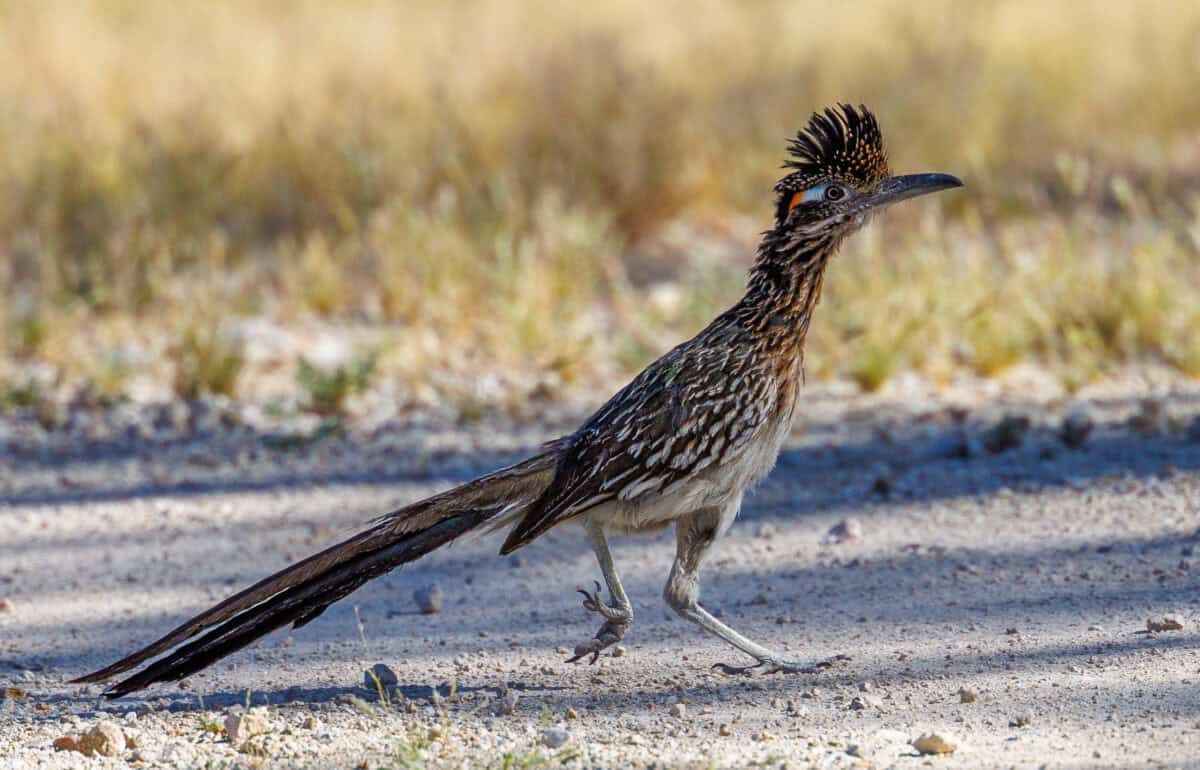
The Greater Roadrunner, a bird synonymous with the American Southwest, is a marvel of adaptation. With its slender neck and long legs, this bird is built for speed and endurance. Its ability to regulate body temperature through panting and its behavior of seeking shade during peak heat showcase its heat-beating strategies. The roadrunner’s diet consists of moisture-rich foods, helping it minimize water loss in arid conditions.
Iconic Reptiles: The Desert Tortoise’s Survival Tactics
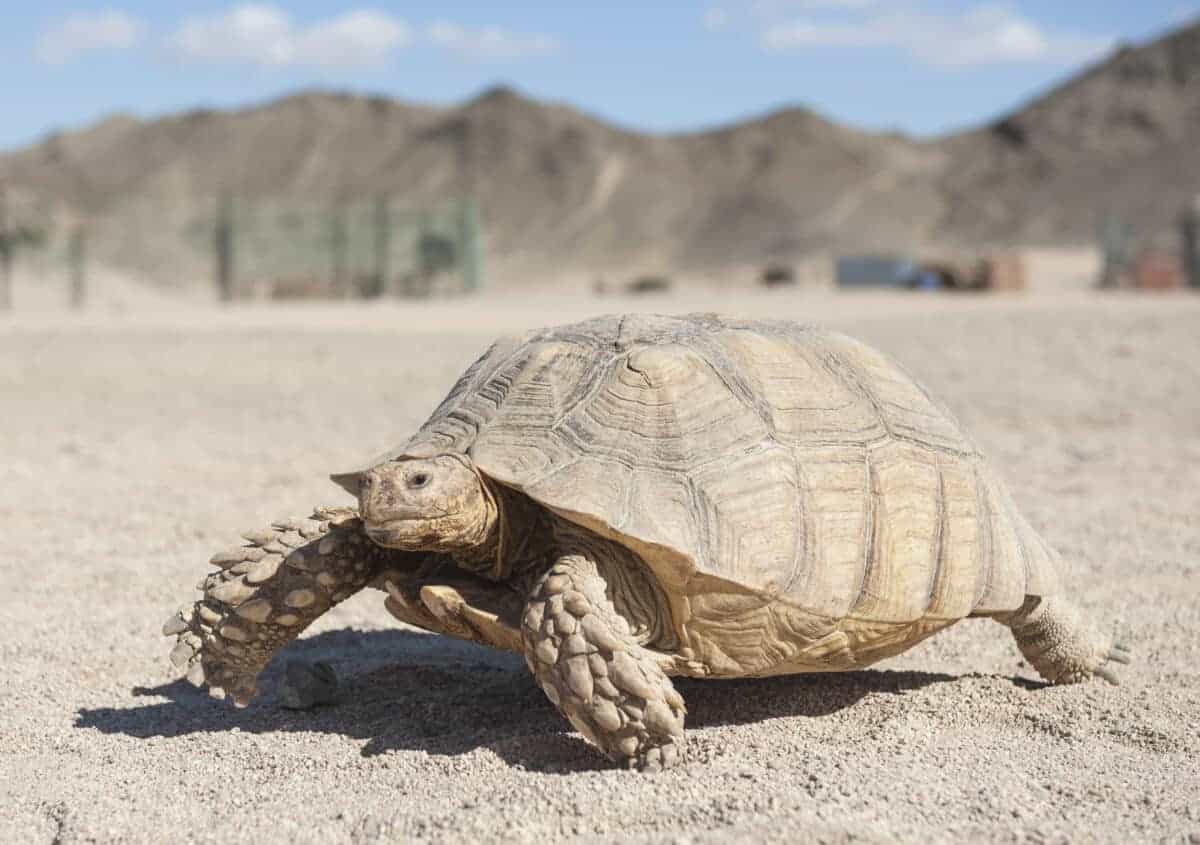
Desert tortoises have mastered the art of survival through their ability to live in extreme heat with limited water. Their unique physiology allows them to store water in their bladders and go without drinking for months. By burrowing underground, they escape the sun, maintaining a stable body temperature. The tortoise’s slow metabolism also aids in conserving scarce resources, anchoring its survival in the harsh desert landscape.
The Adaptations of American Armadillos
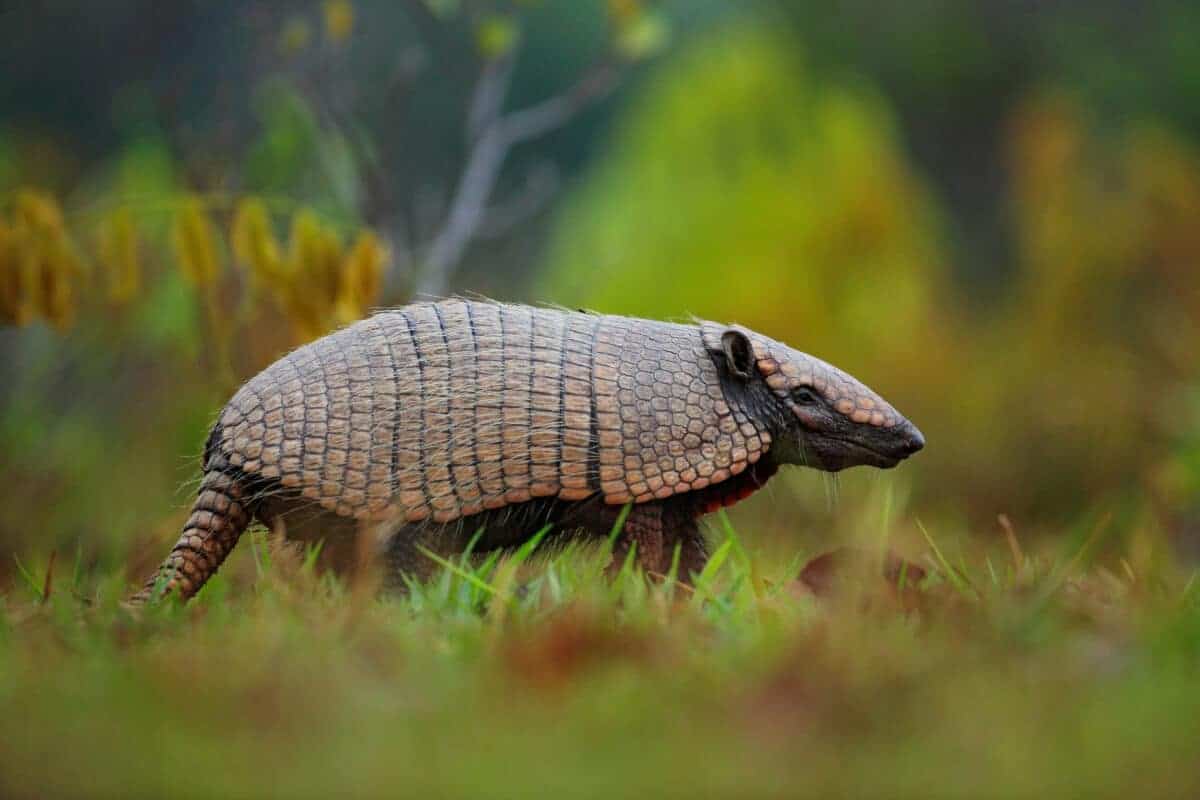
The nine-banded armadillo, found in the southern regions of the U.S., has a surprising ability to cope with heat. Its burrowing habits and nocturnal lifestyle help avoid the midday sun. Armadillos have fewer sweat glands and rely on underground habitats to regulate their body temperature, demonstrating a fascinating adaptation to their warm environments.
The Bats of Austin: Nighttime Guardians of Temperature Regulation

Austin, Texas, is home to the largest urban bat colony in North America. The Mexican free-tailed bats emerge at dusk, avoiding the heat of the day. Their ability to regulate body temperature through flight and roosting in cooler spaces under bridges makes them efficient heat adapters. Bats also play a crucial role in insect population control, highlighting their ecological importance.
Coping with Heat: The Role of the Kangaroo Rat
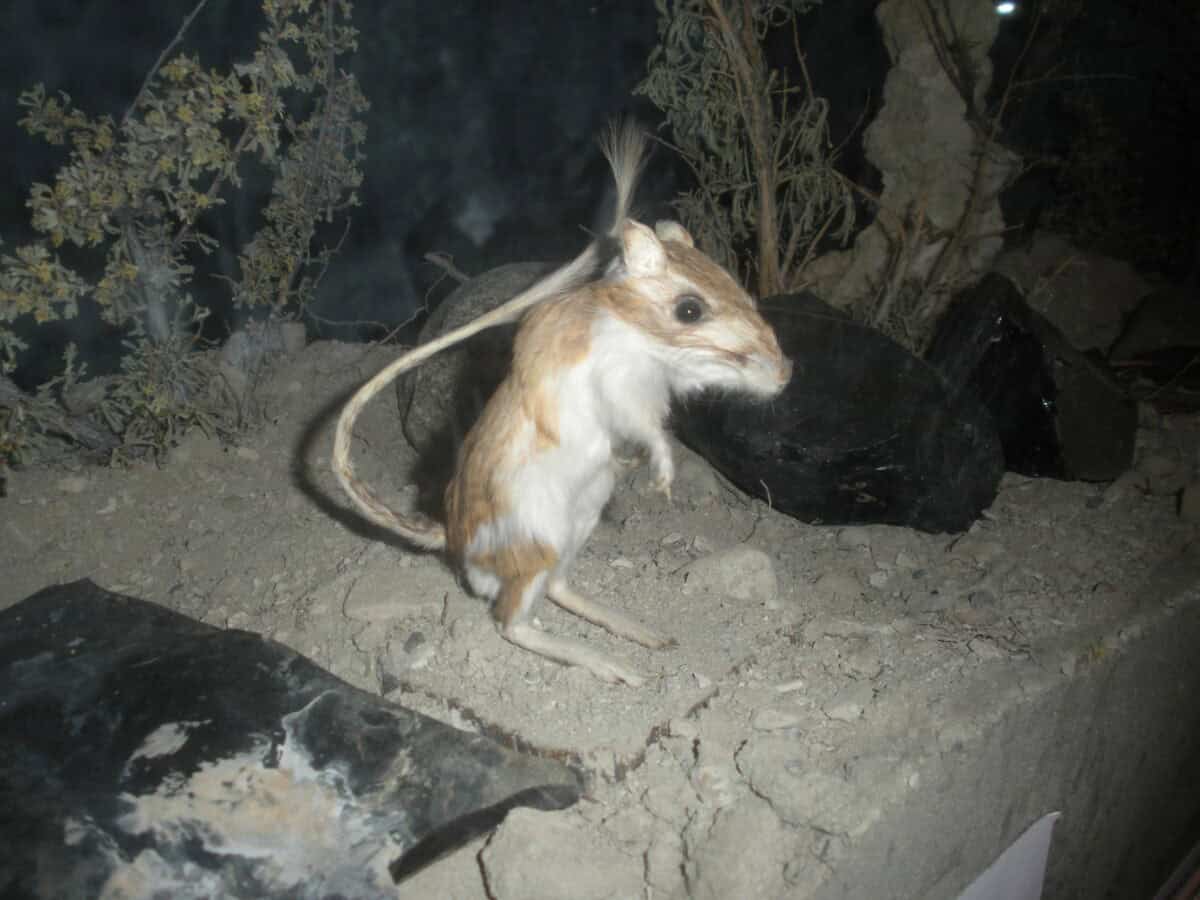
The kangaroo rat, native to desert regions, boasts extraordinary adaptations that help it endure blistering heat. This tiny rodent conserves water by producing highly concentrated urine and obtaining moisture from seeds. Its burrowing behavior provides a cooler microenvironment, exemplifying its ability to thrive with minimal water intake.
The Role of Cacti in Desert Ecosystems
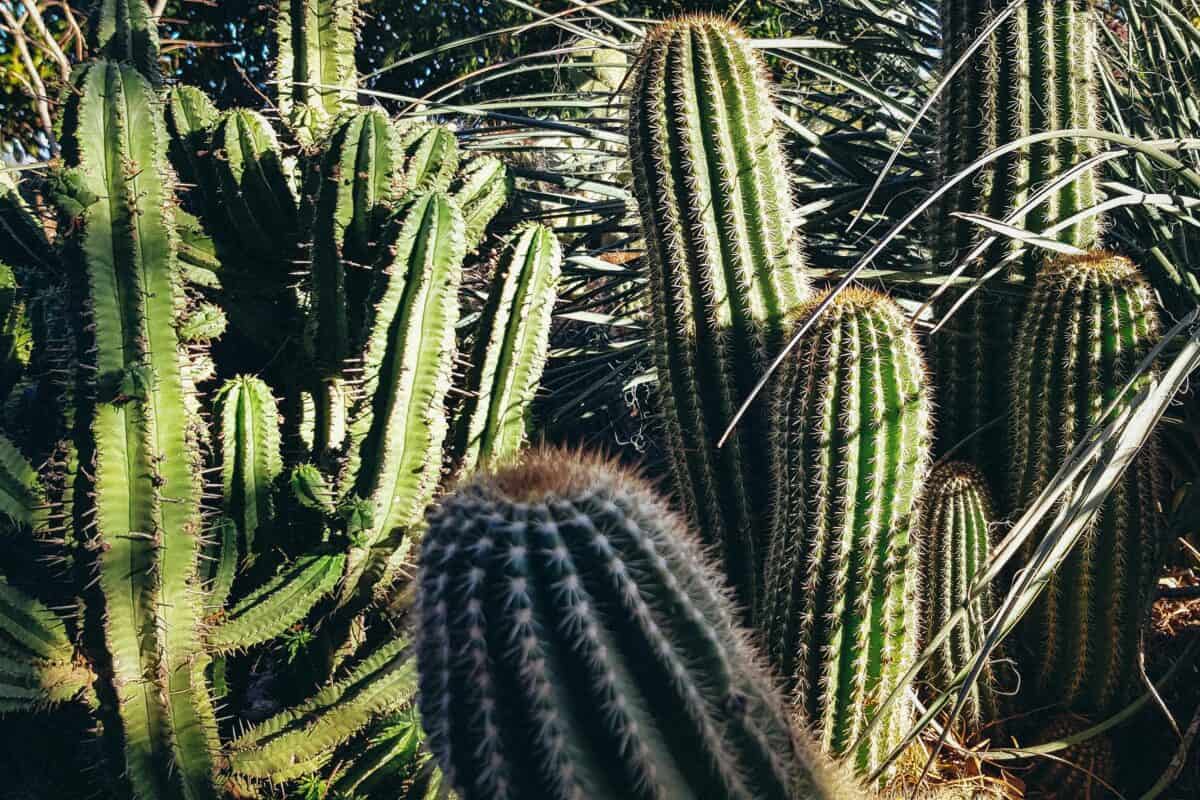
While not animals, cacti play a critical role in desert environments by providing shade and sustenance. Their ability to store water, minimize leaf surface area, and utilize crassulacean acid metabolism (CAM) photosynthesis allows them to survive extreme conditions. Cacti offer essential resources for creatures like birds and insects, supporting biodiversity in arid landscapes.
The Heat-Resistant Insects: The Role of the Solifuge

Solifuge, also known as wind scorpions or sun spiders, are arachnids that excel in maintaining activity during intense heat. Their ability to regulate heat through a highly reduced body size minimizes surface area exposure. Solifuges exhibit predatory and scavenging behavior, making use of brief cool periods to remain active, maintaining critical ecological balance in desert habitats.
Lake-Maintainers: The American Alligator’s Heat Strategy

American alligators, spread across the southeastern U.S., are natural heat adapters. By altering their exposure to the sun and water, alligators regulate their body temperature effectively. During hot spells, they spend more time submerged, escaping direct sunlight and conserving energy. Their thermoregulatory behaviors showcase a balance between aquatic and terrestrial living, embodying resilience in an era of climate uncertainty.
Evolving Birds: The American Swallow’s Heat Defiance

The American Barn Swallow, found throughout the U.S., adapts to heat with migratory habits. These birds breed in cooler climates and survive warmer seasons by migrating to South America. Their ability to change habitats, coupled with strong flying skills, makes them adept at dodging harsh temperatures, a testament to the resilient nature of migration as an evolutionary strategy.
Temperature Tolerance: The Desert Iguana’s Adaptive Traits

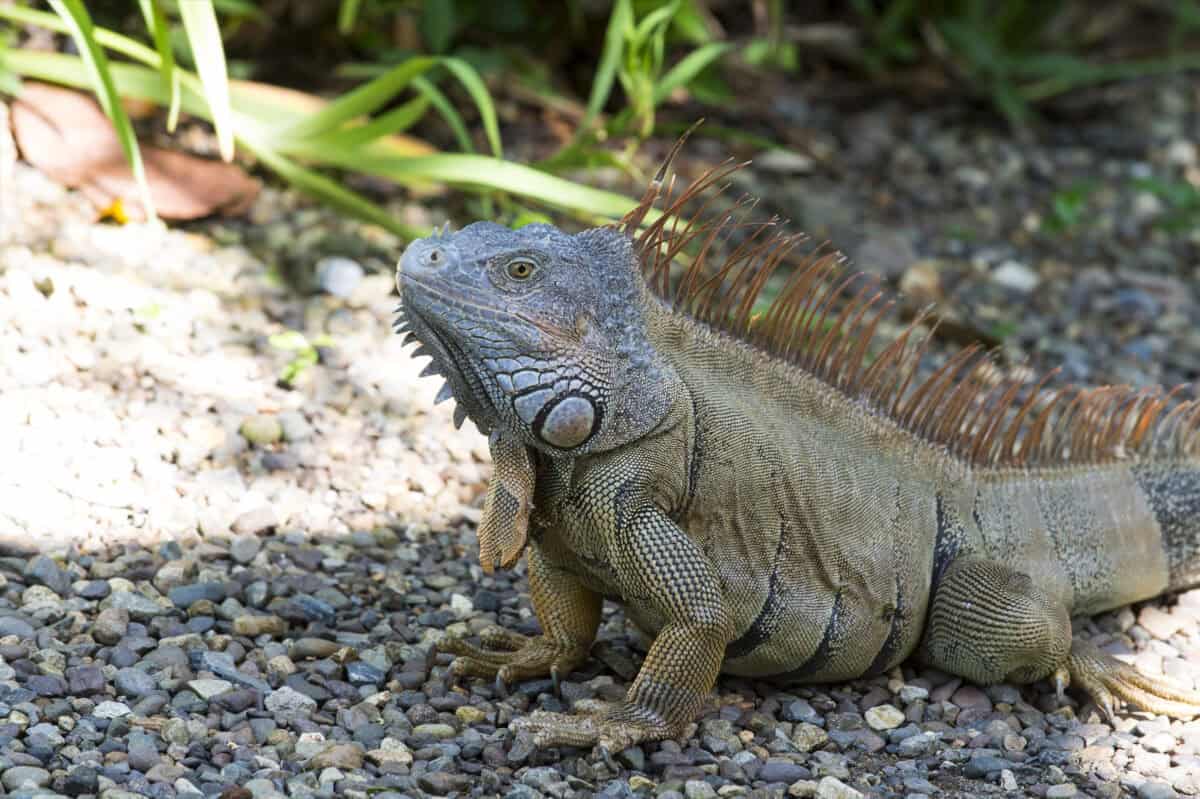
The desert iguana, native to the Mojave and Sonoran deserts, is one of the most heat-tolerant reptiles. They thrive in temperatures exceeding 110°F, remaining active during the hottest parts of the day when predators are less active. Their light-colored skin reflects sunlight, and they seek shade to cool down, embodying the notion of behavioral and physiological adaptation.
Conclusion: A Testament to Nature’s Ingenuity
These remarkable creatures, with their countless adaptations, paint a vivid picture of resilience in America’s diverse landscapes. Whether through behavioral changes, physiological adaptations, or migratory patterns, each animal’s success in beating the heat offers a lesson in survival and ingenuity. Understanding these adaptations can inform conservation efforts and remind us of the interconnectedness of life amidst changing climates. As we face the challenges of global warming, the resilience of these creatures, beating the heat in America, serves as both an inspiration and a call to action for preserving biodiversity and protecting our planet.

- 10 Animals That Cheat Death in the Most Unexpected Ways - July 19, 2026
- The Shrimp That Punches Like a Bullet - July 19, 2026
- This Tiny Mammal Can Slow Its Heartbeat to One Beat Per Minute - July 19, 2026