

Shark-infested waters evoke a mix of fear and fascination. These majestic creatures, often misunderstood, play a vital role in marine ecosystems as apex predators. In the United States, certain coastal areas are more prone to shark activity, whether due to environmental conditions, food availability, or migration patterns. This article explores the most shark-infested waters in the U.S., offering insights into where, why, and how these encounters occur.
Understanding Shark Behavior

🔥 Would you like to save this?
We'll email this post to you, so you can come back to it later!
Sharks are drawn to regions where the environmental conditions are favorable, including water temperature, currents, and prey availability. Understanding these behaviors is crucial in identifying why some U.S. waters have high shark populations. Sharks typically inhabit regions rich in food sources, clearer visibility for hunting, and suitable breeding grounds.
Florida’s Coastline

🔥 Would you like to save this?
We'll email this post to you, so you can come back to it later!
Florida’s waters, particularly around New Smyrna Beach, are known for frequent shark encounters. This area is often referred to as the “Shark Bite Capital of the World.” The prevalence of fish and other marine life alongside warm water currents create an appealing habitat for sharks, particularly during the summer months.
Why Does California Attract Sharks?

🔥 Would you like to save this?
We'll email this post to you, so you can come back to it later!
California’s coastline is another hotspot for shark activity. The presence of kelp forests and seal populations attracts species like the great white shark. Areas such as Bodega Bay and the Channel Islands often report higher numbers of shark sightings as these predators hunt and breed along the Pacific coast.
The Atlantic’s Unique Ecosystem

🔥 Would you like to save this?
We'll email this post to you, so you can come back to it later!
The East Coast of the United States, stretching from New York to the Carolinas, presents a rich marine ecosystem. The warm Gulf Stream currents and abundant marine life create thriving conditions for shark populations, especially during the migratory periods of spring and fall.
Chatham, Massachusetts
🔥 Would you like to save this?
We'll email this post to you, so you can come back to it later!
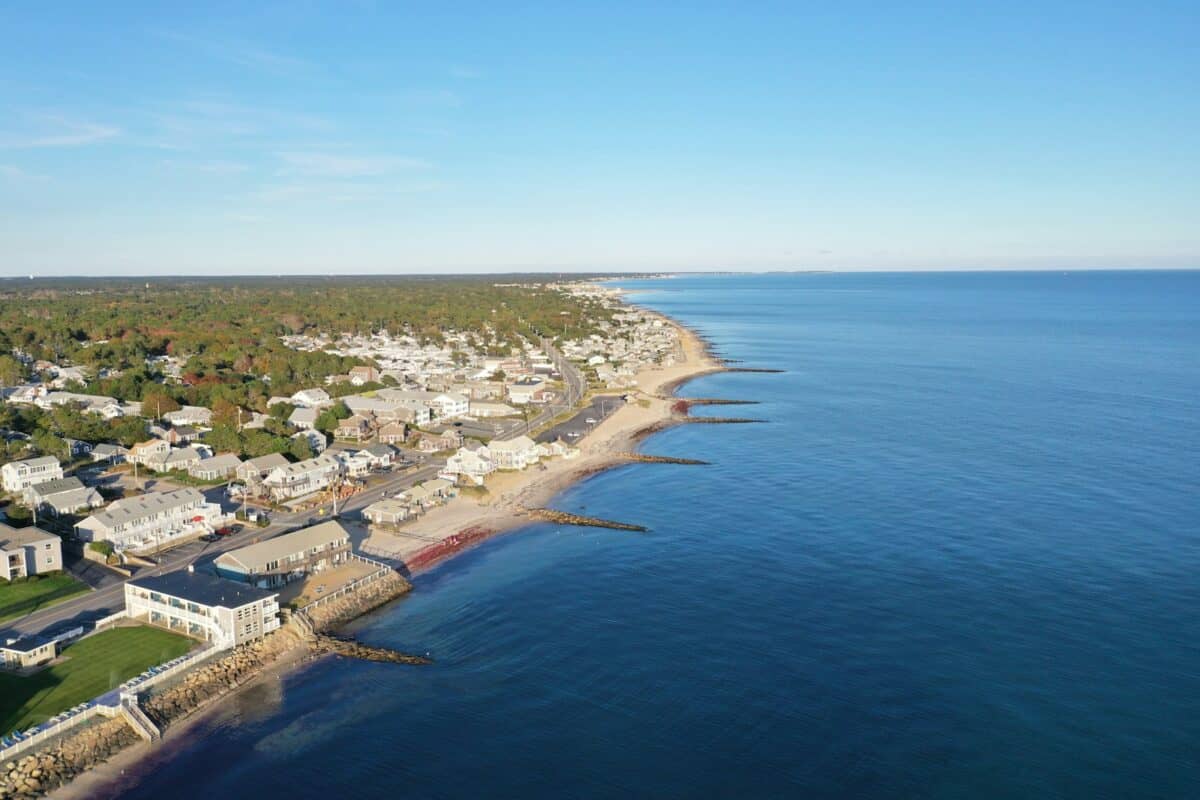
Chatham, part of the Cape Cod region, has recently witnessed an uptick in shark sightings. The area’s burgeoning seal population has become a significant attractant for great white sharks, making it one of the newer entries on the list of shark-infested waters in the U.S.
Hawaii’s Island Waters

🔥 Would you like to save this?
We'll email this post to you, so you can come back to it later!
Hawaii’s crystal-clear waters are home to a variety of shark species, including tiger and hammerhead sharks. Specific areas such as Oahu’s North Shore and Maui’s coasts are known for frequent shark activity due to rich feeding grounds and the underwater topography that supports shark habitation.
The Tranquility of South Carolina

🔥 Would you like to save this?
We'll email this post to you, so you can come back to it later!
The coastal regions of South Carolina, particularly around Myrtle Beach, sometimes experience an increase in shark sightings. The presence of warm, nutrient-rich waters combining with an influx of tourists and fishermen can temporarily elevate shark activity in this area.
Gulf of Mexico

🔥 Would you like to save this?
We'll email this post to you, so you can come back to it later!
The Gulf of Mexico provides an extensive playground for sharks, with its vast, warm waters and diverse marine life. Species such as bull sharks and blacktip sharks are frequently spotted here, particularly near the coastal areas of Texas and Louisiana.
Sharks and the Outer Banks

🔥 Would you like to save this?
We'll email this post to you, so you can come back to it later!
North Carolina’s Outer Banks is an area known for its dynamic marine environment and occasional shark encounters. The mixture of warm Gulf Stream waters and ample fishing creates an inviting habitat for multiple species of sharks.
Managing Human-Shark Interactions

🔥 Would you like to save this?
We'll email this post to you, so you can come back to it later!
Understanding and respecting shark behaviors help in reducing negative interactions. Public education campaigns focus on safety tips, such as avoiding dawn and dusk swimming, staying in groups, and avoiding brightly colored swimwear, as these can help mitigate the risk of unintentional encounters.
The Role of Conservation

🔥 Would you like to save this?
We'll email this post to you, so you can come back to it later!
Efforts are underway to conserve shark populations and their habitats. Conservation initiatives aim to protect these ancient mariners from overfishing and habitat destruction, ensuring their role within the marine ecosystem is preserved.
The Future of Shark Encounters in the U.S.

🔥 Would you like to save this?
We'll email this post to you, so you can come back to it later!
As climate change affects ocean temperatures and currents, the distribution of marine life, including sharks, is likely to shift. Monitoring these changes is essential in predicting future trends in shark activity along the U.S. coastlines, helping to inform both safety protocols and conservation efforts.
In conclusion, while certain waters in the United States are frequented by sharks, these magnificent creatures are an essential part of the marine ecosystem. By understanding their behaviors, habitats, and ecological roles, we can coexist more peacefully with these apex predators and appreciate the balance they bring to our oceanic worlds.

- 7 Everyday Habits That Can Make Your Senior Dog Happier - November 5, 2026
- 10 Enigmatic Structures That Continue to Puzzle Scientists Today - November 5, 2026
- 10 Strange Ruins in the Americas That Challenge What We Know About Early History - November 5, 2026