

Beneath the ocean’s surface exists a complex social world that rivals our own. While humans are often considered the most social species on Earth, dolphins—particularly bottlenose dolphins—have emerged as strong contenders for the title of most social non-human animals. These remarkable marine mammals have developed sophisticated social structures, communication systems, and cooperative behaviors that have fascinated scientists for decades. Their intelligence, combined with their highly social nature, creates communities with intricate relationships that parallel human societies in surprising ways.
Bottlenose dolphins (Tursiops truncatus) demonstrate a level of social complexity rarely seen outside of great apes and humans. Their societies feature alliance networks, cultural learning, intergenerational knowledge transfer, and even regional dialects. As we dive deeper into the social world of dolphins, we discover that these ocean dwellers may help us understand the evolutionary roots of our own social behaviors and provide insights into how complex sociality develops across species.
The Intricate Social Structure of Dolphin Pods

Dolphin social structures revolve around fluid groupings called pods, which can range from a few individuals to over 1,000 in some species. Unlike many animal groups with rigid hierarchies, dolphin societies feature a “fission-fusion” dynamic, where individuals regularly join and leave different subgroups within their larger community. This flexible social arrangement allows dolphins to adapt to changing environmental conditions and resource availability while maintaining long-term social bonds that can last for decades.
Within these dynamic communities, researchers have identified several types of social groupings. Nursery groups consist of mothers and their calves, providing protection and allowing mothers to assist each other with childcare. Adult males often form strong alliances of 2-3 individuals that remain stable for years or even lifetimes, cooperating to court females and defend against rivals. Mixed groups containing both sexes and various ages form temporarily for hunting or traveling. This multi-level social structure, documented extensively in Shark Bay, Australia, and other locations worldwide, demonstrates a degree of social complexity previously thought unique to humans and a few primate species.
Dolphin Communication and Language

At the heart of dolphin sociality lies their sophisticated communication system. Dolphins use a diverse repertoire of vocalizations, including whistles, clicks, burst-pulse sounds, and body language to share information. Perhaps most remarkably, each dolphin develops a unique “signature whistle” early in life that functions similarly to a name. These distinctive whistles allow individuals to recognize each other over long distances in the ocean, even when they can’t see one another—a crucial adaptation for maintaining social bonds in the vast marine environment.
Research by Dr. Stephanie King and colleagues has documented dolphins calling out signature whistles of preferred social partners when separated, essentially “calling their names.” Studies have also shown that dolphins can remember the signature whistles of former tank mates even after being separated for more than 20 years, suggesting exceptional social memory. This communication extends beyond simple recognition—dolphins coordinate complex cooperative hunting strategies through acoustic signals and synchronize their movements with remarkable precision, demonstrating a level of social coordination that requires sophisticated information sharing.
Male Alliance Networks: Ocean Brotherhoods
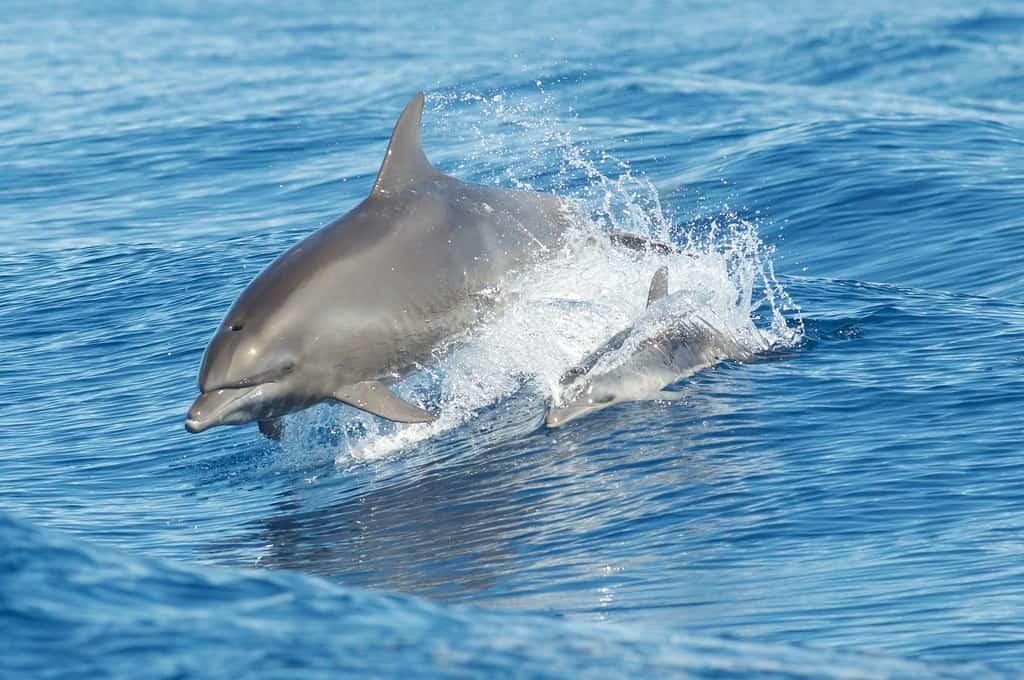
One of the most fascinating aspects of dolphin society is the formation of male alliances, which represent some of the most complex non-human social relationships documented in the animal kingdom. In locations like Shark Bay, Australia, male bottlenose dolphins form nested alliance systems that operate at multiple levels. At the first level, two to three males form strong bonds and cooperate to herd and maintain access to breeding females. These small groups then form secondary alliances with other male groups, creating teams of 4-14 males that work together against rival alliances in contests for females.
Even more remarkably, these secondary alliances sometimes form temporary strategic alliances with other groups to defeat particularly strong rivals—creating a third level of alliance formation. This multi-level alliance structure represents a social complexity previously only documented in humans. Dr. Richard Connor, who has studied these dolphin alliances for decades, notes that maintaining these relationships requires significant social intelligence, including tracking the history of interactions with many individuals and understanding the strength of different alliance partnerships. The males in these alliances often engage in frequent physical contact, synchronous behavior, and vocal exchanges that appear to reinforce their bonds—behaviors that parallel male bonding rituals across human cultures.
Cultural Learning and Knowledge Transfer

Dolphins don’t just form social groups—they create cultures with distinct behaviors that are passed down through generations. In one famous example from Shark Bay, some dolphins have learned to use marine sponges as foraging tools, placing them over their rostrums (beaks) for protection while searching for prey on the rough ocean floor. This “sponging” behavior is primarily transmitted from mother to daughter, representing a form of cultural inheritance. Different dolphin communities around the world have developed their own unique feeding techniques, from cooperative beach hunting in Brazil to “mud-ring feeding” in Florida, where dolphins create rings of mud to trap fish.
Social learning extends beyond feeding techniques to include communication patterns, with different dolphin communities developing distinct “dialects” of whistles. Young dolphins learn these community-specific communication patterns and behavioral traditions through extensive observation of adults. The calves spend 3-6 years with their mothers, one of the longest dependency periods of any non-human animal, allowing ample time for cultural knowledge to be transferred. This capacity for cultural transmission and accumulation of knowledge across generations was once thought to be uniquely human but is now recognized as a fundamental aspect of dolphin society that contributes to their remarkable adaptability across diverse marine environments.
Cooperative Hunting Strategies

Dolphins have evolved some of the animal kingdom’s most sophisticated cooperative hunting techniques, requiring exceptional social coordination. One striking example is the “carousel feeding” behavior observed in Norwegian killer whales (also members of the dolphin family), where the group herds herring into tight balls, slaps their tails to stun the fish, and takes turns feeding. Bottlenose dolphins in Florida have been documented creating perfect mud rings to trap fish, with different individuals playing specialized roles in the hunting process. In Brazil, dolphins and human fishermen have developed a remarkable cooperative fishing relationship spanning generations, where dolphins signal to fishermen when to cast their nets.
These hunting strategies require precise timing, role specialization, and communication between individuals—hallmarks of advanced social coordination. Researchers have observed dolphins synchronizing their movements down to the millisecond during cooperative hunts, suggesting they possess a detailed understanding of their partners’ intentions and capabilities. Perhaps most impressively, these strategies are culturally transmitted, with young dolphins spending years observing adults before mastering these techniques. The ability to develop, coordinate, and culturally transmit complex cooperative strategies demonstrates a level of social sophistication that parallels human cooperative endeavors.
Dolphin Empathy and Caregiving

Dolphins demonstrate remarkable behaviors suggesting empathy and caregiving instincts that extend beyond immediate family members. They have been observed supporting sick or injured pod members, lifting them to the surface to breathe and staying with them for extended periods. This “epimeletic” or caregiving behavior sometimes continues even after the death of a pod member, with dolphins carrying deceased calves for days—behavior that some researchers interpret as a form of grief. In captivity, dolphins have been documented showing apparent concern for human trainers who were experiencing distress, suggesting their empathic capabilities may extend beyond their own species.
The caregiving extends to community childcare arrangements that parallel human practices. Female dolphins often form “nursery pods” where mothers assist each other with calf rearing, and non-related females may serve as “allomothers,” helping to watch over calves while mothers forage. This cooperative childcare system provides social learning opportunities for young females who will eventually become mothers themselves. These behaviors suggest dolphins possess what psychologists call “theory of mind”—the ability to understand that others have perspectives, knowledge, and emotional states different from their own—a cognitive capacity once thought unique to humans and a few primate species.
Play Behavior and Social Learning
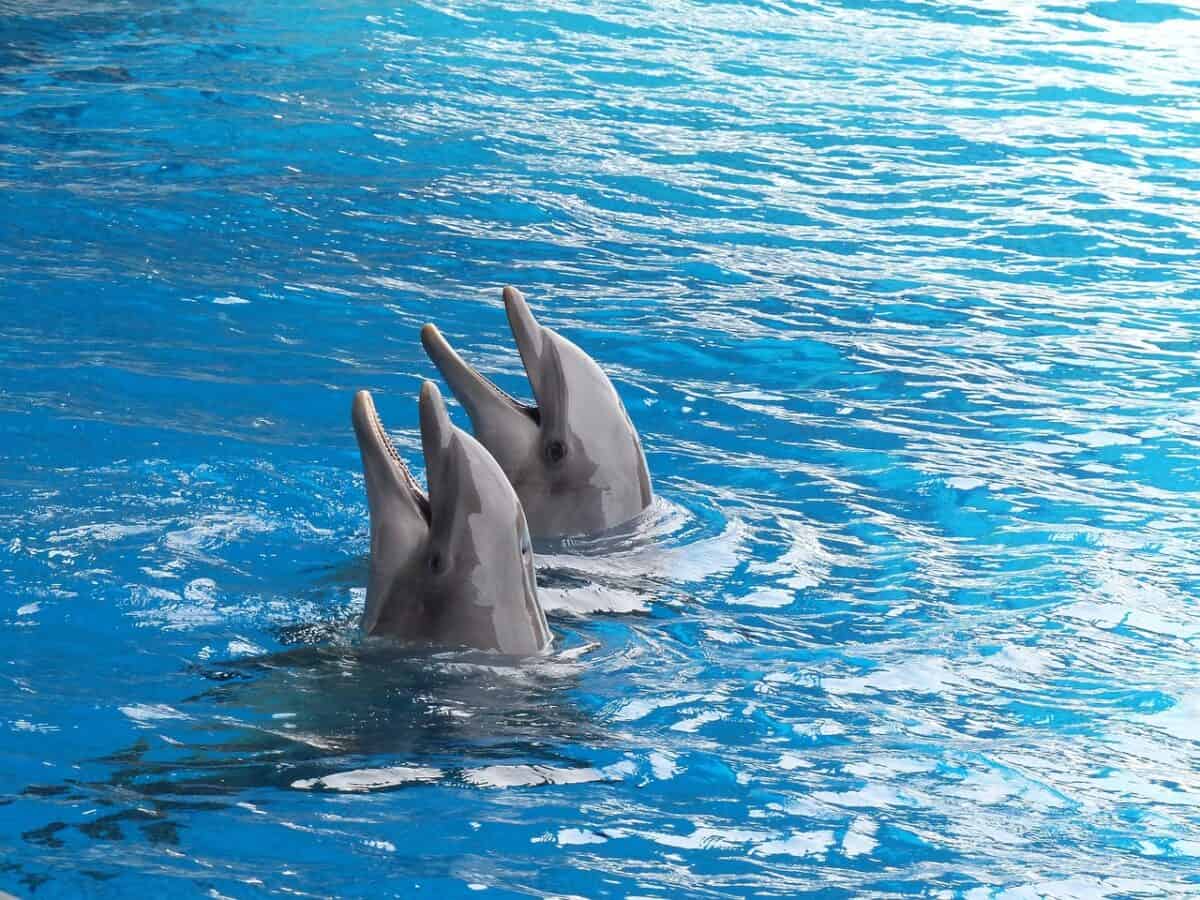
Play forms a central part of dolphin social life and serves multiple functions in their communities. Young dolphins engage in elaborate play sessions that help develop physical skills, social bonds, and cognitive abilities. They’ve been observed creating toys from seaweed or other objects, inventing games, and even blowing bubble rings for apparent amusement. Play isn’t limited to juveniles—adult dolphins continue playful activities throughout their lives, suggesting play serves ongoing social functions beyond simple skill development.
Social play often involves rule-following behavior and turn-taking, which requires sophisticated social understanding. Researchers have documented dolphins playing games where they pass an object between multiple individuals in a structured sequence, demonstrating an understanding of social rules and fairness. Play sessions also feature innovation, with dolphins regularly inventing new games and behaviors that spread through social learning. This rich play culture provides a foundation for the development and maintenance of social bonds and allows young dolphins to practice skills needed for adult social life, including alliance formation, cooperation, and conflict resolution—mirroring the role of play in human social development.
Conflict Resolution and Social Reconciliation

Despite their reputation for friendliness, conflicts do arise in dolphin societies. Competition for mates, food resources, or social status can lead to aggressive encounters involving chasing, jaw clapping, tail slapping, or even physical contact. What’s remarkable, however, is how dolphins manage and resolve these conflicts. Studies have documented consistent patterns of reconciliation following aggressive encounters, with former opponents engaging in increased affiliative behaviors like synchronous swimming, pectoral fin contact, or exchanging vocalizations that appear to restore social harmony.
This conflict management system bears striking similarities to human reconciliation behaviors across cultures. Researchers have observed third-party mediation, where uninvolved dolphins intervene in conflicts to separate combatants or facilitate reconciliation. These sophisticated conflict resolution mechanisms help maintain group cohesion despite inevitable tensions that arise in complex social networks. The presence of formalized reconciliation behaviors suggests dolphins place high value on preserving their social relationships even after disputes—a characteristic of highly social species that rely on group cooperation for survival and reproduction.
Individual Recognition and Social Memory

Dolphins possess extraordinary abilities to recognize and remember individual groupmates, maintaining social knowledge over decades. Research has shown they can recognize the signature whistles of dozens of individuals and respond differently to familiar versus unfamiliar whistles. In one striking study, dolphins recognized the whistles of former companions they hadn’t seen in over 20 years, suggesting a social memory capacity that rivals or exceeds that of many primates. This exceptional memory allows dolphins to maintain complex social networks despite the fluid nature of their groups in the open ocean.
Beyond vocal recognition, dolphins appear to have multimodal recognition capabilities, identifying individuals through echolocation “images,” visual appearance, and possibly even unique movement patterns. They track complex social relationships, remembering not just individuals but also the relationships between others in their community—who associates with whom, which males form alliances, and the social status of different individuals. This sophisticated social knowledge base allows dolphins to navigate their complex social world effectively, making strategic decisions about cooperative partnerships, mating opportunities, and conflict avoidance based on their understanding of the social landscape.
Regional Differences in Dolphin Societies
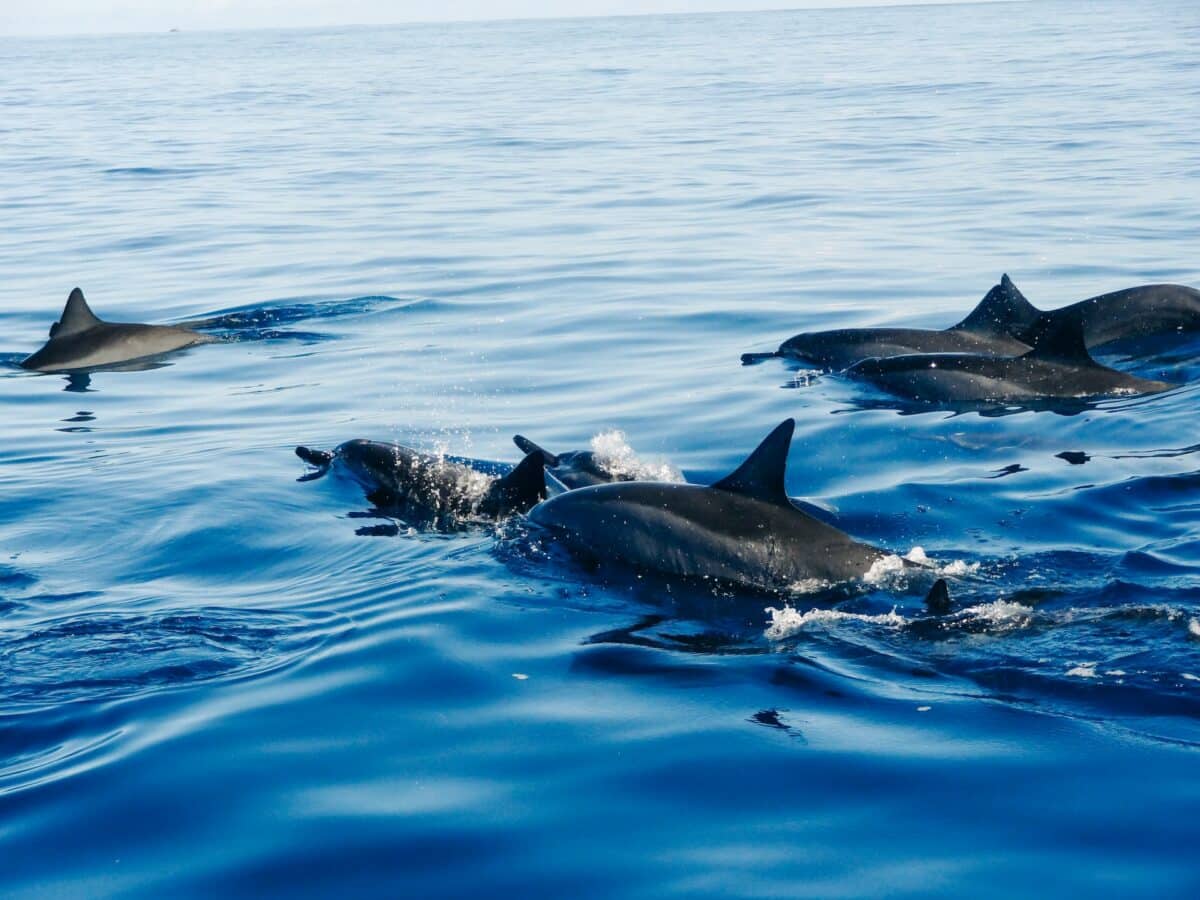
Just as human societies vary across geographic regions, dolphin social structures show fascinating regional variations that appear to be culturally rather than genetically determined. In the clear waters of the Bahamas, bottlenose dolphin groups tend to be larger and more fluid, while in the murky estuaries of Florida, dolphins form smaller, more stable groups. In Shark Bay, Australia, male dolphins form the multi-level alliances described earlier, but in Sarasota Bay, Florida, males are more likely to pursue females individually. These differences persist despite genetic similarity between populations, suggesting they represent cultural adaptations to local ecological conditions and social histories.
Beyond social structure, regional dolphin populations develop distinct foraging specializations passed down through social learning. Dolphins in the Florida Keys specialize in “mud-ring feeding,” while some Australian dolphins use sponges as tools. Even communication patterns show regional “dialects,” with different populations having distinct whistle characteristics. These regional variations create a rich mosaic of dolphin cultures around the world, each with unique traditions, communication patterns, and social norms. The presence of such cultural diversity within a single species highlights the remarkable plasticity of dolphin society and reinforces their status as one of the most socially sophisticated non-human animals.
Conservation Implications of Dolphin Sociality

The complex social nature of dolphins has profound implications for their conservation. Traditional conservation approaches focused primarily on population numbers may be insufficient for highly social species whose well-being depends on maintaining intact social structures. When dolphin communities are fragmented by habitat destruction, fishing operations, or removal of individuals for captivity, the complex social knowledge and cultural traditions accumulated over generations can be lost. Research has shown that dolphins who lose close associates experience measurable physiological stress responses, and disruption of alliance networks can reduce reproductive success for male dolphins who depend on allies for mating opportunities.
Understanding dolphin sociality also highlights the ethical concerns surrounding captivity. Dolphins in marine parks are typically housed in artificial groupings that bear little resemblance to their natural social structures. The restricted space prevents the formation of natural alliances and fission-fusion dynamics, while transfers between facilities disrupt long-term social bonds. Conservation strategies that account for dolphin sociality would focus not just on protecting individuals but on preserving intact social units and the habitats that support their complex social lives. By recognizing dolphins as social beings rather than simply biological units, conservation efforts can better address the full range of factors that contribute to their well-being and survival as a species.
Conclusion: What Dolphin Society Teaches Us
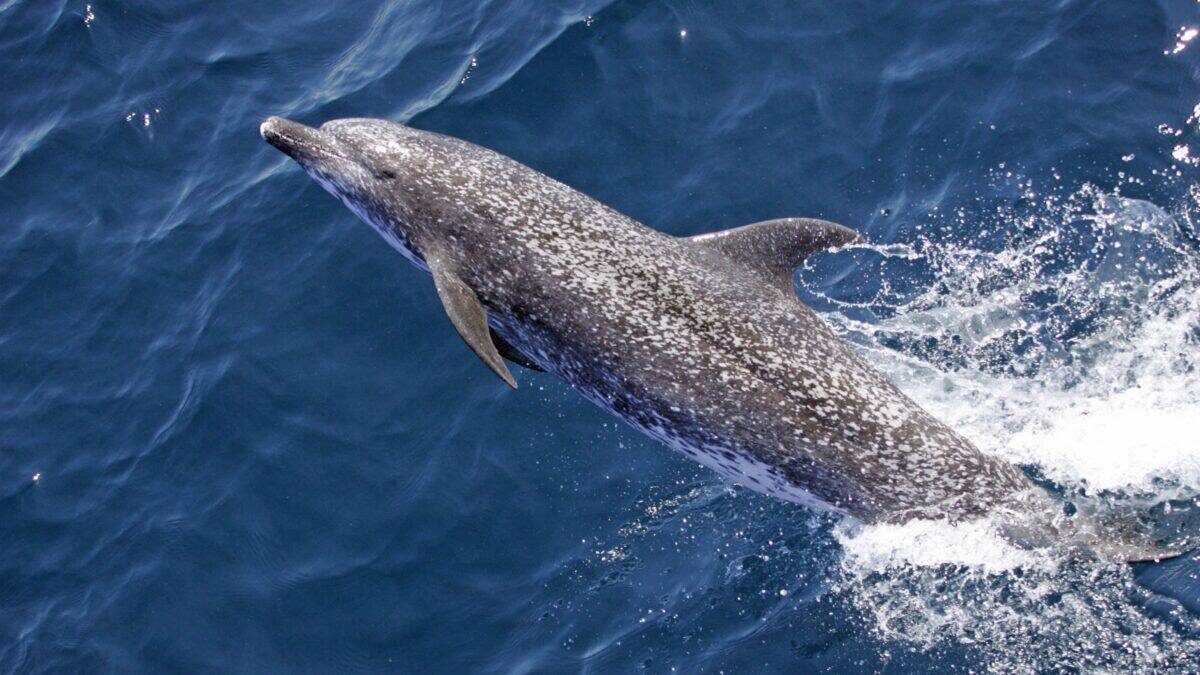
The extraordinary social lives of dolphins offer a profound window into the evolution of complex sociality outside the primate lineage. Despite evolving in a radically different environment from humans and having diverged from our evolutionary line over 95 million years ago, dolphins have independently developed social systems with remarkable parallels to our own—suggesting that certain social adaptations may represent convergent solutions to the challenges of group living. Their alliances, cultural traditions, cooperative strategies, and conflict resolution mechanisms all demonstrate that advanced sociality is not uniquely human but can emerge in species with sufficient cognitive capacity and ecological pressures favoring cooperation.
For scientists studying the evolution of social behavior, dolphins provide a crucial comparative case that helps distinguish universal principles of social evolution from primate-specific adaptations. For conservation biologists, understanding dolphin sociality emphasizes the importance of preserving not just individuals but social knowledge and cultural traditions. For the general public, recognizing the rich social lives of these ocean dwellers challenges us to reconsider our relationship with other highly social minds sharing our planet. In the intricate societies of dolphins, we find both a mirror reflecting aspects of our own social nature and a window into an alien yet sophisticated social world that evolved independently in the ocean depths.

- This Tiny Insect Can Survive in Outer Space—Here’s How - July 21, 2026
- Could the Tasmanian Tiger Be Brought Back to Life? - July 21, 2026
- Why You Should Never Approach a Sleeping Hippo - July 21, 2026