
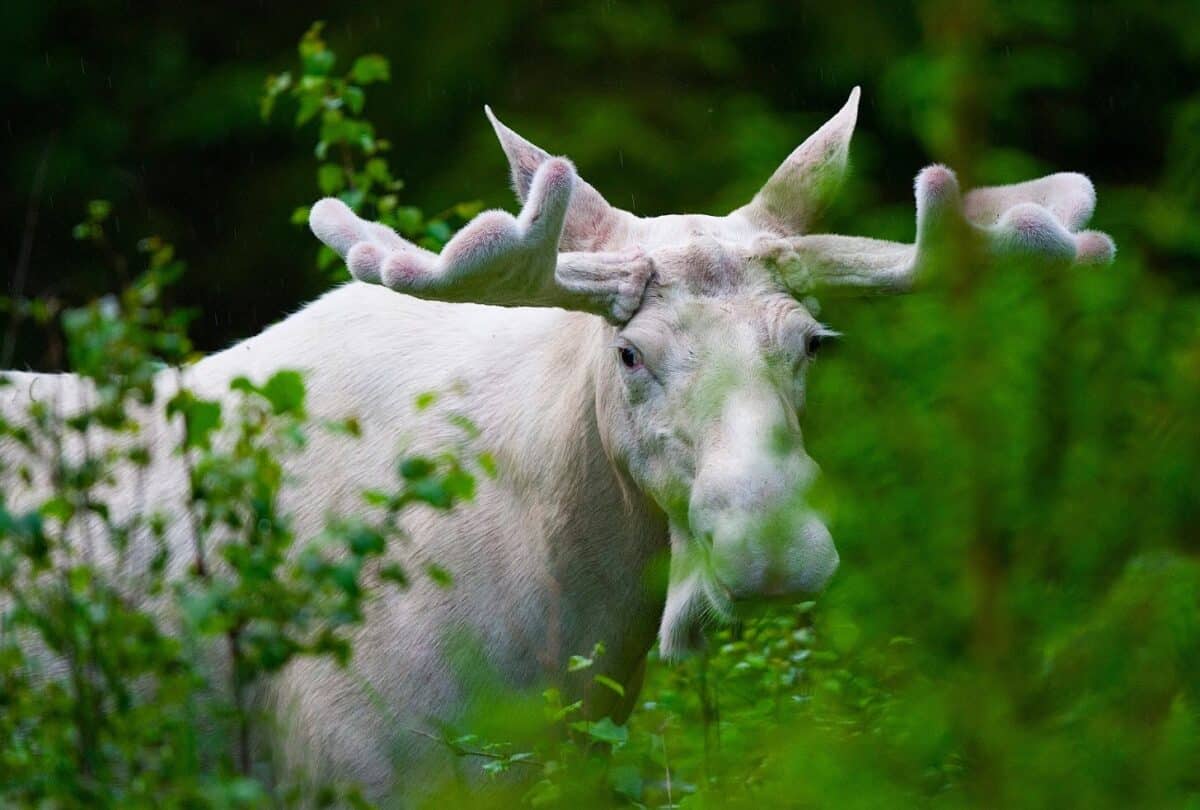
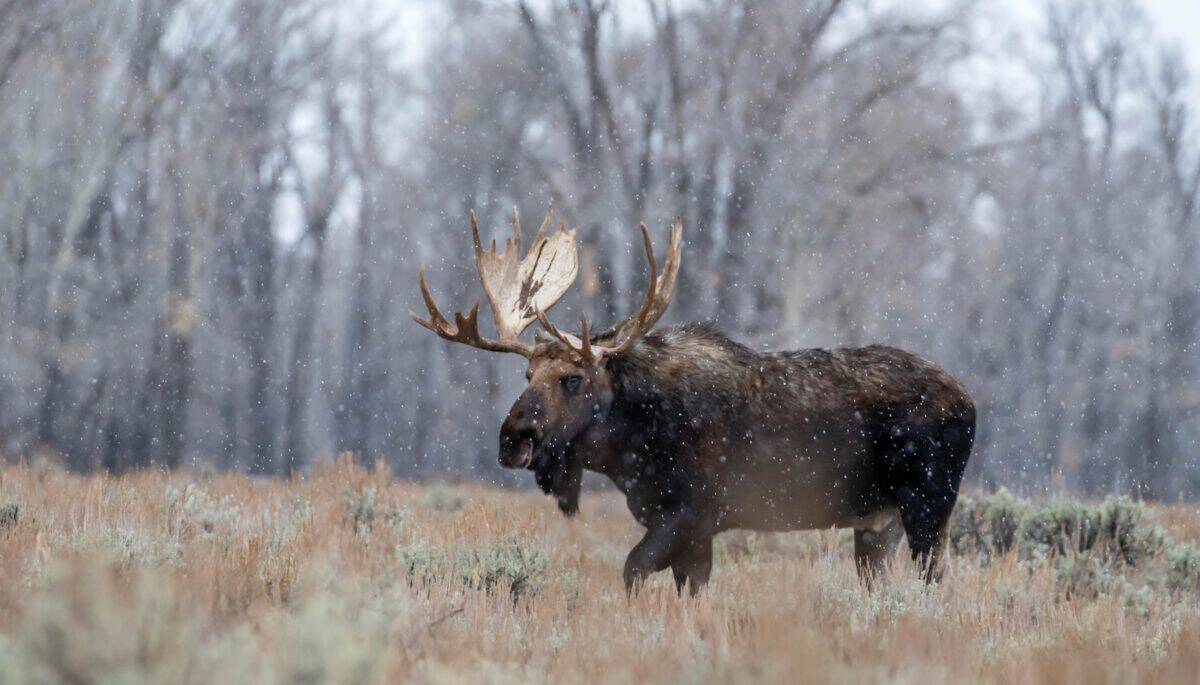
Moose are magnificent creatures, known for their imposing size and striking antlers. In Maine, however, these typically brown mammals sometimes appear in an unusual white form, leading to the intriguing phenomenon known as the “ghost moose.” This article examines the mystery behind their appearance and why these moose look different from their darker counterparts.
The Enigmatic Appearance of Ghost Moose
Ghost moose are so named because of their distinctive pale or white appearance, which sets them apart from the typical brown coloring seen in most moose. This mysterious coloration leaves many wondering how and why these moose look this way, evoking images of spectral apparitions wandering through Maine’s dense forests.
The Science Behind Moose Coloration
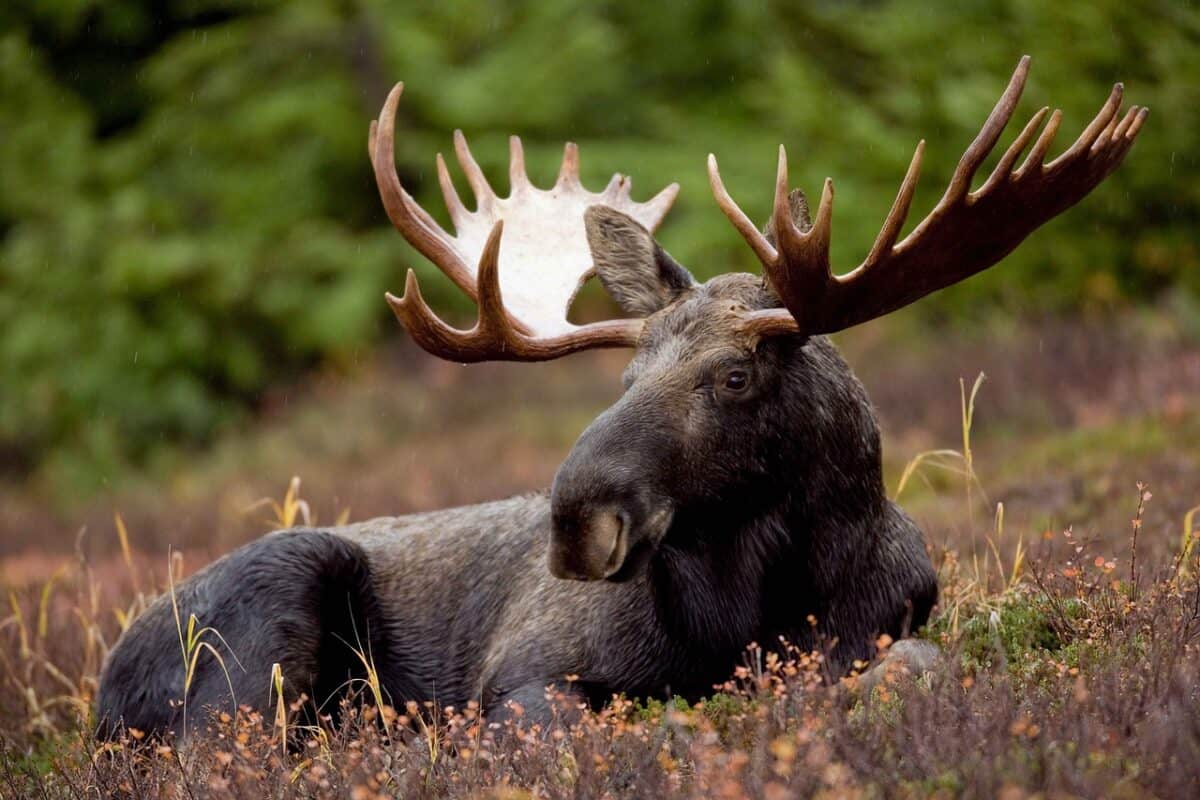
A moose’s coloration is primarily the result of its genetics. Various factors, such as mutations in pigment-related genes, can alter the typical brown hue to something lighter. In the case of ghost moose, their pale color is often attributed to either albinism or leucism, both genetic conditions that affect the production of melanin, the pigment responsible for coloration in animals.
Albinism vs. Leucism

Understanding the difference between albinism and leucism is crucial to explaining the ghost moose phenomenon. Albinism results in a total lack of pigment, giving animals a completely white appearance and often pink eyes due to the absence of pigmentation in the irises. In contrast, leucism involves a partial loss of pigmentation, leading to patches of normal and pale coloration. Ghost moose in Maine are more commonly identified with leucism, as many still retain some darker areas in their fur or antlers.
Environmental Impacts on Moose Coloration
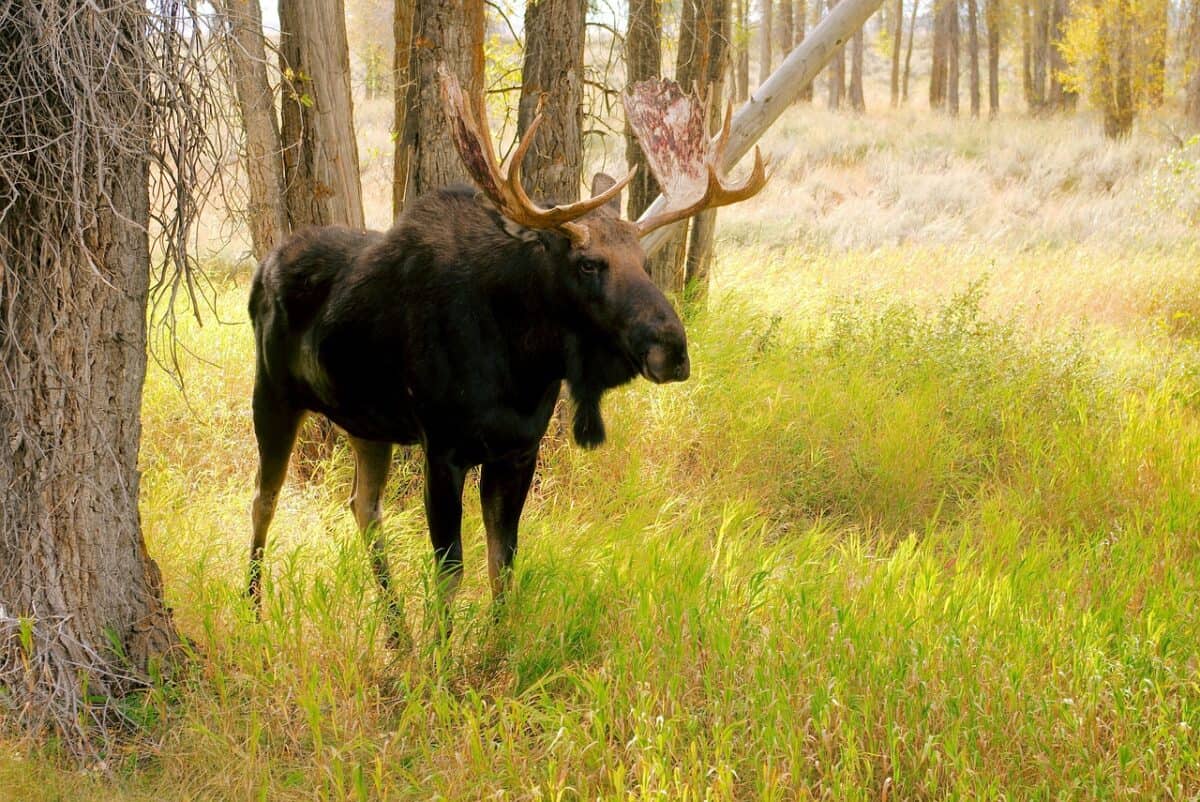
While genetics play a crucial role, environmental factors might also influence the appearance of ghost moose. The availability of certain minerals in their diet or exposure to certain environmental stressors might impact melanin production, possibly contributing to lighter fur than typical moose. However, detailed research on environmental impacts is limited and reconciling these effects with genetic factors remains complex.
Habitat and Distribution in Maine

Maine offers a suitable habitat for moose, with vast forested areas rich in vegetation and water sources. Ghost moose, much like their typically colored peers, inhabit these regions. Their mysterious appearance might make them seem rare or elusive, but they share the same territories commonly associated with moose populations in this northeastern state.
Behavioral Aspects of Ghost Moose
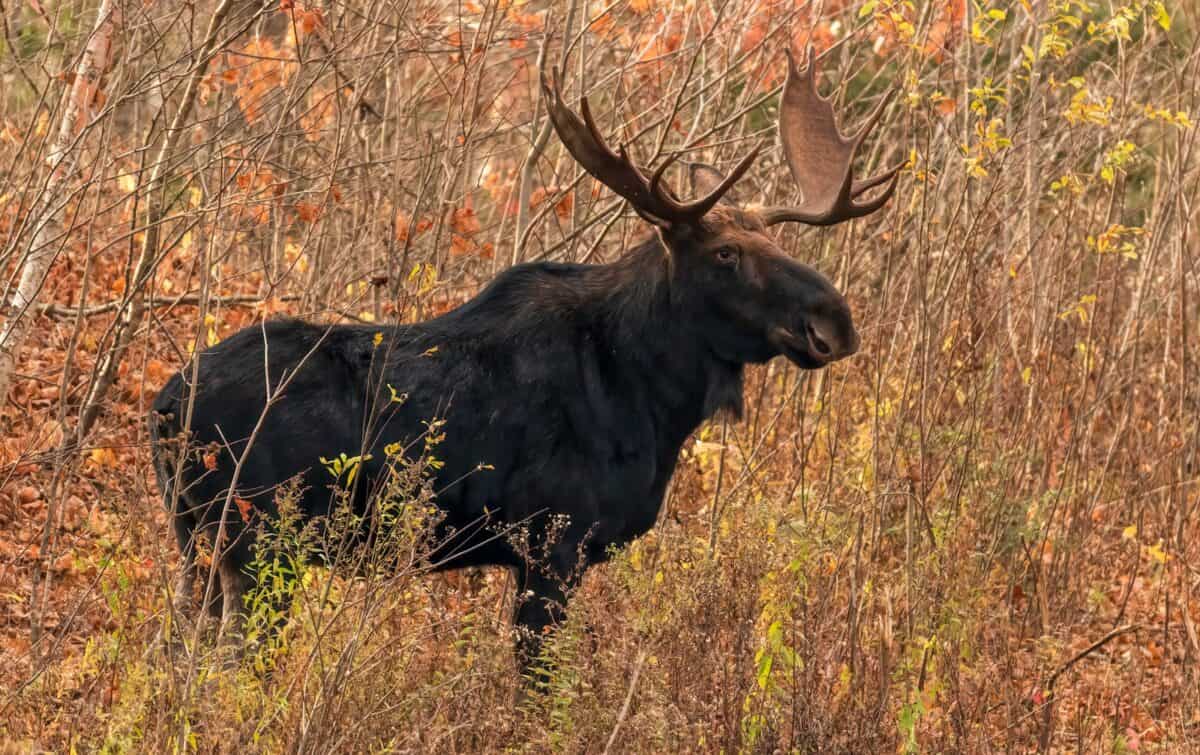
Despite their unique appearance, ghost moose generally display typical moose behaviors. They are solitary creatures, except during mating seasons or when females are raising calves. They browse for food including shrubs, leaves, and aquatic plants and remain relatively non-aggressive unless provoked.
Challenges Faced by Ghost Moose
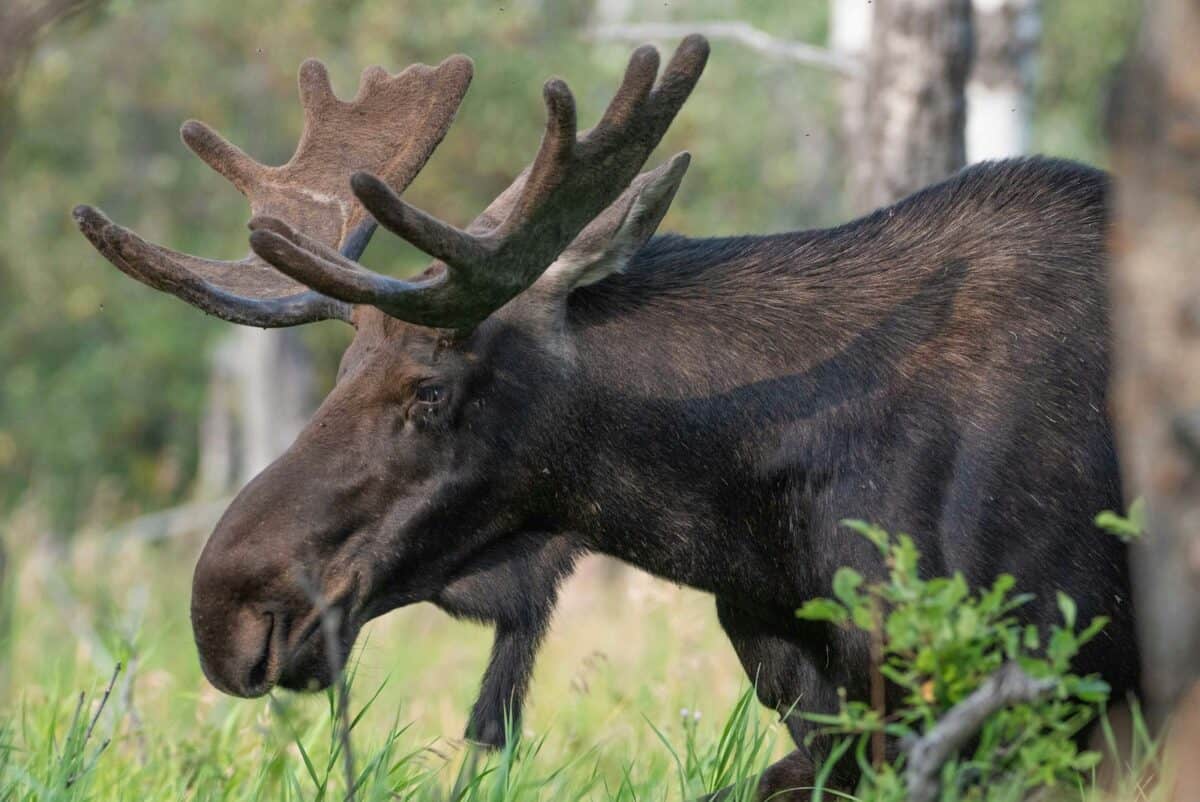
The unique coloration of ghost moose is more than just an interesting genetic anomaly; it presents several challenges. Predation risk may increase for lighter-colored moose, as their pale coats make them more visible against the forest landscape, reducing their natural camouflage.
Human Impact and Conservation Efforts
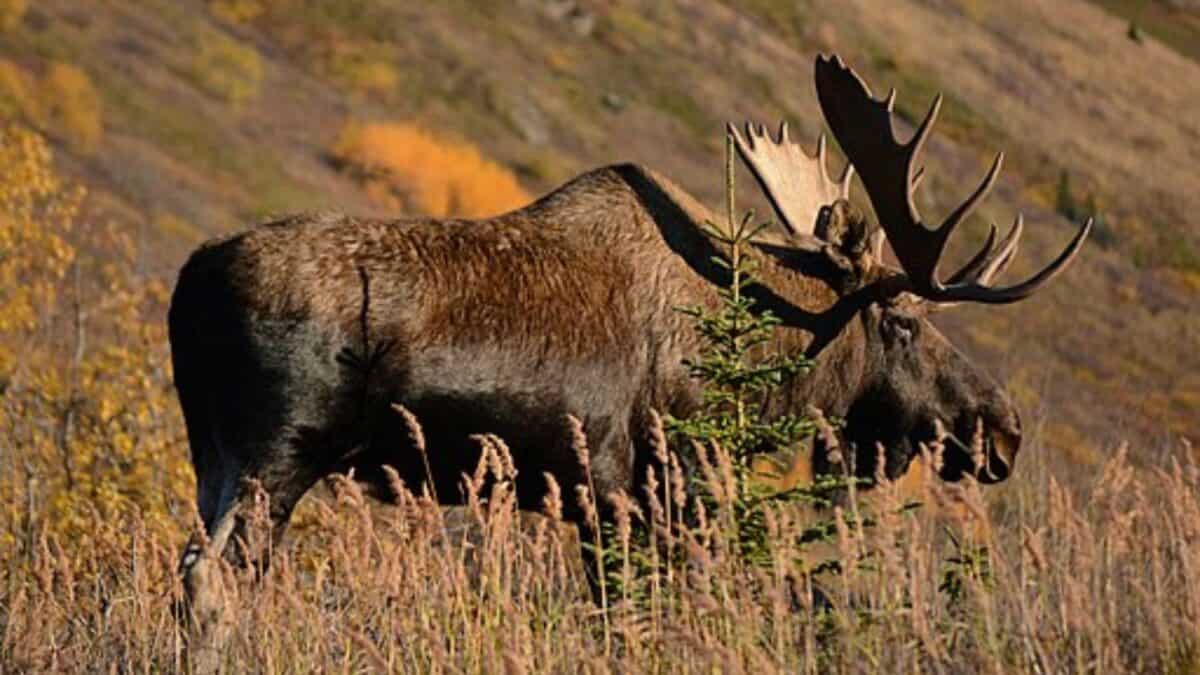
Human activities, particularly deforestation and climate change, pose ongoing threats to all moose, including ghost moose. Conservation initiatives focus on maintaining healthy forest ecosystems and minimizing poaching, safeguarding the habitats that support these extraordinary animals.
Importance of Public Awareness
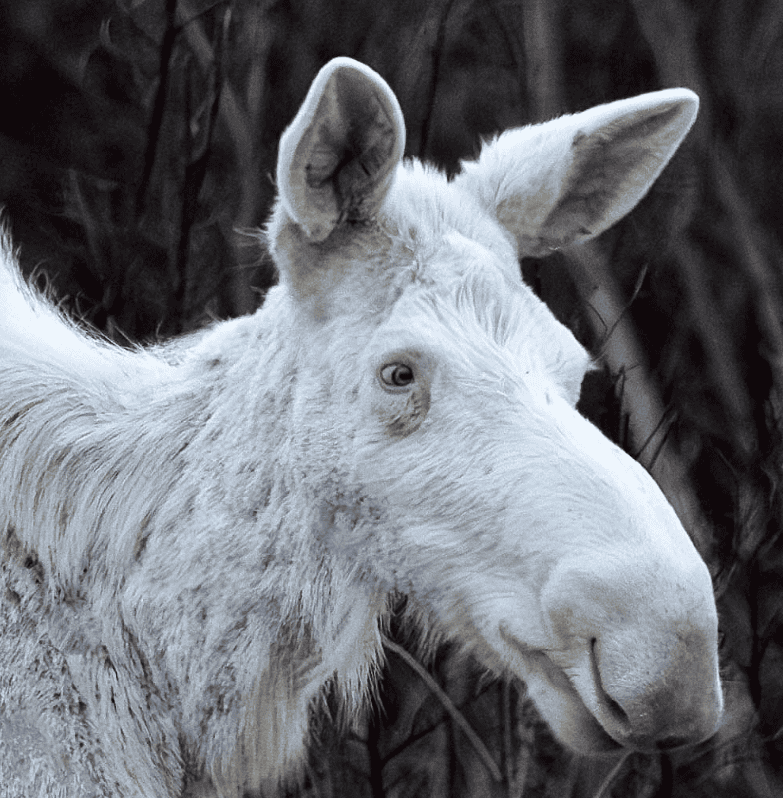
Raising awareness about ghost moose is crucial for their conservation. Efforts to educate the public about these unique creatures and the challenges they face can foster a shared responsibility in preserving their habitat, ensuring that these mysterious animals continue to thrive in Maine’s wilderness.
Aesthetic and Cultural Significance
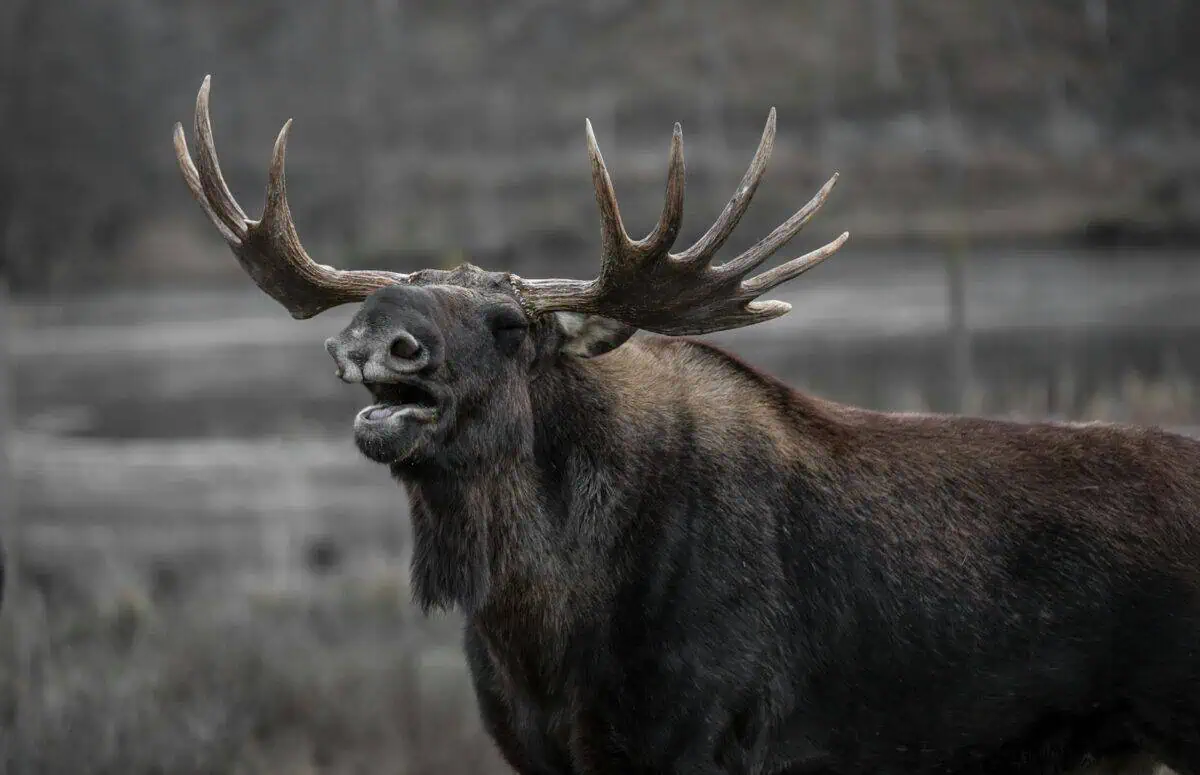
Ghost moose have captured the imagination of many, becoming a symbol of nature’s marvels and mysteries. Their spectral visage lends a mystical quality to Maine’s forests, making encounters with them a memorable experience that contributes to the cultural heritage and natural beauty of the region.
Research and Observation

Ongoing research is essential to deepen understanding of ghost moose, studying both their genetics and ecological roles within their habitats. Conservationists and scientists alike employ various observational strategies and technologies to monitor their numbers and health, improving strategies for their protection.
The Future of Ghost Moose

While the mystery of the ghost moose is somewhat unraveled by science, their future depends on continued conservation efforts and public involvement. Ensuring the survival and thriving of these unique creatures requires collective action towards sustainable environmental practices and wildlife protection policies.
In conclusion, the enigma of the ghost moose in Maine highlights both the wonders of genetic diversity and the pressing need for conservation. By understanding the factors that lead to their distinct appearance and the challenges they face, we can better appreciate and protect these fascinating animals, ensuring that Maine’s ghost moose continue to intrigue and inspire generations to come.

- The Secret Language of Dolphins Decoded by Researchers - July 20, 2026
- 7 Animals That Can Survive Extreme Environments You Couldn’t - July 20, 2026
- The Longest Snake Ever Found in the U.S. - July 20, 2026