

You walk into your home one day and catch a whiff of something strange. It’s not the usual smell of cooking or laundry. Instead, there’s this odd, musty scent hanging in the air. You brush it off, thinking maybe you just need to open a window. Here’s the thing though: that smell might be more than just stale air or forgotten leftovers in the fridge.
It could be termites. Or more specifically, it could be the smell that draws these tiny wood-eating invaders straight into your walls. Understanding what attracts these destructive pests is the first step in protecting your home from thousands of dollars in damage. So let’s dive in and uncover the truth about the one smell that termites simply can’t resist.
The Scent of Moisture
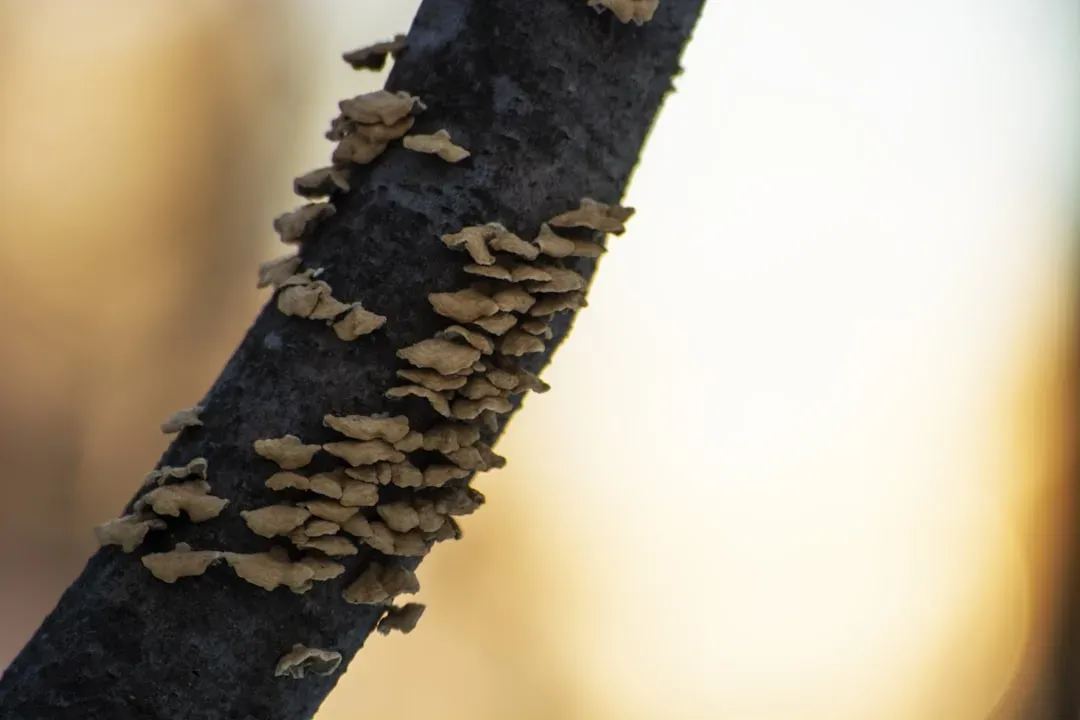
Damp, moldy or musty wood is ideal for termites and they are heavily drawn to it. Moisture isn’t just about water droplets on surfaces. It’s about the environment that high humidity and dampness create within your walls and wooden structures.
Termites thrive in moist environments as they require a constant water source for survival. When excess moisture is present, termites are drawn to the area, making it easier for them to establish colonies and cause havoc in your home. Think of moisture as a beacon calling out to termite scouts searching for their next meal.
They need moist soil, and they infest wood that is in contact with the ground or when they can smell or sense moisture from leaks, which also attract them to your home. It’s a survival instinct hardened by millions of years of evolution. The smell of moisture combined with decaying wood creates an irresistible invitation.
Why Moisture Matters More Than You Think

Let’s be real: termites are remarkably delicate creatures despite the damage they cause. Termites are no different, and for dampwood and subterranean termites, water is particularly important. These termites are very delicate and need high levels of moisture and humidity to thrive.
Moisture causes wood to retain water, making it an ideal food source for termites. When wood gets damp, it softens. That makes it far easier for termites to chew through and digest. Dry wood is harder work, but moist wood? That’s like a five-star buffet for these insects.
Moisture in wood softens it, making it easy to chew through and digest for termites. Honestly, if you’ve got a leaky pipe behind your wall or poor drainage near your foundation, you’re basically rolling out the welcome mat. Termites can sense that moisture from a surprising distance, and once they pick up on it, they start building their highways straight to the source.
The Musty Odor Connection
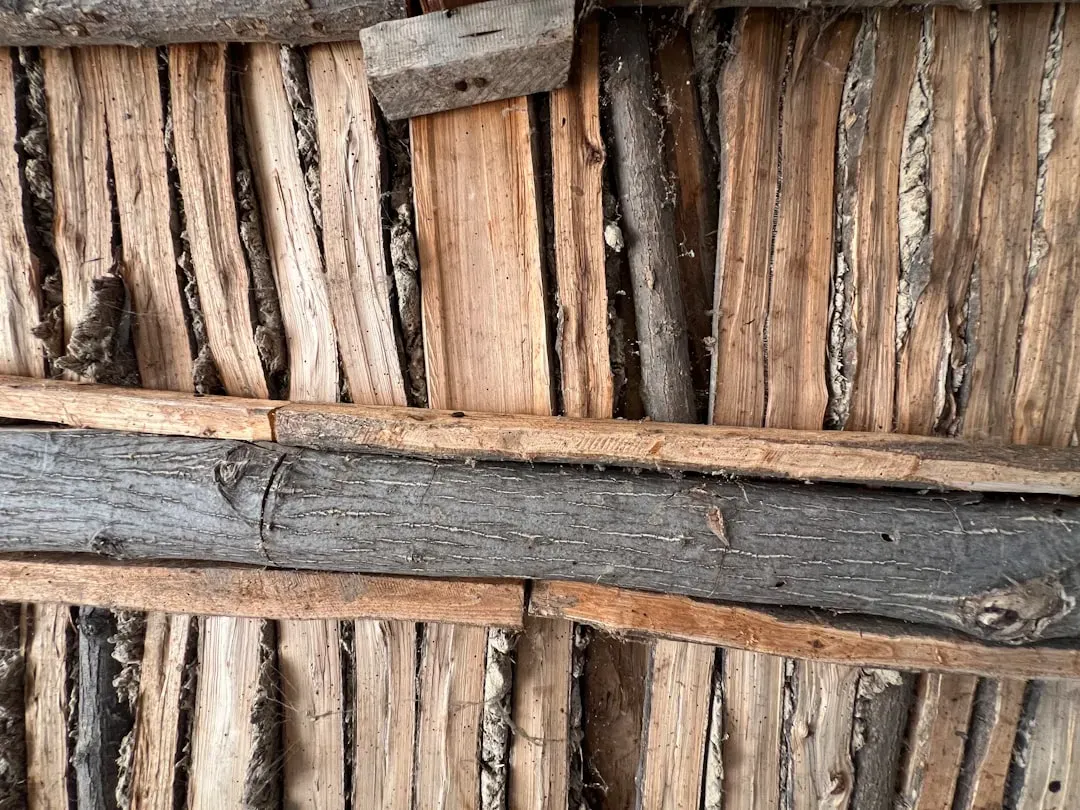
That musty, mildew-like smell you might detect in your home isn’t always mold. Sometimes, it’s termites or the damage they’re causing. This odor is often described as musty or moldy and is caused by the termites’ waste products, decaying wood, and their interaction with the wood they consume.
A termite infestation is likely to resemble the smell of moisture, mold, mildew, or damp vegetation. This is because many species of termites live underground and in moist environments like mud tunnels or damp wood and dark places with little to no sunlight. The smell comes from their environment, their activities, and the decay they leave in their wake.
I know it sounds crazy, but the very odor that signals their presence is also part of what attracts more termites to the area. In general, an area that’s damp or moist is associated with this type of smell because there is decaying timber or other rotting wooden materials in this area which these pests aim for. It becomes a vicious cycle where moisture leads to decay, decay creates odor, and that odor signals to termites that there’s a prime feeding ground nearby.
How Termites Actually Detect Moisture
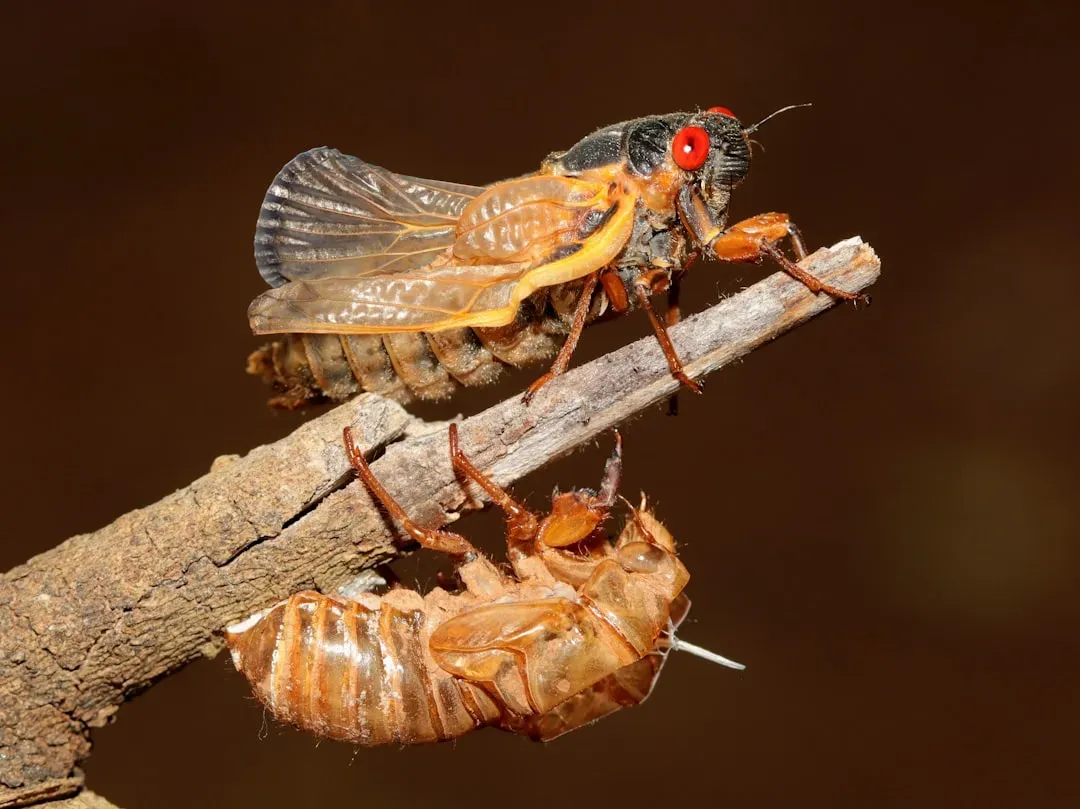
Termites don’t have eyes like we do. They navigate the world primarily through smell and touch. Termites are most often attracted to the scent of wood because they primarily feed on wood. The scent of wood will usually lead them right to your doorstep.
Their antennae are incredibly sensitive to chemical signals in the air. They can pick up on the scent of moist wood from surprising distances. It’s hard to say for sure exactly how far, but their ability to track down moisture sources is one reason why termite infestations can spread so rapidly once they start.
Other scents that termites may be attracted to include the scent of other insects, the scent of decaying organic matter, and the scent of sweeter things like fruits and honey. However, moisture remains the primary draw. Condensation on walls, leaking pipes, poor ventilation in crawl spaces – all of these create the perfect storm of scents that termites are hardwired to find and exploit.
Preventing the Smell That Attracts Them
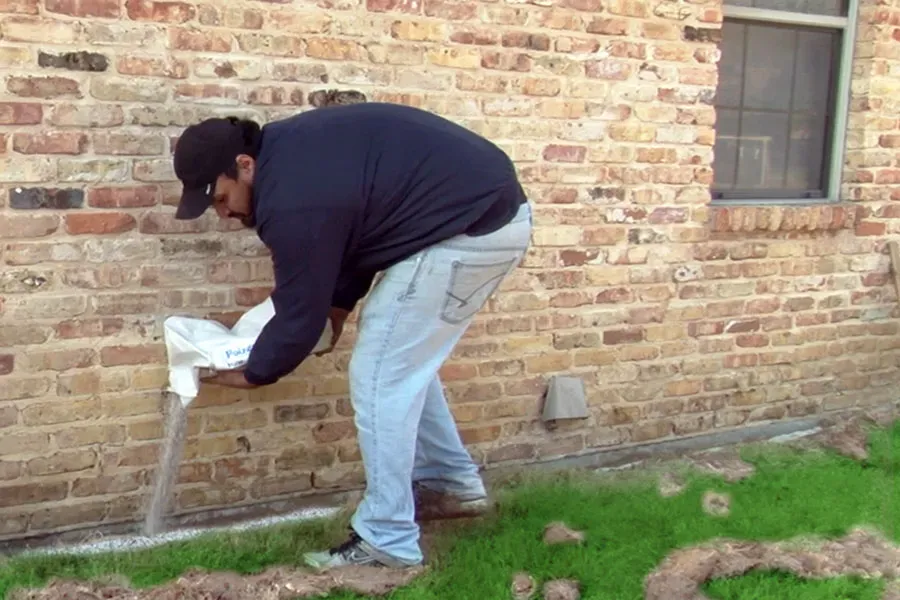
Now that you know moisture is the culprit, what can you do about it? First, fix any leaks immediately. If you notice a persistent musty smell in your house even after a thorough cleaning, the moisture problem in the hidden spaces like walls or subfloor might be the reason.
Check your gutters and downspouts to ensure water drains away from your foundation. Standing water or poor drainage creates the exact conditions termites love. Improve ventilation in basements, crawl spaces, and attics to reduce humidity levels. You might even consider using a dehumidifier in particularly damp areas of your home.
Inspect wooden structures regularly. Look for soft spots, discoloration, or that telltale musty smell. The earlier you catch moisture problems, the less likely you are to attract termites in the first place. Remember, vigilance is always better than cure when it comes to protecting your home from these relentless invaders.
Conclusion
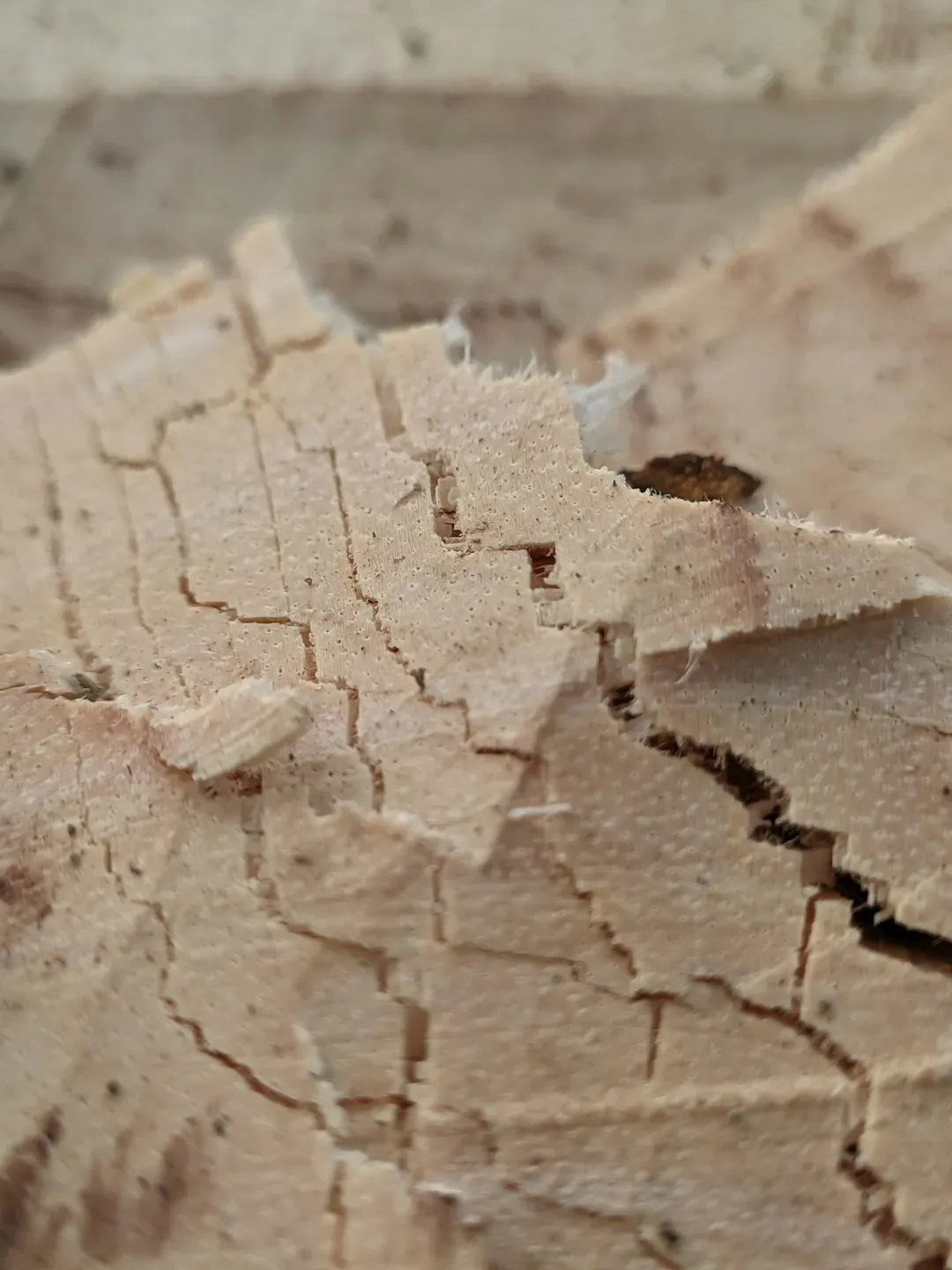
isn’t some exotic pheromone or mysterious chemical. It’s the ordinary, often overlooked scent of moisture and damp wood. This smell signals to termites that there’s a food source nearby – one that’s soft, easy to digest, and perfect for building a thriving colony.
By staying on top of moisture issues in your home, you can eliminate the primary attractant that brings termites knocking. Fix leaks, improve ventilation, and keep your home dry. These simple steps can make the difference between a termite-free home and a costly infestation that damages your walls from the inside out.
What do you think? Have you ever noticed that musty smell in your home and wondered what it meant? Share your experiences in the comments below.

- What It Means When Your Cat Slowly Blinks at You Across the Room - June 27, 2026
- The US States With the Largest Monarch Butterfly Migrations - June 27, 2026
- 6 Signs Termites May Already Be Active Around Your Property - June 27, 2026