

Most of us have done it. The doorbell rings, the dog erupts, and out comes a loud, sharp “Quiet!” or “No!” in the hope that the noise will stop. Sometimes it seems to work for a second, then the barking comes back stronger than before.
It’s tempting to blame a stubborn dog. The more likely culprit is the word itself, or more precisely, the way we say it and what the dog hears when we do. Here’s what’s really going on, and what tends to work better.
Which Word Is It, Really?

🔥 Would you like to save this?
We'll email this post to you, so you can come back to it later!
The word most often named is “No,” usually yelled, though “Quiet,” “Shut up,” and “Stop” belong in the same bucket. The problem isn’t the letters or the sound. It’s the way the word gets delivered in the middle of a barking fit.
I should be upfront here. No study has shown that one magic word makes every dog bark louder. The idea comes mostly from trainers and behavior professionals who see the same pattern again and again.
What they describe is a shouted command that adds more noise and more excitement to a situation that was already loud. That’s the real offender, and it’s why the headline word is less important than it sounds.
Dogs Don’t Hear Words the Way We Do

🔥 Would you like to save this?
We'll email this post to you, so you can come back to it later!
Dogs can learn the meaning of many words, but they lean heavily on tone, volume, body language, and context. A 2016 brain imaging study in the journal Science found that dogs process word meaning and intonation in different brain regions. Their reward system lit up most when praise words were spoken in a praising tone.
That tells us something useful. Your dog is paying close attention to how you sound, not just what you say.
So when you shout “No!” while your dog is barking at the window, the message they receive is a loud, emotional burst from you. Without training behind it, the word doesn’t carry any clear instruction like “stop and sit down.”
Why Yelling Can Sound Like Joining In
🔥 Would you like to save this?
We'll email this post to you, so you can come back to it later!
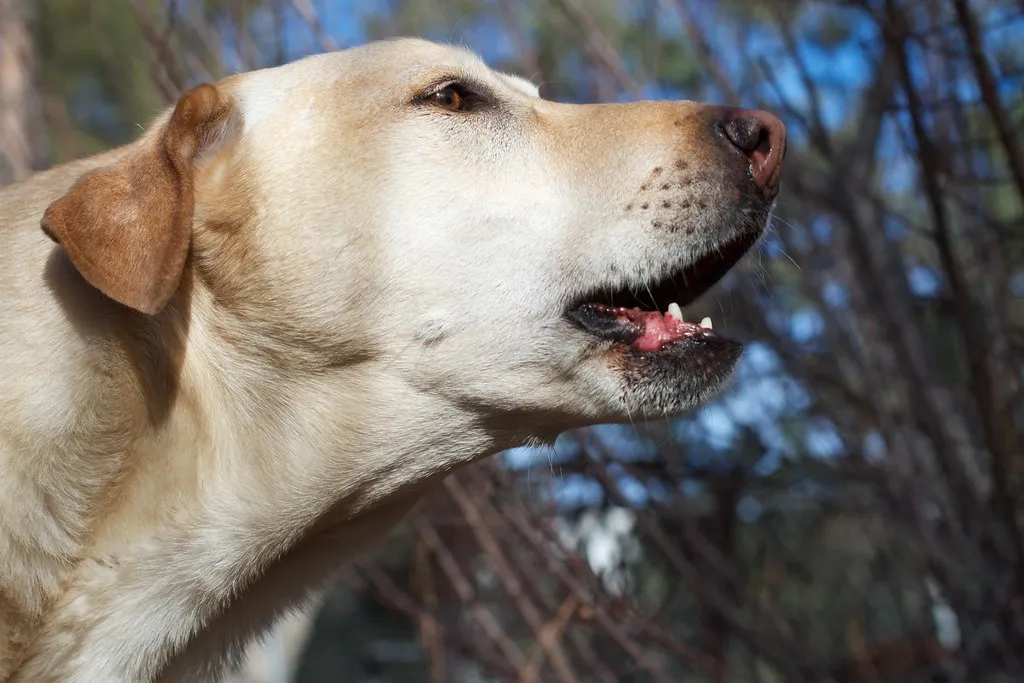
Barking is a social behavior. Dogs bark to alert, to greet, to ask for something, or to express frustration, fear, or boredom. When a person starts raising their voice, many dogs read it as a sign that something really is happening.
Plenty of trainers say it comes across as the human barking along. That’s an interpretation rather than a proven fact, but it fits what we know about how sensitive dogs are to group excitement. Your agitation can confirm that the mailman really was a threat.
There’s also the matter of attention. For a dog who barks to get you involved, a shout still counts as a response. Even negative attention can reinforce the behavior if the dog was looking for any reaction at all.
The Real Reason Your Dog Is Barking
🔥 Would you like to save this?
We'll email this post to you, so you can come back to it later!
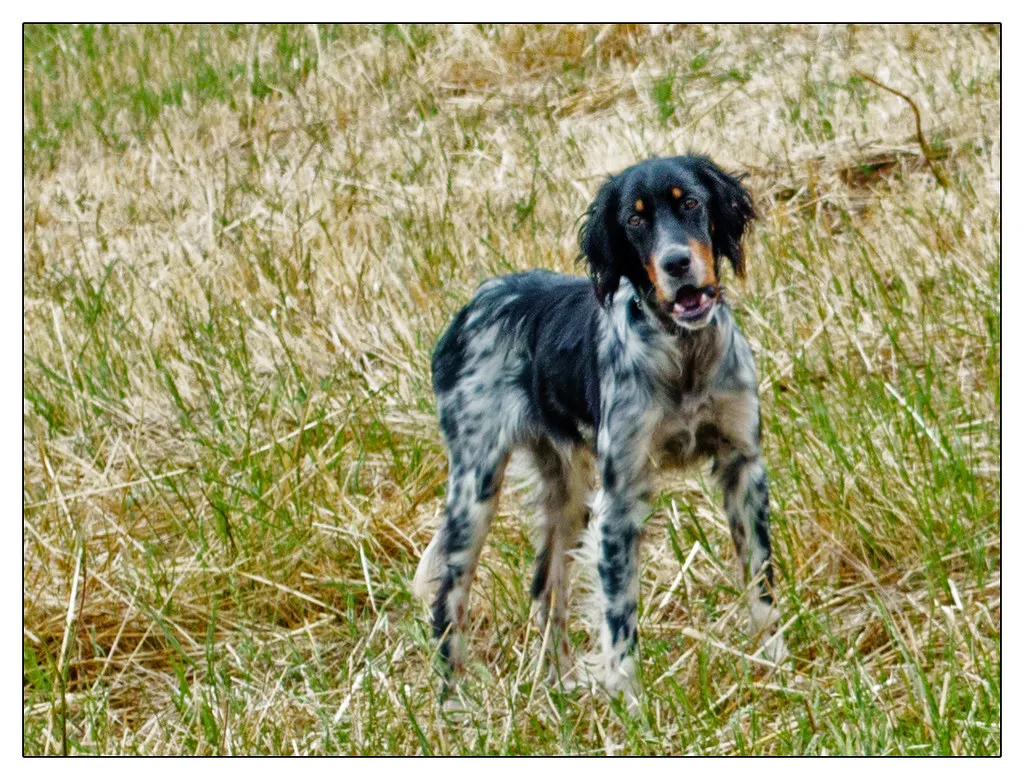
Before you fix the sound, it helps to understand the cause. A dog barking at passersby is doing something very different from a dog barking at 3 p.m. because it’s bored, or one that panics every time you leave. The same shouted word won’t solve all three problems.
Alarm barking is often about territory or protection. Demand barking tends to happen near food, doors, or toys. Anxiety or separation related barking can come with pacing, drooling, or destructive behavior, and in those cases a professional’s help is worth considering.
Another factor is unmet needs. Dogs with too little exercise or mental stimulation often bark more. A longer walk, a sniffing game, or a food puzzle can reduce barking without a single command.
What to Do Instead

🔥 Would you like to save this?
We'll email this post to you, so you can come back to it later!
The approach recommended by most reputable organizations, including the American Kennel Club, relies on positive reinforcement. First, stay calm and keep your voice low and even. Then wait for even a brief pause in the barking and reward it right away with a treat or praise.
Some trainers teach a “quiet” cue deliberately. They first teach the dog to bark on cue, then say the quiet word calmly the moment the barking stops, and pay for it. Over many repetitions, the word becomes tied to the behavior you actually want.
Management helps too. If your dog erupts at people walking by, closing the curtains or using window film removes the trigger. Redirecting to a mat or a toy before the barking starts is easier than interrupting it halfway through.
My Take: Stop Fighting the Noise
🔥 Would you like to save this?
We'll email this post to you, so you can come back to it later!
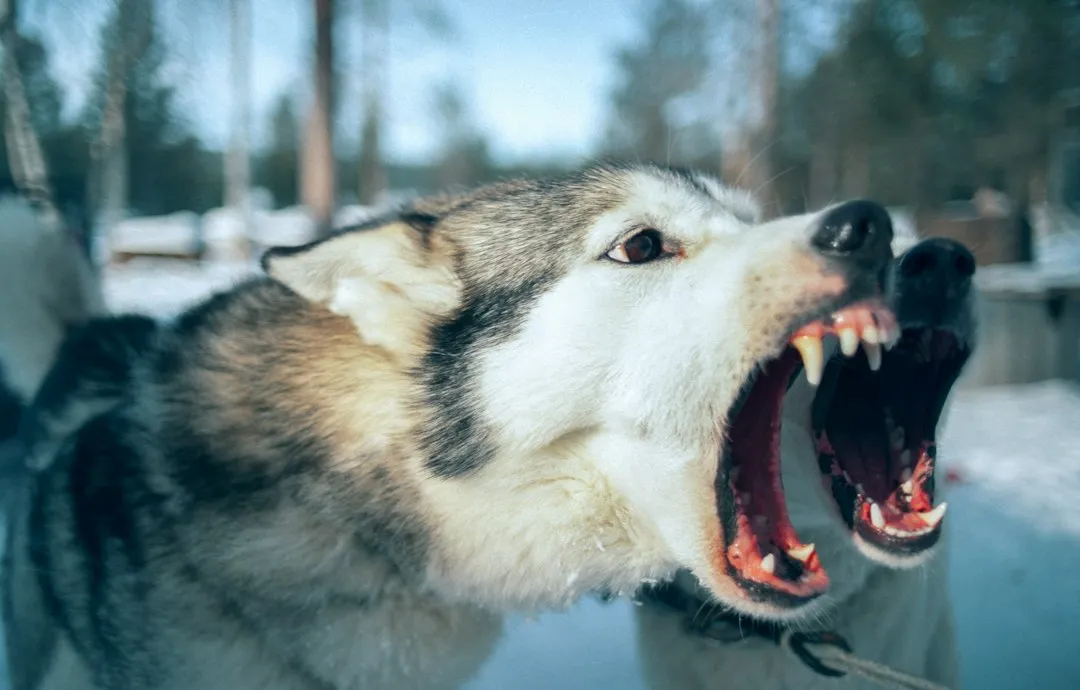
I think the biggest mistake is treating barking as disobedience. It’s information. Your dog is telling you they’re excited, worried, bored, or guarding something, and a shouted word does nothing to address any of that.
Punishment based methods also carry risks. Research reviews on aversive training have linked it to higher stress in dogs, and it can make a nervous dog more reactive rather than calmer. Quiet consistency is slower, but it’s kinder and tends to hold up better.
So skip the yelling, and don’t hunt for a perfect replacement word. Figure out why the barking happens, teach your dog what to do instead, and reward the calm. The dog who used to bark louder at your shouting will often settle once you stop adding to the noise.

- 7 Everyday Habits That Can Make Your Senior Dog Happier - November 5, 2026
- 10 Enigmatic Structures That Continue to Puzzle Scientists Today - November 5, 2026
- 10 Strange Ruins in the Americas That Challenge What We Know About Early History - November 5, 2026