
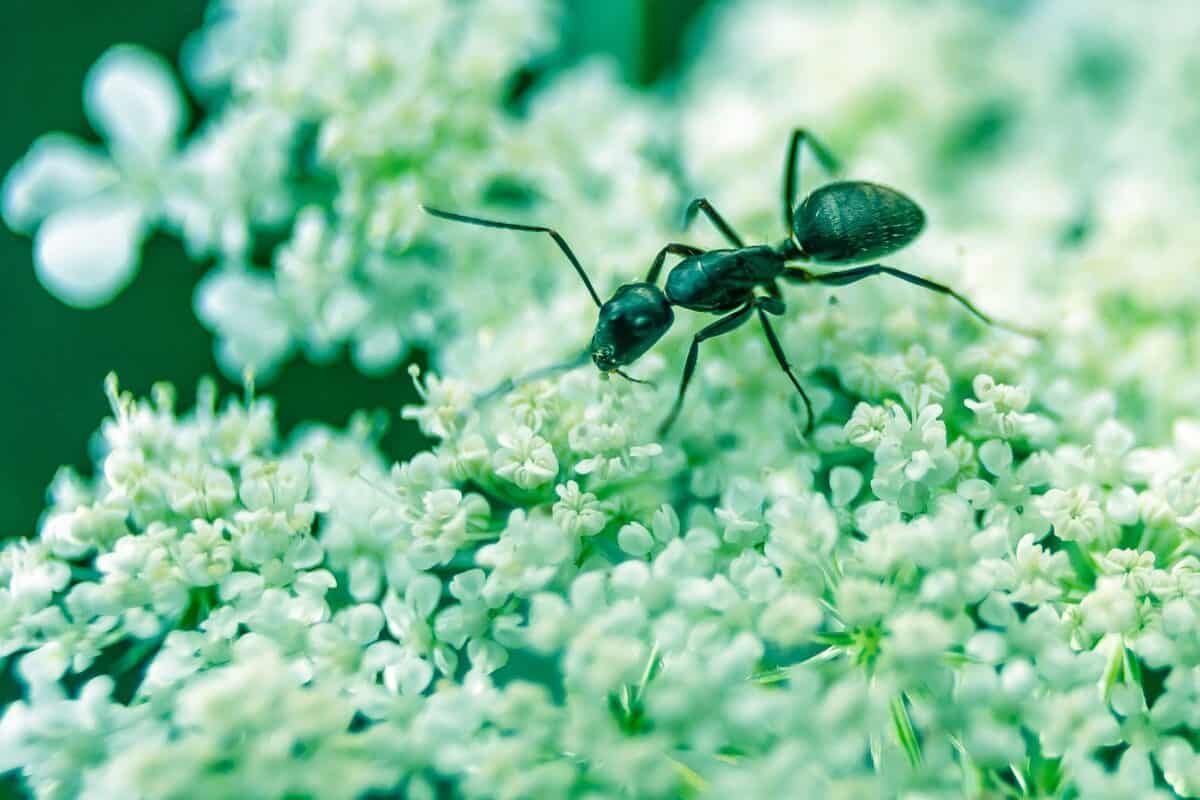
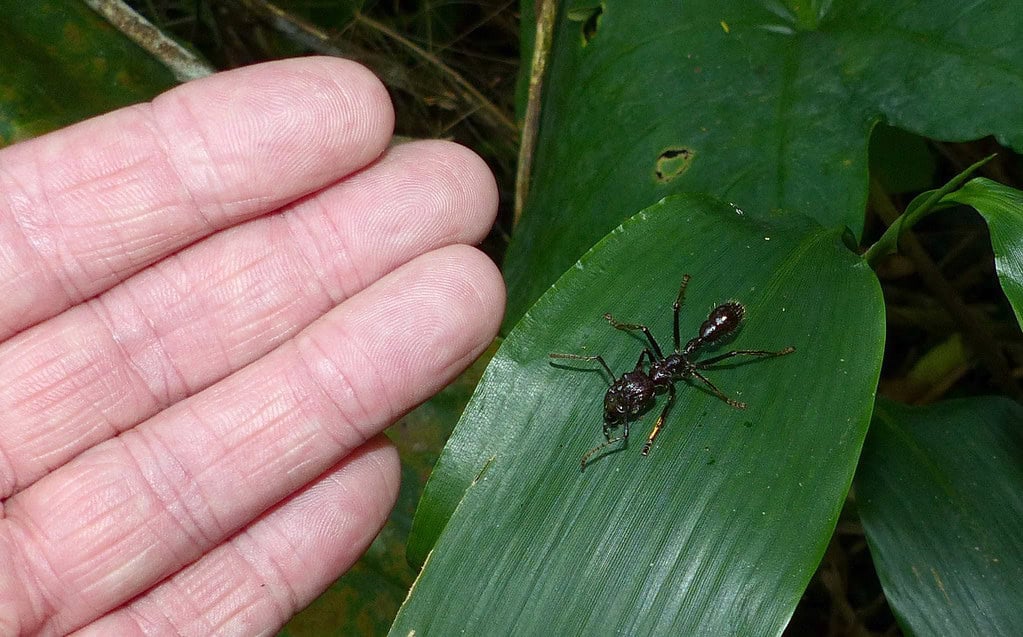
In the lush rainforests of Central and South America dwells an insect that has earned a fearsome reputation for its sting. Known scientifically as Paraponera clavata, the bullet ant is one of the largest ant species in the world, measuring up to 1.2 inches in length. While its size is impressive, what truly sets the bullet ant apart is the excruciating pain of its sting, often compared to being shot by a bullet. This article delves into the world of the bullet ant, exploring why its sting is so infamous and what makes these ants fascinating creatures of study.
The Bullet Ant Sting
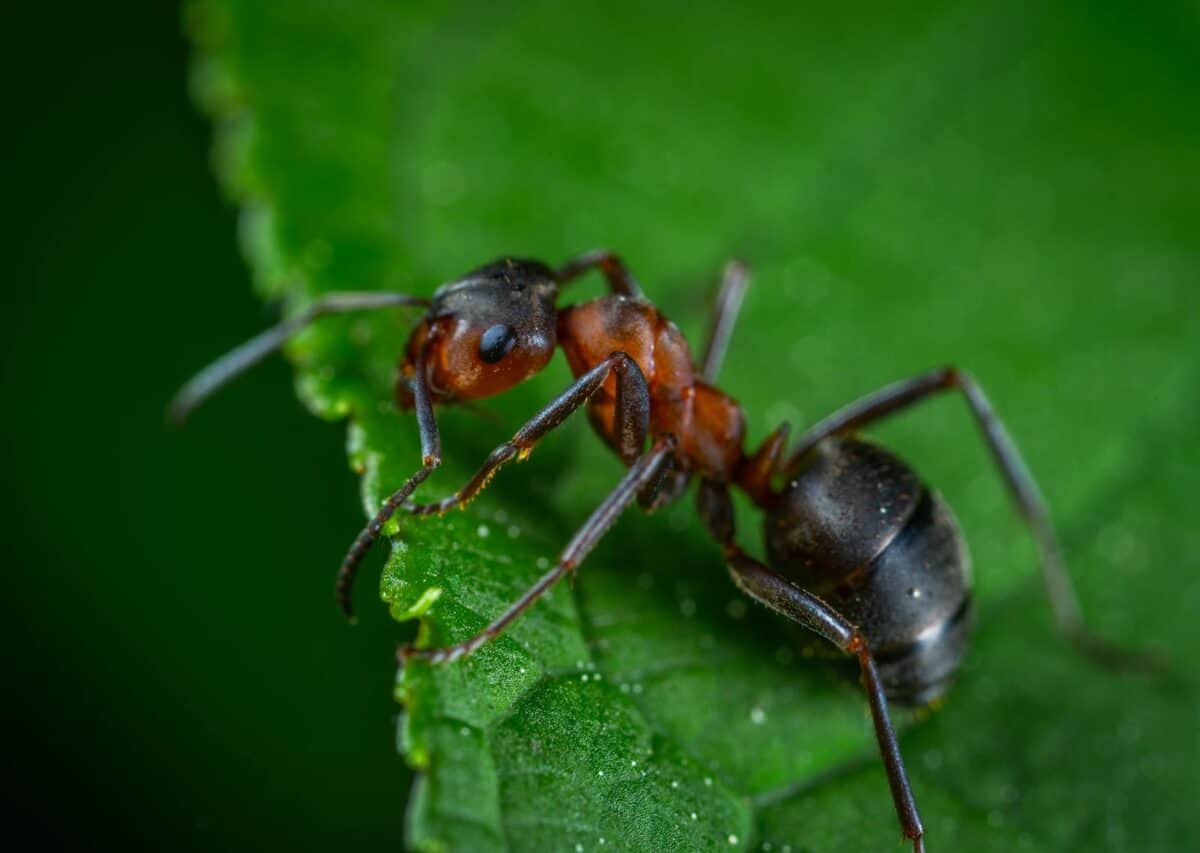
In the realm of entomology, the pain inflicted by insect stings is categorized on the Schmidt Sting Pain Index, a scale developed by entomologist Justin O. Schmidt. The bullet ant ranks at the top of this index, alongside a few others, but it is described as producing the most intense pure pain a human can experience from an insect. Descriptions of the sting often include words such as “intense,” “perfect agony,” and “waves of burning, throbbing, all-consuming pain.” The pain typically lasts from 12 to 24 hours, making it a truly harrowing experience.
Why the Bullet Ant Sting is So Painful
The bullet ant’s sting owes its severity to a potent neurotoxin called poneratoxin. This toxin affects voltage-dependent sodium ion channels, disrupting communication between nerve cells. When stung, the area becomes intensely painful, and this pain can radiate throughout the body. The precise mechanism causes nerve fibers to fire repeatedly, leading to a sustained feeling of pain and causing temporary paralysis in some cases.
Cultural Significance
In the rainforest regions where bullet ants are native, they hold cultural importance, particularly among the Satere-Mawe people of Brazil. For this indigenous group, bullet ants are integral to a coming-of-age ritual for young warriors. This initiation involves placing their hands into gloves filled with the ants, enduring multiple stings in a test of bravery and endurance. This tradition, while painful, is seen as a rite of passage and a meaningful part of their cultural identity.
Understanding Ant Behavior and Purpose
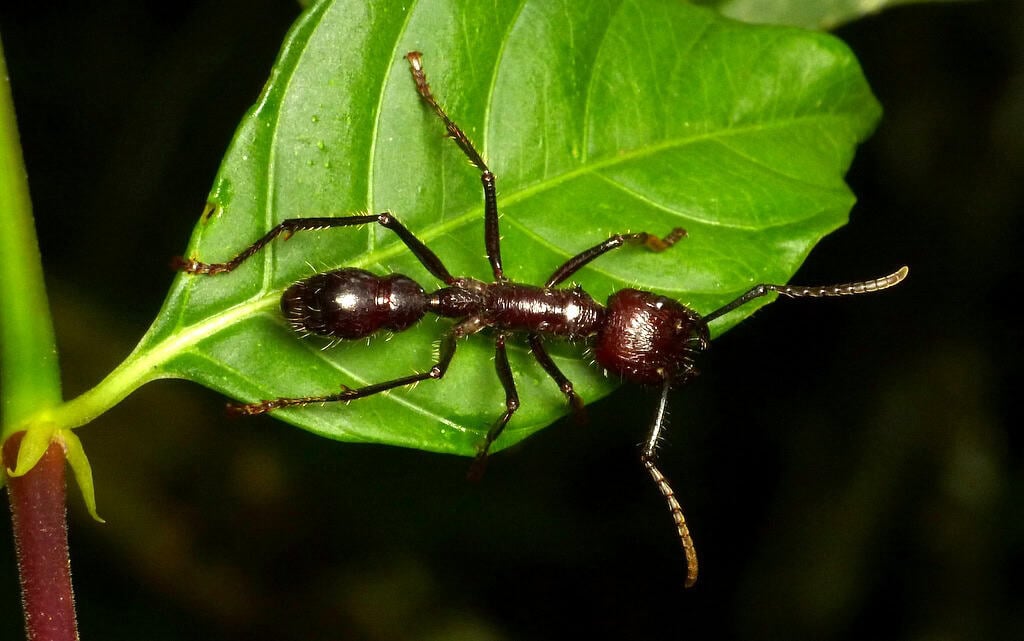
Despite their notoriously painful sting, bullet ants are not aggressive by nature. They use their stings primarily for defense against predators rather than attack. Living in colonies high up in trees, they are effective predators themselves, preying on other insects. Their colonies are highly organized, with a social structure akin to other ant species, which includes worker ants, soldiers, and a queen.
Impact on Humans and Ecosystems

While a bullet ant sting can be a painful nuisance for humans, it rarely results in any long-term harm unless the individual has a specific allergic reaction. However, bullet ants play an essential role in their ecosystems. As predators of other insects, they help control populations that could otherwise become pests. Their presence is indicative of a healthy, biodiverse environment, demonstrating the complex interactions between species in tropical rainforests.
Conservation and Study
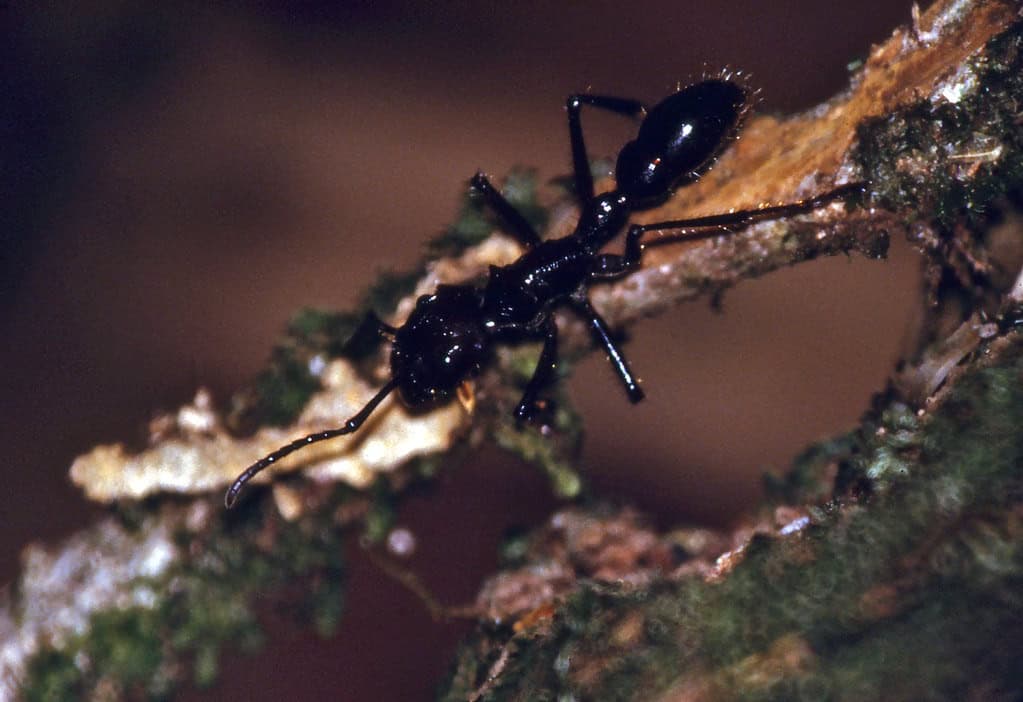
The bullet ant, like many species living in rainforest habitats, faces challenges due to habitat destruction and climate change. Conservation efforts focus on preserving these complex ecosystems to ensure species like the bullet ant continue to thrive. Additionally, studying the ant’s potent venom holds potential medical applications, highlighting how these insects, despite their fearsome reputation, contribute valuable knowledge to science.
Conclusion
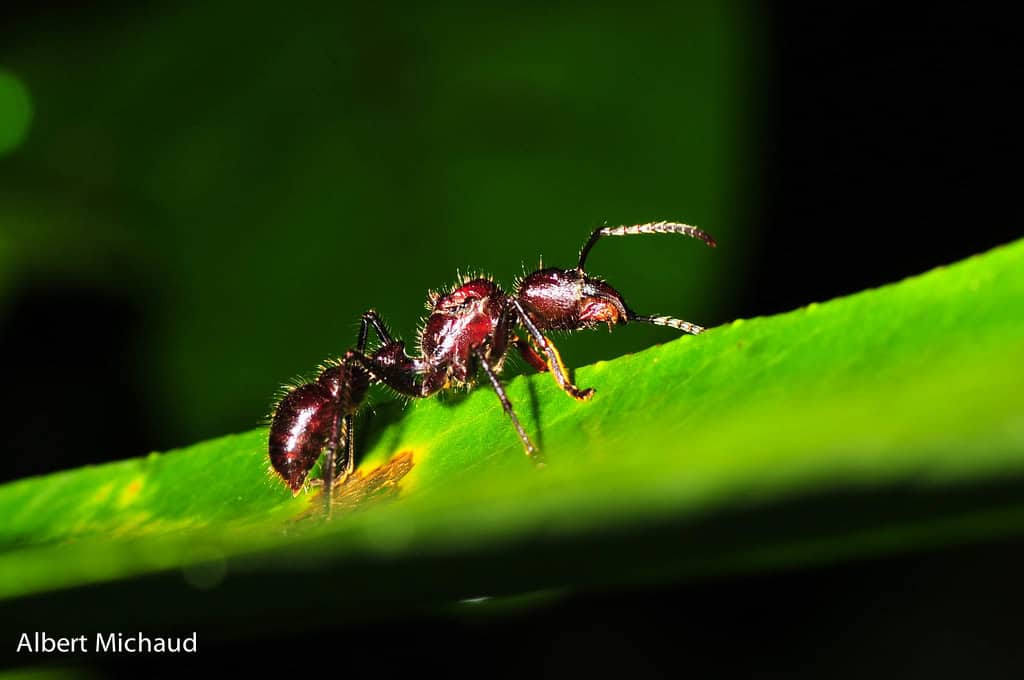
The bullet ant is indeed a marvel of nature, both feared and respected for its powerful sting. Its role in indigenous traditions, ecological significance, and contribution to scientific studies make it a truly fascinating subject. Understanding such creatures enhances our appreciation for the incredible diversity of life on Earth and the delicate balance that sustains ecosystems across the globe.

- 15 Gentle Signs an Old Dog Feels Deeply Cherished in Its Final Season - July 23, 2026
- 14 Signs Your Aging Cat Is Growing Older With Grace and Comfort - July 23, 2026
- The Painful Truth About Bullet Ant Stings - July 23, 2026
Leave a comment
You must be logged in to post a comment.