
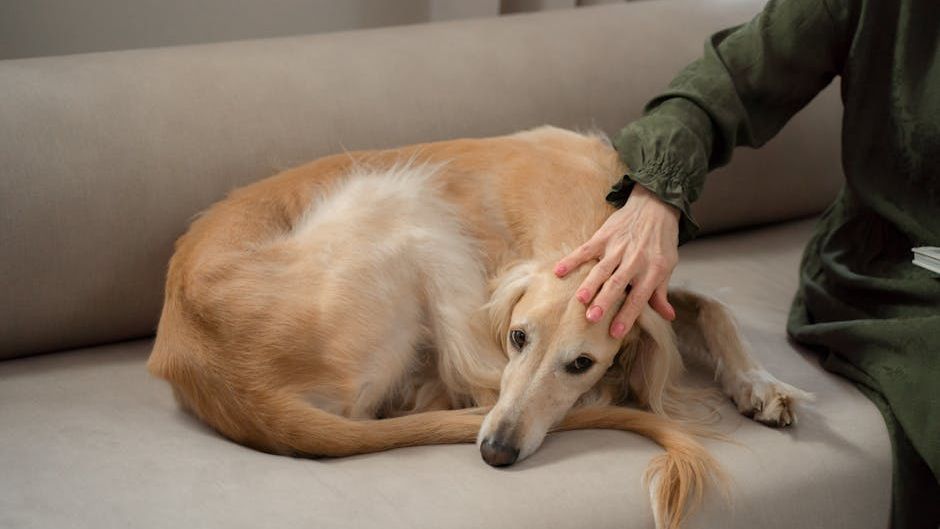
Picture this: you walk in the door after a rough day, your voice sharper than intended, and your dog’s tail suddenly drops. It’s not just imagination. Your everyday chatter carries emotional weight that hits your pup right in the heart.
Science backs it up, showing dogs tune into our tones like emotional radars. Let’s explore how your voice shapes their world and simple ways to make it a force for good. Ready to hear the difference?
How Dogs Decode Your Vocal Emotions

Dogs don’t just hear words; they feel the emotion behind them. Research reveals their brains process human speech prosody, the musical ups and downs of tone, much like ours do.[1][2] A happy lilt perks them up, while a flat drone might signal boredom or sadness to them.
Think of your voice as a mood translator. I’ve seen rescue dogs transform, tails wagging wildly at a soft “good boy,” proving tone trumps vocabulary every time. It’s their window into your feelings.
The Magic of a Soothing Voice
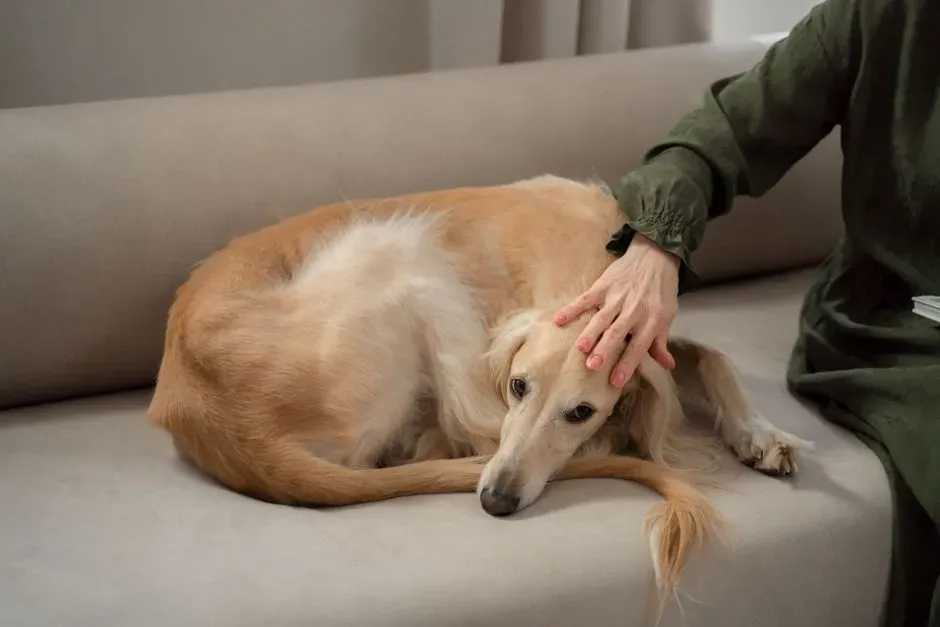
A gentle, melodic tone acts like a warm hug for your dog’s nervous system. Studies show calm voices reduce stress behaviors in shelter pups, easing panting and pacing.[3] Your steady “it’s okay” during thunderstorms can lower their heart rate, fostering security.
Here’s the thing: pair it with slow petting, and you mimic bonding hormones like oxytocin released in interactions. My own lab mix chills instantly to my bedtime whispers. Try humming softly next time they’re anxious; watch the magic unfold.
Why Angry Tones Rock Their World

Raised voices pack a punch. A fresh 2026 study found angry human tones destabilize dogs’ balance, more than happy ones, hinting at deep emotional arousal.[4][5] Ears back, body tense, avoidance – these cues scream “uh-oh” to you.
Even unintentional sharpness from frustration lingers, eroding trust over time. Recall scolding your pup for chewing shoes; they slink away not from guilt, but fear. Prevention tip: pause, breathe, then redirect calmly to keep their emotional ship steady.
Happy Voices Spark Joy and Connection
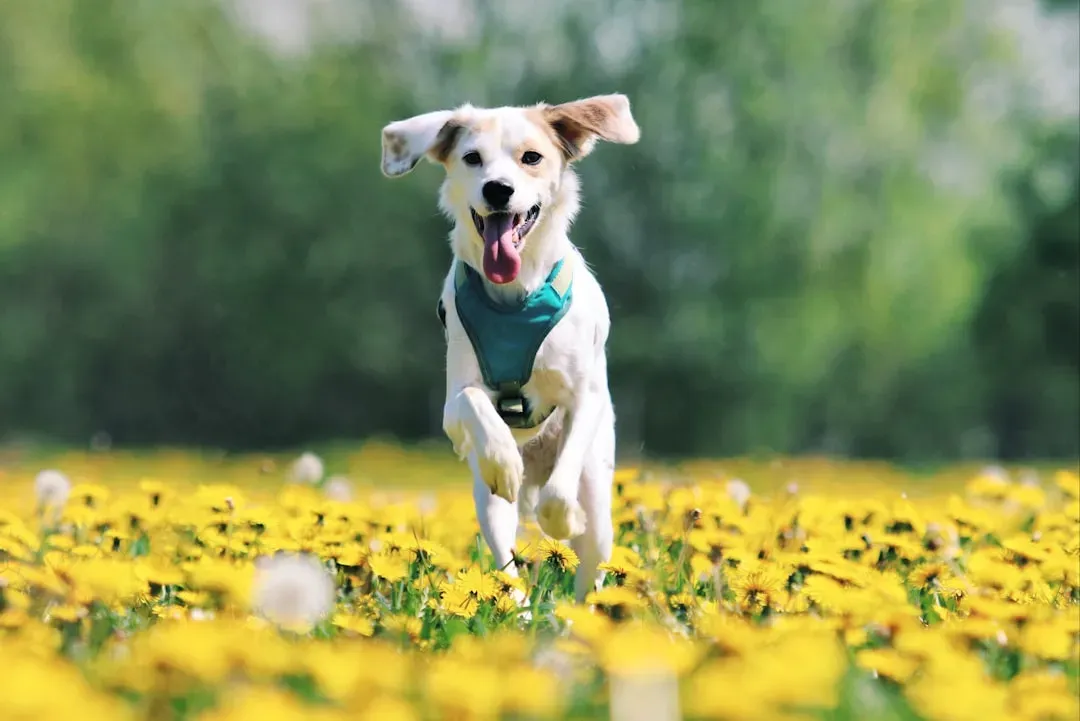
That high-pitched “cutesy” voice? Dogs love it. Brain scans confirm heightened responses to cheerful tones, lighting up reward centers.[6] Playtime cheers like “fetch!” boost playfulness and tail spins.
Real-world win: use upbeat praise during training, and recall skyrockets. It’s not baby talk; it’s evolutionary glue strengthening your bond. I bet your dog already leans in when you laugh – lean into that power daily.
Building Lasting Emotional Resilience
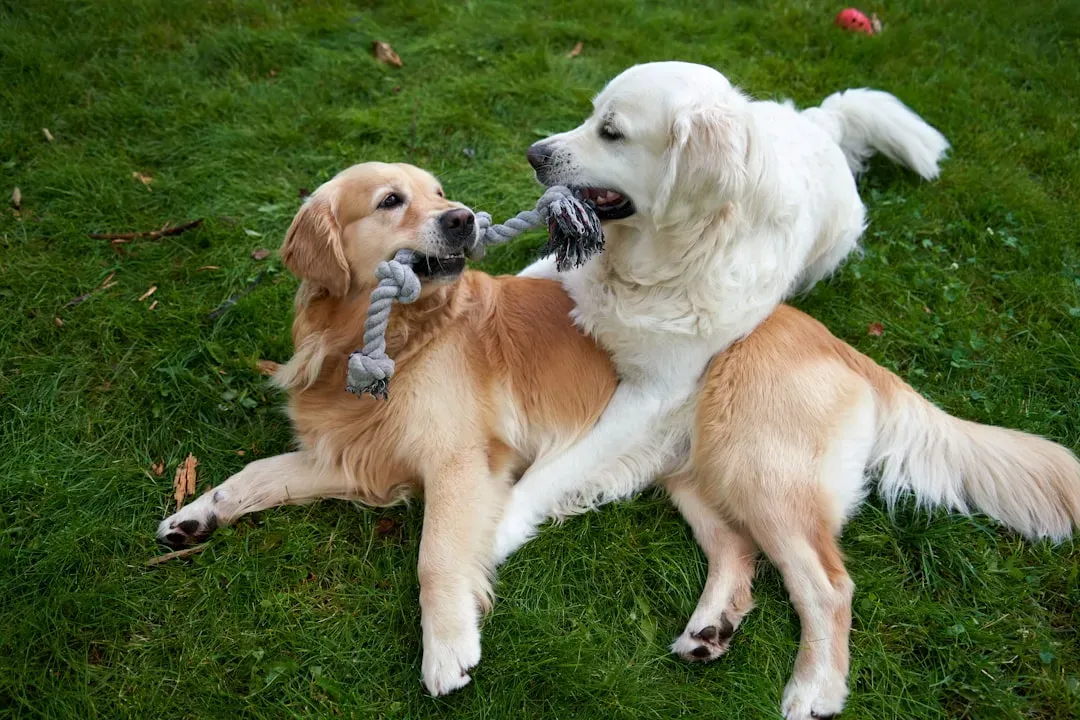
Consistent positive voicing builds a safe emotional haven. Mix volumes thoughtfully: soft for comfort, firm but kind for cues, avoiding extremes. Watch for health signs like chronic stress licking if tones skew negative.
Relatable scenario: busy mornings with rushed commands leave pups withdrawn. Shift to deliberate, loving talk, and energy rebounds. You’re their voice coach – small habits yield profoundly happy, balanced companions.
Your Voice: The Heartbeat of Their Happiness

Every word you share weaves into your dog’s emotional tapestry. Embrace this profound tool with intention, and watch anxiety fade, joy flourish.
What’s one tone tweak you’ll try today? Your pup’s wagging thanks await – go make some vocal magic happen.

- The Profound Impact Your Voice Has on Your Dog’s Emotional Well-being - August 4, 2026
- 12 Amazing Ways Dogs Sense Human Emotions Before We Do - August 4, 2026
- What It Means When Blue Jays Gather Without Making Any Calls - August 4, 2026