
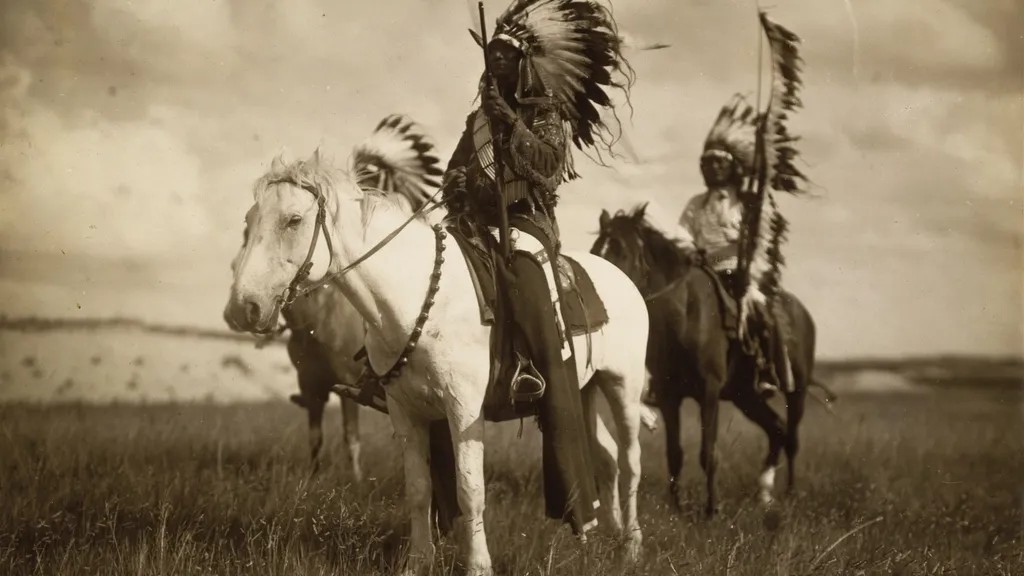
There is a presence that crosses the open grasslands of the American interior with a particular kind of power. It is not just the thunder of hooves or the silhouette of a rider against a late sky. It is the suggestion of something deeper, a bond between two living nations that reshaped a continent.
The Lakota name for the horse is Sun’ka Wakan, or “holy/mysterious dog,” and the Dakota and Lakota believe the horse came as a gift from the Wakíŋyaŋ, the Thunder Beings. In that tradition, horses are all members of the Horse Nation, which represents the West and a connection to the spirit world. Understanding that name is the beginning of understanding everything else.
The Return of the Four-Legged: How the Horse Came Back to Turtle Island
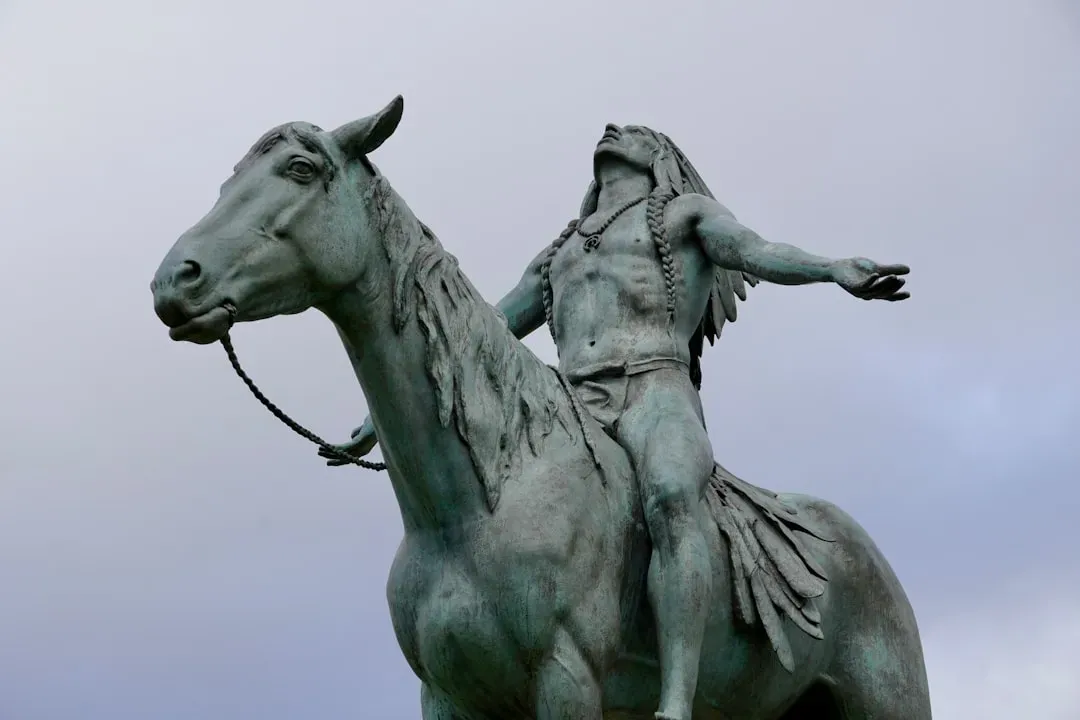
The story of horses in the Americas is one of deep antiquity, interrupted absence, and return. Ironically, in North America, where horses had gone extinct, archaeologists discovered fossils dating back tens of millions of years, forcing the conclusion that horses had evolved in North America, crossed over the land bridge to Asia where they thrived, but went extinct in North America as late as 11,000 years ago.
Horses hold a significant place in Native American culture, particularly following their introduction to the Americas in the late 15th century. Initially brought by Christopher Columbus and later spread by Spanish explorers, horses transformed the lives of many Indigenous tribes. By the early 1700s, horses had spread across the northern Plains, significantly impacting transportation, hunting, and social structures.
Native tribes would not fully claim horses as their own until the Pueblo Revolt of 1680, when the Spanish fled from what is now New Mexico, leaving about 1,500 horses behind. Within 20 years, nearly every Native tribe was mounted. From that point on, horses galloped their way into tribal culture, revolutionizing the way American Indians lived, notably on the Great Plains.
A Name Rooted in Wonder: The Meaning of Sun’ka Wakan
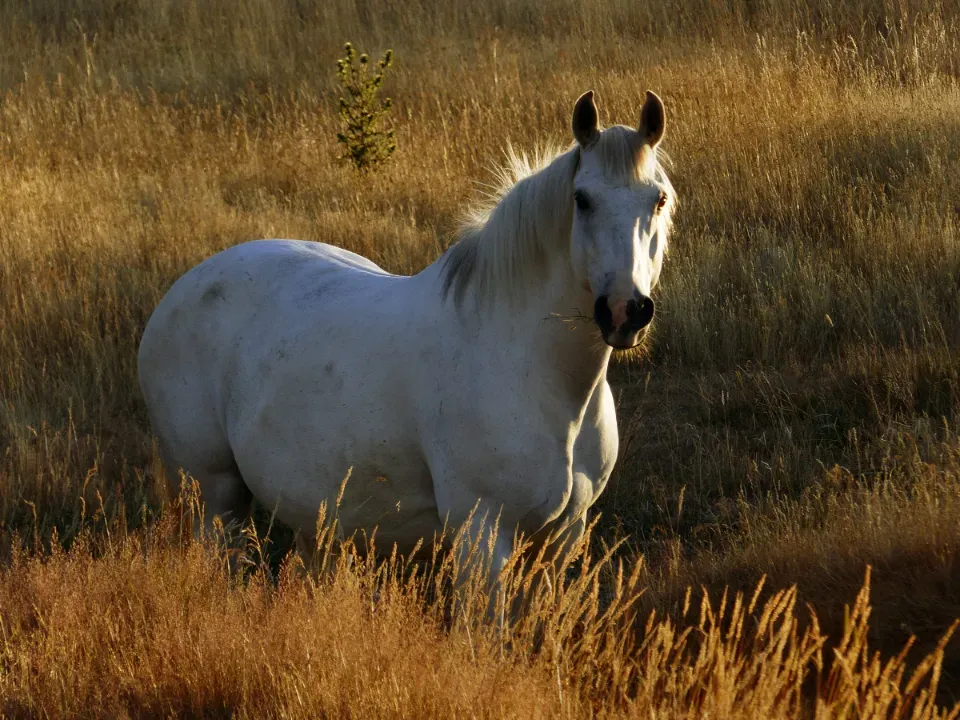
The Lakota called the horse shunka wakan, sometimes translated as “holy dog,” sometimes as “sacred dog.” The horse was called a dog because that was the only animal the Lakota could compare it to, since they had no prior horses to reference. The name itself tells a story of astonishment, of a people encountering something so extraordinary it defied existing language.
The Lakota language is rich in symbolism and metaphor. Every word carries weight and significance, reflecting their deep connection to the Earth and the spirits that inhabit it. The Lakota word for horse, Šúŋka Wakan, embodies their respect for the sacredness of life and their intimate connection to the natural world.
Different tribes gave the horse names tied to the dog, honoring its function as pack animal. The Assiniboine had names signifying “great dog,” the Blackfoot called it “elk dog,” the Gros Ventre called it “red dog,” and the Cree used the word for “big dog.” Across dozens of languages, the pattern was the same: awe, dressed up as familiarity.
Transformation of the Plains: Hunting, Trade, and a New Way of Life
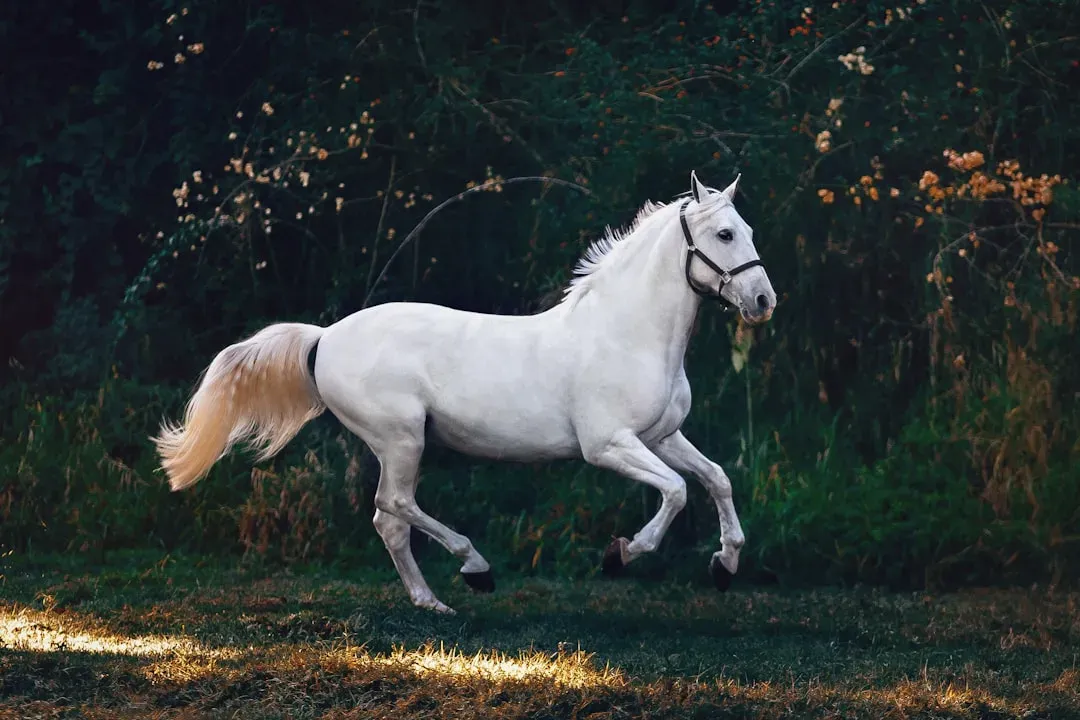
The arrival of horses transformed Native American life, especially among the Plains tribes stretching from the Rocky Mountains to the Missouri River. Horses became essential for hunting buffalo, traveling long distances, engaging in warfare, and trading.
The horse enabled the Plains Indians to gain their subsistence with relative ease from the seemingly limitless bison herds. Riders were able to travel faster and farther in search of bison herds and to transport more goods, making it possible to enjoy a richer material environment than their pedestrian ancestors. The ripple effects touched everything: diet, architecture, seasonal movement, and family structure.
Greater meat supplies raised many tribes above subsistence levels, providing time to pursue other activities. Individual horse ownership became an integral part of social transactions, and standards of wealth were measured in number of horses owned. A man of many horses was, in that world, a man of substance and standing.
Spiritual Bonds: The Horse as Sacred Relative and Ceremonial Presence
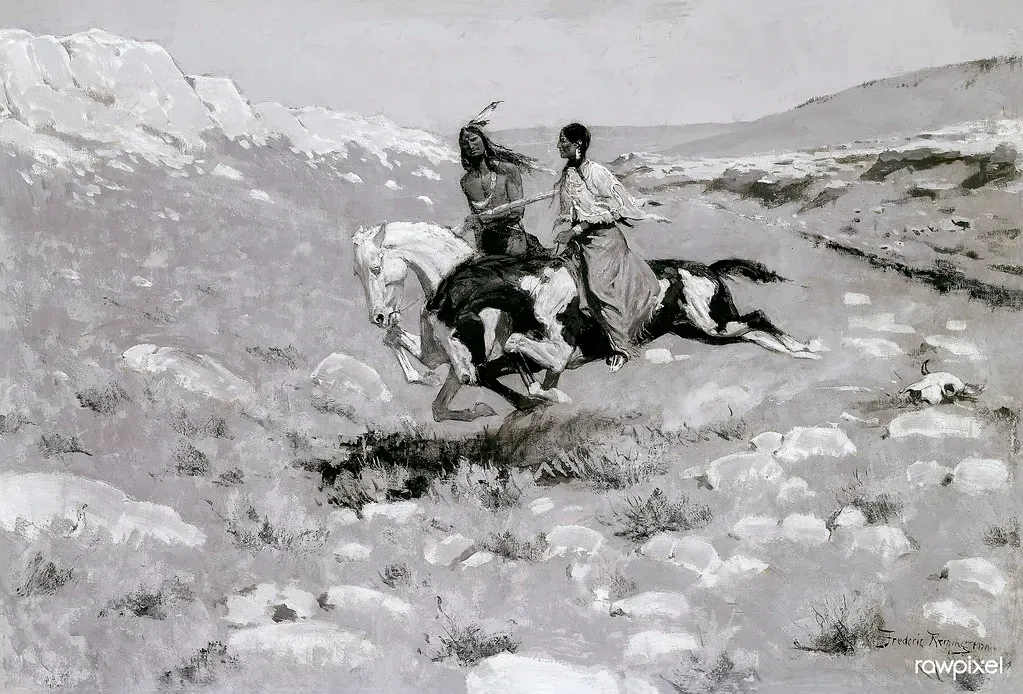
Native peoples forged spiritual relationships with the Horse Nation. Plains tribes embraced the horse as a brother in the spirit and a link to the supernatural realm, and incorporated the horse into ceremonies. As embodiments of beauty, energy, and healing power, images of horses on ceremonial objects represent this spiritual connection.
The Sun Dance ceremony is a prime example of the significance of horses in Lakota culture. This sacred ceremony, a time for prayer and sacrifice, involved the use of horses for transportation and the offering of horses as gifts to the Great Spirit. The horse was not a backdrop to ceremony. It was a participant.
Spiritual and religious customs incorporated the horse as powerful medicine, and members of horse cults believed they received their powers from horses. Horse visions are still reported by traditional believers who seek knowledge and strength through fasting. Though visions are intensely personal, some may be shared through song, performance, and art.
Masters of the Horse: Breeding Traditions and the Legacy of the Appaloosa
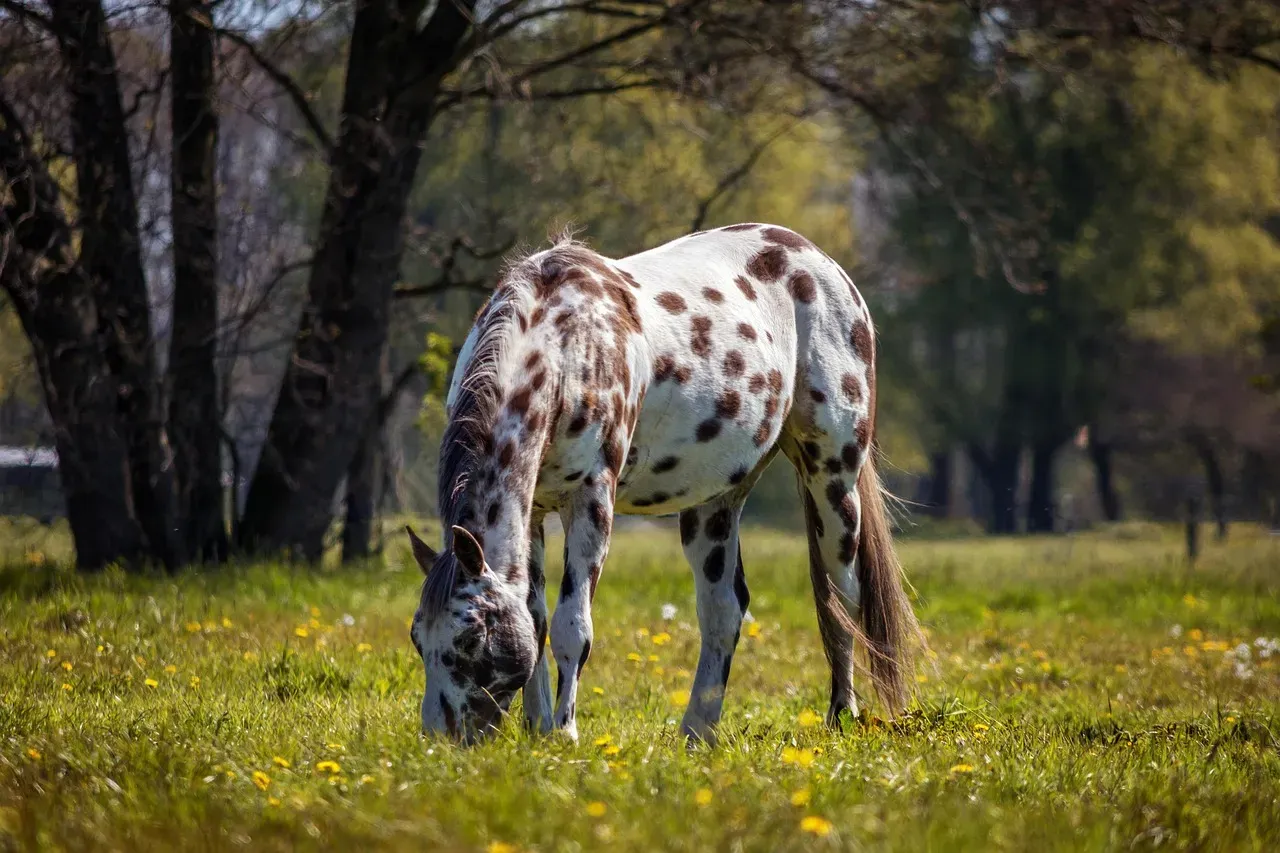
The Nez Perce were among the first Native American tribes to breed horses selectively, a practice that set them apart in the region. They aimed to produce horses that excelled in speed, endurance, and physical resilience. Their approach was not accidental or haphazard. It was disciplined, purposeful, and profound in its results.
The story of the Appaloosa horse is deeply intertwined with the history and culture of the Nez Perce tribe. The Nez Perce played a pivotal role in the development of the Appaloosa breed, known for its distinctive spotted coat, intelligence, and endurance. Most Native tribes valued unique coloring and coat patterns in horses, and many believed that spots held protection in battle and during horse raids and buffalo hunts.
One of the reasons Nez Perce warriors were so effective against the U.S. cavalry during the legendary Nez Perce War led by Chief Joseph was their distinctive horse, the Appaloosa, selectively bred for speed and endurance. When the war ended in defeat, the white army and settlers confiscated all the Nez Perce’s prized horses, and some that were lame or starving from the killing 1,500-mile trek through the roughest land on earth were shot. The loss cut as deeply as any wound.
Art, Adornment, and the Horse as Living Canvas
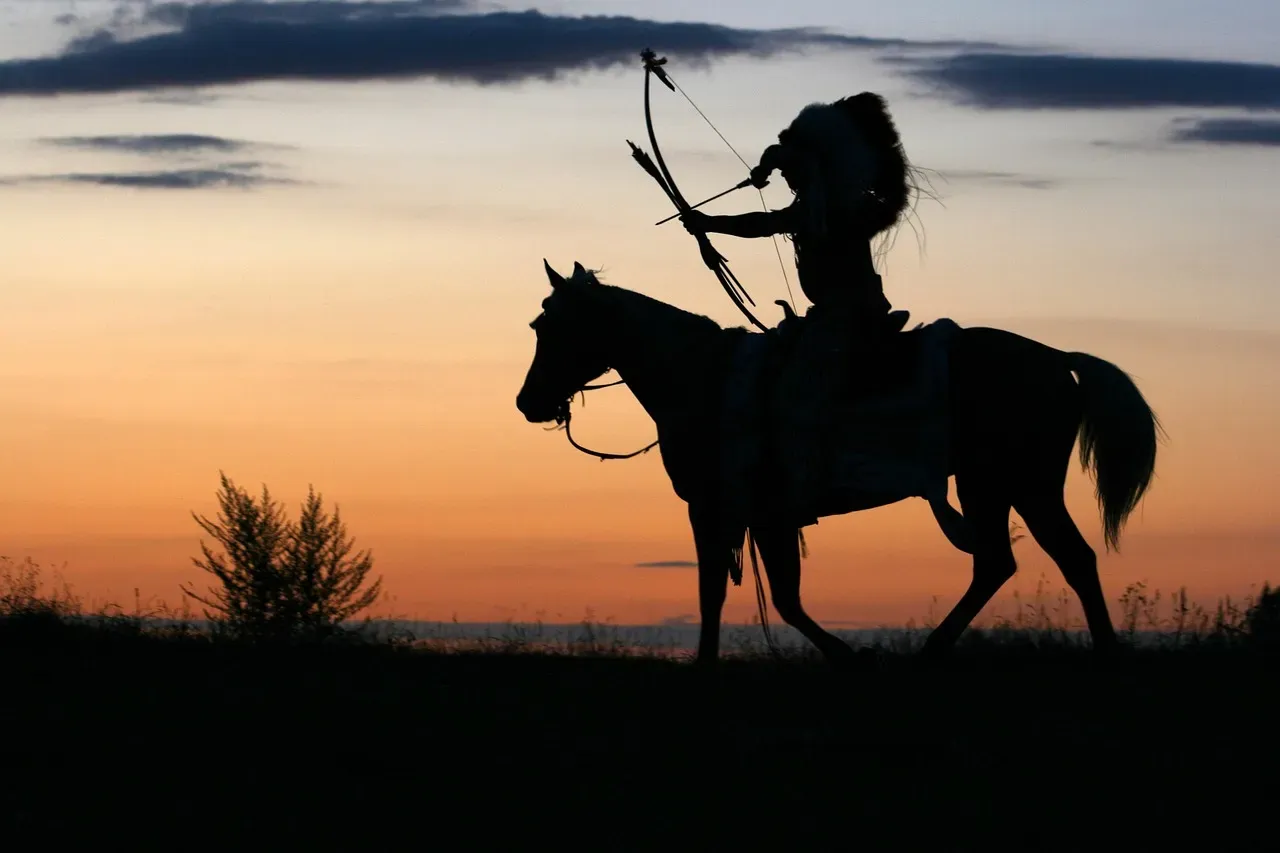
Native Americans expressed their respect and love for horses not only through actions but also through art and decoration. The gear horses wore, including saddles, blankets, and masks, reflected the tribe’s identity and honored each horse’s unique qualities.
Among the most striking equine adornments were horse masks, custom-fitted coverings made from hides or canvas, often decorated with powerful symbols such as horns representing strength and protection. While these masks were not used in battle due to their potential to obstruct a horse’s vision, they held ceremonial importance and were frequently worn during parades and spiritual gatherings. By the early 1900s, horse masks had evolved into richly beaded works of art, each bearing distinctive tribal patterns that identified not only the horse but also its rider and tribe.
The Lakota Tribe continues to honor this tradition, now using cloth or canvas blankets featuring two long strips of fabric, a design that mimics the contours and function of the original animal hides. These blankets, often adorned with beadwork and porcupine quill designs, preserve artistic practices that flourished in the early 20th century. Every stitch carried meaning. None of it was decoration for decoration’s sake.
Horses, History, and Shared Wounds: The Bond Tested by Colonization
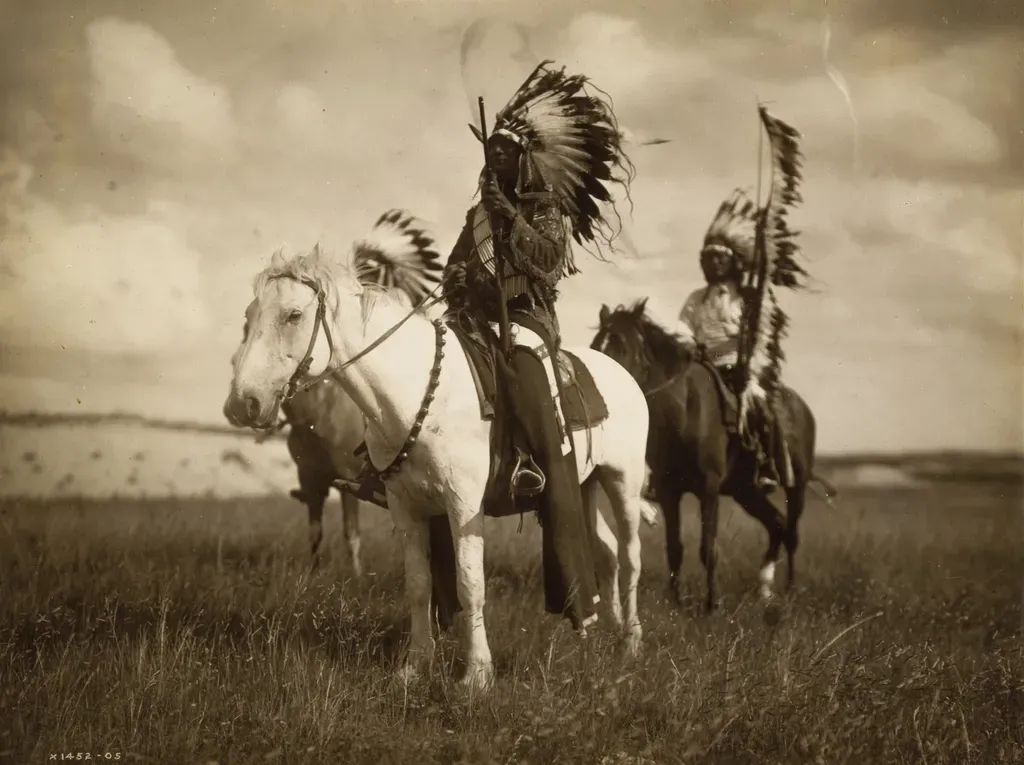
Horses and the Native people of North America are not just spiritually intertwined; their histories echo each other. After the conquistadors arrived, both were slaughtered, forced into subservience, and pushed onto inferior lands. Both have survived.
During the colonization of North America, Indigenous populations were violently removed from their ancestral lands. This act not only destroyed their traditional ways of life but also severed their connection to their culture, spirituality, and sources of sustenance, including their deep relationship with horses. The deliberate severing of that bond was, in many communities, understood as an act of erasure.
Equine-assisted services are a natural fit for Native American youth because the programs develop their relationship with horses, which is deeply embedded in their history, culture, and spirituality. By working with horses, Native American youth are reclaiming a part of their history that was deliberately taken from them. This act of re-establishing the bond is a powerful way to heal historical trauma and reconnect youth with their identity.
The Horse Nation Today: Healing, Revival, and Living Tradition
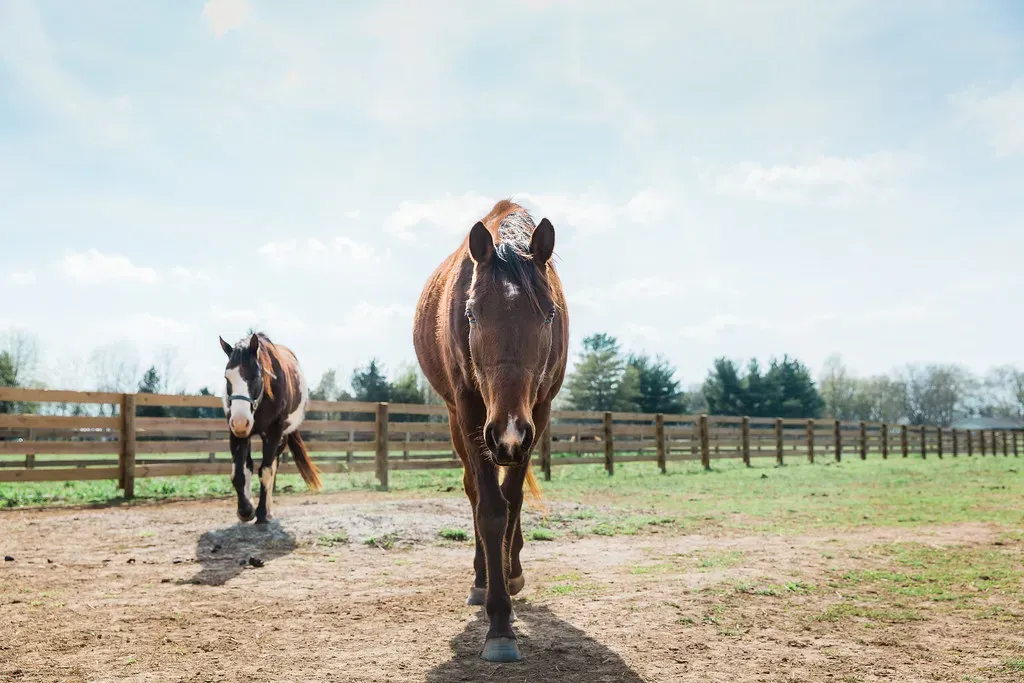
In many Native communities today, equine therapy serves as a powerful tool for helping people heal from trauma and develop emotional resilience. Horses, with their innate sensitivity to sound, scent, and body language, are uniquely attuned to human emotions, making them ideal partners in therapeutic settings.
In 1994, the Nez Perce tribe in Idaho started a horse breeding program with the idea of crossbreeding Appaloosa horses with a Central Asian breed called Akhal-Teke to produce a new breed: the Nez Perce Horse. It was an act of cultural recovery as much as it was an act of husbandry, a tribe reclaiming its voice through the animal that once defined it.
The goal of organized rides and cultural programs is to bring awareness and understanding, to heal, promote unity, and re-establish the historical connection among people and the Horse Nation. The most incredible effect and transformation, however, can be seen in the youth who participate. These young people experience significant change in their attitudes toward others, their culture, and their identity.
Conclusion: A Relationship That Still Gallops Forward
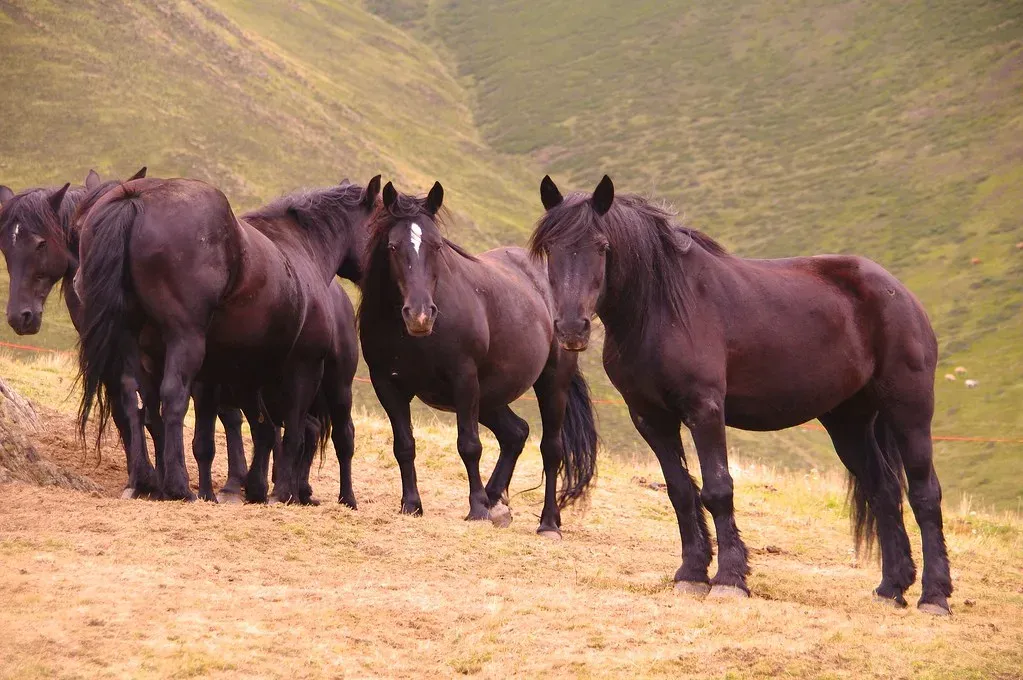
What the Horse Nation gave to the Native peoples of this land was never simply speed or muscle or practical utility. It was a deepening, a widening of what it meant to be human on this particular continent. The relationship between Native Americans and horses is built on trust, healing, and respect. From their return to North America centuries ago to their role in spiritual beliefs, art, and modern life, horses have shaped how Native peoples live, travel, and see the world.
The Horse Nation represents the West and a connection to the spirit world, and that connection has not faded. Across reservations and ceremonial grounds, in healing programs and breeding projects and winter rides across the frozen Plains, the bond endures. It has been tested by war, suppression, and the long weight of history.
It has not broken. Perhaps that is the most telling thing of all. The same quality that made the horse sacred to so many nations, that mysterious, mirroring steadfastness, turns out to be the quality of the relationship itself. It carries people forward. Still.

- 10 Most Horrifying Looking Creatures That Reside in The Deep - June 26, 2026
- What It Means When a Cat Waits For You By The Door - June 26, 2026
- 6 Tips For Volunteering, Adopting, and Caring For Rescue Dogs - June 26, 2026