
Recently, an elusive creature from the depths of the ocean, the ghost shark, was observed off the coast of California. This rare sighting has sparked interest and curiosity among marine biologists and enthusiasts alike, as ghost sharks are seldom seen due to their deep-sea habitat. These unique creatures, formally known as chimaeras, offer a tantalizing glimpse into the mysteries of the undersea world.
The Unusual Appearance of Ghost Sharks
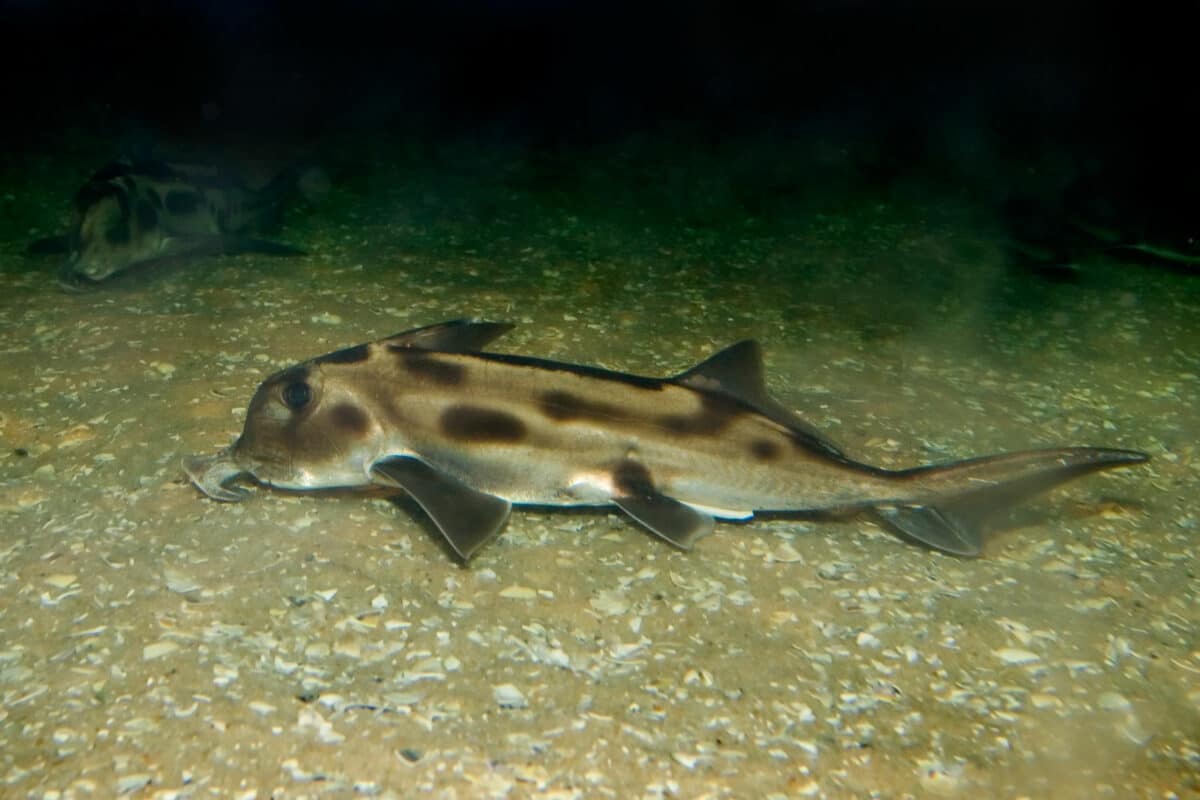
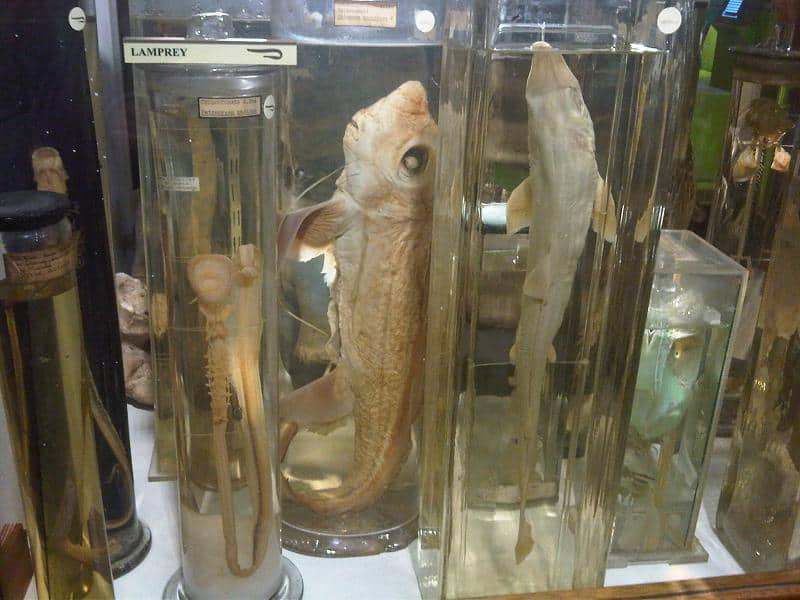
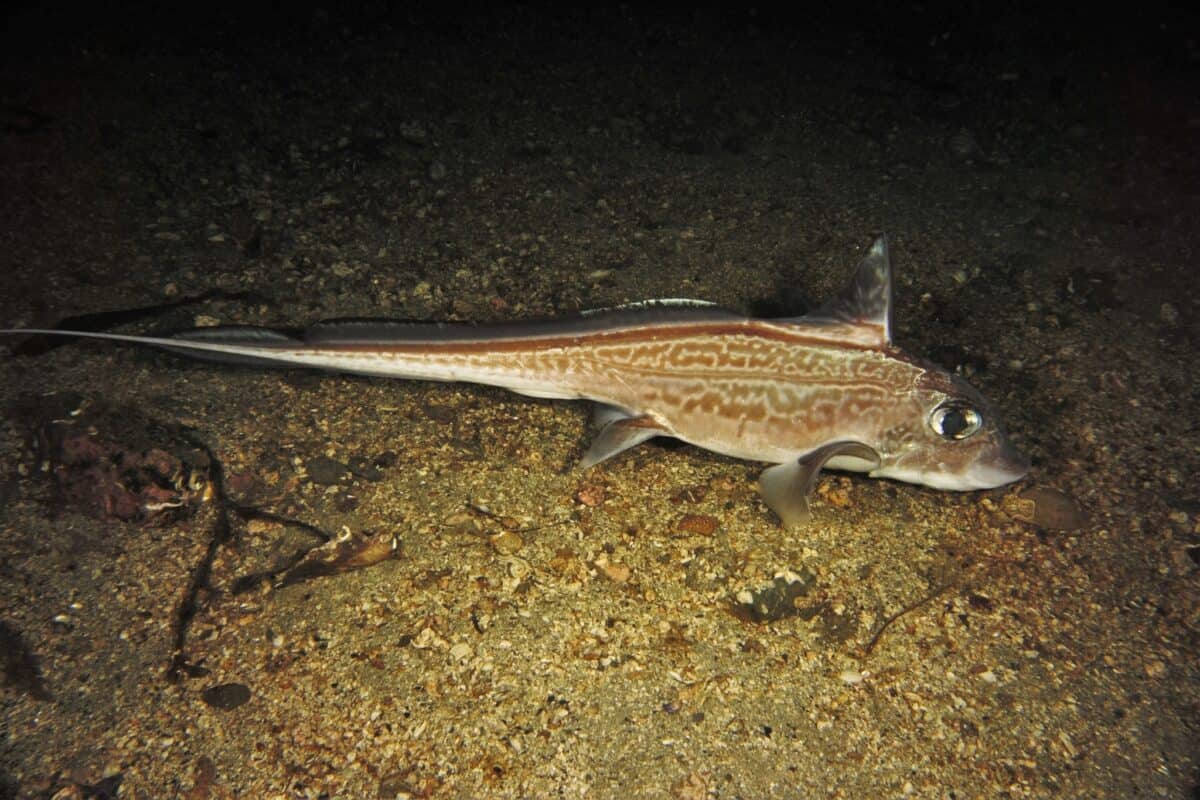
Ghost sharks are named for their pale, almost translucent skin, giving them an ethereal appearance that matches their spectral moniker. These cartilaginous fish have elongated bodies, large heads, and a long, slender tail that often trails behind them like a ribbon. Their unique physical traits, such as a retractable sexual appendage on their forehead, set them apart from other marine creatures.
Spotting in the Deep: The Setting of Their Habitat

Ghost sharks primarily inhabit deep-sea environments, often plunging to depths reaching 2,600 meters (approximately 8,530 feet) or more. The recent sighting off California’s coast occurred several hundred meters below the ocean’s surface, highlighting the challenges involved in studying these reclusive animals. The dimly lit underwater landscape they call home contributes to their ghostly reputation.
The Ghost Shark’s Lifestyle and Behavior
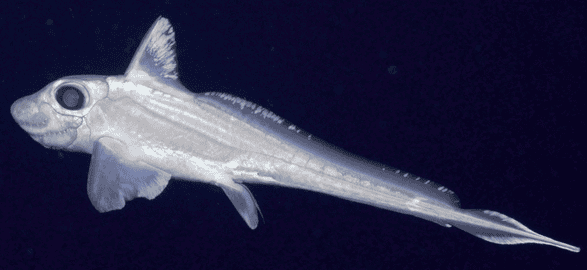
Much about the ghost shark’s lifestyle remains shrouded in mystery due to the limited number of studies conducted on them. Typically, they are slow-moving creatures that glide along the ocean floor in search of food. Their diet mainly consists of small fish and invertebrates, which they detect using special sensory organs on their snout to pick up electrical signals.
Unraveling the Ghost Shark’s Evolutionary History
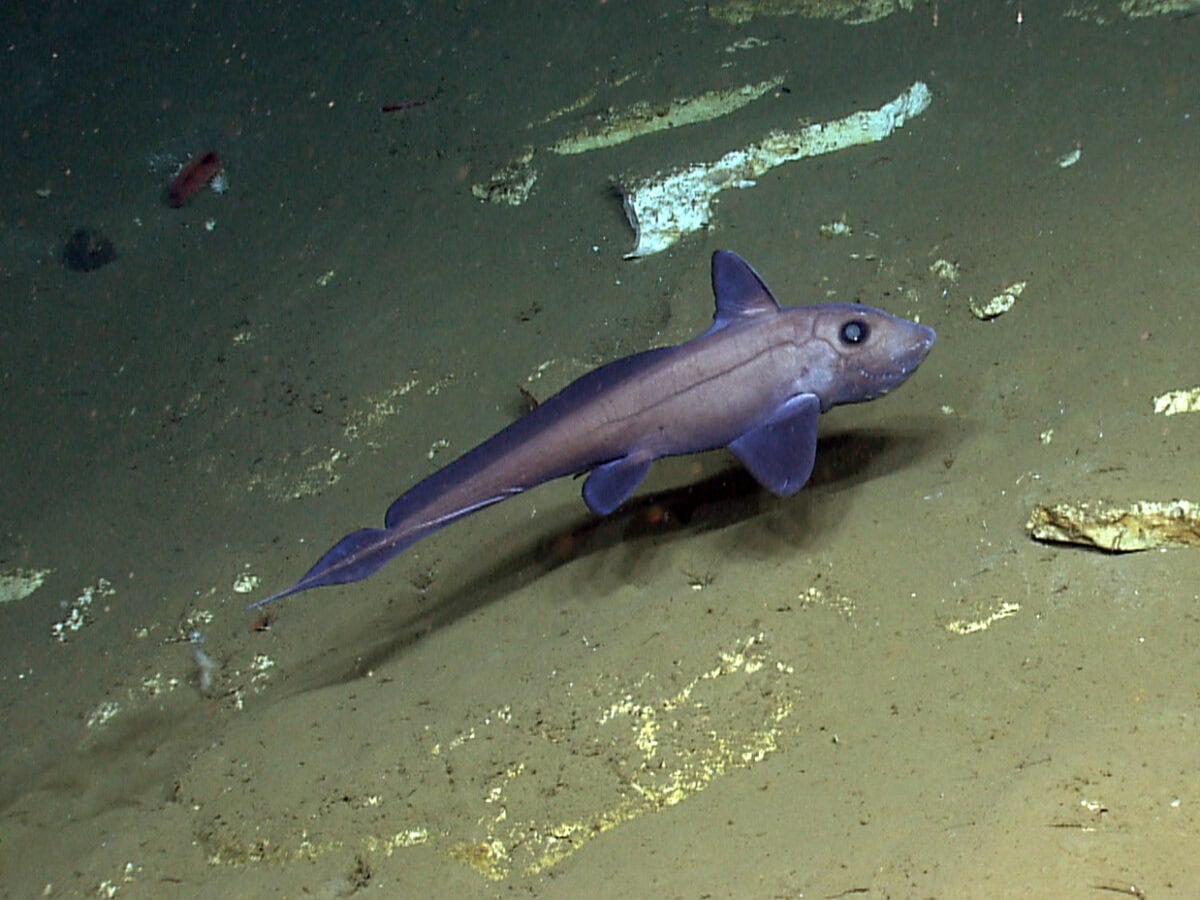
Ghost sharks belong to the order Chimaeriformes, and their lineage dates back hundreds of millions of years. They are considered to be one of the most ancient groups of fish, diverging from their closest relatives, the sharks and rays, around 400 million years ago. This ancient lineage makes them intriguing subjects for evolutionary studies, providing insights into the history of life under the sea.
A Peek into the Reproductive Habits
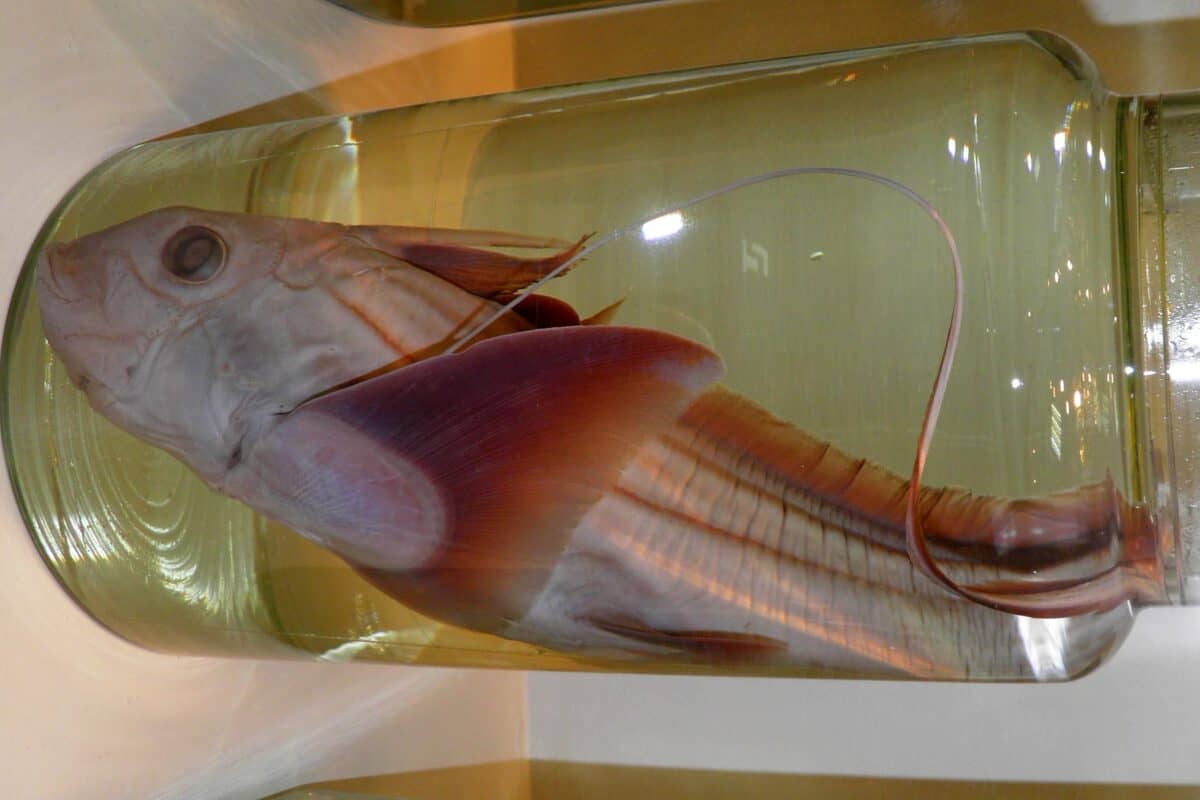
Unlike many fish species, ghost sharks have an unusual method of reproduction involving internal fertilization. Males possess a retractable appendage, known as the clasper, on their forehead, which they use to transfer sperm to the female. After fertilization, females lay eggs that are encased in leathery capsules, often referred to as “mermaid’s purses,” which are left on the sea floor to develop independently.
The Challenges of Studying Ghost Sharks

Research on ghost sharks is fraught with difficulties, primarily due to their deep-sea habitat. Collecting specimens and observing their behavior require advanced technology, such as remotely operated vehicles (ROVs) and submersibles, to reach their dark, high-pressure environment. This limits comprehensive understanding and draws researchers to seize any opportunity, like the recent sighting, to gather valuable data.
The Significance of the Recent Sighting

The unexpected sighting of the ghost shark off California’s coast provides a rare opportunity to study this mysterious marine species further. It also raises awareness about the rich biodiversity present in the deep ocean and the potential impact of human activities, such as deep-sea mining and climate change, on these enigmatic ecosystems.
Conservation Status and Efforts

The conservation status of ghost sharks is not well-documented, largely because of their elusive nature and deep-sea habitat. However, like many marine species, they could face threats from habitat loss, overfishing, and environmental changes. Conservation efforts could benefit from more focused research and awareness initiatives to protect these ancient creatures from the pressures of an ever-changing ocean.
The Ecological Role of Ghost Sharks
Ghost sharks play a crucial role in maintaining the balance of deep-sea ecosystems. As both predator and prey, they contribute to the ocean’s food web, impacting various marine species populations. Understanding their ecological role better can help scientists develop more comprehensive conservation strategies that protect not just ghost sharks but the overall health of deep-sea environments.
Fascination and Public Interest
Ghost sharks have piqued public imagination due to their otherworldly appearance and mysterious existence. Documentaries, scientific publications, and media coverage help to enhance understanding and appreciation of these fascinating creatures. The recent sighting serves as a captivating story that brings attention to the broader narrative of ocean conservation.
The Future of Ghost Shark Research

The rare glimpse of a ghost shark off the California coast underscores the need for continued research and exploration of the deep ocean. As technology advances, scientists hope to uncover more about these elusive creatures, shedding light on their behaviors, ecological importance, and the secrets of their long evolutionary history. This knowledge is pivotal in crafting strategies to protect deep-sea biodiversity on a global scale.
The recent sighting of the rare ghost shark near California’s coast rekindles the awe and mystery that surround the deep ocean. Through responsible research and passionate conservation efforts, humanity can ensure that these ghostly wanderers continue to haunt the depths for generations to come.

- How Squirrel Monkeys Use Teamwork to Avoid Predators - June 22, 2026
- Why Sandbar Sharks Thrive Along the U.S. Atlantic Coast - June 22, 2026
- What Kind of Lemur Is King Julien from Madagascar? - June 22, 2026