

Some days, it feels like the world is just… a lot. Deadlines, news headlines, unexpected losses, and quiet worries we never say out loud. In the middle of all that, animals keep doing something quietly extraordinary: they fall, they get hurt, they lose, and then they somehow get up and try again. No pep talks, no self-help books, no “five-step plans” – just a raw, stubborn will to live.
I still remember watching an injured pigeon in a busy city square, one wing slightly crooked, landing clumsily again and again until it finally found a way to move that worked. Nobody applauded. Most people didn’t even look. But that little bird kept going as if giving up was never even an option. Moments like that stick with you. They whisper a simple message: if they can keep going through all that, maybe we can, too.
The Quiet Power of Animal Resilience
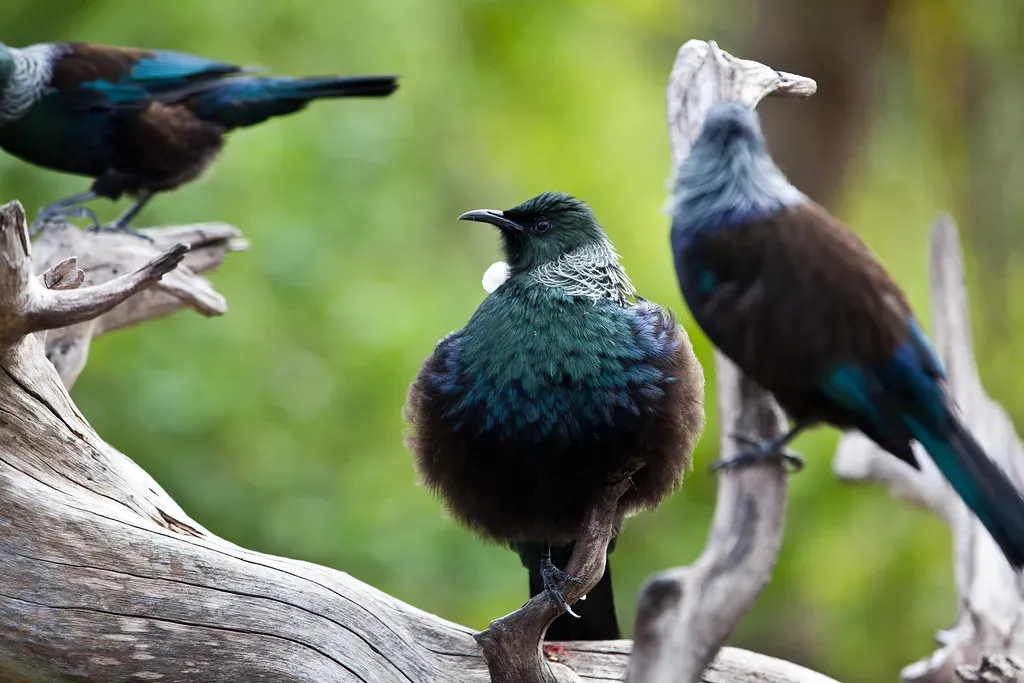
One of the most striking things about animals is how they face hardship without drama. A dog loses a leg and, after recovery, just learns to run differently. A bird with damaged feathers still tries to fly, adjusting its rhythm in ways scientists are still trying to fully understand. There’s no self-pity in their eyes, just a kind of calm determination that feels almost sacred.
Researchers studying animal behavior have seen this again and again: from mammals to birds to even some reptiles, animals adapt to injuries, changing environments, and disruptions with surprising flexibility. They may struggle at first, but many eventually carve out a new normal. Watching that can shift something inside us. It reminds us that resilience isn’t about never getting hurt; it’s about learning how to live honestly with what has happened and still move forward.
Stories of Survival That Redefine “Giving Up”
Across the animal kingdom, survival stories can be almost unbelievable, yet they’re real. Sea turtles travel thousands of miles through oceans full of predators and plastic, and still, year after year, many females return to the same beaches where they hatched to lay eggs. Some frogs in cold regions literally freeze solid in winter, their hearts stopping, then thaw out in spring and hop away as if that near-death magic trick was no big deal.
Wildfires, storms, and habitat loss force animals to flee, hide, or rebuild from almost nothing. After massive fires, scientists have documented birds returning to charred forests, slowly reclaiming branches and nesting among blackened trunks. These survival stories are not just feel-good tales; they’re living proof that life keeps reaching forward, even when the landscape has been completely rearranged. When we see that, our own problems start to look less like dead-ends and more like painful, temporary detours.
Adaptation: How Animals Turn Setbacks Into New Strategies
Resilience in animals often shows up as adaptation – not just bouncing back, but changing form, behavior, or strategy to fit new realities. Urban foxes, for example, have learned to navigate traffic, use human-made structures as shelter, and shift their feeding times to avoid people. City-dwelling birds sing at higher pitches so their calls can be heard over traffic noise. They don’t complain about the noise; they just rewrite the song.
On a bigger scale, animals evolve over generations to handle new pressures: thicker fur in colder climates, different feeding habits when a key food source disappears, altered migration routes when old paths become too dangerous. It’s like watching a species-level version of “OK, that door is closed – where’s the next one?” For us, that’s a powerful reminder that resilience isn’t simply holding on harder; sometimes it’s having the courage to become someone slightly different than we were before.
Emotional Lives: Animals Feel More Than We Used To Think
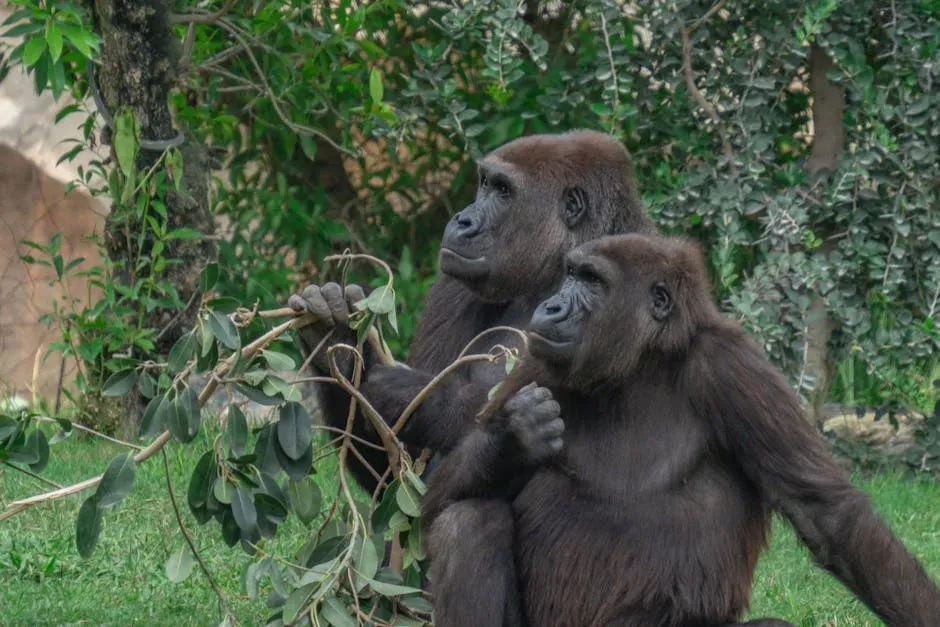
For a long time, people dismissed the idea that animals really felt complex emotions. Today, research is painting a much richer picture. Elephants have been observed staying close to dying or deceased companions. Dogs often show signs that look a lot like grief when they lose a human or animal friend. Even some birds form tight pair bonds and show distress when a partner is gone. These responses suggest that many animals don’t just survive physically; they carry emotional wounds and still find ways to keep going.
To me, that might be the most moving part of their resilience: they don’t forget, but they still move. A dog who has been mistreated can, over time and with patience, learn to trust again. A rescued farm animal may be skittish at first, then slowly soften into a creature that leans into human touch. This mirrors what trauma therapists already know about people – that healing is possible, but it often happens in tiny, cautious steps. Seeing it in animals makes that truth feel less theoretical and more alive.
How Animals Help Humans Heal: Therapy, Comfort, and Calm

It’s not just that we watch animals and feel inspired; sometimes they directly pull us through our darkest seasons. Therapy dogs visit hospitals, schools, and disaster areas, helping lower stress and anxiety. People struggling with depression, PTSD, or chronic illness often report that caring for a pet gives them a reason to get out of bed, to move, to talk, to feel needed. It’s not magic – it’s connection, routine, and unconditional acceptance wrapped in fur or feathers.
Horses are used in equine-assisted therapy to help people work through emotional challenges, from addiction to deep grief. Simply grooming, walking, or riding a horse can help build confidence, patience, and self-awareness. Animal-assisted programs have been shown to lower blood pressure and ease loneliness, especially in older adults. In a world that can feel brutally fast and digital, the steady rhythm of a breathing animal beside you, the weight of a head on your knee, can be a powerful reminder that you are here, you matter, and you’re not alone.
Lessons in Living the Present, Not the Past

Spend a little time with animals and you’ll notice something: they are almost always fully in the moment. A cat that was scared an hour ago is now happily chasing a dust particle in a beam of light. A dog who limped yesterday is now enthusiastically trying to play fetch, even if its movements are a bit awkward. They don’t seem to replay old scenes on loop the way humans do; they focus on what’s in front of them right now.
That doesn’t mean animals don’t remember; many clearly do, especially when it comes to danger and safety. But they show us a different way of holding memories – not as chains that freeze them in place, but as quiet background information while they keep experiencing life. Watching that has helped me personally cut through mental noise more than once. When I catch myself rehearsing old failures, I think of how a dog reacts when you pick up a leash: no matter what happened yesterday, the tail still wags for the possibility of today’s walk.
Community and Cooperation in the Wild
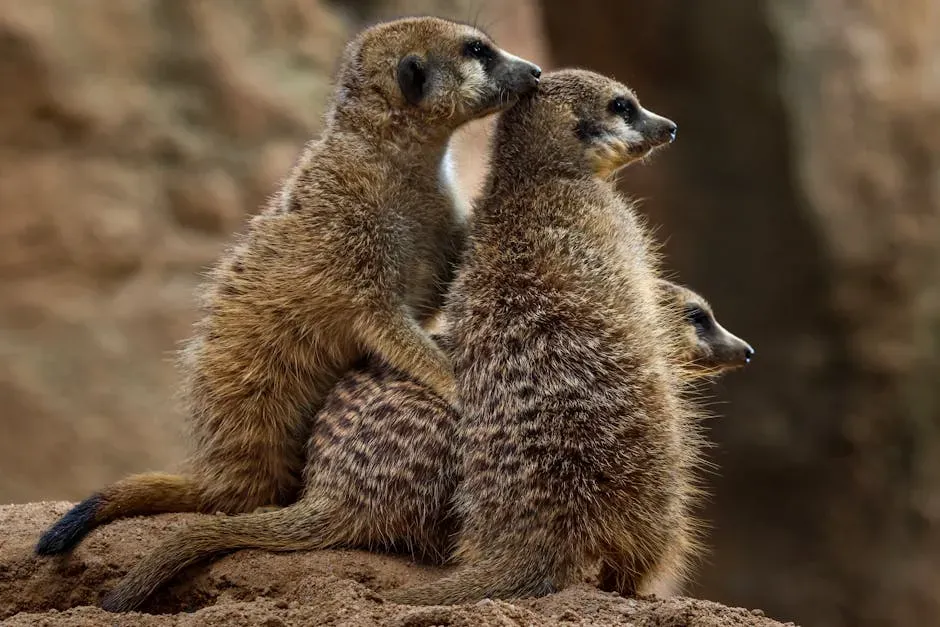
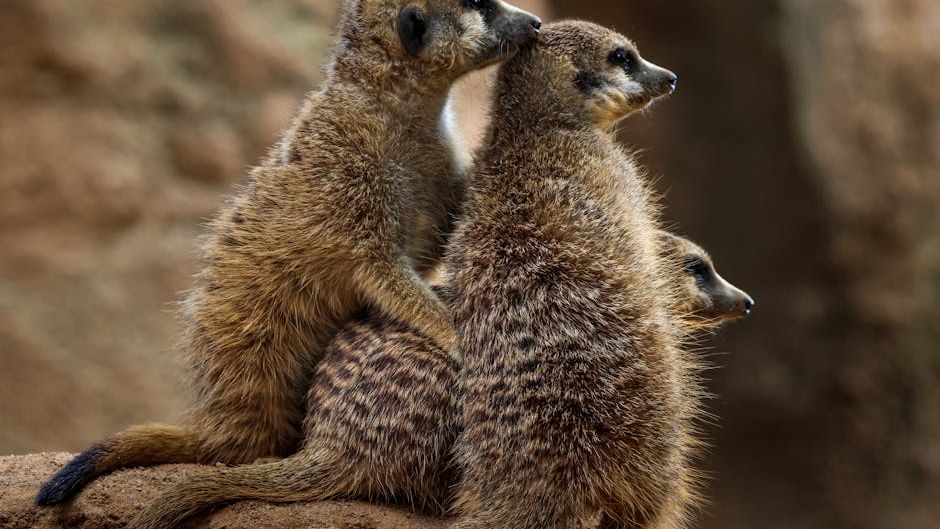
Resilience is often pictured as a lone hero pushing through hardship, but animals keep proving that survival is frequently a team sport. Wolves hunt in packs, coordinating roles. Meerkats take turns watching for predators while others forage. Even fish sometimes form tight schools as a defense, moving like a single shimmering body. These behaviors show that leaning on others is not weakness; it’s one of nature’s most successful survival strategies.
We see similar patterns in more familiar settings too: bees in a hive, ants building intricate colonies, dolphins hunting cooperatively. When one member is injured or vulnerable, others sometimes adjust their behavior to help. The message for us is almost uncomfortably clear. Trying to face every life challenge alone goes against how life itself is wired to endure. Community – whether that’s family, friends, support groups, or coworkers – is not a luxury. It’s one of the oldest resilience tools on the planet.
My Own Small Lesson From a Broken-Winged Bird
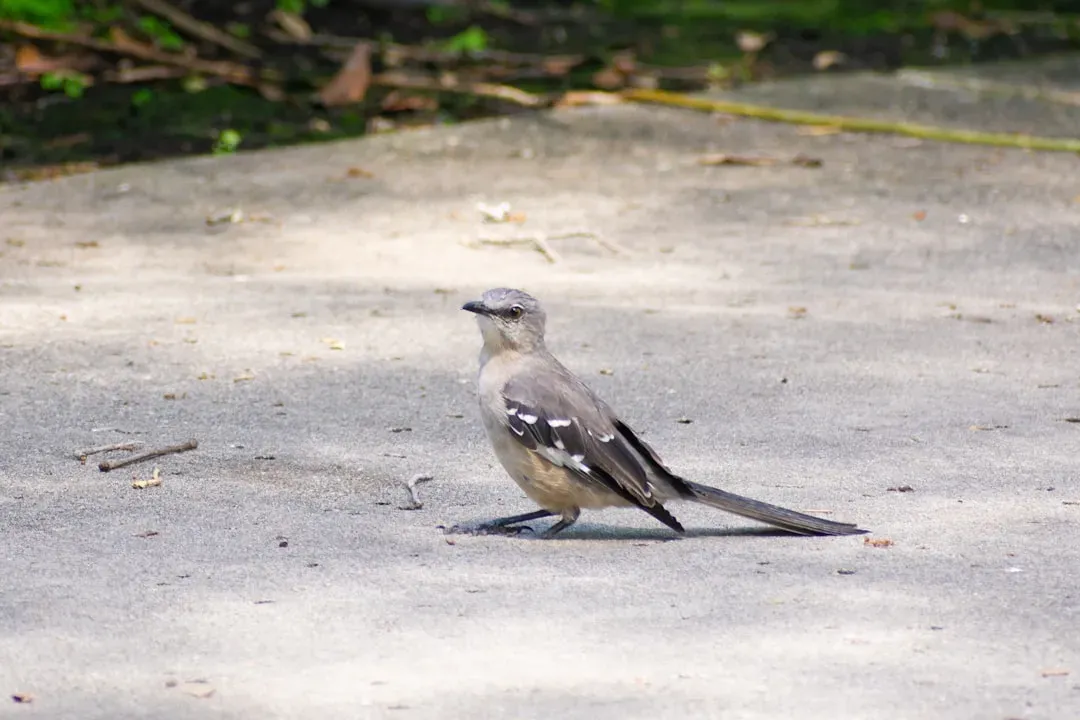
A few years ago, I found a small bird on the sidewalk, one wing obviously injured. I did what the standard advice suggests: contacted a local wildlife rehab center and brought the bird in carefully. I half expected it to just give up on the ride there, but it didn’t. It shifted, tried to stand, tried to balance. It was clearly in pain, but it still instinctively leaned toward life, not away from it. That image stuck with me more than any motivational speech I’ve ever heard.
I’ve thought about that bird during moments when my own life has gone sideways – the health scare, the job that disappeared overnight, the relationship that simply unraveled. That bird didn’t know if things would get better. It didn’t have a promise or a plan. It only had a reflex to keep trying as long as it was breathing. I’m not saying that makes everything easy, but it lowered the bar in a strangely comforting way: we don’t need to be endlessly optimistic; we just need to keep leaning a little bit toward life.
Turning Inspiration Into Action in Our Own Lives
It’s one thing to be moved by the resilience of animals; it’s another to actually do something with that feeling. We can start small, the way animals do: one step, one adjustment, one changed habit. Maybe it’s reaching out to someone instead of isolating when things are hard. Maybe it’s trying physical therapy again after an injury, even if last time was discouraging. Maybe it’s just getting out of bed, feeding yourself, and calling that a win for today – something many pet owners understand deeply when their animals are sick or aging.
We can also repay the inspiration animals give us by making their lives easier where we can: supporting shelters, protecting habitats, driving a bit more carefully in wildlife areas, or simply treating the animals around us with more patience and care. In that sense, resilience becomes a two-way street. Their persistence helps us keep going, and our choices can give them a better chance to keep going too. Isn’t that a surprisingly beautiful kind of partnership?
Conclusion: The Wild, Steady Heart That Lives in All of Us
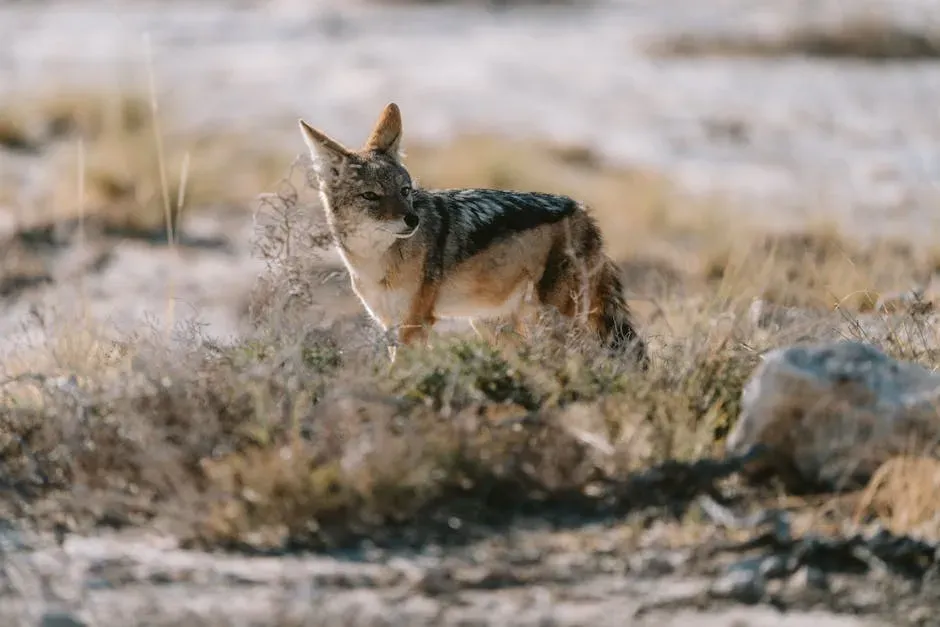
When we really pay attention, the animal world tells one story again and again: life is fragile, but also incredibly stubborn. Bodies break, environments change, losses happen – yet the urge to heal, to adapt, to keep trying shows up in everything from stray cats to migrating birds. That same drive is in us, even when we feel like it’s gone. Sometimes it’s quiet, buried under fear or exhaustion, but it’s there, waiting for a tiny opening.
Maybe that’s the real gift animals offer us: not a fantasy that everything will work out perfectly, but a grounded, honest reminder that we can keep going even when it doesn’t. We can limp and still move. We can grieve and still love again. We can be scared and still take the next small step. The resilient spirit of animals is not some distant, poetic idea; it’s a mirror of what we’re capable of, too. The only real question is: when life knocks you sideways next time, which animal’s quiet courage will you choose to remember?
