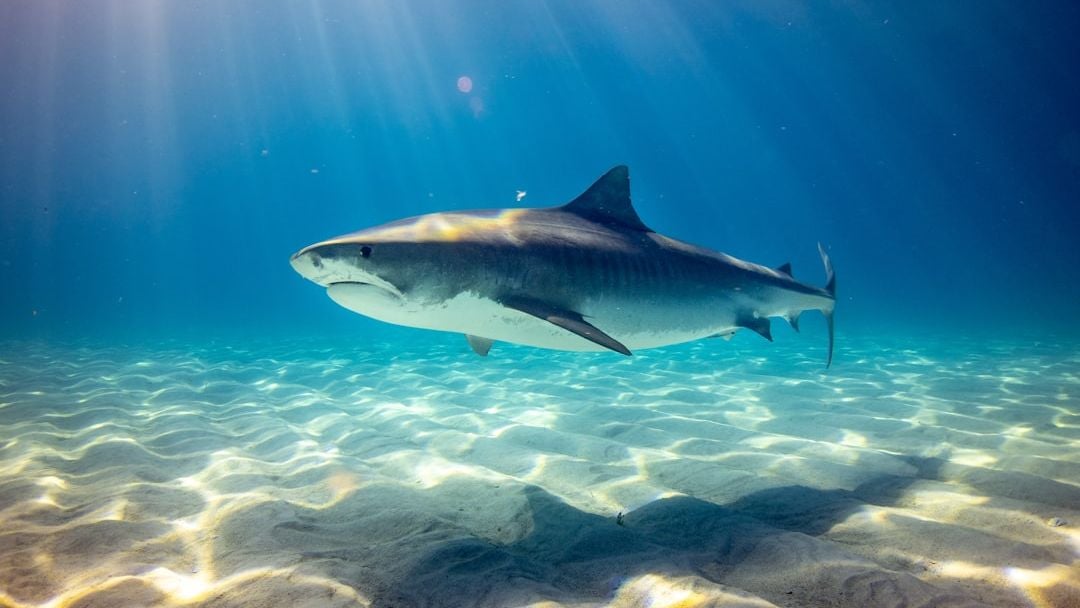
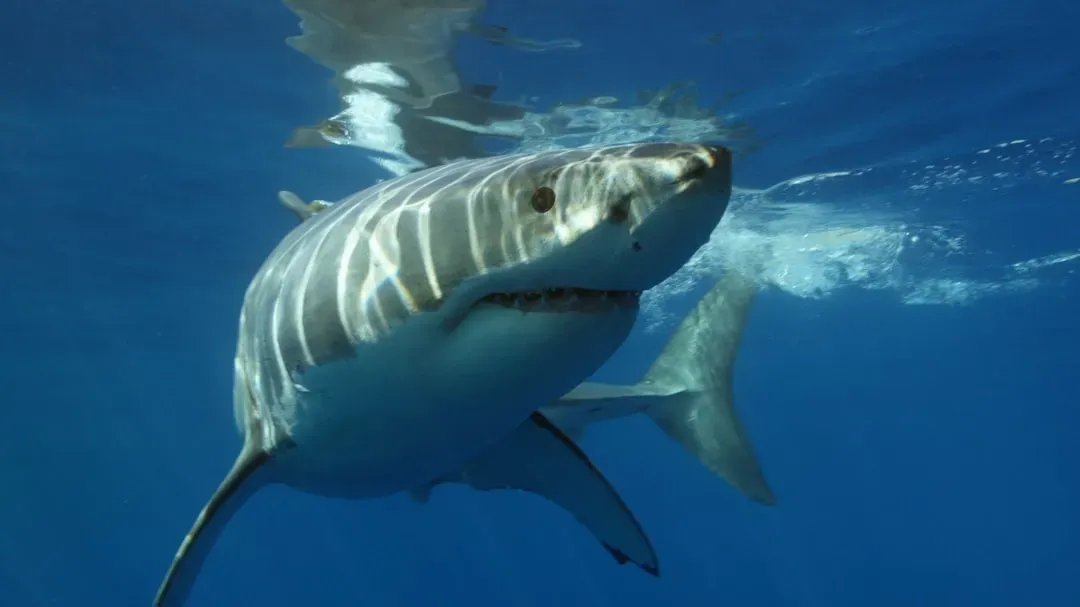
The Return of Great White Sharks to Cape Cod — What Scientists Are Discovering About Their Comeback-feature image/Unsplash
In recent years, Cape Cod has witnessed a remarkable resurgence of great white sharks, transforming the region into one of the world’s most significant hotspots for these apex predators. This resurgence has sparked both fascination and concern among scientists, residents, and visitors alike. Understanding the factors behind this comeback and its implications is crucial for fostering a harmonious coexistence between humans and sharks.
The Seal Connection: A Bountiful Buffet
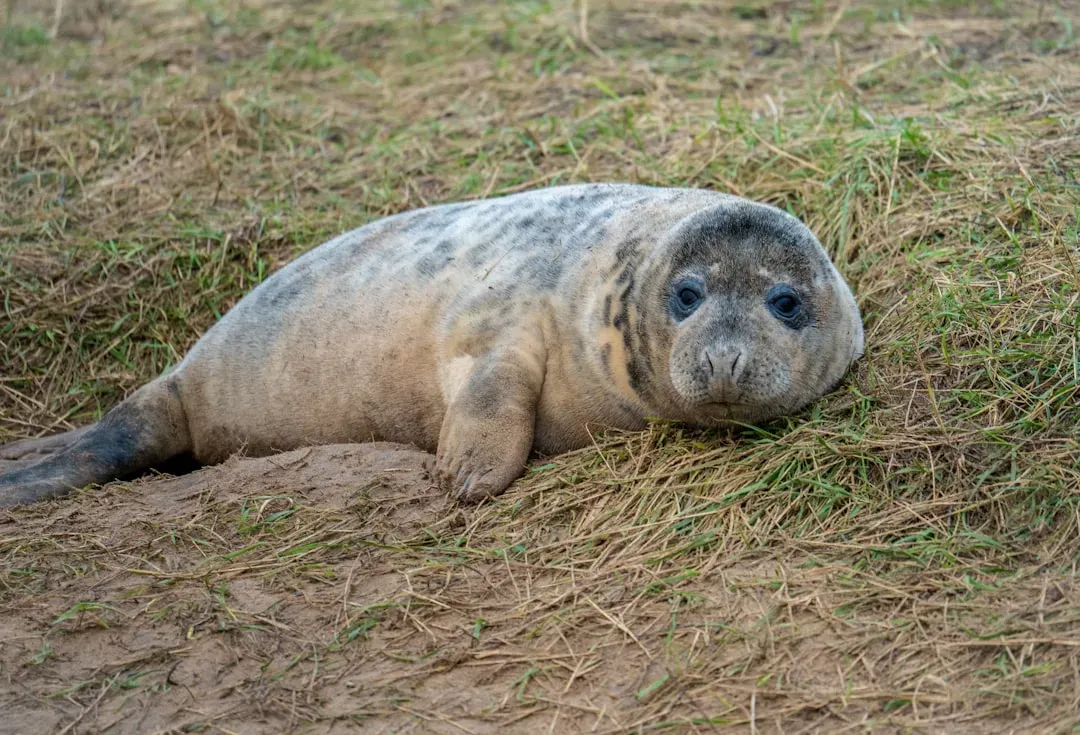
The Seal Connection: A Bountiful Buffet (Image Credits: Unsplash)
The dramatic increase in Cape Cod’s great white shark population is closely linked to the recovery of the gray seal population. Once hunted to near extinction, gray seals have rebounded significantly since the Marine Mammal Protection Act of 1972. By the early 1990s, these seals began establishing pupping colonies on the Cape, providing an abundant food source for great whites. This resurgence has effectively turned Cape Cod into a prime hunting ground for these sharks.
The presence of thousands of seals along the coastline has created a natural lure for great whites, drawing them closer to shorelines frequented by humans. This proximity has heightened the need for public awareness and safety measures to prevent potential shark-human encounters.
Scientific Breakthroughs: Tracking the Predators
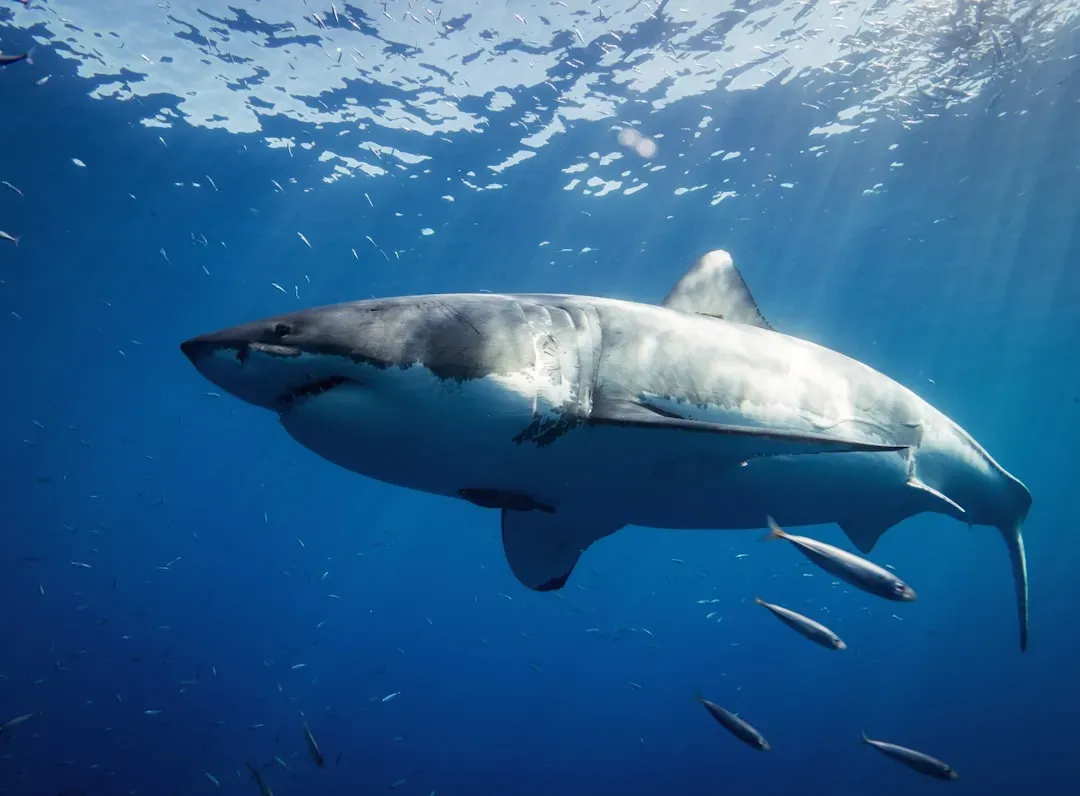
Scientific Breakthroughs: Tracking the Predators (Image Credits: Unsplash)
Advancements in research methodologies have enabled scientists to monitor and study great white sharks with unprecedented precision. Between 2015 and 2018, researchers identified approximately 800 individual great whites in Cape Cod waters, marking the first estimate of white shark abundance in the North Atlantic. This was achieved through a combination of aerial surveys, underwater videography, and acoustic tagging, providing valuable insights into shark behavior and movement patterns.
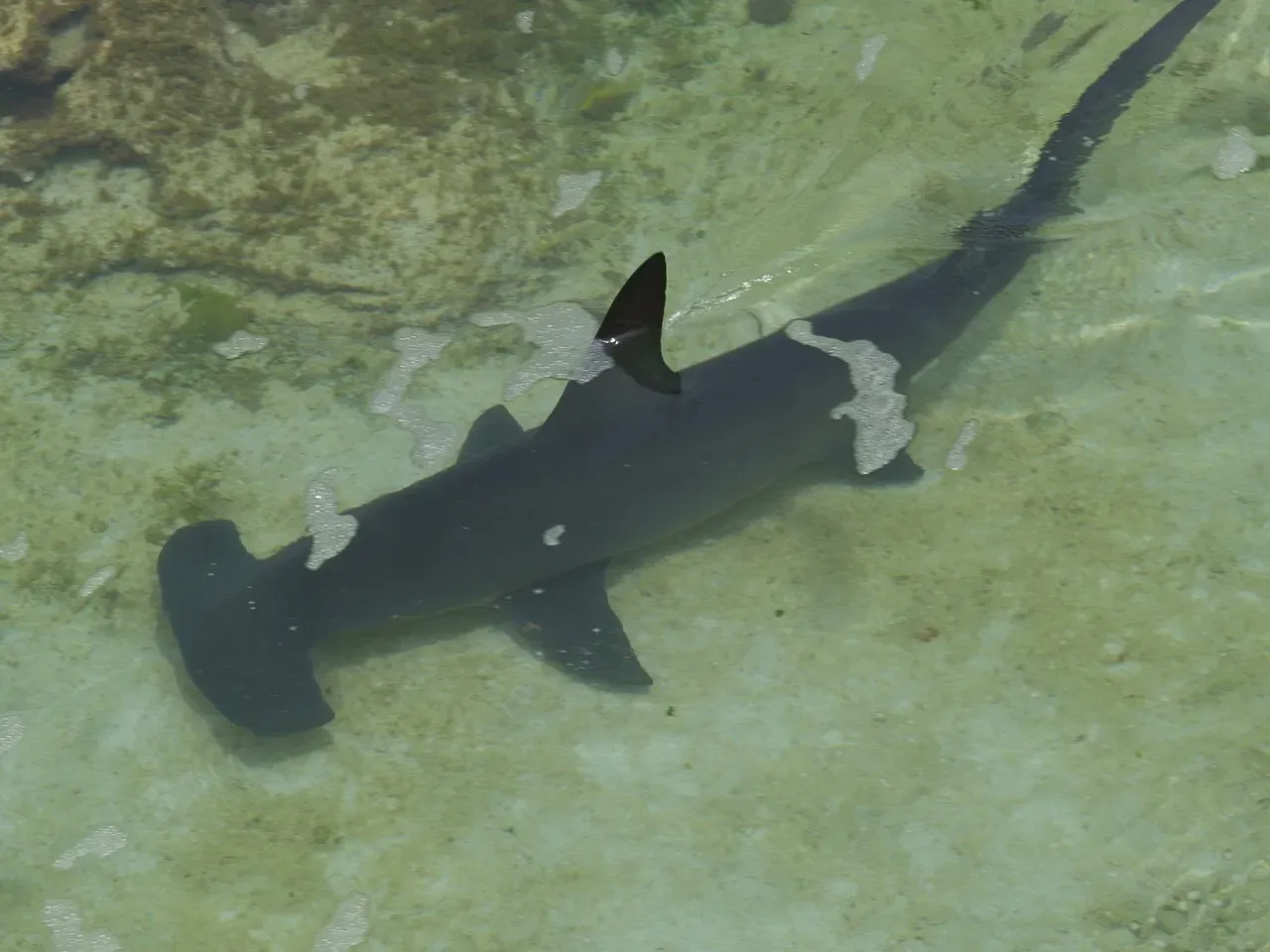
These studies revealed that great whites spend a significant portion of their time in shallow waters, often less than 15 feet deep. This behavior underscores the importance of public education and safety initiatives, as it brings sharks into closer proximity with beachgoers.
Public Safety Measures: Balancing Caution and Conservation
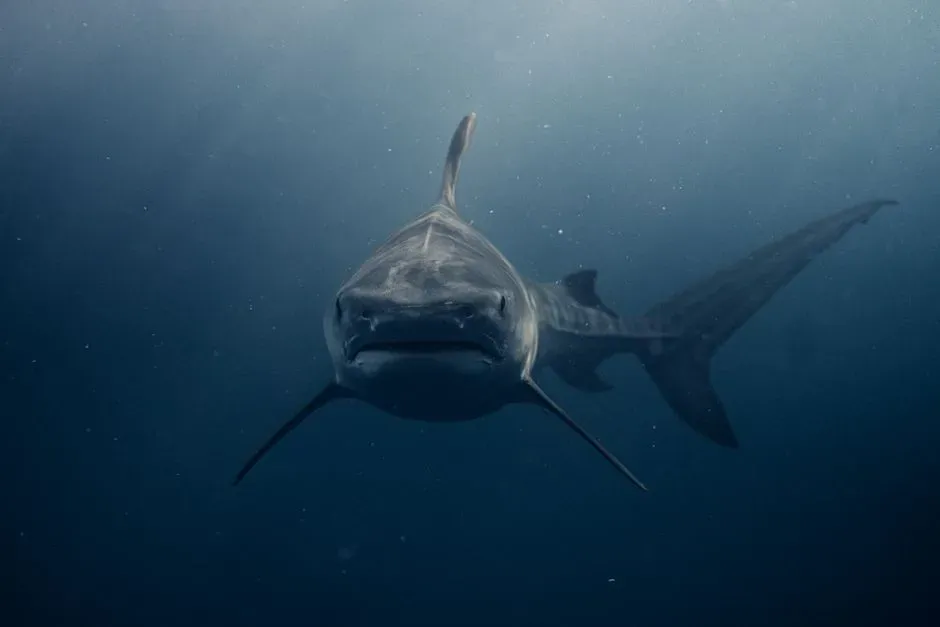
Public Safety Measures: Balancing Caution and Conservation (Image Credits: Pexels)
The increase in great white shark sightings has prompted Cape Cod communities to implement comprehensive safety measures. These include enhanced beach signage, flag warning systems, and public education campaigns to inform residents and visitors about shark activity. Additionally, the development of mobile applications like Sharktivity allows users to receive real-time alerts about shark sightings, promoting informed decision-making for beachgoers.
While the risk of shark attacks remains low, these proactive measures aim to minimize potential encounters and ensure public safety without compromising shark conservation efforts. The challenge lies in maintaining this delicate balance, fostering an environment where both humans and sharks can coexist peacefully.
Economic Ripple Effects: Tourism and Local Businesses
Economic Ripple Effects: Tourism and Local Businesses (Image Credits: Unsplash)
The presence of great white sharks has had a multifaceted impact on Cape Cod’s economy. On one hand, the allure of observing these majestic creatures has spurred a surge in ecotourism. Shark-related tours and educational programs have attracted visitors eager to learn about and witness great whites in their natural habitat, providing a boost to local businesses.
Conversely, some beachgoers may be deterred by the increased shark activity, potentially affecting traditional beach tourism. Local authorities and businesses are working collaboratively to address these concerns, emphasizing safety measures and educational initiatives to reassure the public and maintain Cape Cod’s reputation as a premier vacation destination.
Conservation Success Story: A Delicate Balance
Conservation Success Story: A Delicate Balance (Image Credits: Pexels)
The resurgence of great white sharks in Cape Cod is a testament to successful conservation efforts. Protective legislation for both sharks and seals has allowed these species to recover, restoring a vital component of the marine ecosystem. This recovery highlights the importance of continued conservation initiatives and the need for ongoing research to monitor and support these populations.
However, this success also brings challenges, particularly in managing human-wildlife interactions. It underscores the necessity for adaptive management strategies that consider both ecological health and public safety, ensuring that conservation achievements do not inadvertently lead to increased risks for coastal communities.
Future Research Directions: Unraveling the Mysteries
Future Research Directions: Unraveling the Mysteries (Image Credits: Unsplash)
Despite significant advancements, many aspects of great white shark behavior and ecology remain enigmatic. Future research aims to delve deeper into understanding their migratory patterns, breeding habits, and interactions with other marine species. Utilizing technologies such as satellite tagging and genetic analysis, scientists hope to uncover the intricacies of shark life cycles and their role in the broader oceanic ecosystem.
This knowledge is crucial for developing informed conservation policies and mitigating potential conflicts between sharks and human activities. By expanding our understanding, we can better predict shark movements and implement measures that protect both these apex predators and the communities that share their habitat.
Community Engagement: Fostering Coexistence
Community Engagement: Fostering Coexistence (Image Credits: Pixabay)
Engaging local communities in shark education and conservation efforts is vital for fostering a culture of coexistence. Educational programs in schools, public seminars, and interactive exhibits at local museums can demystify sharks and dispel common misconceptions. By involving residents and visitors in citizen science projects, such as reporting shark sightings, communities can contribute valuable data to ongoing research initiatives.
This collaborative approach not only enhances public safety but also cultivates a sense of stewardship for the marine environment. Empowering individuals with knowledge and involving them in conservation efforts can transform apprehension into appreciation, ensuring that Cape Cod remains a model for human-wildlife coexistence.
The return of great white sharks to Cape Cod is a compelling narrative of ecological resilience and the complexities of conservation. While their presence poses challenges, it also offers opportunities for education, research, and economic growth. By embracing a balanced approach that prioritizes both safety and conservation, Cape Cod can continue to thrive as a unique intersection of human activity and natural wonder. Isn’t it remarkable how nature’s resilience can reshape our interactions with the world around us?
Did you find this helpful? Share it with a friend who’d love it too!
Gargi is an MA in History and a B.Ed graduate from India, with a deep passion for animals and wildlife awareness. As an article writer and editor at Animals Around The Globe, she combines her love for storytelling with her dedication to educating readers about animals, conservation, and responsible pet care. A devoted dog lover, Gargi enjoys creating engaging and informative content that inspires compassion and awareness toward the natural world.