

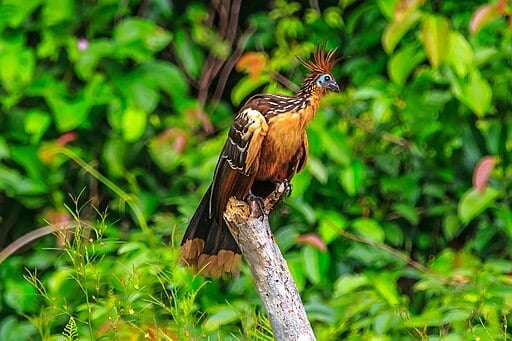
Birds are much more than just beautiful creatures gracing our skies; they play a crucial role in the health and sustainability of our gardens. From controlling pest populations to pollination and even seed dissemination, birds are indispensable allies to gardeners around the world. This article explores the multifaceted roles that birds play in keeping your garden vibrant and thriving.
Pest Control Nature’s Organic Solution
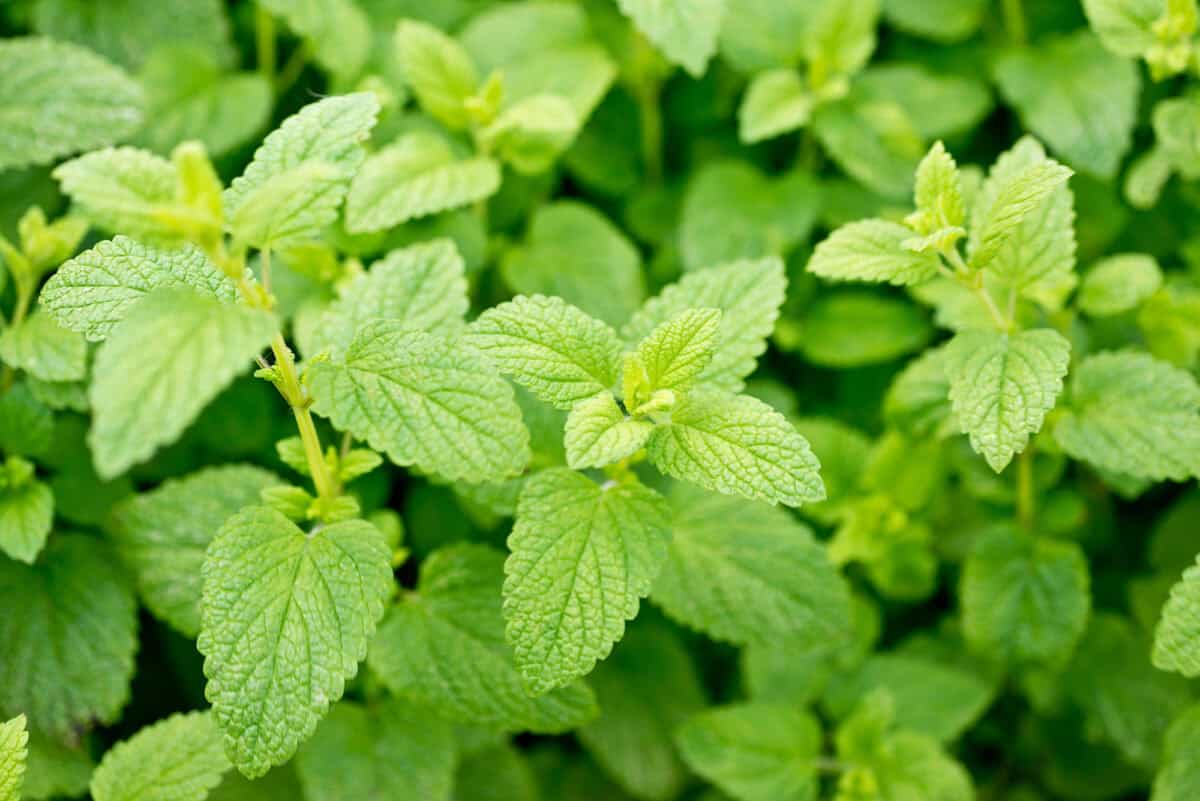
One of the most significant contributions birds make to garden health is their natural pest control ability. Many bird species feed on insects that can harm plants. For instance, bluebirds, chickadees, and warblers consume large quantities of caterpillars, aphids, and beetles, which can wreak havoc on garden plants. This predation helps keep the insect population balanced, reducing the need for chemical pesticides that can harm other wildlife and beneficial insects.
Birds can consume an impressive number of pests, especially during the breeding season, as they need to feed their young. This has an immense impact on keeping pest outbreaks under control. Encouraging birds in your garden as a method of natural pest management can lead to a healthier, more balanced ecosystem.
Pollination Assistance

While we often credit bees and butterflies for pollination, many bird species, particularly hummingbirds, also play a key role. Hummingbirds are attracted to brightly coloured, tubular flowers, which they visit in search of nectar. As they move from flower to flower, their bodies inadvertently transfer pollen, facilitating plant reproduction. This bird-mediated pollination is vital for the production of many fruit-bearing plants and contributes to the genetic diversity within plant species.
Seed Dispersal Spreading Plant Life

Birds also aid in the dispersal of seeds, which is crucial for plant propagation and maintaining plant diversity in gardens. Birds like thrushes, sparrows, and finches feed on fruits and berries, and as they move from one location to another, they play a vital role in spreading seeds through their droppings. This process not only helps to populate different areas of your garden with new plants but also contributes to natural reforestation and the spread of native plant species.
Indications of Ecosystem Health
Birds are often used as indicators of environmental health. A diverse and thriving bird population in your garden is a good sign that the ecosystem is balanced. Birds are sensitive to environmental changes, and their presence can alert gardeners to underlying issues such as pollution, climate change, or habitat destruction. If you notice a decline in bird species, it may be a cue to investigate potential problems in your garden ecosystem.
Attracting Birds to Your Garden
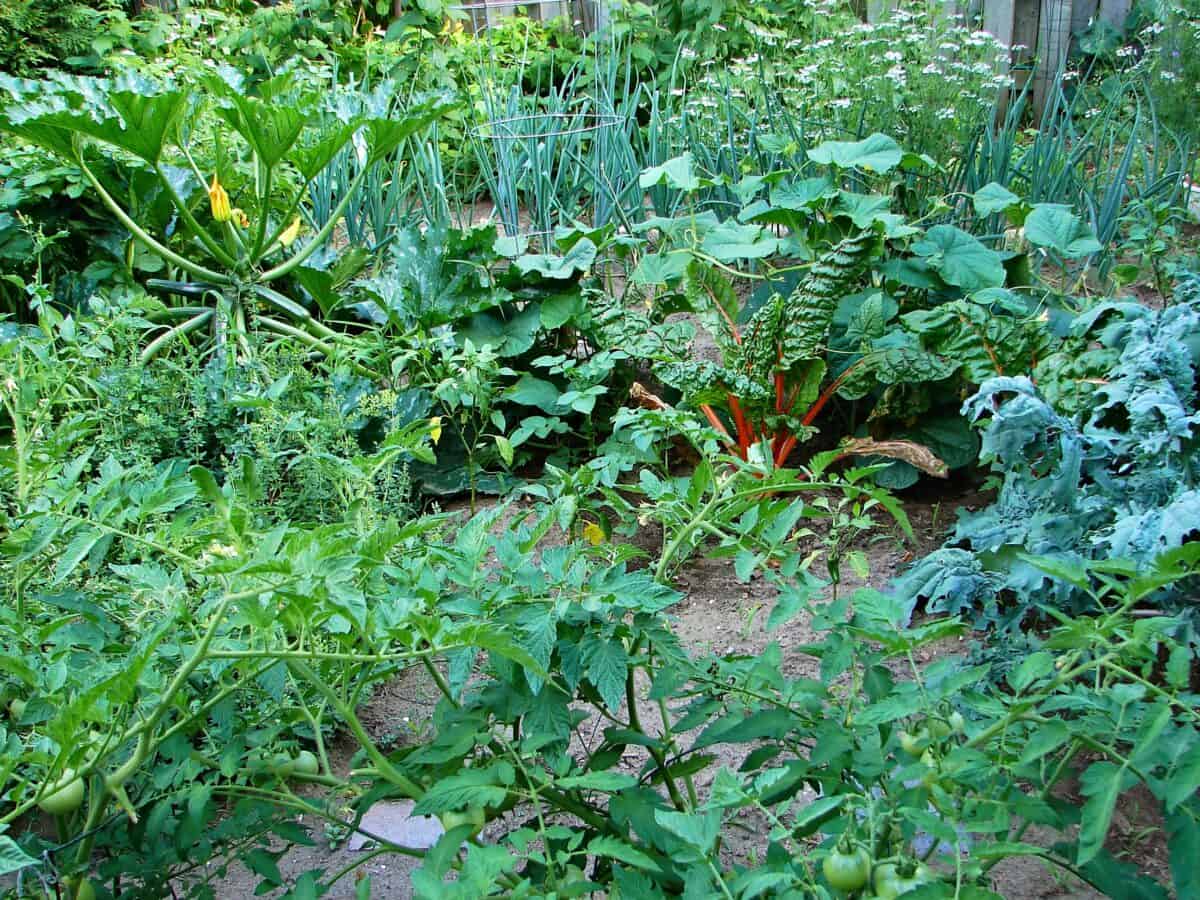
Creating a bird-friendly garden involves several strategies. First, provide a diverse array of native plants that can serve as both food and shelter for birds. Second, keep a clean and accessible water source, as birds need water for drinking and bathing. Install birdhouses or nesting boxes to provide safe places for birds to raise their young. Lastly, minimize the use of pesticides and herbicides to ensure that birds can safely feed on insects and plants within your garden.
Conclusion: Celebrating the Birds’ Contributions

Birds are invaluable contributors to garden health and sustainability. By acting as pest controllers, pollinators, and seed dispersers, they foster a rich and balanced ecosystem. As gardeners, understanding and encouraging the presence of birds can enhance not only the aesthetic appeal of our gardens but also their ecological vitality. Let us celebrate and protect our feathered friends for the critical roles they play in maintaining the natural beauty and health of our outdoor spaces.

As a little kid, I fell in love with nature, wildlife, and animals. Living in the USA, South Africa, Italy, China and Germany gave me the opportunity to discover the world's Wildlife. My favorite animals are Mountain Gorillas, Siberian Tigers, and Great White Sharks.
I'm a certified PADI Open Water Diver, went to Everest Base Camp and Trekked Gorillas in Uganda. I hold a Master of Science in Economics and Finance.
Please send any feedback to feedback@animalsaroundtheglobe.com
- The 10 Rarest Dog Breeds Making a Comeback in America - July 19, 2026
- 13 Creatures That Survived Mass Extinctions - July 19, 2026
- 12 Pets That Are Perfect for Seniors - July 19, 2026