

Hyenas often find themselves cast as antagonists in natural narratives, but this perception fails to acknowledge their complex roles in ecosystems and their remarkable adaptations. While commonly labeled as mere scavengers, hyenas are formidable predators in their own right. This article delves into the unique attributes and behaviors that make hyenas both fascinating and potentially dangerous creatures.
The Remarkable Evolution of Hyenas

Hyenas belong to the family Hyaenidae, which, although small, has a fascinating evolutionary history. Over the years, hyenas have evolved crucial traits that have allowed them to thrive in various environments across Africa and Asia. With three primary species—spotted, brown, and striped—hyenas showcase distinct adaptations and behavioral characteristics. Once occupying more ecological niches, the hyena lineage has evolved to specialize in scavenging and hunting, with each species displaying unique survival strategies.
The Anatomy of a Predator

Hyenas are equipped with powerful jaws and strong, muscular builds, enabling them to dismember and consume prey efficiently. Their jaws can exert a bite force of over 1,000 pounds per square inch, stronger than most other predators and ideal for crunching through bone. This physical prowess, combined with their endurance and speed, makes them adept hunters capable of taking down large prey when the opportunity arises.
Social Structure and Intelligence

Living in complex social groups known as clans, hyenas display intelligence and adaptability rare among mammals. The structure of these clans is matriarchal, with females typically dominating and leading hunts. This hierarchy is crucial for their survival, allowing for coordinated strategies to outmaneuver larger predators and effectively scavenge or hunt prey. Their advanced communication skills, including a wide range of vocalizations, further strengthen their social bonds and hunting efficiency.
Opportunistic Hunters
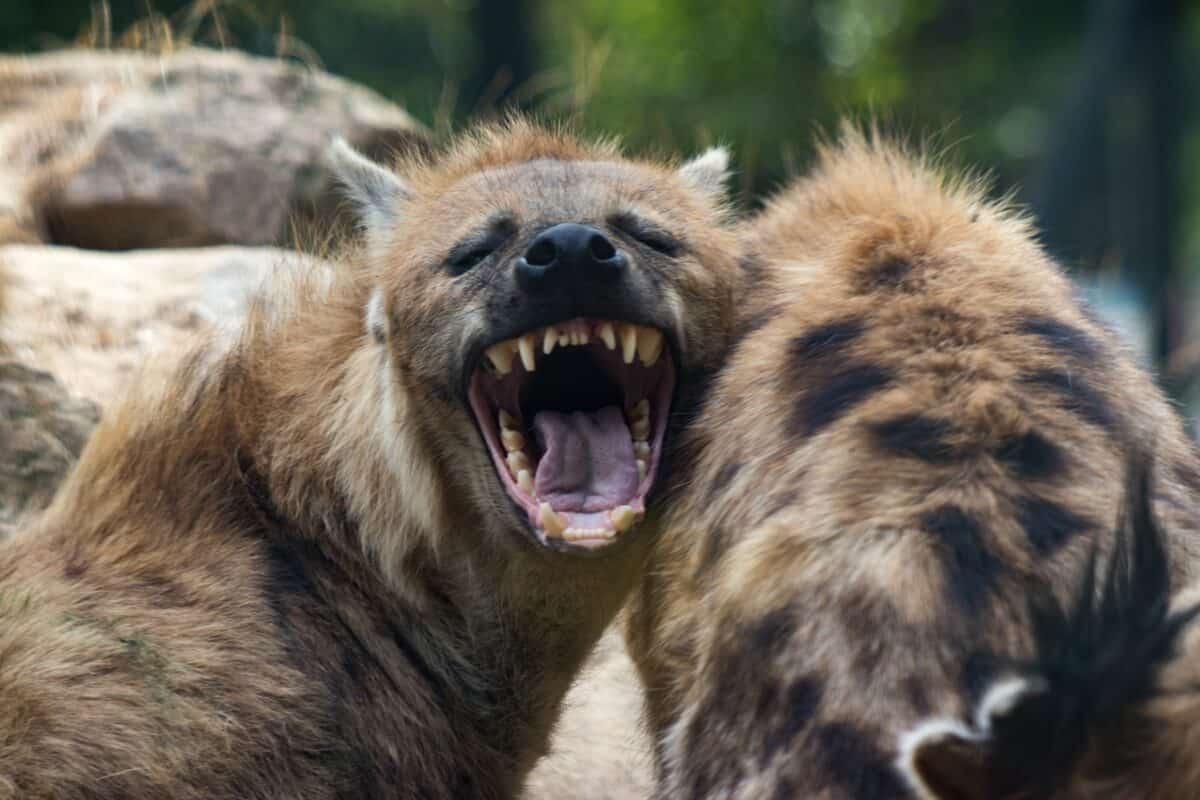
While hyenas are often thought of as scavengers, they are actually skilled hunters capable of taking down large ungulates such as wildebeest and zebras. Spotted hyenas, in particular, gain a significant portion of their nourishment from pure hunting, using their social coordination to drive prey and increase success rates. Their flexible diet allows them to adapt to environmental changes, contributing to their resilience as a species.
Masters of Scavenging
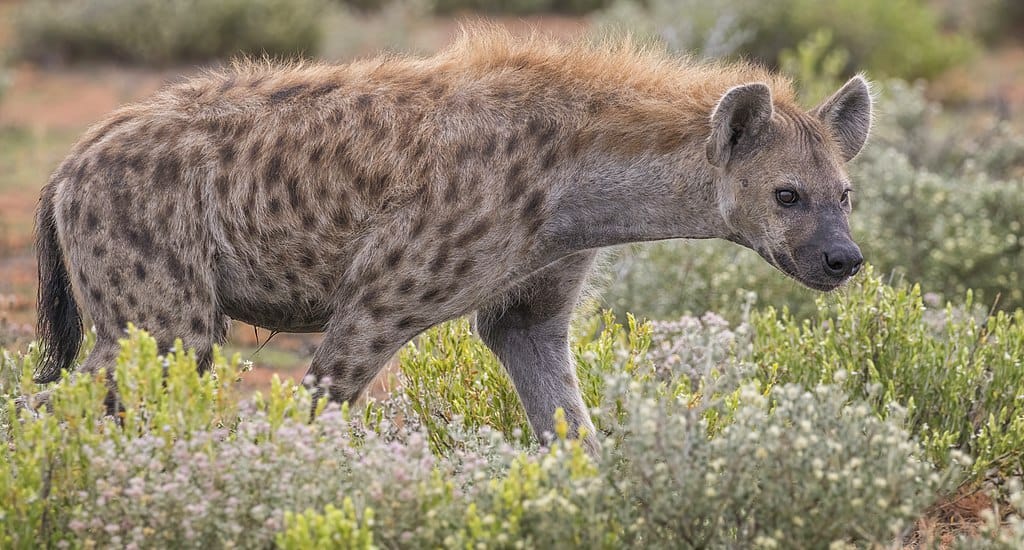
Hyenas play a vital role in ecosystems as efficient scavengers, cleaning up carrion and reducing the spread of disease. Their robust digestive systems can process almost every part of a carcass, minimizing waste. This ability not only aids in nutrient cycling within ecosystems but also controls the populations of other scavenger species, establishing a balance in the habitats they occupy.
The Complex Relationship with Lions
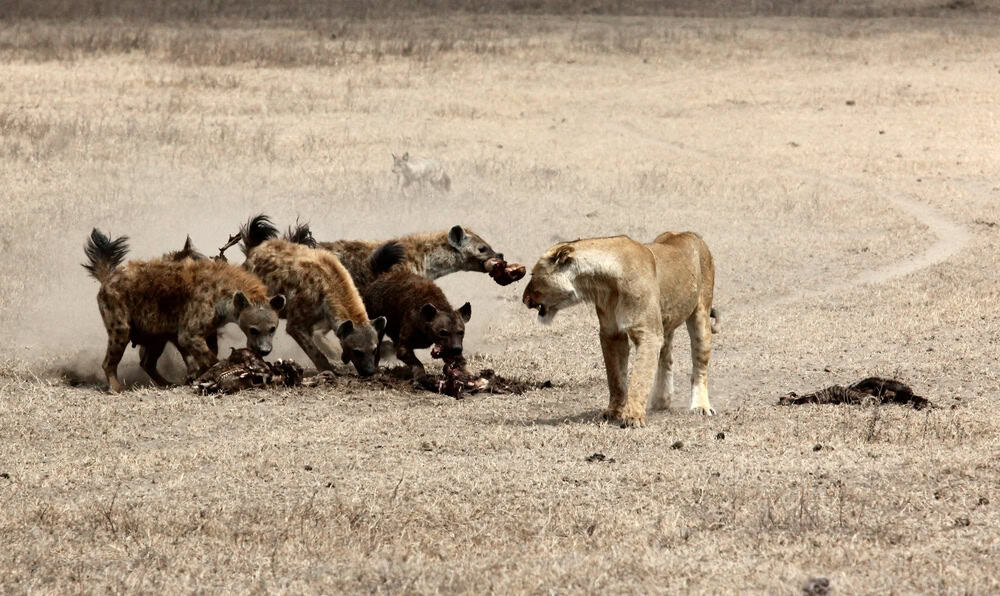
Hyenas share an intense rivalry with lions, often competing for the same food sources. This relationship is characterized by both direct confrontations and strategic avoidance. While lion prides can overpower hyena clans, hyenas use their problem-solving skills and teamwork to outmaneuver lions and capitalize on opportunities to steal kills. This dynamic contributes to the perception of hyenas as bold and resilient competitors in the wild.
Adaptations for Nocturnal Life
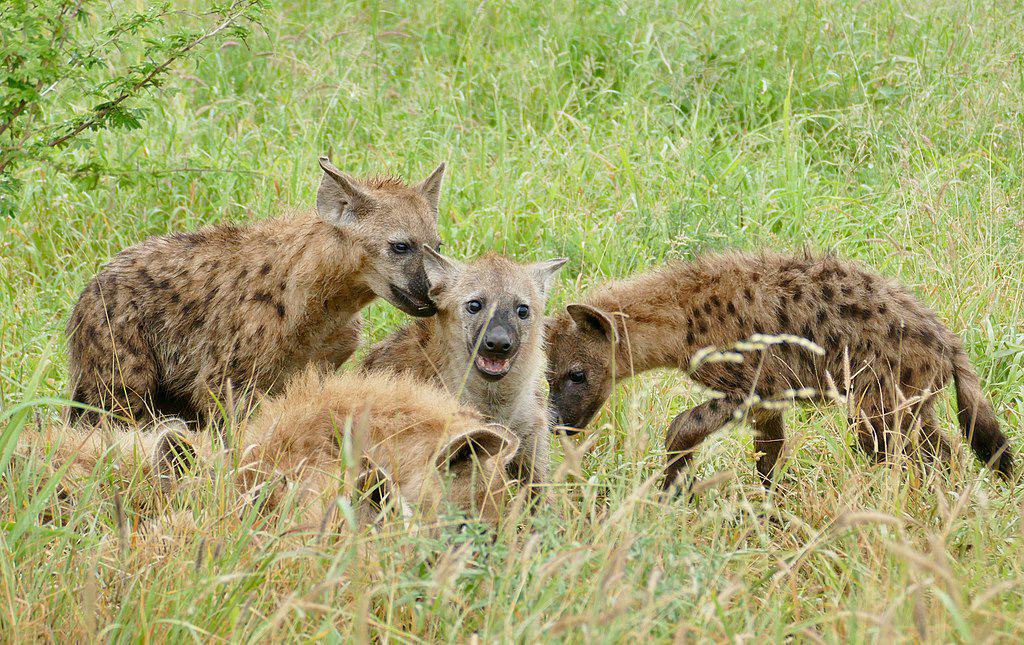
As primarily nocturnal creatures, hyenas possess adaptations tailored to nighttime activity. Their keen sense of smell and excellent night vision enable them to navigate and hunt in low-light conditions. These traits, combined with their stealth and endurance, make them formidable predators even in the darkest hours of the night.
The Unique Vocalizations of Hyenas

The iconic ‘laugh’ of the hyena is just one part of their extensive vocal repertoire. These vocalizations serve various social functions, such as signaling clan members, coordinating hunts, or intimidating rivals. Each call carries different meanings, allowing hyenas to convey complex messages and maintain intricate social dynamics within their clans.
The Role of Hyenas in Culture and Myth
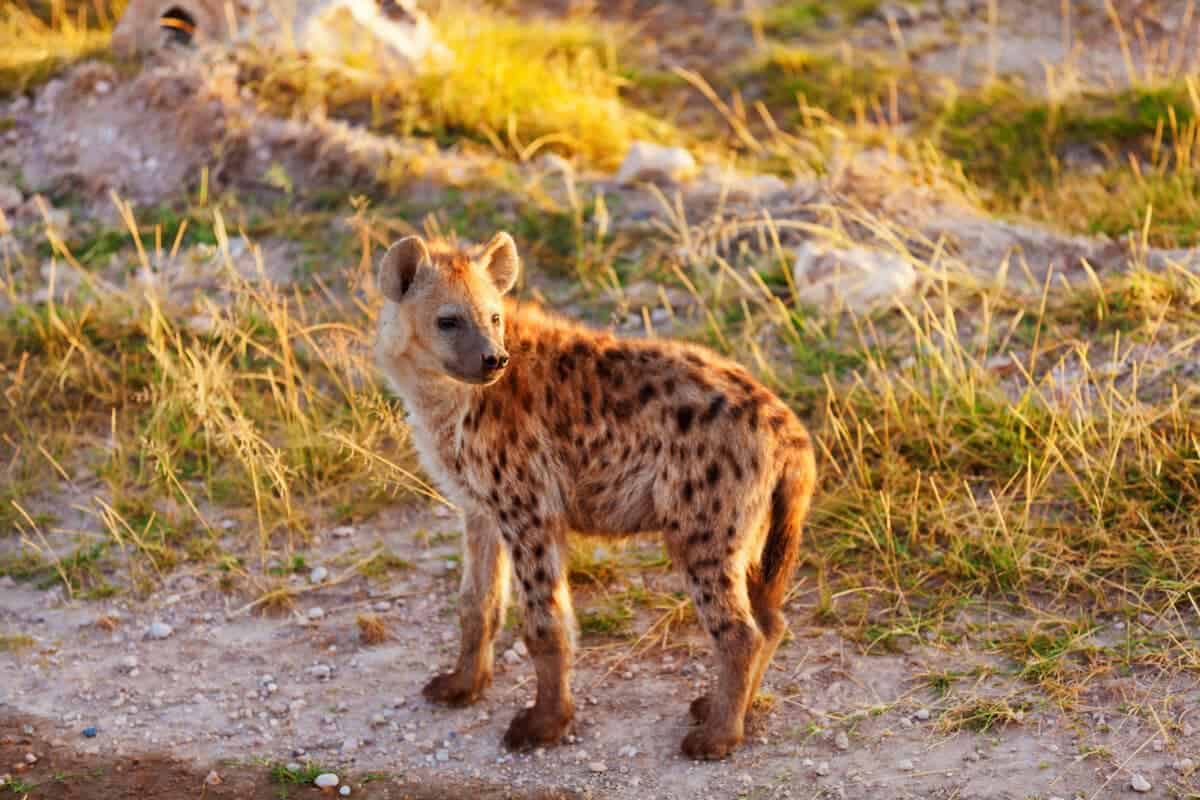
Across many cultures, hyenas have been depicted as symbols of trickery and malevolence, largely due to their scavenging behavior and eerie vocalizations. However, some societies also recognize their ecological importance and resilience. Understanding the cultural contexts of these animals can help demystify their behaviors and highlight their significance in both natural and human-altered landscapes.
Conservation Challenges and Efforts
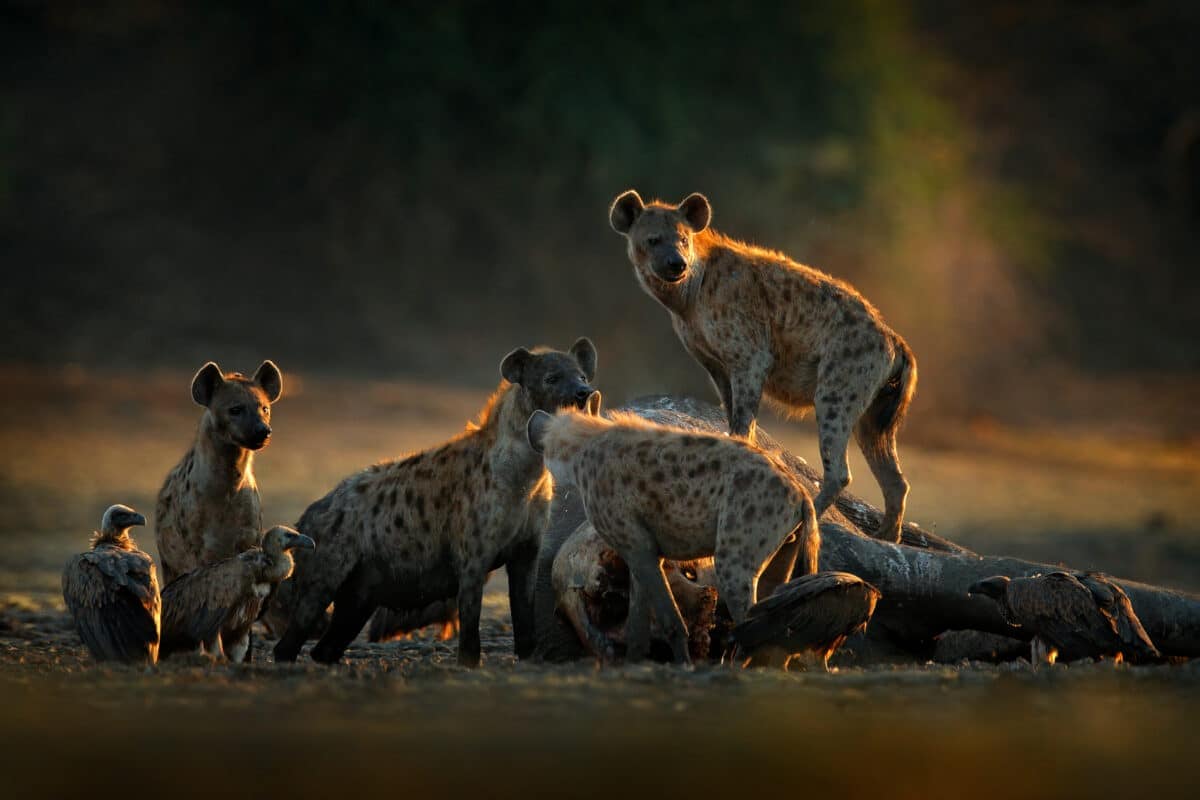
Despite their adaptability, hyenas face numerous threats from habitat loss, human-wildlife conflict, and poaching. Their often misunderstood reputation complicates conservation efforts, highlighting the need for education and outreach to foster coexistence. Conservation strategies must address these challenges, ensuring that hyenas can continue to fulfill their ecological roles.
Hyenas in Modern Research
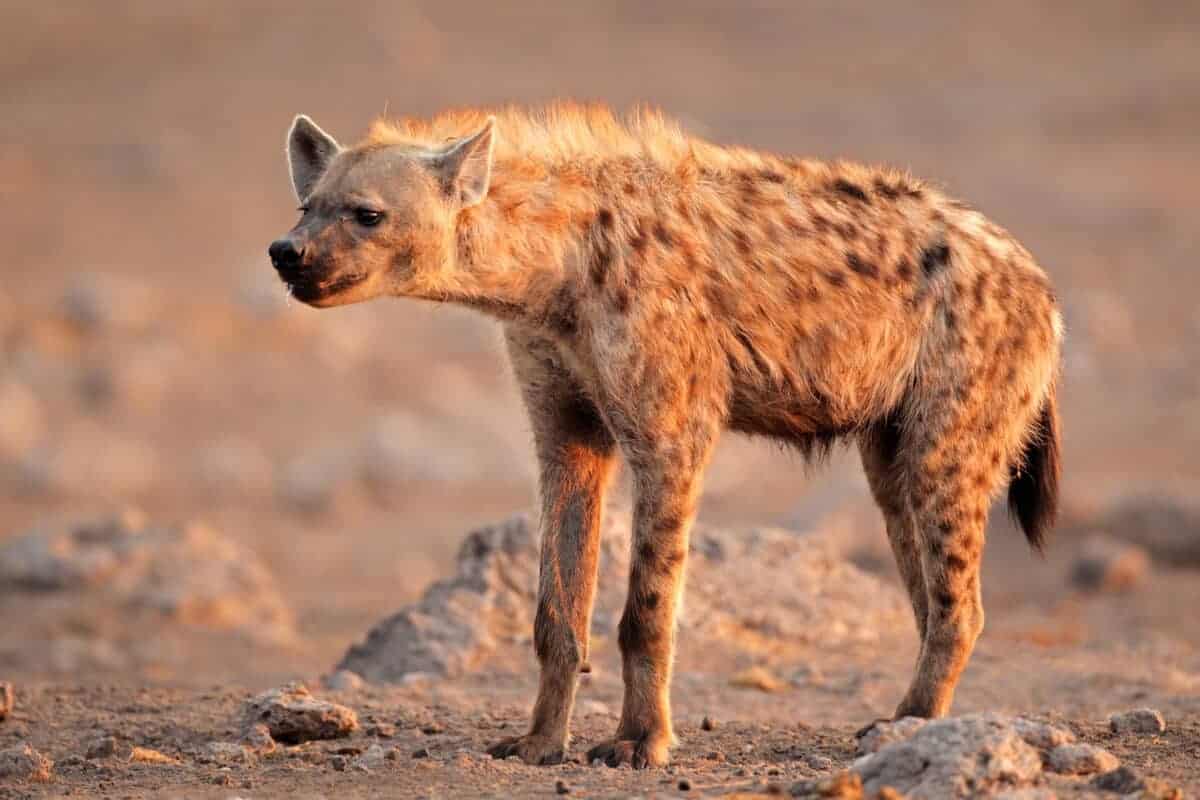
Scientific studies on hyenas have revealed insights into their social behavior, intelligence, and vocal communication, enriching our understanding of these animals. This research is critical for developing conservation strategies and shifting public perceptions. Modern tools like GPS tracking and molecular analysis offer deeper insights into hyena ecology, further enabling effective protection measures.
The Future of Hyenas
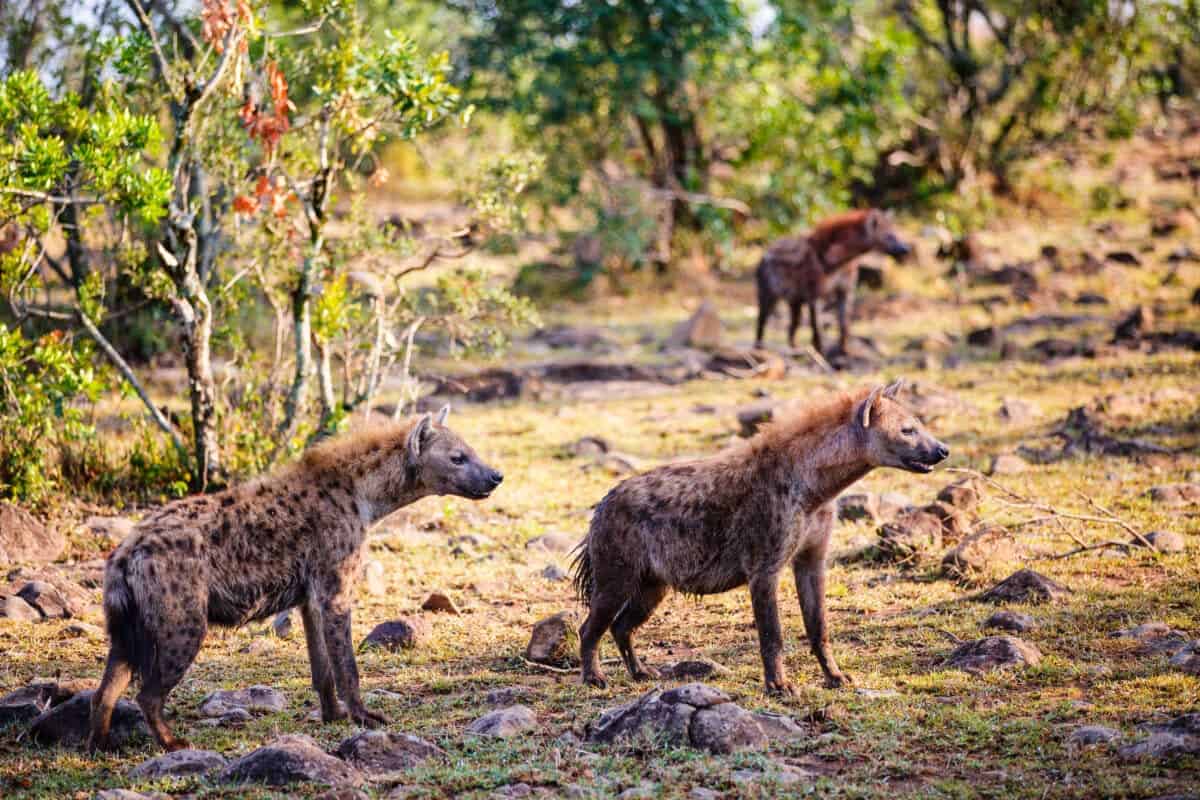
While hyenas may never fully escape their negative stereotypes, increasing awareness of their ecological roles and resilience reveals a more nuanced picture of these fascinating animals. By valuing their contributions to ecosystems and understanding the challenges they face, humans can work towards coexistence with hyenas in both protected areas and shared landscapes.
In conclusion, hyenas are far more than the sum of their scavenging stereotype. As adaptable predators and integral components of their ecosystems, they deserve both respect and consideration in conservation strategies. Our future interactions with hyenas can highlight the complex interdependencies within the natural world, encouraging a more comprehensive appreciation for these misunderstood creatures.

- How Baby Dolphins Learn Through Play and Mimicry - June 23, 2026
- How Sharks Use Electroreception to Hunt in Murky Water - June 23, 2026
- How Sea Lions Navigate Thousands of Miles Without Maps - June 23, 2026