

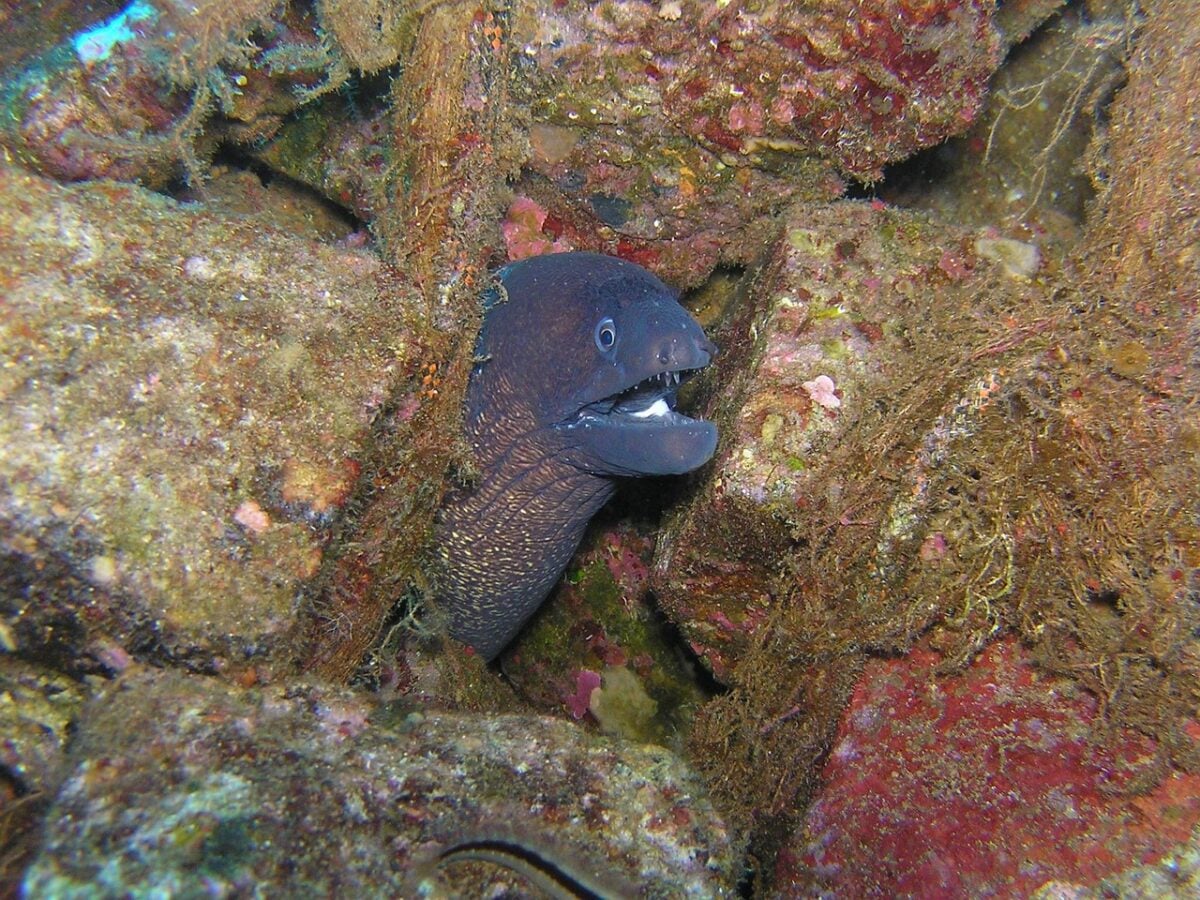
Deep in the murky waters of South America’s rivers and swamps, an extraordinary creature silently hunts. With no visible weapons, the electric eel seems unremarkable at first glance. Yet this animal possesses one of nature’s most impressive biological adaptations – the ability to generate powerful electric shocks reaching up to 860 volts. That’s more than seven times the voltage from a standard wall outlet in your home, all produced by a living organism. How does this remarkable animal create electricity powerful enough to stun prey, deter predators, and even allow it to “see” in its muddy habitat? Let’s dive into the fascinating science behind the electric eel’s shocking abilities.
The Electric Eel’s True Identity

🔥 Would you like to save this?
We'll email this post to you, so you can come back to it later!
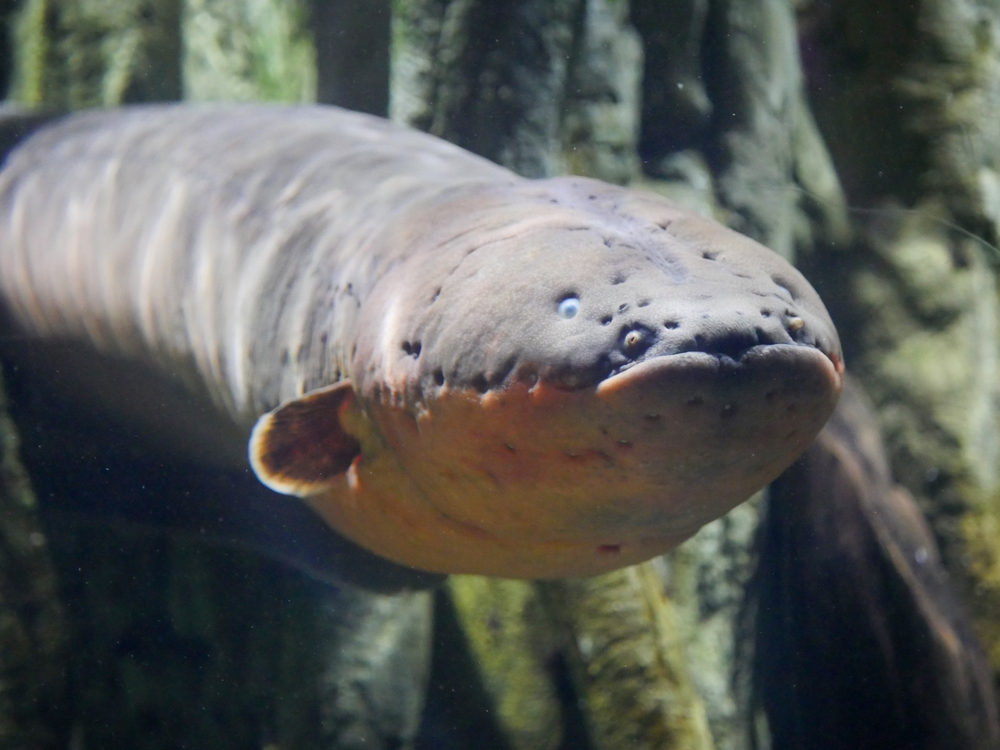
Despite its name, the electric eel (Electrophorus electricus) isn’t actually an eel at all. This common misconception stems from its elongated, snake-like appearance. In reality, it belongs to the knifefish family and is more closely related to catfish and carp than to true eels. Recent taxonomic research has revealed that what was once thought to be a single species is actually three distinct species: Electrophorus electricus, Electrophorus voltai, and Electrophorus varii. Of these, E. voltai produces the strongest electrical discharge ever recorded in an animal – a staggering 860 volts. These freshwater predators can grow to impressive sizes, with some specimens reaching lengths of over 8 feet (2.5 meters) and weighing up to 44 pounds (20 kg).
The Evolution of Electric Organs

🔥 Would you like to save this?
We'll email this post to you, so you can come back to it later!
The electric eel’s shocking ability didn’t develop overnight. This remarkable adaptation evolved over millions of years as these fish adapted to their challenging environment. Electric organs have independently evolved at least six times in different fish lineages, demonstrating a fascinating case of convergent evolution. For electric eels, these specialized organs gradually developed as adaptations for hunting in murky waters with poor visibility. The ability to detect and stun prey using electricity provided a significant advantage, allowing these fish to thrive in environments where visual hunting would be nearly impossible. Evolutionary biologists believe the electric organs evolved from modified muscle cells that lost their contractile properties but retained their bioelectrical capabilities, gradually becoming specialized for generating stronger and stronger electrical currents.
Anatomy of Power: The Electric Organs

🔥 Would you like to save this?
We'll email this post to you, so you can come back to it later!
The secret to the electric eel’s powerful shock lies in three specialized electric organs that make up roughly 80% of its body: the main organ, Hunter’s organ, and Sachs’ organ. These organs contain thousands of modified muscle cells called electrocytes. Unlike normal muscle cells that contract when stimulated, electrocytes are specialized to generate electric charges. The main and Hunter’s organs produce high-voltage discharges for hunting and defense, while Sachs’ organ generates lower-voltage pulses used for navigation and communication. These electrocytes are stacked like batteries in a flashlight, allowing the electric eel to amplify its electrical output. Each electrocyte can generate only a small voltage, but when thousands work together in series, they create the eel’s impressive electrical discharge.
The Bioelectrical Battery System

🔥 Would you like to save this?
We'll email this post to you, so you can come back to it later!
The electric eel’s shocking ability relies on a sophisticated biological battery system that works on principles similar to man-made batteries. Within each electrocyte, ion channels maintain different concentrations of sodium and potassium ions on opposite sides of the cell membrane, creating an electrical potential difference. When the eel wants to generate a shock, its brain sends signals through the nervous system to these electrocytes, causing the ion channels to open simultaneously. This synchronization creates a rapid flow of ions across thousands of electrocytes at once, generating an electrical current. What makes this system especially remarkable is how the electrocytes are arranged in series, similar to batteries in a flashlight, allowing the voltages to add up. This biological configuration enables the electric eel to amplify its electrical output to hundreds of volts despite each individual cell producing only a small charge.
High-Voltage Hunting Techniques
🔥 Would you like to save this?
We'll email this post to you, so you can come back to it later!
Electric eels have developed sophisticated hunting strategies that make efficient use of their electrical capabilities. When hunting, they emit two types of electrical discharges: low-voltage pulses for detection and high-voltage pulses for attack. The low-voltage emissions function like a biological radar system, allowing the eel to navigate and detect nearby prey in the murky waters. Once prey is detected, the eel delivers a powerful high-voltage discharge that simultaneously activates the prey’s motor neurons, causing involuntary muscle contractions that immobilize it. Research by Dr. Kenneth Catania at Vanderbilt University revealed a particularly clever hunting technique: electric eels will sometimes curl their bodies around larger prey, creating a circuit that concentrates the electrical discharge through the target. This behavior effectively doubles the electrical current flowing through the prey, ensuring even larger animals are immobilized.
Shocking Defense Mechanisms

🔥 Would you like to save this?
We'll email this post to you, so you can come back to it later!
Beyond hunting, electric eels use their shocking abilities as a formidable defense mechanism. When threatened, they can deliver a series of high-voltage pulses that deter even large predators. In a groundbreaking study, researchers observed that when faced with a large potential threat, electric eels may actually leap partially out of the water to directly contact the threatening animal. This extraordinary behavior allows the eel to deliver its electrical charge directly to the predator without the water dispersing some of the electrical energy. The leaping behavior is particularly effective against land predators that might otherwise only be partially affected by shocks delivered through water. This direct-contact defense tactic demonstrates the sophisticated ways electric eels have evolved to maximize the effectiveness of their electrical weapons in various situations.
Electricity as a Sixth Sense

🔥 Would you like to save this?
We'll email this post to you, so you can come back to it later!
Electric eels rely on a phenomenon called electroreception to navigate and hunt in their murky aquatic environments. By emitting low-voltage electrical signals (typically 10 volts or less), they create an electrical field around their bodies. When objects or animals enter this field, they cause subtle disturbances that the eel can detect through specialized sensory receptors called ampullary organs. This electroreception functions essentially as a sixth sense, allowing electric eels to build a three-dimensional picture of their surroundings even in complete darkness or highly turbid waters. This ability is crucial for locating prey, avoiding obstacles, and navigating through complex underwater environments. The precision of this sense is remarkable – electric eels can detect objects as small as a fraction of an inch and can distinguish between living organisms and inanimate objects based on their electrical properties.
The Shocking Truth About Voltage vs. Amperage
🔥 Would you like to save this?
We'll email this post to you, so you can come back to it later!
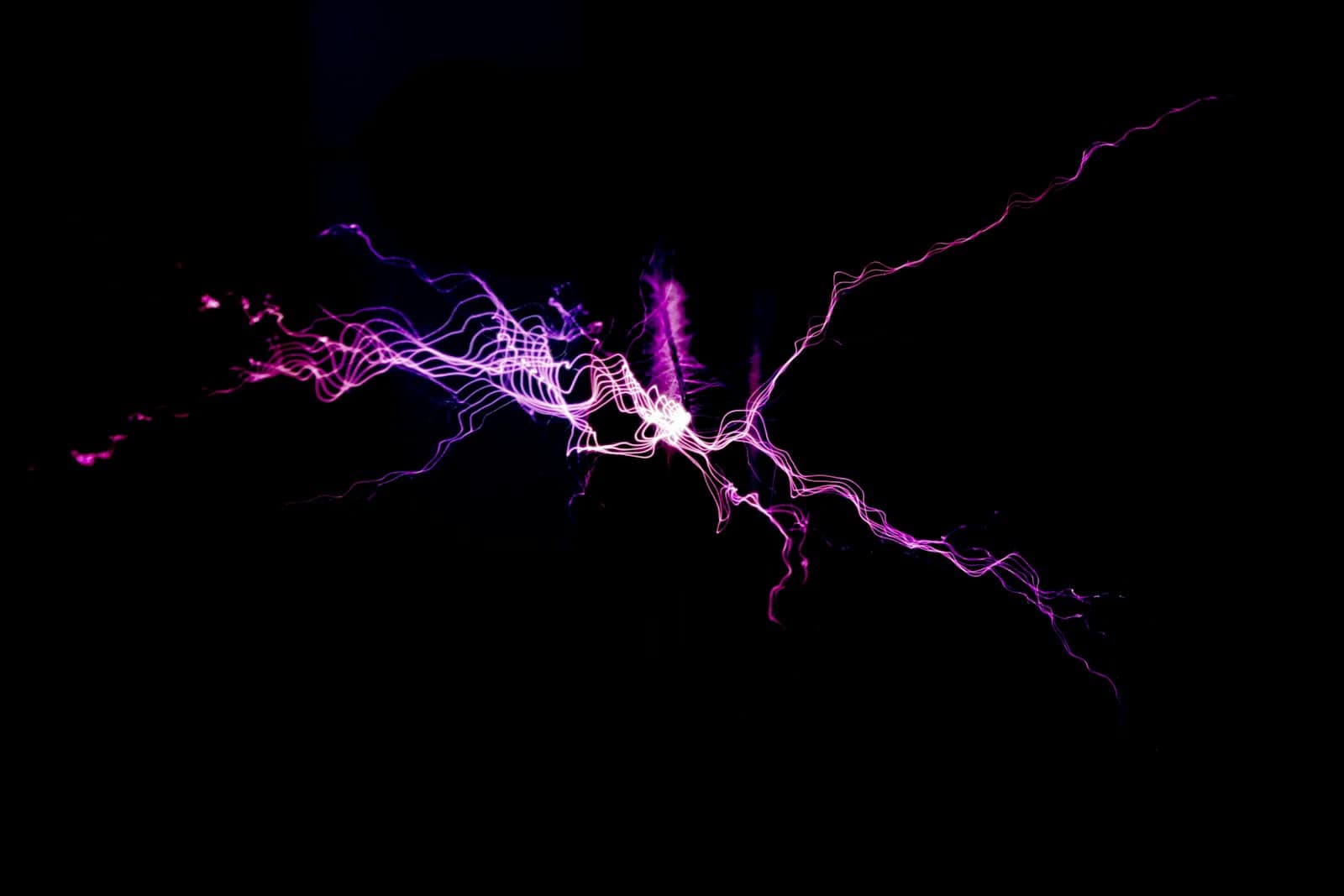
While the 860-volt shock of an electric eel sounds terrifyingly powerful, understanding the difference between voltage and amperage helps explain why these shocks, while painful, are rarely fatal to humans. Voltage represents electrical pressure, while amperage (current) represents the actual flow of electricity. Electric eels produce high voltage but relatively low amperage compared to household electricity. A typical electric eel generates only about 1 ampere of current, whereas just 0.1-0.2 amperes can be fatal to humans under the right conditions. However, this doesn’t mean electric eel shocks aren’t dangerous. Multiple shocks can cause respiratory or heart failure, especially in small children or people with heart conditions. Additionally, secondary dangers exist – the shock’s intensity can cause involuntary muscle contractions that might lead to drowning if the encounter occurs in water.
Energy Conservation Strategies

🔥 Would you like to save this?
We'll email this post to you, so you can come back to it later!
Generating electricity is energetically expensive, and electric eels have evolved sophisticated strategies to conserve their biological batteries. Rather than continuously discharging electricity, they use their power sparingly and strategically. When hunting, they typically emit brief pulses of low-voltage electricity to locate prey, only unleashing their high-voltage discharges when a target is confirmed. After delivering several powerful shocks, electric eels need recovery time to recharge their electric organs. This recovery period varies depending on the intensity and frequency of the discharges but typically ranges from a few minutes to several hours for complete recharging. This energy management system represents a remarkable adaptation that balances the metabolic cost of producing electricity with the benefits of electrical hunting and defense capabilities.
Communication Through Electrical Signals

🔥 Would you like to save this?
We'll email this post to you, so you can come back to it later!
Beyond hunting and defense, electric eels use their electrical abilities for sophisticated communication. During mating season, males produce distinct electrical patterns that attract females and establish dominance hierarchies among competing males. These electrical signatures serve as unique identifiers, similar to auditory calls in other animals. Electric eels can also use low-voltage discharges to communicate potential threats to others of their species or to establish territory. Research has shown that juvenile electric eels produce synchronized electrical discharges that may help them stay together in groups, providing safety in numbers. This electrical communication system represents a remarkable adaptation to their environment, allowing complex social interactions even in conditions of near-zero visibility where visual communication would be impossible.
Biomedical Inspiration and Applications

🔥 Would you like to save this?
We'll email this post to you, so you can come back to it later!
The electric eel’s remarkable biological battery system has inspired numerous scientific advances and medical applications. Researchers studying the eel’s electrocyte cells have gained insights that have contributed to the development of better batteries, fuel cells, and other power sources. The eel’s ability to generate electricity from ions has influenced the design of biocompatible power sources for medical implants like pacemakers and neural stimulators. In 2017, scientists at the University of Michigan developed a soft power cell inspired by the electric eel that could potentially be used in devices inside the human body. Additionally, understanding how electric eels can generate and control electrical currents without harming themselves has provided valuable information for treatments involving electrical stimulation. This intersection of biology and technology demonstrates how nature’s innovations can inspire human ingenuity in solving complex problems.
Conservation Status and Environmental Threats

🔥 Would you like to save this?
We'll email this post to you, so you can come back to it later!
Despite their formidable defensive capabilities, electric eels face increasing environmental threats. While currently listed as a species of “Least Concern” by the International Union for Conservation of Nature (IUCN), their populations are declining due to habitat destruction, water pollution, and dam construction throughout the Amazon basin. Deforestation and agricultural runoff introduce pollutants that can disrupt the delicate electrochemical balance required for their electric organs to function properly. Climate change also poses a threat, as rising temperatures and changing water conditions affect oxygen levels in their aquatic habitats. Additionally, these remarkable creatures occasionally enter the exotic pet trade, despite being poorly suited for captivity due to their specialized needs and potentially dangerous nature. Conservation efforts focusing on preserving the Amazon’s river systems and wetlands are crucial for ensuring these evolutionary marvels continue to thrive in their natural environments.
The Future of Electric Eel Research

🔥 Would you like to save this?
We'll email this post to you, so you can come back to it later!
Research on electric eels continues to reveal new insights about these remarkable creatures. Recent technological advances in underwater observation equipment, genetic analysis, and electrical monitoring devices have opened new avenues for understanding their biology and behavior. Scientists are currently exploring how electric eels might sense and respond to Earth’s geomagnetic field, potentially using it for long-distance navigation during seasonal migrations. Others are investigating how climate change might affect the electrical properties of water in their habitats and, consequently, the effectiveness of their electrical systems. Perhaps most excitingly, the recent discovery that the electric eel consists of three distinct species rather than one suggests there may be even more electrical diversity in these animals than previously thought. As research continues, these fascinating creatures will undoubtedly continue to surprise us, potentially leading to new technological innovations inspired by nature’s own electrical engineers.
The electric eel stands as one of nature’s most remarkable achievements—a creature that has evolved to harness electricity for survival in ways that continue to astonish scientists. From their specialized electric organs to their sophisticated hunting strategies, these animals represent a masterclass in evolutionary adaptation. As we continue to study these living batteries, they not only expand our understanding of biology but also inspire new technologies that may benefit humanity. In the murky waters of the Amazon, this unusual fish reminds us that some of nature’s most extraordinary innovations remain hidden just beneath the surface, waiting to be discovered and understood.

- The Largest Python Ever Captured in Florida’s Everglades - November 5, 2026
- The Largest Sea Turtle Ever Rescued Off North Carolina - November 5, 2026
- Tarsiers: The Tiny Primates with Giant Eyes - November 4, 2026