


California’s mountainous wilderness harbors one of North America’s most enigmatic predators. These powerful cats move like phantoms through ancient oak groves and chaparral-covered hillsides, living parallel lives to ours yet remaining largely invisible. While nearly forty million people call California home, few ever glimpse these solitary hunters that share the same landscape.
Recent studies reveal roughly forty-five hundred mountain lions roam throughout California, far fewer than previously estimated. This discovery has sparked renewed fascination with understanding how these magnificent creatures navigate a world increasingly shaped by human presence. Their secret existence unfolds daily in the shadows of our cities and suburbs, following ancient patterns that predate our arrival by millennia.
Masters of the Shadows: Nocturnal Hunters
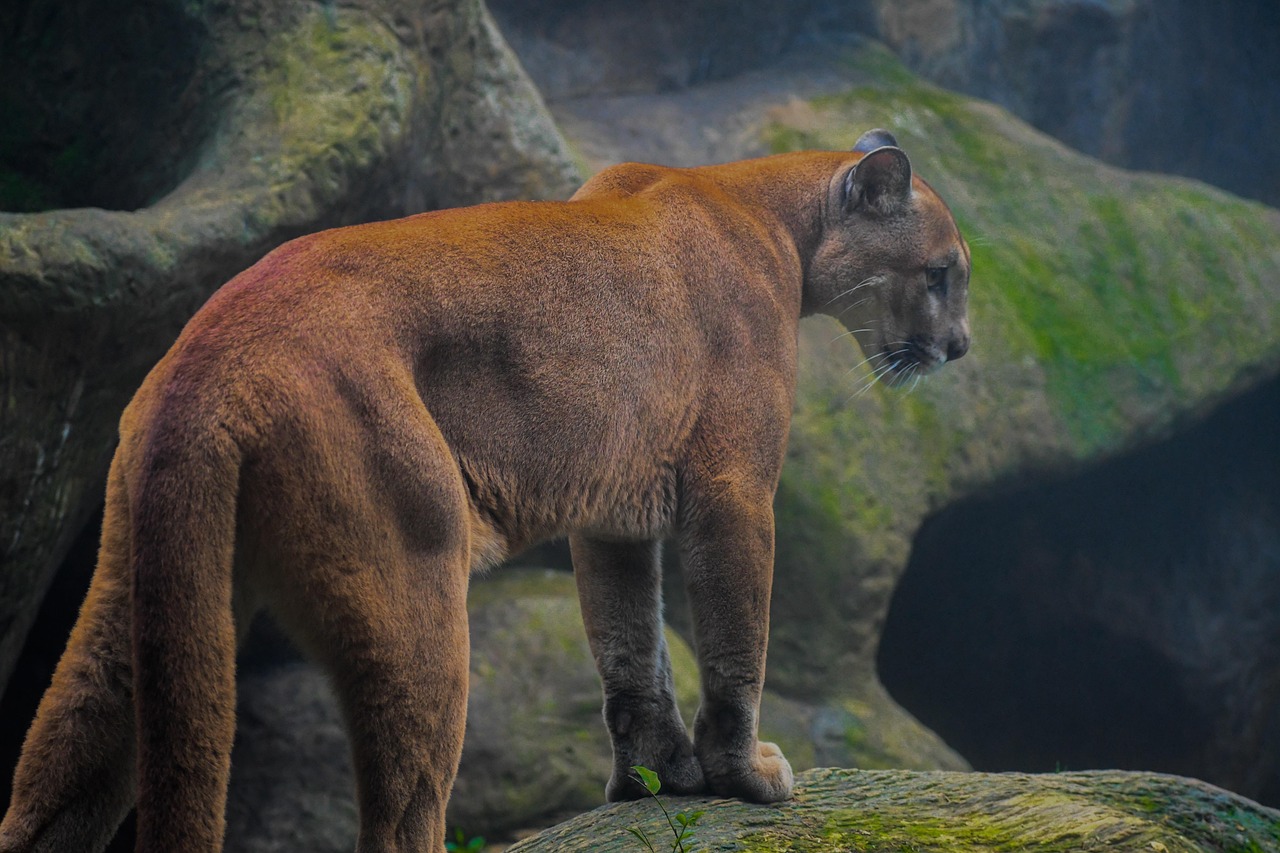
Mountain lions are primarily crepuscular, meaning they’re most active during twilight hours. They generally rest during the middle of the day, matching the activity patterns of their prey, but they change their behavior based on human activities, becoming more nocturnal around areas with logging or development.
When hunting, these cats exhibit a fascinating punctuated movement pattern: they spend long periods waiting at one location, followed by rapid movement to another spot, where they sit again for an average of forty-two minutes. Unless they make a kill, this pattern repeats many times throughout the night. They demonstrate remarkable flexibility in their adaptability, diet, and movement patterns.
The Art of Ambush: Hunting Techniques Perfected
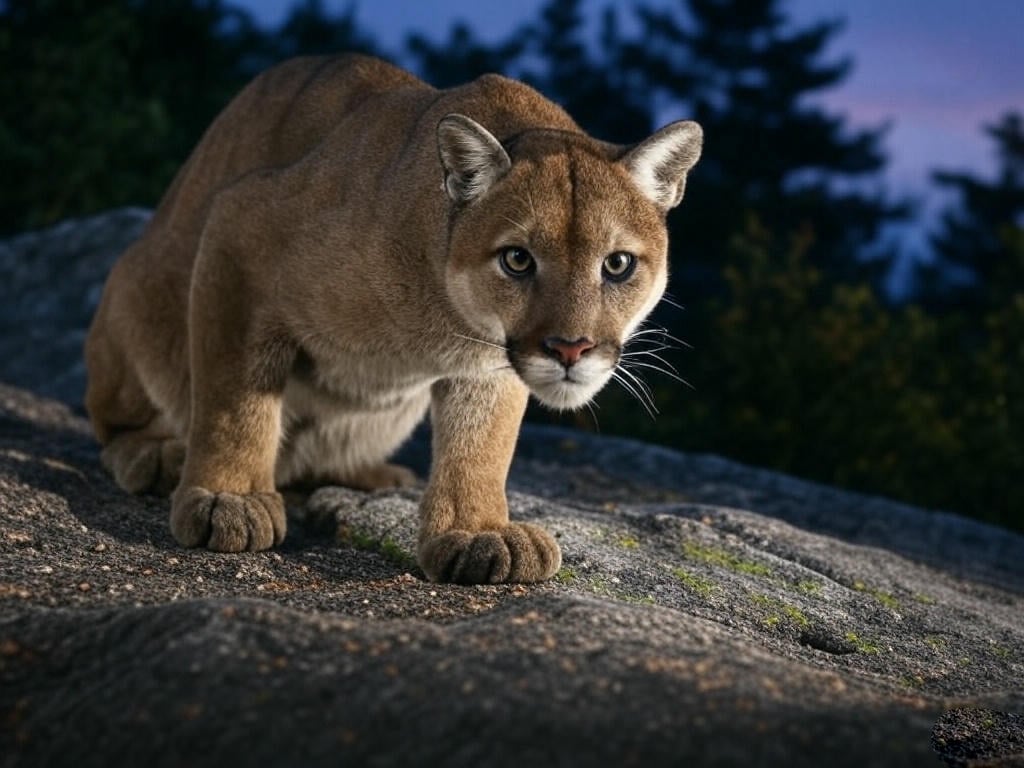
Although capable of sprinting, the mountain lion is typically an ambush predator. It stalks through brush and trees, across ledges, or other covered spots, before delivering a powerful leap onto the back of its prey and a suffocating neck bite. Because mountain lions are ambush predators, one of their habitat requirements is stalking cover such as rocks, cliffs, sagebrush, or trees.
In California, mountain lions have been seen leaping boulders and dodging clumps of vegetation while hunting jackrabbits. Occasionally, they even manage to catch pronghorn antelope. Mountain lions are opportunistic generalists, meaning they are not picky with what they eat and if the chance arises for them to capture easy prey, they will take it.
Territorial Secrets: Claiming the Wild Kingdom
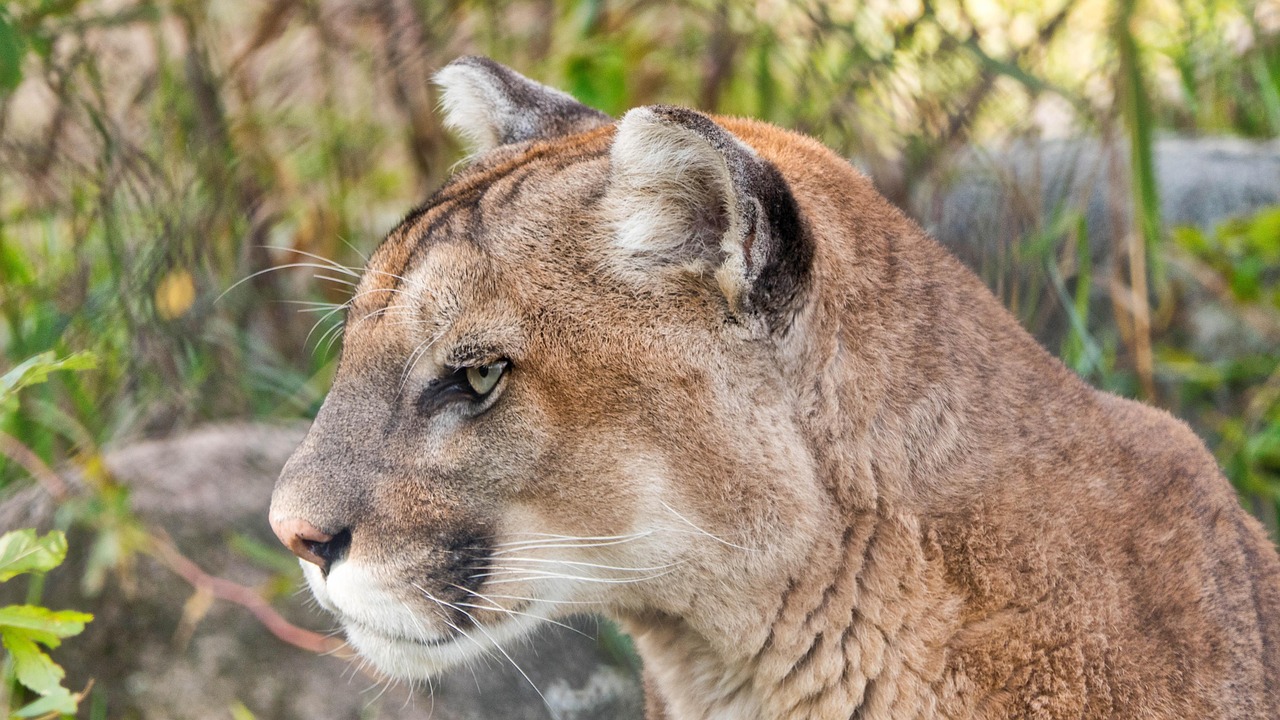
Males typically have larger territories than females, often overlapping with those of several females. In California, research has shown that male territories can be two to two and a half times larger than those of local females. A female’s home range is an area of about fifty square miles, while a male’s territory can be one hundred fifty square miles or larger, typically overlapping those of three or four females.
Due to their strong territoriality, male territories rarely overlap, and female territories similarly rarely overlap. Mountain lions mark their territories by depositing urine or fecal materials by trees marked with scrapes. In the North Bay, mountain lions live in close proximity with humans and there may be as many as seventeen thousand privately owned land parcels within the home range of a male lion.
The Feast and Famine Cycle: Dining Habits Revealed
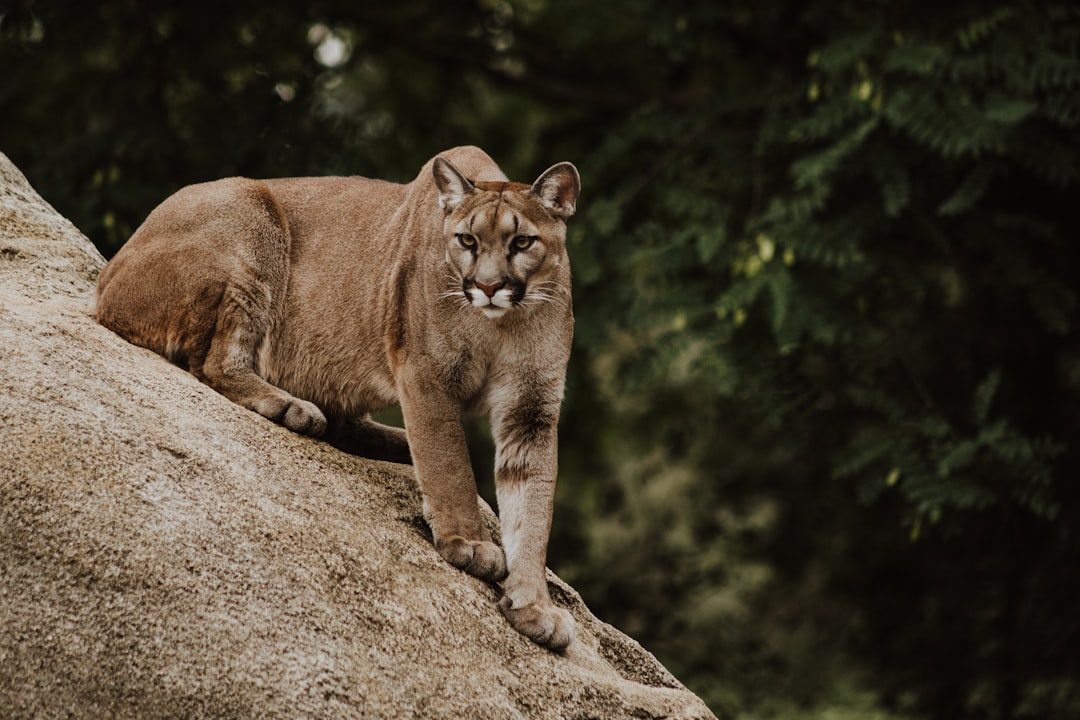
Across North America, deer make up sixty to eighty percent of the mountain lion’s diet. While mountain lions can eat various prey, they generally prefer deer where and when available. Once a kill is made, mountain lions cache it by moving the kill from the kill site to a covered or secluded area, often partially burying it with available materials.
Prey killed in the open are almost always dragged into brush or dense thicket before the cat begins eating. The cat remains near the kill for up to nineteen days with only occasional short trips away until the carcass is completely consumed. Kills are generally estimated around one large ungulate every two weeks. The period shrinks for females raising young, and may be as short as one kill every three days when cubs are nearly mature around fifteen months.
Secret Love Affairs: Mating and Romance in the Wild
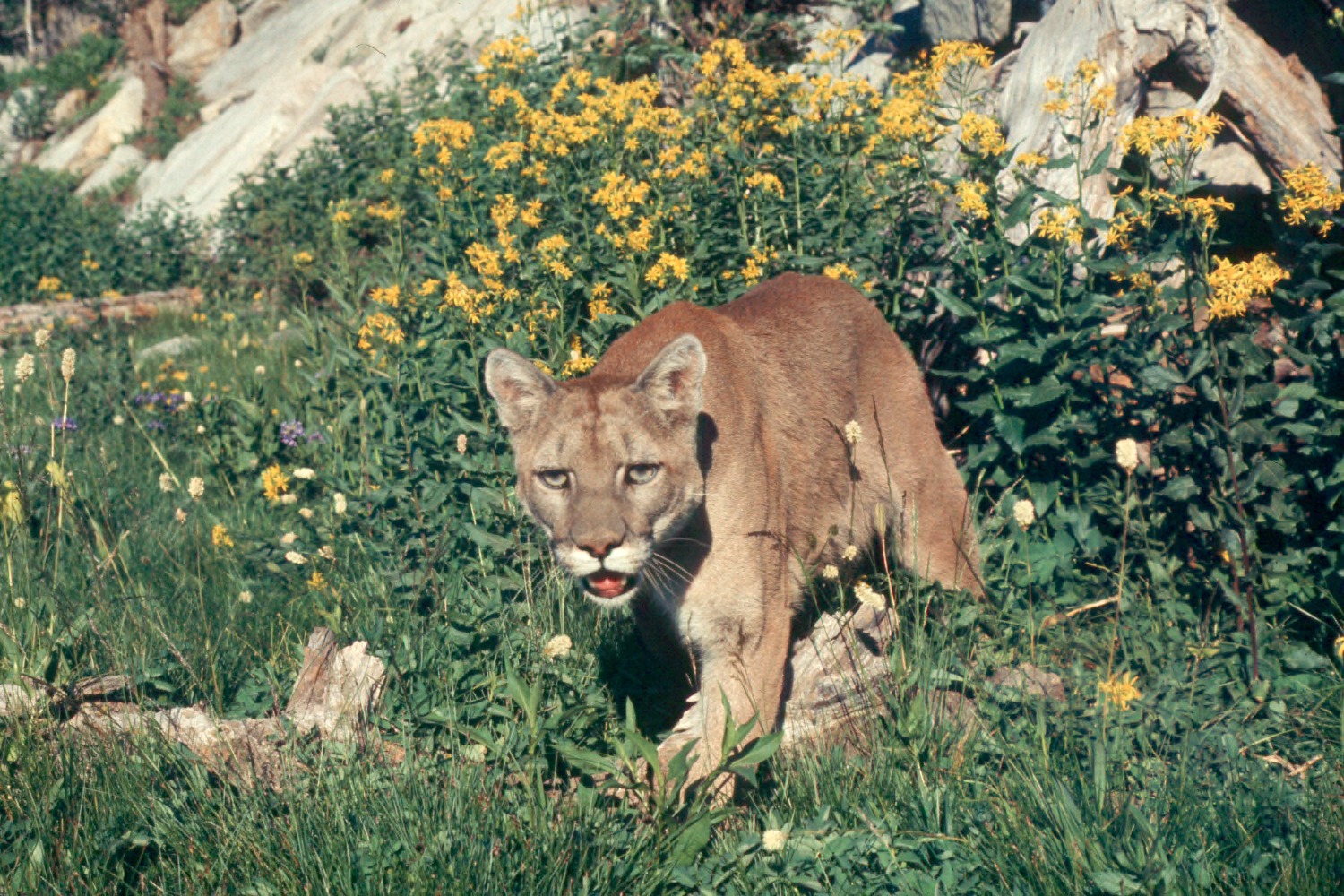
Courtship and mating occurs throughout the year, but is concentrated from December to March in northern latitudes. Gestation periods last from eighty-two to ninety-six days. When the female is in estrous, she vocalizes freely and frequently rubs against nearby objects. The male responds with similar yowls and sniffs the female’s genital area.
Once joined by a male, the courtship and breeding can last as long as two weeks, but most evidence suggests about a single week is normal. The breeding process is very vocal, with both the male and female mountain lions producing different sounds throughout their time together. Both adult males and females may mate with multiple partners, and a female’s litter can have multiple paternities. Copulation is brief but frequent.
Hidden Nurseries: Raising the Next Generation
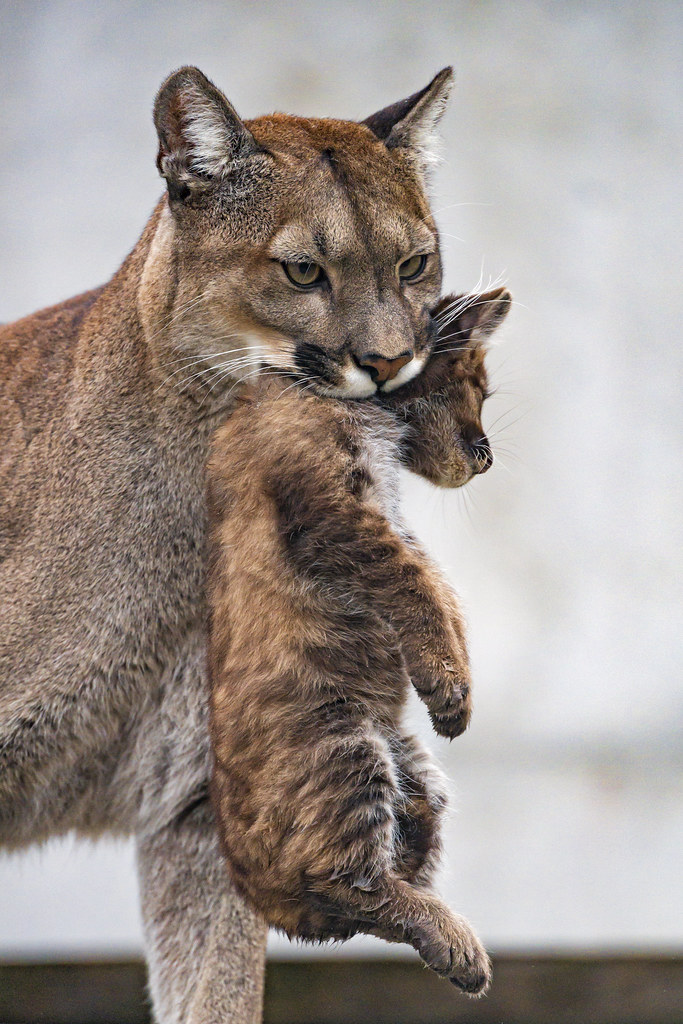
Litters vary in size from one to six cubs with an average of three or four. Mountain lion kittens are born with a coat pattern that has heavy spotting. This pattern eventually fades away as they mature into a uniform tawny color. Newborn kittens are usually a foot in length and weigh from four hundred to five hundred grams.
The cubs open their eyes ten days after birth. At the same time their ear pinnae unfolds, their first teeth erupt, and they begin play. The cubs are fully weaned at about forty days of age. Mother cougars are very protective of their young. They will dedicate eighteen to twenty-four months to take care of a single litter until her kits can get by on their own. She will patiently tend a litter until they reach maturity.
Population Pressures: Surviving in Shrinking Territories
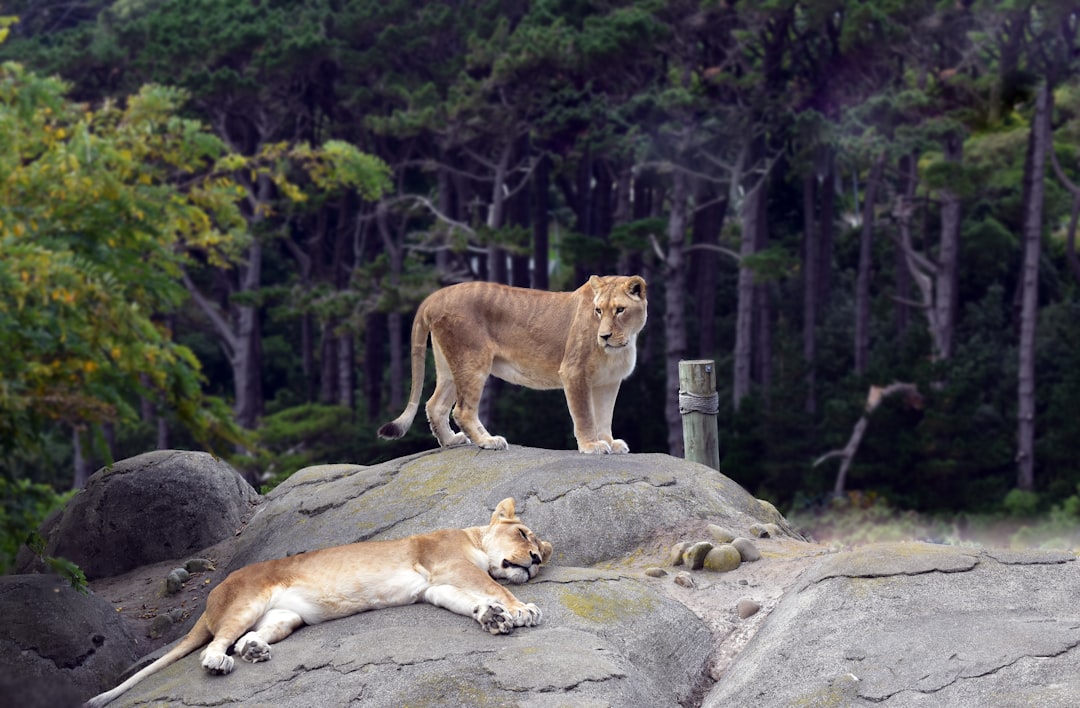
The total number of mountain lions is estimated to be between thirty-two hundred and forty-five hundred, which is thousands fewer than previously thought. The greatest density is in the coastal forests of Humboldt and Mendocino counties of Northwest California, and lowest is the high desert east of the Sierra Nevada range.
It is widely understood that habitat fragmentation and lack of connectivity have caused genetic declines in Southern California mountain lion populations, threatening their long-term viability. This threat prompted the development of wildlife crossings and petitions to list these lion populations as endangered in California. In Southern California, vehicle strikes, rat poison, inbreeding, wildfires, poaching, urban encroachment and freeway systems are all contributing to what scientists call an “extinction vortex”.
The Human Factor: Coexisting with Invisible Neighbors
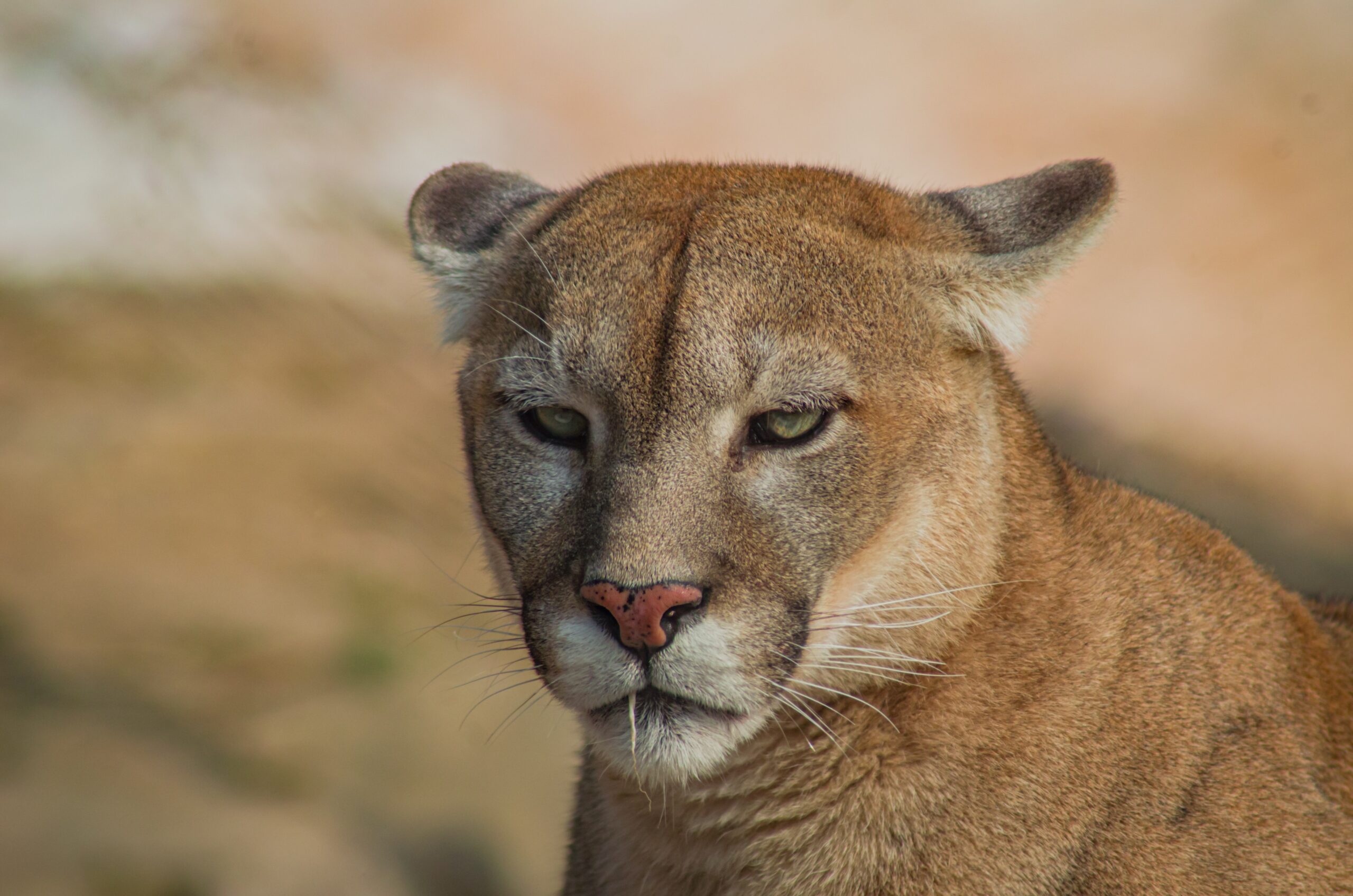
Although mountain lions tend to avoid humans, conflicts with humans, livestock, and pets have increased as mountain lion populations have grown. Factors including increasing human populations and loss and fragmentation of mountain lion habitat are likely contributing to increased mountain lion-human interactions.
One lion territory can contain ten thousand or fifteen thousand human properties, but the lion will avoid us as much as possible. Mountain lions in California are most certainly still impacted by humans, altering much of their behavior to avoid us. Mountain lions learn to fear humans from adverse experiences with humans and from their mother’s adverse experiences with humans.
Conclusion: Guardians of California’s Wild Heritage
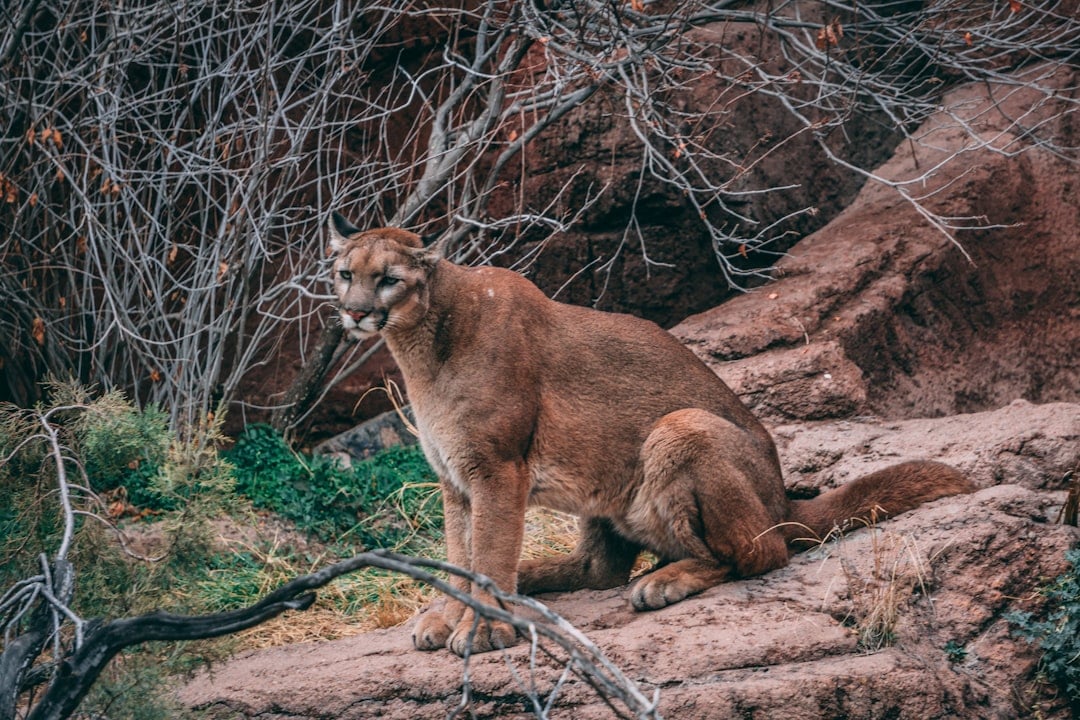
These remarkable predators continue to thrive in California’s backcountry despite mounting challenges from habitat loss and human encroachment. Their secret lives unfold in territories that can encompass hundreds of square miles, where they maintain ancient hunting traditions and raise their young in hidden dens among the rocks and chaparral. While we may share the same landscape, most of us will never witness their presence.
Understanding mountain lions helps us appreciate the complex ecosystem we inhabit together. These cats serve as keystone species that help maintain the delicate balance of California’s natural world. Their survival depends not only on protected wilderness areas but also on wildlife corridors that allow them to move safely between territories. What do you think about sharing your neighborhood with these powerful, elusive hunters? Tell us in the comments.

- What It Actually Means When a Hummingbird Visits You - July 25, 2026
- Which Ocean Animal Are You Based on Your Zodiac Sign? - July 25, 2026
- 12 Powerful Dog Breeds that Can Take Down a Wolf - July 24, 2026