
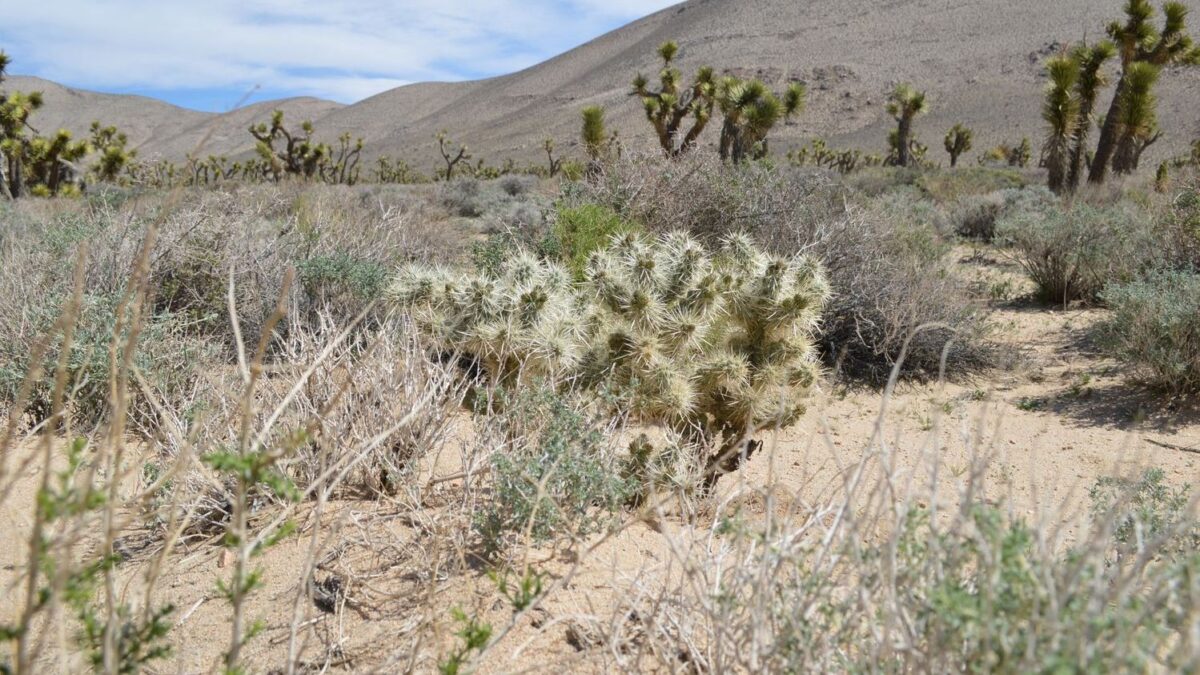
Most people picture the American desert as timeless. Endless sand, a Joshua tree leaning against an orange sky, lizards frozen on warm rock. Ancient. Unchanging. The kind of landscape that makes you feel genuinely small. But here’s the thing – those landscapes are moving, morphing, and in some cases, quietly unraveling right beneath our feet.
The deserts of the American Southwest are some of the most dramatic, biologically rich environments on the planet. Yet they are also among the most vulnerable. Forces both natural and human-made are reshaping them in ways scientists are only now beginning to fully measure. What’s happening is both fascinating and, honestly, deeply unsettling. Let’s dive in.
America’s Desert Kingdoms: A World Worth Understanding
Before we talk about change, it helps to appreciate what we stand to lose. The “Big Four” North American deserts – the Great Basin, Mojave, Sonoran, and Chihuahuan – together cover some 500,000 square miles, stretching from the lonesome sagebrush backlands of Oregon and Nevada all the way down to the cactus groves of central Mexico. That’s not a wasteland. That’s a world.
The Sonoran Desert is the most biologically diverse of the group, home to the iconic saguaro cactus, palo verde, ocotillo, and mesquite, while the Mojave is defined by its Joshua trees, blackbrush, and creosote – more cold-tolerant, more otherworldly. Think of them like neighboring countries sharing a border, each speaking a different ecological language.
The Great Basin Desert, both the highest and northernmost of the four, has very cold winters that limit the growing season to the summer regardless of seasonal precipitation. Vegetation is dominated by a few species of low, small-leafed shrubs, with almost no trees or succulents. Stark, spare, beautiful in its own austere way. Each of these deserts has spent millions of years becoming exactly what it is. The trouble is, the world around them is no longer playing by the same rules.
Hotter, Drier, and Faster: The Climate Pressure Cooker
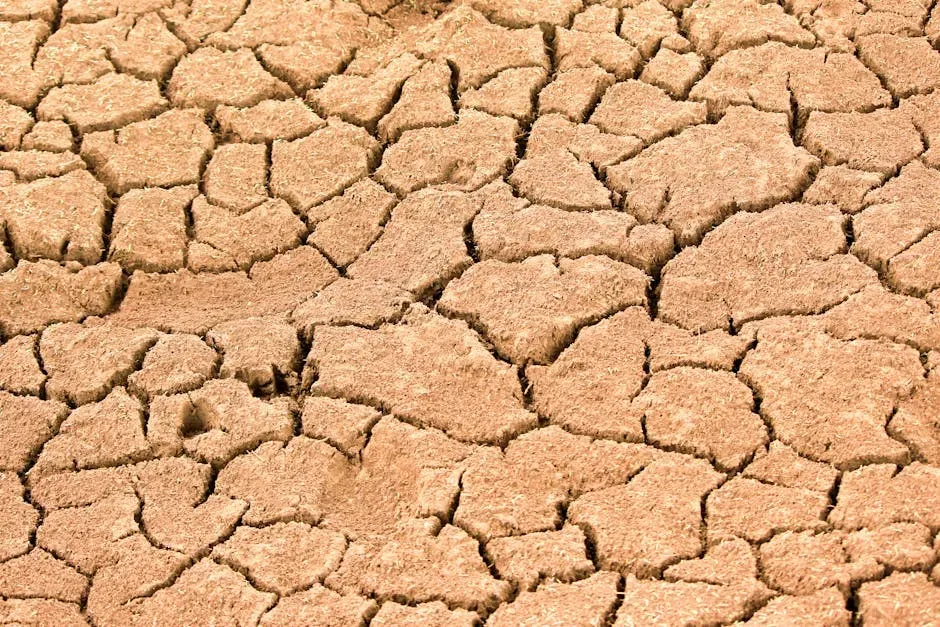
Here’s a fact that should stop you in your tracks. Climate change over the past 25 years has caused temperatures to rise faster in the deserts – up to 2 degrees Celsius – than the global average of 0.45 degrees Celsius. Deserts are warming at roughly four times the global average rate. That’s not a slow drift. That’s a sprint.
Data from the last 30 years indicates the American Southwest is getting warmer and drier. The Pacific storm track, which has historically delivered winter rainfall to recharge desert aquifers, is shifting northward. The predicted drying trend is largely due to a gradual northward shift of the Pacific storm track, which will further reduce the amount of rainfall reaching the Southwest in the future.
Climate change poses significant challenges, as rising temperatures may intensify drought conditions and alter the availability of water sources crucial for both human and ecological systems. Scientists studying ancient cave deposits in the Amargosa Desert have found that even small shifts in storm track position, such as those that occurred during past ice ages, produced radical changes in the desert’s water table. The past, in this case, is a very uncomfortable preview of the future.
Predicted increases in temperature may increase physiological stress in trees, leading to greater susceptibility to infestation by insects and pathogens, and can also alter the elevation domain of species, leading to the migration of forest communities farther upslope. It’s like the entire desert is being asked to climb a staircase that is slowly running out of steps.
When Plants Pack Up and Move: Shifting Vegetation Zones
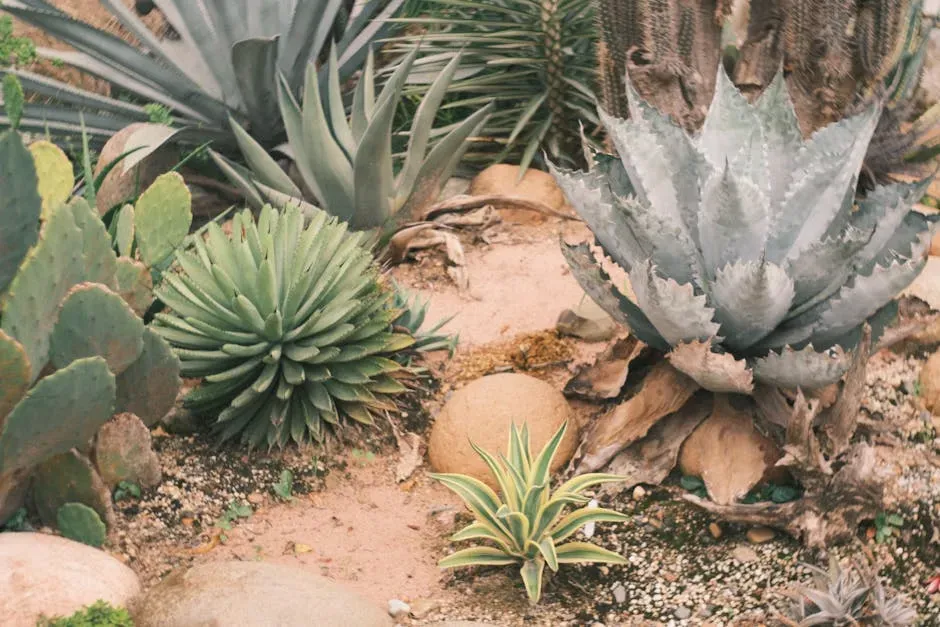
I think one of the strangest and most haunting signs of desert change is the movement of plants. Not animals, which we expect to migrate. Plants. Slowly, silently, relocating across the landscape like a green tide moving uphill.
Plants in temperate regions have shown range shift rates between 5 and 30 metres per decade, but plants in the Sonoran Desert have a shift rate of 29 metres per decade – putting them at the very high end of global rates for plant movement in response to climate change. Researchers at UC Riverside who studied the Boyd Deep Canyon Desert Research Centre found the changes alarming.
Stress tolerant species like California Juniper and Pinyon pine are declining or shifting upwards, according to the study’s results, and despite their shifting positions, they do not appear to be thriving. Moving into their former low-elevation spots are plant species with shallower root systems, like brittlebush, burrow bush, and ocotillo. In other words, the deep-rooted survivors are retreating, and lighter, less tenacious plants are filling the gap.
Increased climate stress in an already extreme environment is pushing the plants to their survival threshold. Once they reach their limit, there is no fixing it. There’s not much we can do to bring them back. That’s not a warning about some distant future. That’s a description of what’s happening right now, in 2026, across the American Southwest.
The Invisible Skin of the Desert: Biocrust Under Siege
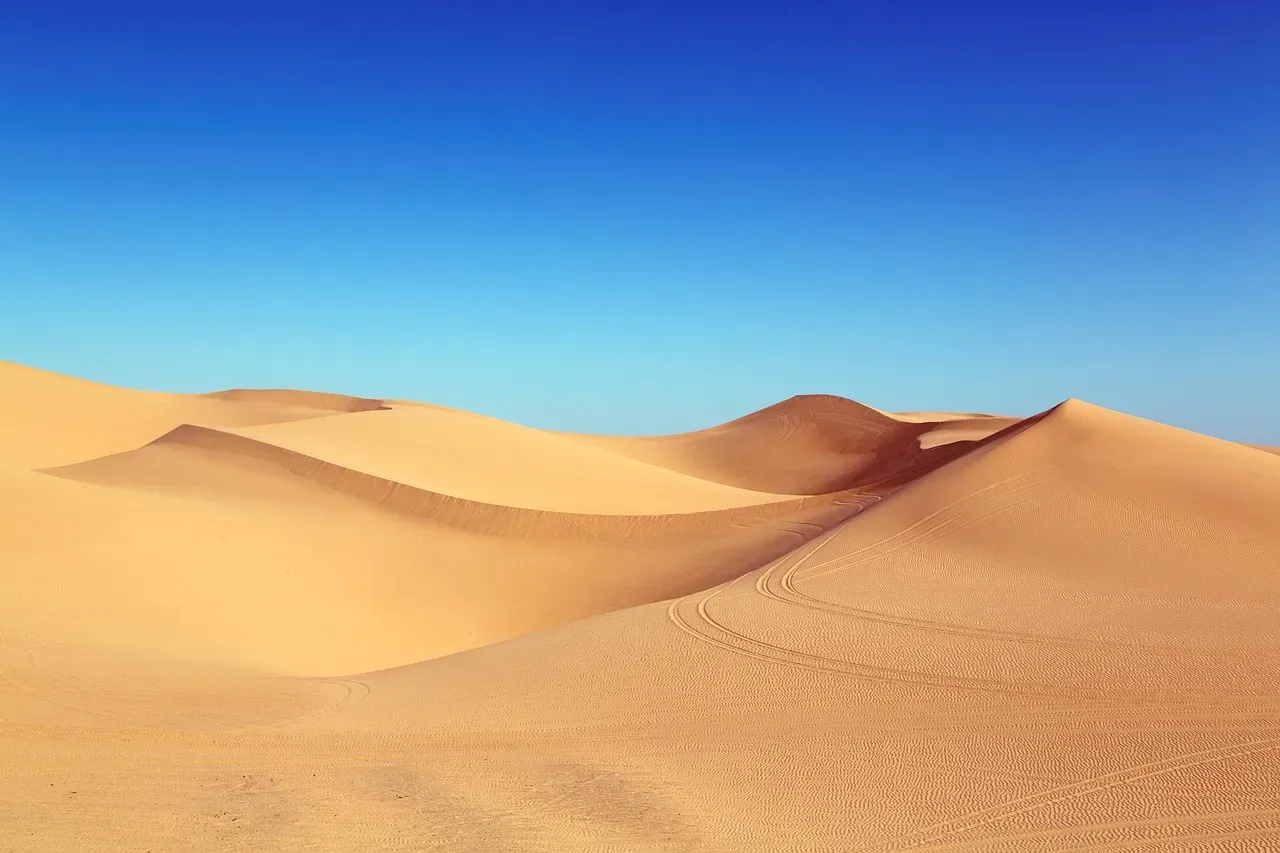
Most visitors to the American desert walk right over one of its most critical features without ever knowing it exists. It looks like a dark, lumpy crust on the soil surface. Unremarkable. Easy to step on. In reality, it is the living skin that holds the entire desert together.
Plants and animals that live in deserts depend on the landscape’s surface protective layer known as biocrust, because it is rich in microorganisms. Fungi, lichens, mosses, blue-green algae and other microbes play a vital role in deserts’ natural ecosystems by retaining water and producing nutrients used by other organisms, from plants to small mammals. Remove the skin, and the whole body starts to fall apart.
Biocrust communities have been lost or degraded across the U.S. Southwest and Intermountain West due to land use practices such as grazing and energy development. The loss of biocrusts drives reduced carbon uptake and soil fertility in the ecosystem, and decreased soil stability and water infiltration. Honestly, this is one of those slow-moving disasters that rarely makes headlines but has enormous consequences.
A USGS ecologist found that a type of lichen that fixes nitrogen in the soil had declined from 19% of the biocrust in 1996 to just 5% today. That’s a collapse of nearly three quarters in less than three decades. Massive dust storms, which are increasing in frequency across the Southwest United States, are becoming more hazardous for people. Dust from one region can travel hundreds of miles. These storms limit visibility, threaten drivers and airplanes and wreak havoc on the human respiratory system. Lose the crust, lose the glue. Lose the glue, and the desert blows away.
Fire, Invasives, and the Vicious Cycle Reshaping the Land
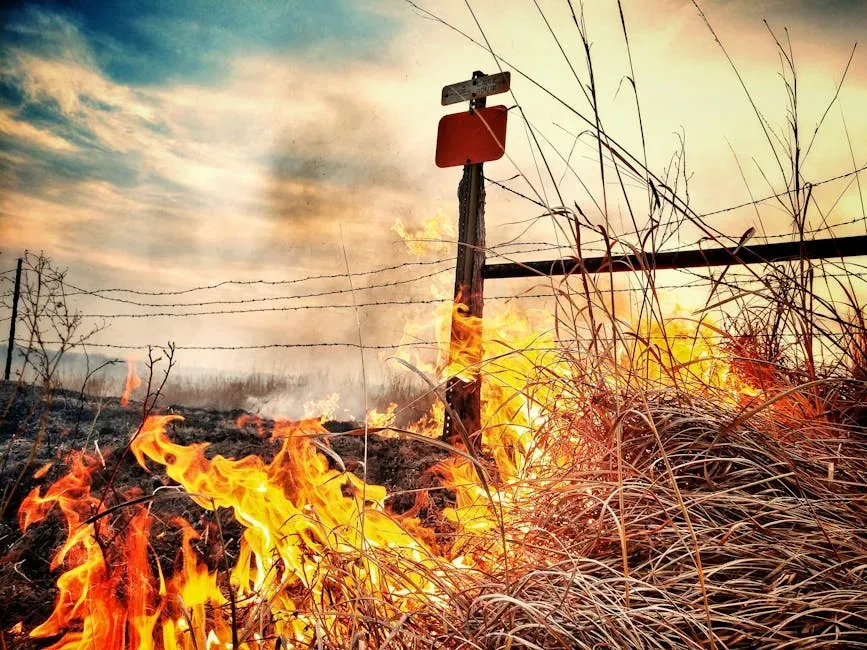
If there is one story that captures the compounding crisis facing American deserts, it is the relationship between invasive grasses and wildfire. It is, to use an overused but perfectly accurate term, a vicious cycle. And it is accelerating.
Native to Europe and parts of Africa and Asia, cheatgrass is contributing to large, destructive wildfires across many areas of the country, including the Great Basin. Areas that have been invaded by cheatgrass are roughly twice as likely to burn. The grass dries out early in summer, creating a carpet of fuel at exactly the wrong time of year.
Cheatgrass grows densely across large areas, in contrast to patchier native vegetation which naturally resists rapid fire spread. The result is a vicious cycle in which cheatgrass promotes more wildfire, and those wildfires promote more cheatgrass. It is a feedback loop that is extraordinarily difficult to break. Think of it like a door that opens easily in one direction and is almost impossible to push back the other way.
Buffelgrass, a perennial grass from Africa, is invasive to the Sonoran Desert of the Southwest United States, where it threatens desert ecosystems by out-competing native plants and altering fire regimes. It has the potential to transform the Sonoran Desert ecosystem from a diverse assemblage of plants to a grassland monoculture. The Sonoran Desert, that extraordinary world of saguaro cacti, elf owls, and desert tortoises – potentially becoming a sea of African grass. It’s hard to say for sure just how far this goes, but the trajectory is alarming. Projections also show that climate change will cause less frequent but more intense summer storms in the Southwest. Because invasive grasses are opportunistic, they can take advantage of this irregular moisture, especially following prolonged drought that kills off native plants. Once the storm passes, the invasive grasses will then dry out, creating the perfect conditions for wildfires, which in turn help the invasives to spread further.
A Desert Worth Fighting For: Science, Hope, and Restoration
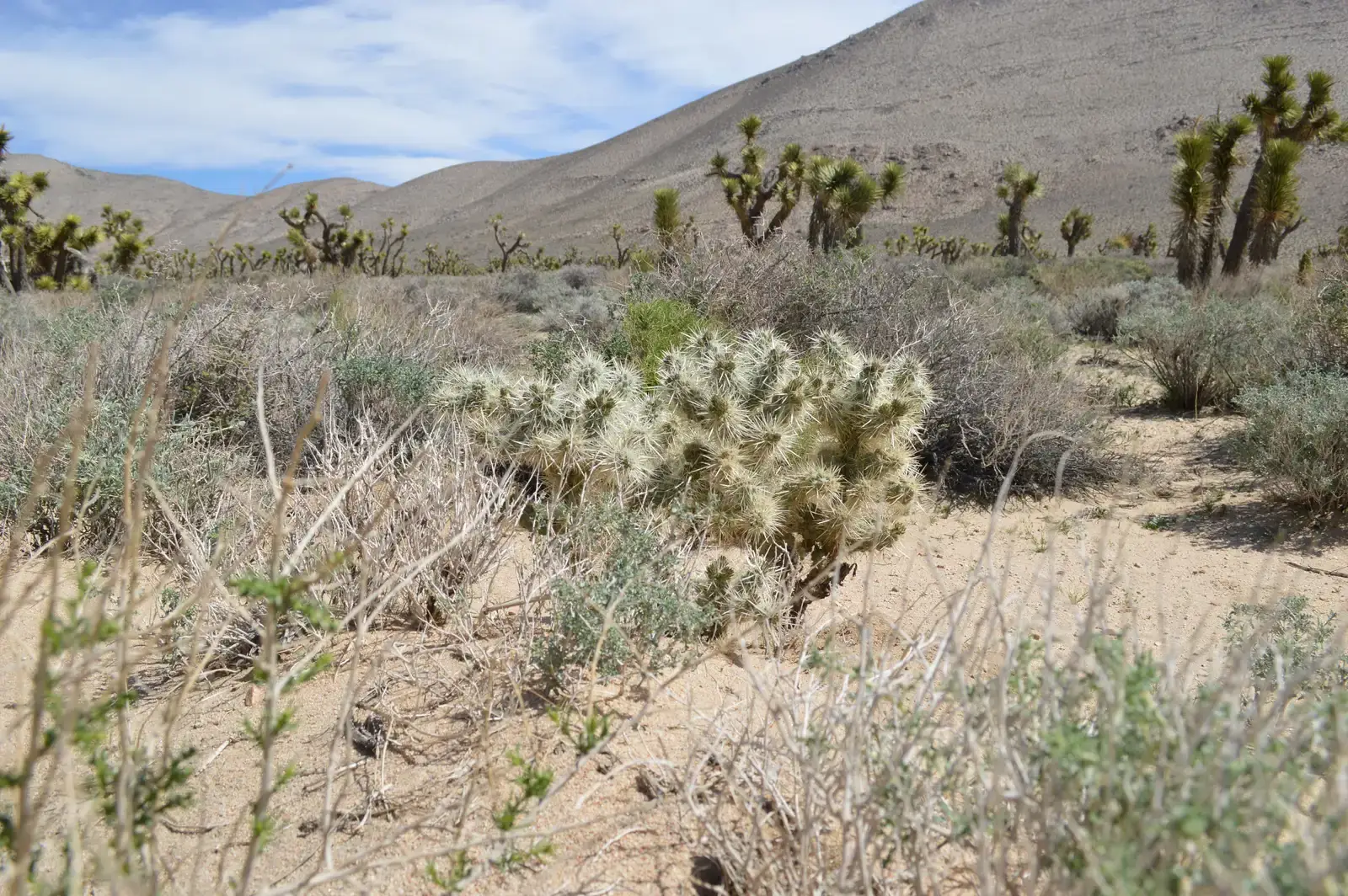
Here’s where it gets interesting, and yes, a little bit hopeful. Scientists, land managers, and conservationists are not simply watching from the sidelines. Some are literally growing new desert skin in labs. Others are using drones, satellites, and genetic research to track invasive species before they take hold. The fight is on.
The USGS, along with The Nature Conservancy, Northern Arizona University, and Rim to Rim Restoration, are attempting the world’s largest-scale cultivation of whole biocrust communities. It is the kind of project that sounds almost absurdly ambitious – farming the invisible skin of the desert to replant it back into the wild. Yet it represents real, determined scientific effort.
A report estimates that California’s deserts store nearly ten percent of the state’s carbon. The desert’s plants and soil microbes work in tandem to capture and process massive amounts of carbon dioxide and store it safely underground, a natural process called carbon sequestration, which is complex and takes hundreds of years to complete. The desert, it turns out, is not just a beautiful backdrop for road trips. It is a critical carbon vault. Protecting it protects us too.
Scientists report having success in ecological restoration, both in getting rid of noxious plants that cause fires and in helping native plants recover. Even large fires have presented an opportunity to reimagine how these ecosystems look and improve how they’ll perform amid climate change and increased land use pressure. Let’s be real – no single lab project or restoration effort will undo decades of land degradation overnight. But the science is there, the will is growing, and the deserts themselves have proven, over millions of years, that they are remarkably resilient.
Conclusion: What the Sands Are Telling Us
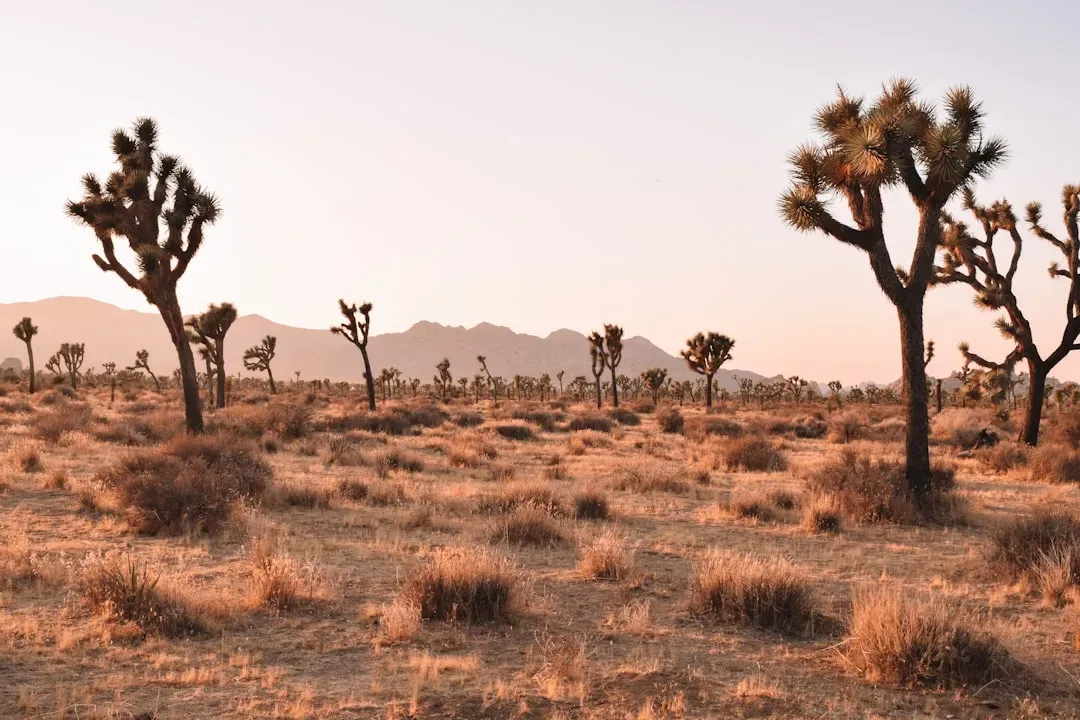
The American desert is not a static painting. It never was. It breathes, shifts, adapts, and reacts – to rainfall, temperature, fire, footsteps, and the invisible chemistry of the atmosphere above it. What’s different now is the speed and scale of the changes being imposed on it.
We are living through a moment when the deserts of the American Southwest are being fundamentally rewritten. Hotter temperatures, shifting plants, disappearing biocrusts, encroaching invasive grasses, and expanding cities are all pulling the same thread at the same time. Desert vegetation grows painfully slowly, and once disturbed, can take centuries to recover. And because the ecosystems desert animals depend upon are so fragile, entire populations are easily wiped out. With human impacts on deserts increasing – especially in the American Southwest, which contains some of the country’s fastest-growing cities – wildlife that has lived there for thousands of years is in danger of dying out.
There is still time to change how this story ends. The science exists. The restoration efforts are real. The deserts themselves, when given even a little breathing room, show surprising resilience. The question is not whether we can help – the question is whether we’ll choose to. What do you think it will take before we start treating our deserts with the urgency they deserve? Tell us in the comments.
