


The Galápagos tortoise, an emblem of the Galápagos Islands, is a magnificent creature renowned for its impressive size, longevity, and tranquil pace of life. These iconic gentle giants symbolize the unique biodiversity of their home and serve as a fascinating case study in adaptation and evolution. Let’s delve into the world of these extraordinary tortoises, exploring their characteristics, behavior, and the conservation efforts dedicated to their survival.
Introduction to the Galápagos Tortoise

The Galápagos tortoise is one of the largest tortoise species in the world, known for its substantial size and significant life span. Endemic to the Galápagos Islands, these reptiles are famous for their slow-motion lifestyle, tranquil demeanor, and the vital role they play in their ecosystem. By examining their unique adaptations and behaviors, we gain insights into the effects of isolation and evolution on animal species.
Historical Background of the Galápagos Tortoise
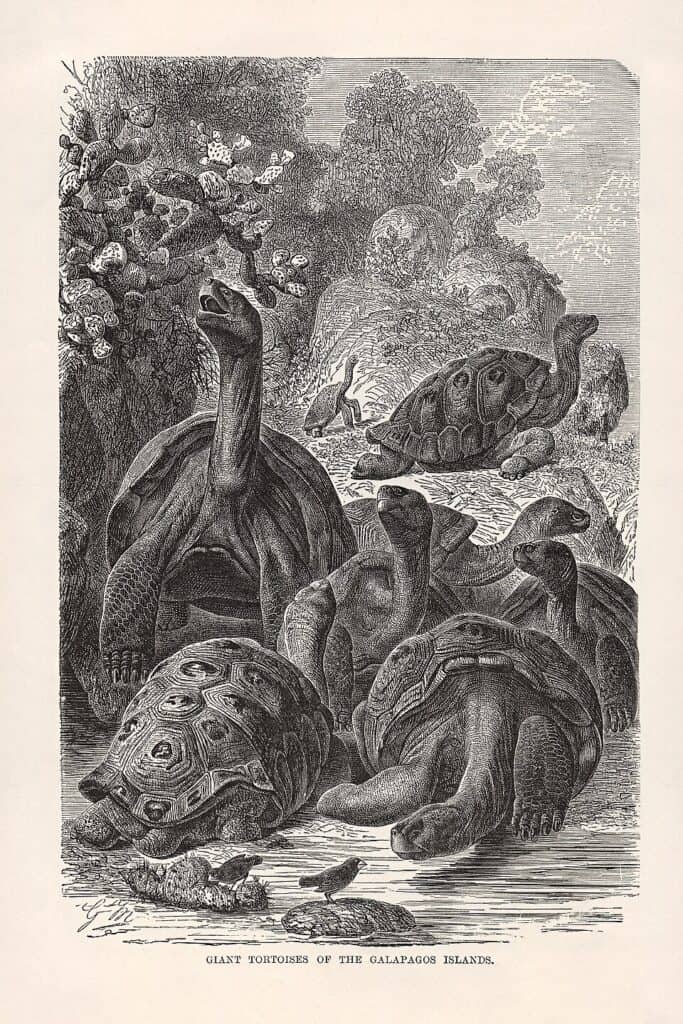
The Galápagos tortoise has an illustrious history that dates back millions of years. Renowned naturalist Charles Darwin famously observed them during his voyage on the HMS Beagle, contributing to the formulation of his theory of evolution. Over time, these tortoises have become a key symbol of the Islands, underscored by their ecological importance and the conservation challenges they face.
Anatomy and Physical Characteristics
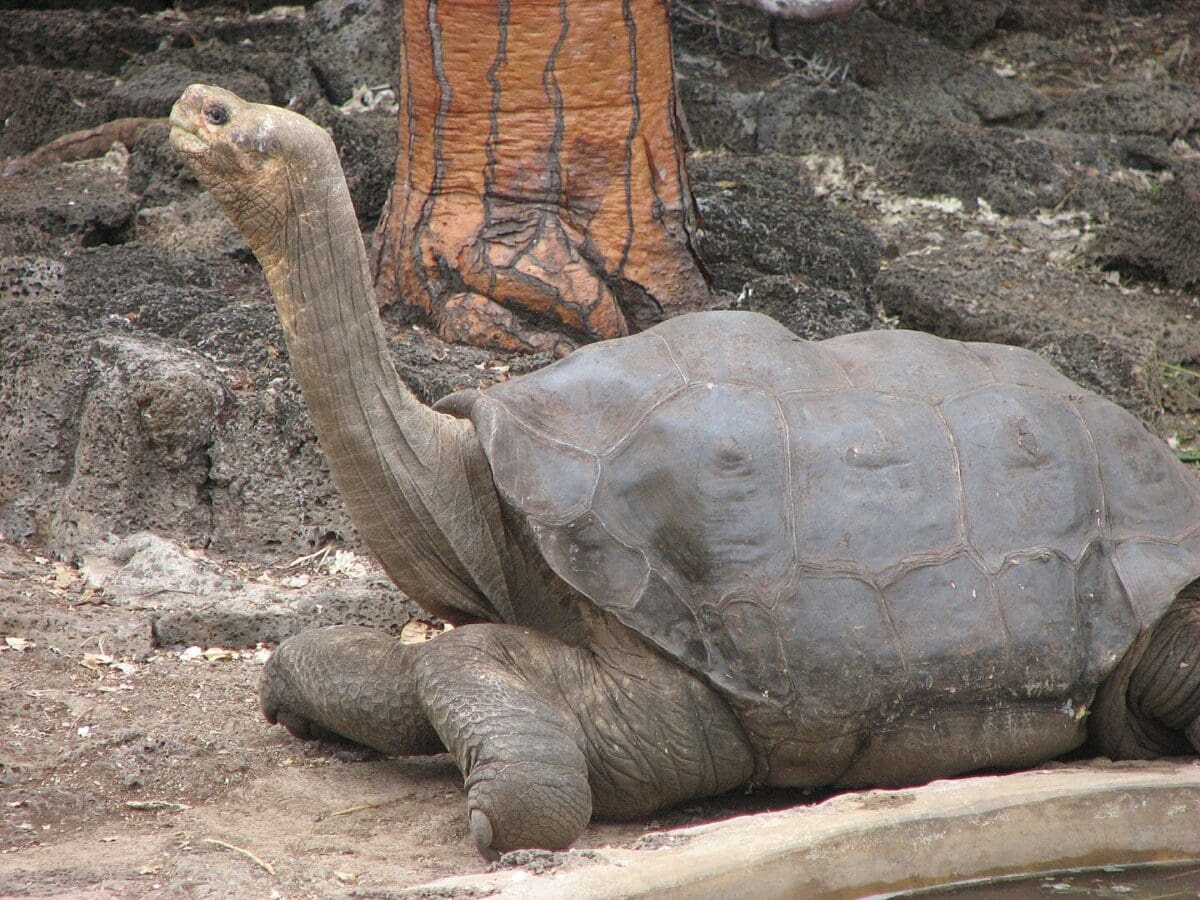
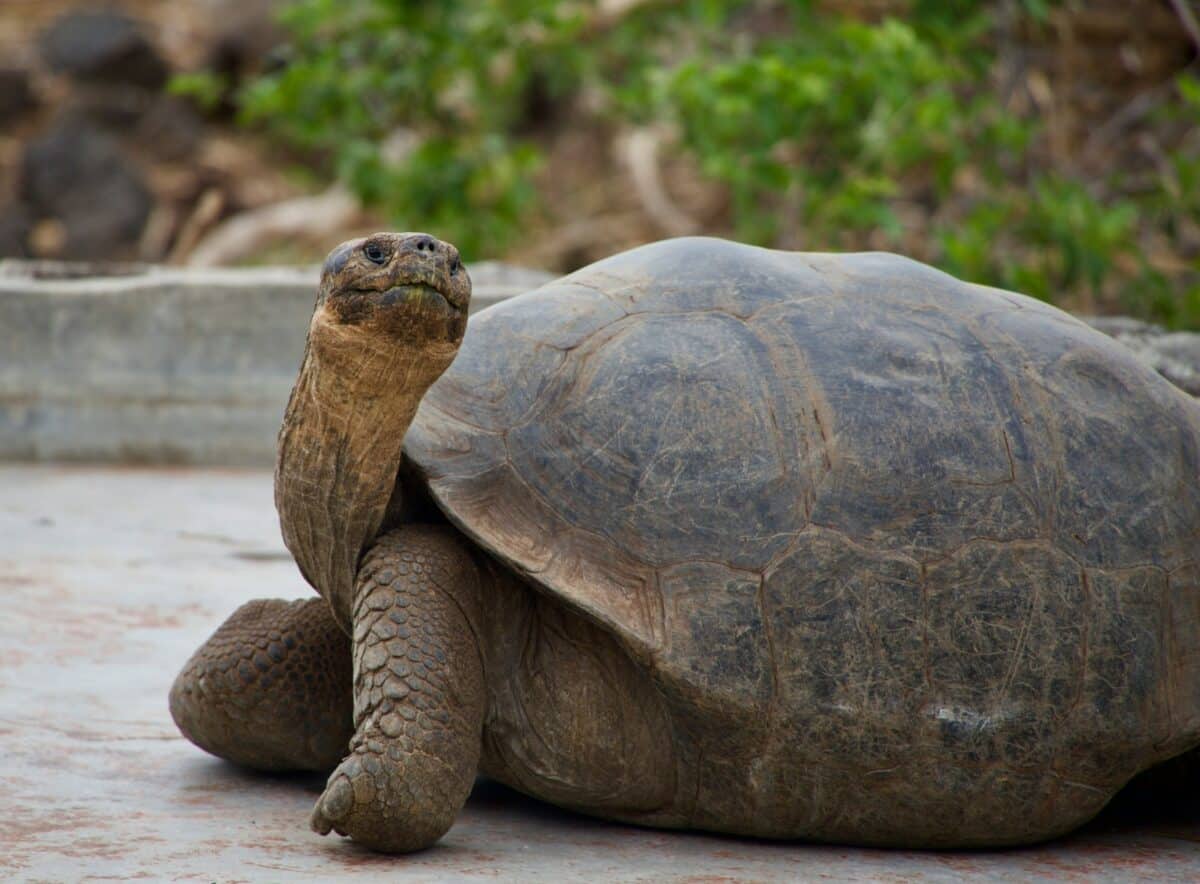
Galápagos tortoises are distinguished by their massive, dome-shaped shells, which can weigh up to 250 kilograms (550 pounds). Their scaly skin and long necks are adapted to their environment, allowing them to reach vegetation and regulate body temperature. These tortoises exhibit sexual dimorphism, with males generally larger than females.
Dietary Habits and Foraging Behavior

Primarily herbivorous, Galápagos tortoises feed on a variety of vegetation, including cacti, grasses, and fruit. Their slow metabolism allows them to survive for long periods without food or water, a crucial adaptation for life on the arid islands. The tortoises’ foraging behavior also plays a crucial role in maintaining the health of their ecosystem by promoting plant growth and nutrient cycling.
Reproduction and Lifecycle
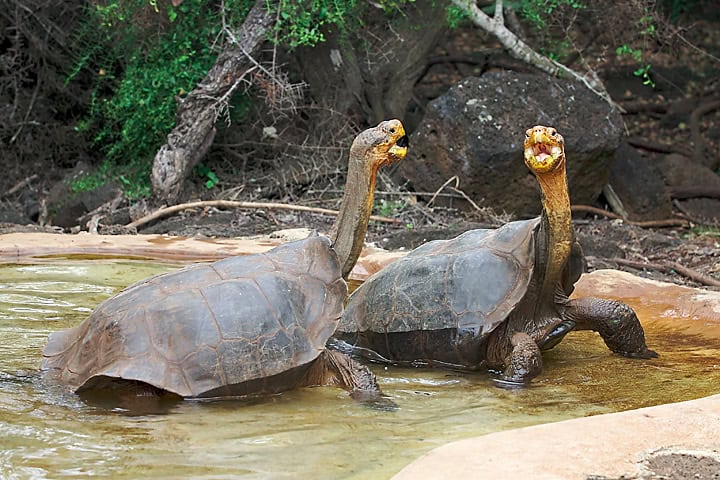
The slow-motion lifestyle of the Galápagos tortoise extends to their reproductive habits. These tortoises reach maturity at around 25 to 40 years of age. Females can lay between 3 and 16 eggs per clutch, with incubation periods lasting several months. The survival of hatchlings is a struggle, as natural predators and environmental challenges pose threats to the vulnerable young.
Adaptations to an Island Environment

Galápagos tortoises exhibit several remarkable adaptations suited to island life. Their ability to store significant amounts of water in their bodies enables them to endure long droughts, while their slow metabolism converses energy in the resource-scarce environment. These evolutionary traits highlight the fascinating intersection of biology and ecology that characterizes these iconic animals.
Social Structure and Interaction

Tortoises are generally solitary animals, though they can be seen in small groups while due to their shared habitat and resources. Despite being mostly solitary, they do communicate through subtle physical gestures and vocalizations during interactions, especially during mating season or territorial disputes.
Role in the Ecosystem
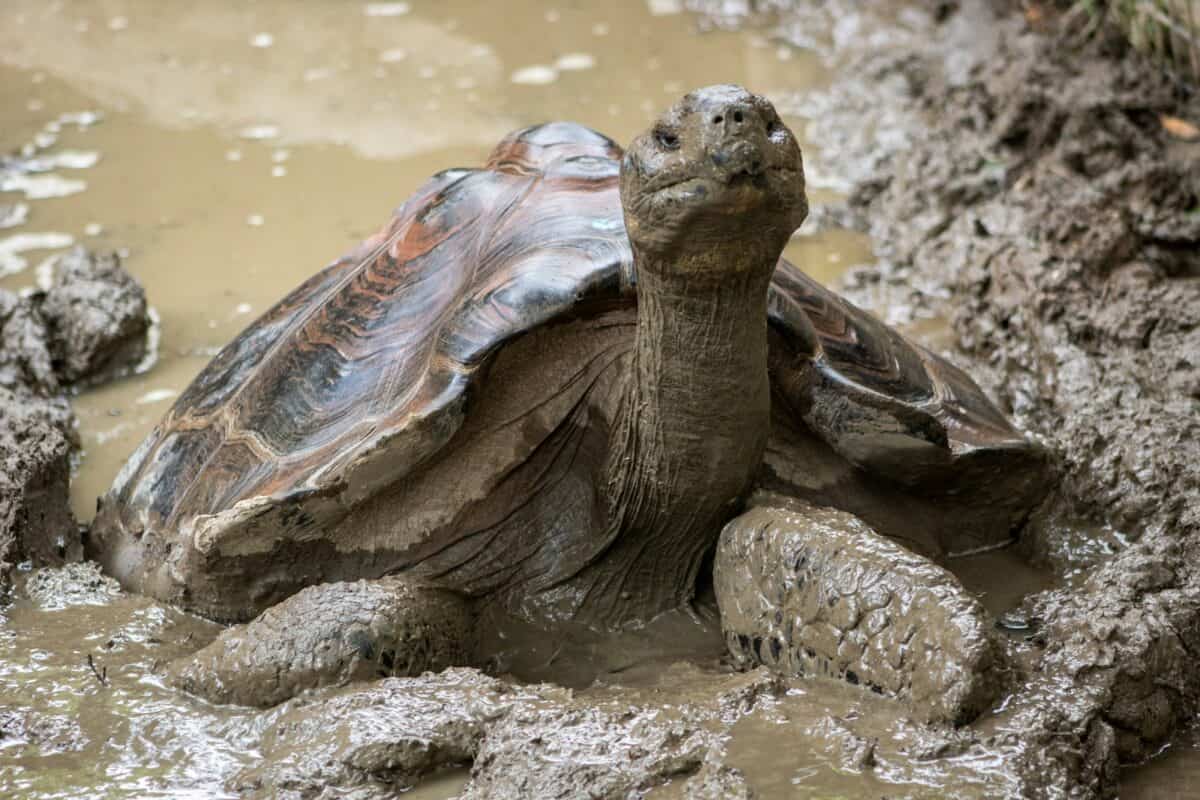
As keystone species, Galápagos tortoises impact their ecosystems significantly. By feeding on plants, they help to control vegetation growth and enhance diversity. Additionally, their movement across the islands aids in seed dispersal, fostering plant reproduction and contributing to the islands’ ecological health.
Conservation Challenges
Despite their iconic status, Galápagos tortoises face numerous threats. Habitat destruction, introduced species, and climate change are significant concerns. Predatory animals introduced by humans have posed severe risks to tortoise hatchlings, necessitating proactive conservation measures to ensure their survival.
Conservation Efforts: Success Stories and Ongoing Challenges

Conservation efforts have seen successful strides in protecting these majestic creatures. Breeding programs and habitat restoration initiatives have aided in boosting population numbers. However, ongoing challenges require persistent efforts and global cooperation to preserve both the tortoises and their fragile island ecosystems.
Scientific Research and Discoveries
Ongoing research continues to uncover new aspects of Galápagos tortoise biology and ecology. Genetic studies have enhanced our understanding of their evolutionary history, while ecological research has provided insights into their role within island ecosystems. These studies are crucial for formulating effective conservation strategies.
The Galápagos tortoise epitomizes the remarkable adaptability and resilience of life on Earth. Their slow-motion lifestyle, shaped by millions of years of evolution, offers valuable lessons in survival, adaptation, and environmental stewardship. As guardians of their delicate island ecosystems, it falls to us to protect and preserve these extraordinary creatures for future generations to appreciate and learn from.

- What’s Hiding in the Forests of the Pacific Northwest - July 21, 2026
- Tarsiers: The Tiny Primates with Giant Eyes - July 21, 2026
- Are Zoos Still Ethical in 2025? - July 21, 2026