
Worried about unexpected vet bills?
Pet insurance can cover thousands in unexpected vet costs. Get a free quote from Lemonade in under 2 minutes.
Get My Free Quote →Sponsored · Opens Lemonade.com
Sometimes, reality refuses to follow the script. We’ve grown comfortable thinking we understand the cosmic dance happening above our heads, yet recent findings are now challenging everything scientists thought they knew. It’s almost unsettling how something as fundamental as our own movement through space could remain so mysterious for so long, yet here we are. Groundbreaking research has just revealed that our solar system is racing through the universe at a baffling speed that defies all current models. Honestly, this discovery forces us to rethink some of the most basic assumptions about the cosmos itself.
The implications stretch far beyond a simple recalculation. This isn’t just about adding a few numbers to an equation. What we’re seeing might signal cracks in the very foundation of modern cosmology. Let’s dive into this cosmic mystery and explore what it truly means for our understanding of the universe.
The Shocking Discovery That Broke Cosmological Models
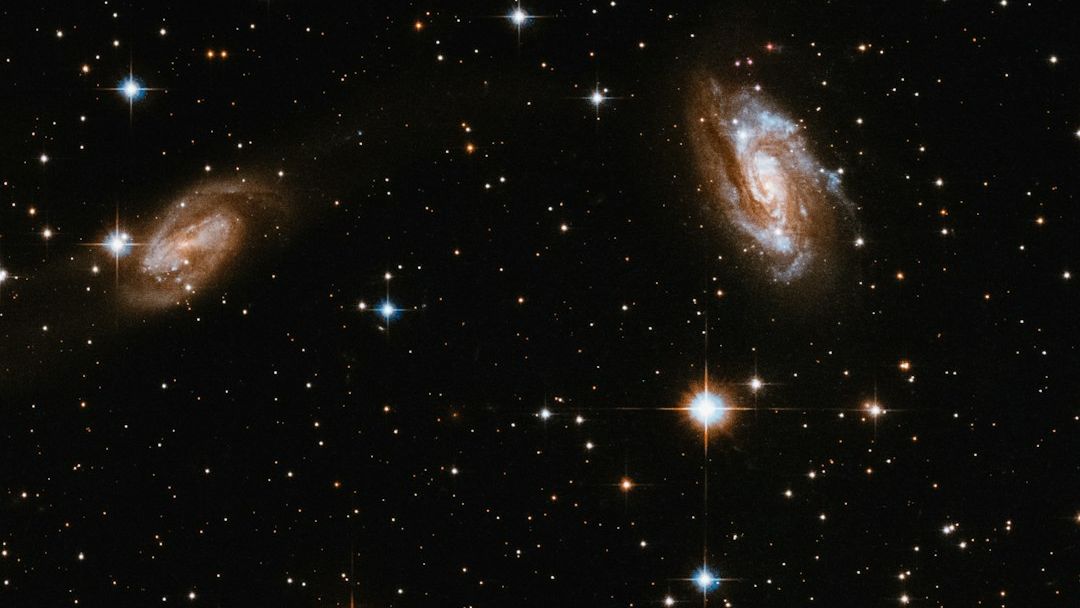
A research team led by astrophysicist Lukas Böhme at Bielefeld University has found new answers that challenge the established standard model of cosmology. The analysis shows that the solar system is moving more than three times faster than current models predict. Let’s be real, when scientists discover something moving three times faster than expected, it’s not just a minor discrepancy.
The study’s findings were published in the journal Physical Review Letters in November 2025. The combination of data from all three radio telescopes revealed a highly significant deviation (over five sigma), considered in science as evidence for a discovery. In scientific terms, five sigma means there’s essentially no chance this is a fluke or measurement error.
How Scientists Measured Our Breakneck Speed Through Space
To determine the motion of the solar system, the team analyzed the distribution of radio galaxies, distant galaxies that emit particularly strong radio waves. Think of it like driving through rain. Just as passengers in a moving car see more raindrops on the windshield than the rear window, astronomers see more radio galaxies in the direction the solar system is traveling.
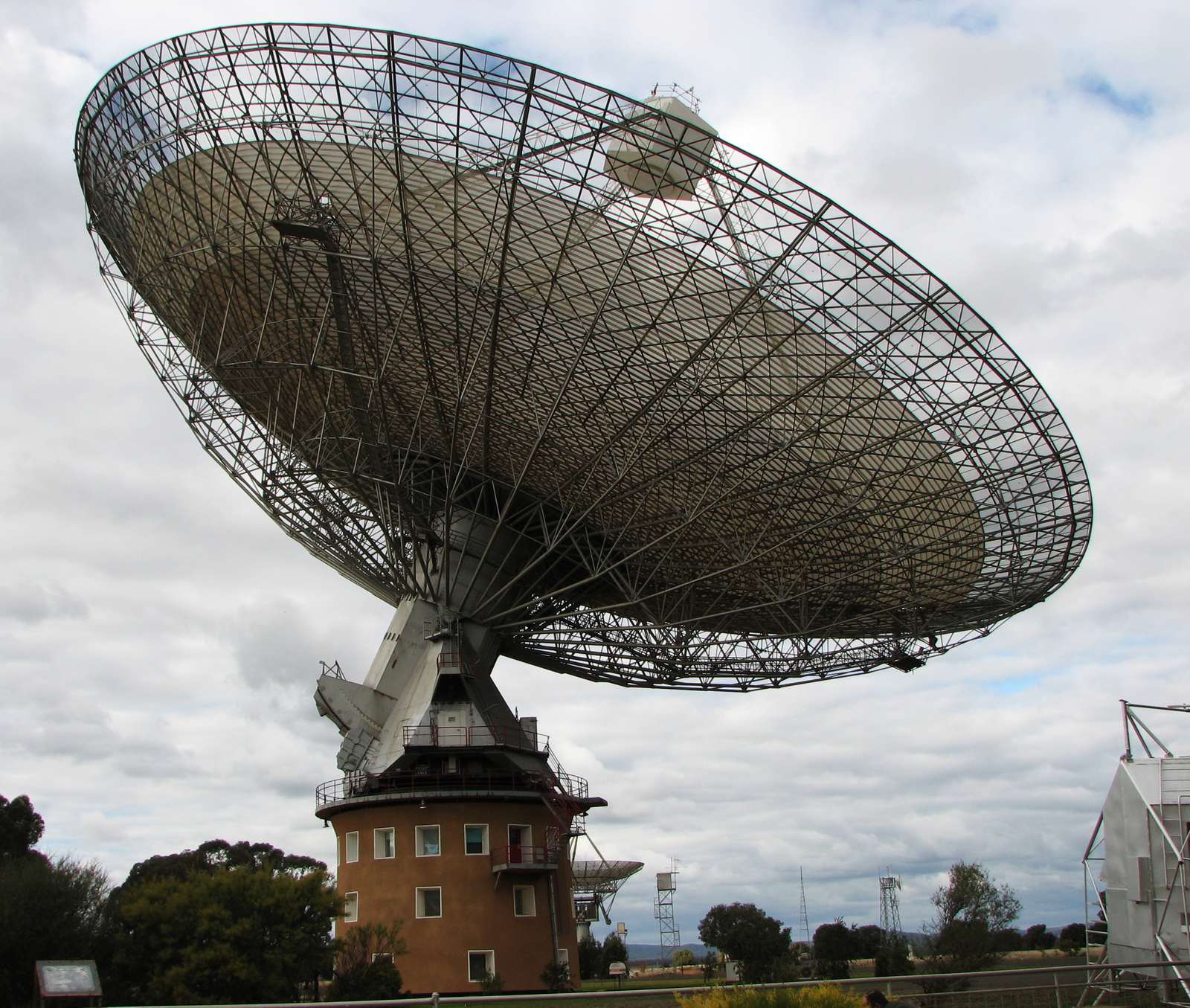
Because radio waves can penetrate dust and gas that obscure visible light, radio telescopes can observe galaxies invisible to optical instruments. Using data from the LOFAR telescope, a Europe-wide radio telescope network, combined with data from two additional radio observatories, the researchers were able to make an especially precise count of such radio galaxies for the first time. Radio waves gave them a clear window into the universe that visible light simply cannot provide.
The Radio Galaxy Headwind Effect
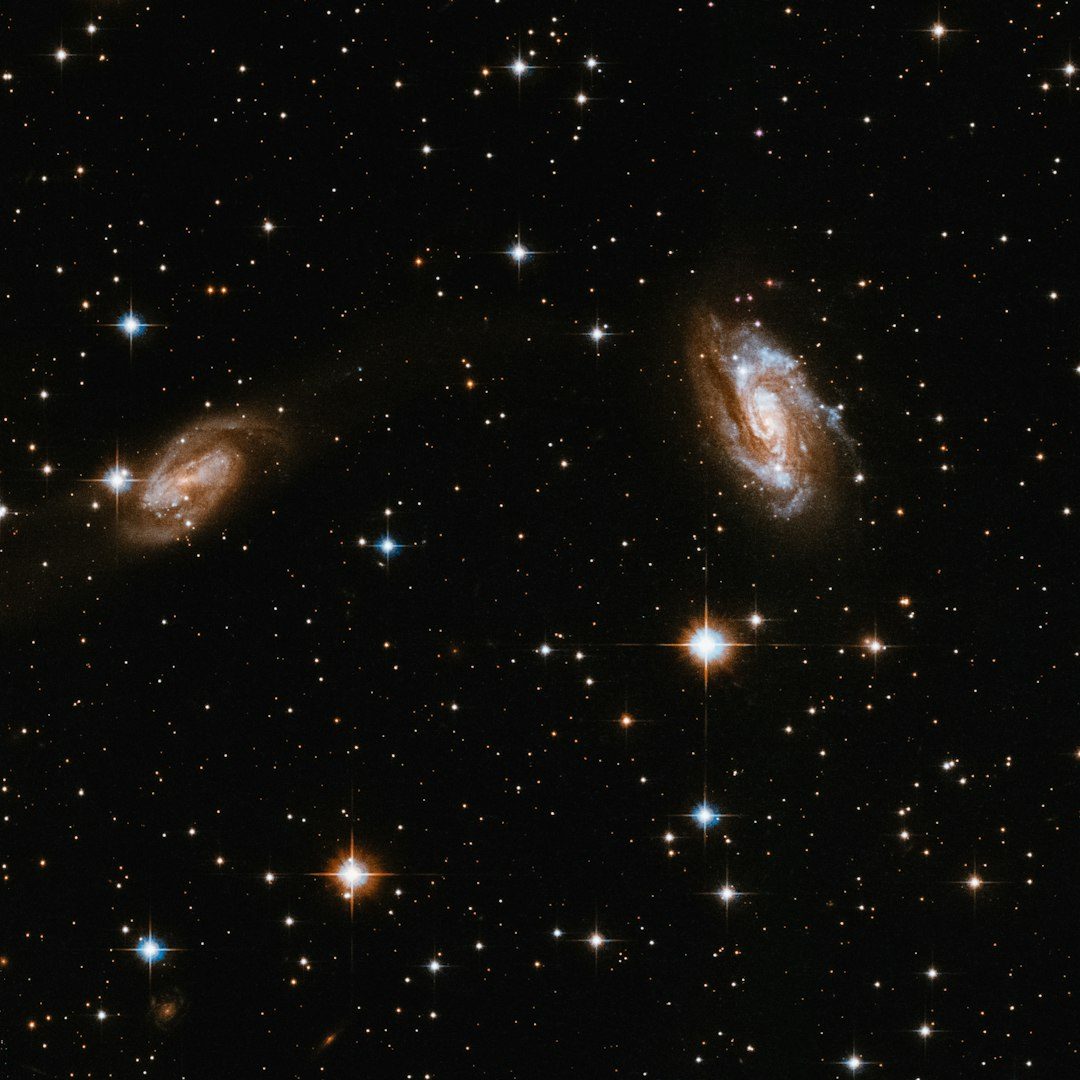
As the solar system moves through the universe, this motion produces a subtle headwind with slightly more radio galaxies appearing in the direction of travel. Picture yourself walking through a snowstorm. More snowflakes hit your face than your back, right? The same principle applies here, just on a cosmic scale with galaxies instead of snowflakes.
The difference is tiny and can only be detected with extremely sensitive measurements. The measurement shows an anisotropy in the distribution of radio galaxies that is over three times stronger than what the standard model of the universe predicts. This asymmetry shouldn’t exist at this level if our current understanding of the cosmos is correct.
What This Means for the Speed of Our Solar System
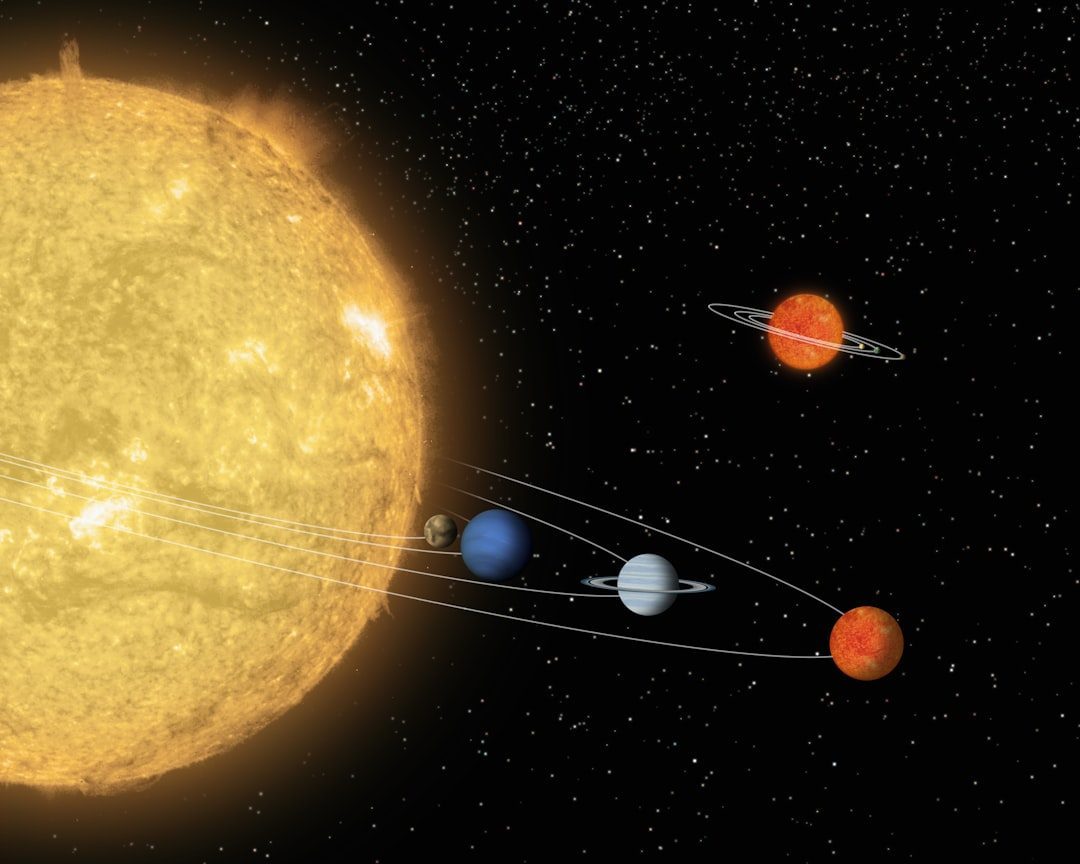
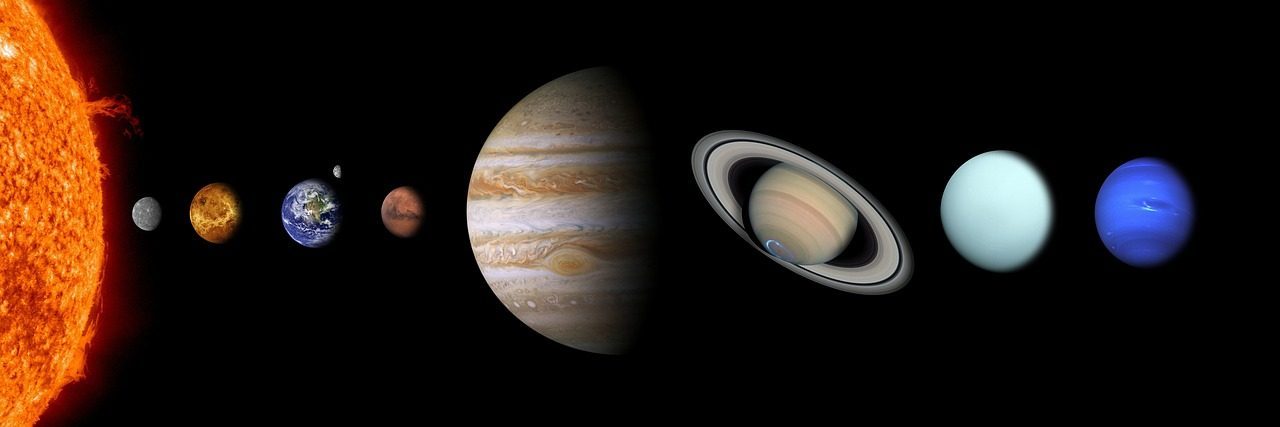
Planck’s measurements of the cosmic microwave background imply that our solar system moves at roughly 827,000 miles per hour relative to this background. That’s already an incomprehensible speed, hard to wrap your head around. Yet the new analysis of radio galaxies suggests our solar system is moving over three times faster than theory allows.
The speed of our solar system around the galaxy’s center has implications for the rotational speed of our galaxy as a whole, and if our galaxy is rotating faster than expected, it might suggest other galaxies are too. This creates a cascade effect throughout our understanding of galactic mechanics. The universe might be far more dynamic than we ever imagined.
Challenging the Cosmological Principle
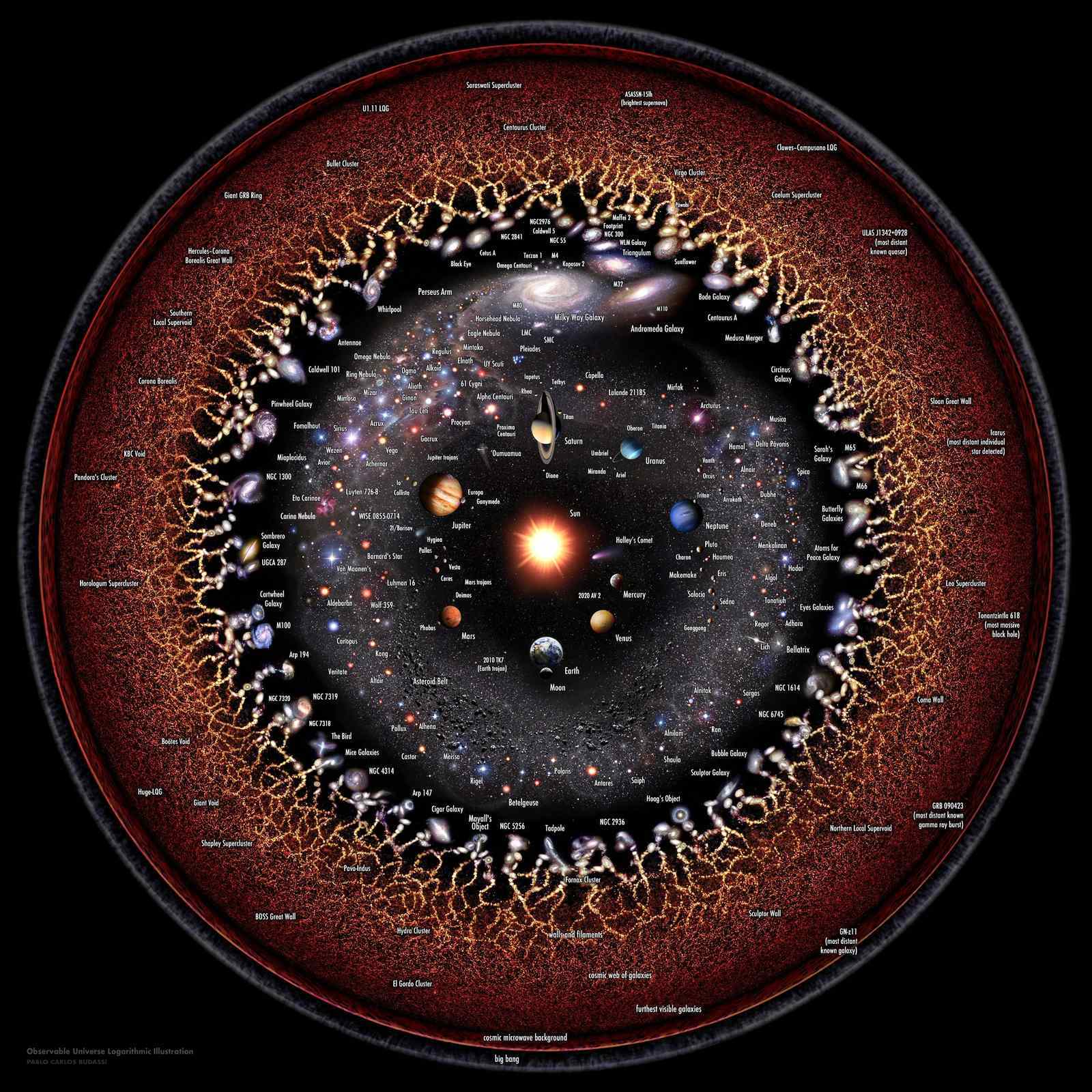
It raises serious questions about the cosmological principle, which posits that the universe is isotropic and homogeneous on large scales with no preferred direction of motion. This principle has been one of the bedrock assumptions underlying nearly every major cosmological theory for decades. If it crumbles, much of what we thought we knew goes with it.
If our solar system is indeed moving this fast, we need to question fundamental assumptions about the large-scale structure of the universe. Alternatively, the distribution of radio galaxies itself may be less uniform than we have believed. Either option demands a major revision of how we view the cosmos.
Confirmation from Previous Studies
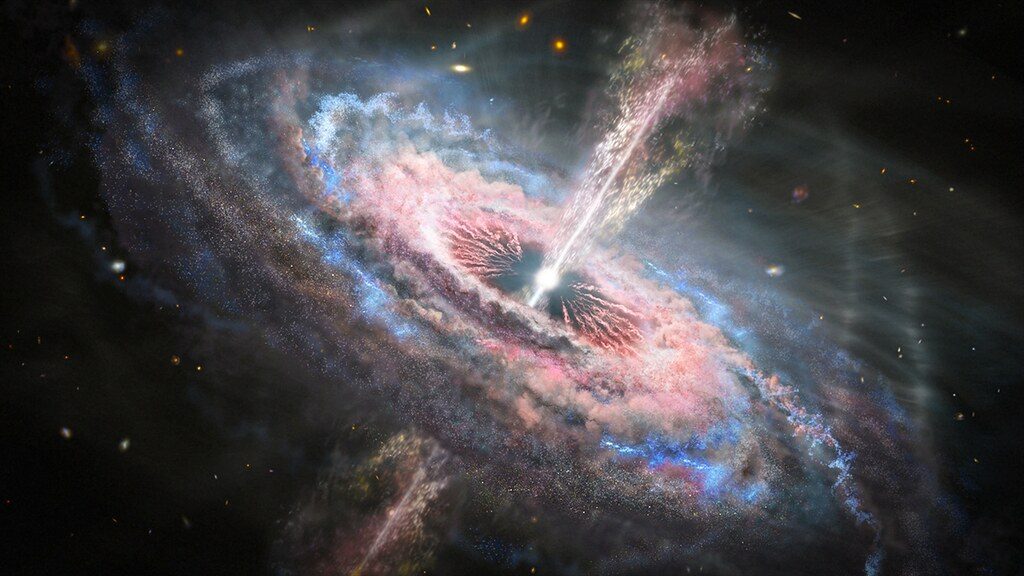
The new results confirm earlier observations in which researchers studied quasars, the extremely bright centers of distant galaxies, and the same unusual effect appeared in these infrared data, suggesting that it is not a measurement error but a genuine feature of the universe. Honestly, when multiple independent methods reach the same bizarre conclusion, you know something profound is happening.
A 2023 study using new estimators on two radio catalogues reported a dipole roughly three times stronger than expected, with high statistical significance and pointing in nearly the same direction as the cosmic microwave background dipole. The consistency across different datasets makes the findings even more compelling. This isn’t an isolated anomaly.
The Future of Cosmic Motion Research
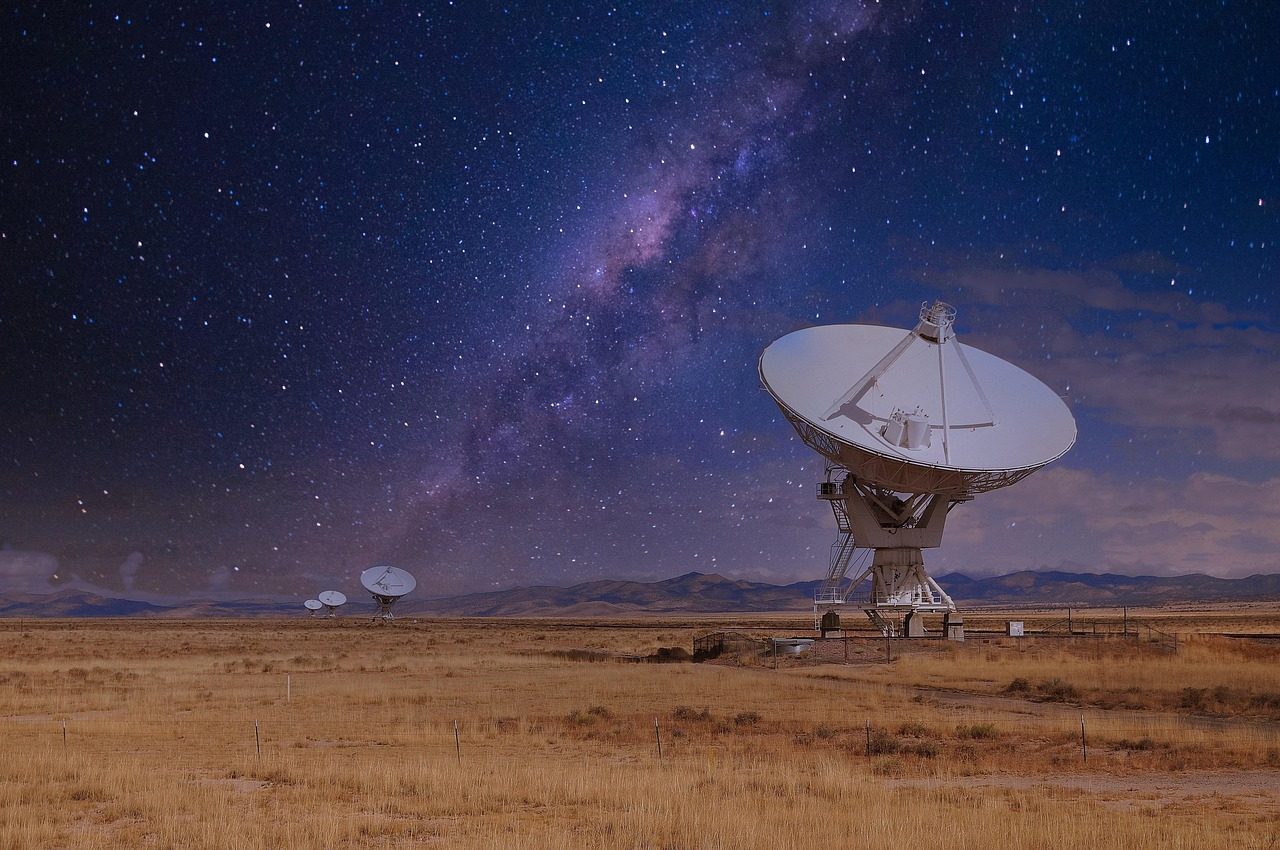
Upcoming releases from LOFAR, ASKAP, and other pathfinder projects will sharply increase the number of well characterized radio sources on the sky, and future observations from the Square Kilometre Array should show whether the radio dipole excess persists once systematics are tightly controlled. Technology keeps advancing, giving us sharper eyes to peer into the darkness.
If the mismatch survives that scrutiny, cosmologists will face uncomfortable but exciting choices, as either our basic assumption of large scale uniformity fails, or there is an unknown ingredient shaping how matter is spread across the universe. Perhaps dark matter plays a role we haven’t anticipated, or maybe there’s something even stranger at work. The universe has always had a knack for surprising us.
Conclusion: A Cosmic Mystery Unfolds
The study highlights how new observational methods can fundamentally reshape our understanding of the cosmos and how much there still remains to discover in the universe. It’s hard to say for sure what the ultimate explanation will be, but this discovery reminds us that even our most fundamental cosmic measurements can hide profound mysteries.
These new findings suggest that there is still much we do not understand about the universe’s structure and motion, and the implications of a faster-than-expected solar system could lead to a major shake-up in how we view the cosmos. Science works best when it’s challenged, when comfortable assumptions get tested and sometimes broken.
What do you think about this cosmic speed mystery? Does it make you wonder what else we might have gotten wrong about our place in the universe?
Worried about unexpected vet bills?
Pet insurance can cover thousands in unexpected vet costs. Get a free quote from Lemonade in under 2 minutes.
Get My Free Quote →Sponsored · Opens Lemonade.com

- 8 Natural Smells That Help Keep Ants Out of Your Kitchen - June 10, 2026
- Which Predator Would Star in an Action Movie About You? - June 10, 2026
- The Spirit Animal That Captures Your Inner Child - June 10, 2026