

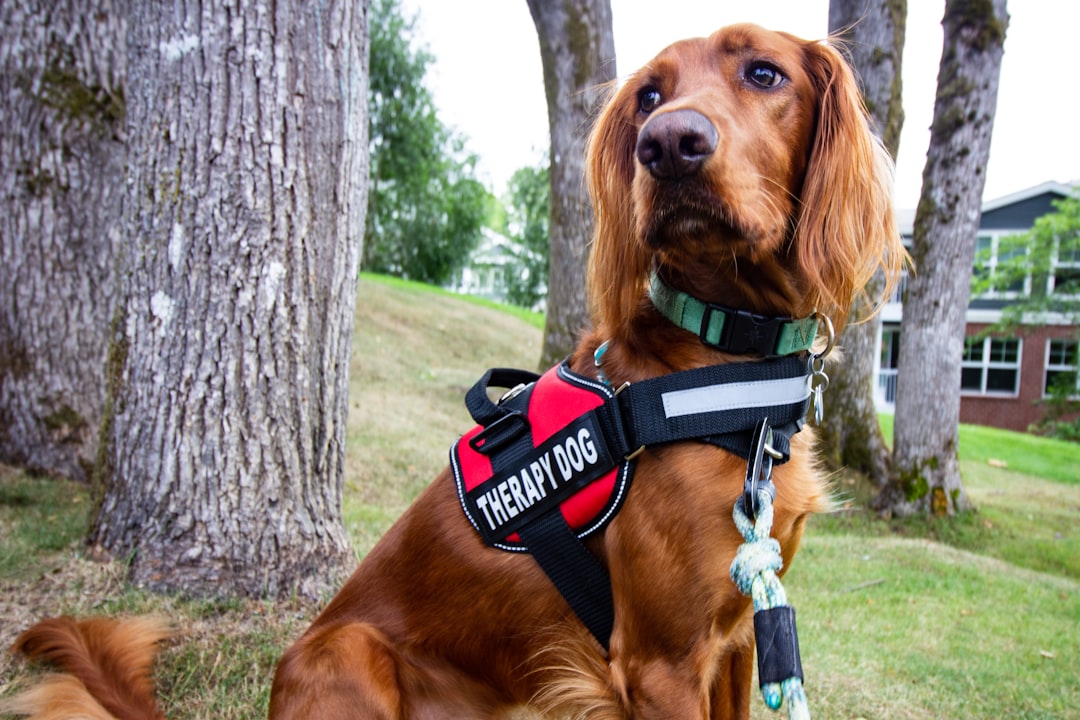

A Chance Encounter Sparks Hope (Image Credits: Unsplash)
In the chilly grip of winter 2006, a timid dog roamed the quiet lanes of a suburban neighborhood, its eyes reflecting uncertainty and a longing for safety.
A Chance Encounter Sparks Hope
That stray, later named in stories of redemption, caught the eye of compassionate locals who noticed its hesitant steps and wary glances. What began as simple acts of leaving food outside soon evolved into a deeper bond. Rescuers observed how the dog, despite its fears, responded to gentle voices and patient hands. Over time, its transformation unfolded, revealing a gentle soul ready for more than survival. This marked the start of a journey that would extend far beyond the neighborhood confines.
Similar tales echo across communities, where overlooked strays find their footing through dedicated care. Volunteers from animal welfare groups stepped in, providing medical attention and a secure environment. The dog’s initial terror gave way to tentative trust, proving that resilience lies within many street survivors. By spring, it had shed much of its apprehension, setting the stage for an unexpected role in healing others.
Training Trials and Triumphant Bonds
Entering a formal training program proved pivotal, as the once-fearful canine learned commands and social cues essential for therapy work. Instructors noted its intuitive empathy, a trait common among rescued dogs that had faced hardships. Sessions focused on desensitization to various settings, from crowded rooms to quiet bedside visits. The process demanded consistency, with handlers rewarding small victories to build confidence. Within months, the dog mastered the calm demeanor needed to comfort those in distress.
Experts in animal-assisted therapy highlight how such backgrounds foster unique sensitivities. Programs like those from the Alliance of Therapy Dogs emphasize evaluation of temperament before certification. For this stray, passing the rigorous tests opened doors to hospitals and schools. Handlers shared how its steady presence diffused tension during visits, turning skeptics into advocates. These experiences underscored the dog’s growing purpose, far removed from its street origins.
Impacting Lives in Unexpected Ways
Certified as a therapy dog, the former stray made its debut in a local facility, where patients lit up at its soft fur and unwavering gaze. Stories emerged of children overcoming speech anxieties through play sessions, and elderly residents finding renewed joy in shared moments. The dog’s visits became routine highlights, easing the burdens of illness and isolation. Staff reported measurable improvements in moods, attributing them to the genuine connection formed. Over years, its influence rippled outward, inspiring similar adoptions in the community.
Beyond individual encounters, these transformations contribute to broader awareness. Rescue organizations document how strays often excel in therapy roles due to their adaptability. One notable example involved a hospital stray that integrated into nightly rounds, offering solace to night-shift workers and patients alike. Such narratives, drawn from real-world programs, illustrate the profound shifts possible with opportunity. The dog’s story, in particular, highlighted how one act of kindness can cascade into widespread healing.
Key Milestones in a Stray’s Path to Purpose
- Initial rescue and medical recovery, addressing malnutrition and trust issues.
- Temperament assessments to confirm suitability for interactive roles.
- Obedience and socialization training, lasting several months.
- Certification through accredited therapy organizations.
- Ongoing visits to facilities, adapting to diverse needs.
- Community outreach, encouraging more stray adoptions.
Key Takeaways
- Strays often bring innate empathy to therapy work, honed by survival instincts.
- Consistent training bridges the gap from fear to confidence.
- These dogs not only heal others but also transform perceptions of rescue animals.
These journeys remind us that second chances can redefine destinies, turning vulnerable wanderers into pillars of comfort. As more strays find their way into therapeutic roles, the potential for positive change grows. What stories of animal redemption have touched your life? Share in the comments below.

- Urban Coyotes Show Remarkable Adaptability, Learning to Thrive in City Environments - July 22, 2026
- Beavers Are Nature’s Engineers, Creating Vital Habitats for Other Wildlife Species - July 21, 2026
- The Recovery of the California Condor Offers Hope for Other Critically Endangered Birds - July 21, 2026