

Picture this: you’re enjoying a quiet morning coffee when a gentle nudge against your leg reminds you that someone depends on you. The warm, trusting eyes of your canine companion look up at you with pure devotion. For many seniors who’ve experienced the profound loss of lifelong partners or watched their social circles shrink, this daily interaction becomes a lifeline to purpose and joy.
While most people envision retirement as a time to slow down and simplify life, adding a four-legged family member might seem counterintuitive. Yet thousands of seniors across the country are discovering that adopting a dog in their golden years brings unexpected rewards that extend far beyond simple companionship. From boosting physical health to creating new social connections, these furry friends offer benefits that can transform the aging experience in remarkable ways.
A Natural Remedy for Loneliness and Isolation
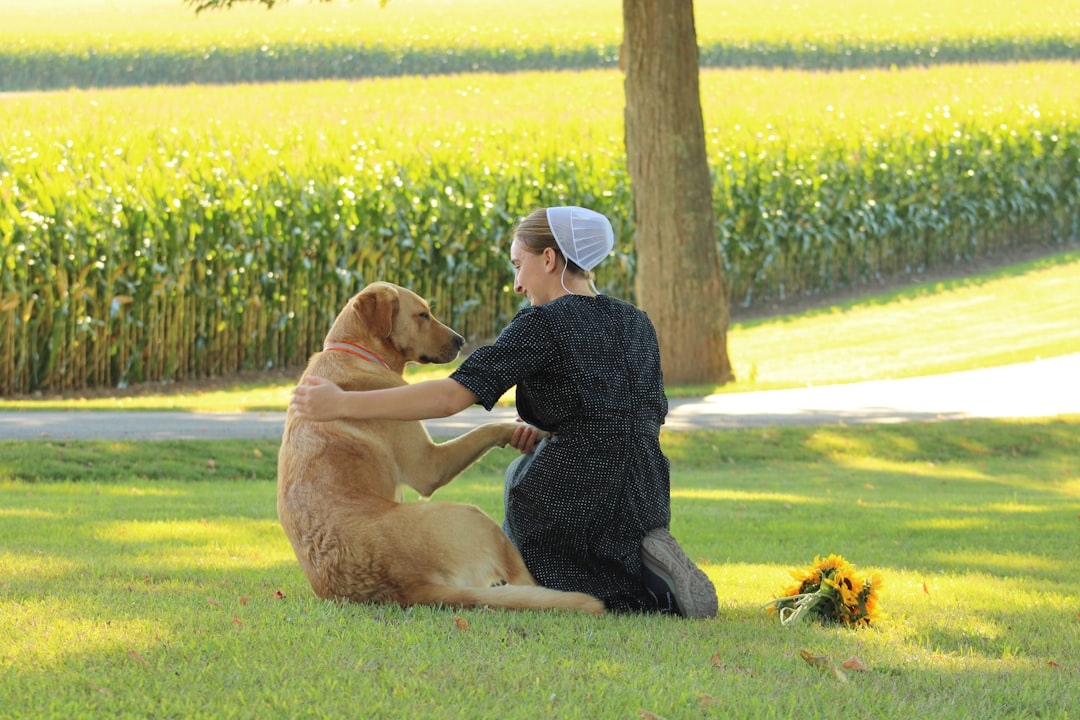
One of the biggest problems affecting older adults is loneliness. Seniors are more likely to live alone than younger adults, and they may struggle to get enough quality social interaction with family and friends. While having a pet isn’t a perfect substitute for human connection, it can dramatically reduce feelings of loneliness or isolation.
Seniors may experience the loss of loved ones or changes in their social circle. These changes can lead to feelings of isolation and loneliness. Dogs provide an immediate solution to this challenge through their unwavering presence and unconditional affection.
When you have a pet, you know that you have someone to interact with every day. You can play with them, talk to them, or simply enjoy their presence. Pets make your home feel much warmer and livelier even if you live alone. The simple act of having another living being share your space creates an atmosphere of companionship that fills the quiet moments of retirement.
Heart-Healthy Companions with Measurable Results
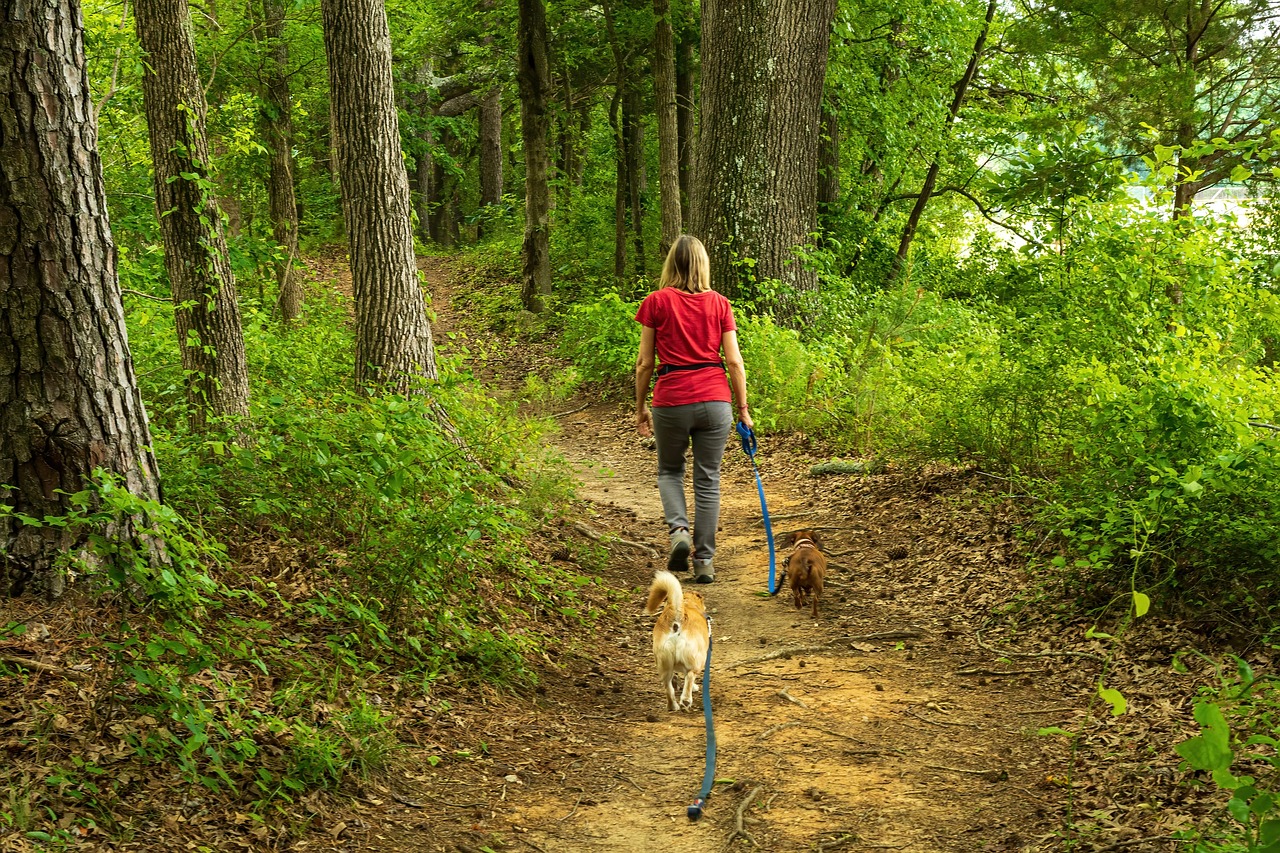
Pet ownership, particularly dog ownership, is probably associated with decreased Cardiovascular Disease (CVD) risk AND Pet ownership, particularly dog ownership, may have some causal role in reducing CVD risk. This connection between dogs and heart health extends beyond casual observation.
Research shows that people with pets have lower heart rates and blood pressure on average than people without pets. Having a dog can even help to lower blood pressure, a great benefit for seniors who have high blood pressure or who are stressed. This is probably due to the fact that dogs help to calm their owners, and dog owners usually get more exercise than people without pets do.
The physiological benefits happen almost immediately. Being in the presence of a pet can reduce the physiological signs of stress, and feeling physically calmer can help you feel mentally calmer as well. Another study found that petting a dog can increase your levels of oxytocin, a hormone that promotes feelings of love and trust, while decreasing your levels of cortisol, one of the main stress hormones.
Built-In Exercise Motivation That Actually Works
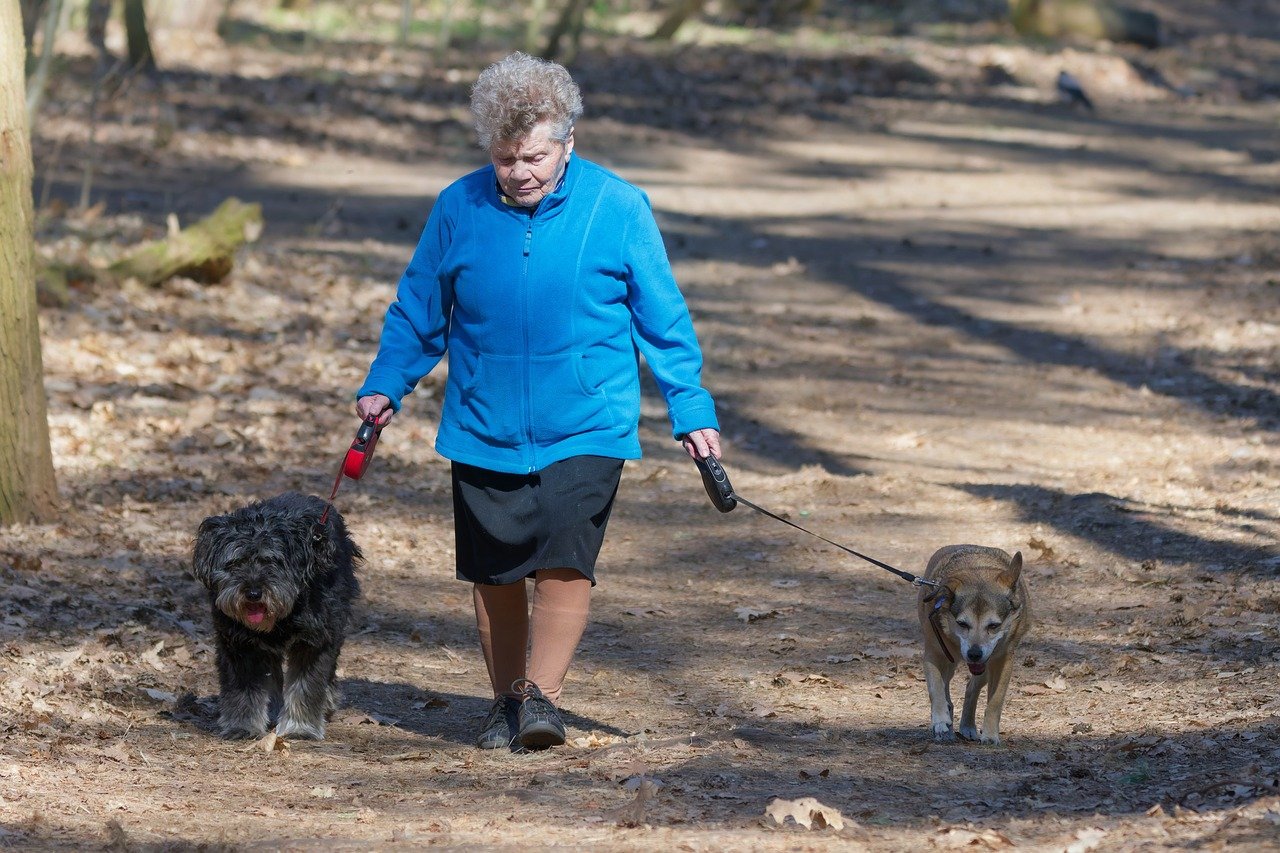
For many seniors, maintaining an active lifestyle becomes increasingly challenging as motivation wanes and social exercise opportunities diminish. Dogs solve this problem by creating non-negotiable daily commitments. Most breeds of dogs require one to two walks every day, all year round. Walking a dog regularly can have huge benefits to mental wellbeing, as well as weight, bone and heart health and vitamin D exposure, to name a few.
The daily responsibility of caring for a pet, like feeding, grooming, and exercising, helps seniors maintain an active lifestyle. Walking a dog or playing with a cat can provide valuable exercise opportunities, improving cardiovascular health, strengthening muscles, and enhancing mobility. Unlike gym memberships or exercise classes that might feel intimidating, walking a dog feels natural and purposeful.
Among seniors who own pets, those who are regular dog walkers enjoy the biggest health boost. Positive effects include lower body mass index, fewer reported doctor visits and less sedentary time. The beautiful aspect of dog walking is that it happens gradually, building stamina without feeling like formal exercise.
Instant Social Connections in Every Neighborhood

Dogs serve as natural conversation starters and community connectors in ways that can surprise even the most introverted seniors. Walking with a dog results in a significantly higher number of chance conversations with complete strangers than walking alone, instantly expanding social opportunities.
Pets can facilitate social interaction and create opportunities for seniors to engage with others. Walking a dog in the neighborhood often leads to casual conversations with other pet owners, providing a sense of belonging and community. These interactions often develop into genuine friendships based on shared experiences of pet ownership.
One study of adults over age 50 found that frequent dog walkers were more likely to report a high sense of community in addition to the benefits of increased physical activity. In independent living communities, pet lovers regularly gather to walk their dogs or just socialize with others who share their love of animals. The common bond of pet ownership creates immediate talking points and shared experiences that bridge age and background differences.
Mental Sharpness Through Daily Engagement
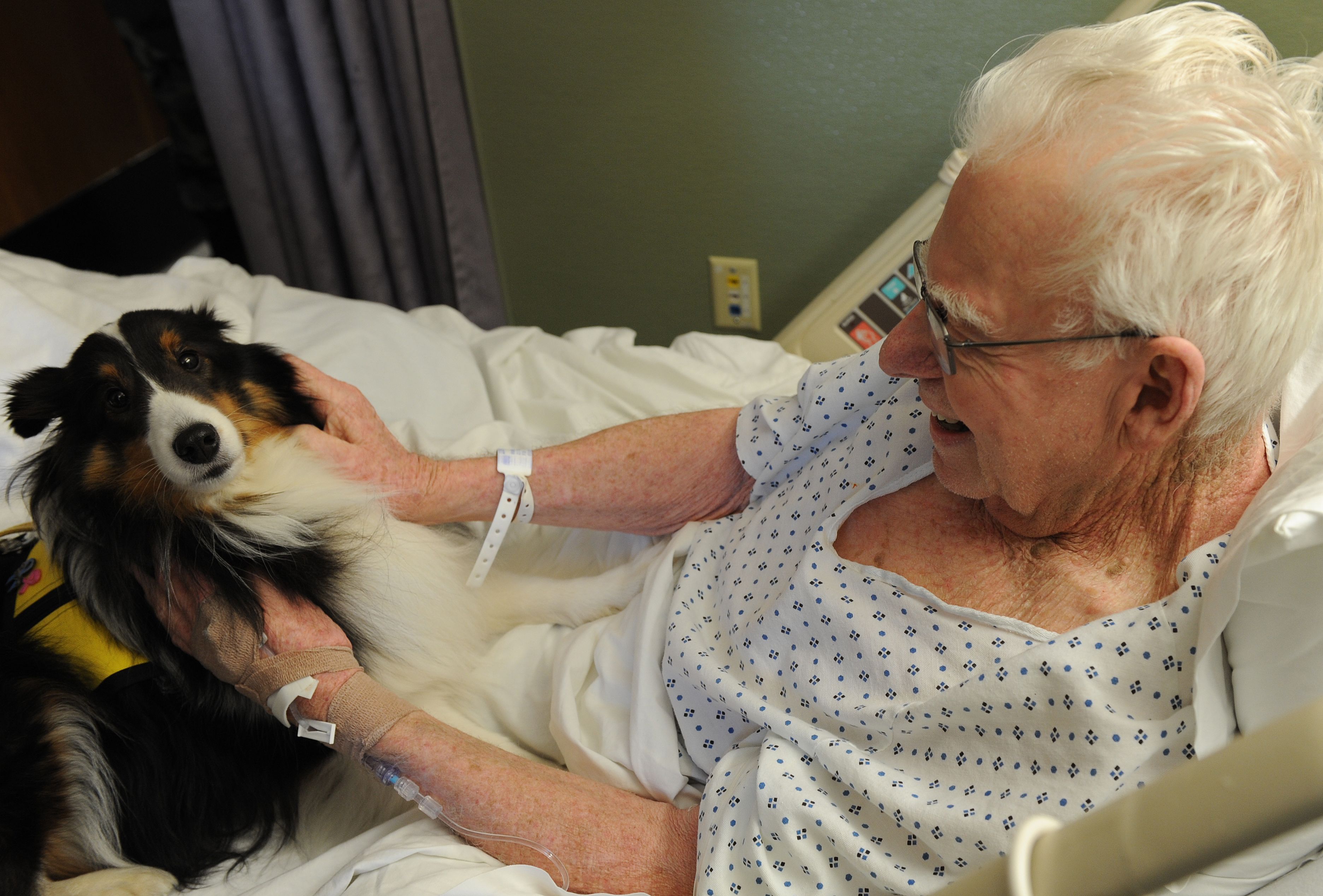
Caring for a dog engages multiple cognitive functions simultaneously, from remembering feeding schedules to observing behavioral changes and problem-solving daily care challenges. Psychiatrists have researched the impact of owning a pet on memory, and all signs point to their presence being beneficial. Therapy pets are commonplace in psychological treatment centers, but the benefits can extend beyond the therapist’s office. Owning a pet improves memory recall, memory retention, and improved mental cognition in the owner.
Mental health professionals who use therapy animals in their practice have observed animals’ ability to prompt better memory recall in their elderly patients. Research has documented cases where those with memory loss interact with an animal and regain access to memories from long ago. This cognitive stimulation happens naturally through daily interactions rather than forced mental exercises.
Dogs also provide structure that supports mental acuity. As we get older, maintaining a routine becomes increasingly important, and pets thrive on routine and require regular feeding, exercise, and care. Having a pet encourages seniors to establish and adhere to a daily schedule. This structured routine provides a sense of purpose and helps seniors maintain cognitive abilities and mental alertness.
Emotional Resilience Through Unconditional Love
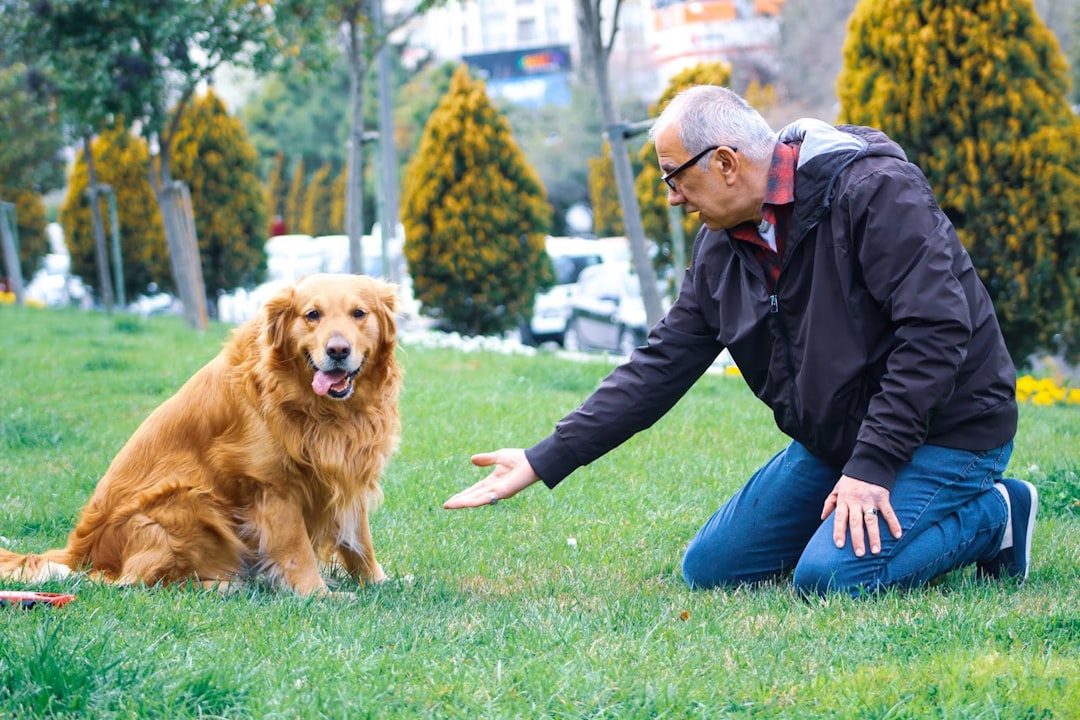
Adopting a senior dog often leads to an incredibly rewarding emotional bond. Unlike their younger counterparts, senior dogs typically exude a calm and appreciative demeanor. They tend to form deep connections with their adopters, displaying a level of gratitude and loyalty that is palpable. This emotional connection provides a foundation of stability during life’s challenging moments.
Pet ownership can have significant mental benefits for seniors, including improved cognitive function, reduced stress levels, and enhanced emotional well-being through the emotional connection with their pets. The relationship offers a unique form of emotional support that differs from human relationships.
In such circumstances, pets can be a great presence at home. They live in the moment and love unconditionally. They won’t judge you and will always be happy to be with you. This non-judgmental acceptance becomes particularly valuable for seniors who may struggle with self-confidence or worry about becoming a burden to family members.
Practical Benefits That Simplify Pet Ownership
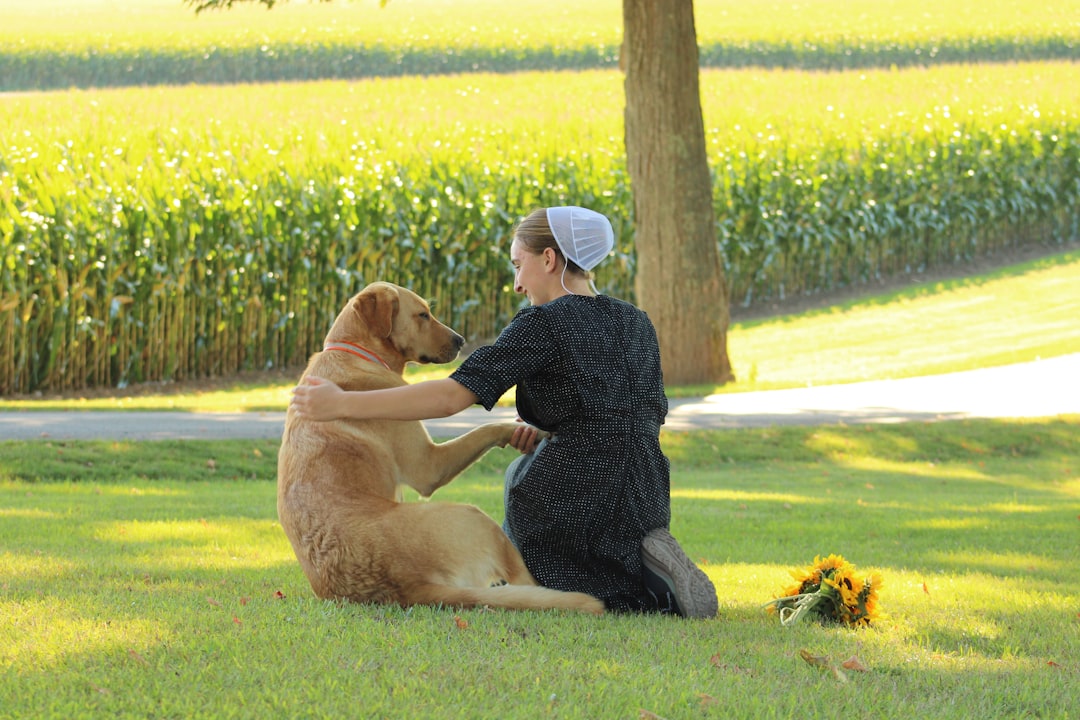
Many seniors worry that adopting a dog will create more work and responsibility than they can handle, particularly if they haven’t owned pets recently. However, one of the benefits of adopting a senior dog is that most older dogs available for adoption have already been pets before. Most likely, Fido will already be housetrained and know basic obedience commands.
Many older dogs already know how to potty like pros and won’t turn your table into a chew toy. “Some of the biggest benefits to adopting an older dog is their knowledge of how to interact with humans better than a puppy,” says Allen. “Most older dogs know how to walk on a leash, how to ride in a car, and understand potty training and basic [cues].” These practical advantages eliminate many common concerns about pet training and behavior management.
Senior dogs tend to have a calmer temperament since they’ve shed most of their energies during their puppy days. Older dogs don’t feel the need to explore everything or chew on furniture, carpets, and shoes, which translates to less destruction. This calmer energy level perfectly matches the lifestyle preferences of most seniors.
A Second Chance That Saves Lives

Perhaps the most profound benefit of adopting a senior dog is the knowledge that you are potentially saving a life. Older dogs are often overlooked in shelters and are at a higher risk of euthanasia. By choosing to adopt a senior dog, you are giving them a second chance at life in a loving home. This knowledge adds deep meaning to the relationship.
While 60% of puppies and younger dogs get adopted, only 25% of senior dogs find new homes. “Older dogs tend to be surrendered more for human issues versus issues with the dogs themselves. Meaning, the owner becomes ill, moves into nursing care, or passes away.” These dogs were once cherished companions – and could be again – but are often passed over due to their age.
The emotional reward of rescue extends both directions. “Senior dogs seem to show gratitude to their adopters, which can look like a quiet, soulful appreciation for being given a second chance,” says Kristen Brauer, DVM, a veterinarian at Healing Hands for Pets in St. Petersburg, Florida. This mutual rescue creates a bond that feels profoundly meaningful for both human and dog.
Conclusion
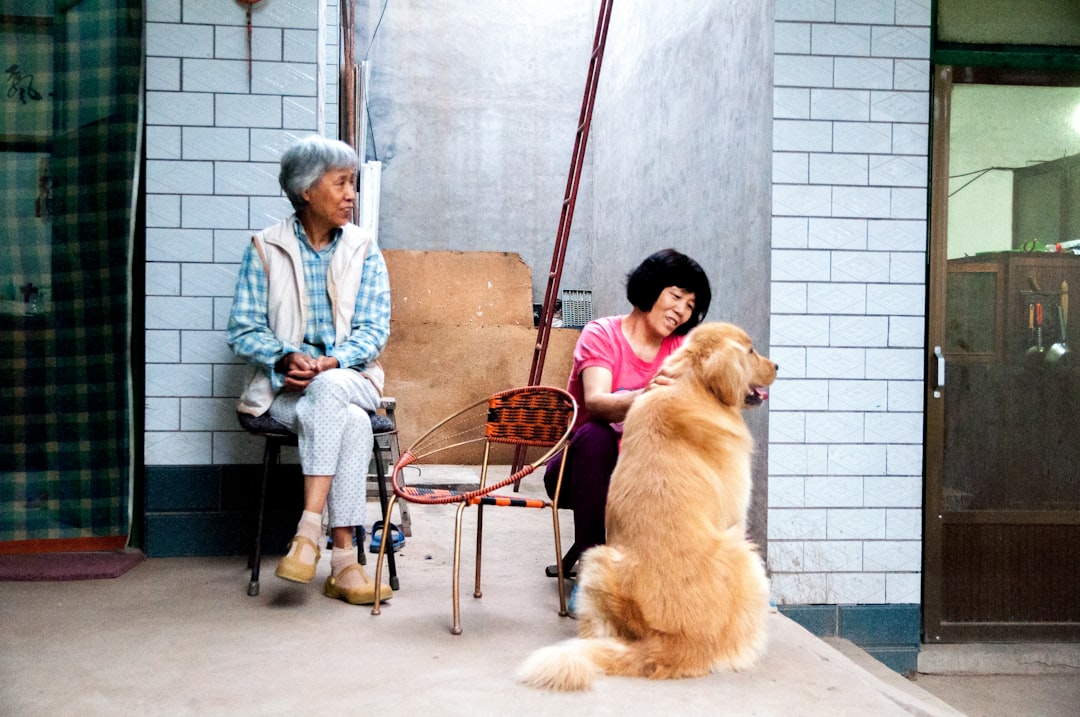
The decision to adopt represents far more than adding a pet to your household. It opens the door to improved physical health, enhanced mental wellbeing, deeper social connections, and a renewed sense of purpose that many seniors thought they’d lost forever. While puppies capture attention with their adorable antics, senior dogs offer something equally valuable: the wisdom of maturity paired with grateful hearts.
The science backs up what dog owners instinctively know – these four-legged companions deliver measurable health benefits that rival many medical interventions. From lowering blood pressure to increasing daily exercise, from combating loneliness to sharpening cognitive function, dogs provide holistic wellness support that addresses multiple aspects of healthy aging simultaneously.
Perhaps most surprisingly, adopting a senior dog often proves easier than raising a puppy, making it an ideal match for seniors who want companionship without chaos. These mature dogs arrive with established personalities, house training, and basic social skills, allowing relationships to develop quickly and smoothly.
What do you think about welcoming a furry friend into your golden years? The local shelter dogs are waiting to meet you.

- The Largest Mountain Lion Ever Recorded in California - August 13, 2026
- 14 Birds of Prey That Dominate the Skies of North America - August 13, 2026
- Signs Your Cat Is Trying to Warn You About Danger - August 13, 2026