

Most of the living world you can’t see. Beneath every footstep, inside every drop of ocean water, and woven into the air above a forest floor exists a universe of organisms so small they’re invisible to the naked eye. Yet their impact is anything but small.
Microorganisms are fundamental to life on Earth, playing crucial and irreplaceable roles in biogeochemical cycles, climate, ecosystem services, and human health. They existed on this planet long before trees, long before fish, long before anything we tend to think of as nature. In many ways, they built the conditions that made all other life possible.
The Invisible Architects of Soil Health
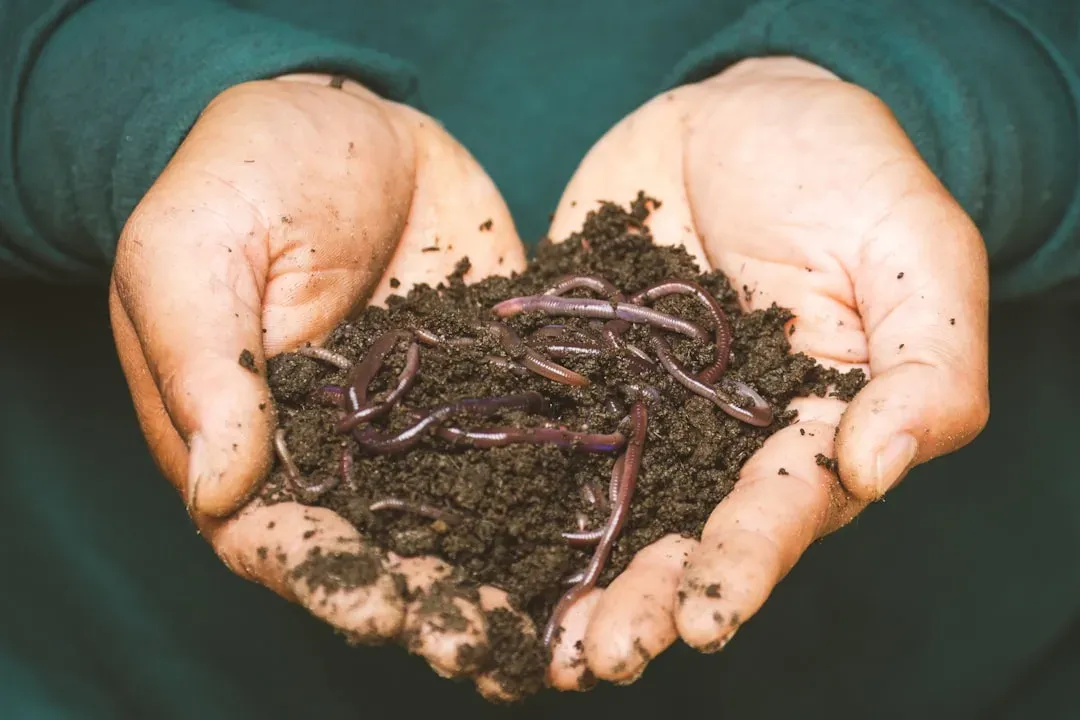
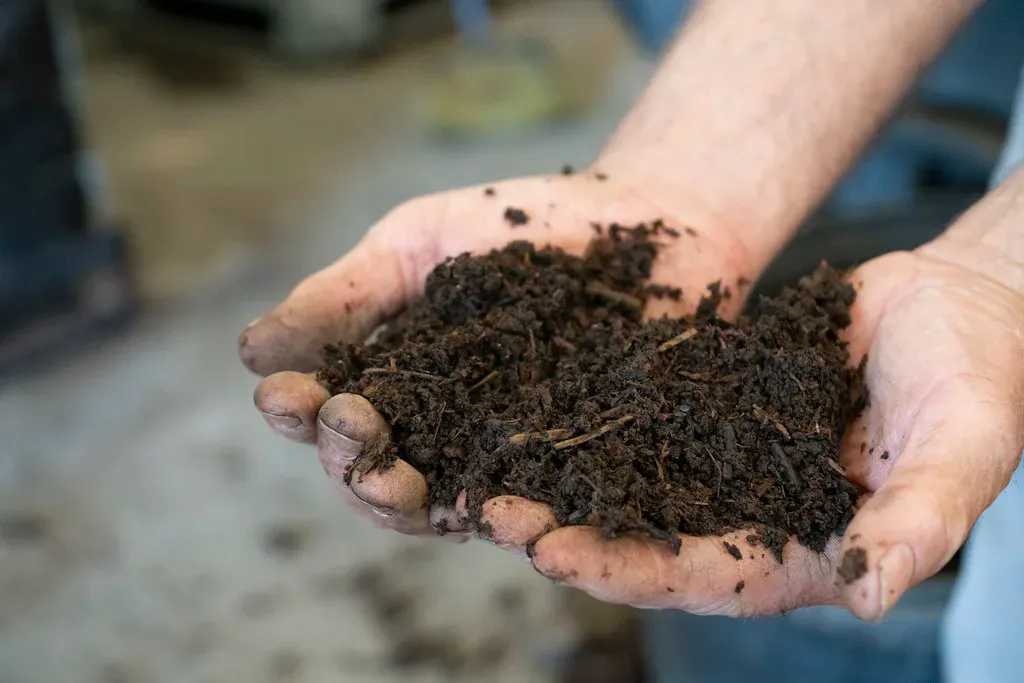
The ground under a healthy meadow is not just dirt. It’s a dense, living community. There are more microbes in a single teaspoon of soil than there are people on Earth. That fact alone shifts the perspective considerably.
Microbes are too small to be seen with the naked eye, but they are the primary force behind nutrient cycling of essential elements such as carbon, nitrogen, sulfur, and phosphorus. These microbial functions mediate the health of natural ecosystems, agroecosystems, and the Earth’s biosphere.
Microorganisms are essential for the majority of soil ecosystem functions and services. They play a central and essential role in the biogeochemical cycling of soil nutrients, ensuring the turnover and supply of nutrients essential for plant and crop growth through the inter-conversion of different forms of nitrogen, sulfur, and phosphorus, interlinked with the carbon cycle.
Microorganisms play a critical role in the nitrogen cycle through various processes such as nitrogen fixation, nitrate reduction, nitrification, and denitrification. Without these processes functioning continuously, plant growth across most of the planet would grind to a halt. The consequences for food chains would be immediate and severe.
Microbes play an important role in soil aggregate formation and soil stability that confer fertility and productivity to soil. Soil microbes participate in these processes in many ways, including how filamentous microbes assemble clay particles using extensive networks of hyphae, resulting in soil aggregates. It’s a kind of invisible engineering, working constantly beneath every ecosystem we depend on.
How Microorganisms Feed the Planet’s Plant Life
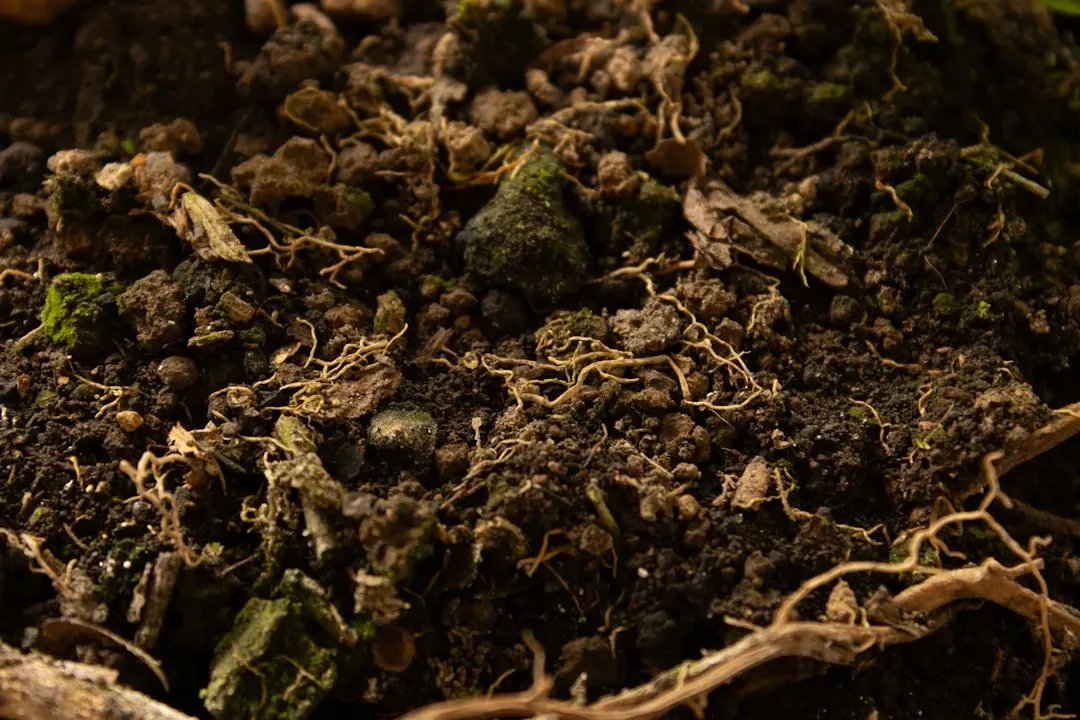
Plant-soil microbe interactions are critical to the health and productivity of ecosystems. These interactions involve a complex network of relationships where plants, soil, and microorganisms communicate and exchange nutrients.
Plants exude a variety of organic compounds through their roots, which serve as food for soil microbes. In return, these microbes help plants by enhancing nutrient availability, decomposing organic matter, and protecting plants from pathogens. This exchange is one of the most productive partnerships in nature, and it operates silently, everywhere.
Mycorrhizal fungi associate with approximately 80 percent of all vascular plants in the terrestrial ecosystem. That statistic reframes our entire understanding of what a plant actually is. Most trees, grasses, and flowering plants are not operating alone; they’re part of an active microbial partnership that extends their reach far beyond their own roots.
The gradual breakdown of organic compounds by a strong community of beneficial fungi and bacteria yields a steady stream of food for plants. This measured release mirrors the natural rhythm of plant growth, ensuring a consistent supply of nitrogen, phosphorus, and potassium along with a suite of micronutrients vital for plant development.
Ocean Microorganisms and the Air We Breathe
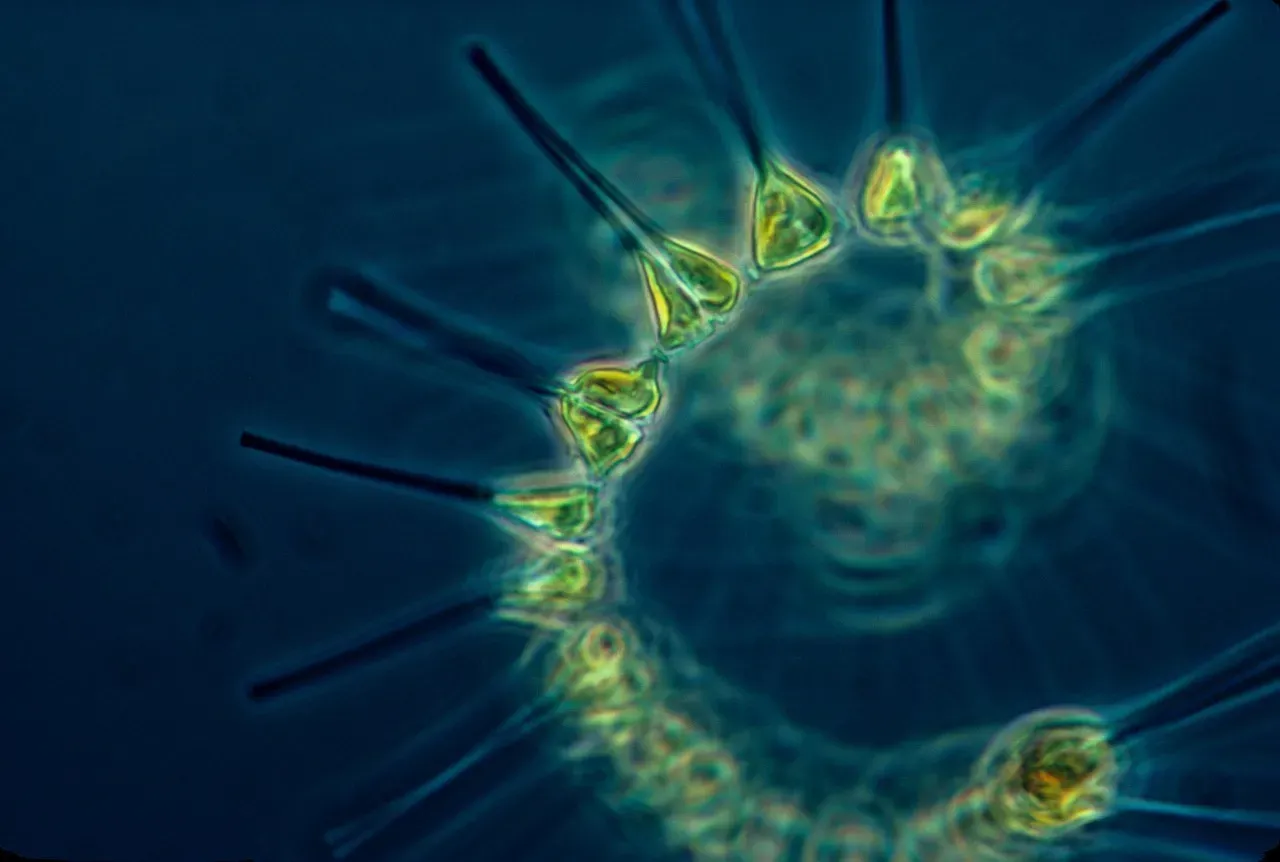
There’s a reasonable chance that roughly half the oxygen in your next breath came from the ocean. Not from a coral reef, not from seaweed, but from microscopic photosynthetic organisms drifting near the surface of the sea.
Scientists have long recognized the significance of phytoplankton, microscopic organisms that drift in aquatic environments, due to their ability to photosynthesize. These tiny oceanic algae form the base of the aquatic food web and are estimated to produce around 50 percent of the oxygen on Earth.
Although phytoplankton account for less than one percent of the photosynthetic biomass on Earth, they contribute almost half of the world’s total primary production, making them as important in modifying the planet’s cycle of carbon and carbon dioxide as all the world’s land plants combined. That contrast is worth sitting with. Barely visible to technology until relatively recently, yet equal in importance to every forest on every continent.
By taking up carbon dioxide from the air, phytoplankton play a large role in the natural carbon cycle, helping to regulate the amount of carbon dioxide in the atmosphere and keep the Earth’s climate in balance. Phytoplankton not only supply food and oxygen for marine life globally but also regulate atmospheric carbon through the biological pump, a process that moves carbon from the ocean surface to the deep sea.
Microorganisms such as bacteria, archaea, fungi, and viruses play crucial roles in marine ecosystems, influencing nutrient cycling, carbon sequestration, and even climate regulation. Remove them from the equation, and the climate system as we understand it would be fundamentally different.
Microbial Communities Under Threat From a Warming World
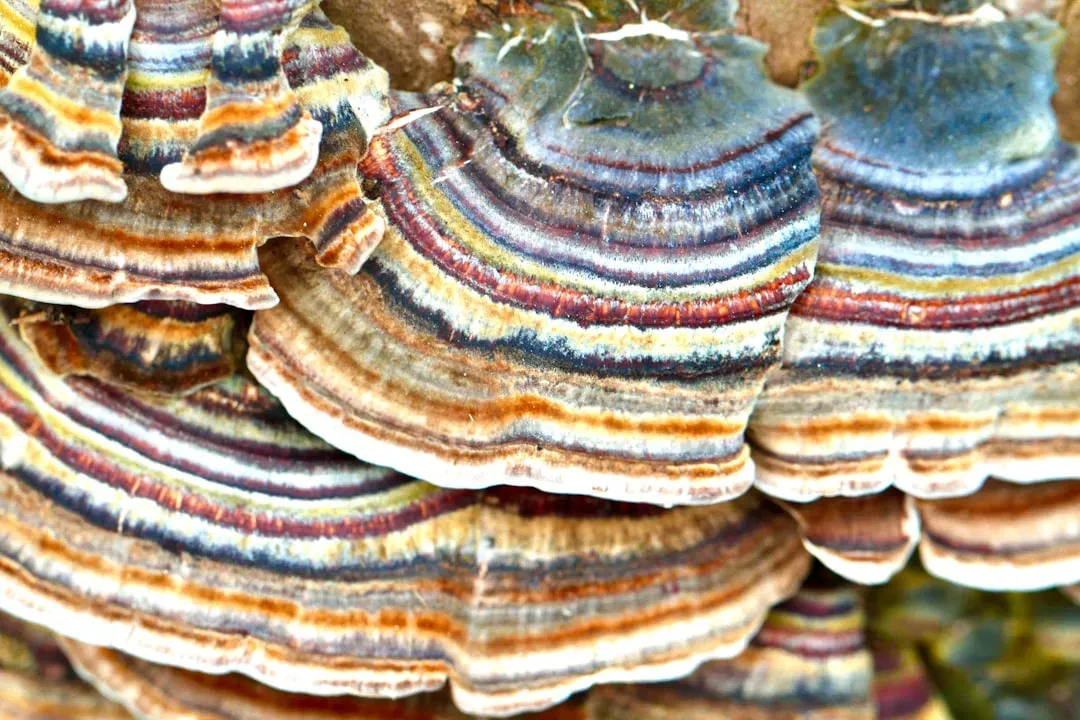
There’s a growing concern in the scientific community that while we talk about biodiversity loss in terms of birds, insects, and large mammals, microbial life is declining too, often unnoticed and unmeasured.
Microorganisms are fundamental to life on Earth, playing crucial and irreplaceable roles in biogeochemical cycles, climate, ecosystem services, and human health. Their diversity and functionality are increasingly threatened by human activities. Yet, microbes remain largely excluded from nature conservation efforts.
A global meta-analysis shows that warming significantly reduces bacterial and fungal diversity, with effects particularly strong under extended warming durations and in nutrient-poor soils. This is not a distant projection. Across 251 paired observations from 102 studies, warming reduced bacterial and fungal diversity by roughly a sixth and nearly a fifth respectively, and soil organic carbon by around the same proportion.
Land-use and land-cover change and specific pollutants emerged as the dominant drivers of microbial decline. Agricultural intensification, chemical runoff, and habitat destruction are reshaping microbial communities that took millions of years to evolve their current balance. Deforestation, agricultural runoff, chemical contamination, and industrial waste disrupt microbial community balance, leading to the replacement of beneficial microbes by pathogenic taxa.
As climate change intensifies, the mutual relationship between coral and algae vital to their microbiome turns harmful, leading coral to expel the algae, resulting in coral bleaching. The loss of coral reef microbiomes is one of the clearest visible signs of what microbial disruption actually looks like when it reaches crisis point.
Conservation and the Case for Protecting the Invisible
The scientific community has begun sounding an alarm that is slowly gaining public traction. Protecting species is meaningless if the microbial systems underpinning those species collapse first.
Microorganisms are responsible for environmental and organismal health, and the stewardship of microbiota has applications for human, plant, animal, and environmental health on local and global scales. Recent frameworks for “microbiome stewardship” are attempting to integrate this understanding into how we approach conservation policy.
This challenge is gaining attention, with the establishment of a Microbial Conservation Specialist Group by the International Union for Conservation of Nature (IUCN). It represents a meaningful step, though researchers acknowledge there is a long way to go before microbial protection is embedded into mainstream environmental policy.
Biodiversity hotspots are currently defined as areas containing a high level of species of selected plant and animal groups, particularly endemic and threatened species, which often do not overlap with hotspots of soil microorganism diversity and function. This leaves more than 70 percent of these areas unprotected. The maps we draw to protect nature are, in many places, drawing the wrong boundaries.
Soil, even when degraded due to previous poor management, is teeming with dormant microbes and needs only to be nurtured to be restored as a living community. Under careful management, with time, the soil community can be rehabilitated and regain crucial functions to support plant growth for generations to come. That’s genuinely hopeful news, and it suggests that restoration, not just protection, is a viable path forward.
Conclusion: A World Built on the Smallest Shoulders

Every breath, every meal, every living thing we can name exists inside a web that microorganisms maintain. They cycle nutrients, fix atmospheric gases, seed ocean food chains, protect plant roots, and keep carbon locked in the earth. They are not background noise in the story of life. They are its foundation.
The challenge now is translating that understanding into practice. Conservation frameworks were built for the visible world, for large animals, iconic landscapes, and measurable species. Redesigning those frameworks to account for microbial communities is a scientific and policy challenge that is only just beginning to receive the serious attention it deserves.
Perhaps the most honest way to sum it up is this: the largest ecological story on the planet is being written by organisms we cannot see. Our ability to protect what we can see may ultimately depend on how well we learn to protect what we cannot.

- 8 Dog Breeds That Form the Strongest Bond With One Person - August 14, 2026
- 6 Unique Facts About the Blue Dragon Sea Slug: The Ocean’s Tiny Electric Flame - August 14, 2026
- The Vital Role of Bees in Maintaining Our Planet’s Delicate Ecosystems - August 14, 2026