
Hibernation is a key adaptation for surviving harsh conditions. Animals hibernate to endure colds or food scarcity. This process helps them conserve energy and survive tough times.
Reducing Metabolism

🔥 Would you like to save this?
We'll email this post to you, so you can come back to it later!
During hibernation, animals significantly reduce their metabolism. This slowdown helps conserve energy. Lowering metabolic rates is crucial for dormouse to endure long periods without food.
Storing Fat

🔥 Would you like to save this?
We'll email this post to you, so you can come back to it later!
Animals store fat before hibernation to use as energy. This fat reserve sustains them throughout the hibernation period. Relying on stored energy is vital for a wood frog’s survival during times of food scarcity.
Lowering Body Temperature

🔥 Would you like to save this?
We'll email this post to you, so you can come back to it later!
Hibernating bats lower their body temperature. This reduction helps conserve energy. By slowing down bodily functions, they conserve and use less energy.
Slow Breathing and Heart Rate

🔥 Would you like to save this?
We'll email this post to you, so you can come back to it later!
Breathing and heart rates slow down during hibernation. This slowdown is part of the energy conservation process. It allows animals to survive long periods without eating.
Seeking Insulated Shelters

🔥 Would you like to save this?
We'll email this post to you, so you can come back to it later!
Animals find insulated shelters for hibernation. These shelters protect them from the cold. Insulated environments are essential for maintaining the right conditions for hibernation.
Enduring Harsh Winters

🔥 Would you like to save this?
We'll email this post to you, so you can come back to it later!
Hibernation mechanisms evolved to help animals survive harsh climates. They enable animals to emerge unharmed when climates improve. This adaptation is essential for survival in extreme conditions.
Emergence in Better Conditions

🔥 Would you like to save this?
We'll email this post to you, so you can come back to it later!
Bears emerge from hibernation when conditions improve. Warmer weather and food availability signal the end of hibernation. This timing ensures their survival and readiness to thrive.
Torpor in Smaller Mammals

🔥 Would you like to save this?
We'll email this post to you, so you can come back to it later!
Smaller mammals, like raccoons, experience torpor during hibernation. Their body temperature drops significantly. They have intermittent warming periods to maintain stability.
Stable Temperatures in Larger Mammals

🔥 Would you like to save this?
We'll email this post to you, so you can come back to it later!
Larger mammals, like bears, maintain more stable temperatures during hibernation. Their body temperature doesn’t fluctuate as much. This stability helps them endure the hibernation period.
Surviving Food Scarcity

🔥 Would you like to save this?
We'll email this post to you, so you can come back to it later!
Hibernation helps animals survive periods of food scarcity. Stored fat and reduced metabolism are mainly the keys. These adaptations ensure animals like marmots can endure long stretches without eating.
Timing of Hibernation
🔥 Would you like to save this?
We'll email this post to you, so you can come back to it later!
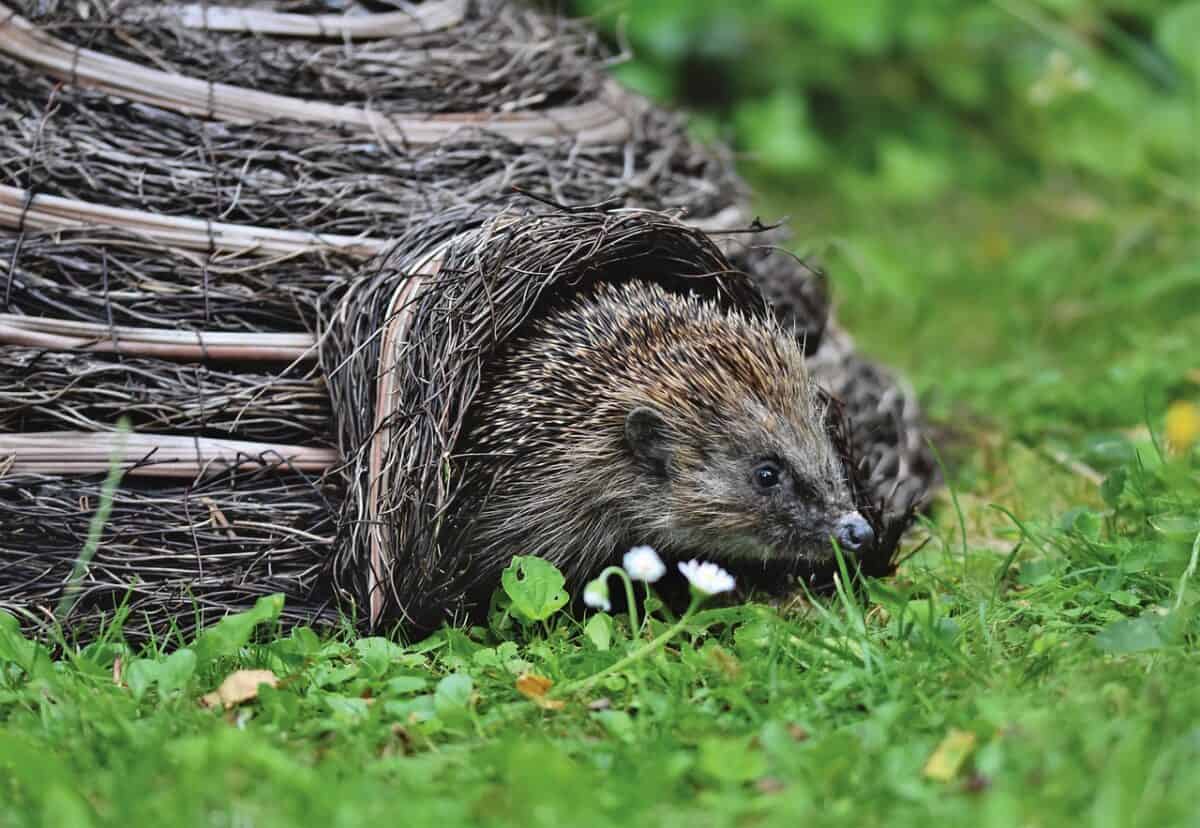
Hedgehogs time their hibernation based on environmental cues. Changes in temperature and food availability trigger hibernation. This timing ensures they are ready to survive harsh conditions.
Benefits of Hibernation

🔥 Would you like to save this?
We'll email this post to you, so you can come back to it later!
Hibernation offers numerous benefits for the survival of bats. Energy conservation, protection from cold, and reliance on fat reserves are key advantages. These benefits are crucial for enduring tough times.
Conclusion

🔥 Would you like to save this?
We'll email this post to you, so you can come back to it later!
Hibernation allows animals like groundhogs to endure tough times effectively. By reducing their metabolic rates and relying on stored energy, they can survive harsh winters and food scarcity. This adaptation is essential for their survival and well-being.
Next in Animal News
🔥 Would you like to save this?
We'll email this post to you, so you can come back to it later!
- Bear Cubs’ Curious Encounter With Majestic Bison
- Spanish Tourist Trampled by Elephant in Pilanesberg

- Simple Ways to Keep Your Pumpkins Safe from Squirrel Attacks - October 26, 2026
- Transform Your Garden with Vibrant and Everlasting Strawflowers - October 22, 2026
- How to Win Over Judges in Dressage Competitions - October 19, 2026