

Picture this. You’re walking down a sunny trail or relaxing in your backyard, and suddenly you realize you’re not alone. Something’s watching you from the shadows. Maybe it’s the slither of scales across dry leaves, or the low rumble of something large moving through the brush. We share this country with creatures that can turn a peaceful afternoon into a nightmare.
The truth is, wild America isn’t always as tame as we’d like to think. From the swamps of the South to the mountain ranges of the West, dangerous animals are part of the landscape. Some states have earned reputations as hotspots for deadly wildlife encounters. Let’s dive into which states harbor the most dangerous creatures and what makes them so risky for humans who dare to venture into their territories.
Texas: Where Everything Really Is Bigger and More Dangerous
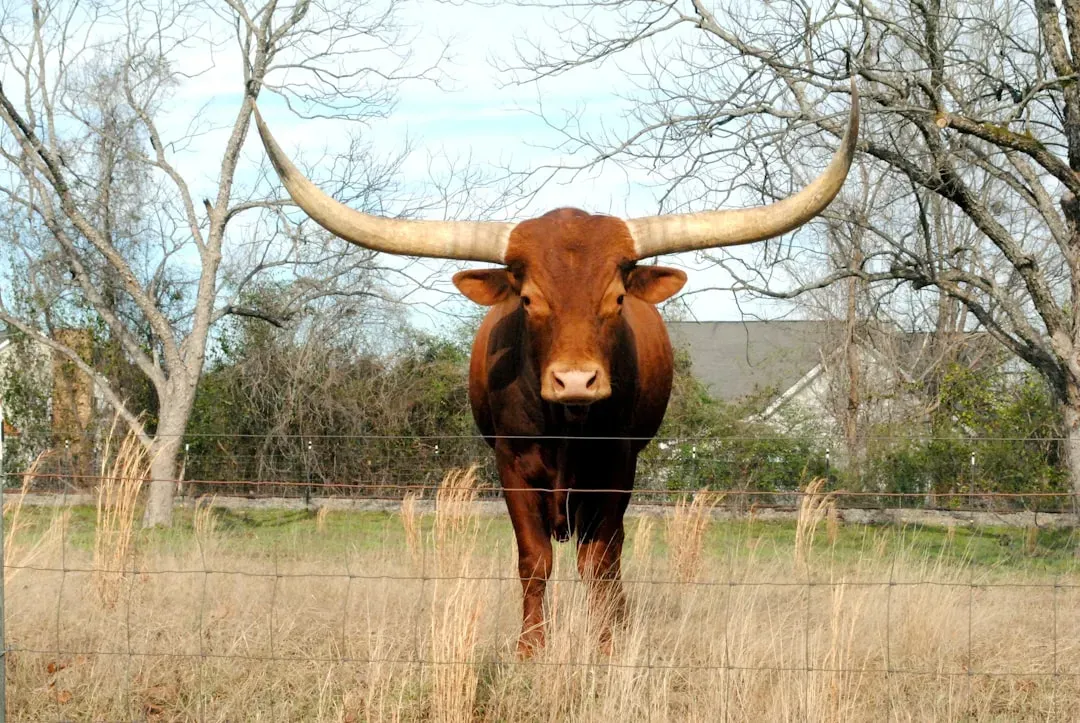
Texas tops the charts with a staggering 520 deaths from animal attacks over a twenty-year period, averaging 26 deaths per year. The Lone Star State’s massive size plays a role here. With a surface area of 268,820 square miles, you can find ferocious bears, coyotes, sharks, alligators, snakes, and more.
Here’s the thing though. The unexpected contender for most deaths is the white-tailed deer, with the leading cause being vehicle-wildlife collisions. Beyond the highways, Texas is crawling with venomous creatures. Alligators are the most dangerous animal in the state, with populations ranging between 400,000 to 500,000 American alligators. Texas had the highest number of contacts with hornets, wasps, and bees, witnessing 196 cases since 2000.
California: Golden State, Deadly Wildlife
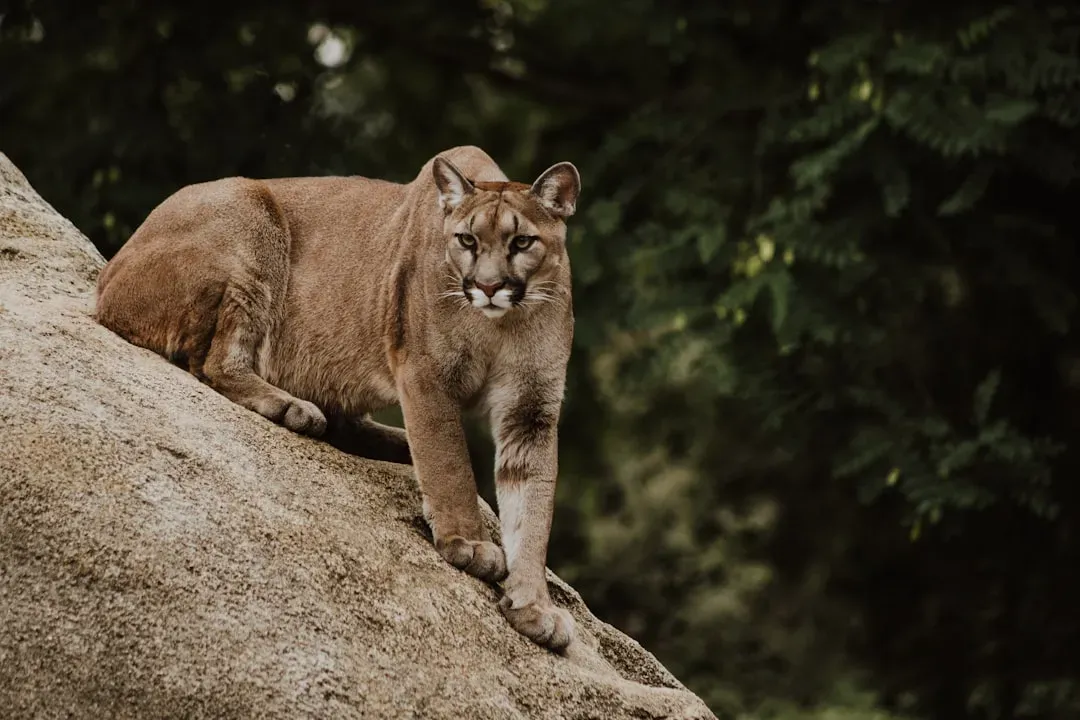
California has the second highest number of wildlife deaths with 299 fatalities, with Florida coming in third at 247 deaths. The state’s incredible biodiversity is both a blessing and a curse. California leads the nation in fatal dog attacks, but when it comes to wildlife, insects and mountain lions contribute plenty.
California has seen 22 people injured and four killed by mountain lions in the last 40 years. The state’s exploding population creates more opportunities for dangerous encounters. Mountain lion-related deaths saw an uptick in recent years, which is understandable considering the encroachment of human development into previously isolated patches of wilderness. California’s black bear population is now estimated at between 25,000 and 30,000 individuals.
Florida: Gators, Snakes, and Endless Danger
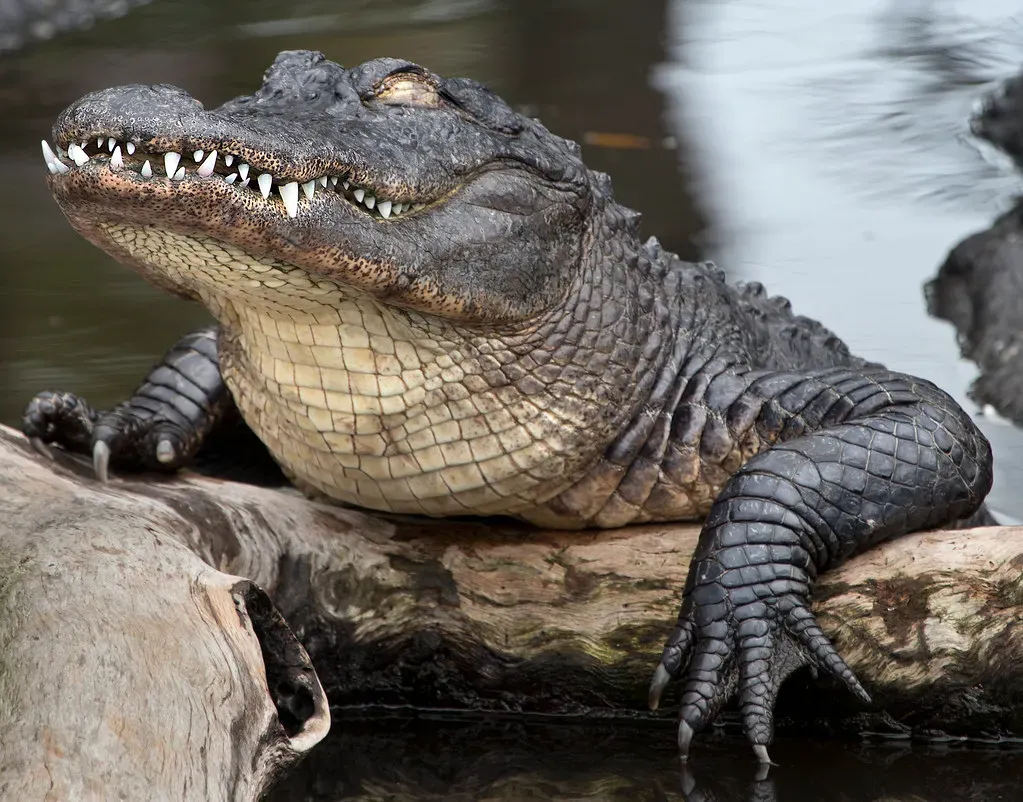
Let’s be real about Florida. The state is practically designed to test your survival instincts. There have been 44 reported alligator attacks across five Southern states, with Florida having the highest number of incidents at 32. The state of Florida, where most attacks and deaths occur, began keeping records of alligator attacks in 1948.
Over the last 10 years, Florida has averaged 8 unprovoked bites per year serious enough to require professional medical treatment, with the likelihood of being seriously injured roughly only one in 3.1 million. Still, when attacks happen, they’re terrifying. Florida Fish and Wildlife Conservation reports an average of eight unprovoked gator attacks each year, including a woman killed by an alligator while canoeing in Lake Kissimmee. The state also hosts cottonmouth snakes, copperheads, and the infamous black widow spider.
Alaska: America’s Most Dangerous Frontier
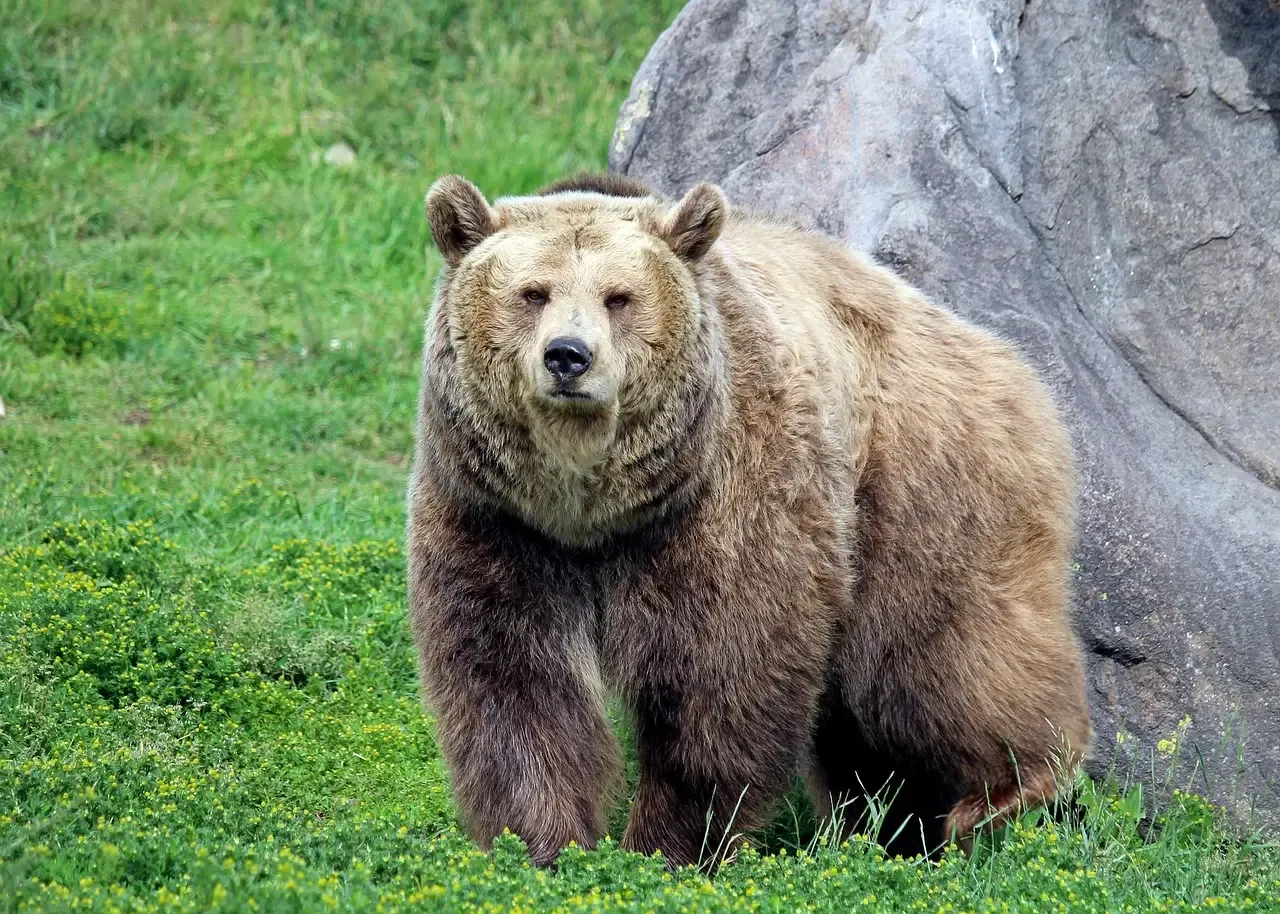
Alaska is accountable for 29.6% of all fatal bear attacks and has the highest concentration of bears out of all fifty US states, being the only state home to all three native bear species. The wilderness here doesn’t mess around. From 2000 to 2017, 66 bear attacks led to 69 hospitalizations, with 10 of these hospitalizations ending in death.
What makes Alaska particularly nerve-wracking is the variety of threats. Of the 66 attacks, 47 involved grizzly bears, and only 2 cases indicated black bears. Polar bears roam the northern regions, grizzlies dominate the interior, and black bears are everywhere else. While Alaskans live in close proximity to bears, there were just six fatal bear attacks between 2008 and 2018, two of which were caused by polar bears.
Montana: Grizzly Country’s Hidden Threats
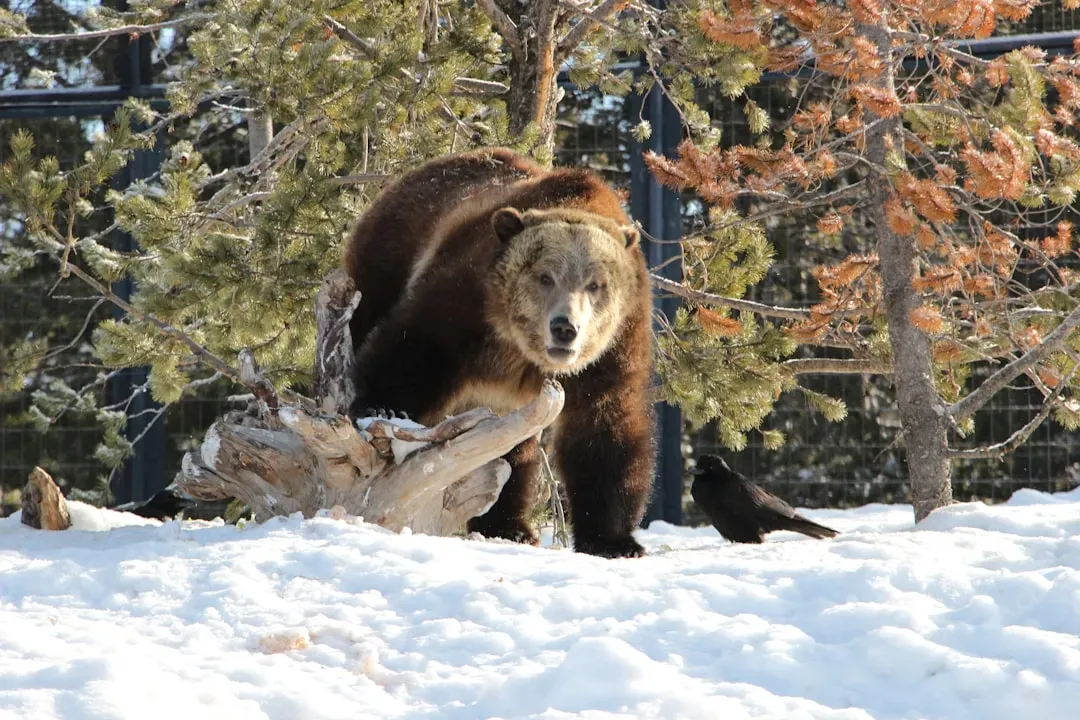
Montana might look peaceful from a distance, but don’t let the scenery fool you. Ten fatal bear attacks happened in Montana Glacier National Park between 1967 and 1998, with all attacks involving a brown bear. The state’s rugged terrain creates perfect conditions for surprise encounters with dangerous predators.
Grizzlies aren’t the only concern either. Montana shares its wilderness with mountain lions, rattlesnakes, and other creatures that can turn a hiking trip deadly. The state’s sparse population means you’re often far from help when things go wrong. Honestly, that isolation is part of what makes Montana so dangerous.
Tennessee: Bears in the Backyard
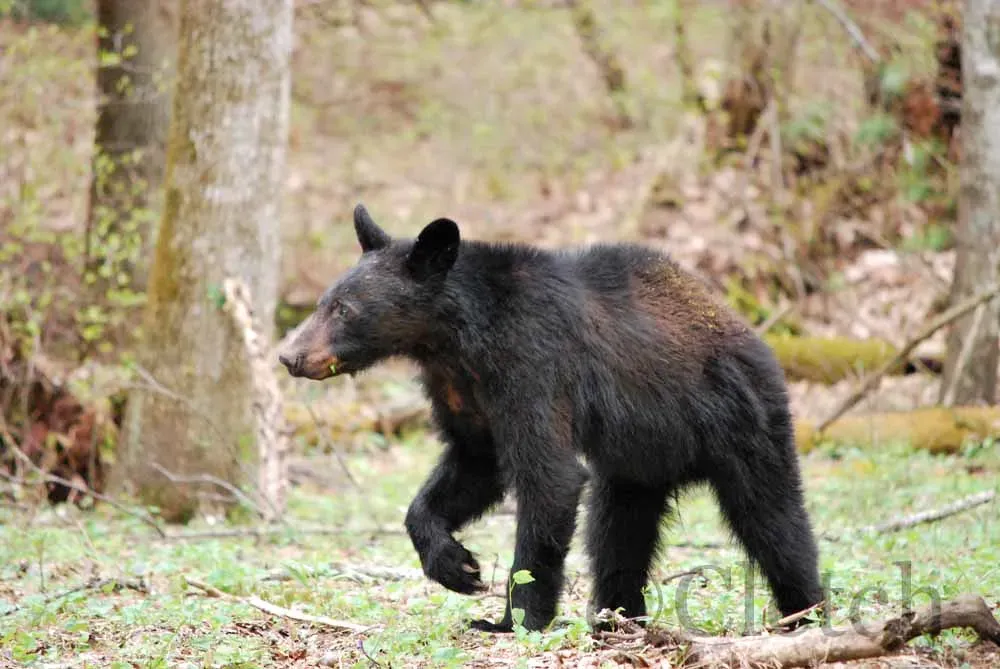
Tennessee doesn’t seem that dangerous, but the Great Smoky Mountains is the most visited national park in the United States, contributing to an unusually high number of human-black bear encounters. In 2024, there were nine recorded incidents of human-bear physical contact, seven of which were in Gatlinburg, one in Cosby, and one in Sevierville.
The statistically deadliest wild animal in Tennessee is the deer, but Tennessee is also a hotspot for brown recluse spiders. In Tennessee, the most dangerous animal is the black bear, with attacks having happened in the state, including a 2022 incident where a black bear surprised and attacked a man in his cabin. The proximity of wildlife to tourist areas creates a dangerous mix.
Wyoming: Where Yellowstone’s Beauty Hides Danger
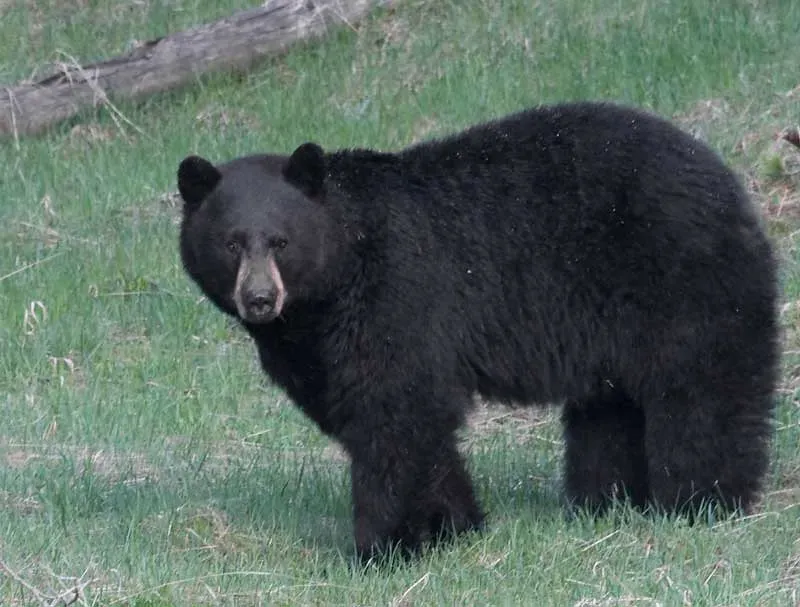
Wyoming has some of the highest fatal bear attacks in the country, with Yellowstone National Park seeing eight incidents, including attacks in 2015 and 2011, all caused by brown bears. The state’s most famous attraction is also one of its most dangerous spots for wildlife encounters.
Yellowstone National Park, since 1872, has recorded just 8 fatal bear-related attacks, all by grizzly bear. Bison are considered the deadliest and most dangerous animal in Wyoming, as these massive animals weighing around 2,000 pounds are known to attack when threatened, with a woman attacked near lakeside cabins in Yellowstone in July 2023. People underestimate bison, thinking they’re docile. That’s a mistake you don’t get to make twice.
Arizona: Desert Death Traps
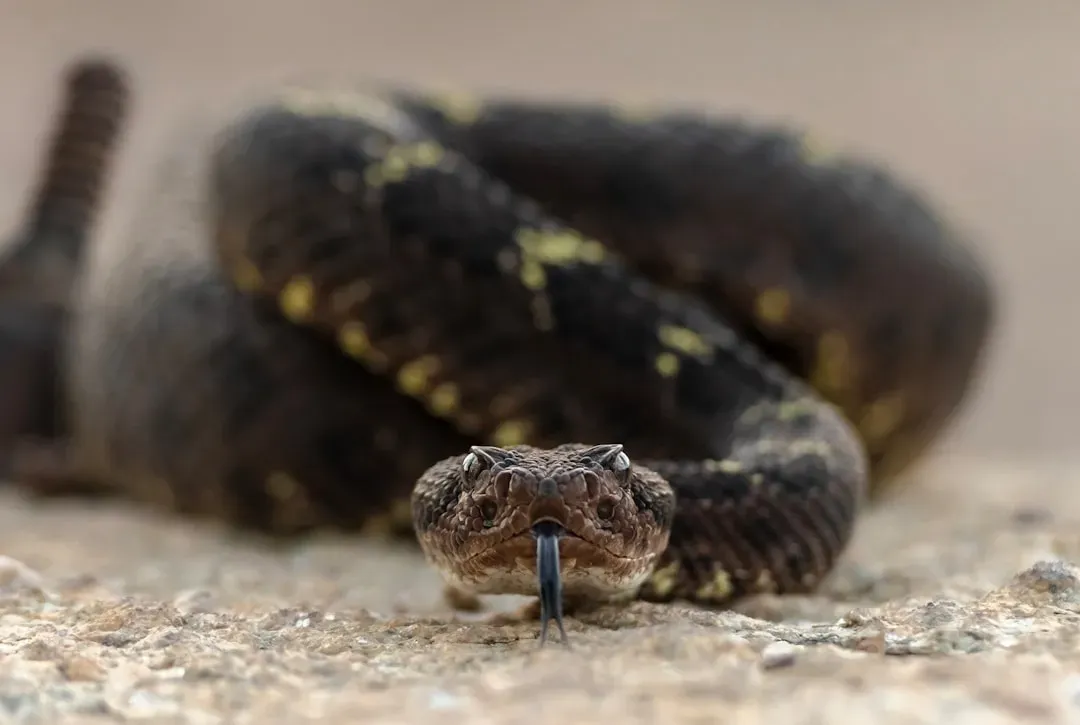
Arizona’s harsh desert environment breeds some seriously tough creatures. Arizona’s deadly venomous snakes are not their leading animal killers, with the CDC reporting 26 fatal dog attacks between 1999-2016. Still, the state’s rattlesnake population is nothing to joke about.
The dry climate concentrates wildlife around water sources, increasing the chance of human encounters. Mountain lions prowl the rocky terrain. Scorpions hide in boots and shoes. Javelinas charge when cornered. Arizona might look empty, but it’s teeming with creatures that can hurt you if you’re not careful.
South Carolina: Alligator Alley Beyond Florida
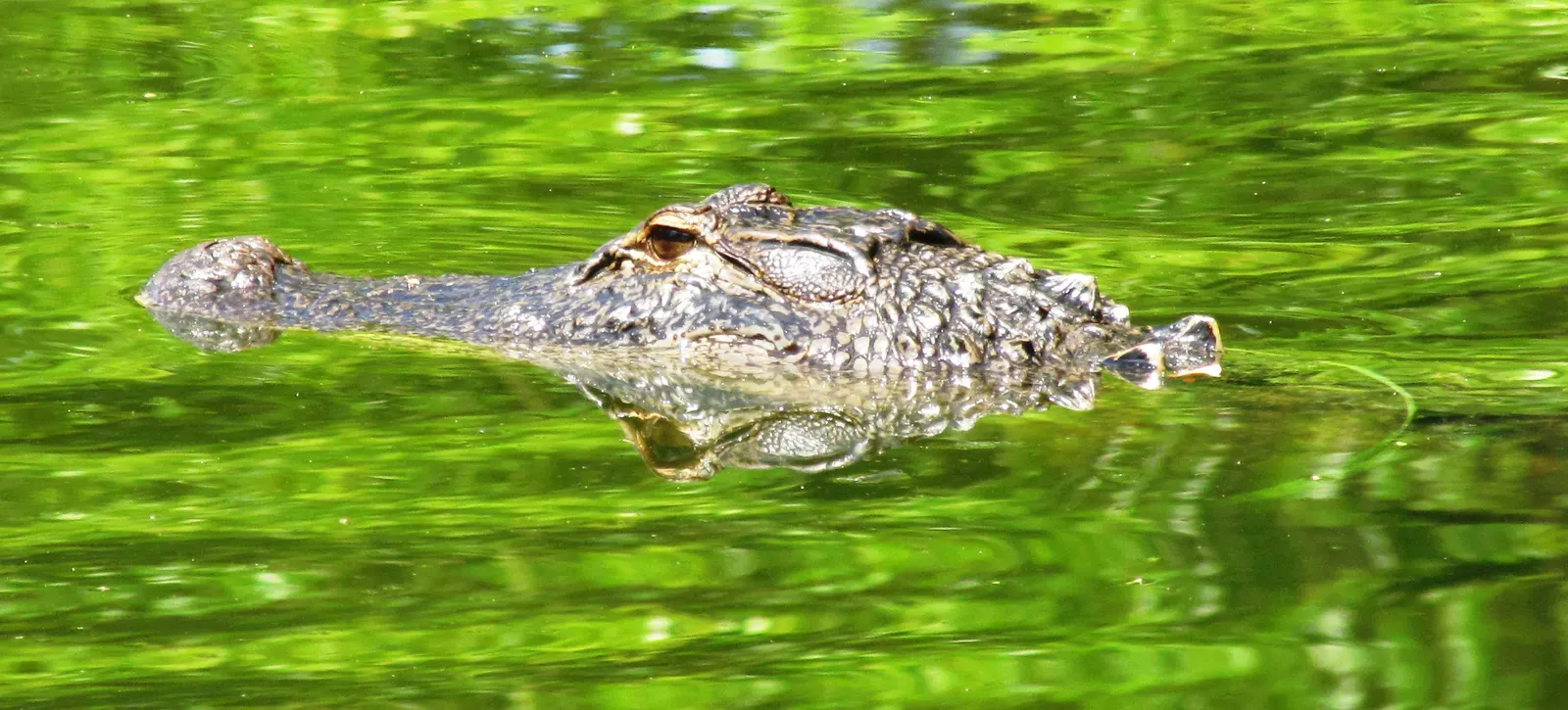
South Carolina is second behind Florida in alligator attacks with six fatal incidents, while Texas, Louisiana, and Georgia have reported three, two, and one attack respectively. The state’s warm climate and abundant wetlands create perfect alligator habitat.
The oldest alligator attack victim was 90-year-old Bonnie Walker, killed in a retention pond near Brookdale Senior Living Center in Charleston, South Carolina, dying from multiple sharp and blunt force injuries consistent with an alligator attack. The tragedy here is that alligators live in places where people least expect them. Retention ponds, golf courses, even backyard lakes can harbor these prehistoric predators.
North Carolina: Snakes in the Grass
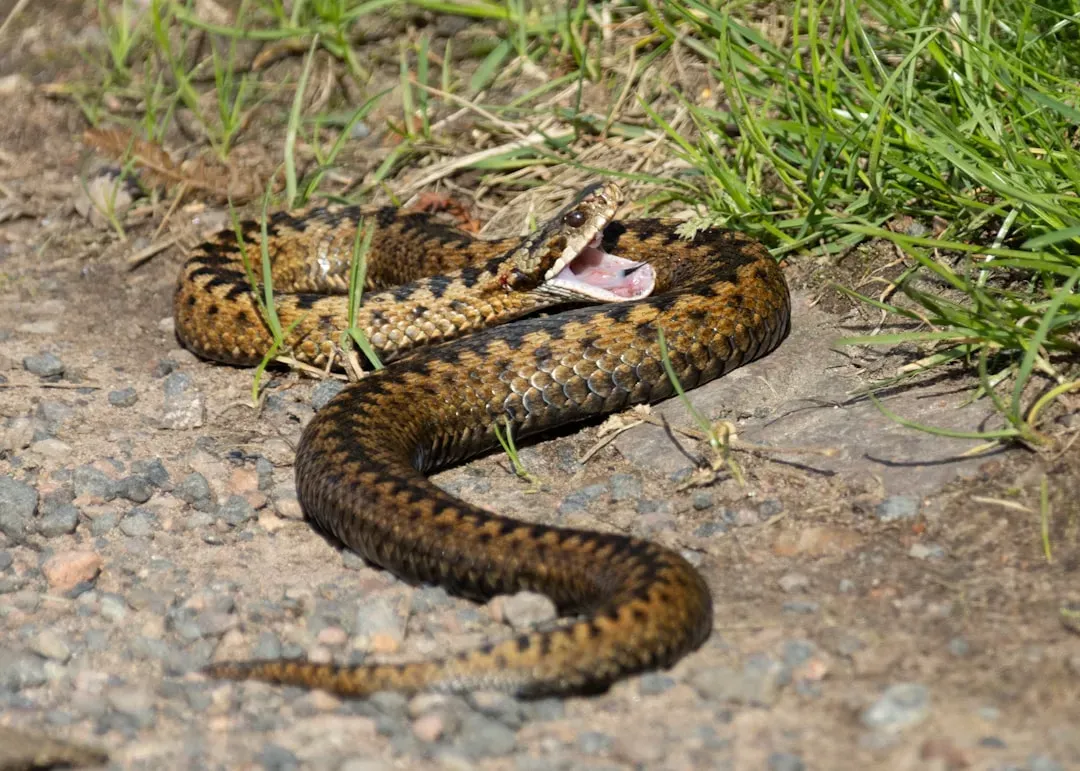
The state of North Carolina has the highest frequency of reported snakebites, averaging approximately 19 bites per 100,000 persons. That’s an unsettling statistic when you realize how common venomous snakes are throughout the state. Copperheads blend perfectly with fallen leaves, and cottonmouths lurk near water.
The state’s diverse ecosystems from mountains to coast mean different dangers in different regions. Black bears roam the western mountains. Venomous spiders hide in woodpiles. The warm, humid climate supports thriving populations of creatures that bite, sting, and occasionally kill.
Conclusion: Respecting the Wild
Wildlife danger is woven into the fabric of America. Animals kill more than 400 people in the US each year, with some states more prone to animal attacks than others, especially ones with large human populations or tourism that encroaches on public lands where certain animals live. The deadliest states share common threads: large wilderness areas, thriving animal populations, and humans pushing deeper into wild spaces.
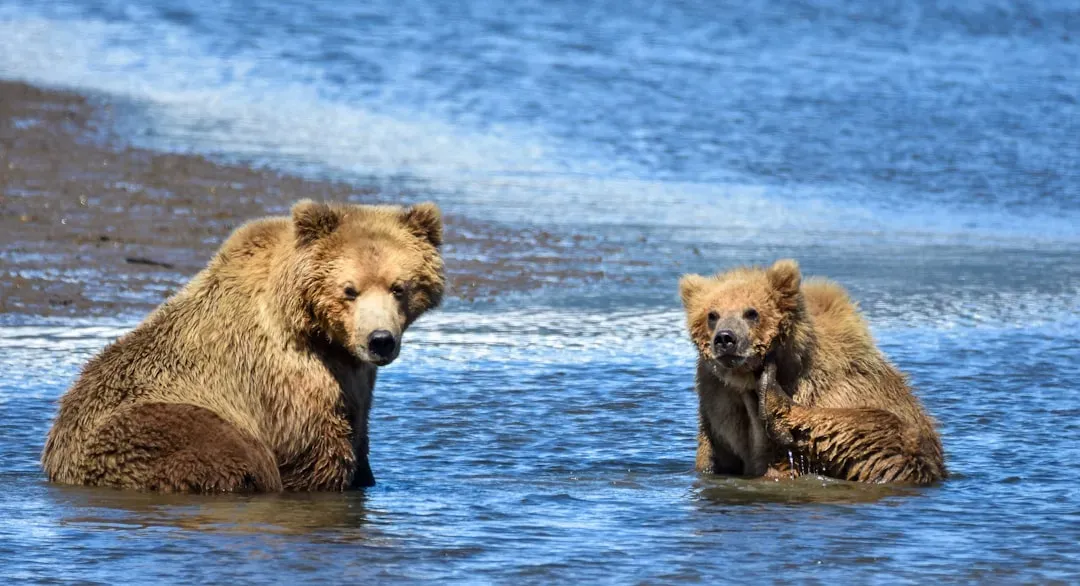
Bear attacks are rare and, in most cases, preventable, with most conflicts occurring when bears are startled or food-conditioned, while fatal attacks are fewer than most people think, with proper food storage, leashed dogs, and bear spray going a long way. The same principles apply to most dangerous wildlife. Awareness beats fear every time. Respect beats bravado.
What surprises you most about these deadly animal hotspots? Did your state make the list?

- 10 Birds That Can Mimic Almost Any Sound They Hear - August 13, 2026
- Why Do Flamingos Stand on One Leg? The Scientific Reason Explained - August 13, 2026
- 10 Cat Breeds Experts Warn Are Prone to Sudden Biting and Clawing When Overstimulated - August 13, 2026