

There’s something quietly electric about seeing a hummingbird for the first time. They move faster than your eye can fully process, hovering mid-air with a mechanical precision that seems almost impossible for something made of feathers. Most people only encounter one or two species in their lives, usually a Ruby-throated flash in a backyard garden somewhere in the East. What fewer people realize is that across the American Southwest, the Pacific Coast, and the Gulf states, entire communities of hummingbird species coexist in numbers that would genuinely surprise most nature lovers.
The United States is home to roughly two dozen regularly occurring hummingbird species, with many more occasionally drifting across borders from Mexico. Where they concentrate tells you a great deal about climate, elevation, and the remarkable diversity of the American landscape. Some states are hummingbird hotspots simply because of geography. Others earn their status through an extraordinary range of habitats that can support multiple species simultaneously.
#1. Arizona: The Undisputed Hummingbird Capital of the US
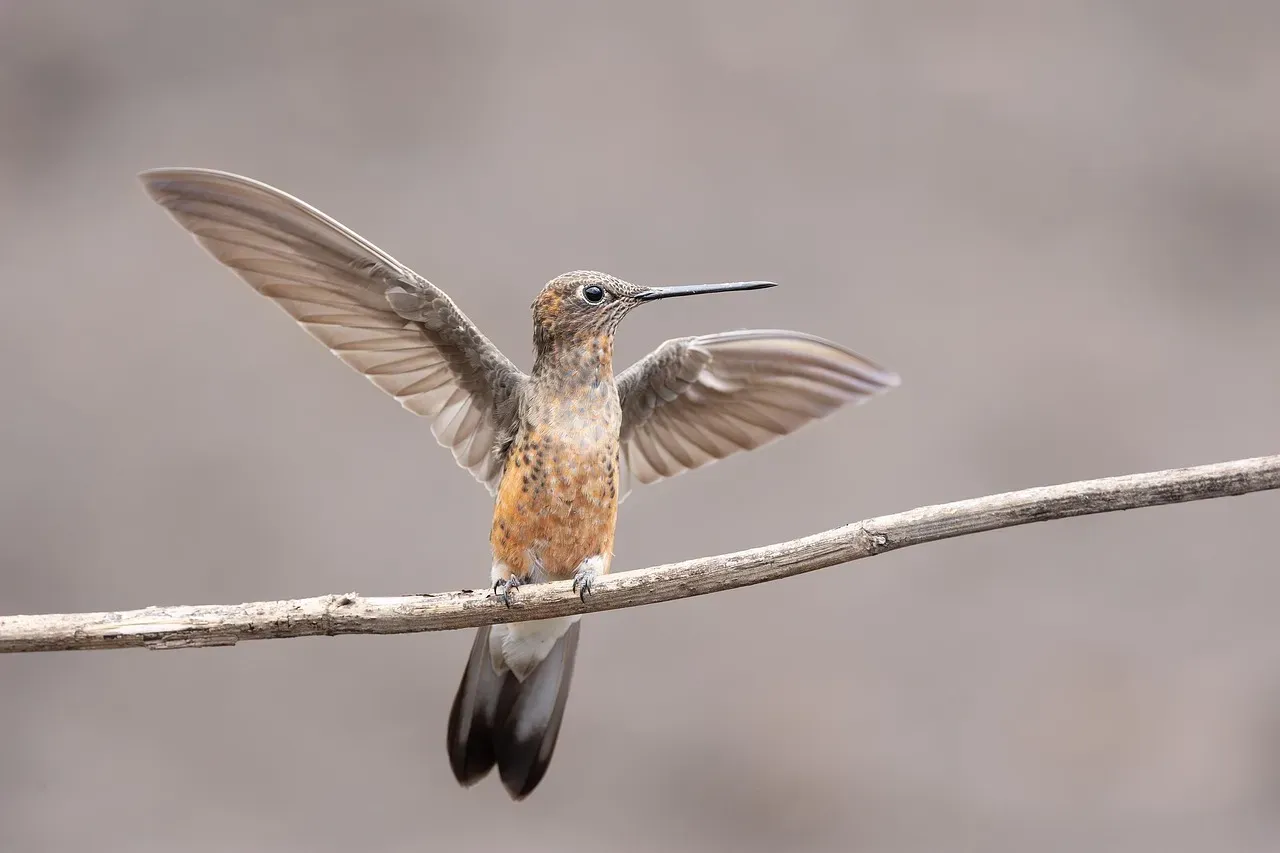
Arizona is widely recognized by ornithologists and birdwatching communities as the single richest state for hummingbird diversity in the entire country. At least fifteen to eighteen species have been reliably recorded within the state’s borders, making it the benchmark against which every other state is measured.
The southeastern corner of Arizona, particularly the mountain ranges known as the Sky Islands, is where much of this richness concentrates. Areas like the Huachuca Mountains, the Santa Rita Mountains, and the famous Ramsey Canyon draw visitors from across the world during summer migration peaks specifically to see species that cannot easily be found anywhere else in the US.
Species like the Magnificent Hummingbird, the Violet-crowned Hummingbird, the Berylline Hummingbird, and the White-eared Hummingbird all reach the northern edge of their range right here in Arizona. The combination of desert lowlands, mid-elevation oak woodland, and high pine forest creates an unusually layered set of habitats that supports multiple species at once. Few places anywhere in North America come close to matching what southeastern Arizona offers during July and August.
#2. Texas: Size, Diversity, and a Year-Round Presence
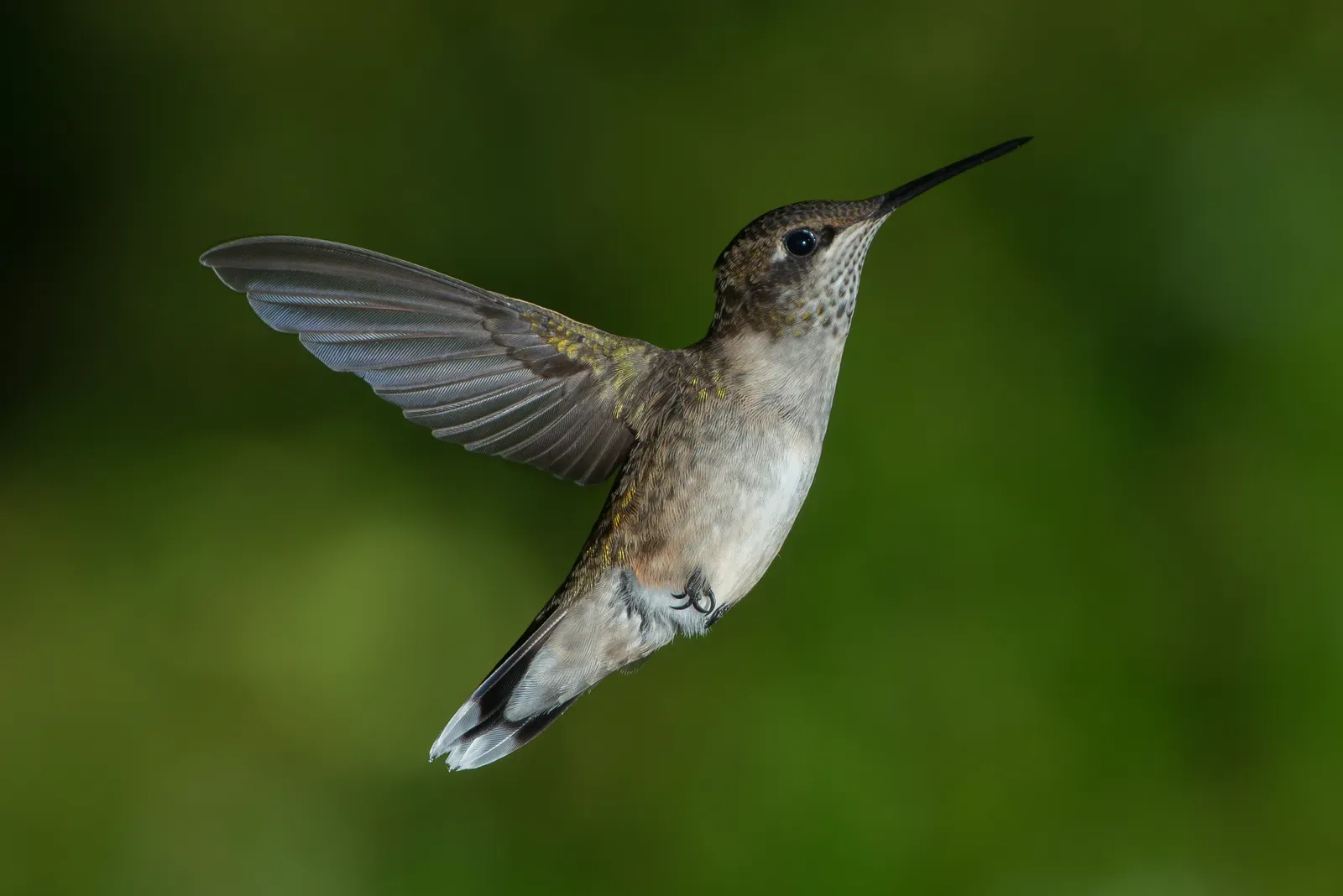
Texas benefits enormously from its sheer geographic scale. The state spans everything from Gulf Coast marshlands to Chihuahuan Desert to elevated mountain forests in the Trans-Pecos region, and each habitat type attracts different hummingbird species at different points in the year. The Davis Mountains and the Big Bend area in far West Texas function as a secondary version of Arizona’s Sky Islands, drawing many of the same southwestern species across the Rio Grande.
Ruby-throated Hummingbirds flood the eastern half of the state during spring and fall migration, passing through in tremendous numbers on their way between wintering grounds in Central America and breeding grounds further north. Meanwhile, the Gulf Coast acts as a concentration corridor, and towns like Rockport have built genuine ecotourism identities around the fall hummingbird migration. Texas has recorded well over a dozen species with reasonable regularity, and rare visitors push that total even higher in exceptional years.
#3. California: Pacific Richness From Desert to Coast
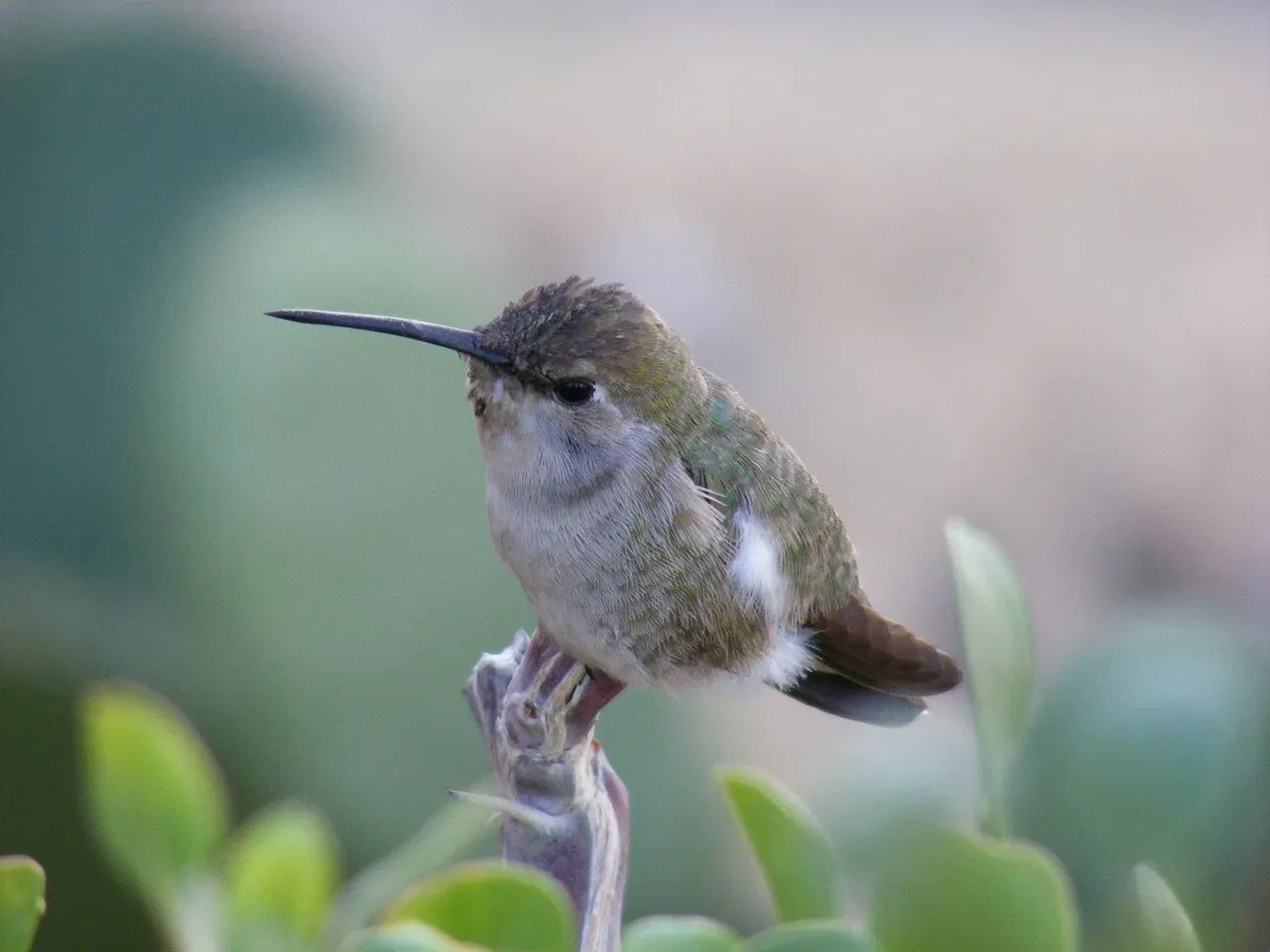
California sits at the intersection of several major migratory flyways, and its extraordinary habitat diversity means hummingbirds are present somewhere in the state during every month of the year. Anna’s Hummingbird is essentially a year-round resident across much of coastal California, a fact that surprises visitors from other regions who assume hummingbirds migrate entirely out of the US in winter. This species has actually expanded its permanent range northward significantly over recent decades.
The eastern deserts of California, particularly the Sonoran Desert region near the Colorado River, attract species typical of the Southwest, while the coastal chaparral supports entirely different communities. The Allen’s Hummingbird breeds along the California coast in spring, and the Black-chinned, Calliope, and Rufous Hummingbirds all pass through in notable numbers during migration. California regularly records around ten to twelve species, and the sheer volume of individual birds using the state as a migration corridor makes it one of the most hummingbird-rich environments in the country.
#4. New Mexico: High Desert Meets Mountain Forest
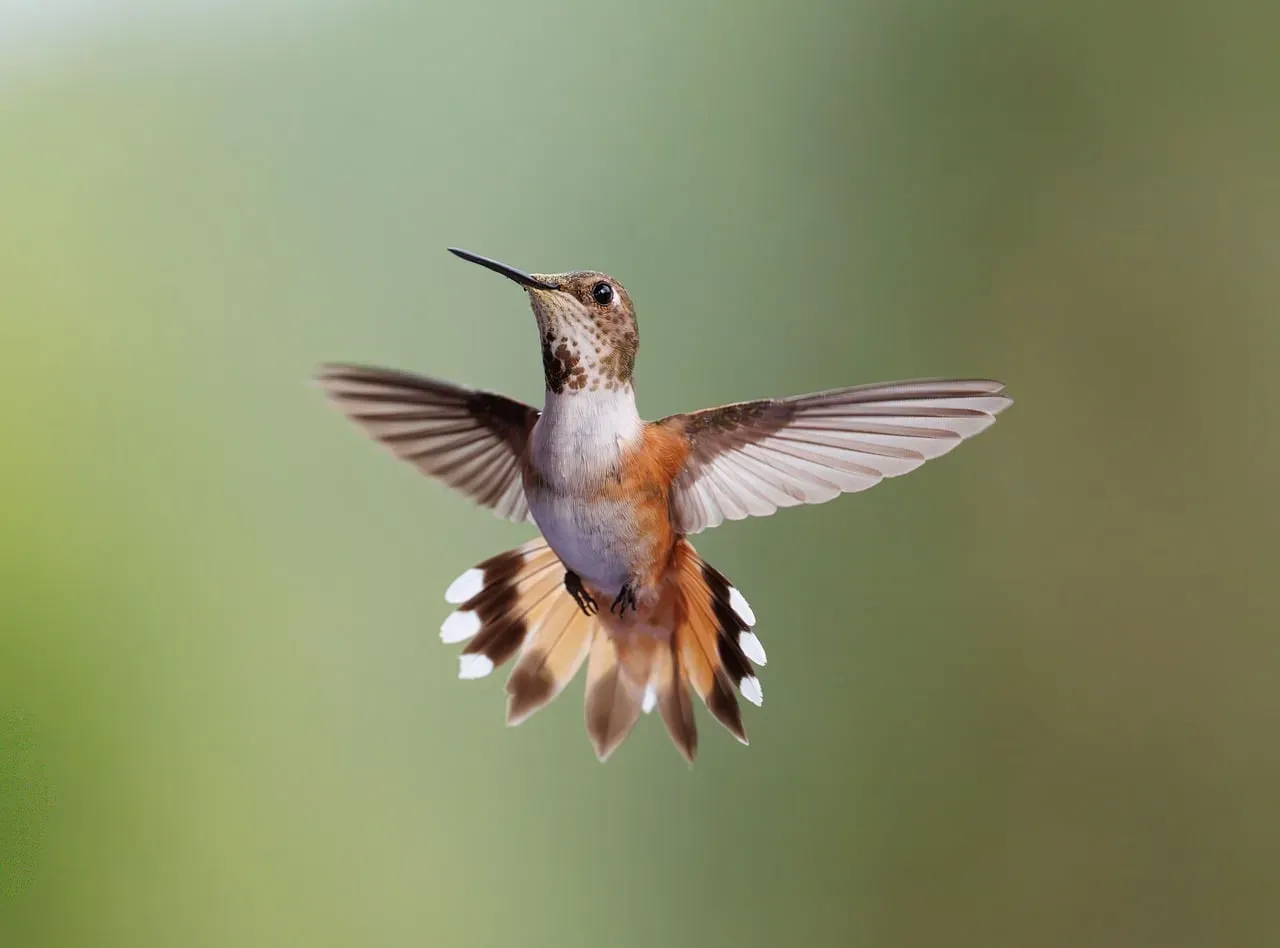
New Mexico shares much of its hummingbird richness with neighboring Arizona, largely because both states contain similar Sky Island mountain ranges and portions of the same desert biomes. The Gila region in the southwest of the state is particularly well regarded among birders, with the Gila Wilderness and surrounding areas reliably producing sightings of Blue-throated Mountain Gems, Black-chinned Hummingbirds, Broad-tailed Hummingbirds, and Calliope Hummingbirds all within a relatively short radius.
The Broad-tailed Hummingbird is especially characteristic of New Mexico’s mountain meadows, where males produce that distinctive trilling wing sound while flying that signals the arrival of summer at higher elevations. The state’s varied elevation gradient, ranging from low desert scrub to subalpine meadows above ten thousand feet, creates a natural stacking of species across altitudinal bands. At least twelve species have been recorded in New Mexico with meaningful regularity, and the state remains one of the most rewarding destinations in the Southwest for anyone serious about hummingbird watching.
#5. Colorado: A Surprising Mountain Stronghold
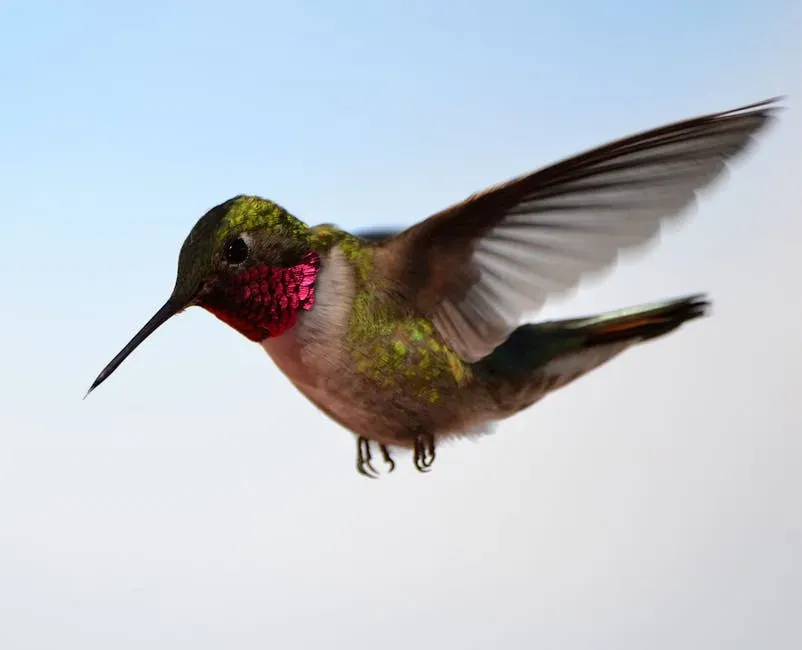
Colorado might not be the first state that comes to mind when thinking about hummingbirds, but the Rocky Mountain meadows here support one of the most dense breeding populations of Broad-tailed Hummingbirds in the entire country. Mountain valleys and aspen-lined meadows at mid-elevation are genuinely alive with hummingbird activity during the summer months, particularly from June through early September. The Broad-tailed is so characteristic of Colorado summers that its wing trill has become almost inseparable from the sensory experience of hiking in the Rockies.
Rufous Hummingbirds move through Colorado in large numbers during late summer migration, often pausing at feeders and wildflower patches across the mountain regions. Black-chinned Hummingbirds breed at lower elevations in the western parts of the state, and Calliope Hummingbirds, the smallest birds found in the US, pass through regularly during their impressive long-distance migration. Around six to eight species can be reliably observed in Colorado across the course of a full year, which is modest by Arizona standards but remarkable given the state’s northern latitude and high-altitude conditions.
#6. Louisiana and the Gulf Coast States: A Migration Crossroads
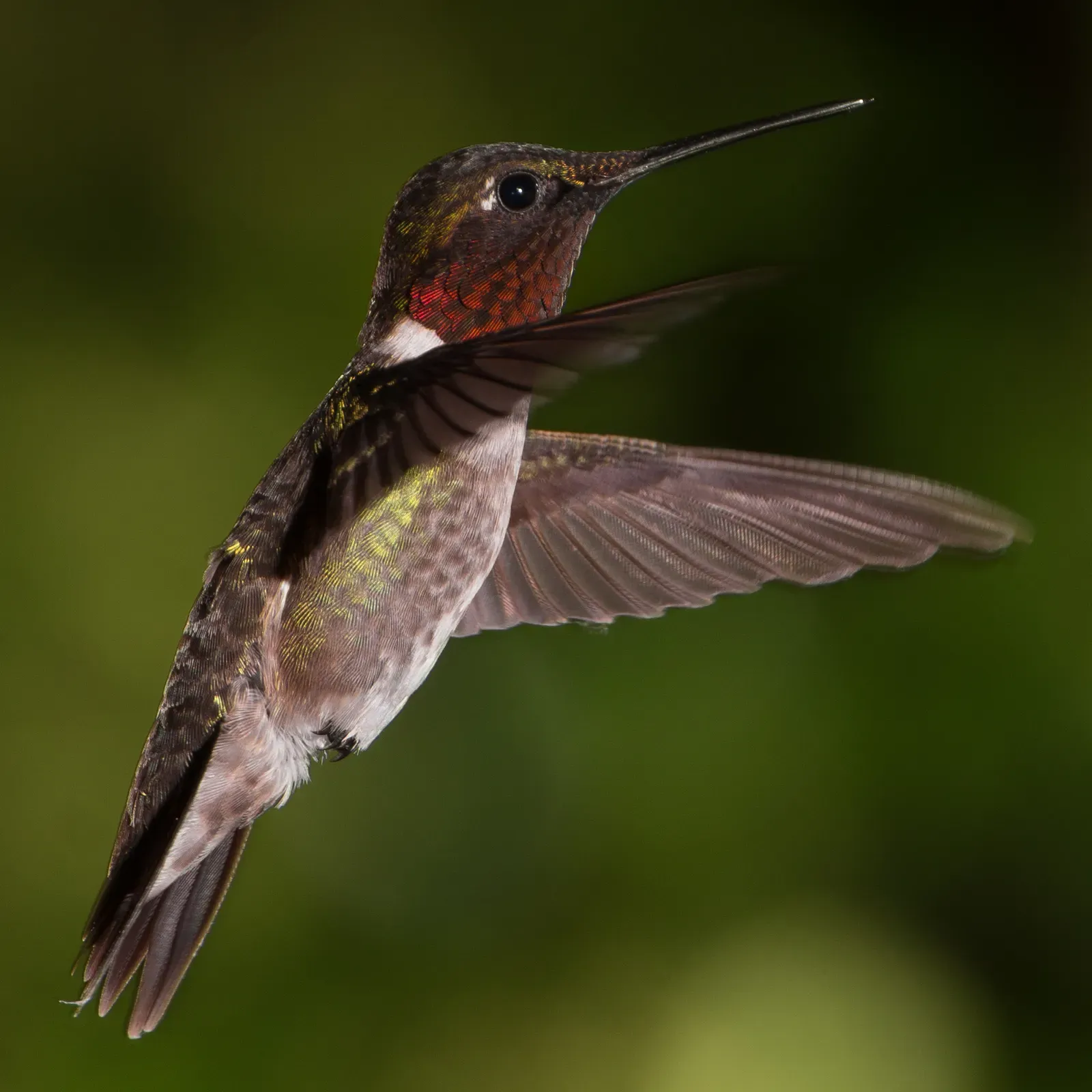
Louisiana occupies a unique position in the hummingbird story that tends to get overlooked in conversations dominated by the southwestern states. The Ruby-throated Hummingbird is the dominant breeding species in this region, but Louisiana and its neighboring Gulf states have developed a notable reputation for hosting an unusual diversity of western hummingbird species during winter, a phenomenon that has become better documented over the last few decades. Species like the Rufous, Black-chinned, Calliope, and even the occasional Buff-bellied Hummingbird show up at winter feeders across the state in numbers that consistently surprise researchers.
The mild Gulf Coast winters mean that hummingbirds can overwinter here when they might not survive further north, and a culture of year-round feeder maintenance among Louisiana residents has genuinely helped scientists understand the broader winter distribution of many species. The state is not a hotspot in the way Arizona is, but its role as a wintering ground and migration corridor gives it a character all its own. For anyone in the Southeast who wants hummingbird encounters without traveling to the desert Southwest, the Gulf Coast states offer a compelling and underappreciated alternative.
What Actually Draws Hummingbirds to These States
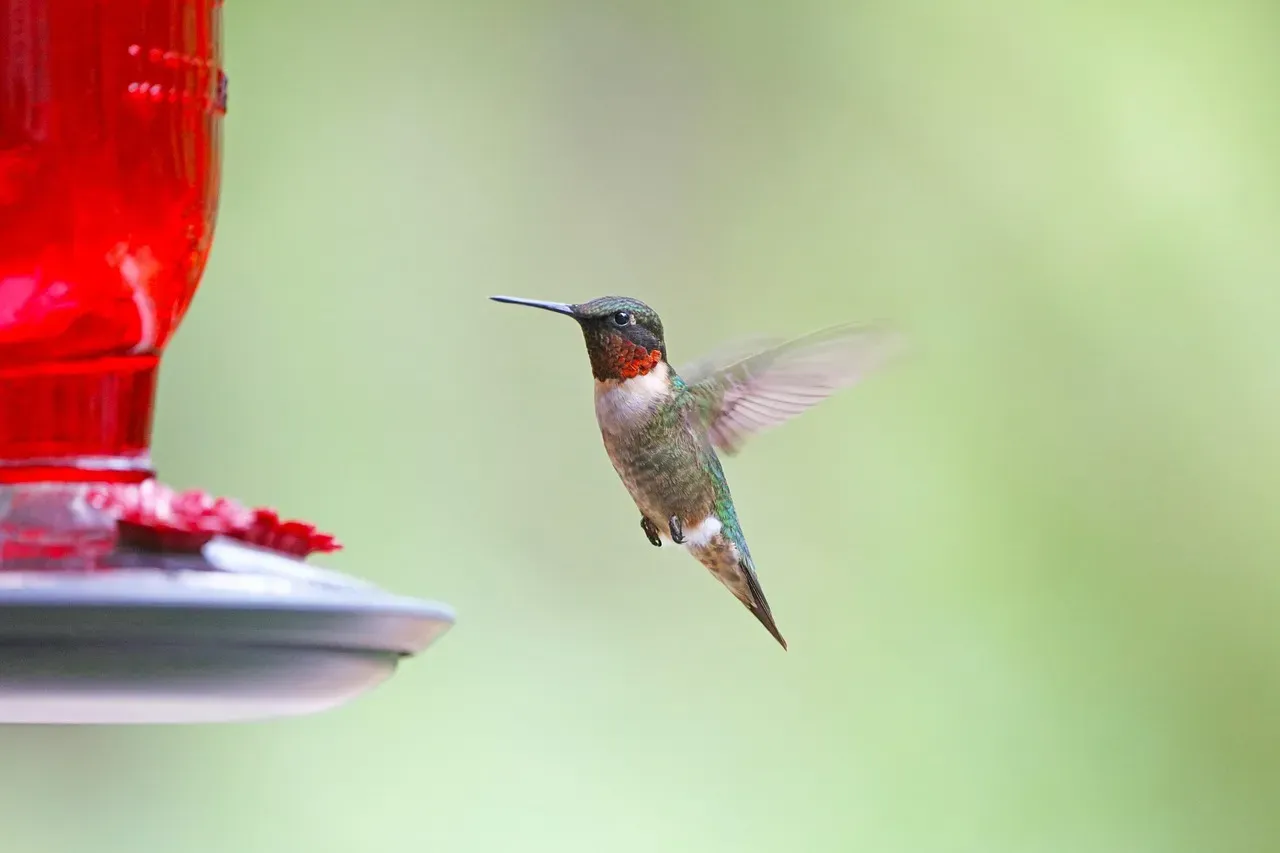
The common thread running through every high-ranking state is the presence of layered, diverse habitats rather than just a single favorable environment. Hummingbirds need nectar-producing plants in bloom across a long seasonal window, reliable insect populations for protein, and access to water. States that offer elevation gradients are naturally better positioned, because as one habitat’s flowers fade, another is just coming into bloom a thousand feet higher up the slope.
Human behavior plays a real role too. The proliferation of hummingbird feeders across Arizona, Texas, and California has measurably extended the time individual birds spend in certain locations, which in turn influences migration timing and wintering range. Native plant gardening has also contributed, with a growing movement to restore the salvia species, penstemons, and other tubular flowers that hummingbirds rely on most. The overlap between conservation-minded gardening and hummingbird abundance is genuine, not just anecdotal.
Ultimately, the geography of hummingbird abundance in the US tracks closely with proximity to Mexico, elevation diversity, and the presence of intact native vegetation. The Southwest remains the undisputed center of gravity, but pockets of remarkable richness exist further afield than most people expect. Knowing where to look, and what conditions to look for, transforms an occasional backyard surprise into something you can reliably seek out on your own terms.
