

There’s something magical about catching sight of a monarch butterfly. That flash of orange and black fluttering past can make you stop in your tracks. These iconic insects have captivated people across North America for generations, but their populations tell a story that’s both hopeful and heartbreaking. Let me be honest, when I started researching where these butterflies thrive most, I expected a simple answer. Instead, I discovered a complex web of migration routes, breeding grounds, and winter sanctuaries that paint a far more interesting picture.
Understanding which states host the most monarchs isn’t just about numbers. It’s about recognizing the critical habitats that keep one of nature’s most remarkable migrations alive.
California’s Coastal Sanctuary
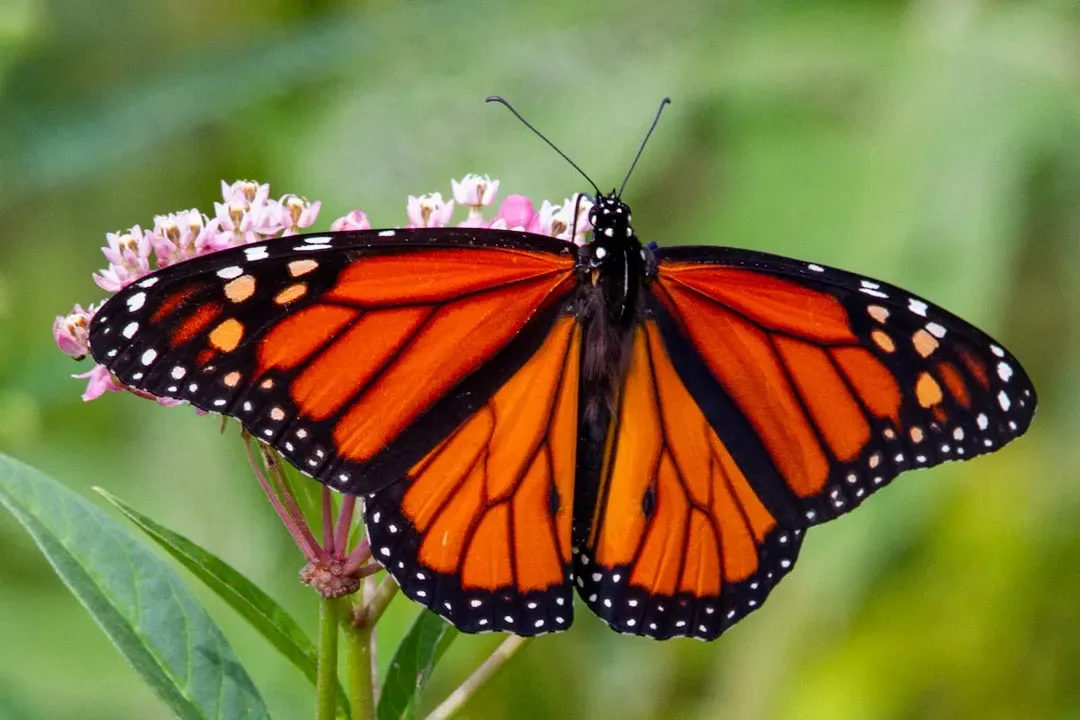
California stands out as the overwintering home for western monarchs, with butterflies clustering along the Pacific coast near Santa Cruz and San Diego. The 28th annual Western Monarch Count reported just 9,119 butterflies this past winter, a shocking drop that reveals how precarious their situation has become. Still, California remains absolutely vital for the western population’s survival.
These butterflies roost in eucalyptus, Monterey pines, and Monterey cypresses along the coast, creating spectacular clusters in protected groves. The largest count at a single location recorded 33,080 monarchs at an overwintering site in Santa Barbara County owned by The Nature Conservancy, though this site is not open to the public. Monarchs that spend the summer breeding season west of the Rocky Mountains, including states like Washington, Oregon, California, Idaho, and Montana, migrate to specific overwintering groves along the California coast roughly between Mendocino County in the north and San Diego County in the south.
What makes California special is the microclimate. The conditions here are very similar to that in central Mexico, providing the cool but not freezing temperatures monarchs need to survive winter. The fog, coastal winds, and tree groves create an intricate ecosystem that’s irreplaceable.
Texas and the Central Flyway
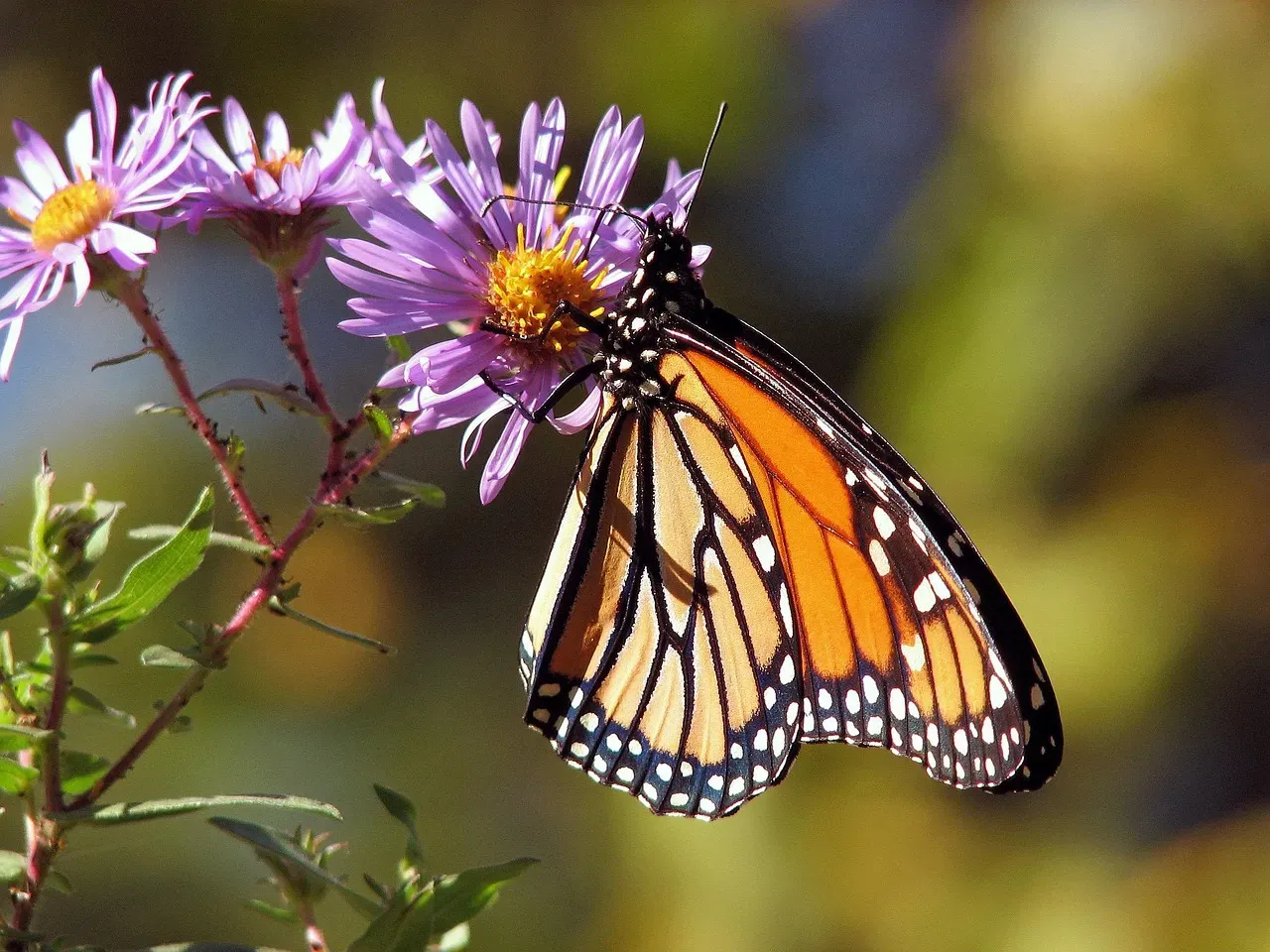
Texas holds a unique position in the monarch migration story. Their flight pattern is shaped like a cone as butterflies come together and pass over the state of Texas on their way south to Mexico. This makes Texas both a breeding ground and a crucial corridor.
The I-35 corridor follows Interstate 35 through six states from Minnesota south to Texas, following the central flyway of monarch migration. The core of the monarch’s migration route and breeding habitat includes Illinois, Indiana, Iowa, Kansas, Minnesota, Missouri, Ohio, Oklahoma, Texas and Wisconsin. Texas sits at the funnel point where eastern monarchs converge before heading into Mexico.
Here’s the thing about Texas: it’s not just a pit stop. Monarchs breed here in spring as they return north from Mexico. The state’s vast landscapes and diverse ecosystems provide both milkweed for caterpillars and nectar sources for adults. In late September and early October, when conditions are favorable, thousands of monarchs a day may flutter through the prairies and oak savannas of Balcones Canyonlands National Wildlife Refuge in the Hill Country of central Texas.
The Midwest Breeding Powerhouse
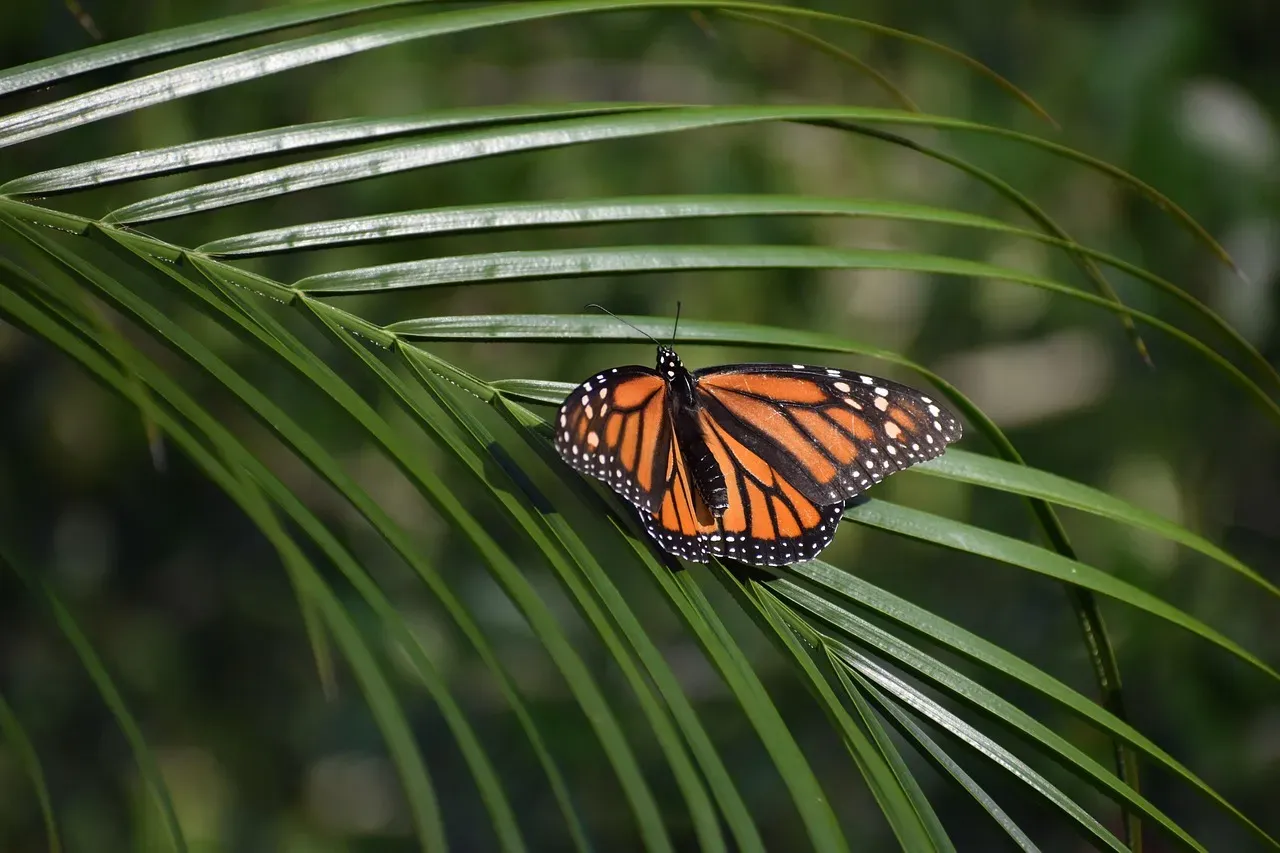
The Midwest is where monarch magic really happens during breeding season. States that have hosted Monarch Summits include Illinois, Indiana, Kansas, Oklahoma, Michigan, Arkansas, Missouri, Texas, Kentucky, Ohio, Nebraska, and South Dakota. These states form the agricultural heartland where monarchs have historically thrived.
The eastern population breeds east of the Rocky Mountains throughout much of the central and eastern U.S. and Canada. The Midwest’s importance can’t be overstated. This region once had milkweed growing abundantly in corn and soybean fields, providing critical breeding habitat. Though agricultural practices have changed, conservation efforts are now focused here.
The eastern monarch population is the largest of all monarch populations, both in numbers and geographic range, living across a geographic area accounting for about 70% of the total North American monarch range. Iowa, Illinois, Minnesota, and Kansas see substantial monarch activity during summer months. Honestly, if you want to see breeding monarchs in North America, the Midwest is your best bet during the right season.
Florida’s Year-Round Residents
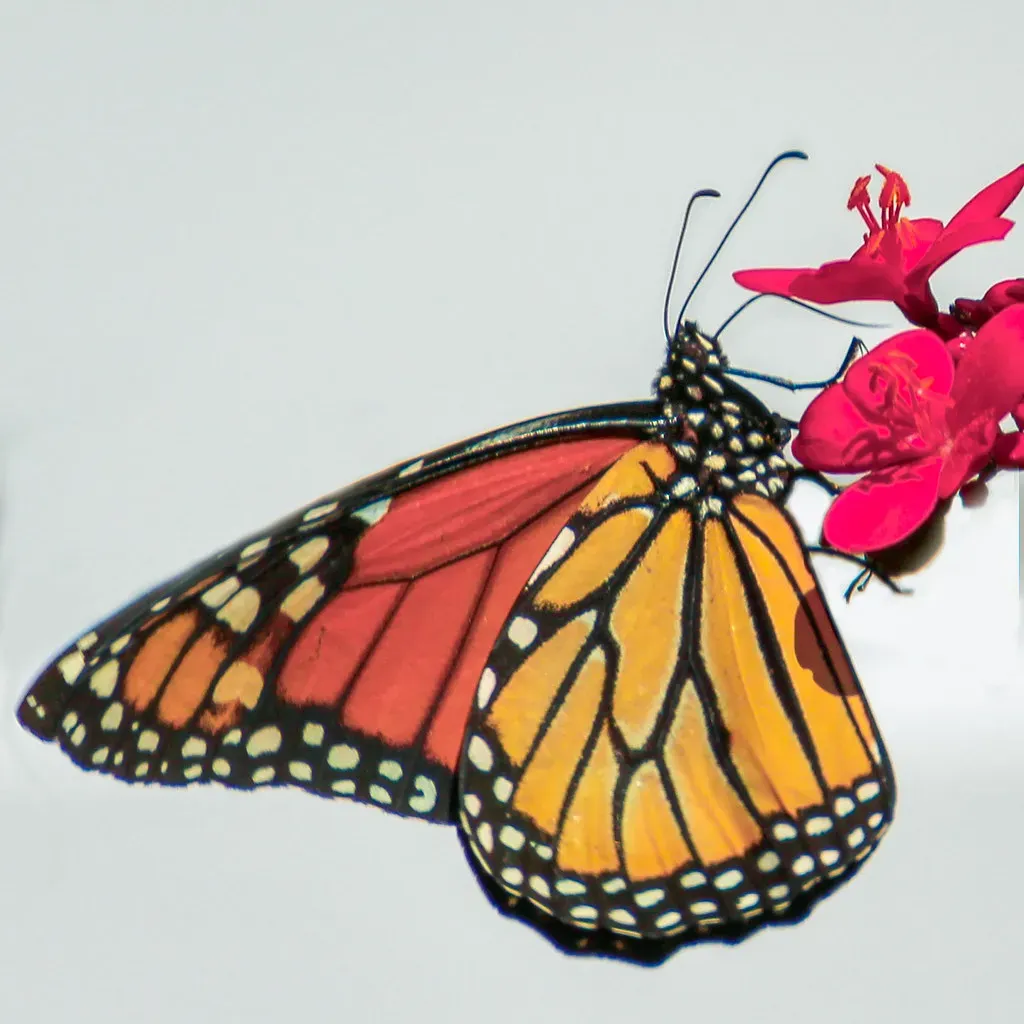
Florida presents an interesting twist in the monarch story. There are non-migratory monarchs that remain year-round at the southern end of their breeding range in North America, including in parts of Florida, the Gulf Coast and California. These butterflies don’t participate in the famous migration.
Florida is a stop for many monarchs before they fly over the Gulf Coast to Mexico. People start calling St. Marks National Wildlife Refuge as early as August to ask when the monarch butterflies are coming, as the refuge is the last refueling stop for thousands of migrating monarchs before they fly over the open water of the Gulf of Mexico.
The southern Florida population gets an annual influx from the eastern migratory population, creating a mix of resident and visiting butterflies. Think of Florida as both a destination and a launching pad. It’s hard to say for sure, but the year-round warmth and availability of tropical milkweed may explain why some monarchs skip migration entirely here.
Kansas and the Prairie Corridor
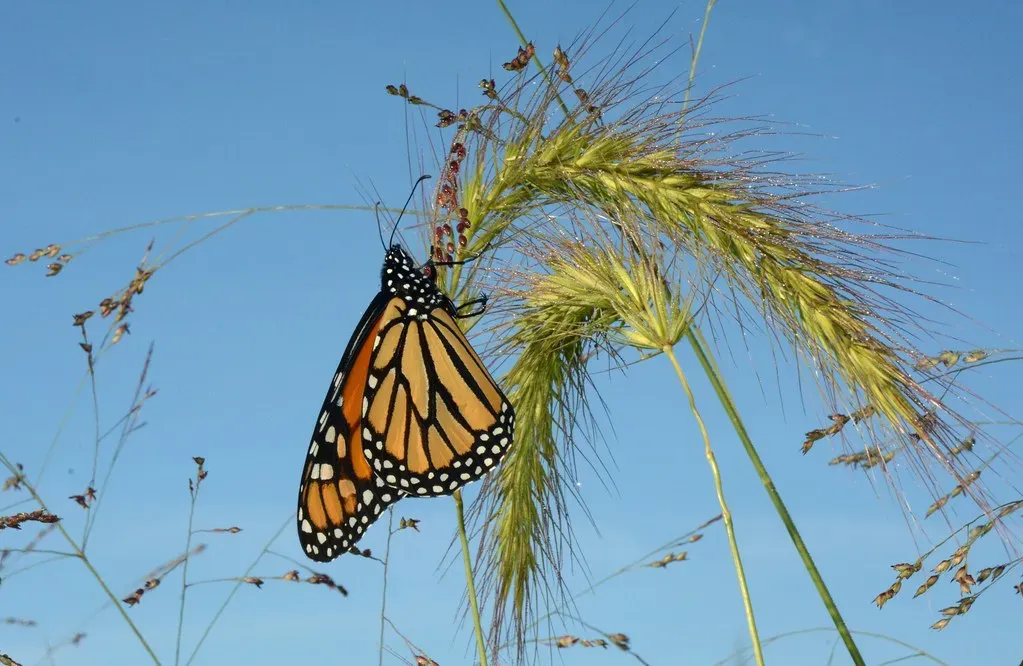
Kansas sits right in the middle of the action. The butterflies tend to come in waves based on weather patterns, with migrating monarchs feeding on asters and goldenrod and other wildflowers that bloom throughout Kansas refuges in the central wetlands. The state’s prairie habitats provide essential resources during both spring and fall migrations.
Monarchs are expected in Kansas in mid- to late September. The timing varies, but when they arrive, they can appear in impressive numbers. Kansas has become a focal point for conservation efforts precisely because of its location along major migration routes.
What I find fascinating about Kansas is how its native grasslands, when properly maintained, create ideal monarch habitat. The combination of native milkweed species and diverse flowering plants makes it a refueling station that can literally mean the difference between life and death for butterflies making their long journey.
Virginia and the Atlantic Coast Route

Virginia plays a crucial role for monarchs traveling along the eastern seaboard. Each year during monarch season from early September to late October, the Coastal Virginia Wildlife Observatory counts and tags monarchs at Eastern Shore locations. This monitoring helps scientists understand migration patterns and population health.
The Atlantic coast provides a distinct migration pathway separate from the central flyway. Monarchs funnel down the coast, stopping at refuges and natural areas to feed and rest. Virginia’s position between the northern breeding grounds and southern routes makes it a critical checkpoint.
Coastal areas offer unique advantages. The moderating influence of the ocean can provide more stable weather during migration season. Let’s be real, monarchs need every advantage they can get, and Virginia’s diverse habitats from mountains to coast provide multiple corridors for their journey.
Minnesota and the Northern Breeding Range
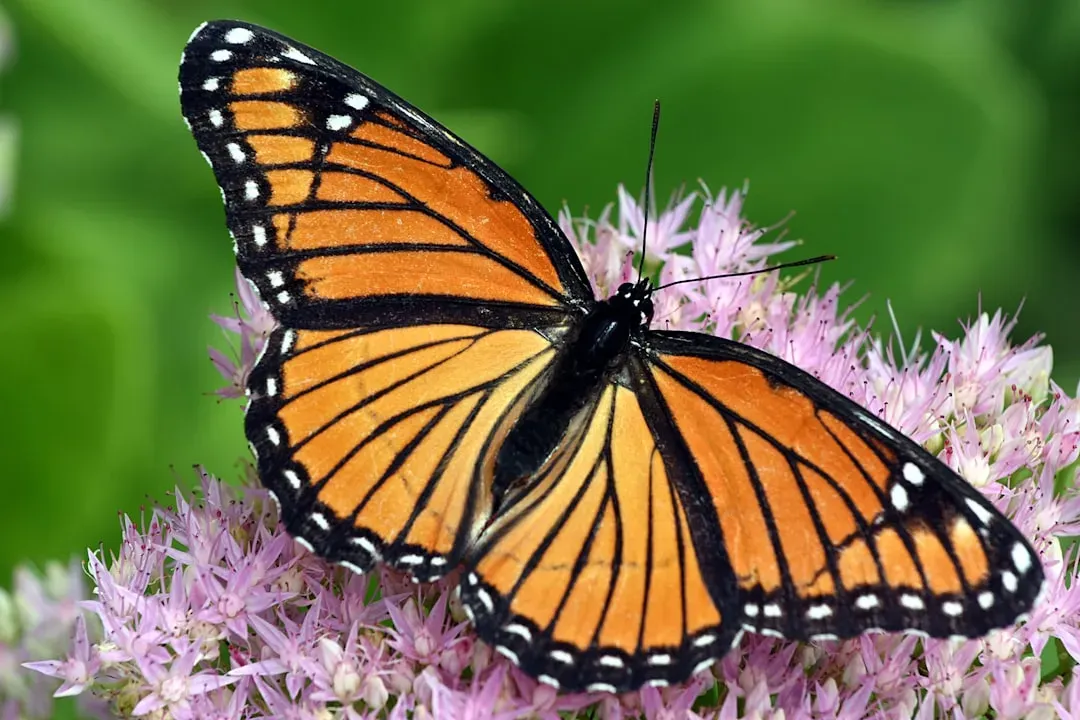
Minnesota represents the northern extent of monarch breeding territory. The I-35 corridor follows Interstate 35 through six states from Minnesota south to Texas, making Minnesota the starting point for many butterflies that will eventually reach Mexico.
Peninsula Point Monitoring Project is an effort managed by the U.S. Forest Service to monitor monarch larvae and conduct migration counts at an important stopover site on the northern shore of Lake Michigan, Peninsula Point, which borders Minnesota. The northern states like Minnesota are where the final migratory generation is born each summer.
Here’s what makes Minnesota special: the monarchs born here in late summer will be the ones making the entire journey to Mexico. The generation that emerges in late summer and early fall is different, as these butterflies are born to travel and may live for eight or nine months to accomplish their lengthy migration. Minnesota’s summers provide the breeding grounds for these super-generation butterflies.
Washington and the Western Migration

Washington might surprise you as a significant monarch state. In Washington, monarchs are found east of the Cascades where milkweed occurs. that breed west of the Rocky Mountains, including in Washington, overwinter in California, as monarchs breed and travel through Washington but do not overwinter in the state.
Milkweeds and monarchs in Washington occur in weedy fields and sparsely vegetated habitats, typically near wetlands or riparian areas. The number of monarchs in Washington is relatively low, with milkweeds patchily distributed within the Columbia Basin, though monarchs migrating south through Washington often concentrate along the large river courses of the Columbia and Snake Rivers.
Washington’s role in the western population shouldn’t be underestimated. Every breeding site matters when populations have dropped so dramatically. The Columbia River corridor provides exactly the kind of habitat monarchs need during their travels.
Looking Forward
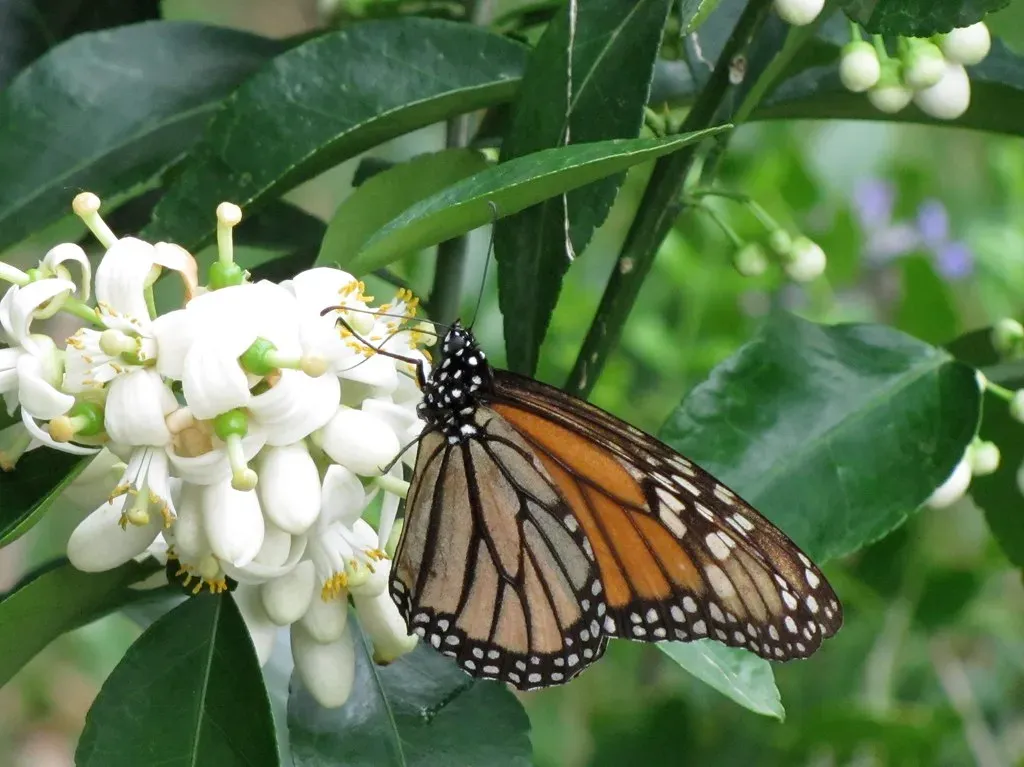
In December 2024, monarchs occupied 1.79 hectares in Mexico, compared to 0.9 hectares at the same time in 2023, representing nearly a doubling of the eastern population. That’s genuinely good news, though the numbers remain far below historical averages. The winter of 2024-2025 was the second-worst on record for the western monarch since the population survey began in 1997, with researchers counting western monarchs overwintering in California finding their numbers had declined by 96% compared to last year, dropping dramatically from 233,394 monarchs in 2023 to just 9,119 in 2024.
The states that matter most for monarchs depend on the season and population. California remains irreplaceable for western monarchs’ winter survival. Texas serves as the critical convergence point for eastern butterflies heading south. The Midwest states remain the breeding heartland where the majority of eastern monarchs are born.
Conservation efforts across all these states will determine whether future generations get to experience the wonder of monarch migrations. Habitat restoration, reduced pesticide use, and climate action aren’t just environmental buzzwords. They’re the lifelines these butterflies desperately need. What strikes me most is how interconnected it all is. A monarch born in Minnesota might overwinter in Mexico, passing through half a dozen states along the way.
Did you think monarchs were only found in one or two states? The truth is their survival depends on an entire continental network of habitats, and every state along their routes plays a part in keeping this incredible migration alive.

- What is the Native American Zodiac Animal Sign for Capricorn? - July 29, 2026
- The Best Birdwatching Spots in Texas - July 29, 2026
- 15 Places To Visit in Arizona To Fill Your Adventure Soul - July 29, 2026