
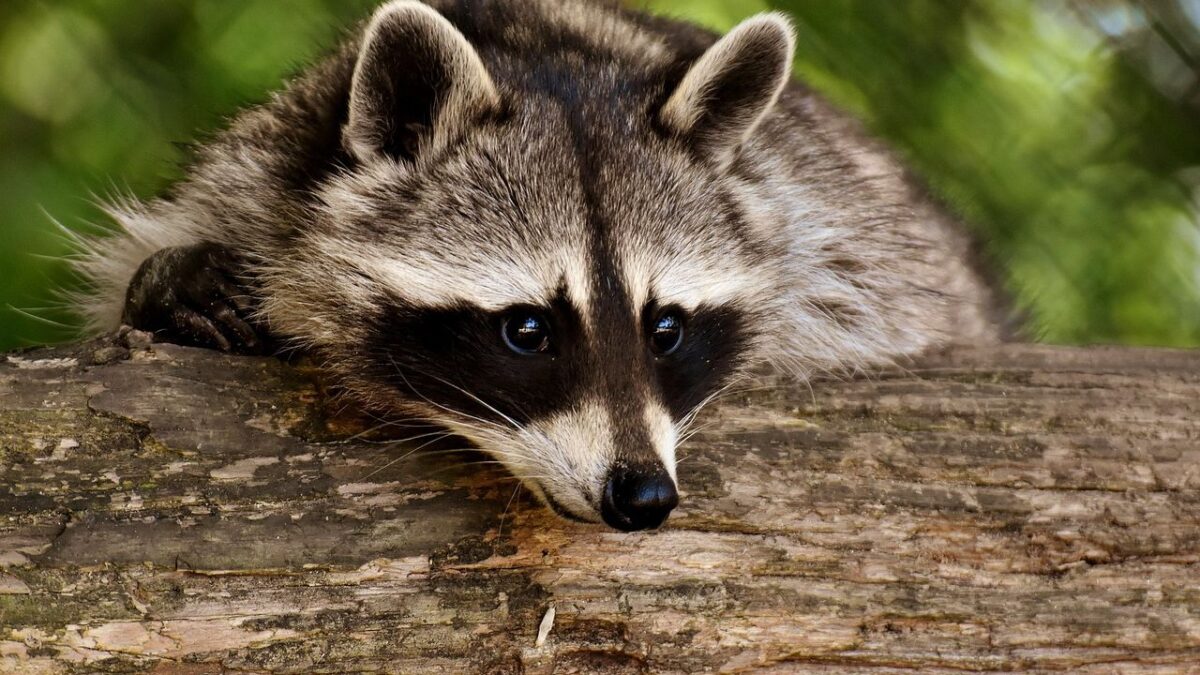
Ever wondered where those masked bandits we call raccoons are most abundant? These crafty creatures have made themselves at home across most of America, raiding trash cans and charming their way into urban neighborhoods with surprising boldness. They’re clever, adaptable, and frankly, everywhere.
Some states have become genuine raccoon hotspots, where populations have exploded to staggering levels. From urban sprawls to rural wetlands, these nocturnal foragers have found ways to thrive in ways that surprise even wildlife experts. Let’s dive into which states are hosting the biggest raccoon parties and why these particular places have become raccoon paradise.
Illinois: The Undisputed Raccoon Capital
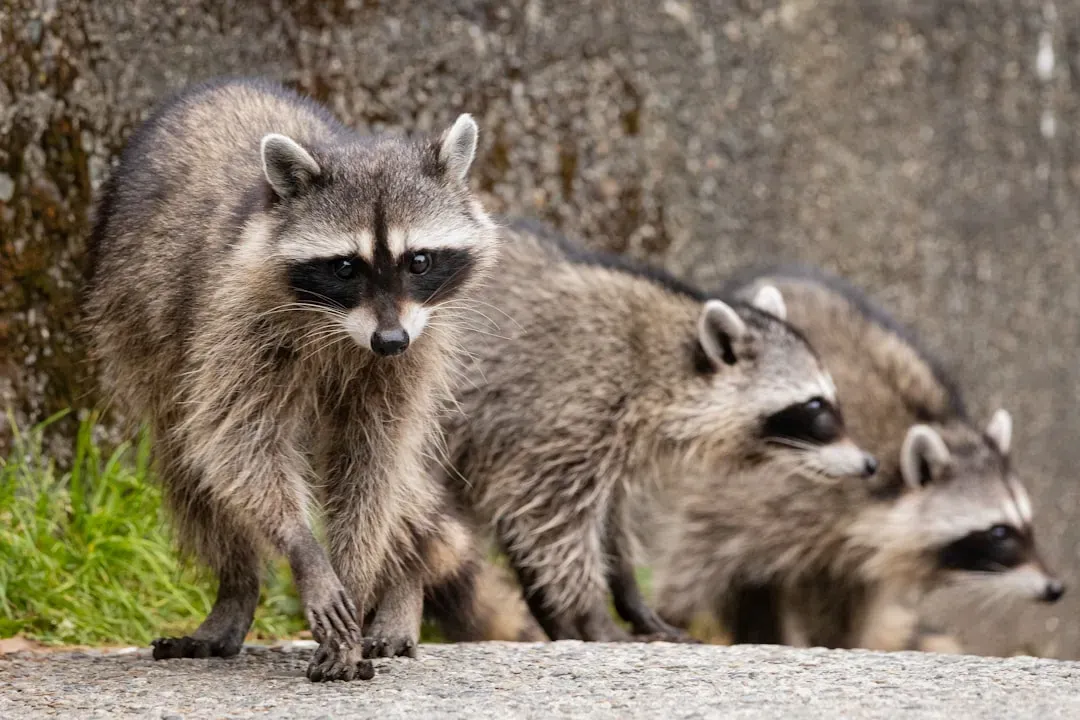
Illinois represents perhaps the most dramatic example of raccoon abundance in America, with populations commonly ranging from nine to forty-five raccoons per square mile, and fall estimates of 98 to 101 raccoons per square mile recorded in parts of Cook, Kane and McHenry counties. Those numbers are almost hard to wrap your head around when you stop and think about it.
Raccoon populations in the Chicago area have been documented at densities reaching over 100 individuals per square kilometer in certain urban habitats. The Chicago metropolitan areas have become especially attractive to these adaptable creatures. Think about that for a moment: in some neighborhoods, you could potentially have dozens of raccoons within just a few blocks.
Raccoons are found in every county in Illinois and are abundant throughout the state, with the population having increased dramatically since the 1930s to levels that likely exceed pre-European settlement numbers. The combination of water sources, forest preserves, and abundant human food waste creates what amounts to raccoon heaven.
Honestly, what makes Illinois so special? It’s hard to say for sure, but the state’s mix of urban infrastructure and natural water systems seems to provide everything a raccoon could want. They’ve adapted to city life like few other wild mammals have, and they’re not looking back anytime soon.
Ohio: An Explosive Population Boom
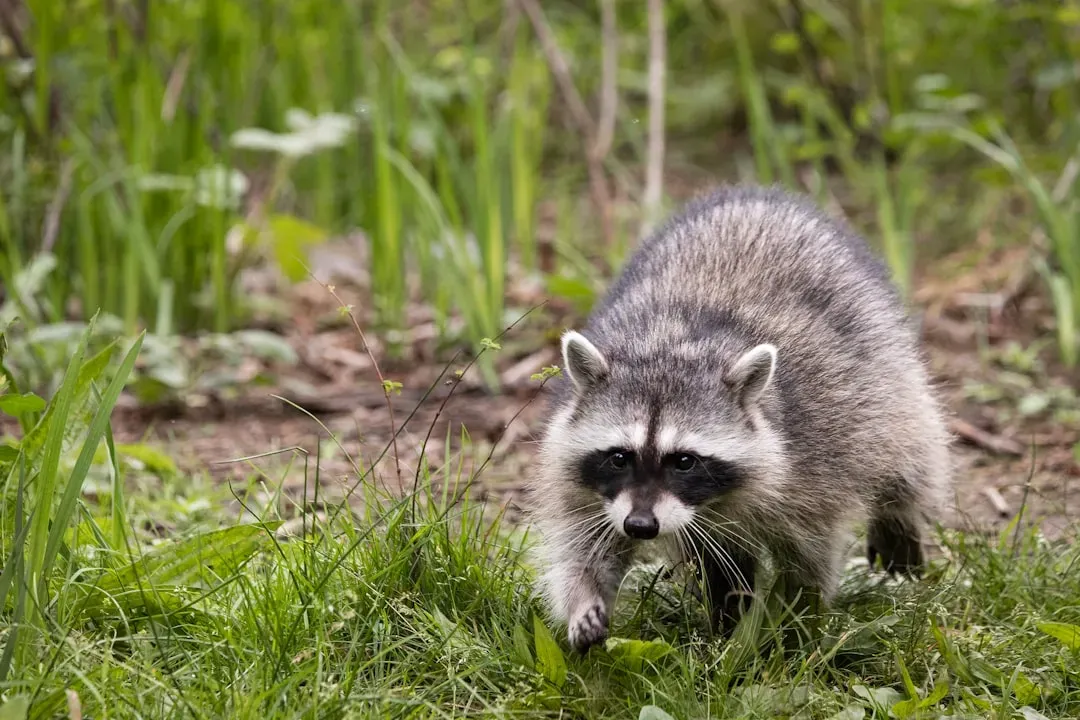
Here’s something that’ll surprise you. Raccoon populations in Ohio have soared 800% in the last 15 years. That’s not a typo or an exaggeration. The state has experienced explosive growth in raccoon numbers that wildlife officials never anticipated.
Raccoons are found in all parts of Ohio, and their population has been growing for many years as they’ve moved into towns and cities where food and shelter are readily available. Urban expansion hasn’t pushed these animals out; instead, it’s essentially rolled out the welcome mat for them.
Raccoon density at a suburban site in Ohio reached nearly 67 animals per square kilometer, which represents some of the highest concentrations anywhere in North America. The state’s rivers, lakes, and sprawling suburbs offer ideal conditions for these masked mammals to thrive and multiply.
What’s driving this boom? The availability of food waste, suitable den sites in attics and sheds, and the absence of natural predators in urban areas all contribute. Raccoons have essentially hit the jackpot in Ohio’s cities, and their population growth reflects that reality.
Minnesota: Cold Climate Champions
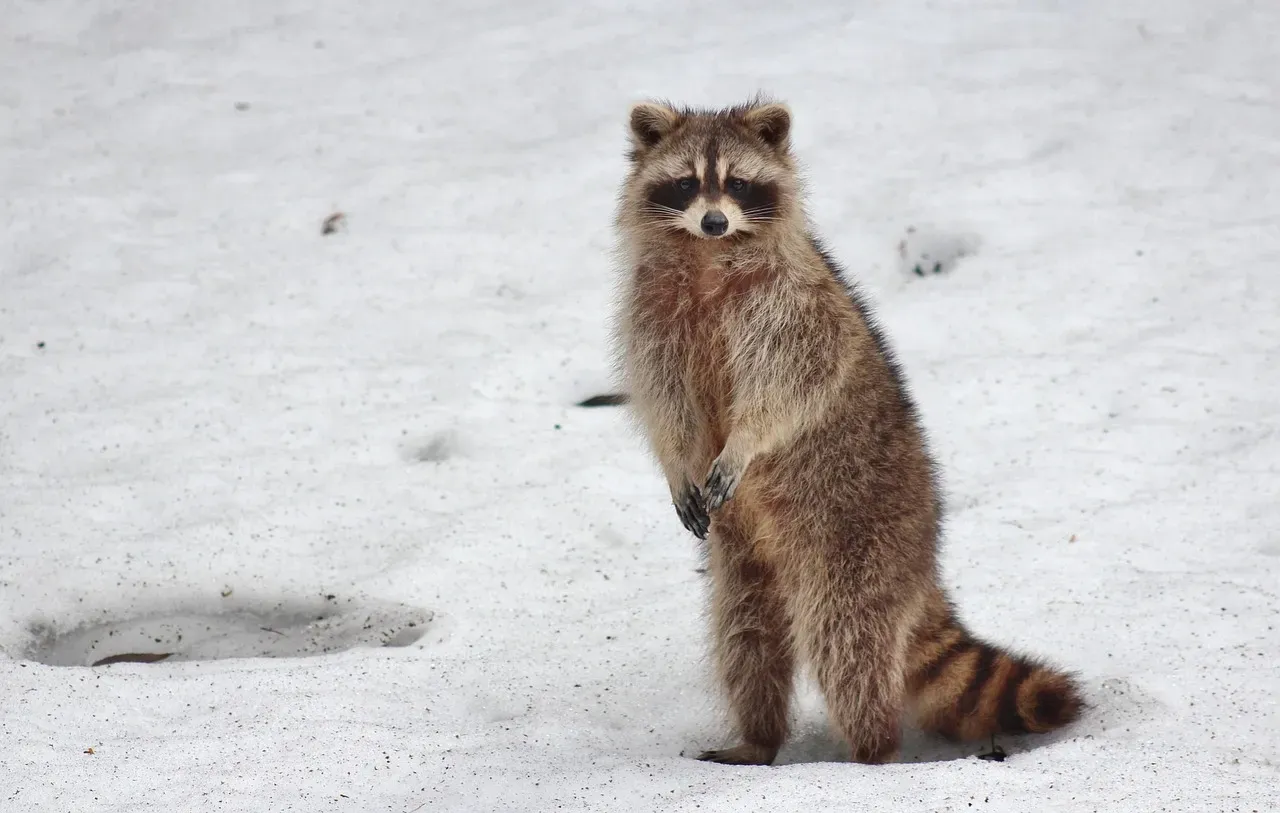
You might think harsh winters would keep raccoon numbers down, yet Minnesota defies expectations. Minnesota’s Department of Natural Resources estimates between 800,000 to one million raccoons live throughout the state, with hunters harvesting 100,000 to 150,000 annually and trappers taking another 75,000 to 100,000. Those harvest numbers are staggering, yet the population remains impressively robust.
Minnesota’s landscape of prairies, woodlands, and thousands of lakes provides diverse habitat that raccoons exploit brilliantly. They’ve proven remarkably cold-tolerant creatures, though they do enter a state of partial hibernation during the worst winter weather. This ability to survive brutal Minnesota winters speaks to their incredible adaptability.
One woman even found 23 raccoons sharing an abandoned house in Swift County, which speaks to their social flexibility when conditions demand it. While typically solitary, raccoons will huddle together when temperatures drop, prioritizing survival over their usual antisocial tendencies.
The fact that Minnesota supports nearly a million raccoons despite its challenging climate is remarkable. It shows that when food and shelter are available, raccoons will find a way to make almost any environment work for them.
Texas: Size Matters in the Lone Star State
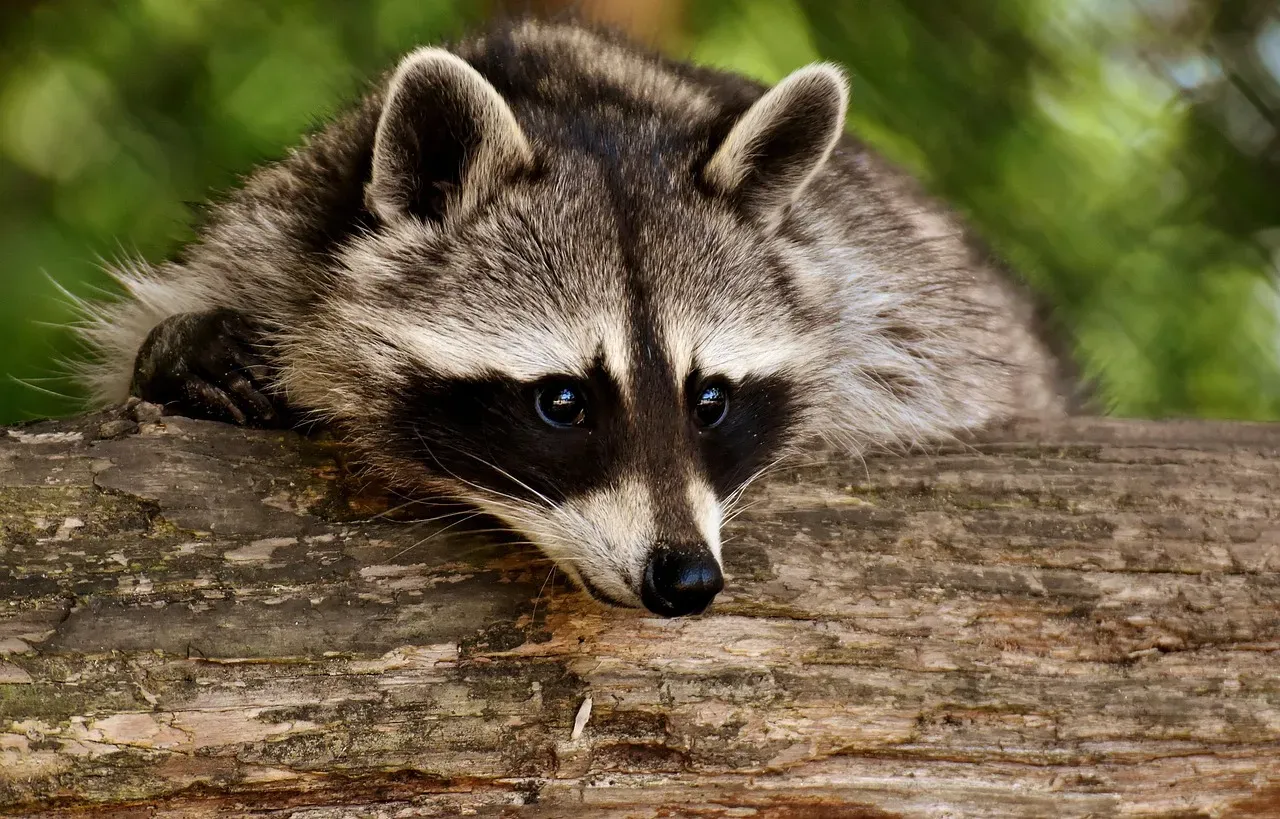
This is one of the most common carnivores in Texas, with raccoon populations having increased dramatically in the last several years. The sheer size of Texas combined with its diverse ecosystems creates ideal conditions for these masked mammals. From the humid eastern forests to the sprawling river valleys, raccoons have found their niche everywhere.
Raccoons are the most economically important furbearer in Texas, with most of the catch occurring in the eastern half of the state. Texas offers everything a raccoon could want: warm weather, abundant water sources in many regions, and diverse food options ranging from natural prey to agricultural crops.
One hypothesis is that corn from deer feeders has provided raccoons with a supplemental food source, enabling them to better survive the winter months. It’s kind of ironic when you think about it. Those deer feeders might have accidentally become raccoon buffets, contributing to population booms that nobody saw coming.
Texas raccoons have adapted to feeding at artificial deer feeders in West Texas, leading to local population increases in some areas. The state’s diversity means raccoons encounter different challenges and opportunities depending on where they live, yet they’re thriving across the board.
Florida: Wetland Wonderland for Raccoons
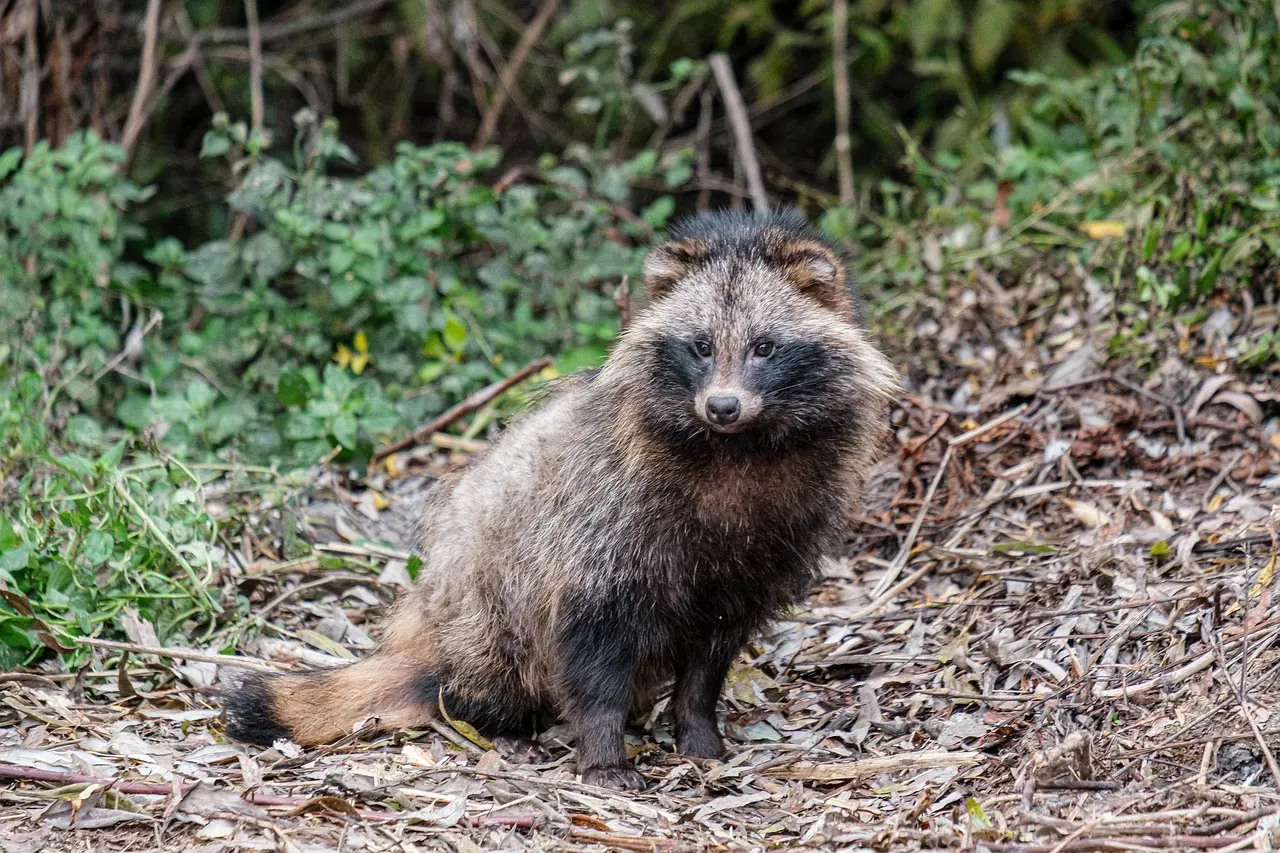
Raccoons are found statewide in Florida in ever-increasing numbers, thriving in the state’s warm climate and abundant water sources. Florida’s coastal regions and wetlands represent some of the richest raccoon habitat in the entire country. The year-round warm weather means raccoons never have to slow down or enter torpor like their northern cousins.
Raccoon densities of 100 per square mile can be attained around abundant food sources, especially coastal and wetland habitats. The state’s extensive swamps, marshes, and coastal areas provide natural buffets of crabs, fish, and other aquatic prey that raccoons love.
Florida’s combination of natural wetlands and human development creates a perfect storm for raccoon populations. The animals have access to both wild food sources and human trash, giving them redundant options when one food source becomes scarce. This redundancy is key to their success.
Let’s be real: Florida’s environment is practically designed for raccoons. Warm weather, water everywhere, plenty of food, and countless hiding spots in both natural and urban settings. It’s no wonder they’re thriving there in such impressive numbers.
Conclusion
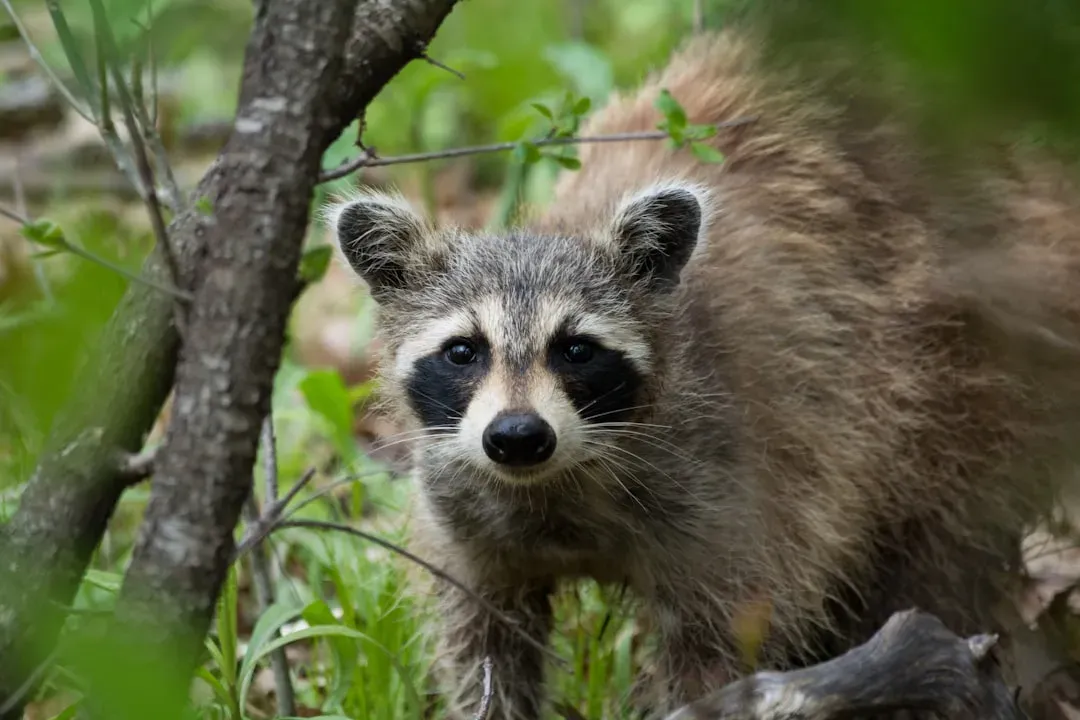
Raccoons have proven themselves to be among North America’s most successful mammals, with the raccoon population in North America ranging from five million to potentially upwards of twenty million. The states with the highest populations share common threads: abundant water sources, mix of urban and natural habitats, and year-round or supplemental food availability.
What’s striking is how well raccoons have adapted to human presence. Rather than being pushed out by development, they’ve thrived alongside us, exploiting the resources we inadvertently provide. Their success story is both impressive and slightly concerning, especially given their role as rabies carriers.
These five states showcase different aspects of what makes ideal raccoon habitat, from Illinois’s urban density to Florida’s wetlands to Minnesota’s surprising cold-climate success. Did you expect some of these states to have such massive raccoon populations? What’s your experience with these masked bandits in your area?

- The Wild Animal Each Zodiac Sign Would Become Under Pressure - August 5, 2026
- The Desert Town in Nevada Slowly Being Buried by Moving Sand - August 5, 2026
- Do Animals Feel Emotions Like Humans? New Studies Reveal Surprising Truths - August 5, 2026