
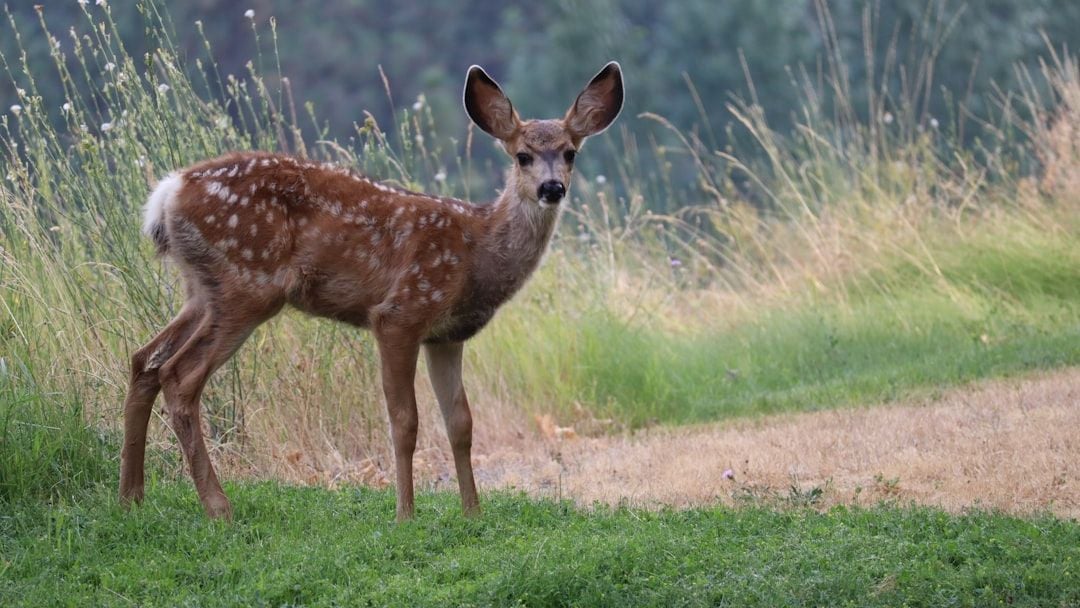
Texas Leads the Pack
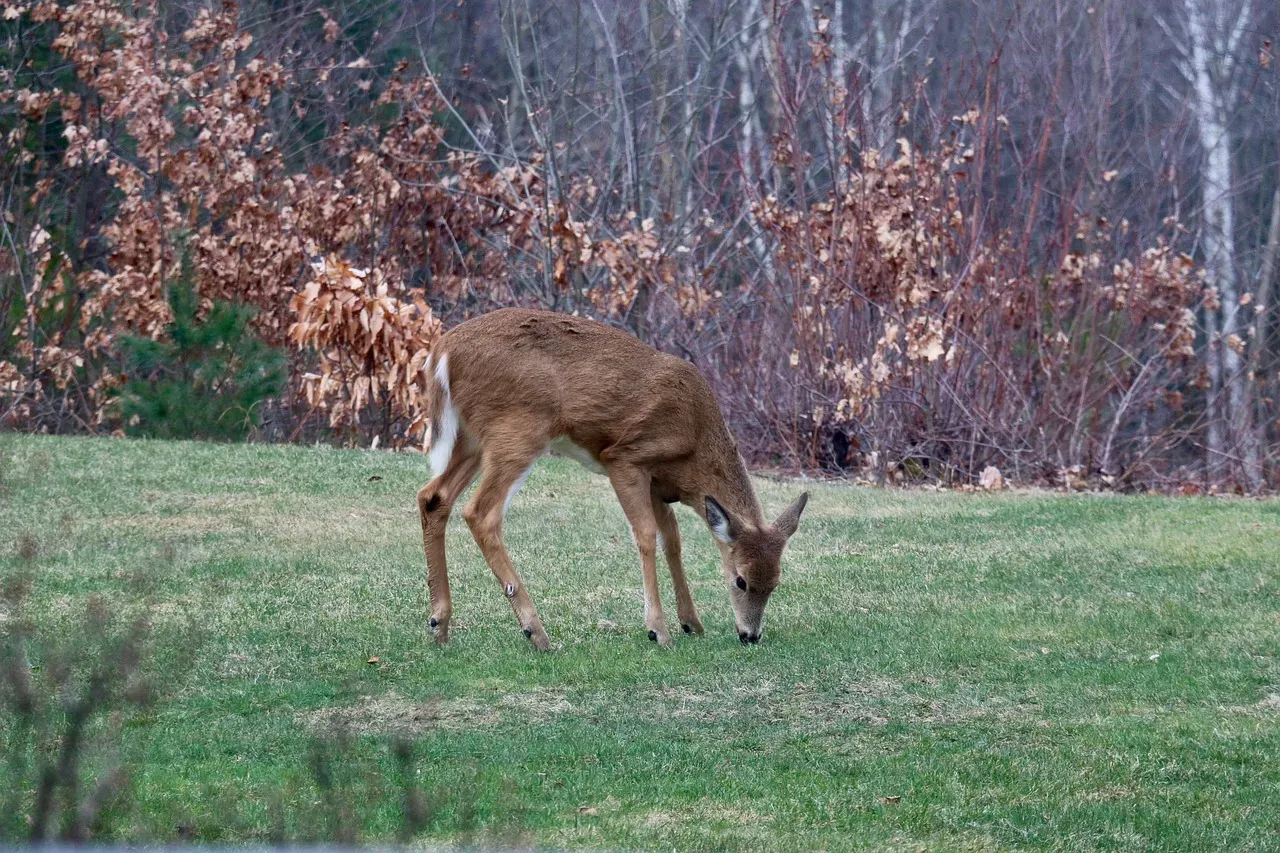
Texas stands alone at the top with an estimated population exceeding five million white tailed deer. The vast landscapes of the Edwards Plateau and other regions provide ideal cover and food sources that support such large numbers year after year. Recent estimates place the figure around five point two seven five million, reflecting steady growth in many areas.
Landowners and wildlife agencies work together to balance herds through regulated hunting and habitat improvements. This approach helps maintain healthy populations without overwhelming local ecosystems. The sheer scale here sets Texas apart from every other state in the nation.
Michigan Holds Strong
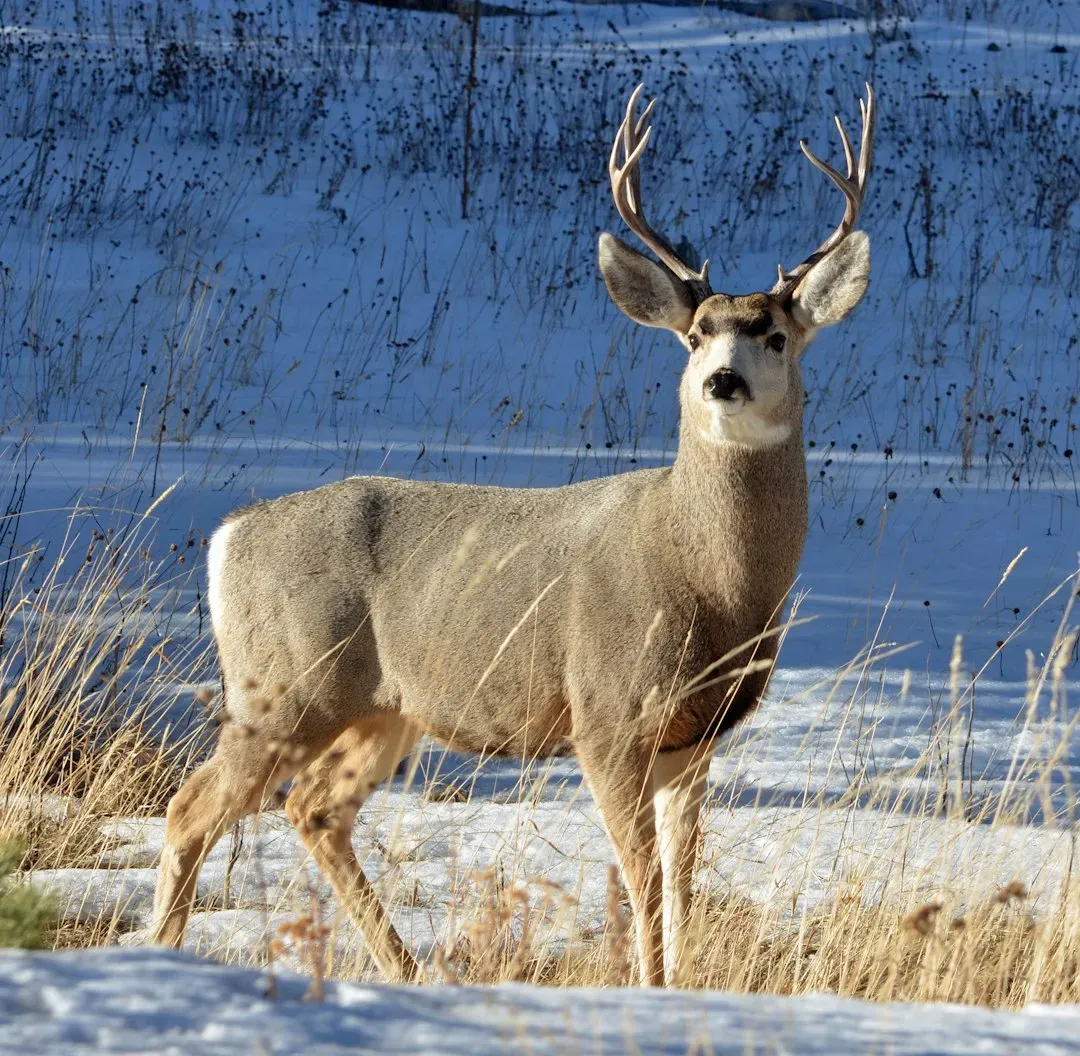
Michigan comes in second with roughly two million white tailed deer scattered across its forests and farmlands. The mix of hardwoods and agricultural fields creates prime conditions for the animals to thrive through harsh winters. State surveys consistently show stable or growing numbers in many counties.
Hunters and biologists track these populations closely to adjust seasons and bag limits. Such efforts keep the herd in balance while supporting a robust outdoor tradition. The northern climate adds a unique challenge that the deer have adapted to remarkably well.
Alabama’s Thriving Herds
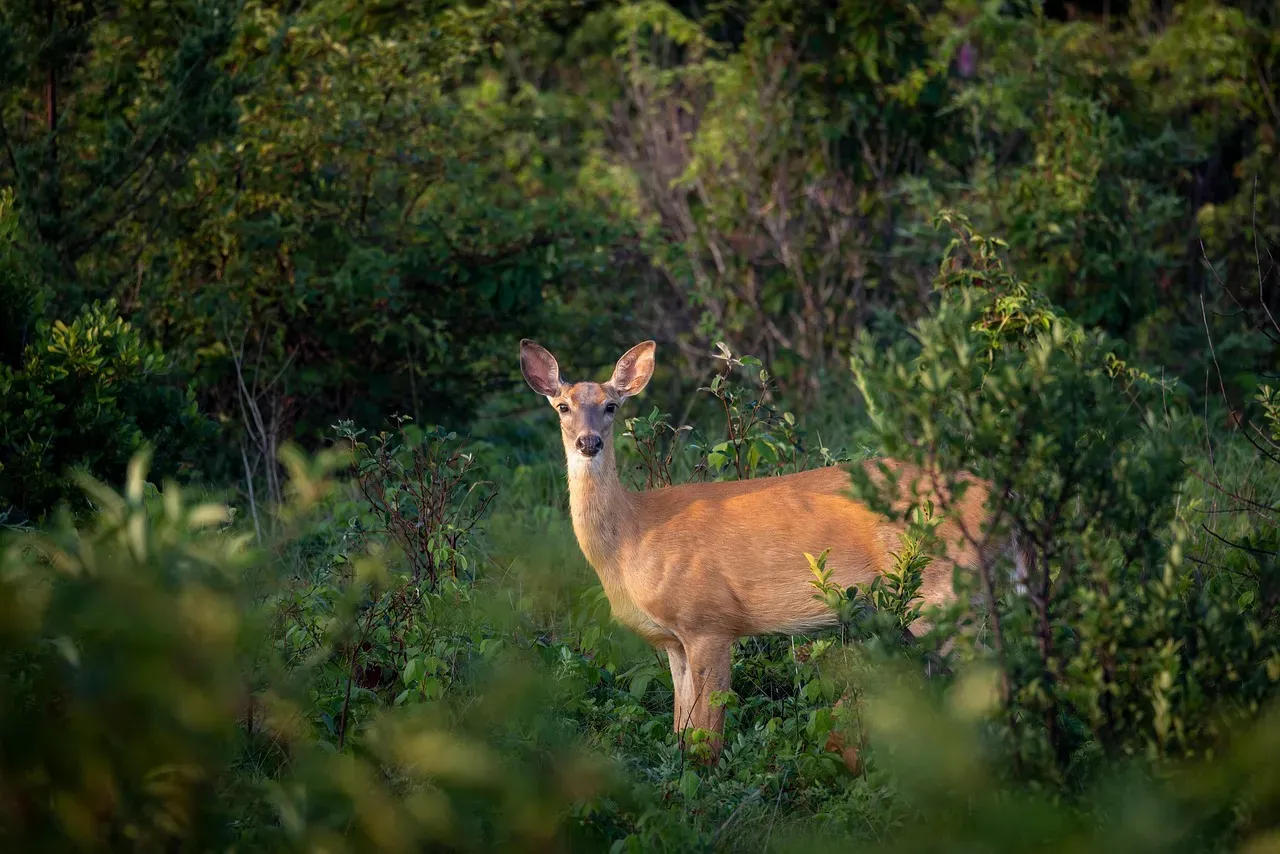
Alabama supports about one point seven five million white tailed deer, concentrated in its piney woods and river bottoms. Mild winters and abundant browse allow fawns to survive at high rates most years. Wildlife managers monitor trends to prevent overpopulation in popular hunting zones.
Private land plays a major role here, with many owners actively improving habitat for both deer and other wildlife. This partnership contributes to the state’s strong numbers. The result is a vibrant deer community that draws attention from across the region.
Mississippi Matches Its Neighbor
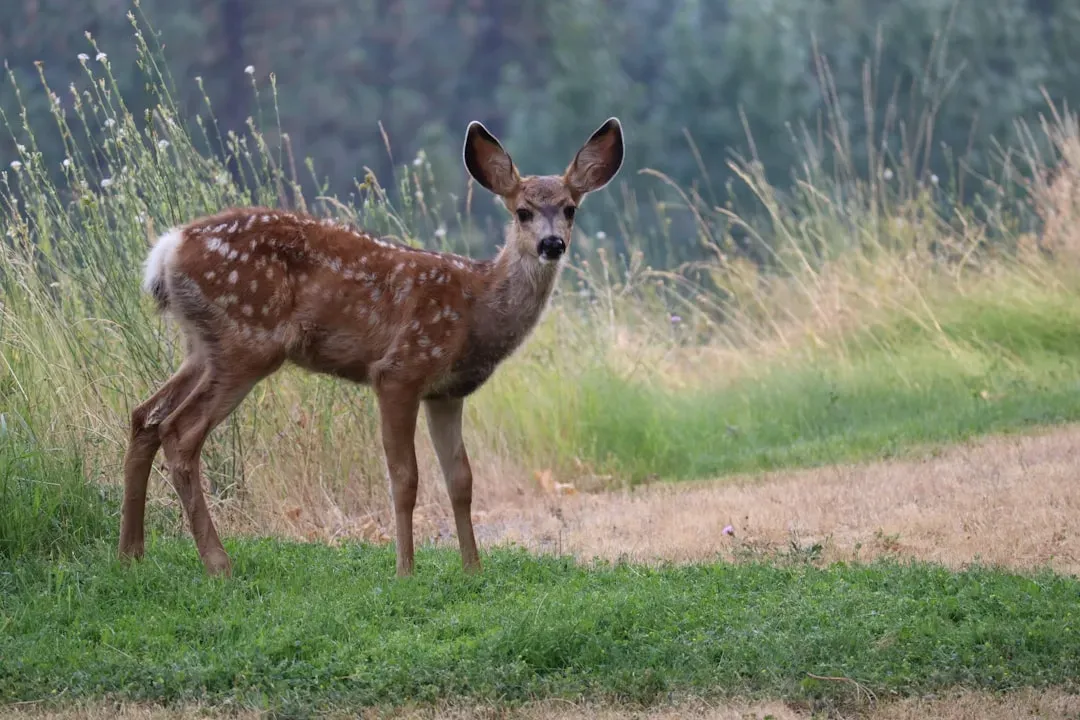
Mississippi mirrors Alabama with an estimated one point seven five million white tailed deer. Its mix of bottomland hardwoods and open fields offers excellent year round forage. Population estimates have held steady thanks to careful oversight by state agencies.
Local hunters often note the quality of bucks alongside the overall abundance. Management strategies focus on doe harvests in certain areas to keep the balance right. These practices help sustain the herd for future generations.
Wisconsin’s Reliable Numbers
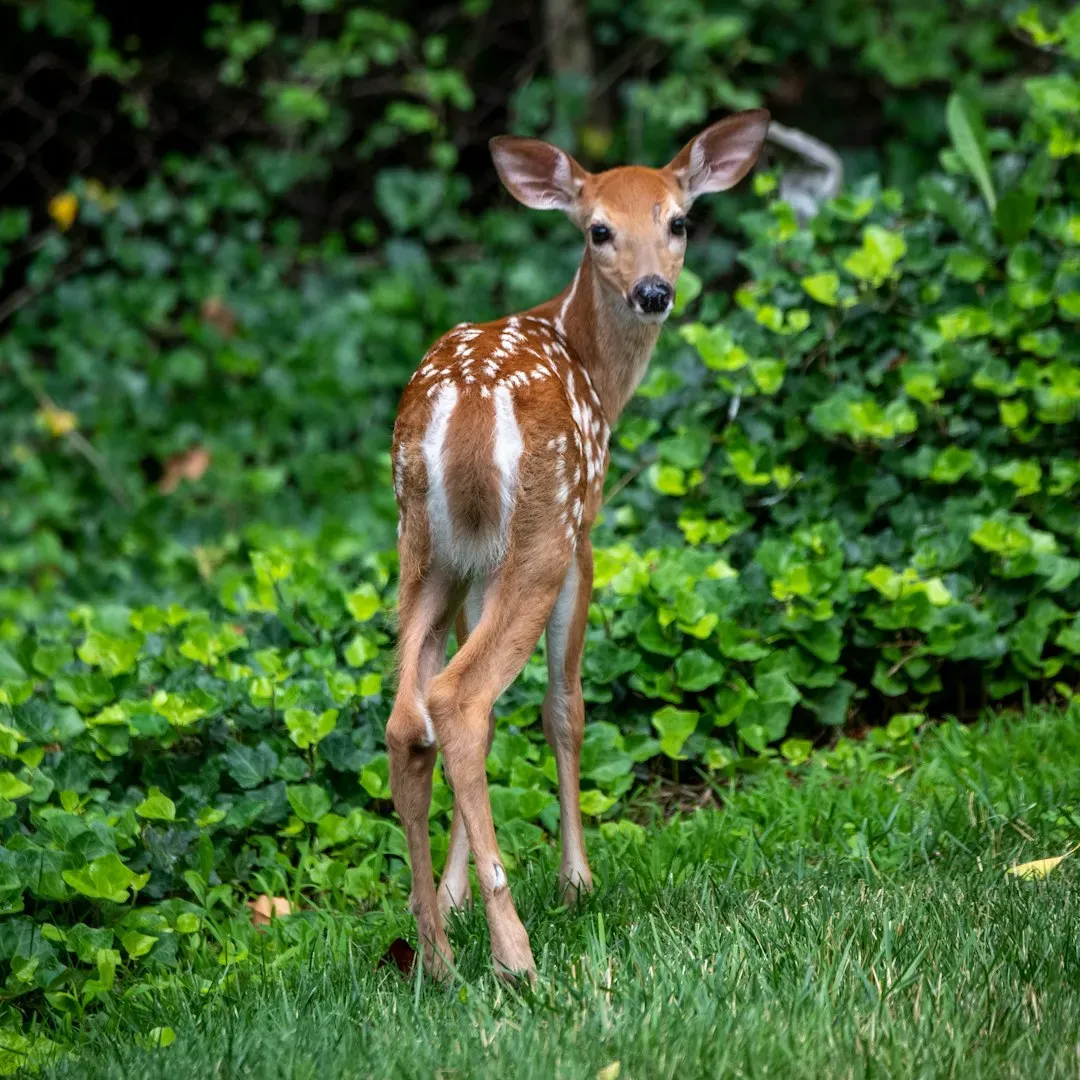
Wisconsin hosts around one point six million white tailed deer, benefiting from its extensive public lands and varied terrain. Cold winters shape the herd dynamics, yet the animals remain resilient across the state. Annual surveys guide decisions on harvest goals.
Community involvement in conservation runs deep here, with many residents participating in monitoring programs. This engagement supports both the deer and the rural economy tied to hunting. The consistent presence of deer makes Wisconsin a favorite destination for enthusiasts.
Pennsylvania’s Eastern Abundance
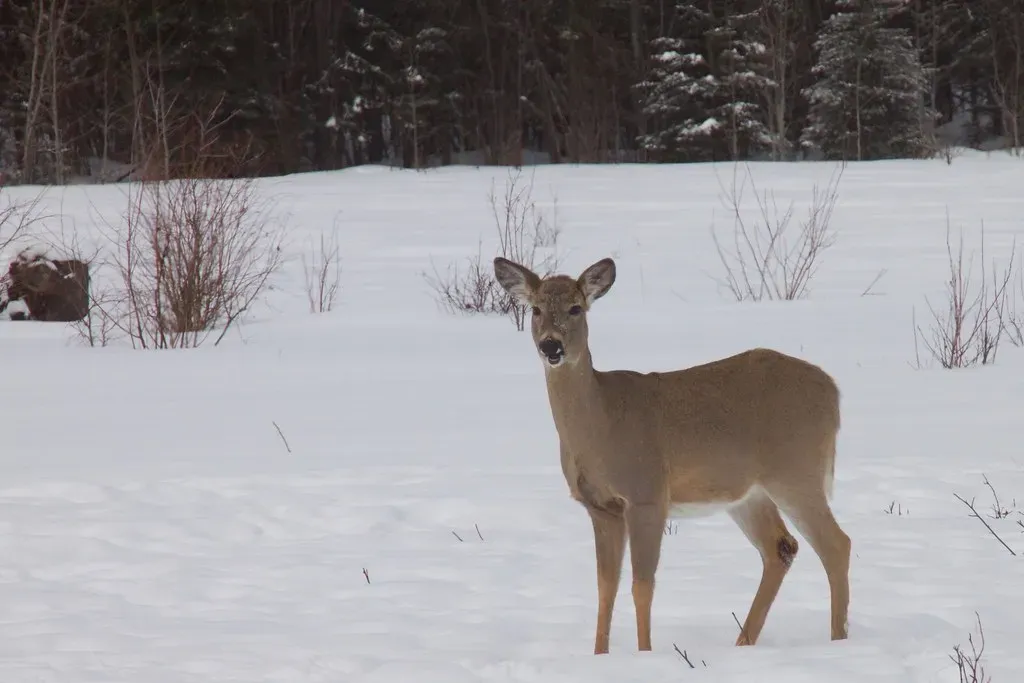
Pennsylvania rounds out the higher ranks with approximately one point five million white tailed deer. Its rolling hills and extensive woodlands provide ample space and resources. Population levels reflect decades of adaptive management by the game commission.
Suburban expansion sometimes brings deer into closer contact with people, prompting targeted control measures. Still, the overall numbers remain impressive across rural counties. This blend of challenges and successes defines the state’s deer story.
Missouri Rounds Out the Top Tier
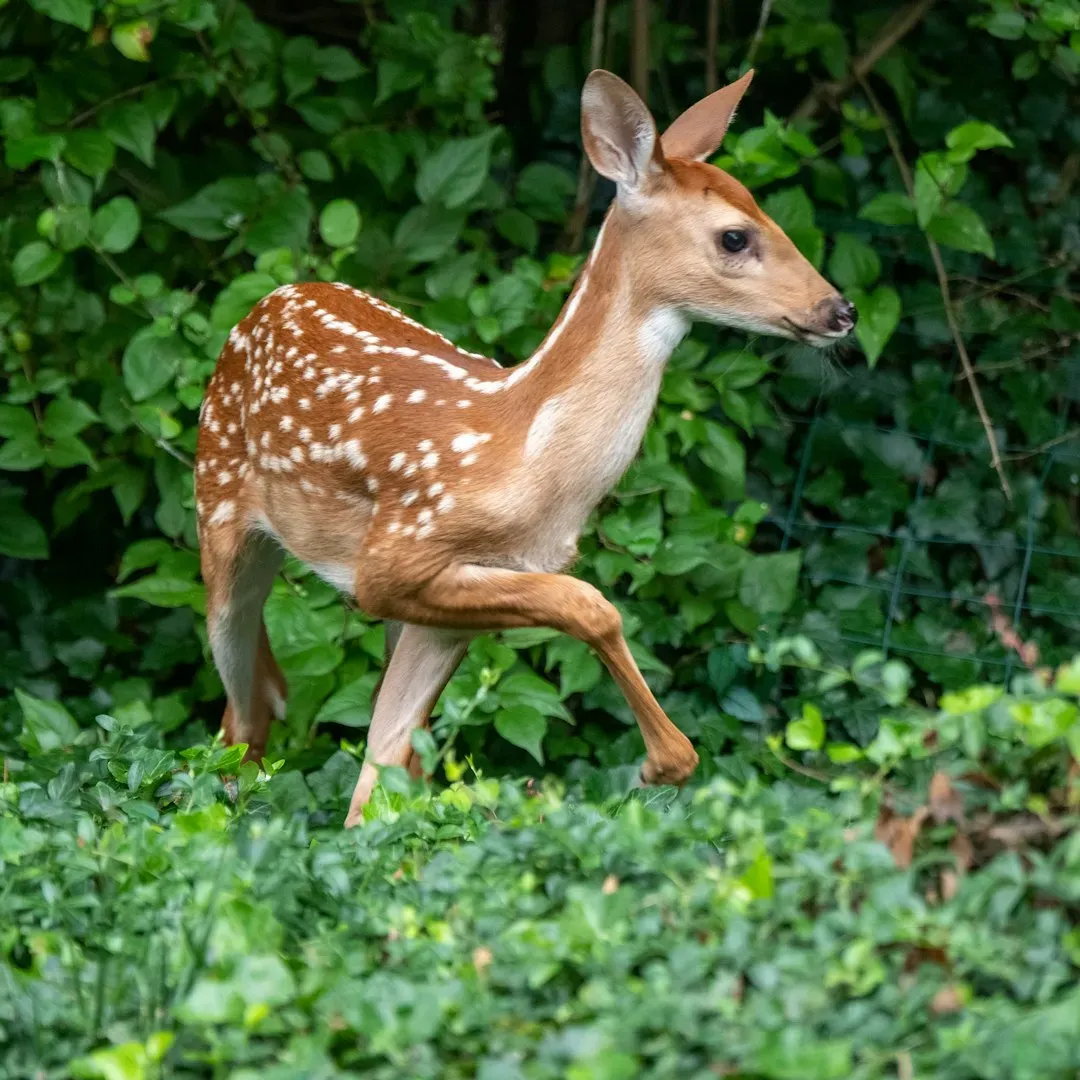
Missouri claims roughly one point four million white tailed deer, thriving in its mix of forests, prairies, and river valleys. The state’s central location supports diverse habitats that suit the species well. Estimates show steady populations supported by ongoing research.
Landowners often collaborate on habitat projects that benefit multiple species at once. These efforts contribute to the broader health of the ecosystem. Missouri’s deer numbers reflect a thoughtful balance between wildlife needs and human interests.
The distribution of white tailed deer across these states highlights how local conditions shape wildlife in lasting ways. Continued attention to habitat and balanced management will likely keep these populations vibrant well into the future.
- 9 Touching Stories of Animal Loyalty That Redefine Family Bonds - July 25, 2026
- 8 Unique Dog Breeds That Are Perfect for Older Owners - July 25, 2026
- The Way You Pet Your Dog Can Make All the Difference to Their Comfort - July 25, 2026