
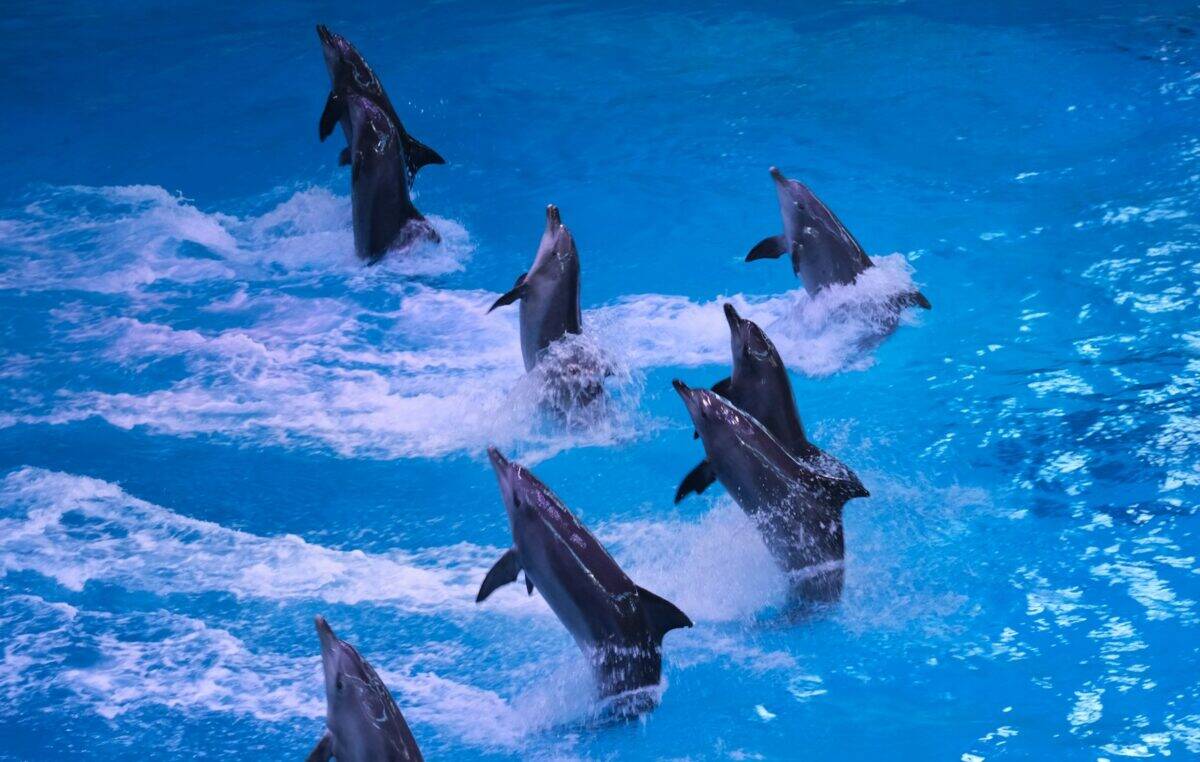
Dolphins, the ocean’s most charismatic mammals, captivate us with their intelligence, social nature, and playful antics. Among their most endearing behaviors is their fascinating interaction with bubbles – a playful activity that truly showcases their cognitive abilities and joyful spirits. This bubble play isn’t just adorable to watch; it reveals profound aspects of dolphin intelligence, creativity, and social dynamics. From creating perfect bubble rings to intricate games of bubble volleyball, these marine mammals demonstrate remarkable skills that bridge the gap between play and sophisticated problem-solving. Their bubble interactions offer us a window into their world, revealing how these magnificent creatures experience joy, curiosity, and social bonding in ways surprisingly similar to our own.
The Science Behind Bubble Creation
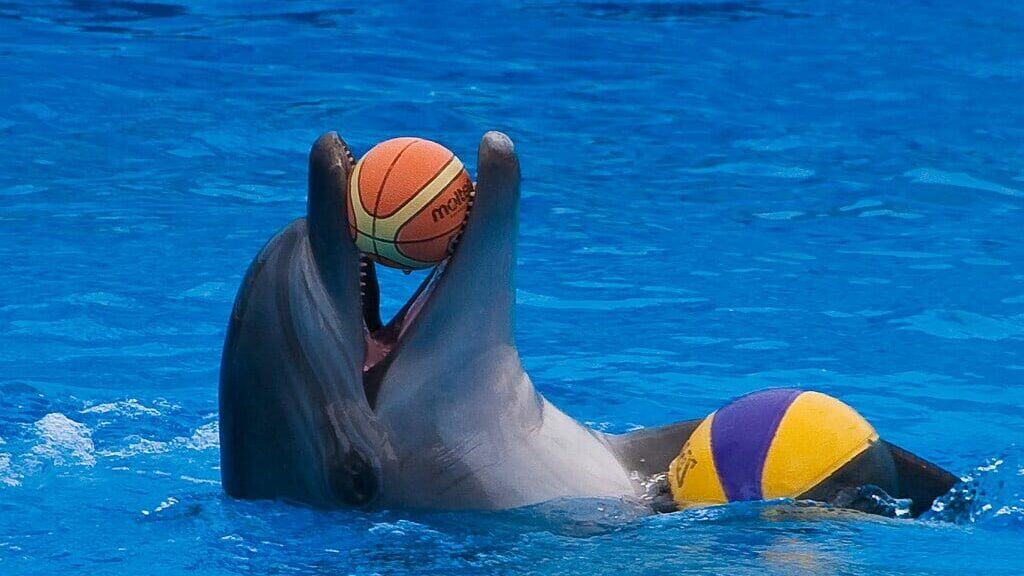
Dolphins create bubbles through a deliberate and controlled process that demonstrates their fine motor skills. By releasing air from their blowholes with precise pressure and timing, they can form various bubble shapes – from simple streams to complex rings. This process requires significant breath control and understanding of how air behaves underwater, highlighting their advanced physiological capabilities.
Research at marine mammal facilities has shown that dolphins can modulate the size, shape, and trajectory of their bubbles by adjusting the force and duration of air release. They can create single large bubbles, streams of small bubbles, or perfect toroidal rings that maintain their shape while traveling through water. This bubble manipulation involves understanding fundamental principles of fluid dynamics and demonstrates how dolphins have mastered control over their respiratory system in ways few other species have achieved.
Bubble Rings: Nature’s Perfect Circles
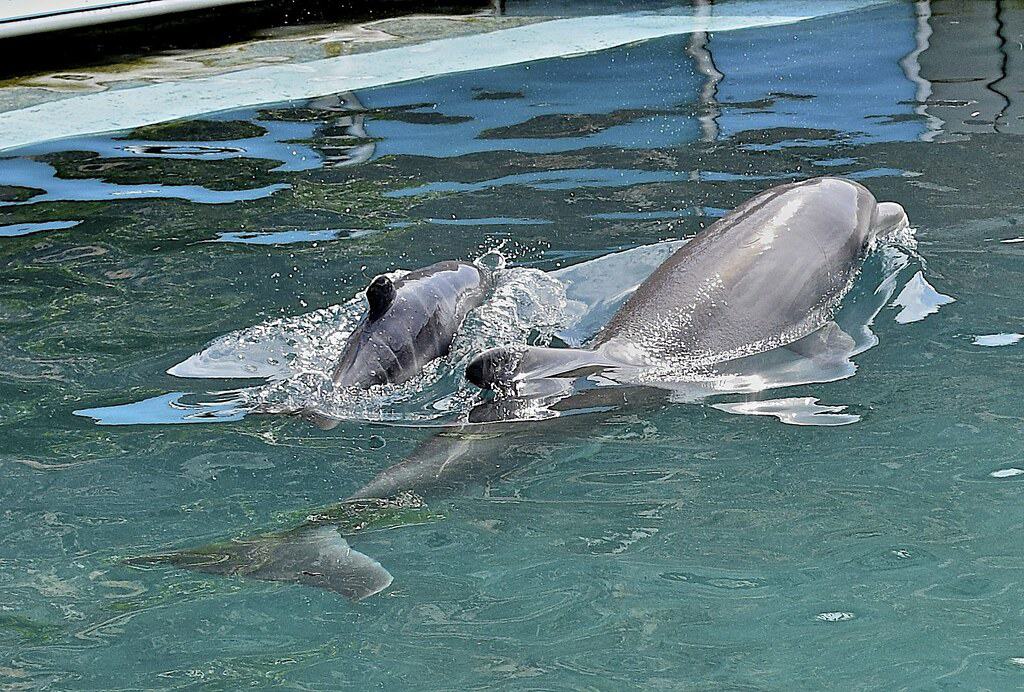
Perhaps the most mesmerizing form of dolphin bubble play is their creation of bubble rings – perfect circular vortices that maintain their shape as they travel through water. These rings aren’t random occurrences but deliberate creations requiring sophisticated technique. Dolphins form these rings by releasing a burst of air from their blowholes, then quickly swimming through it with precise movements that shape the escaping air into a stable vortex ring. The physics behind these formations is similar to smoke rings in air but more challenging to create underwater.
Marine biologists have observed that bottlenose dolphins are particularly skilled at this behavior, creating rings up to 2 feet in diameter that can maintain their shape for 10-15 seconds before naturally dissipating. The dolphins often swim back to observe their creations, sometimes manipulating them further by blowing additional air to change their trajectory or using their rostrum (beak) to split one ring into multiple smaller rings. This type of manipulation demonstrates not just playfulness but an understanding of cause and effect relationships in their physical environment.
Bubble Play as Cognitive Development
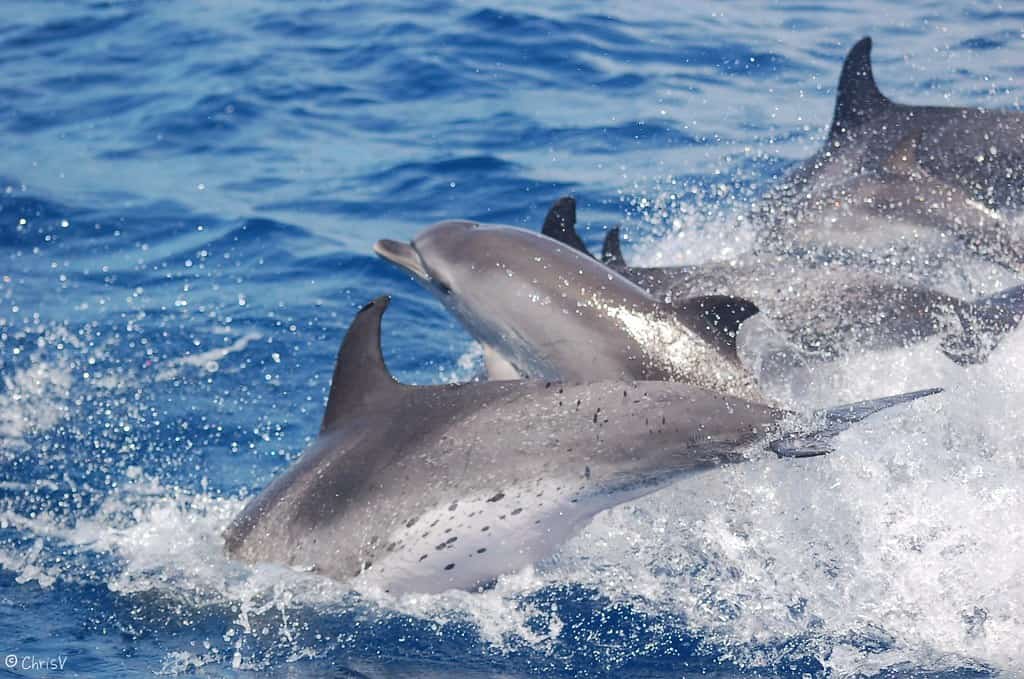
For young dolphins, bubble play serves as an important developmental activity that builds crucial cognitive and motor skills. Calves often observe adults creating bubbles before attempting to mimic the behavior, showing evidence of observational learning. Through trial and error, young dolphins gradually master the techniques needed for successful bubble manipulation, improving their coordination, breath control, and understanding of water physics in the process.
Cognitive scientists studying marine mammals suggest that bubble play represents a form of self-directed learning that develops problem-solving abilities. As dolphins experiment with different techniques to create and manipulate bubbles, they’re essentially conducting informal experiments that help them understand their physical world. This type of exploratory play has parallels to how human children learn through experimentation, suggesting similar cognitive development processes across species despite our vastly different environments.
Social Dimensions of Bubble Games
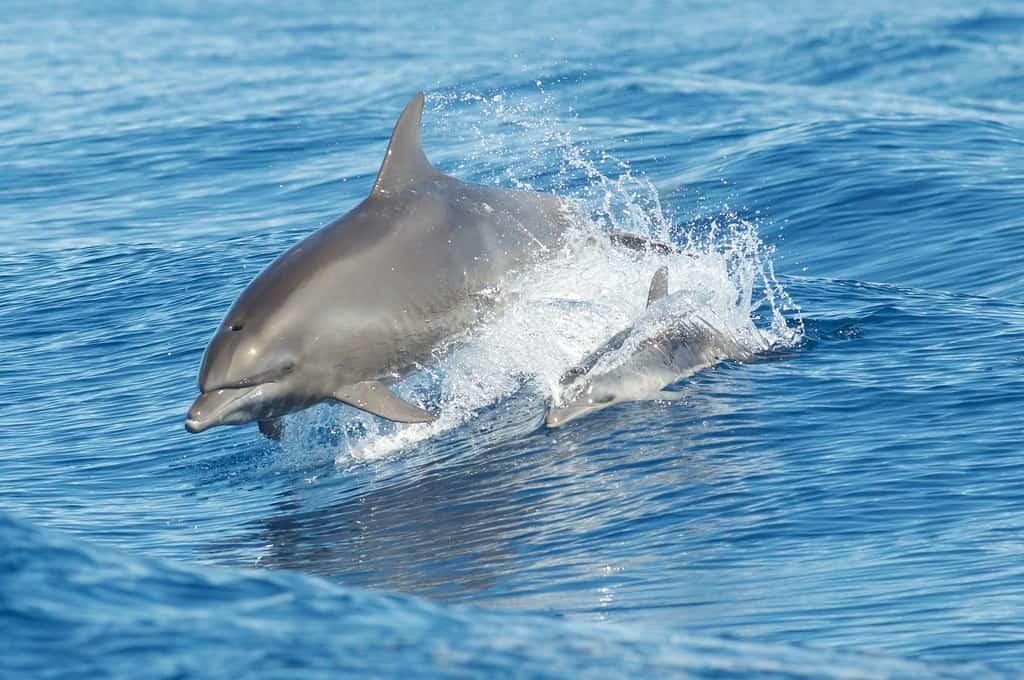
Dolphins rarely play with bubbles in isolation – it’s frequently a social activity that strengthens pod bonds. Researchers have documented complex cooperative bubble games where multiple dolphins coordinate their actions to create and manipulate bubbles together. These include “bubble volleyball,” where dolphins keep a bubble aloft between them, passing it back and forth with gentle nudges of their rostrums or flippers, sometimes continuing for several minutes before the bubble naturally dissipates.
These social games develop important coordination skills that benefit dolphins in their cooperative hunting behaviors. The communication and timing required to successfully play bubble games together translate directly to the sophisticated coordination needed when dolphins hunt fish in groups. Bubble play thus serves dual purposes – it’s both enjoyable recreation and practical skill development that enhances survival capabilities, demonstrating how play and survival skills are often intertwined in intelligent species.
Bubble Curtains: Creative Hunting Techniques

Not all bubble creation is purely playful – dolphins have ingeniously incorporated bubbles into their hunting strategies. The most famous example is the “bubble net” technique, where dolphins (and some whale species) swim in circles while releasing bubbles, creating a curtain of air that traps fish within a confined area. This cooperative hunting method demonstrates how dolphins have adapted a playful behavior into a practical survival strategy, showcasing their behavioral flexibility and problem-solving abilities.
What makes this behavior particularly fascinating is how it blurs the line between play and practical application. Young dolphins often practice creating bubble curtains during play sessions long before they participate in actual hunting. This suggests that playful bubble manipulation serves as practice for later survival skills – similar to how rough-and-tumble play in many mammal species prepares juveniles for adult behaviors. The transition from play to practical application highlights the sophisticated connection between recreation and survival in dolphin cognition.
Emotional Expression Through Bubbles

Marine mammal researchers have observed patterns suggesting that bubble play may serve as a form of emotional expression for dolphins. The frequency and intensity of bubble play often increases during periods of apparent excitement or social stimulation, such as when new enrichment items are introduced to dolphins in human care or when wild dolphins encounter novel situations that pique their curiosity. This has led some scientists to propose that bubble creation might be one way dolphins express joy or excitement.
Supporting this theory is the observation that bubble play tends to decrease during periods of stress or when dolphins are focused on serious tasks like hunting or avoiding predators. While we must be cautious about anthropomorphizing animal behaviors, the consistent correlation between bubble play and positive social contexts suggests that this behavior may indeed be linked to positive emotional states. The bubbling behavior provides a rare visible indicator of potential emotional states in these marine mammals, offering researchers a window into their subjective experiences.
Bubble Play in Different Dolphin Species
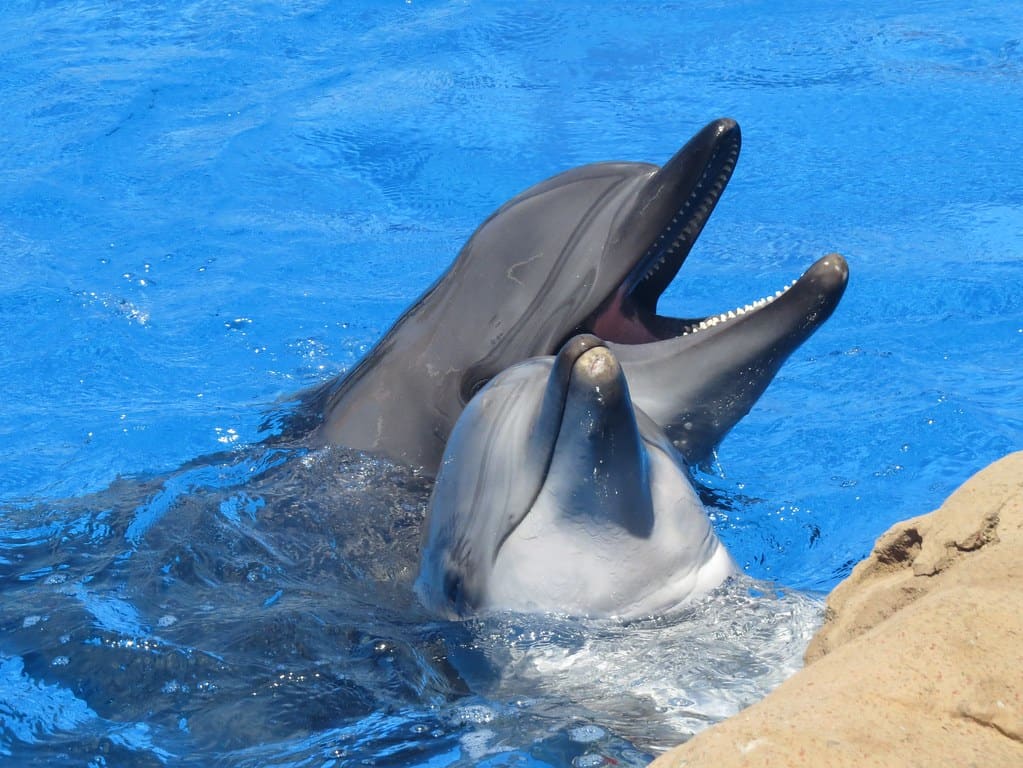
While bottlenose dolphins (Tursiops truncatus) are the most studied bubble players, this behavior appears across multiple dolphin species with interesting variations. Spotted dolphins (Stenella frontalis) often incorporate bubble play into their acrobatic displays, releasing streams of bubbles during leaps and spins that create spectacular visual effects. Pacific white-sided dolphins (Lagenorhynchus obliquidens) are particularly skilled at creating multiple bubble rings in quick succession and swimming through them in what appears to be a self-created obstacle course.
Interestingly, researchers have noted that orcas (Orcinus orca), the largest dolphin species, engage in less frequent but more powerful bubble play. They create massive bubble bursts during surface behaviors and occasionally create large bubble rings that maintain their shape for remarkable distances. These species-specific variations suggest that bubble play might have evolved differently across dolphin lineages, potentially reflecting their diverse ecological niches and social structures. Studying these differences provides insights into how play behaviors evolve and specialize within related species.
Captivating Human Observers
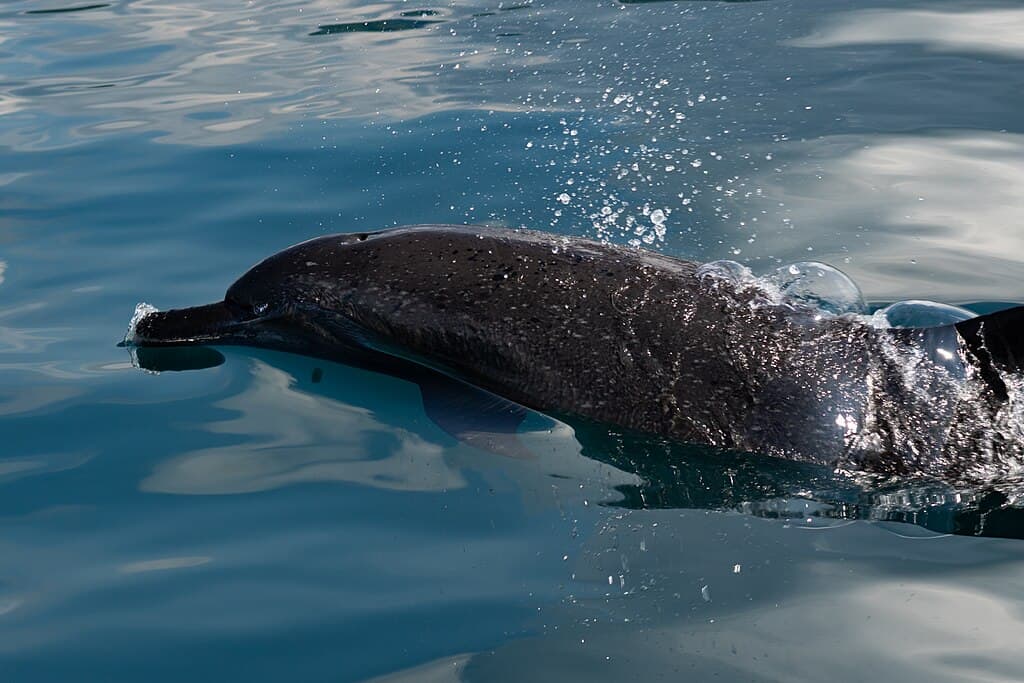
The appeal of dolphin bubble play to human observers cannot be overstated. These interactions consistently rank among the most popular behaviors witnessed at marine mammal facilities and during wild dolphin encounters. There’s something universally captivating about watching a dolphin create a perfect bubble ring, then playfully manipulate it with graceful precision. This appeal crosses cultural boundaries, suggesting that dolphin bubble play taps into something fundamental in human perception and appreciation of other intelligent life.
Psychologists studying human responses to animal behavior suggest that our fascination with dolphin bubble play stems from recognizing intentionality and creativity in another species. When we observe a dolphin deliberately creating and manipulating bubbles for what appears to be sheer enjoyment, we recognize a form of playfulness that resonates with our own experiences of play. This recognition creates a sense of connection with these marine mammals that few other animal behaviors can match, making bubble play a powerful ambassador for dolphin conservation and welfare concerns.
Documenting Bubble Mastery

Modern underwater photography and videography have revolutionized our understanding of dolphin bubble play by capturing these ephemeral moments in stunning detail. High-definition slow-motion footage has revealed the precise techniques dolphins use to create different bubble formations, from the initial release of air to the subtle body movements that shape and direct the bubbles. These detailed observations have allowed scientists to analyze this behavior with unprecedented precision, leading to new insights about dolphin cognition and motor control.
Some of the most remarkable footage comes from underwater photographers who have captured wild dolphins creating bubble rings in their natural environment. These images show dolphins swimming upward while releasing a burst of air, then quickly turning to swim through the forming ring, often looking back as if to admire their creation. The documentation of these spontaneous natural behaviors confirms that bubble play isn’t just a behavior adapted to captivity but an innate part of dolphin behavior that occurs across different populations and environments.
Bubble Play and Environmental Enrichment

For dolphins in human care, bubble play forms an important component of environmental enrichment programs designed to stimulate natural behaviors and cognitive development. Marine mammal specialists often encourage bubble interaction by providing air-generating devices that dolphins can manipulate to create their own bubbles. These enrichment tools give dolphins control over their environment and opportunities to engage in natural exploratory behaviors, which research has shown improves welfare outcomes for these highly intelligent animals.
The most effective enrichment programs build upon dolphins’ natural fascination with bubbles by creating novel challenges that extend their bubble manipulation skills. Some facilities have designed underwater bubble “curtains” or rings that dolphins can swim through and modify with their own breath. Others provide toys that release bubbles when manipulated in specific ways, encouraging problem-solving behavior. These enrichment strategies recognize the importance of mental stimulation for dolphins and leverage their natural interest in bubbles to provide engaging cognitive challenges.
The Evolutionary Significance of Play
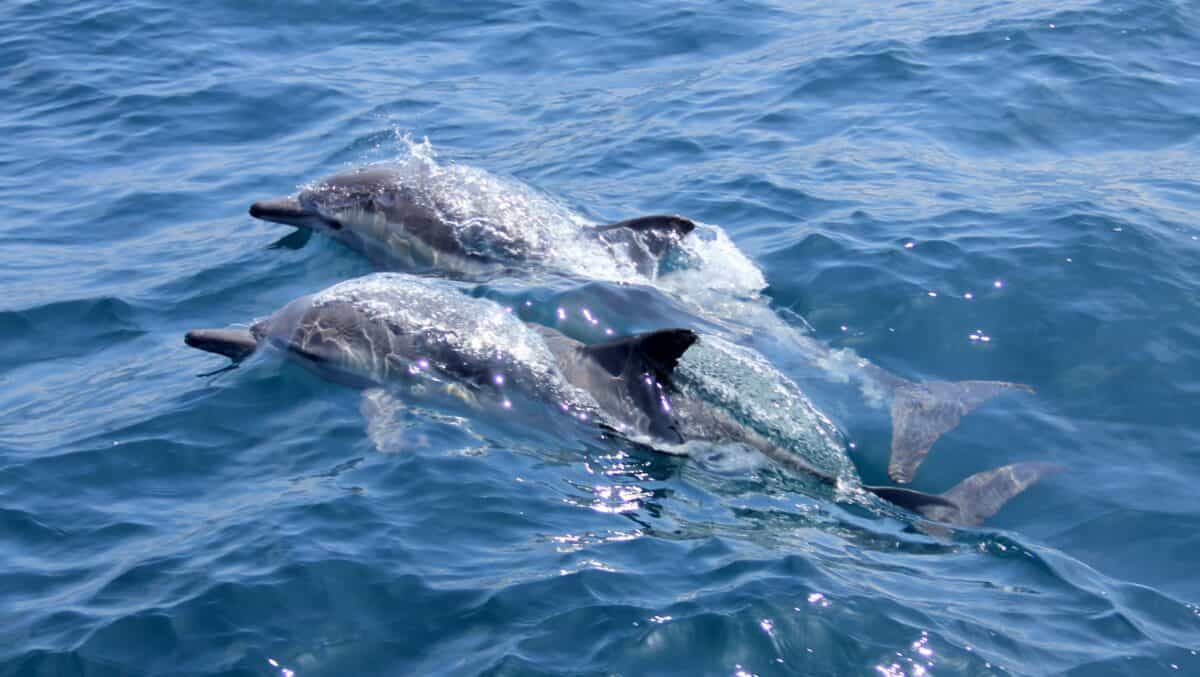
Dolphin bubble play provides a fascinating case study for understanding the broader evolutionary significance of play behavior across species. Evolutionary biologists note that complex play behaviors are most common in species with higher cognitive abilities and longer developmental periods – characteristics that define dolphins. Play is energetically costly and potentially risky, yet it persists across many species, suggesting it must provide significant adaptive benefits that outweigh these costs.
For dolphins, bubble play likely evolved as a mechanism that promotes cognitive flexibility, social learning, and innovation – traits that are crucial for a species that hunts cooperatively in constantly changing ocean environments. The fact that dolphins devote significant energy to creating and manipulating bubbles with no immediate survival benefit demonstrates the importance of play in their behavioral repertoire. This suggests that the capacity for joy and curiosity may themselves be adaptations that promote exploration and learning, ultimately enhancing survival in complex, changing environments.
Why Dolphin Bubble Play Matters

Beyond its undeniable charm, dolphin bubble play matters deeply for our understanding of animal cognition and welfare. These playful interactions provide compelling evidence that dolphins possess self-awareness, creativity, and the capacity for joy – qualities that raise important ethical considerations about how we interact with and protect these remarkable beings. Their sophisticated bubble manipulation challenges outdated notions of human exceptionalism and expands our appreciation for the rich cognitive lives of non-human animals.
As ocean environments face increasing threats from pollution, habitat destruction, and climate change, the joyful image of dolphins playing with bubbles serves as a powerful reminder of what stands to be lost. By understanding and appreciating the depth and complexity behind these seemingly simple playful moments, we gain stronger motivation to protect marine ecosystems. In the end, dolphin bubble play isn’t just heartwarming entertainment – it’s a window into the mind of another species that shares our capacity for creativity, social connection, and finding joy in the simple wonders of their world.

- The Deepest-Diving Whale Can Hold Its Breath for Over 2 Hours - August 14, 2026
- If Animals Had Olympics — Who Would Win Gold? - August 14, 2026
- Are Dory Fish Actually Forgetful? The Science Behind Blue Tangs - August 14, 2026