


Have you ever wondered what type of leader you are? Sometimes the most revealing insights come from unexpected places. The natural world offers a fascinating mirror to human behavior, particularly when we look at wolves and their intricate pack dynamics.
Wolves in the wild organize themselves into family structures led by mated pairs who work together as collaborative leaders. These intelligent creatures have developed sophisticated social systems that hold powerful lessons for modern leadership. Each type of wolf within a pack demonstrates unique traits that can help you identify and understand your own leadership approach. Let’s explore the fascinating world of wolf personalities and discover what they reveal about .
The Alpha Leader: Confident and Protective
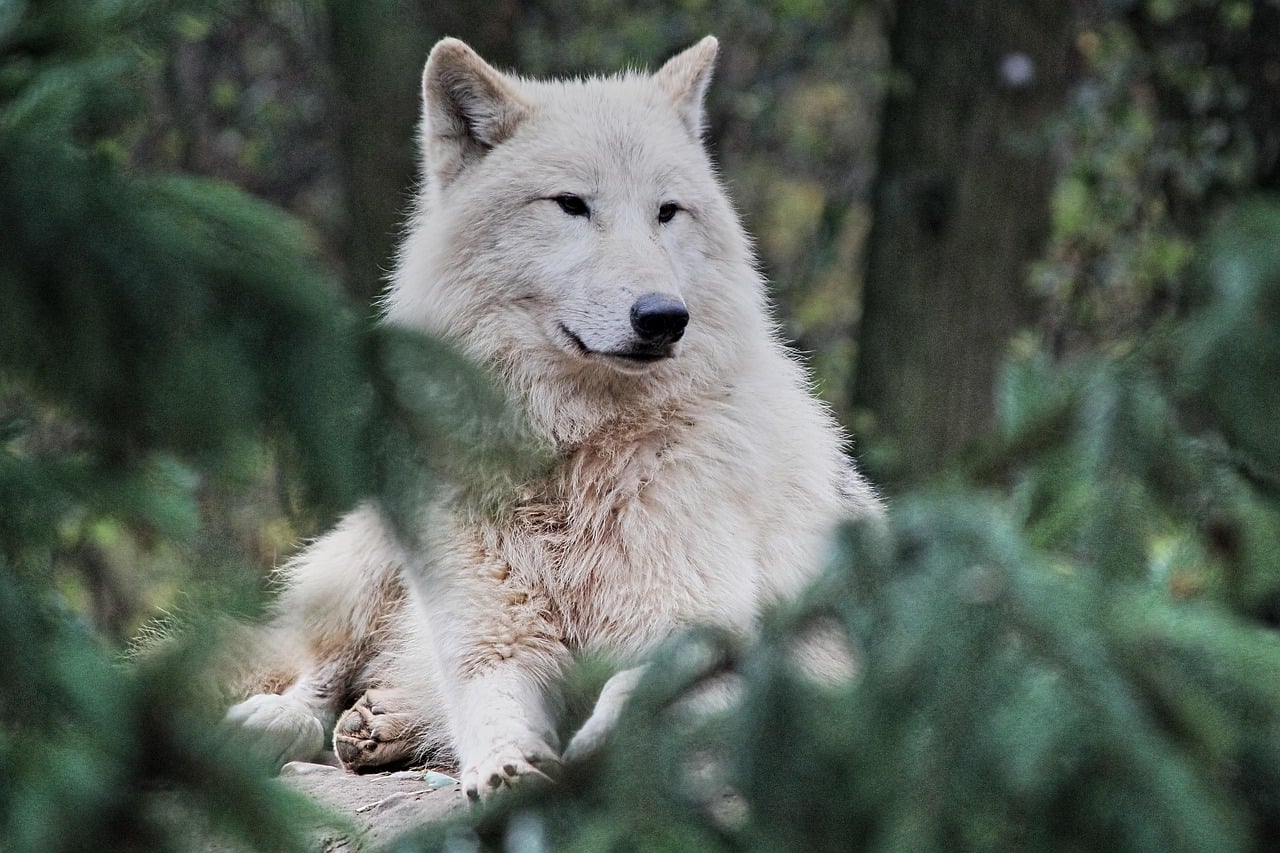
The main characteristic of an alpha wolf is quiet confidence and self-assurance, leading through calm presence rather than aggressive dominance. Alpha leaders don’t need to prove themselves through constant displays of power or intimidation.
Modern research shows that wild wolf packs are typically family units led by breeding parents rather than dominance-based hierarchies. These leaders share responsibility for their offspring, adopting flexible roles as circumstances require, with sometimes the father hunting while the mother stays home, and other times switching roles. If you identify with the alpha leadership style, you likely lead through wisdom and earned respect rather than fear, prioritizing the wellbeing of your entire team above personal interests.
The Beta Leader: Loyal and Supportive
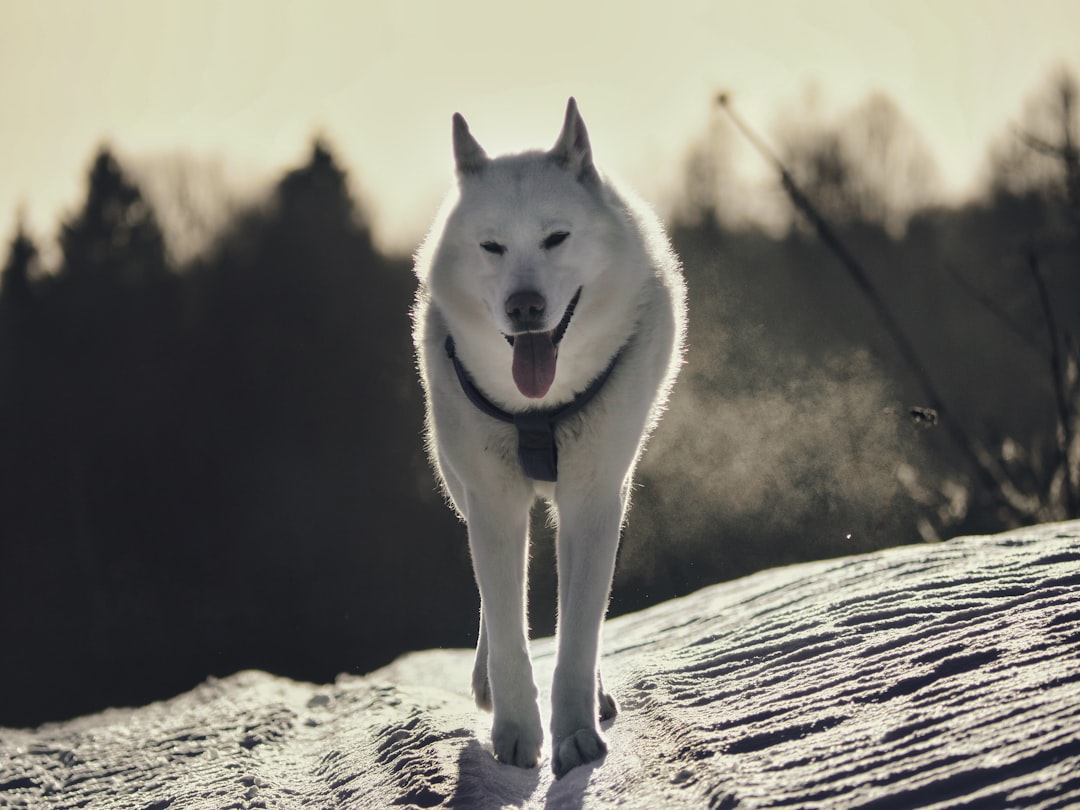
Beta wolves are essentially second in command and serve as leaders when the alphas are not present. These wolves occupy the second rank below the Alpha couple, with an instinctive mission to protect the pack leaders like bodyguards, making every effort to divert dangers and safeguard the precious pack leaders.
Beta leaders excel at implementation and support. They play a supportive role within the pack, assisting the alpha in carrying out leadership duties and offering their skills and strengths in various tasks, contributing to the pack’s overall success and survival. If you’re a beta leader, you’re probably the person others rely on to get things done, someone who thrives in a collaborative environment where you can support and amplify the vision of others.
The Gamma Leader: Strategic and Vigilant
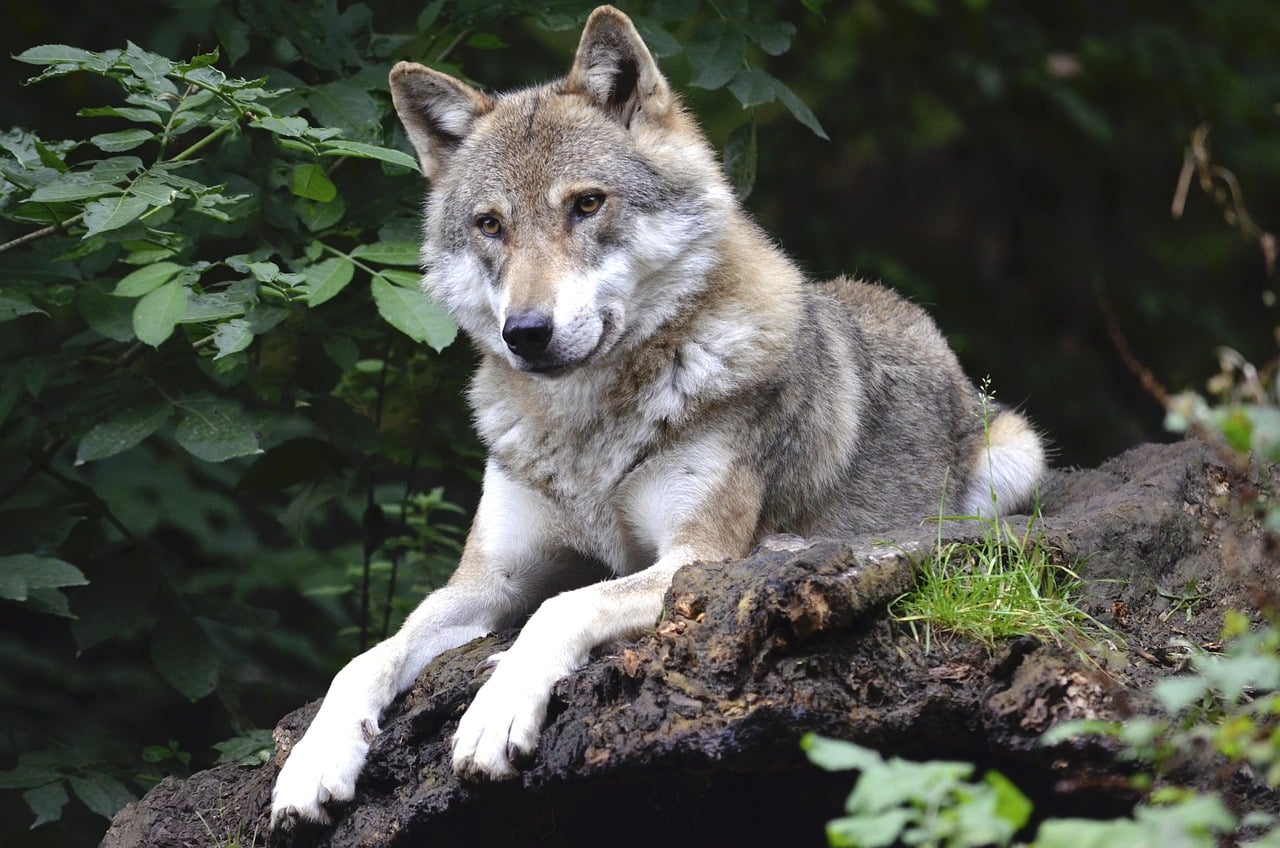
While some wolves may be more assertive than others, the rigid gamma classification is not supported by current wolf research, with instinctive missions to control territory and create the illusion of greater numbers through precise positioning techniques, making the pack appear larger as a strategy for defending and protecting territory. Gammas are highly suspicious, nervous, and sensitive to approaching danger, standing guard and patrolling territory to quickly alert Betas and Alphas to any new elements.
Gamma werewolves are usually in charge of warriors, serving as generals who train the pack to ensure everyone is fit for battles, though they still must consult with the Alpha when making battle plans. Gamma leaders are natural strategists who excel at risk assessment and preparation, always thinking three steps ahead to protect their organization from potential threats.
The Omega Leader: Empathetic and Harmonizing
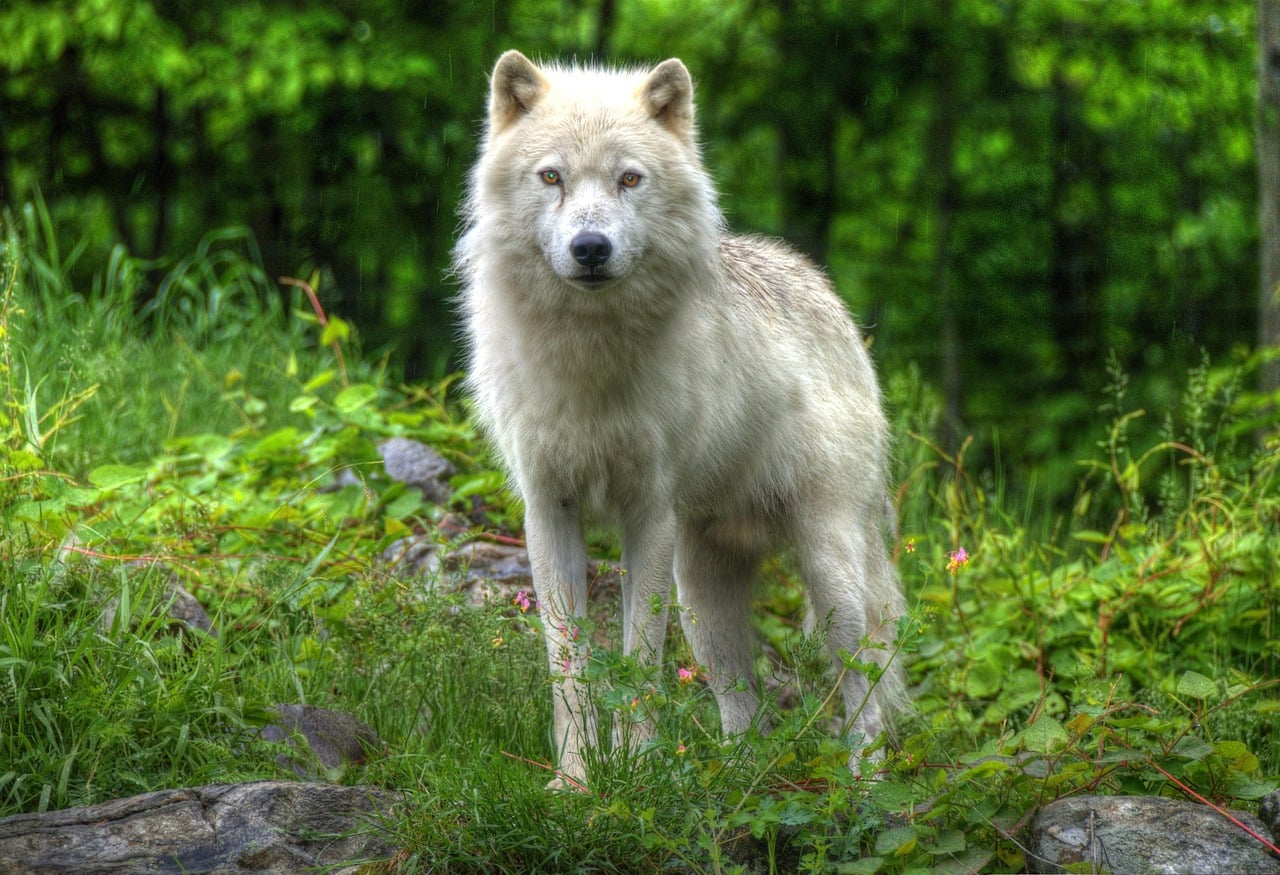
While some wolves may take on peacekeeping roles, the formal omega classification is not supported by current research on wild wolf behavior and solve disputes between others, enjoying interesting privileges including eating valuable parts of prey left especially for them. The omega dog approaches others asking them to play, fooling around, wagging their tail at full speed, licking and affectionately head-butting all around to soften tensions.
Omega wolves are fully submissive and responsible for caregiving, acting as the social glue of the pack by facilitating peace through promoting play sessions and calming other wolves when conflicts arise. If you’re an omega leader, you lead through emotional intelligence and relationship building, creating harmony and maintaining team morale even during challenging times.
The Collaborative Leader: Building Team Strength
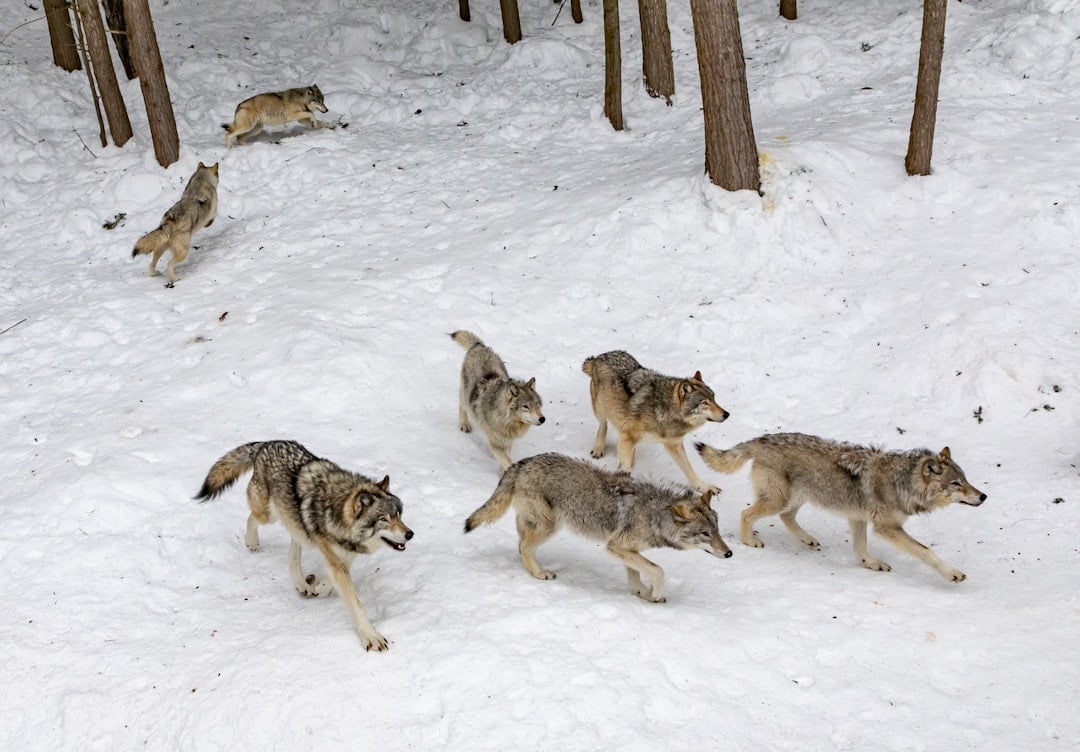
Wolves in a pack go everywhere together, sleeping, hunting, eating, and playing as a perfect team, with each pack member having their own role to play and all members respecting each other’s responsibilities. Packs operate in a manner requiring each member to contribute equally toward shared responsibilities, with wolves understanding that survival relies on teamwork and working together yields the greatest potential for success.
Wolves understand the most effective way to get things done is to share the load, lessening the burden on the leader and every other member of the pack. Collaborative leaders recognize that true strength comes from unity and shared purpose, focusing on empowering others rather than centralizing control.
The Resilient Leader: Learning from Failure
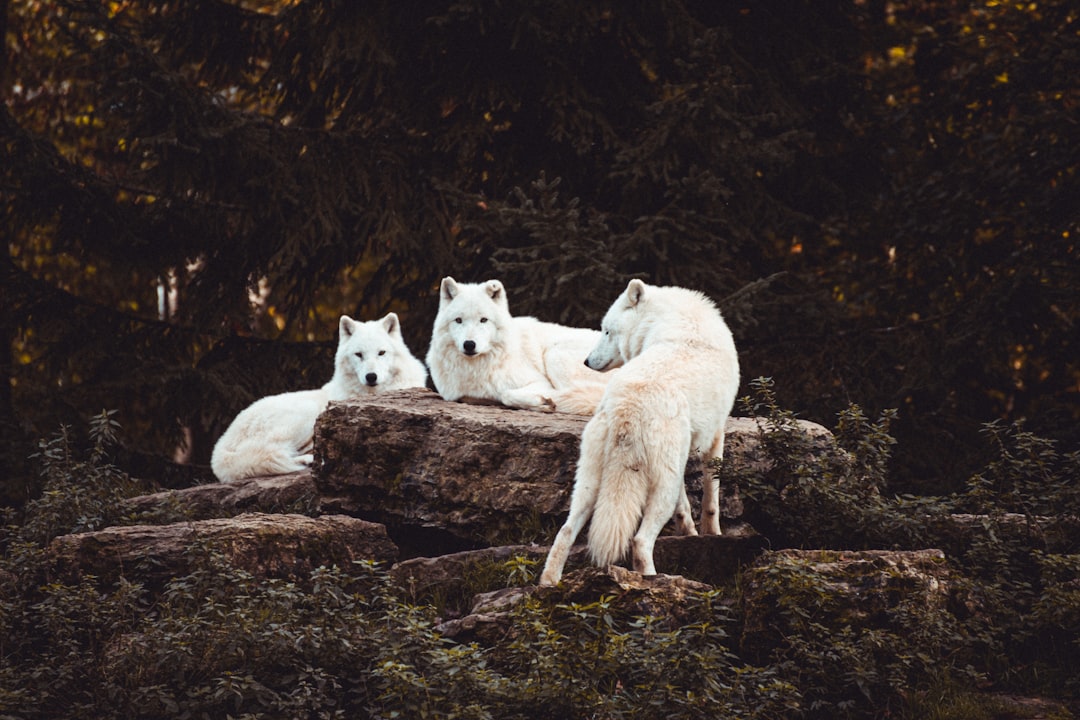
When it comes to hunting, wolf packs fail in making a kill far more often than they succeed, with wolves having varying hunting success rates, typically ranging from 10-30% depending on prey type and conditions. Wolves are extremely successful hunters that do not demonstrate panic even when a hunt is unsuccessful, instead simply refining their plan for the next hunt, being notoriously patient and aware that not every attempt will result in success.
Rather than placing blame, wolves analyze the group’s mistakes to learn from them, adding to the pack’s collective wisdom over time and increasing their chances of future success. Resilient leaders understand that setbacks are learning opportunities, maintaining composure under pressure and using failures as stepping stones toward eventual success.
The Adaptive Leader: Flexible and Context-Aware
Wolf pack behavior shows that permanent social status does not exist, with pack members moving fluidly from one role to another based on current context, creating a social hierarchy that gives structure while informing members about decision-making and roles. As wolf packs mature and members change through births, deaths, and mating, assignments within the hierarchical structure change, with the pack becoming accustomed to this fluidity while ensuring roles are filled.
Beta werewolves demonstrate adaptability and flexibility as pack members, able to adjust to changing circumstances and environments, showing resilience and resourcefulness in facing challenges to help the pack navigate difficult situations. Adaptive leaders thrive in dynamic environments, adjusting their approach based on circumstances while maintaining team stability and effectiveness.
The Communicative Leader: Clear and Consistent
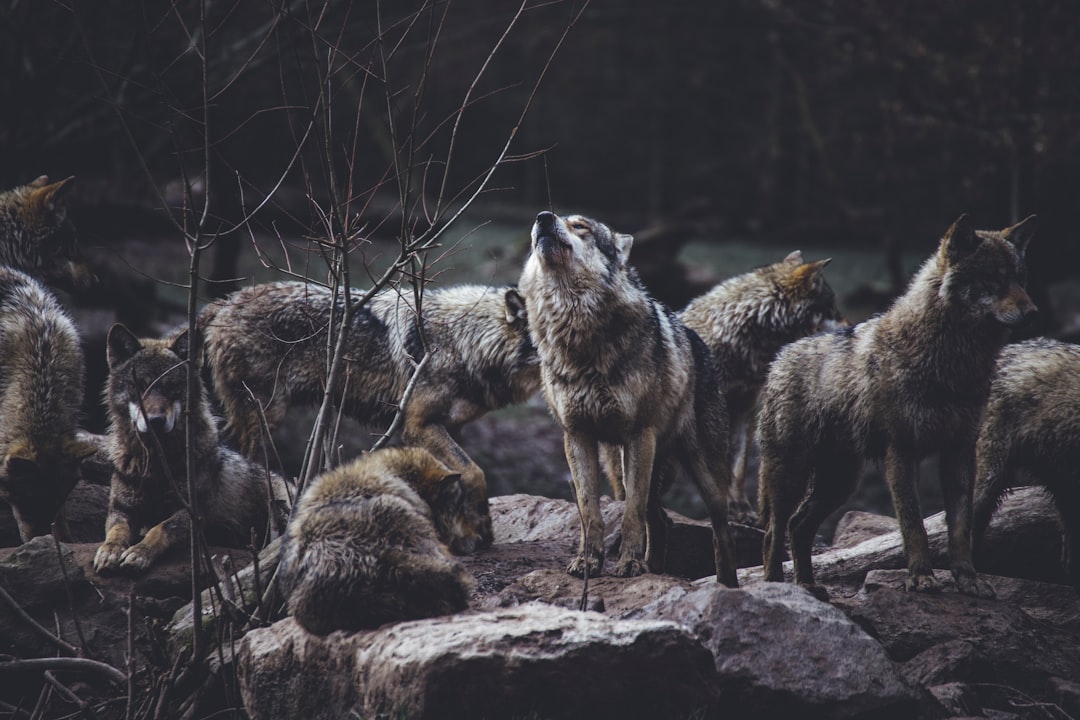
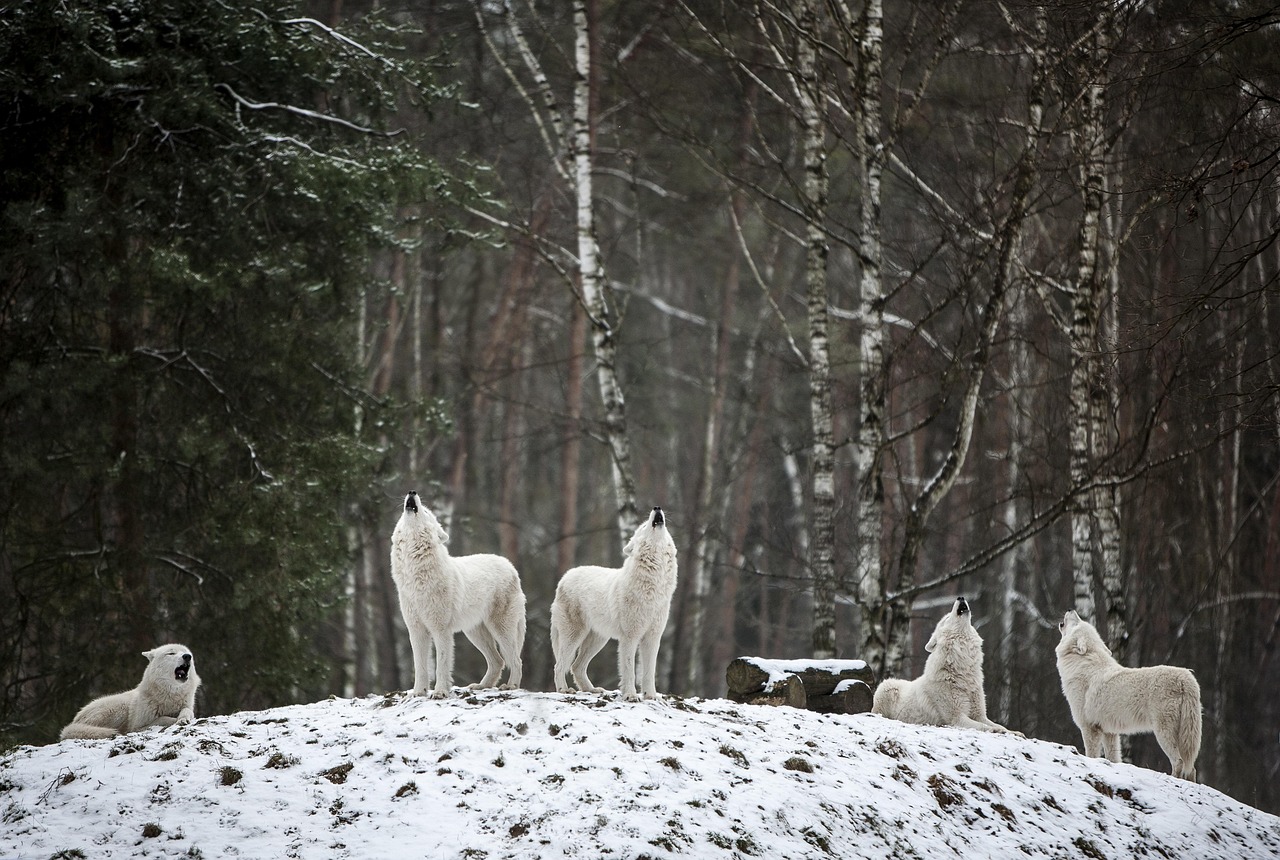
Wolves rely on a wide array of vocalizations, facial expressions, and body postures to clearly communicate boundaries, warnings, appeasement, and the desire to play, being incredibly direct when expressing their wants and needs in ways that leave little room for misunderstanding. Through barks, howls, and tiny adjustments in body language, wolves convey messages, excitement and warnings, keeping each pack synced and efficient through continual and highly sophisticated communication.
The best leaders communicate often and openly, being always present and available while engaging team members in meaningful conversations and taking time to listen so each team member has the opportunity to contribute. Communicative leaders understand that clarity prevents confusion and that consistent, transparent communication builds trust and alignment across their teams.
Conclusion
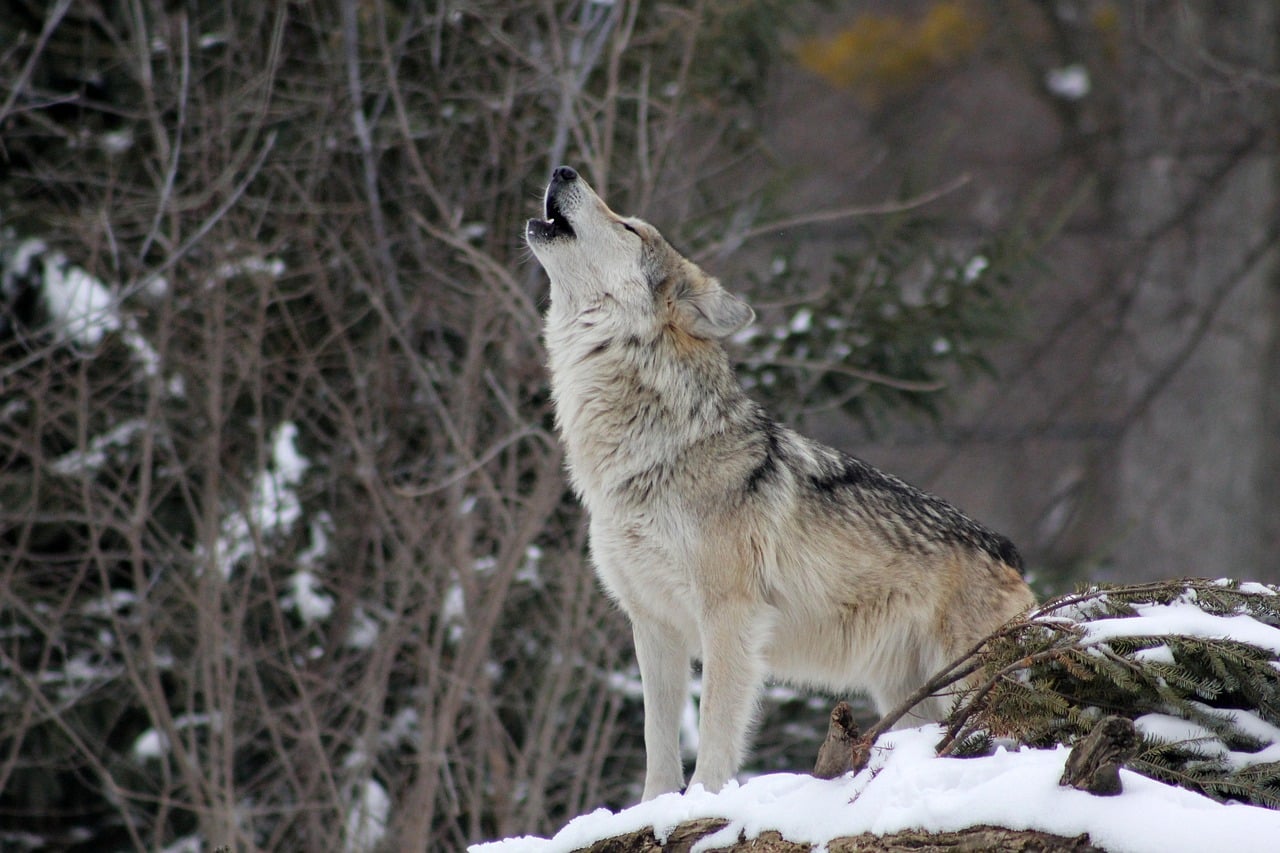
The wolf’s world reveals that effective leadership isn’t about dominance or control. Wolf authority stems not from brute force but from respect and wisdom, with wolves following leaders who demonstrate the ability to guide and protect the group, ensuring collective survival. Strength is found more often in the collective behavior of the pack rather than the unilateral actions of the leader, with strong leaders being both independently capable and instinctively nurturing.
Whether you identify as an alpha, beta, gamma, omega, or any combination of these wolf traits, remember that the most successful packs thrive through cooperation and mutual support. is unique, shaped by your experiences and strengths. The key is understanding your natural tendencies while remaining flexible enough to adapt when your team needs something different. What wolf traits do you see in your own leadership approach? Share your thoughts in the comments below.

As a little kid, I fell in love with nature, wildlife, and animals. Living in the USA, South Africa, Italy, China and Germany gave me the opportunity to discover the world's Wildlife. My favorite animals are Mountain Gorillas, Siberian Tigers, and Great White Sharks.
I'm a certified PADI Open Water Diver, went to Everest Base Camp and Trekked Gorillas in Uganda. I hold a Master of Science in Economics and Finance.
Please send any feedback to feedback@animalsaroundtheglobe.com
- 10 Floods That Transformed the Course of Rivers - July 26, 2026
- 10 Snake Species That Love Water And 3 That Avoid It - July 26, 2026
- 15 Fun Facts About Pet Parrots - July 26, 2026