
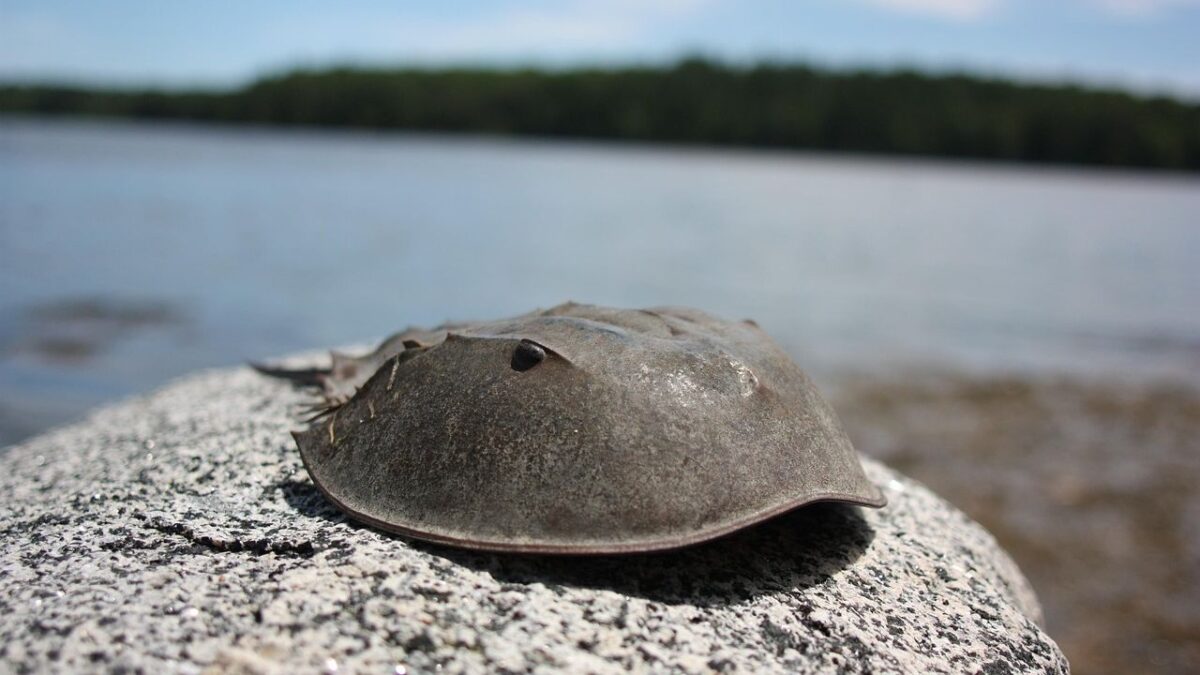
Walk along almost any stretch of the Atlantic coastline on a warm May night, and you might witness something genuinely ancient. Hundreds of armored, helmet-shaped creatures drag themselves out of the surf to spawn on moonlit beaches, just as their ancestors did hundreds of millions of years before humans ever existed. It’s one of the strangest, most humbling sights in the natural world.
The horseshoe crab is that creature. Often described as a “living fossil,” it has roamed coastal waters for over 445 million years, predating even the dinosaurs. Yet despite its prehistoric origins, this species is very much alive today, deeply woven into both coastal ecosystems and the fabric of modern medicine.
Half a Billion Years Old and Still Going
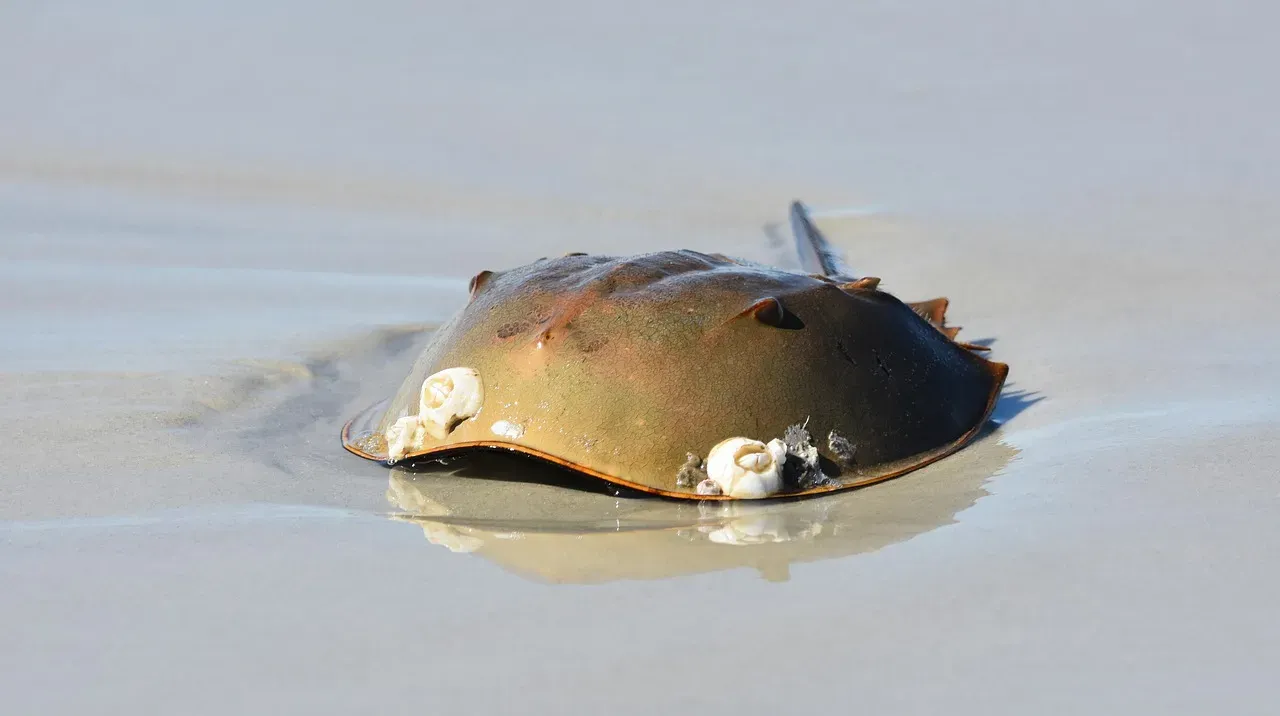
Scientists have discovered fossils of horseshoe crab ancestors that lived 445 million years ago, with dinosaurs not appearing until roughly 200 million years later. Horseshoe crabs went on to survive the extinction event that wiped dinosaurs from the planet 66 million years ago. That kind of resilience is almost impossible to put into perspective.
Fossil records for horseshoe crabs extend back about 480 million years, well over 200 million years before the dinosaurs. Through ice ages, continental shifts, and five mass extinctions, the species endured while countless others vanished.
Horseshoe crabs have been described as “living fossils,” having changed little since they first appeared in the Triassic around 250 million years ago, and similar-looking fossil xiphosurans extend back to the Ordovician around 445 million years ago. The sheer consistency of their form across geological time is something scientists still find remarkable.
A beautifully preserved fossil of a horseshoe crab has revealed that even their brains have hardly changed since at least the Carboniferous Period. That’s stability not just in shell shape, but in neurology as well.
Not a Crab At All
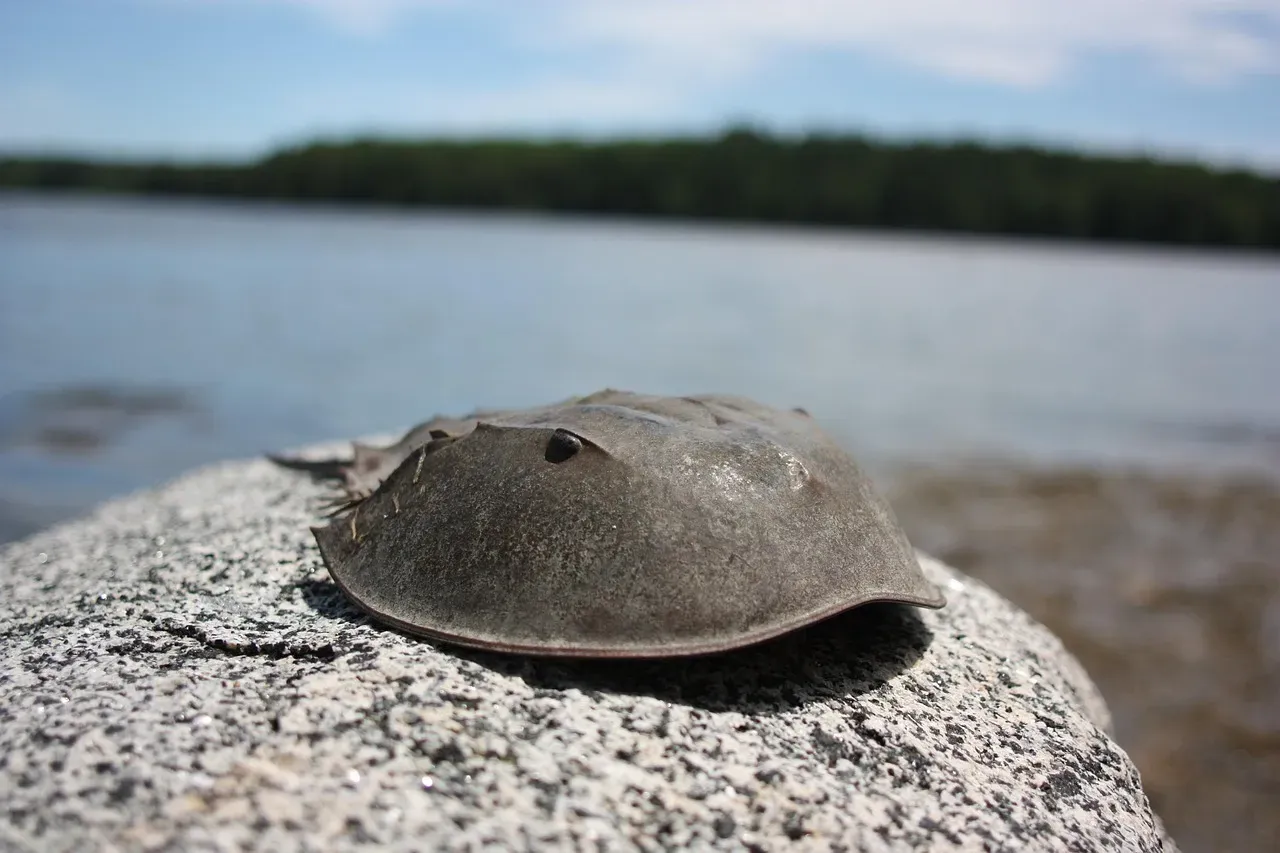
Horseshoe crabs are perhaps one of the most well-known examples of “living fossils” because their bodies have changed very little over a vast length of time. They are not true crabs, which are crustaceans, but are chelicerate arthropods. The naming has always been a little misleading.
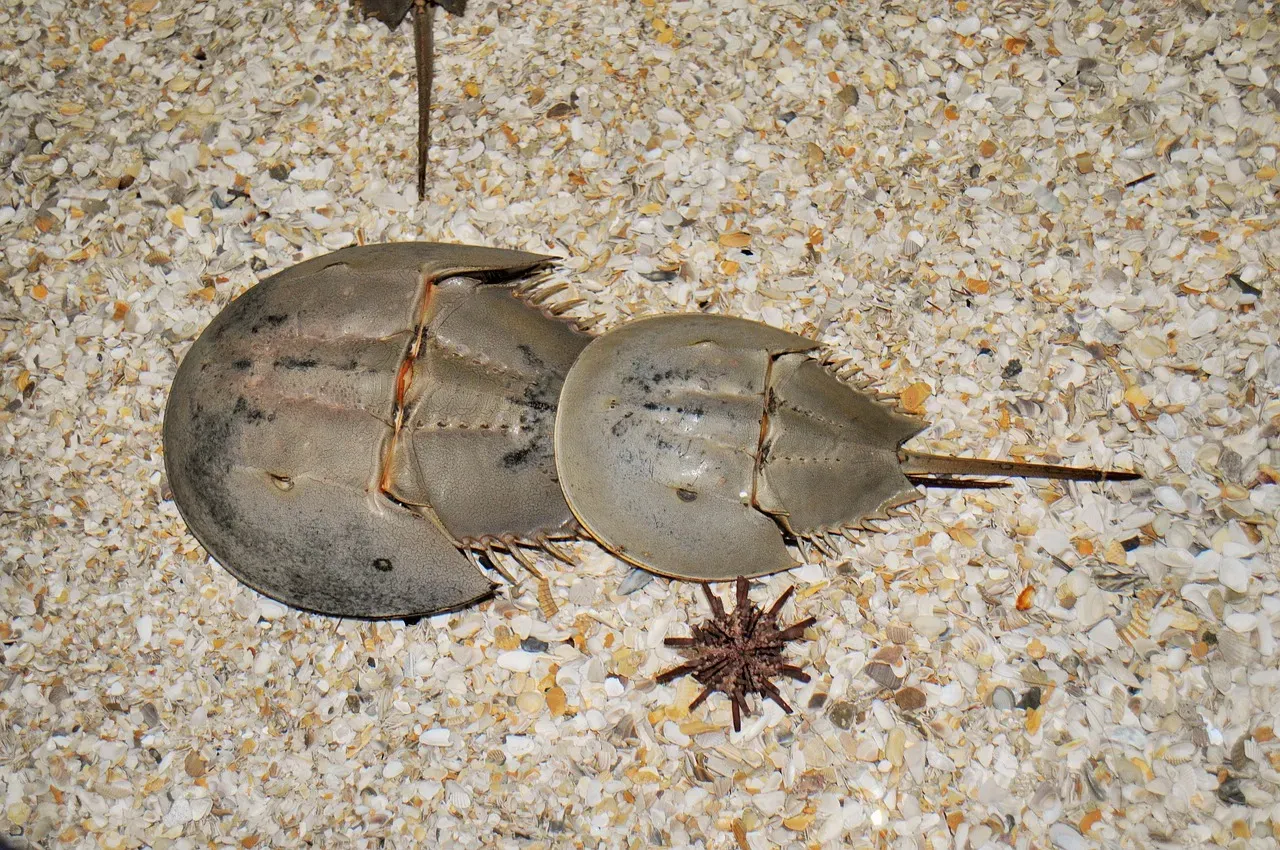
They are more closely related to spiders and scorpions than crabs. Defined within their own order, Xiphosura, these animals are characterized by a horseshoe-shaped head section, a roundish hexagonal backside, and a long tail. They are, in essence, a spider in a suit of armour that can swim upside down.
Only four species of horseshoe crab are extant today: the Atlantic horseshoe crab, native to the eastern coast of North and Central America, as well as the mangrove horseshoe crab, tri-spine horseshoe crab, and Indo-Pacific horseshoe crab, which are native to South, Southeast, and East Asia.
Horseshoe crabs go through 16 or 17 molts during their development and reach adulthood at 10 years. For a species that looks so armored and ancient, there is something unexpectedly delicate about its long road to maturity.
The Blue Blood That Saves Human Lives
Horseshoe crab blood is bright blue. It contains important immune cells that are exceptionally sensitive to toxic bacteria. When those cells meet invading bacteria, they clot around it and protect the rest of the horseshoe crab’s body from toxins. Scientists used these clever blood cells to develop a test called Limulus Amebocyte Lysate, or LAL, which checks new vaccines for contamination.
Today, nearly every blood product, intravenous drug, vaccine, and implantable medical device in the world is screened using LAL or a similar test. The horseshoe crab, in other words, is quietly standing guard over global medicine.
LAL has become the worldwide standard screening test for bacterial contamination. Every drug certified by the FDA must be tested using LAL, as do surgical implants such as pacemakers and prosthetic devices. This is a creature that has never had a press agent, yet it protects billions of people.
Horseshoe crabs have a different oxygen-carrying protein called hemocyanin. Hemocyanin has copper rather than iron, which gives horseshoe crab blood its bright blue color. That copper-based chemistry, unusual in the animal kingdom, turns out to be precisely what makes the blood so useful to science.
The Ecological Web They Hold Together
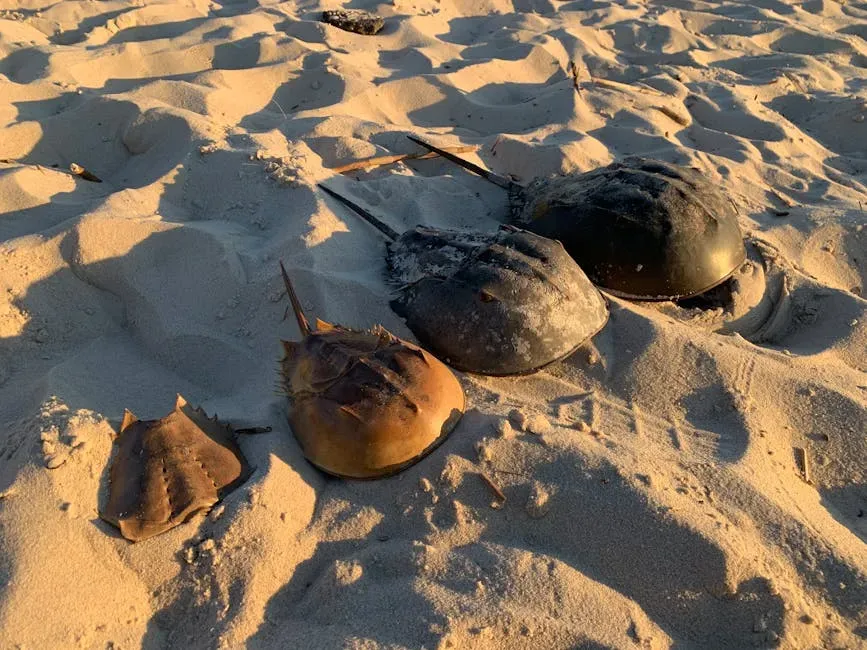
Thousands of shorebirds descend on the Delaware Bay in May to feast on horseshoe crab eggs. Red knots, ruddy turnstones, sanderlings, and other species rely on the fat and protein-packed eggs to power their long flights. For red knots, this important stopover is the last chance to fuel up before the final leg of an epic 9,300-mile migration from South America to the Arctic.
Horseshoe crabs also help aerate and fertilize coastal sediments as they burrow and spawn, supporting biodiversity in mudflats and estuaries. Their role extends well beyond feeding birds.
Conservation efforts are crucial because horseshoe crabs play a vital ecological role, serving as a link in the food web for endangered animals including fish, turtles, and migratory shorebirds. Remove them and the ripple effects move through the entire coastal ecosystem.
Because horseshoe crabs are critical species for coastal biodiversity, their decline has wider ecological consequences. During the warmer months, especially at night during the full and new moons, horseshoe crabs emerge from the sea to spawn. They lay millions of eggs on beaches, a food source for shorebirds, fish, and other wildlife.
A Species Under Threat in the Modern World
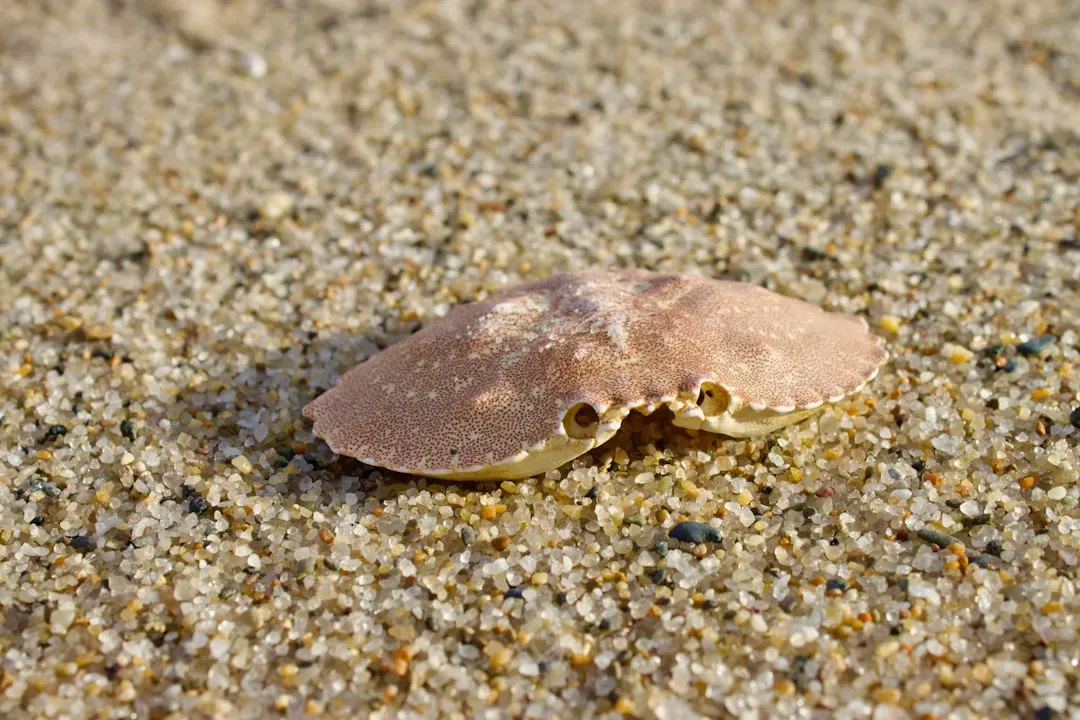
Horseshoe crabs have persisted for 400 to 450 million years, but today, all four extant species face mounting human-driven threats, including habitat loss and degradation, overharvest, and climate change. The contrast between their geological staying power and their present-day vulnerability is stark.
The Asian tri-spine horseshoe crab is classified as “Endangered” according to the IUCN Red List of Threatened Species. The American horseshoe crab is listed as “Vulnerable,” and the two additional Asian horseshoe crab species are expected to soon be listed on the IUCN Red List.
Roughly 700,000 horseshoe crabs are taken from beaches during the spawning season and forcibly bled to obtain their blue blood for biomedical purposes. Though survivors are returned to the sea, up to 30 percent of bled crabs can die. The math behind modern medicine’s dependence on this ancient species is difficult to square with its conservation needs.
To eliminate reliance on the blood of these ancient creatures, scientists have been exploring synthetic alternatives. An example comes in the form of a laboratory-made protein called Recombinant Factor C (rFC), which mimics the LAL reaction by using cloned DNA from horseshoe crabs. Studies have demonstrated that rFC-based tests are comparable to LAL. Although adoption of synthetic alternatives has been slow, recent changes in medical regulations are raising hope that the practice of horseshoe crab bleeding could be replaced.
The Atlantic States Marine Fisheries Commission has set a harvest limit of 500,000 male and zero female Delaware Bay-origin horseshoe crabs for the 2026 and 2027 fishing seasons. Regulatory momentum is building, though conservationists argue the measures still don’t go far enough.
Conclusion
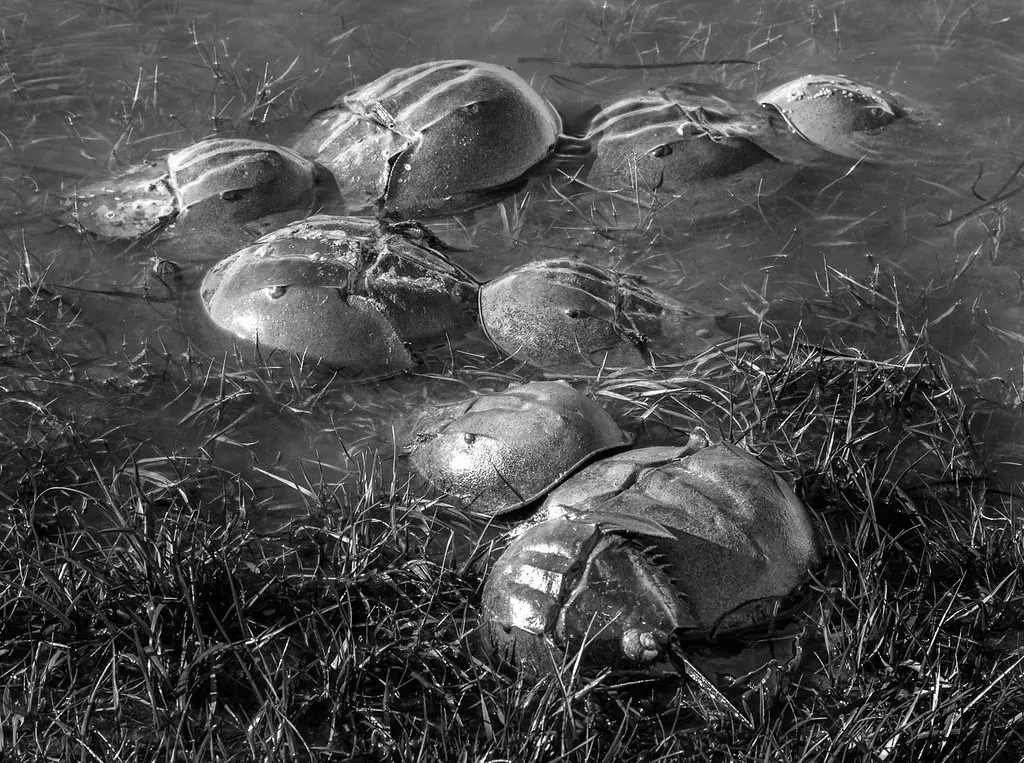
The horseshoe crab’s story is one of the more quietly extraordinary ones in natural history. A creature that survived everything Earth could throw at it for nearly half a billion years now faces its most novel challenge: human demand. The irony is that it’s being harvested to keep us healthy, the very species it has outlived by an almost incomprehensible margin.
Conservation efforts, harvest restrictions, and the slow march toward synthetic alternatives offer real reasons for cautious optimism. Adopting synthetic alternatives to horseshoe crab blood, coupled with the conservation and restoration of essential spawning and nursery habitats, could mark a turning point, offering hope for horseshoe crab conservation and the preservation of ecosystems that rely on them.
What the horseshoe crab ultimately teaches us is something worth sitting with: survival across deep time is not a guarantee of survival in the near future. The species that outlasted the dinosaurs now needs our help to outlast us.

- The 5 Best Birdwatching Spots in Arizona - August 14, 2026
- 11 Incredible Facts About Backyard Rabbits That Most People Don’t Know - August 14, 2026
- Wildlife Biology Says Bobcats Often Live Within Sight of Busy Neighborhoods - August 14, 2026