

In a world where human lifespans rarely exceed a century, there exists a remarkable creature that has witnessed nearly two centuries of history unfold. Jonathan, a Seychelles giant tortoise residing on the remote island of St. Helena in the South Atlantic Ocean, has recently celebrated his 192nd birthday, reinforcing his status as the world’s oldest living land animal.
This extraordinary reptile has lived through the reigns of eight British monarchs, 40 US presidents, and countless global events that have shaped our modern world. Jonathan’s exceptional longevity offers scientists valuable insights into aging, adaptation, and survival, while his gentle demeanor and unhurried lifestyle continue to captivate visitors and caretakers alike. Join us as we explore the remarkable life and legacy of this living fossil who continues to defy time.
A Living Witness to History

Jonathan the tortoise was hatched around 1832, during a time when Charles Darwin was embarking on his voyage aboard the HMS Beagle and Queen Victoria was yet to ascend to the British throne. Based on photographic evidence from 1882 showing him at full adult size (which takes about 50 years to reach), experts have confidently estimated his birth year.
His incredible lifespan means he has lived through the Industrial Revolution, both World Wars, the rise and fall of empires, the moon landing, and the digital age. As a living connection to the past, Jonathan provides a unique perspective on the passage of time and the resilience of life on our planet. His existence spans nearly two centuries – a period that has seen more technological and social change than perhaps any other equivalent timespan in human history.
Journey to St. Helena
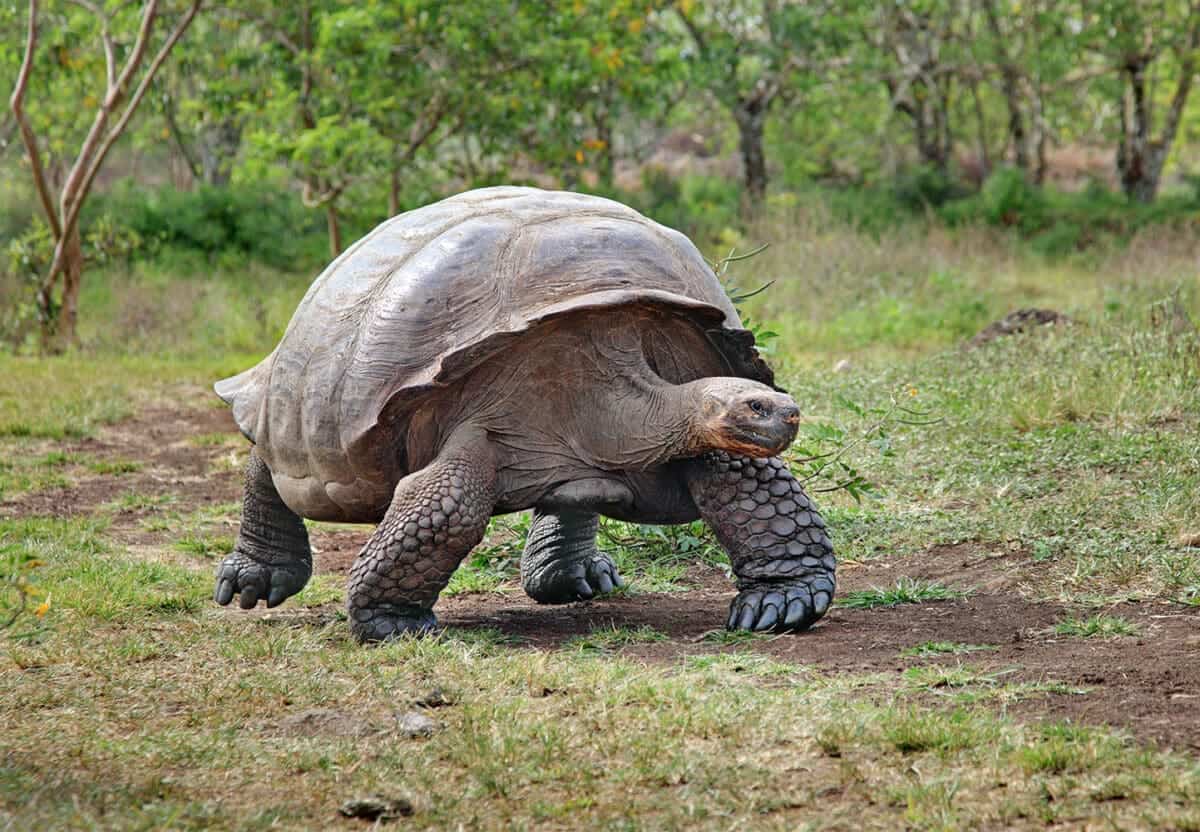
Jonathan’s life journey began far from his current home. Born in the Seychelles archipelago in the Indian Ocean, he was transported to St. Helena around 1882 as a gift to the island’s governor. At that time, he was already approximately 50 years old. St. Helena, famous as Napoleon Bonaparte’s place of exile and death, is one of the most remote inhabited islands in the world, located 1,200 miles west of Angola and 1,800 miles east of Brazil.
The journey by ship would have been arduous, yet Jonathan adapted to his new environment with remarkable resilience. He has now spent approximately 140 years on the island, becoming its most famous resident and a national treasure. His arrival at Plantation House, the governor’s residence where he still lives today, marked the beginning of his role as an unwitting ambassador for his species and conservation.
Record-Breaking Longevity

Jonathan’s 192 years make him not only the oldest living land animal but also the oldest chelonian – a category that includes all turtles, tortoises, and terrapins – ever recorded. In 2019, he was officially recognized by Guinness World Records as the oldest known living land animal. While some marine animals like certain species of whales and sharks may live longer, among terrestrial vertebrates, Jonathan stands alone in his longevity.
The previous record-holder, Tu’i Malila, was a radiated tortoise that lived to be 188 years old before dying in Tonga in 1965. What makes Jonathan’s case particularly remarkable is that he continues to maintain relatively good health despite his extreme age. Scientists studying his case note that tortoises like Jonathan have exceptional biological mechanisms that protect against the cellular damage typically associated with aging, including more efficient DNA repair processes and reduced oxidative stress.
Daily Life at Plantation House
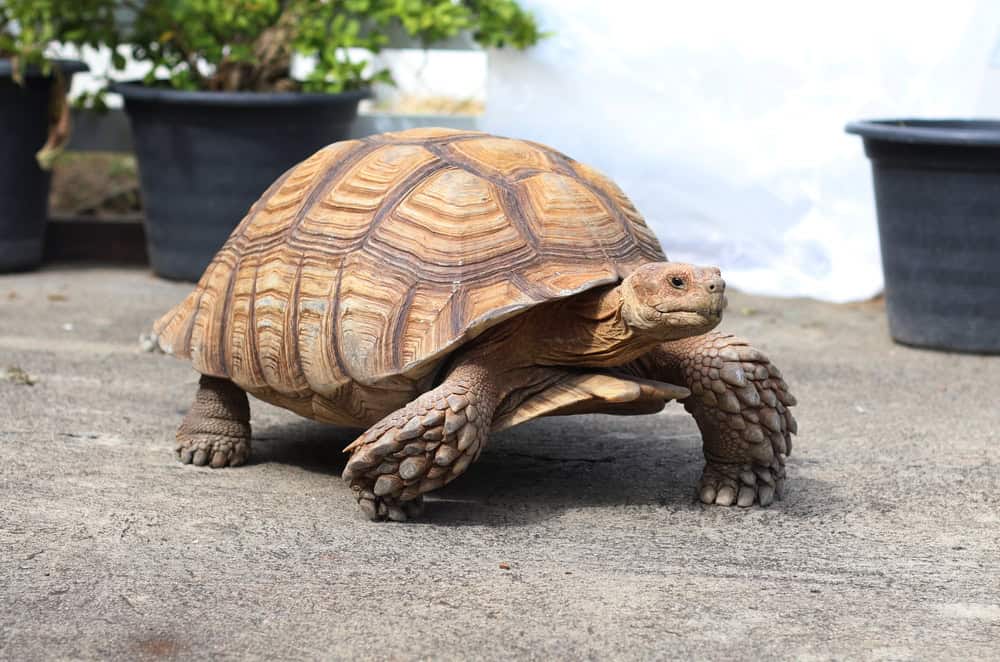
Jonathan enjoys a peaceful existence on the grounds of Plantation House, where he shares his home with three other giant tortoises: David, Emma, and Fred. His daily routine is simple but consistent, centered around his favorite activities: eating, sleeping, and basking in the sun. On warmer days, he can be found grazing on the lawn, moving slowly but deliberately across his territory. Jonathan receives regular health check-ups and a specialized diet prepared by his caretakers, ensuring his nutritional needs are met despite his advanced age.
His veterinarian, Joe Hollins, has been instrumental in maintaining Jonathan’s health through a carefully tailored diet that includes fresh fruits, vegetables, and his favorite treats – apples, bananas, carrots, and lettuce. The tortoise also enjoys a weekly hand-feeding session, which has become something of a ceremony for both Jonathan and his caretakers, strengthening the bond between them over shared moments of tranquility and care.
Health Challenges and Care
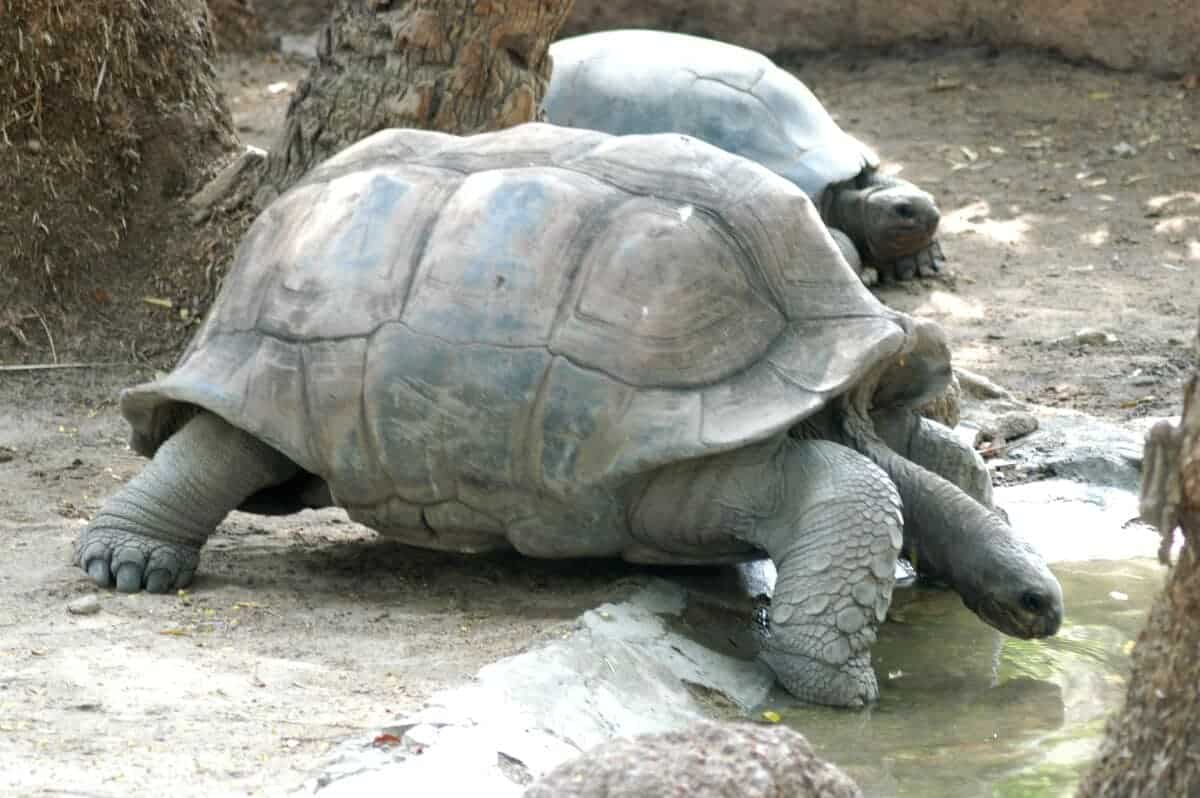
Despite his remarkable constitution, Jonathan has faced health challenges in his advanced years. Around 2008, caretakers noticed he was struggling with his diet, leading to nutritional concerns. Veterinarians discovered he had lost his sense of smell and had developed cataracts, impairing his vision significantly. In response, his diet was modified to include more nutritious, calorie-dense foods that were easier for him to locate and consume. This intervention proved successful, with Jonathan regaining weight and showing improved energy levels.
While he is completely blind due to cataracts and has lost his sense of smell, his hearing remains sharp, and he responds well to the voice of his longtime caretaker. Regular health assessments continue to monitor his condition, with special attention paid to his shell health, mobility, and respiratory function – all of which remain surprisingly good for his extraordinary age. His veterinary care represents a delicate balance between medical intervention and allowing his natural biological processes to function as they have for nearly two centuries.
Scientific Significance
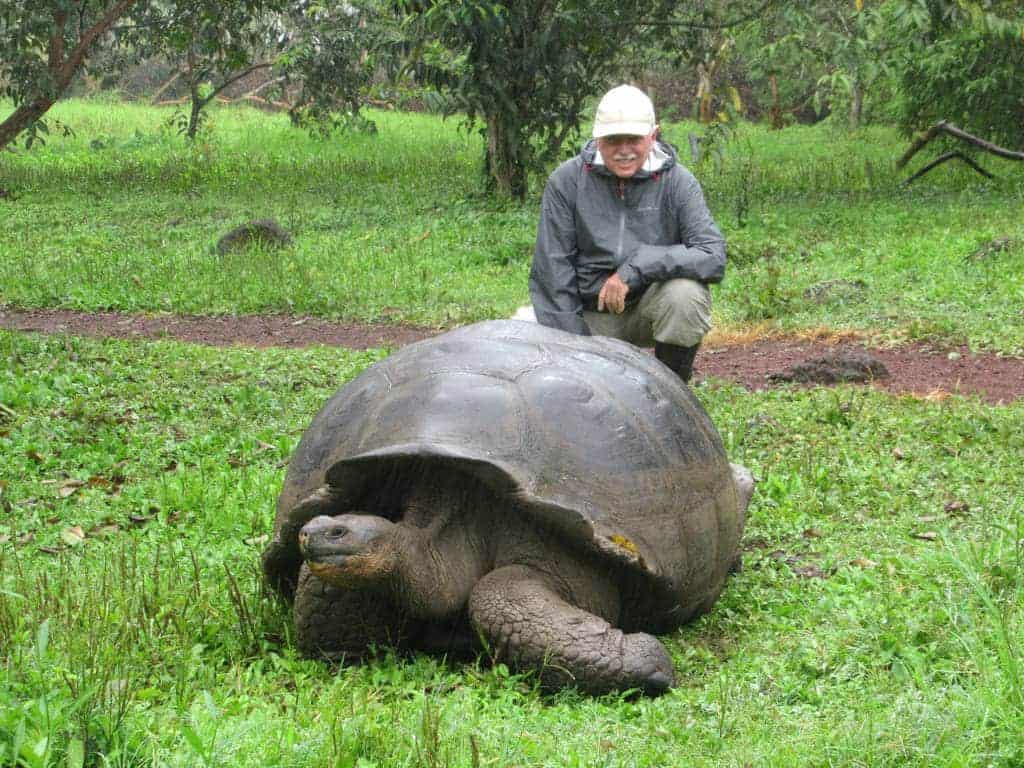
Jonathan’s exceptional longevity makes him an invaluable subject for scientific research on aging. Researchers studying giant tortoises have identified several physiological adaptations that contribute to their extended lifespans, including slow metabolic rates, efficient organ systems that experience minimal deterioration, and remarkable cellular repair mechanisms. These insights could potentially inform human longevity research. Some scientists believe that understanding the genetic and metabolic features that allow tortoises like Jonathan to live so long might lead to breakthroughs in treating age-related diseases in humans.
His genome has been sequenced as part of broader research into the genetics of longevity, with scientists identifying specific genes associated with immune function, cancer resistance, and DNA repair that differ significantly from shorter-lived species. Additionally, his consistent environment on St. Helena provides an excellent case study for how stability and routine may contribute to healthy aging—factors that gerontologists increasingly recognize as important for human longevity as well.
Celebrity Status and Tourism

Jonathan has become St. Helena’s most famous resident and a significant draw for tourism on the island. Visitors from around the world travel to this remote location hoping to catch a glimpse of the legendary tortoise. His birthday celebrations have evolved into important annual events, with commemorative stamps, coins, and merchandise featuring his image.
In 2019, a special commemorative coin was issued by the St. Helena government to honor his status as the world’s oldest land animal. Local authorities have implemented viewing protocols to balance tourism benefits with Jonathan’s wellbeing, ensuring visitors can observe him without causing undue stress. His popularity has brought international attention to St. Helena, boosting the small island’s economy and placing it on the map for wildlife enthusiasts and history buffs alike. Jonathan has inadvertently become an ambassador for conservation, with his story highlighting the importance of protecting long-lived species and their habitats.
Celebrating 192 Years

Jonathan’s 192nd birthday was celebrated with appropriate fanfare on St. Helena, though the exact date of his birth remains unknown. The island’s government organized a series of events spanning several days, including a special birthday “party” at Plantation House where Jonathan was presented with a cake made from his favorite fruits and vegetables. Local schoolchildren created birthday cards and artwork honoring the ancient tortoise, while international media covered the milestone extensively.
The celebration also served as an educational opportunity, with conservation experts giving presentations about the status of giant tortoises worldwide and the threats they face. A documentary film crew was present to capture the celebration for an upcoming feature about Jonathan’s life and significance. Perhaps most touching was a ceremony in which the island’s residents shared memories and stories of their encounters with Jonathan over the decades, demonstrating how deeply this animal has become woven into the fabric of St. Helena’s cultural identity and collective memory.
Conservation Implications
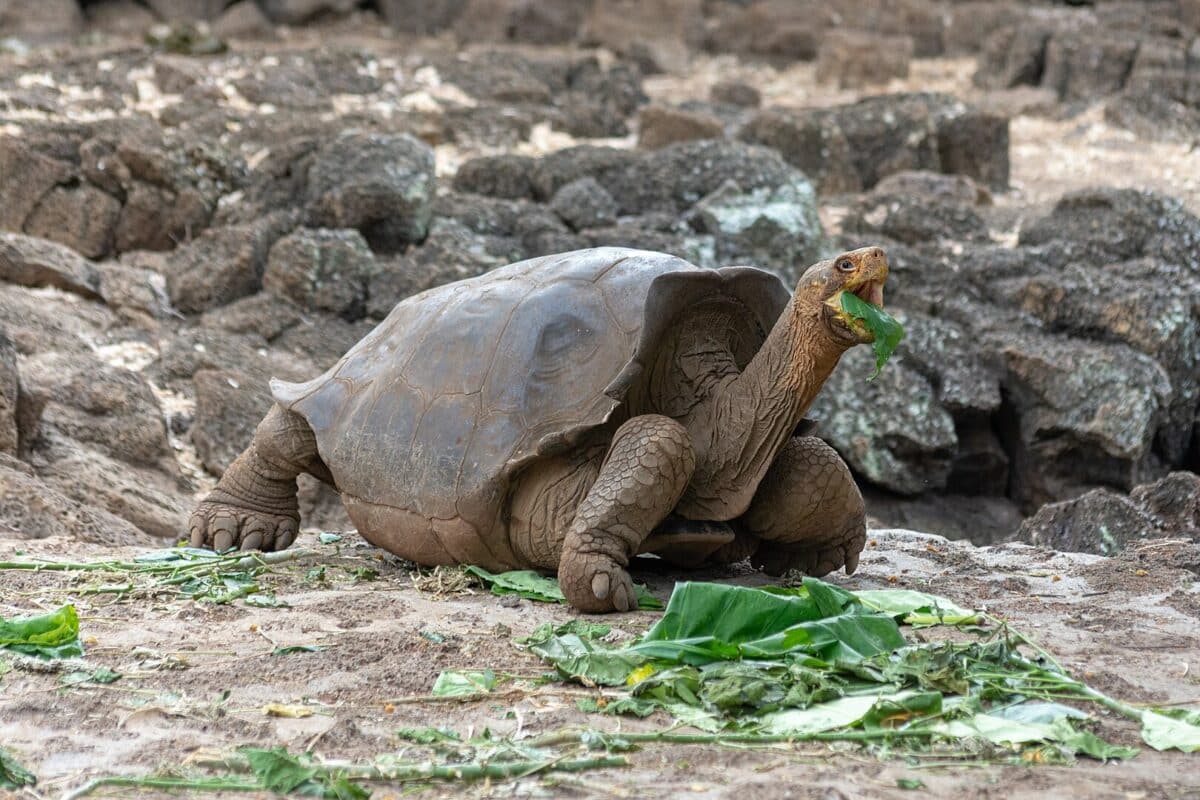
Jonathan’s remarkable longevity highlights both the resilience and vulnerability of his species. Seychelles giant tortoises (Aldabrachelys gigantea hololissa) were once abundant across their native islands, but hunting and habitat destruction reduced their numbers dramatically. Today, giant tortoises are considered vulnerable by the International Union for Conservation of Nature (IUCN), with several subspecies critically endangered or extinct. Jonathan serves as a living ambassador for conservation efforts, his popularity helping to raise awareness about the plight of these magnificent creatures.
Conservation programs in the Seychelles, Galapagos, and other island ecosystems are working to protect remaining tortoise populations and their habitats. Captive breeding programs have shown promise in boosting numbers, with some species being successfully reintroduced to their native environments. Jonathan’s story underscores the importance of these efforts, demonstrating the remarkable resilience of these animals when given proper protection and care. His longevity also serves as a powerful reminder of what’s at stake – the loss of animals that can live for centuries represents an incalculable loss to biodiversity and our understanding of aging and adaptation.
Jonathan’s Companions
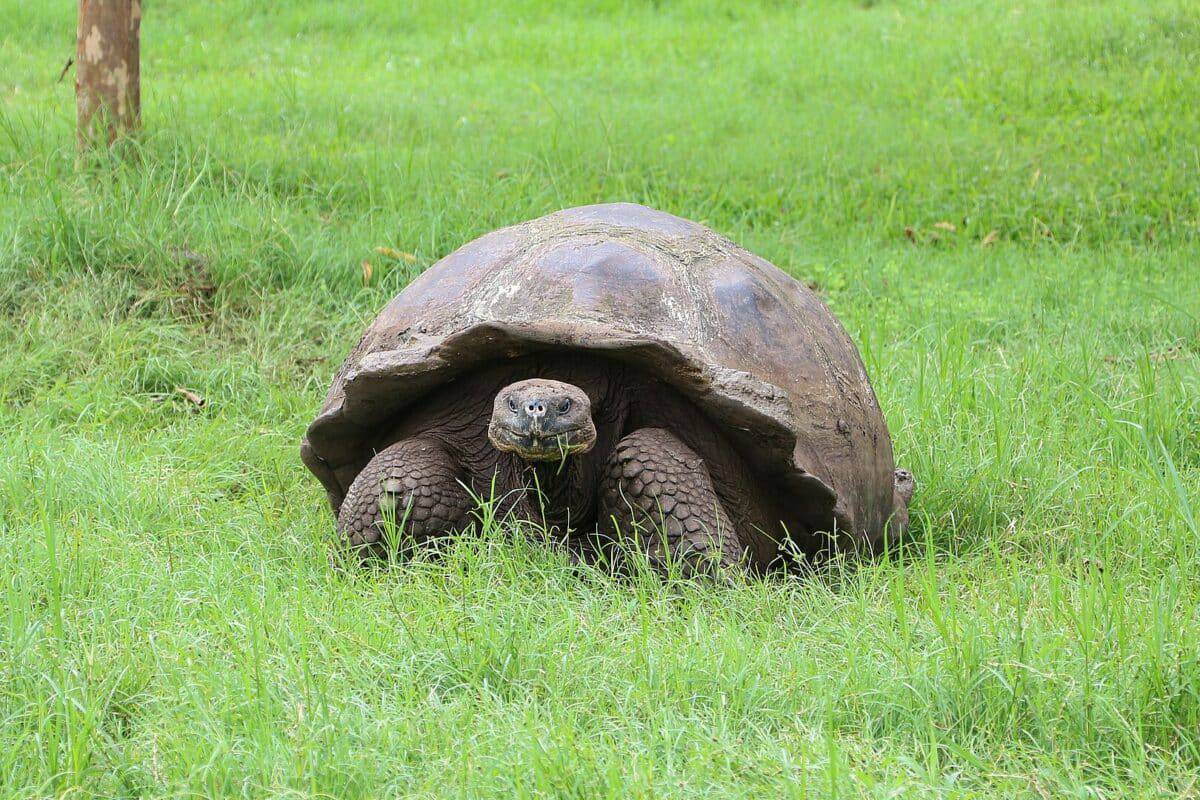
While Jonathan may be the oldest, he is not alone in his home at Plantation House. He shares his enclosure with three other giant tortoises: David, Emma, and Fred. David, estimated to be in his 80s, has been Jonathan’s companion since 1969. Emma, thought to be around 55 years old, was originally believed to be male until recent examinations revealed otherwise. Fred, the youngest at approximately 45 years old, completes the group.
For decades, Jonathan was thought to have a particular fondness for another tortoise named Frederica, engaging in what appeared to be mating behavior. However, in a surprising twist, veterinary examinations revealed that Frederica was actually a male, subsequently renamed Fred. Despite this revelation, Jonathan and Fred maintain a close relationship, often grazing and resting together. These social bonds are significant for tortoises, which, contrary to popular belief, can form strong attachments and recognize their regular companions. The social dynamics among these four tortoises provide valuable insights into the behavioral patterns and social needs of these typically solitary creatures when housed together over extended periods.
Physical Characteristics and Adaptations

As a Seychelles giant tortoise, Jonathan possesses several distinctive physical characteristics that have served him well throughout his long life. His domed shell, measuring approximately four feet in length, provides excellent protection against predators – though at his size, he has few natural threats. His powerful, elephant-like legs support his considerable weight, estimated at around 440 pounds (200 kg), allowing him to move steadily across various terrains.
Giant tortoises like Jonathan have extraordinarily efficient metabolic systems that allow them to survive for extended periods without food or water if necessary – an adaptation that likely contributed to his survival during his long journey to St. Helena. His species is also known for remarkable adaptation to different environmental conditions, explaining how Jonathan successfully transitioned from the tropical Seychelles to the more temperate climate of St. Helena. As with other tortoises, Jonathan’s shell continues to grow throughout his life, albeit very slowly in his advanced years, with distinct growth rings visible that help scientists estimate age. His neck is exceptionally long and flexible, allowing him to reach vegetation up to three feet above ground level – though caretakers now ensure his food is easily accessible given his visual impairments.
Environmental Changes Witnessed

Throughout his extraordinary lifespan, Jonathan has been an unwitting witness to dramatic environmental changes, both globally and on St. Helena. When he arrived on the island in the 1880s, St. Helena was a bustling waypoint for ships traversing the Atlantic, with an economy based largely on flax production. Today, the island’s economy and landscape have transformed completely, with much of the native vegetation Jonathan would have first encountered now replaced or threatened by invasive species. Globally, Jonathan has lived through the entire Industrial Revolution and its environmental consequences – from the early steam engines to today’s climate crisis.
During his lifetime, atmospheric carbon dioxide has increased from approximately 284 parts per million to over 410 parts per million. He has survived through periods of significant habitat destruction for his species, with over 90% of the Seychelles’ native forests cleared during the 19th and 20th centuries. His resilience through these changes speaks to the adaptability of his species, though many of his wild counterparts were not so fortunate. For conservationists, Jonathan represents a living link to pre-industrial ecosystems, providing a sobering perspective on the pace and scale of human-driven environmental change.
Legacy and Future

At 192 years old, Jonathan continues to defy expectations and demonstrates remarkable resilience. His extraordinary life spans nearly the entire modern conservation movement, from the earliest wildlife protection laws to today’s comprehensive biodiversity initiatives. As the oldest known living land animal, Jonathan has become an ambassador for conservation, longevity research, and the importance of respecting and protecting ancient organisms. His story has been documented in scientific journals, popular media, and educational materials, ensuring that future generations will know about this remarkable creature even after he is gone.
While veterinarians carefully monitor his health, they report that Jonathan remains in reasonably good condition for his extreme age, continuing to move freely around his territory and maintain his daily routines. His legacy extends beyond St. Helena, inspiring conservation efforts for threatened tortoise species worldwide and contributing valuable data to our understanding of aging and longevity. As scientists continue to study the genetic and environmental factors that have contributed to his remarkable lifespan, Jonathan’s influence on biology, conservation, and our perception of time itself will undoubtedly continue well into the future.

- The Perfect Pet for Each Zodiac Sign - July 7, 2026
- The Wild Animal That Embodies Your Zodiac Sign’s Spirit - July 6, 2026
- 7 Steps to Planting Admirably Beautiful Bluebonnets - July 6, 2026