

In a world where extinction rates are climbing and biodiversity faces unprecedented threats, moments of hope feel more precious than ever. Conservation news is often heartbreaking, with reports of dramatic biodiversity loss globally year after year. But in 2024, there were several reasons for cheer as well, with conservationists finding that certain species, once at the brink of extinction, are making a comeback.
These and other stories captured human imaginations last year, revealing an ancient and enduring bond between people and wildlife. They also demonstrate the resiliency and unique character of the animals who surround us, along with the potential of ecosystems. And nearly every story shows that conservation is working – and that people love seeing these success stories in the making. Yet, what makes these victories so remarkable isn’t just the numbers, it’s what they represent. So let’s get started on this inspiring journey through nature’s greatest comebacks.
The Iberian Lynx: From 62 to 2,000 in Two Decades
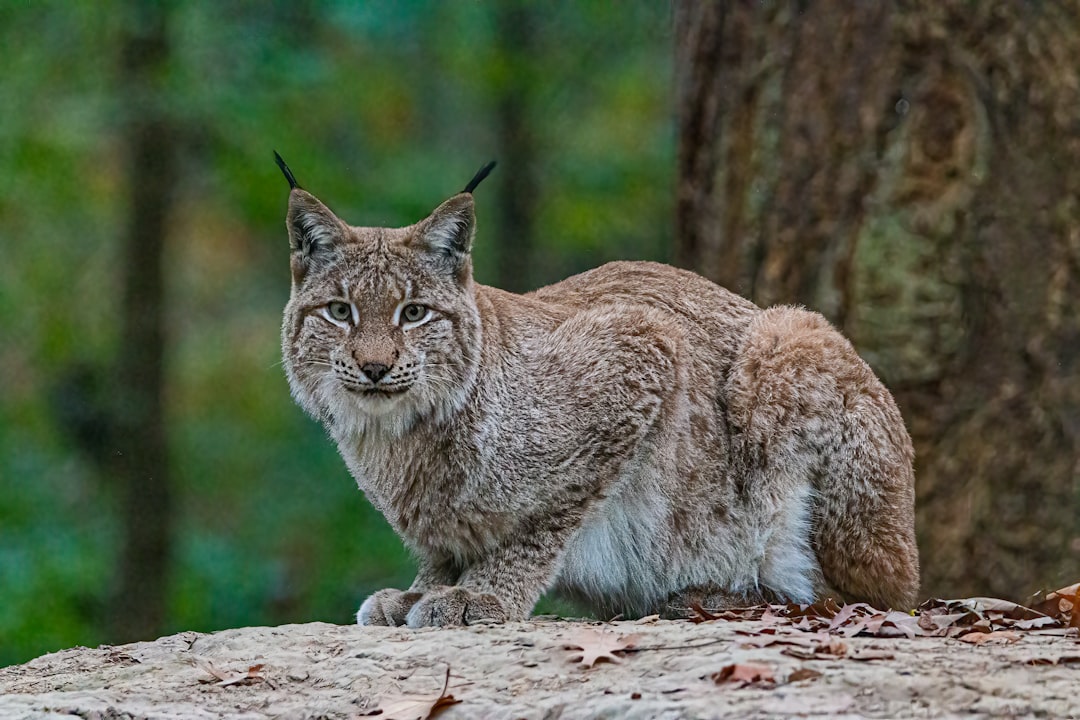
In 2002, the Iberian lynx (Lynx pardinus) population was estimated to have crashed to just around 94 individuals across Spain and Portugal. It was then listed as critically endangered on the IUCN Red List. Imagine being one of fewer than 100 individuals of your entire species left on Earth. That was reality for these tufted-eared wild cats just over two decades ago.
But 20 years of conservation efforts have boosted its population to more than 2,000 adult and young Iberian lynx. It was downlisted to vulnerable on the IUCN Red List this year. It’s being hailed as the “greatest recovery of a cat species ever achieved” – meet the Iberian Lynx, a tufted-eared carnivore native to Spain and Portugal, and one of the newest faces of historic wildlife recovery.
The transformation happened through habitat restoration, captive breeding programs, and something unexpected: helping their favorite prey bounce back. In Spain, where they roam the wild landscapes, increased rabbit populations (their primary prey) also aid their resurgence. Sometimes saving one species means helping the entire ecosystem flourish.
California Condors: Soaring Back from 22 Birds
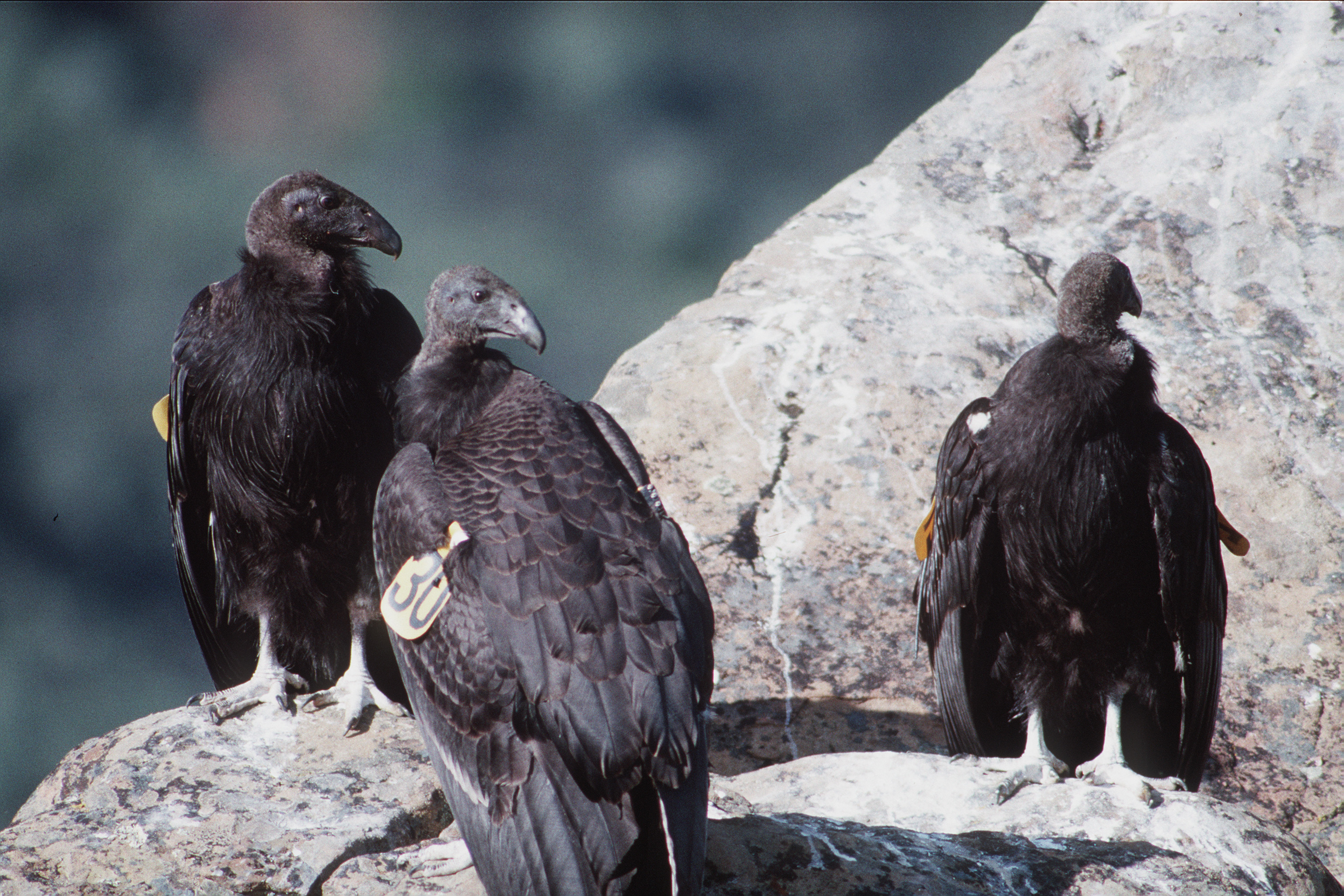
Picture the largest bird in North America, with a wingspan stretching nearly 10 feet, circling over California’s rugged coastlines. You see, California condor populations have expanded quite a bit lately – good news after the species nearly went extinct in the 1970s largely due to lead poisoning from ammunition, which they ingested from animal remnants left by hunters. In 1987 the last 22 surviving condors were trapped for captive breeding.
Today, following years of work, the population has surged to more than 550, with roughly half in the wild in California, Arizona, Utah, and Mexico. All Americans can take pride in the fact that, under the protection of the ESA, the California condor, grizzly bear, Okaloosa darter, whooping crane, and black-footed ferret have all been brought back from the brink of extinction.
What strikes me most about their recovery isn’t just the numbers, but their boldness. Last year, some of the massive birds explored new territory near San Francisco – the kind of range expansion that perhaps the condor in Colorado was eyeing. They’re not just surviving anymore. They’re exploring, expanding, living as wild birds should.
Arabian Oryx: The Desert’s Unicorn Returns
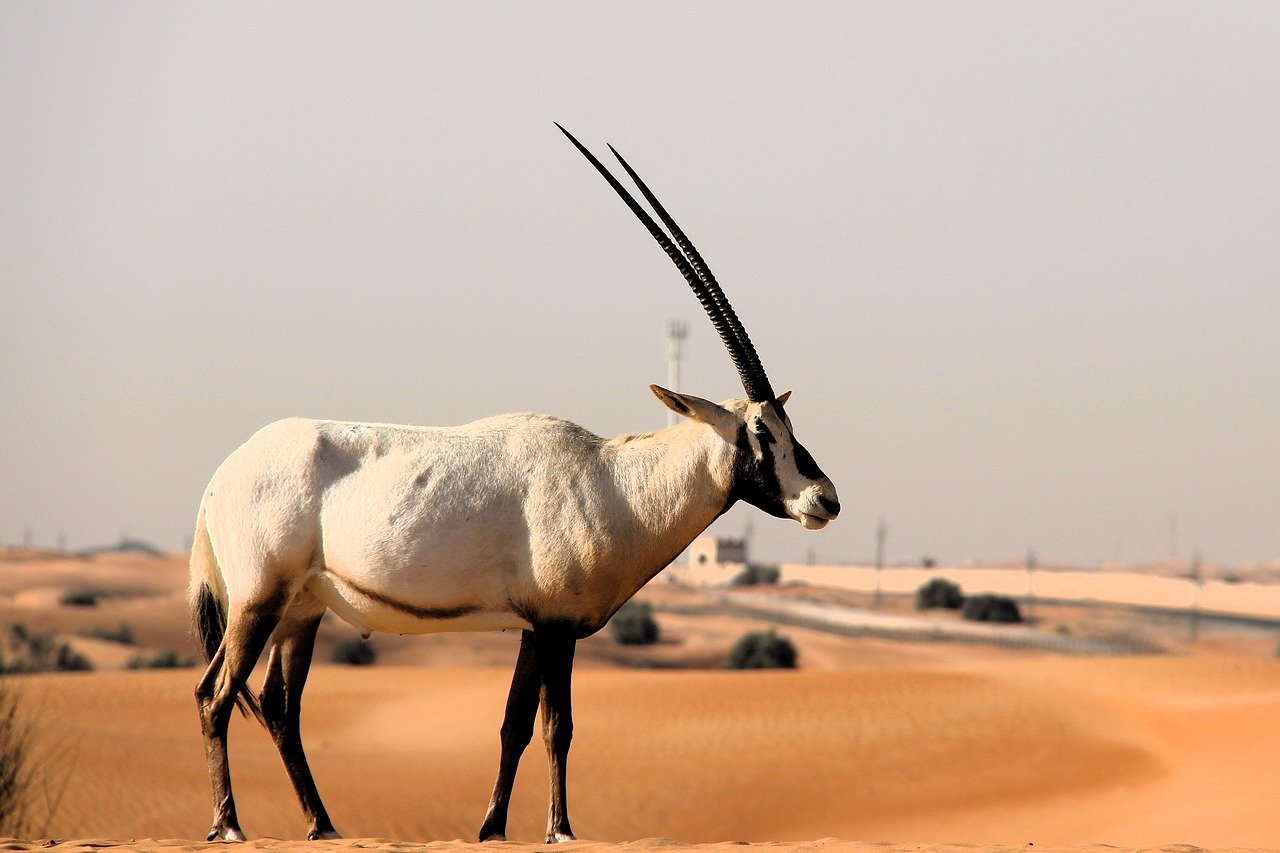
Often called the unicorn of the desert, the majestic Arabian Oryx ranged the interior of the Arabian peninsula for thousands of years before over-hunting in the 20th century lead to its decline and ultimate eradication in the wild by 1972. More than four decades ago, the Arabian oryx was extinct in the wild. But today, thanks to efforts spearheaded by Saudi Arabia and the UAE, experts are citing the swell in its numbers as one of the world’s biggest conservation success stories. In the early 1970s, the antelope was considered all but vanished due to hunting and poaching.
Fortunately, a decade prior to their extinction, conservationists had the foresight to start “Operation Oryx” which oversaw the establishment of a captive breeding herd that would bring the species back from the brink. The rescue mission reads like something from an adventure novel. There were originally four individuals captured and seven donated for this project. The four were captured in Aden (now Yemen) near the border of Oman by an expedition led by the late Major Ian Grimwood, then chief game warden of Kenya, with help from Manahil and Mahra tribesmen.
There are now an estimated 1,220 wild oryx across the Arabian Peninsula, in addition to between 6,000 and 7,000 in semi-captivity. Experts at the IUCN have revealed to Arab News that the Arabian oryx could be upgraded to another level on its list within years, to “near-threatened,” thanks to regional breeding programs and reintroduction initiatives in the Kingdom, the UAE and the wider Gulf. Through reintroduction programs, the oryx population began to grow, and by 2020, there were 81 individuals in the reserve. In 2023, that number increased to 105, and by 2024, the population reached 116.
Black-Footed Ferrets: Cloning Hope for the Future
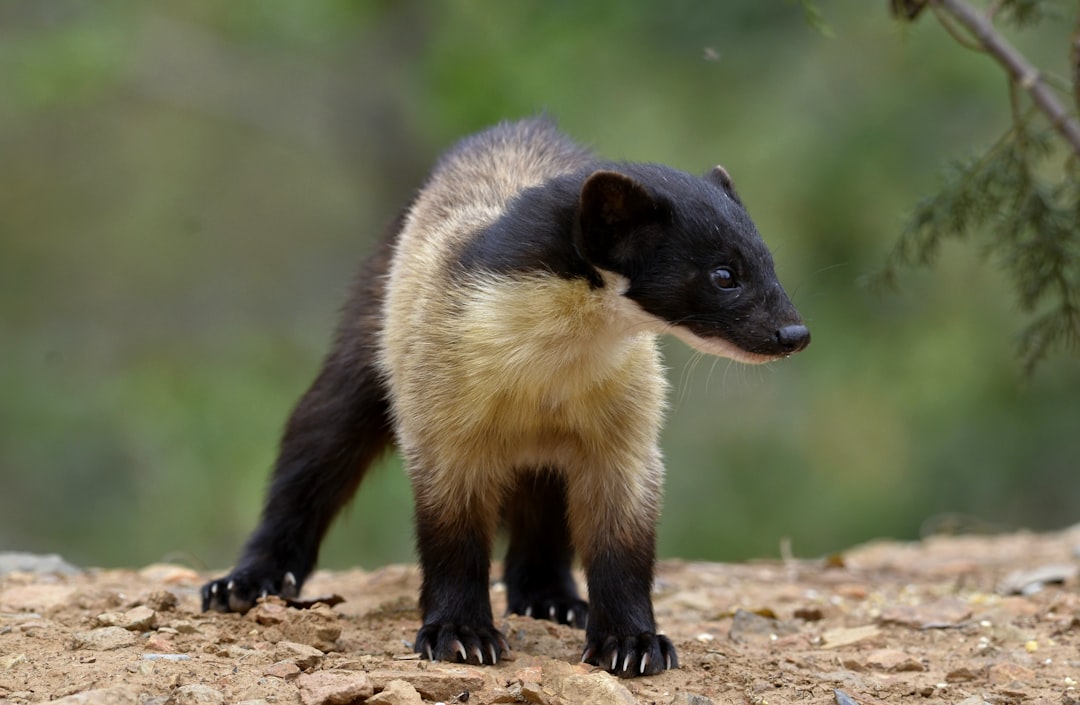
In the American prairie, something extraordinary is happening that sounds like science fiction. In another milestone, a cloned black footed ferret at the Smithsonian National Zoo in Virginia gave birth to two kits. She’s the first cloned endangered animal to give birth in the United States, bringing promise for maintaining genetic diversity in recovering species. Meet Antonia, a cloned ferret whose successful birth represents a breakthrough in conservation technology.
In November, the teams working to help improve black-footed ferret genetic diversity through cloning announced that the clone Antonia gave birth to two healthy kits – a big step forward as researchers explore innovated ways to rebuild populations of endangered and extinct species. All Americans can take pride in the fact that, under the protection of the ESA, the California condor, grizzly bear, Okaloosa darter, whooping crane, and black-footed ferret have all been brought back from the brink of extinction.
These masked bandits of the prairie were once down to just 18 individuals in the wild in 1981. Today, their story represents both traditional conservation success and cutting-edge genetic rescue techniques working hand in hand. It’s fascinating how saving a species now involves both ancient captive breeding wisdom and futuristic cloning technology.
Mountain Gorillas: Gentle Giants Finding Safety
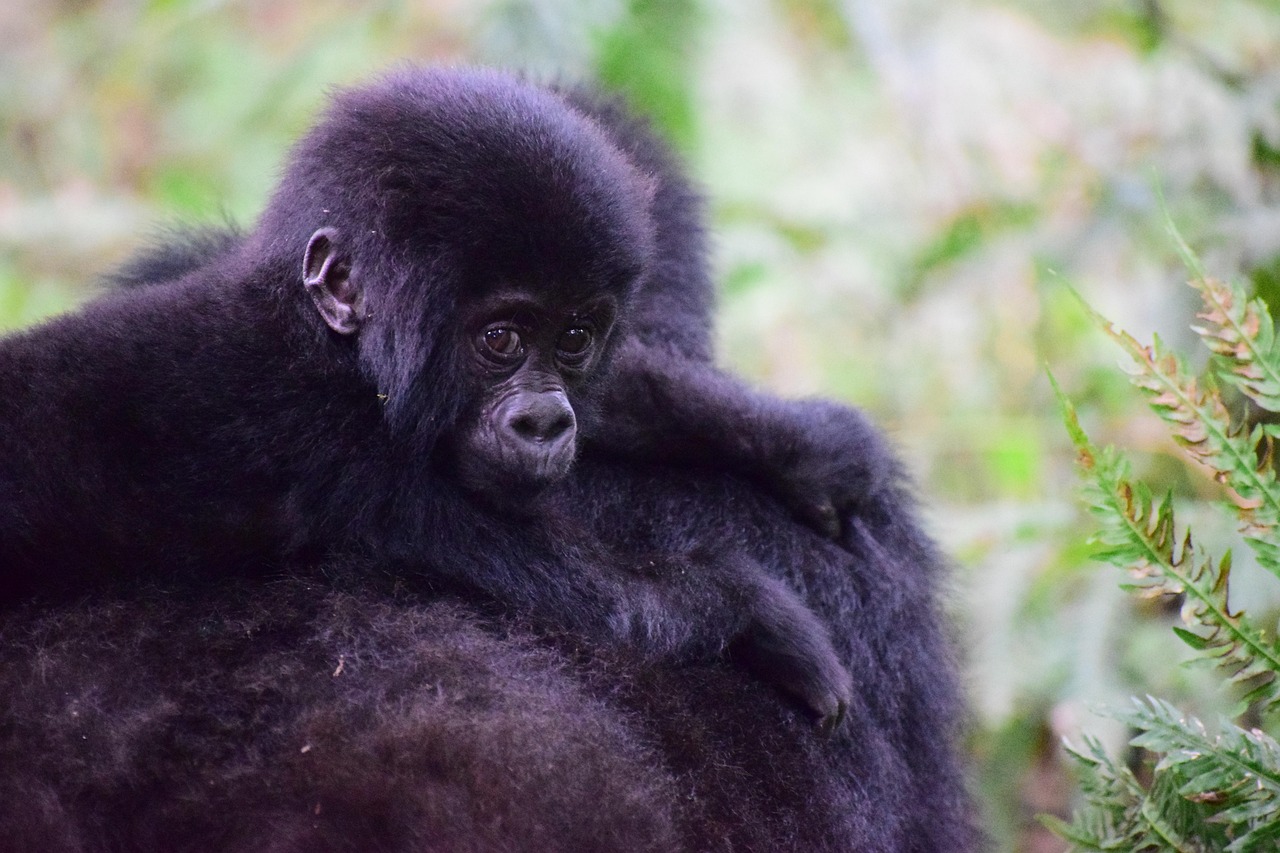
In the misty mountains of Central Africa, one of our closest relatives has been quietly making a comeback. Sir David Attenborough’s iconic mountain gorilla sequence in Life on Earth, and his determination to raise awareness of their plight, led to Fauna & Flora launching the multifaceted Mountain Gorilla Project – the precursor of the International Gorilla Conservation Programme – to help combat the poaching and habitat loss that were threatening to wipe out these gentle giants.
Thanks to transboundary collaboration and constructive community engagement, mountain gorilla numbers have since increased to the point where experts have seen fit to downgrade this great ape’s IUCN Red List status from critically endangered to endangered. Conservation efforts have led to a slow but steady increase in their numbers. Tourism plays a crucial role, funding protection and providing livelihoods for local communities. Their gentle presence now draws visitors from around the world, eager to catch a glimpse.
What’s remarkable about their recovery is how it transformed entire communities. Local people who once saw these animals as competition now work as guides, trackers, and protectors. Mountain Gorillas share over 98% of their DNA with humans, making them one of our closest relatives. Perhaps that genetic closeness explains why their survival feels so personally important to many of us.
North Atlantic Right Whales: Ocean Giants Defying the Odds
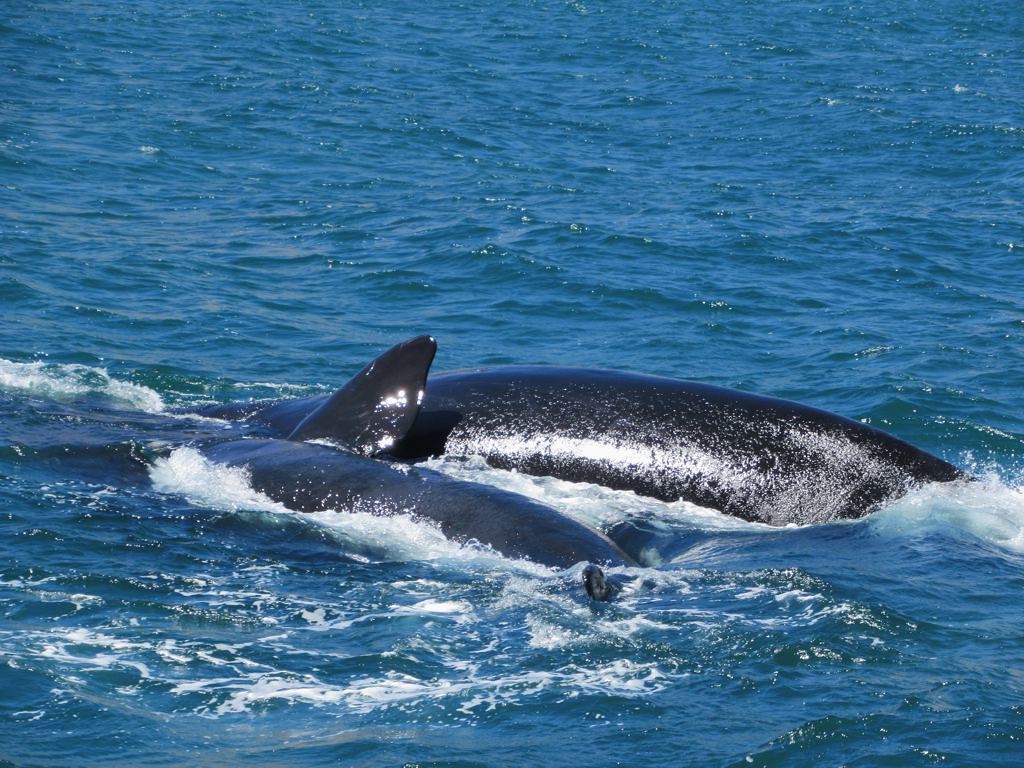
This year, researchers reported that the population of the critically endangered North Atlantic right whale (Eubalaena glacialis) had increased by five individuals, bringing the estimated total to 372 in 2023. While the actual figure may be small, for the ocean giants that live long lives and breed slowly, this is a big leap forward. For species that can live over 100 years, every single individual matters immensely.
Humpback and blue whales, once driven to the brink of extinction by commercial whaling, have made a comeback after an international moratorium on whaling. The recovery of marine mammals shows what’s possible when the entire world decides to act. Their recovery celebrates the effectiveness of international marine protections. Intriguingly, each population of Humpback Whales has its own unique song, which males use to attract mates.
Swimming in the same waters where their ancestors were hunted to near extinction, these whales now represent one of conservation’s greatest international success stories. Their songs echo across oceans that are slowly healing, reminding us that some victories require global cooperation but deliver hope for generations.
Red-Cockaded Woodpeckers: Ecosystem Engineers Return
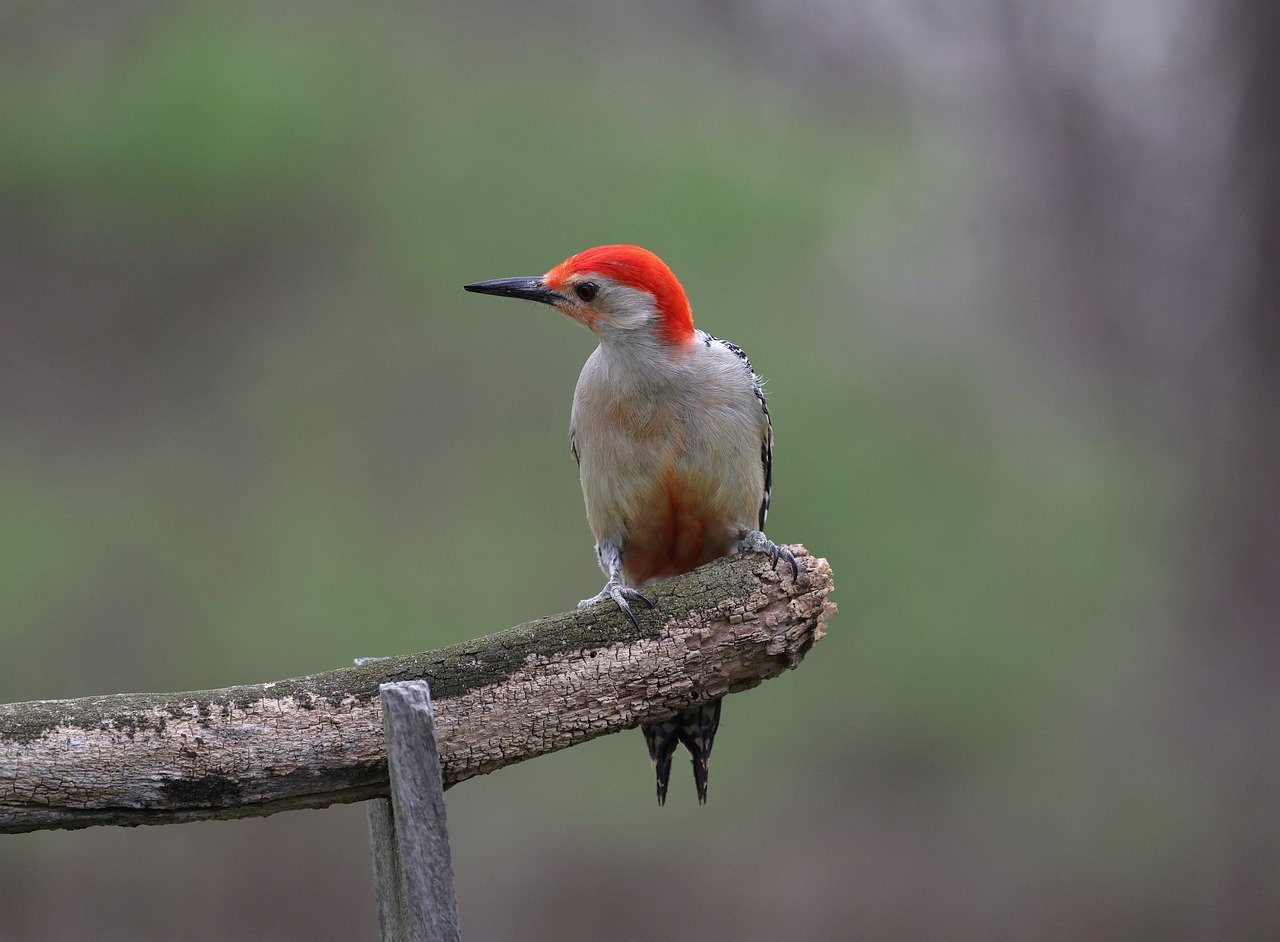
One of our favorite animal comeback stories has been the red-cockaded woodpecker, an iconic species native to southeastern U.S. pine forests. Just a few months ago, the bird passed a major recovery milestone. After dipping as low as 1,470 nest clusters in the 1970s, the RCW has rebounded to over 7,800 today – a recovery big enough to justify removing the bird from the U.S. endangered species list.
Apache trout, Arizona’s state fish, have recovered enough territory to graduate from the endangered species list entirely, while red-cockaded woodpeckers, now present from Virginia to Texas, were downlisted from endangered to threatened. These small black and white birds with their distinctive red patches might not seem like headline grabbers, but they’re ecosystem engineers who create homes for dozens of other species.
Their recovery required something special: understanding that saving the woodpecker meant saving the entire longleaf pine ecosystem. Managers learned to use controlled burns, just like Indigenous peoples had for thousands of years, creating the open understory these birds need. Sometimes the oldest wisdom offers the newest solutions.
A Future Worth Fighting For
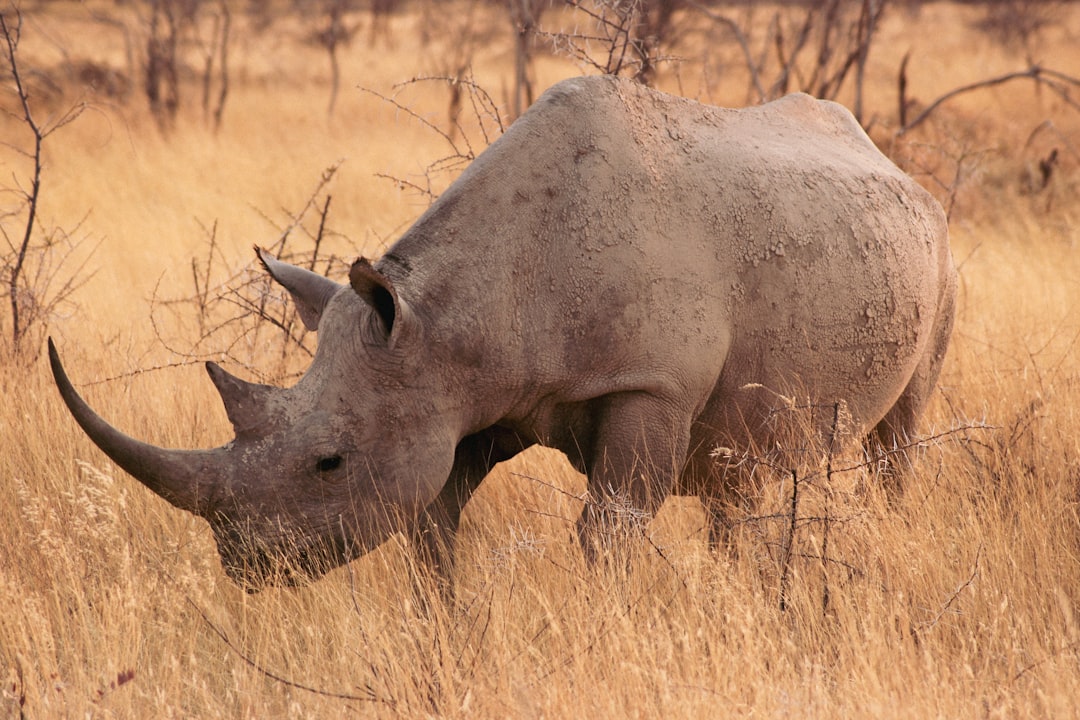
However, despite these success stories, the study found that six times more species are declining than improving. The researchers say that like human healthcare, preventative measures in conservation are preferable and more cost-effective to emergency interventions. Yet these seven species prove something powerful: extinction isn’t inevitable.
The Endangered Species Act celebrated its 50th birthday in 2023 and, in those 50 years, has helped save 99% of listed species from extinction. This was only possible through the collaboration of many different organizations and initiatives and the support of government agencies and the public. In a first-of-its-kind study, the message is clear: Conservation efforts are effective in the majority of cases, and are essential to curbing global biodiversity loss. The study analyzed 665 conservation interventions around the world, finding that conservation interventions either improved biodiversity or slowed declines more than two-thirds of the time.
Each of these animals faced extinction and found a way back. They survived because people decided their stories mattered, because communities changed their relationships with wildlife, and because sometimes science fiction becomes conservation reality. Their recoveries remind us that even in our darkest environmental hour, hope has a way of taking flight, prowling back into forests, and singing across oceans.
What do you think about these incredible comeback stories? Tell us in the comments which recovery inspired you most.

- 10 Ancient Ruins Hidden Deep Inside Dangerous Landscapes - August 12, 2026
- 15 Dog Breeds That Are Surprisingly Good with Cats (and 5 to Avoid) - August 12, 2026
- Why Some Dog Breeds Form Unbreakable Bonds with Their Human Families - August 12, 2026