
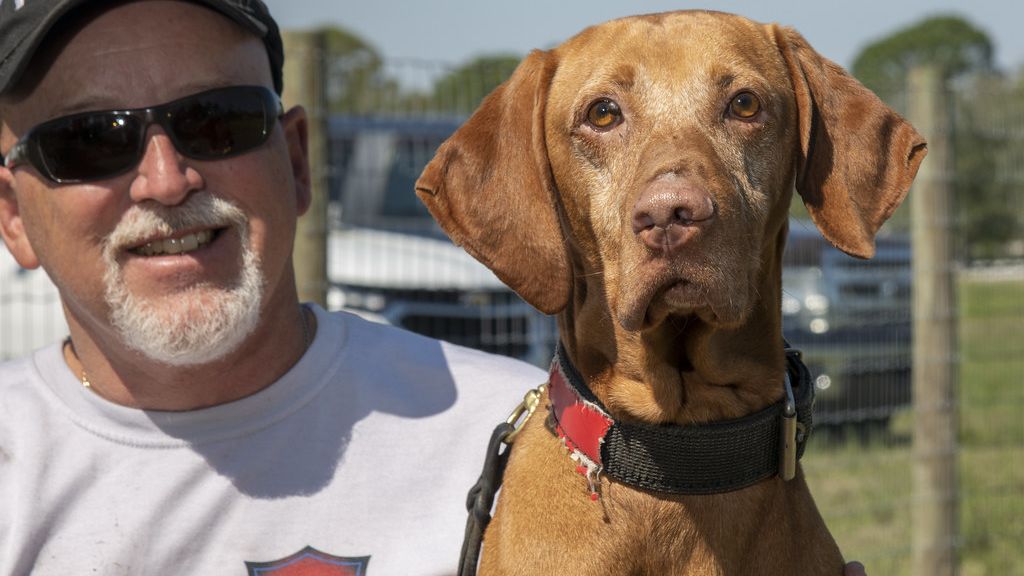
There is something almost magical about the way a dog looks at you. That soft gaze, the tail that starts wagging the moment you walk through the door, the way they curl up at your feet like you are the center of their whole universe. Honestly, it never gets old. Psychologists believe that the relationship between human and canine is a bidirectional attachment bond, which closely resembles that of the typical human caretaker and infant relationship. In other words, what you feel for your dog is not just sentimental fluff. It is biology. It is real.
Yet here is the thing most dog owners never stop to consider: that bond is not automatic. It needs to be nurtured, built, and maintained with intention. The good news? Small, consistent habits can transform a decent relationship with your dog into something genuinely extraordinary. Stick around, because some of what follows might surprise you.
Learn to Speak Dog Before Your Dog Speaks to You
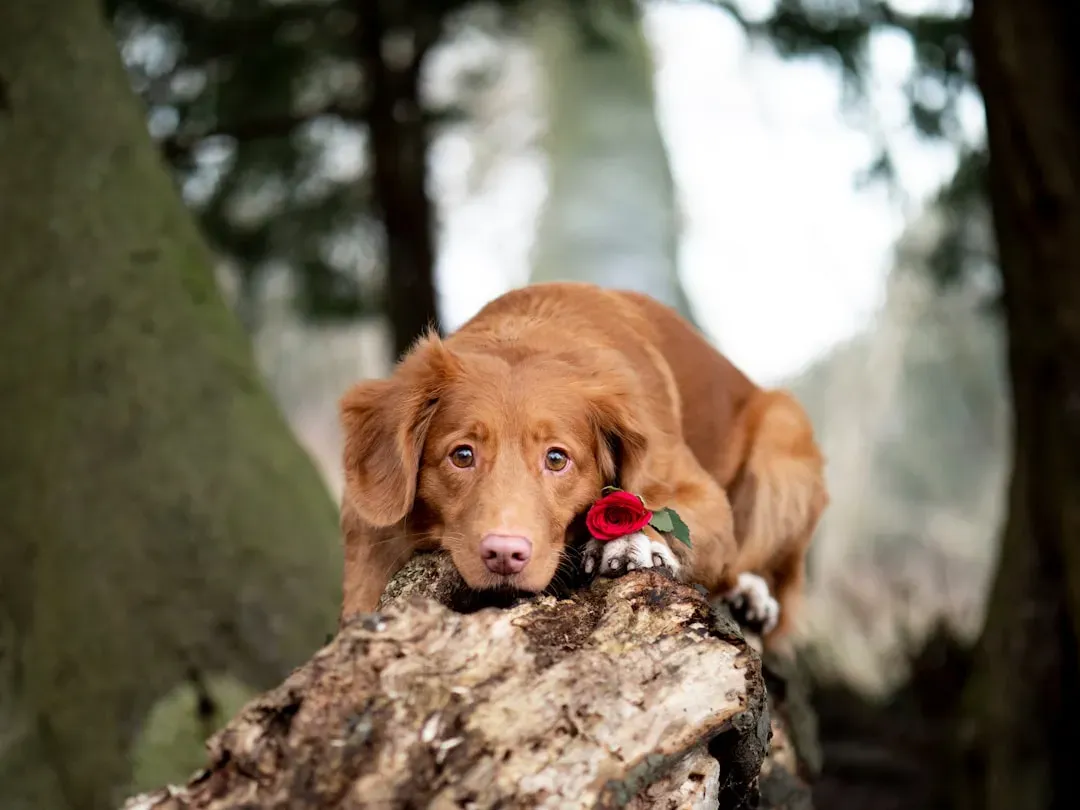
Understanding your dog’s body language is one of the most powerful ways to strengthen your bond. Dogs communicate how they feel through their posture, tail movements, ears, eyes, and overall behavior. Think of it like learning a foreign language. You would not expect a deep friendship with someone whose words you completely ignore.
A confident and alert dog holds their ears forward, head up, and tail up. When a dog has their ears turned to the side, head lowered, avoids eye contact, and has their tail lowered or tucked between their legs, they are conveying fear, anxiety, and potentially stress.
Vocalizations such as growling and barking should not immediately be considered aggressive behavior. They are behaviors on a continuum of communication. Dogs may bark in greeting, excitement, or caution.
Recognizing what your dog is trying to tell you can truly strengthen your bond, since it helps you give them what they need. The more fluent you become in reading your dog, the deeper the trust grows. It is really that simple.
Make Positive Reinforcement Your Daily Religion
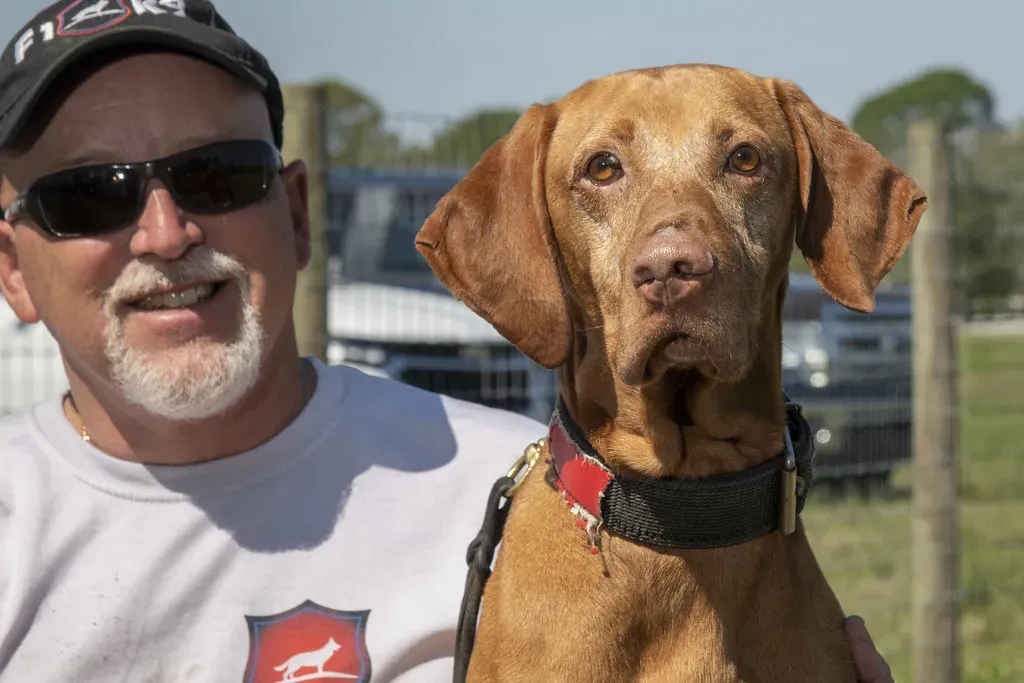
Let’s be real: nobody, human or animal, performs better under fear and punishment. Training your dog using positive reinforcement is not only effective, but it is also a relationship builder. Rewarding good behavior with treats, praise, or playtime reinforces your bond and creates a safe space for learning.
The use of positive reinforcement training methods builds up a dog’s confidence and trust in their pet parents. Conversely, using punitive techniques and tools can increase a dog’s fear and anxiety and even lead to aggressive behavior toward the pet parent and family members.
Regular positive interactions between dogs and their pet parents can increase oxytocin, also known as the love hormone. Daily rituals, such as walks and playing a favorite game, also help release oxytocin. This can reduce stress for both of you and improve your emotional connection.
Think of positive reinforcement like a bank account. Every treat, every warm word, every moment of celebration is a deposit into a shared emotional account that keeps your relationship rich.
Build a Routine and Stick to It Like It Is Sacred

Dogs are creatures of habit, so creating routines they can depend on helps to reduce their stress and increases their trust in you. Whether it is feeding time, bathroom breaks, or play sessions, having a routine helps your dog feel more secure. This predictability allows them to feel comfortable and more connected to you and their environment.
When your pup feels safe and like they can count on you to follow through with their routine, it will be easier for them to trust you. A consistent schedule also reduces anxiety and can make it easier to train your dog, including potty training.
I think about it like this: routines are the scaffolding of trust. You are essentially telling your dog, “I will show up for you, the same way, every single day.” And dogs absolutely love that kind of reliability. It is the foundation on which everything else is built.
Use Touch Intentionally, It Is More Powerful Than You Think
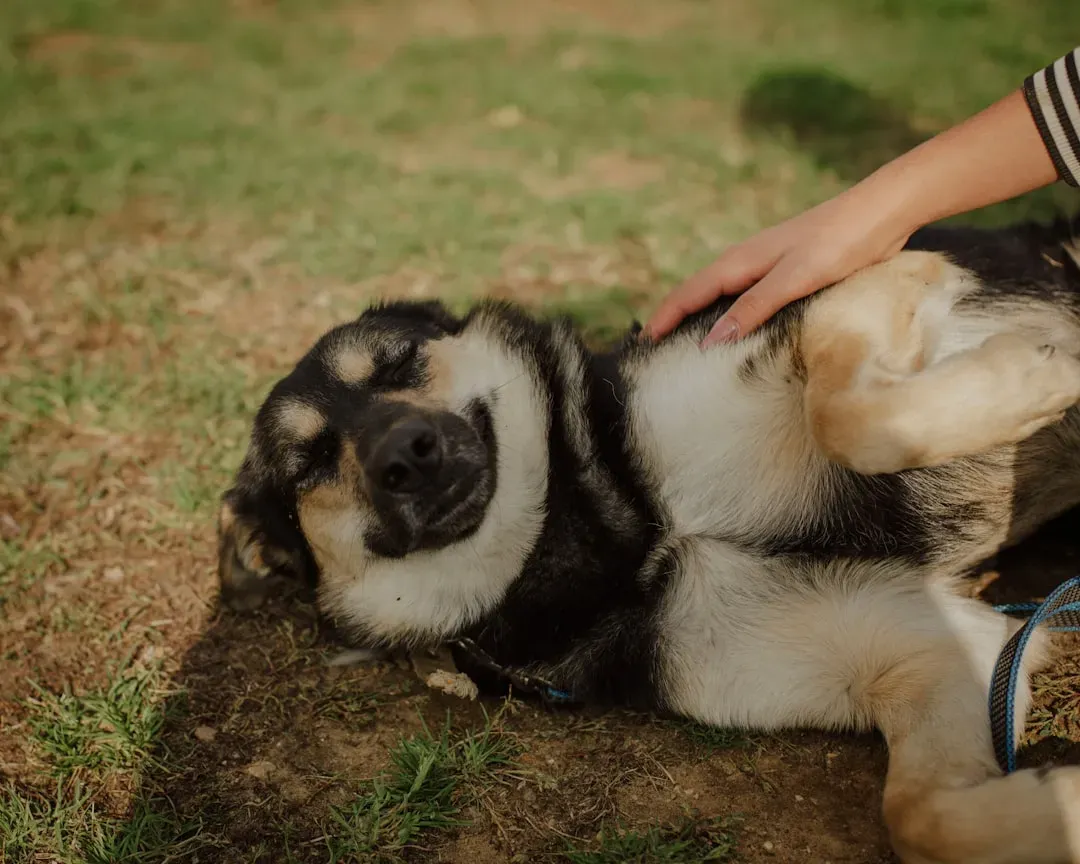
Here is something surprising. The simple act of petting a dog releases oxytocin, a hormone associated with relaxation and bonding, fostering emotional resilience in humans. So every belly rub, every ear scratch, every slow and gentle stroke is literally a chemistry experiment happening in real time, benefitting you both.
A relaxing dog massage can be an excellent way to bond while also soothing your dog’s muscles. Gentle massage helps reduce stress, improves circulation, and can even aid digestion. Learning a few basic massage techniques can help you calm your dog after a long day, reinforcing the bond through touch and relaxation.
Take time to learn how your dog likes to be handled. Some love belly rubs, while others prefer ear scratches or just being near you.
Respecting those preferences matters enormously. Forcing affection on a dog who just wants to be near you is a bit like someone squeezing you in a bear hug when you just want company. Closeness, not intensity, is the goal.
Engage in Deliberate, Focused Playtime Every Single Day
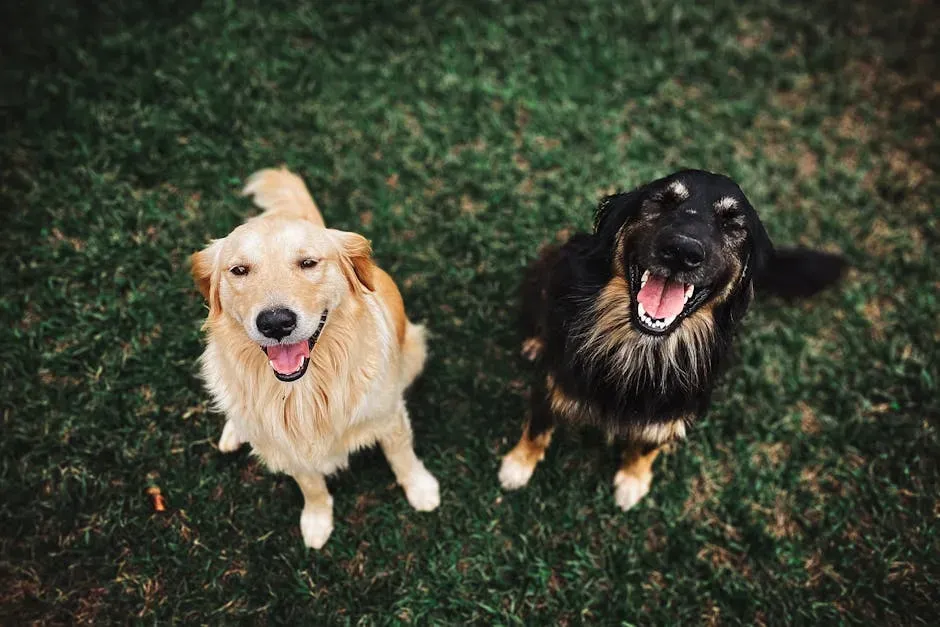
Daily play is about more than just keeping dogs busy. The focus is on building a relationship. It may be anything: a tug-of-war, a fetching game, or learning a new trick. Focused playtime can strengthen the bond between you and your dog.
Playtime with your pet has also been proven to help reduce your stress hormones, too. So in a very real sense, when you are throwing a ball around the yard or wrestling with a rope toy, you are both healing each other without even realizing it.
Figure out what your dog’s favorite activity is and engage with them fully. Actively participate in fetch or tug-of-war and your dog will feed off your excitement.
The energy you bring to playtime matters as much as the activity itself. A half-hearted scroll-through-your-phone-while-throwing-the-ball session is not the same as being fully present. Show up with enthusiasm and watch what happens.
Train Together Regularly, Not Just When Problems Arise
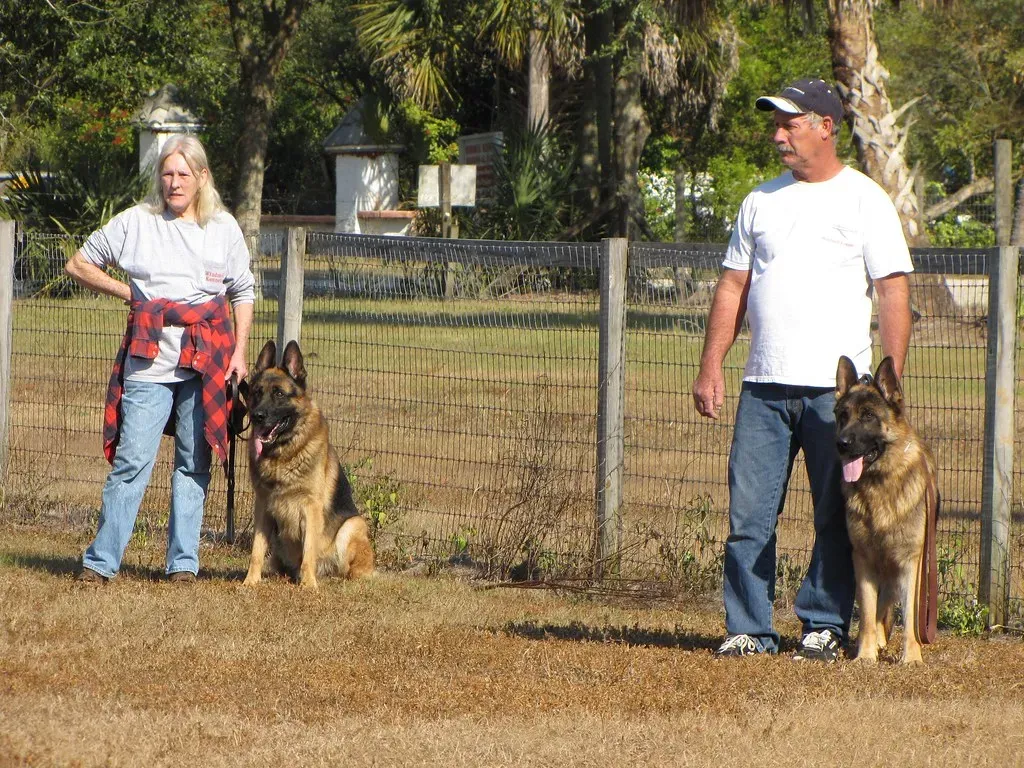
Start with basic commands like “sit,” “stay,” or “come.” Once your dog masters those, try new skills or activities like agility training or nose work. Training sessions keep your dog mentally engaged and strengthen your connection.
Teaching your dog new tricks not only helps them learn better manners and behavior but is a mentally enriching activity that deepens your connection. Training requires your dog to be tuned into you for guidance. They will master new commands and be rewarded with praise and treats from you, building their confidence.
Participating in dog sports such as agility, herding, scent work, or similar activities is another opportunity to strengthen the human-animal bond. These are great activities to work on improving physical fitness, mental enrichment, and teamwork.
Even five minutes of training before dinner each evening counts. It is not about perfection. It is about creating a shared language, a dialogue between two species who genuinely want to understand each other.
Be Consistently Present, Because Your Dog Notices Everything
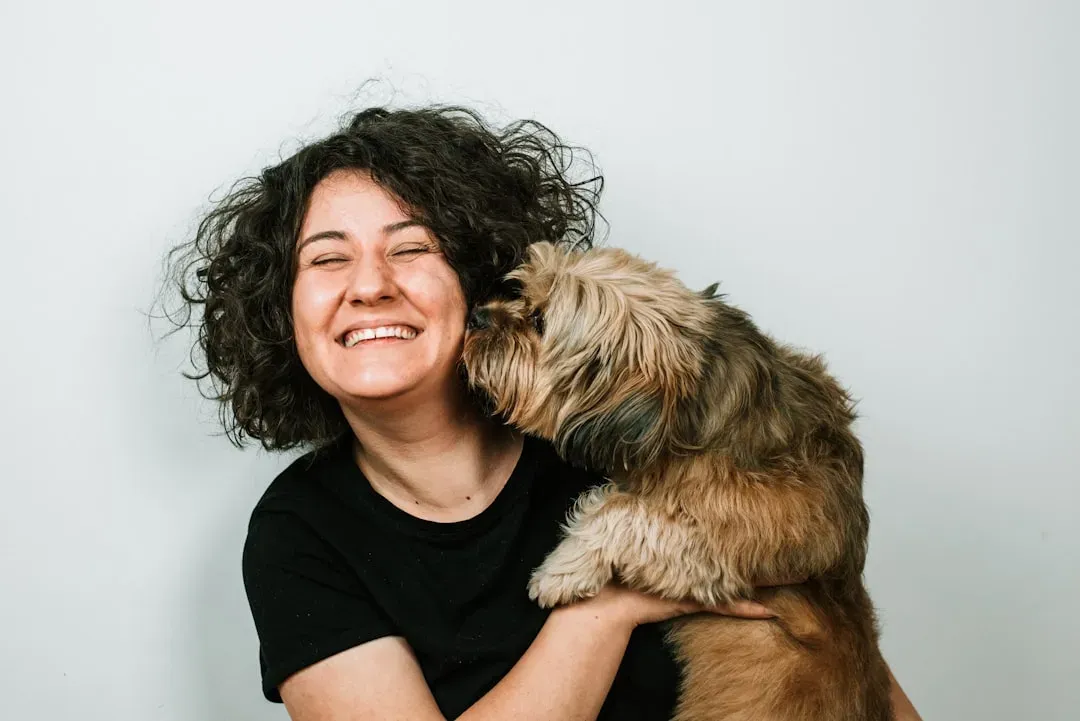
Research shows dogs can actually pick up on and mirror human emotions. In studies using heart monitors, scientists found that dogs and their owners’ heart rates often sync up, especially when they are relaxed and calm together.
A study using brain imaging found that dogs process emotional tones in the same region of the brain as humans. When you speak lovingly, your dog does not just hear the words – they interpret the emotion behind them.
The same part of the dogs’ brains lit up when they saw their human as happened in babies when they saw their mother. On a neurological level, dogs have that same kind of love response when they see us as babies have when they see their mom.
This is the habit that ties all the others together. Being genuinely, emotionally present with your dog, not just physically nearby, is what separates a decent relationship from a profound one. Put the phone down. Sit on the floor with them. Let them just be near you. From their daily walks to lounging together before bed, sometimes the little things we do with our pet by our side create the safest and longest-lasting bonds.
Conclusion: Small Habits, Enormous Love
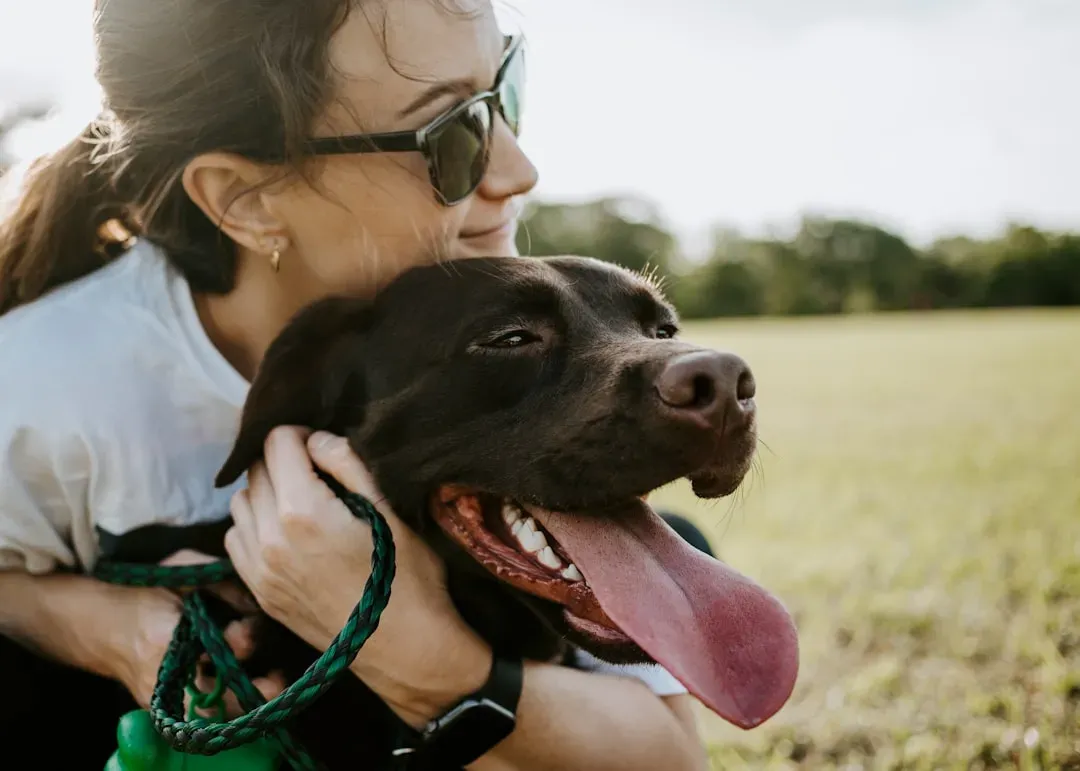
The human-canine bond is strengthened, or diminished, depending on the quantity and quality of the time spent with the canine and through activities such as routine walking, feeding, grooming, and play. None of the seven habits above require enormous effort, a trainer’s salary, or a massive lifestyle overhaul. They just require consistency and care.
Building a strong relationship with your dog is not a one-time effort. It is an ongoing process. Keep reinforcing positive behaviors, spend quality time together, and continue training to maintain a strong bond.
Your dog already thinks you are the most important thing in their world. These habits simply make sure you are living up to that extraordinary honor. Because honestly? They deserve that effort.
What small change will you make starting today to show your canine companion just how much they mean to you? Let us know in the comments.

- 10 Fierce Facts About Jaguars - July 22, 2026
- 7 Cosmic Mysteries Astronomers Still Can’t Solve - July 22, 2026
- 11 Signs Your Pet Dog Is Truly Happy and Feeling Loved in Your Home - July 22, 2026