
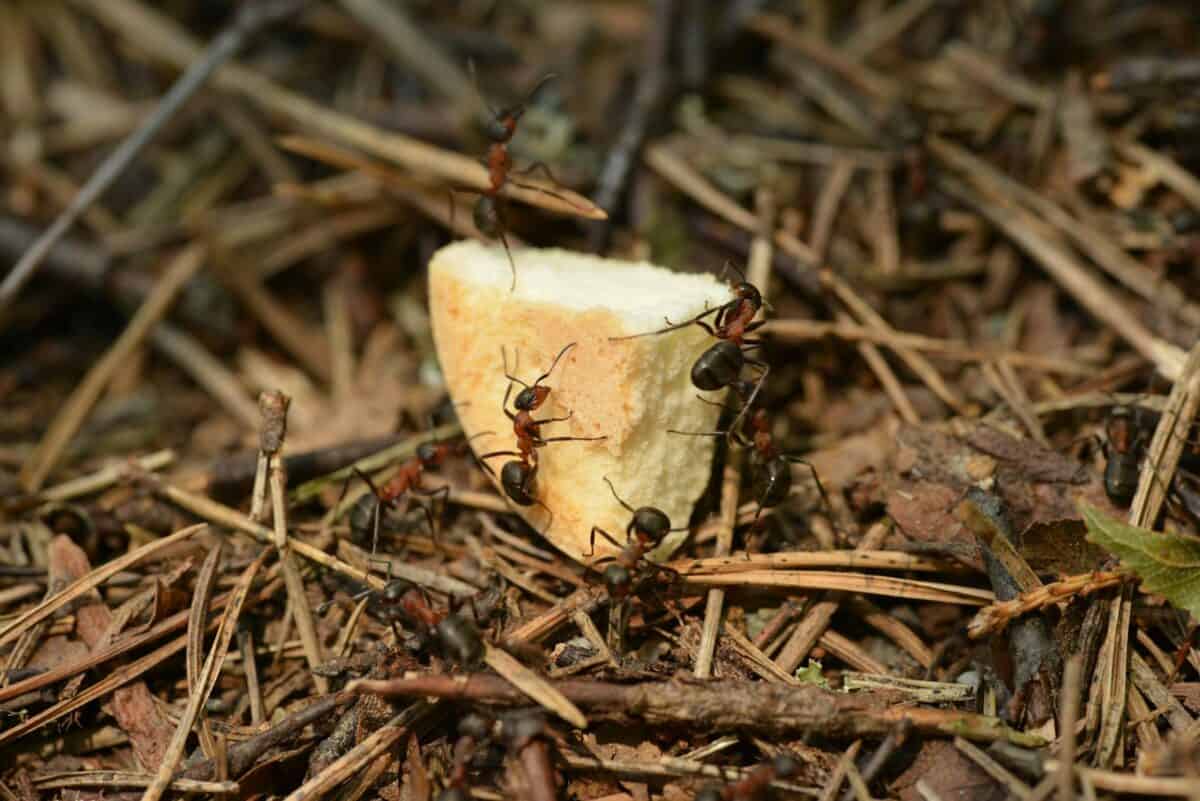
Deep in the tropical rainforests of South and Central America, a remarkable feat of natural engineering takes place daily. Army ants, particularly those of the Eciton genus, construct intricate living bridges using nothing but their own bodies. These temporary structures allow the colony to traverse gaps in their path efficiently, demonstrating one of nature’s most impressive examples of collective intelligence and cooperation. Without blueprints or central planning, thousands of individual ants join together to form functional structures that benefit the entire colony—a marvel of biological architecture that has fascinated scientists and inspired engineers for decades.
The Amazing Army Ants

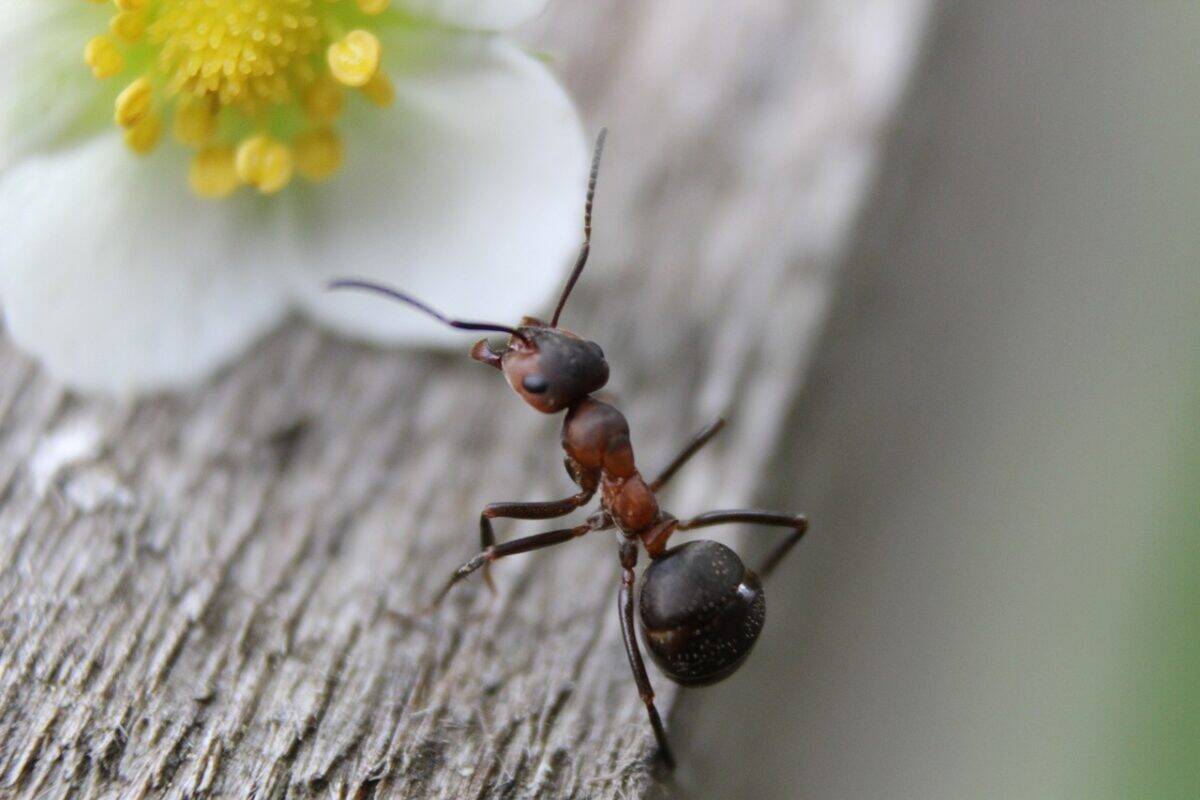
Army ants represent one of the most coordinated and formidable social insect groups on Earth. Unlike many ant species that build permanent nests, army ants are nomadic, establishing temporary bivouacs with their own bodies while constantly moving in search of food. Eciton burchellii, one of the most studied species, forms colonies of up to 700,000 individuals that function as a superorganism. These ants are characterized by their distinctive mandibles designed for cutting and carrying prey, and their remarkable ability to coordinate massive raids where they overwhelm prey many times their size. Their nomadic lifestyle necessitates adaptations like living bridges, which have evolved as an elegant solution to the challenges of traversing the complex three-dimensional environment of the rainforest floor.
Self-Assembly in Action
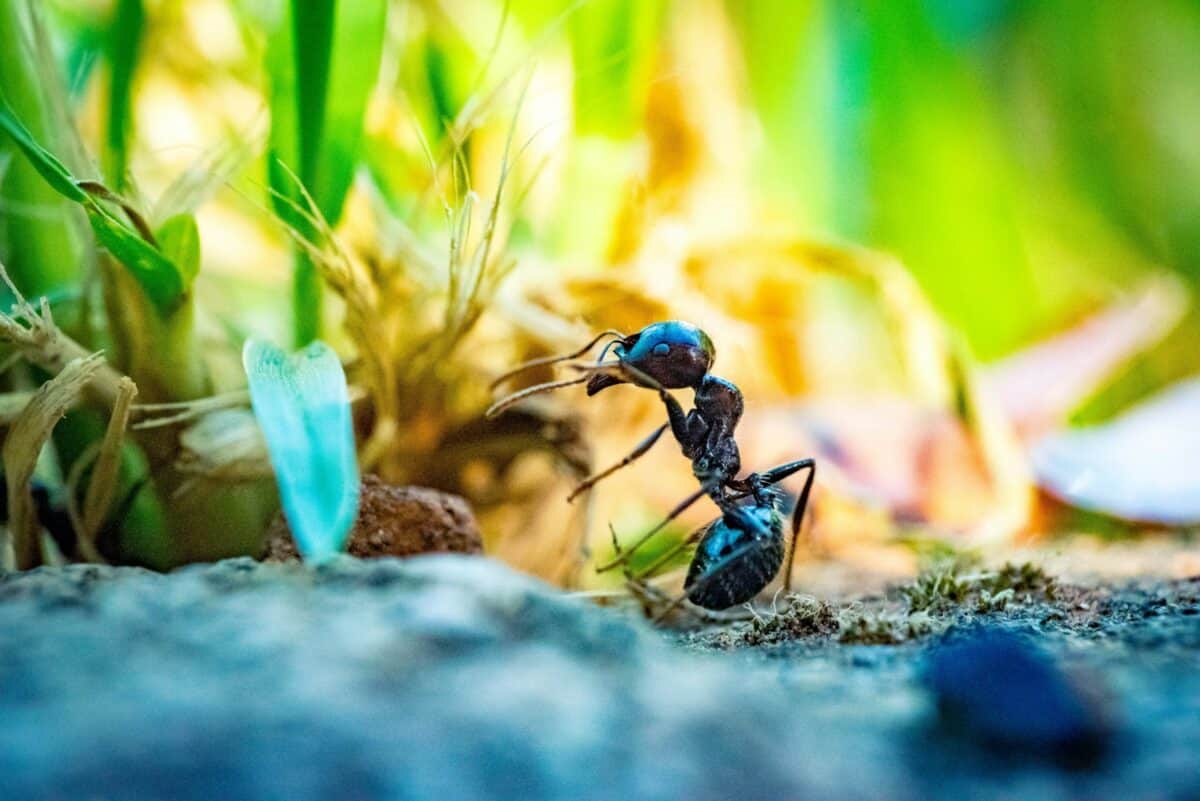
The construction of living bridges begins when scout ants encounter a gap in their path. Instead of each ant taking a long detour around the obstacle, some individuals anchor themselves to a secure edge and extend their bodies outward. Other ants then walk across these pioneers and attach themselves, gradually lengthening the bridge. This process continues with remarkable speed, as more ants join the structure, gripping each other with their mandibles and legs. What’s particularly fascinating is that no single ant directs this activity—it emerges spontaneously from simple behavioral rules followed by each individual. The ants essentially “decide” through chemical and tactile cues whether to become part of the structure or to continue marching across it, resulting in bridges that can span gaps of 10 centimeters or more—a substantial distance considering the ants themselves measure only about 1 centimeter in length.
The Mechanics of Living Architecture

The structural integrity of army ant bridges relies on complex biomechanics. Each ant can support approximately 100 times its own body weight, and when connected, they distribute weight loads efficiently throughout the structure. They grip each other using specialized claws on their feet called tarsal claws, while their exoskeletons provide rigidity. The bridge typically forms a catenary curve—the same shape that appears naturally when a rope or chain is suspended between two points—which maximizes strength while minimizing the number of ants required. Research has shown that these bridges automatically adjust their width and thickness based on traffic flow, becoming wider and stronger when more ants need to cross. This dynamic responsiveness represents a sophisticated form of structural engineering that human architects continue to study and draw inspiration from.
Cost-Benefit Analysis in the Ant World

Living bridges demonstrate a fascinating trade-off in colony economics. While the structure facilitates faster colony movement, it temporarily removes worker ants from other duties like foraging or defense. Studies by researchers at the New Jersey Institute of Technology have revealed that army ants continuously perform a subconscious cost-benefit analysis. The bridges form only when the collective time saved by the shortcut exceeds the labor cost of the ants forming the bridge. Even more remarkably, these bridges disassemble when traffic decreases, showing that the colony dynamically optimizes its infrastructure investment. This balancing act represents a sophisticated form of collective resource management that happens without centralized control—each ant responds to local cues that together produce globally optimal solutions.
Beyond Simple Bridges: Complex Structures
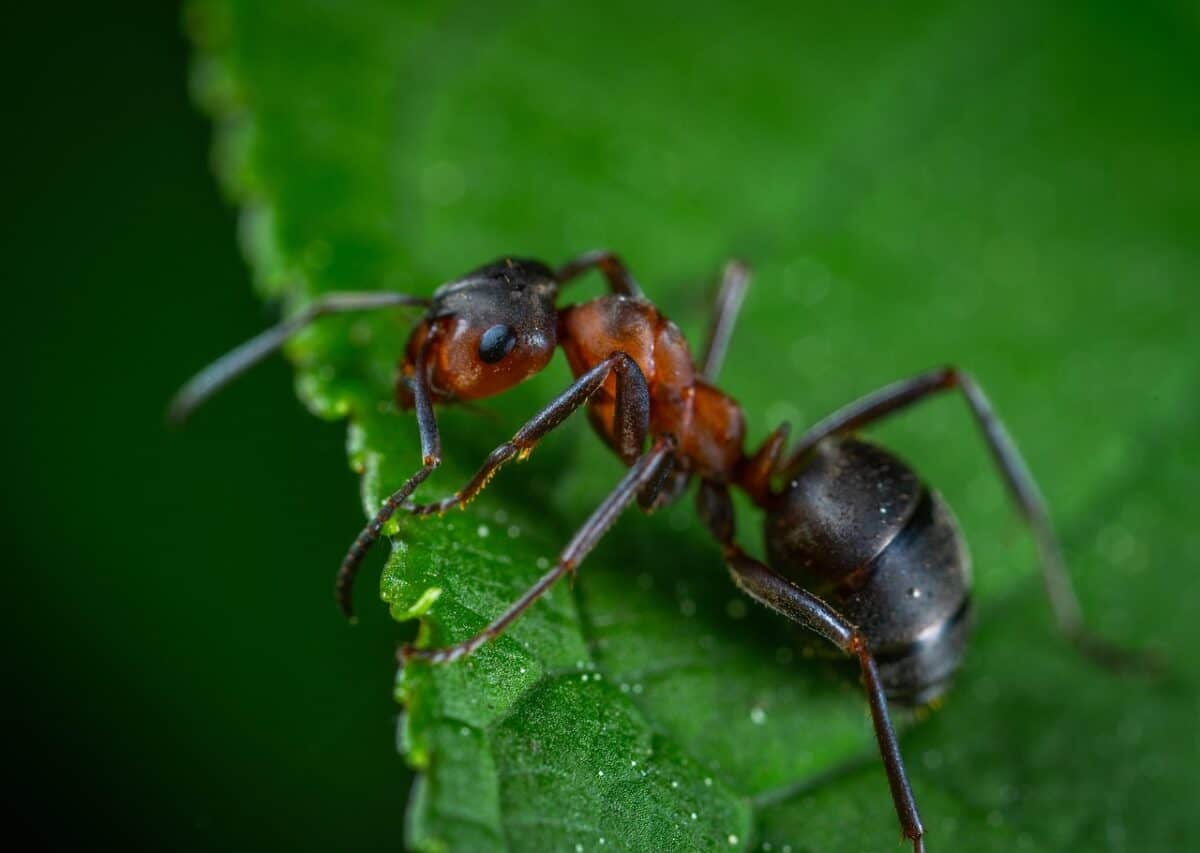
Army ants don’t limit their engineering to simple spans. They construct a variety of living structures adapted to different environmental challenges. When confronted with shallow depressions in the terrain, they create “pothole plugs” by filling the gaps with their bodies, creating a level surface for other ants to traverse. On vertical surfaces, they form “scaffolds” that allow the colony to efficiently move up or down. Perhaps most impressively, they build “ramps” that connect surfaces at different heights, complete with support structures underneath. These different architectural forms demonstrate the remarkable plasticity of their collective behavior, as the same individuals can participate in building various structures depending on the colony’s needs, all without explicit instructions or predetermined plans.
Chemical Communication: The Hidden Blueprint
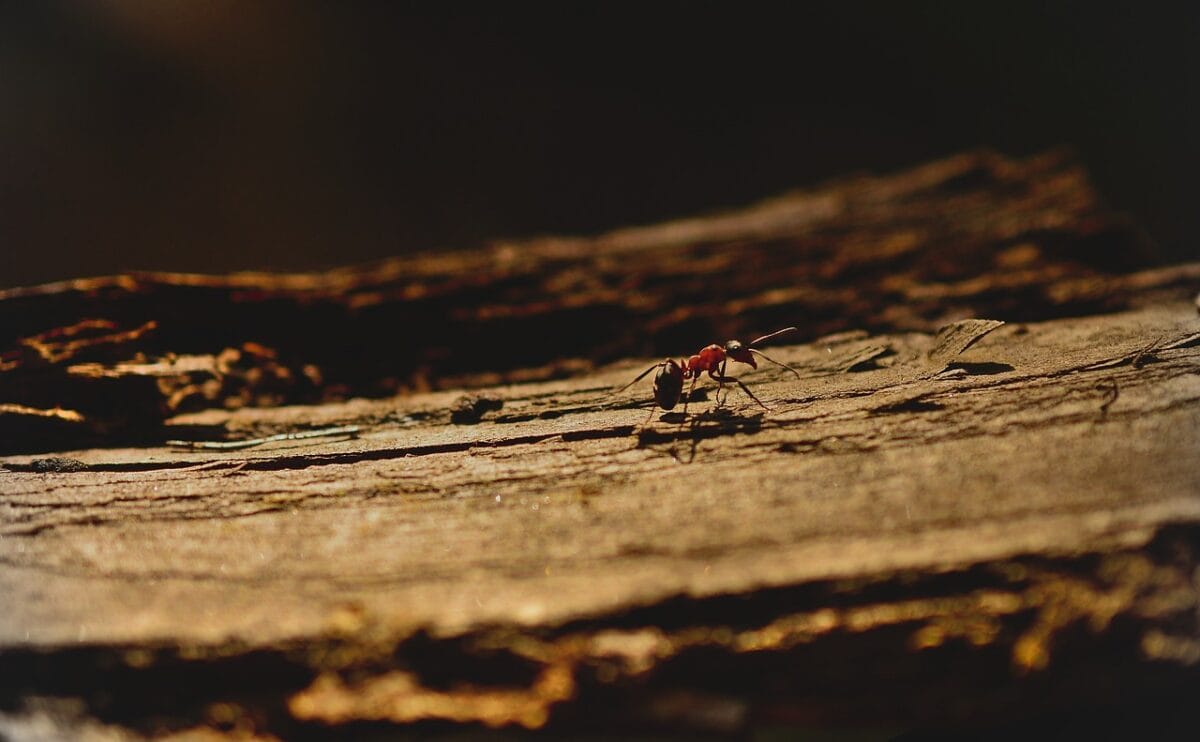
How do thousands of ants coordinate such complex construction without central direction? The answer lies in their sophisticated chemical communication system. Army ants leave pheromone trails that serve as both pathways and construction plans. The concentration of these chemical signals helps determine where bridges form and how many ants should be recruited to the structure. As ants walk, they continuously deposit and detect pheromones, creating feedback loops that influence behavior. High concentrations of certain pheromones might trigger bridge-building behavior while changing concentrations can signal when it’s time to disassemble. This chemical “blueprint” evolves in real-time based on colony needs, creating a dynamic instruction set that guides the collective architecture. Scientists studying these communication networks have found parallels with artificial swarm intelligence systems used in robotics and network optimization.
Bridge Disassembly: An Orderly Retreat

The dismantling of army ant bridges is as remarkable as their construction. When traffic flow decreases, the ants don’t abandon their positions chaotically. Instead, they disassemble the structure in a coordinated fashion that prevents stranding any members of the colony. Typically, ants at the edges of the bridge—those experiencing the least traffic—detect the reduced flow and begin to disengage first. This gradual contraction continues until the bridge is no longer needed. If traffic suddenly increases during disassembly, the process reverses, and the bridge expands again. This responsive deconstruction demonstrates another level of the ants’ collective intelligence, as the structure adapts to changing conditions without endangering colony members. The precise timing mechanisms that regulate this process remain an active area of research for biologists studying social insect behavior.
Learning from Ant Engineers
Army ant bridges have inspired numerous innovations in robotics, structural engineering, and algorithm design. Researchers at Harvard’s Wyss Institute have developed small, simple robots that can form bridges and other structures based on principles observed in army ants. These “Kilobots” demonstrate how complex collective behaviors can emerge from simple individuals following basic rules. In computer science, ant-inspired algorithms called “Ant Colony Optimization” help solve complex problems like routing data through networks or scheduling deliveries. Civil engineers study the catenary structures of ant bridges to develop more efficient suspension bridges and temporary disaster relief structures. Biomimetic architecture increasingly incorporates lessons from these tiny engineers, showing how natural solutions refined by millions of years of evolution can help address human design challenges.
Ecological Importance of Army Ants
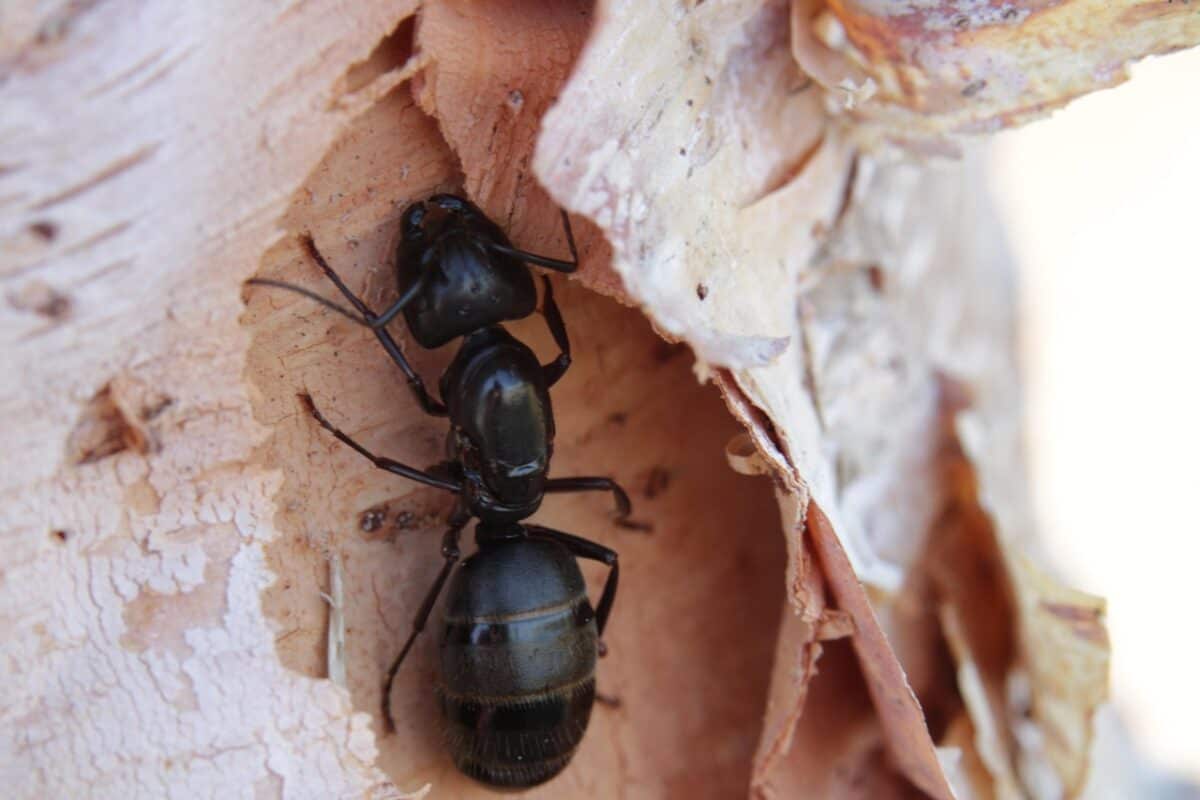
The bridge-building behavior of army ants plays a crucial role in their ecological impact. As top arthropod predators in tropical forests, army ant colonies can consume up to 500,000 prey animals each day. Their ability to rapidly move across complex terrain using bridges and other structures enables them to sweep through large areas efficiently, making them a significant force in controlling insect populations. Ecologists describe army ants as “ecosystem engineers” whose activities affect many other species. Over 300 species of birds follow army ant raids to capture insects fleeing the ants, creating biological associations called “ant-following.” The ants’ bridge-building capability directly contributes to their ecological dominance by allowing colonies to maintain cohesion while moving through challenging environments, maximizing their range and impact as they reshape the forest floor ecosystem.
Variations Among Different Species
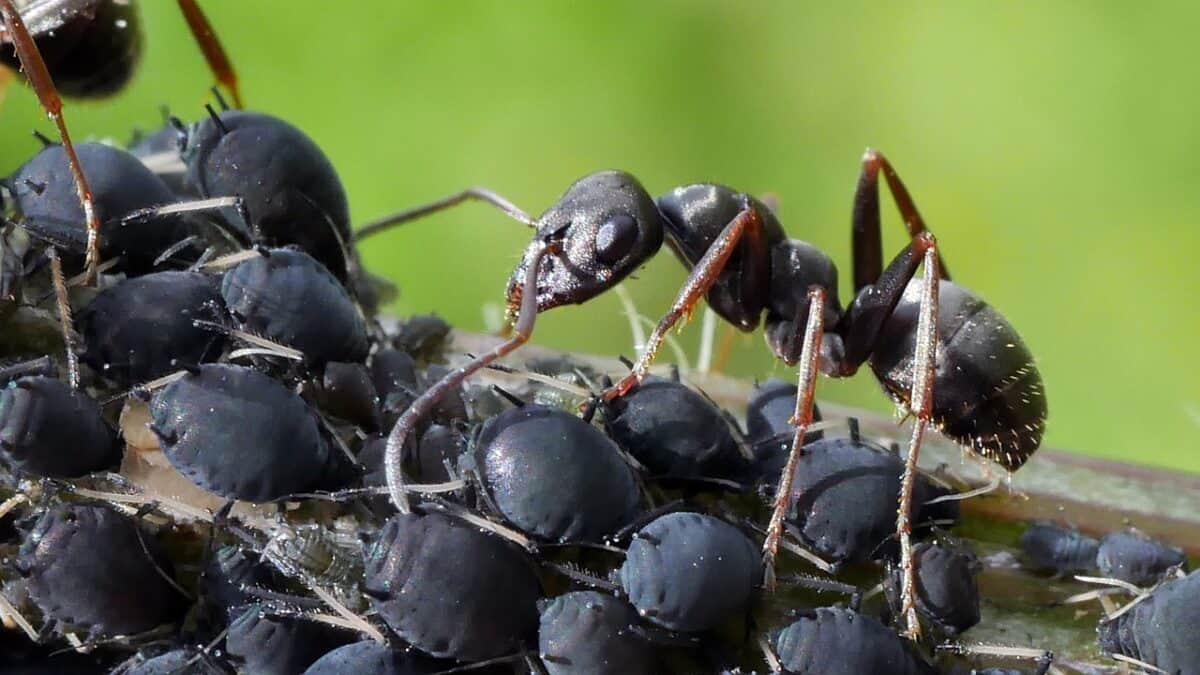
While Eciton burchellii is the most famous bridge-builder, different army ant species show variations in their living architecture. Eciton hamatum builds bridges that tend to be thicker and more robust, while Labidus praedator creates longer, more tenuous structures. Some species in the related genus Dorylus found in Africa and Asia construct similar bridges but with different techniques suited to their physical characteristics and environments. Interestingly, bridge-building behavior has evolved independently in several lineages of ants, including certain species of weaver ants (Oecophylla) that create living chains to pull leaves together for nest construction. This convergent evolution suggests that self-assembling structures represent a powerful solution that has emerged multiple times to solve the challenges of navigating complex environments. Comparing these different approaches provides insights into the evolutionary forces that shape collective behavior.
Threats and Conservation

The remarkable bridge-building army ants face numerous threats in today’s changing world. Deforestation of tropical rainforests destroys their habitat and fragments their environment, potentially limiting the effectiveness of their nomadic lifestyle. Climate change alters the humidity and temperature conditions these moisture-sensitive species depend on. Pesticide use, even far from their immediate habitat, can accumulate in the ecosystem and affect the prey populations army ants rely on. Conservation efforts for these ecosystem engineers focus on preserving large, connected tracts of rainforest that accommodate their nomadic raids and complex social structures. Protecting army ants means preserving not just the species themselves but the hundreds of associated species that depend on them—from the birds that follow their raids to the specialized mites that live on their bodies. Their bridge-building behavior, which enables their ecological role, makes them both fascinating subjects and conservation priorities.
Conclusion

The living bridges of army ants stand as one of nature’s most spectacular examples of collective intelligence and biological engineering. These remarkable structures—formed without blueprints, managers, or conscious planning—demonstrate how complex, adaptive solutions can emerge from the interactions of thousands of individuals following simple rules. As we’ve explored, these bridges represent far more than just practical pathways; they embody sophisticated cost-benefit analyses, dynamic responsiveness to changing conditions, and evolutionary solutions to the challenges of life in complex environments. By studying how army ants build, maintain, and disassemble their living architecture, we gain insights not only into the fascinating world of social insects but also into new approaches for human engineering, robotics, and problem-solving. In the humble army ant, nature reveals the extraordinary power of cooperation and emergent intelligence—lessons that continue to inspire scientists and engineers as they tackle the complex challenges of our own world.

- The Moth That Drinks Blood - July 18, 2026
- How Sea Otters Are Helping Restore Kelp Forests Along the Pacific Coast - July 18, 2026
- This River Delta Is a Magnet for Endangered Birds - July 17, 2026