

A growing movement across the United States and beyond is fundamentally changing how pets enter our homes. Hundreds of cities have enacted ordinances banning the retail sale of dogs, cats, and sometimes rabbits in pet stores, redirecting consumers toward adoption from shelters and rescue organizations or purchasing directly from responsible breeders. This policy trend represents one of the most significant shifts in companion animal welfare legislation in recent decades, aiming to address problems associated with commercial breeding operations and promote more humane treatment of animals. As these bans spread from major metropolitan areas to smaller communities, they’re reshaping the pet acquisition landscape while igniting passionate debate among animal welfare advocates, pet industry representatives, and consumers.
The Rise of Retail Pet Sale Bans

The movement to ban retail pet sales began in 2006 when Albuquerque, New Mexico, became the first major U.S. city to prohibit the sale of puppies and kittens in pet stores. Since then, the trend has accelerated dramatically, with over 400 localities across North America implementing similar restrictions. California made history in 2017 by becoming the first state to pass a comprehensive ban on the retail sale of dogs, cats, and rabbits through its Pet Rescue and Adoption Act, which went into full effect in 2019. Other states including Maryland, Maine, Illinois, and Washington have followed with their own versions of these restrictions.
The scope and specifics of these ordinances vary by location. Some bans apply only to dogs and cats, while others include rabbits or other small mammals. Many ordinances explicitly require pet stores to partner with animal shelters or rescue organizations if they wish to showcase adoptable pets. The common thread among these laws is their aim to disrupt the supply chain between commercial breeding facilities and retail stores, while encouraging adoption of homeless animals as an alternative.
Targeting Puppy Mills and Commercial Breeding Operations
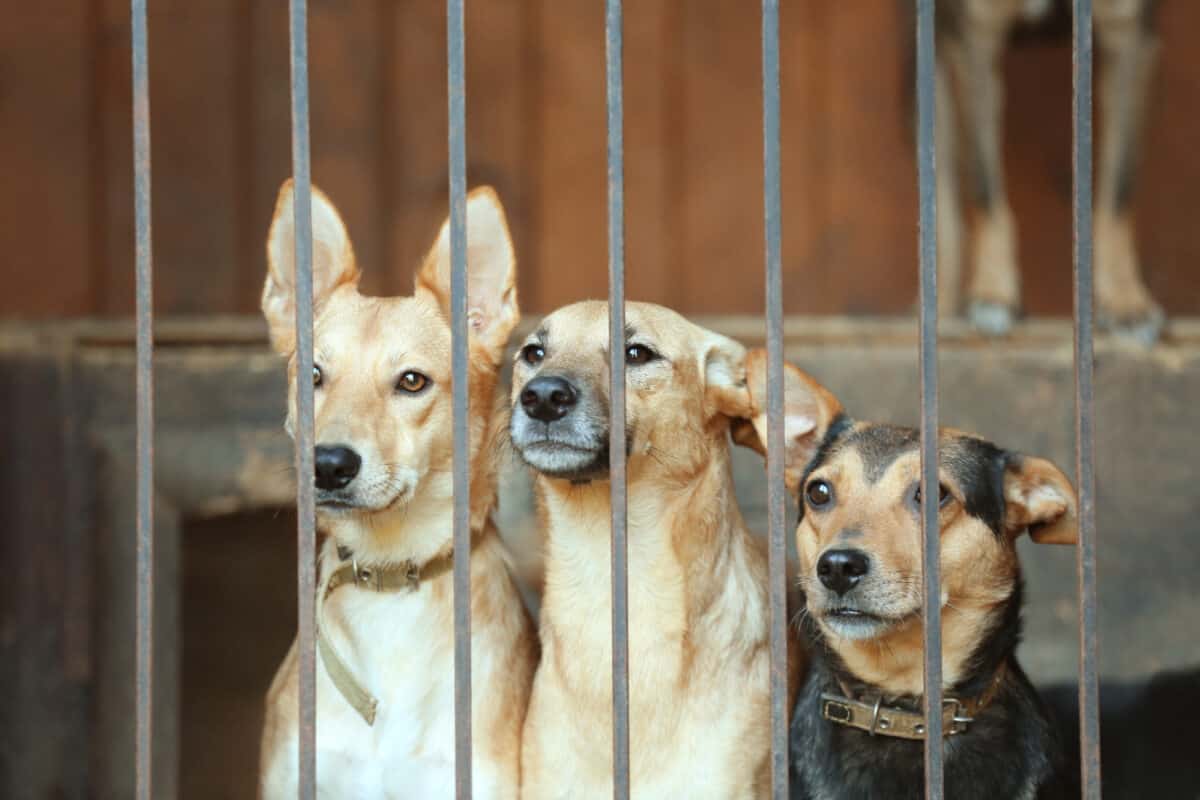
The primary motivation behind retail pet sale bans is to combat “puppy mills” and other high-volume commercial breeding facilities that prioritize profit over animal welfare. These operations often keep animals in overcrowded, unsanitary conditions with minimal veterinary care, inadequate socialization, and little regard for genetic health. Female breeding dogs frequently spend their entire lives in cages, producing litter after litter until they can no longer reproduce. The USDA, which regulates commercial breeders selling to pet stores, has been criticized for maintaining standards that animal welfare advocates consider woefully inadequate and for inconsistent enforcement of even these minimal requirements.
According to the Humane Society of the United States, there are an estimated 10,000 puppy mills in the United States, with only about 2,000 that are licensed and inspected by the USDA. Investigations have repeatedly documented disturbing conditions at these facilities, including animals suffering from untreated injuries and illnesses, exposure to extreme temperatures, and severe psychological distress from confinement and lack of human interaction. By cutting off the retail sales outlet for these operations, advocates hope to reduce the financial incentive for substandard breeding practices.
Addressing Pet Overpopulation and Shelter Euthanasia
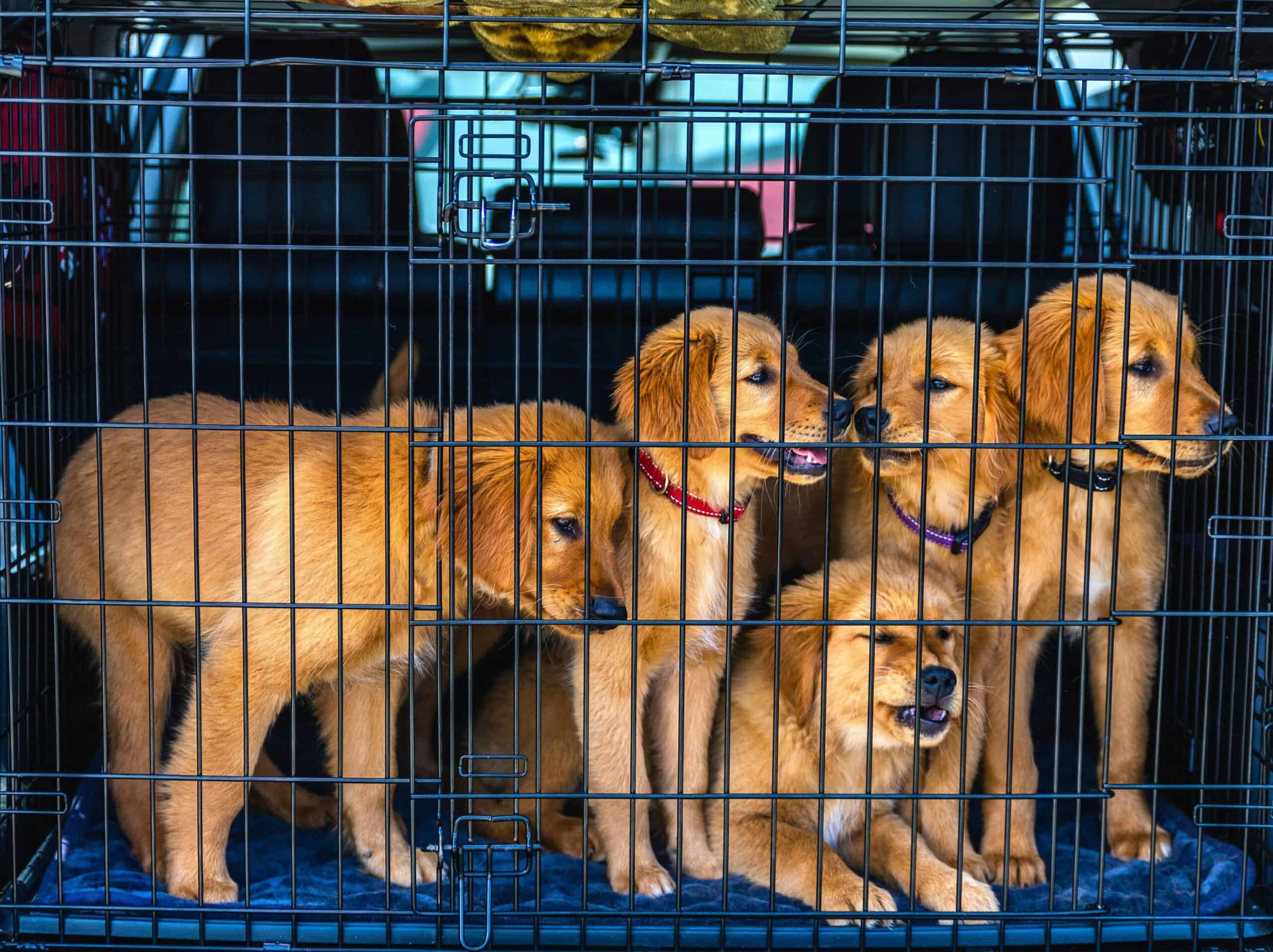
Another driving force behind retail pet sale bans is the persistent problem of pet overpopulation and resulting euthanasia in animal shelters. According to the ASPCA, approximately 6.3 million companion animals enter U.S. shelters every year. While euthanasia rates have declined significantly over the past decade, an estimated 920,000 shelter animals are still euthanized annually when shelters lack space or resources to care for them, or when animals have serious medical or behavioral issues that make them unadoptable.
By redirecting consumers from pet stores to shelters and rescues, these ordinances aim to increase adoption rates and reduce the number of animals euthanized due to overcrowding. Cities like Los Angeles, which implemented its ban in 2012, have reported increases in shelter adoption rates following their ordinances, though multiple factors influence these statistics. The bans also frequently include provisions allowing pet stores to partner with shelters and rescues to offer adoption events, creating new venues for homeless animals to find families.
Major Cities Leading the Movement

Many of America’s largest cities have embraced retail pet sale bans. Chicago passed its ordinance in 2014, prohibiting pet stores from selling dogs, cats, and rabbits unless they come from shelters or rescue organizations. Philadelphia followed in 2016 with similar legislation, and New York City strengthened its existing restrictions in 2021 with a comprehensive ban. Boston, San Francisco, Austin, and Pittsburgh have all implemented their own versions of these ordinances, creating a patchwork of regulations across major metropolitan areas.
Outside the United States, Toronto became the first major Canadian city to ban the sale of puppies and kittens in pet stores in 2011, and the United Kingdom enacted “Lucy’s Law” in 2020, banning third-party sales of puppies and kittens under six months old. The international spread of these restrictions reflects growing global concern about commercial breeding practices and a shift toward viewing companion animals less as commodities and more as sentient beings deserving of protection from exploitation.
Consumer Protection Concerns
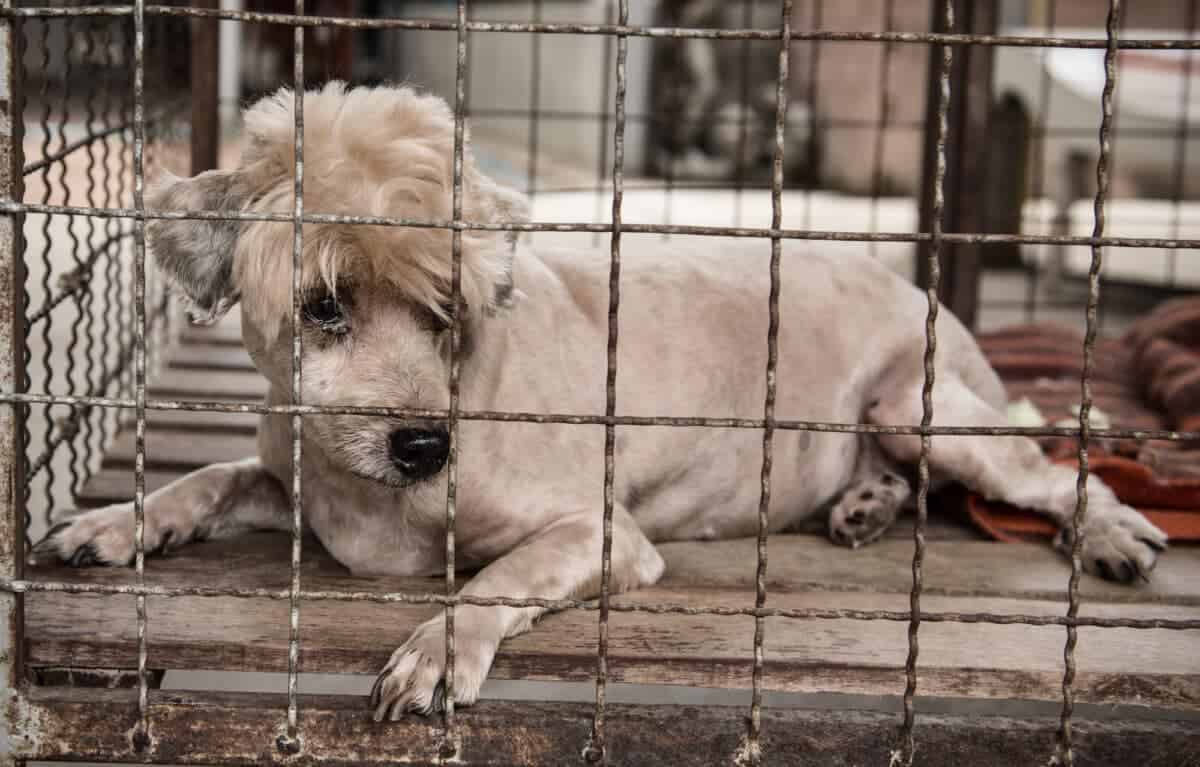
Beyond animal welfare considerations, many proponents of retail pet sale bans cite consumer protection as a significant justification. Puppies from commercial breeding facilities frequently suffer from congenital health issues due to poor breeding practices, overbreeding, and lack of genetic screening. These problems may not become apparent until after purchase, leaving new pet owners facing unexpected and sometimes devastating veterinary bills. A 2013 study in the Journal of the American Veterinary Medical Association found that puppies from pet stores were more likely to develop behavioral problems and suffer from health issues than those obtained from breeders.
Consumers also often receive inadequate or misleading information about the origins of pet store animals. While stores may claim their puppies come from “USDA-licensed breeders,” this designation provides minimal assurance of humane conditions. Many ordinances cite documented cases of pet stores sourcing from breeders with serious Animal Welfare Act violations while assuring customers their animals come from reputable sources. By eliminating retail sales, these laws aim to protect consumers from fraudulent practices and encourage more transparent, direct relationships with either shelters or responsible breeders.
Industry Opposition and Legal Challenges

The pet industry has mounted significant opposition to retail sale bans, arguing that they unfairly target legitimate businesses and limit consumer choice. Organizations like the Pet Industry Joint Advisory Council (PIJAC) and various pet store chains have challenged these ordinances in court, claiming they violate interstate commerce laws or exceed municipal authority. These legal challenges have had mixed results, with courts in some jurisdictions upholding the bans while others have found them unconstitutional or improperly enacted.
Industry representatives also argue that eliminating regulated pet stores will drive consumers to unregulated sources like online marketplaces or flea markets, where oversight is minimal and welfare concerns may be even greater. They advocate instead for stricter regulation and enforcement of breeding standards rather than outright prohibition of retail sales. Some pet stores have adapted to the changing landscape by transitioning to adoption-based models, partnering with shelters to offer space for adoptable animals while continuing to sell pet supplies and services.
Alternative Models: The Humane Pet Store Concept

As cities implement retail sale bans, some pet stores are evolving toward what advocates call the “humane pet store” model. Under this approach, stores no longer sell commercially bred puppies, kittens, or rabbits but instead partner with local animal shelters and rescue groups to host adoptable pets. These stores maintain their business by focusing on pet supplies, food, and services like grooming or training, while the adoption component drives foot traffic and builds community goodwill. National chains including Petco and PetSmart have embraced this model, hosting adoption events and maintaining permanent adoption centers within their stores.
Some municipalities have incorporated incentives for this transition into their ordinances, offering expedited permitting or other benefits to stores that switch to adoption-based models. Advocates point to successful conversions of traditional pet stores to the humane model as evidence that businesses can remain profitable while supporting animal welfare. These hybrid approaches attempt to balance the economic interests of pet retailers with the community’s desire to promote adoption and combat inhumane breeding.
Impacts on Responsible Breeders

While retail pet sale bans primarily target commercial breeding operations, some small-scale, responsible breeders have expressed concerns about potential unintended consequences. These breeders, who typically produce only a few litters per year with careful attention to health, temperament, and genetic diversity, worry that anti-breeding sentiment might be amplified by these ordinances. However, most retail bans specifically exempt direct sales from breeders to consumers, focusing solely on the pet store supply chain where the most problematic practices occur.
In fact, many responsible breeders support retail sale bans, viewing them as a way to distinguish their ethical practices from mass-production breeding operations. Organizations like the American Kennel Club, while generally opposing retail bans as limiting consumer choice, do advocate for purchasers to buy directly from breeders rather than through pet stores. The direct breeder-to-owner relationship allows prospective pet owners to see the conditions in which animals are raised, meet the parents, and establish a connection with the breeder who can provide ongoing support and advice.
Measuring Success: Data from Early Adopters

Cities that implemented retail pet sale bans early have begun to accumulate data on their effects, though comprehensive studies remain limited. In Los Angeles, which banned pet store sales of commercially bred dogs, cats, and rabbits in 2012, city shelters reported a 9.5% decrease in euthanasia in the year following implementation. However, attributing these changes directly to the ban is complicated by other concurrent animal welfare initiatives and shifting trends in pet acquisition. California’s statewide ban, implemented in 2019, may eventually provide more definitive data on larger-scale impacts.
Some research has examined the economic impact on pet retailers. A 2019 study of municipalities with retail pet sale bans found that pet stores generally remained in business after the bans by adapting their business models, suggesting the economic concerns raised by industry opponents may be overstated. Meanwhile, investigations by animal welfare organizations have documented attempts by some pet stores to circumvent bans through various loopholes, highlighting the need for careful ordinance drafting and consistent enforcement.
The Role of Online Sales and Emerging Challenges

As retail pet sale bans become more widespread, attention is increasingly turning to online sales platforms where regulation is minimal and deceptive practices can flourish. Websites offering puppies for sale often serve as fronts for the same commercial breeding operations that previously supplied pet stores, with even less transparency or oversight. Some advocates argue that addressing only brick-and-mortar retail sales without tackling internet sales creates a significant loophole that undermines the effectiveness of these ordinances.
In response, some jurisdictions are beginning to explore regulations for online pet sales, though the interstate nature of internet commerce creates jurisdictional challenges. The COVID-19 pandemic accelerated online pet purchasing as demand for companion animals surged while in-person shopping was restricted, highlighting the urgency of addressing this growing sector of the market. Future legislation may need to evolve to encompass both physical and virtual marketplaces to effectively combat inhumane breeding practices.
Beyond Dogs and Cats: Expanding Protections

While most retail pet sale bans initially focused on dogs and cats, many jurisdictions have expanded their ordinances to include rabbits, which face similar welfare concerns in commercial breeding operations. Animal welfare advocates are increasingly calling for protections for other species sold in pet stores, including small mammals like guinea pigs, hamsters, and gerbils, as well as reptiles, amphibians, and birds. These animals often receive even less regulatory protection than dogs and cats, despite being subjected to similar conditions in mass breeding facilities.
Chicago’s 2014 ordinance included rabbits alongside dogs and cats, recognizing the significant rabbit overpopulation issues in shelters. California’s statewide ban also covers rabbits, acknowledging that they are the third most surrendered species to shelters after dogs and cats. As the movement evolves, the scope of animals protected by these ordinances may continue to expand, reflecting growing recognition that welfare concerns extend beyond traditional companion animals to all species sold in the pet trade.
The Future of Pet Acquisition: A Paradigm Shift

The spread of retail pet sale bans represents more than just a regulatory change—it signals a fundamental shift in how society views companion animal acquisition. These ordinances promote a model where pets are either adopted from shelters and rescues or purchased directly from responsible breeders who can be held accountable for the conditions in which they raise animals. This approach emphasizes transparency, responsibility, and recognition of animals as sentient beings rather than commodities in a supply chain.
As more cities and states implement these bans, they contribute to a broader cultural conversation about our ethical obligations to companion animals. Future generations may find the concept of purchasing a puppy from a pet store window as outdated as other once-common practices now recognized as inhumane. The movement toward retail pet sale bans, while still controversial in some quarters, appears to be gaining momentum as part of a larger evolution in human-animal relationships that prioritizes welfare over convenience and profit.
Conclusion: Balancing Welfare, Commerce, and Choice

Retail pet sale bans represent a significant policy response to documented concerns about commercial breeding operations and the welfare of animals in the pet trade. By severing the connection between puppy mills and consumers, these ordinances aim to reduce animal suffering while promoting adoption of homeless pets. The hundreds of cities that have implemented these restrictions are part of a growing recognition that the way we acquire companion animals has ethical implications that merit public policy attention.
As with any significant regulatory change, these bans involve complex tradeoffs between animal welfare, consumer choice, business interests, and practical enforcement challenges. The most effective approaches appear to be those that provide clear alternatives—promoting adoption and responsible breeding while supporting pet stores in transitioning to more humane business models.
While debate continues about the optimal approach to regulating pet sales, the trend toward greater protection for companion animals appears unlikely to reverse. Cities considering such bans can learn from the experiences of early adopters, refining their ordinances to address potential loopholes and implementation challenges.
Ultimately, these bans reflect an evolving relationship between humans and companion animals—one that increasingly recognizes our responsibility to ensure their welfare throughout their lives, beginning with how they first come into our homes and hearts.

- 10 Animals That Cheat Death in the Most Unexpected Ways - July 19, 2026
- The Shrimp That Punches Like a Bullet - July 19, 2026
- This Tiny Mammal Can Slow Its Heartbeat to One Beat Per Minute - July 19, 2026